Showing posts with label telomeres. Show all posts
Showing posts with label telomeres. Show all posts
Monday, May 18, 2026
This Dark Chocolate Compound Is Linked To Slower Biological Aging, Study Finds by mindbodygreen


Wednesday, May 6, 2026
Scientists Have Discovered a Protein That Reverses Brain Aging in The Lab
Your competent? doctor followed up this earlier research, right? To solve for your 5 lost years of brain cognition due to your stroke?
Do you have ANY CONFIDENCE AT ALL that your stroke medical 'professionals' will get human testing going with an EXACT PROTOCOL DELIVERED?
Scientists Have Discovered a Protein That Reverses Brain Aging in The Lab
Our brains age along with the rest of our bodies, and as they do, they produce fewer new brain cells. Now, researchers have found a key mechanism through which the typical age-related decline in neuron production might be slowed.
In later life, the neural stem cells (NSCs) that turn into fully fledged neurons become more dormant – almost as if they're going into retirement after a long lifetime of service. As that happens, cognitive decline creeps in.
A major reason why NSC activity fades with age is the wear and tear on telomeres, the protective caps on the ends of DNA. Telomeres fray a little more each time a cell divides, and over time, this impairs cells' ability to grow and divide, leading to increasing cell death.
This latest study, led by a team from the National University of Singapore (NUS), took a closer look at the mechanisms involved to see if they could find a way to restore weary NSCs."Impaired neural stem cell regeneration has long been associated with neurological aging," says chemical biologist Derrick Sek Tong Ong, from NUS.
"Inadequate neural stem cell regeneration inhibits the formation of new cells needed to support learning and memory functions."
"While studies have found that defective neural stem cell regeneration can be partially restored, its underlying mechanisms remain poorly understood."
Through a combination of human NSC analysis in the lab and mouse model experiments, the researchers singled out a protein called cyclin D-binding myb-like transcription factor 1 (DMTF1). Transcription factors such as DMTF1 bind to DNA, to switch genes on or off.
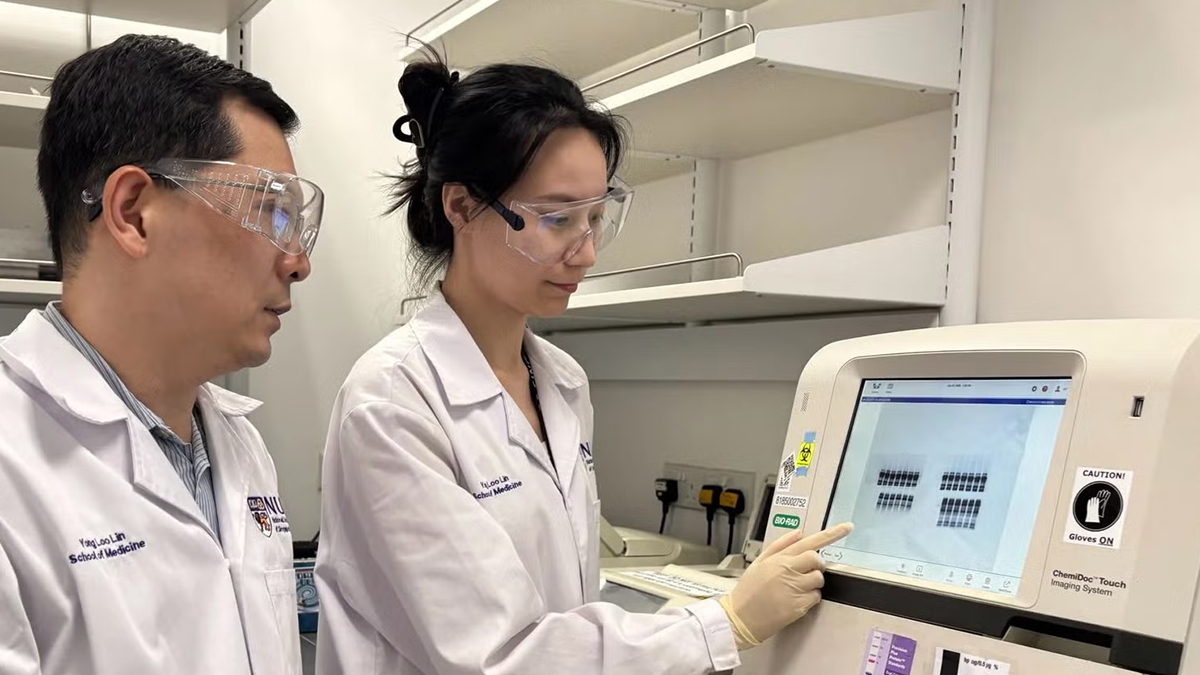
DMTF1 isn't new, but its role in influencing NSCs is. The team found that it's more abundant in younger and healthier brains, and that adding more DMTF1 encouraged NSCs to grow and divide – potentially restoring the natural neuron production associated with a younger brain.While shorter telomeres seemed to contribute to a reduction in DMTF1 levels, when the amount of DMTF1 was artificially boosted in cells, telomere length remained unchanged – so the transcription factor seemed to find a workaround.
Specifically, DMTF1 activates two 'helper' genes called Arid2 and Ss18, which promote cell growth by switching on other genes that restore the biological cycle through which neurons are created.Understanding this process at such a fundamental level means we might eventually be able to control it – perhaps through treatments that encourage neuron growth in spite of age.
"Our findings suggest that DMTF1 can contribute to neural stem cell multiplication in neurological aging," says neuroscientist Liang Yajing, from NUS.
It's a significant discovery of a crucial process, but we shouldn't get ahead of ourselves: This study is based on lab experiments and mouse models, and any suggestion that neuron production could be boosted still needs to be proven.Now that this mechanism has been identified, however, future studies can build on this research. It's possible that manipulating DMTF1 could potentially reverse some of the aging that normally grips the brain, but that remains to be seen.
Next steps could include a more comprehensive analysis of how DMTF1 might be used to restore NSC activity and whether that could possibly lead to improvements in learning and memory. This would need to be carefully done, firstly in animal studies; DMTF1 is linked to cell growth, so too much duplication could lead to cancer tumors.
We can add this latest study to a growing body of research looking at how the brain ages, and how some of that aging might be slowed, stopped, or reversed.
Diet and exercise appear to help, yet the allure of therapies to rejuvenate aging brain cells remains strong, though a distant prospect.
Related: Stress-Sensitive Neurons May Have a Powerful Effect on Our Entire Brain
An older brain is one that's more susceptible to cognition problems, disease, and dementia. While this research didn't look at those issues specifically, it may go some way in helping us understand normal brain aging.
"Understanding the mechanisms for neural stem cell regeneration provides a stronger foundation for studying age-related cognitive decline," says Ong.
The research has been published in Science Advances.
Wednesday, February 18, 2026
Scientists discover protein that rejuvenates aging brain cells
Do you have ANY CONFIDENCE AT ALL that your stroke medical 'professionals' will get human testing going with an EXACT PROTOCOL DELIVERED?
Do you prefer your doctor, hospital and board of director's incompetence NOT KNOWING? OR NOT DOING? Your choice; let them be incompetent or demand action!
Scientists discover protein that rejuvenates aging brain cells
- February 12, 2026
- National University of Singapore, Yong Loo Lin School of Medicine
- A newly identified protein may hold the key to rejuvenating aging brain cells. Researchers found that boosting DMTF1 can restore the ability of neural stem cells to regenerate, even when age-related damage has set in. Without it, these cells struggle to renew and support memory and learning. The findings raise hopes for treatments that could slow or even reverse aspects of brain aging.
Scientists at the Yong Loo Lin School of Medicine at the National University of Singapore have identified a protein that may help restore the brain's ability to produce new cells as it ages. Their findings, published in Science Advances, point to a transcription factor called cyclin D-binding myb-like transcription factor 1 (DMTF1) as a central regulator of neural stem cell activity in older brains. Transcription factors are proteins that control how genes are turned on or off in specific cells.Neural stem cells are responsible for generating new neurons, which play an essential role in learning and memory. As people age, these stem cells gradually lose their ability to renew themselves, contributing to cognitive decline.
Investigating DMTF1 in Aging Brain Cells
The study was led by Assistant Professor Ong Sek Tong Derrick, with Dr. Liang Yajing as first author, from the Department of Physiology and the Healthy Longevity Translational Research Programme at NUS Medicine. The team set out to uncover the biological changes that cause neural stem cells to weaken over time, with the goal of identifying targets for future therapies aimed at slowing neurological aging.
To understand how DMTF1 functions, the researchers examined neural stem cells derived from humans and from laboratory models designed to mimic premature aging. They used genome binding and transcriptome analyses to map how DMTF1 influences gene activity. A key focus was how this protein interacts with stem cells affected by telomere dysfunction. Telomeres are the protective ends of chromosomes that gradually shorten each time a cell divides. This shortening is widely recognized as a marker of aging.
Restoring Regeneration in Aged Stem Cells
The team found that levels of DMTF1 were significantly reduced in "aged" neural stem cells. When they restored DMTF1 expression, the cells regained their ability to regenerate. This suggests that DMTF1 could serve as a promising therapeutic target for restoring stem cell function in the aging brain.
Further analysis revealed how DMTF1 exerts its effects. The protein regulates helper genes (Arid2 and Ss18) that loosen tightly packed DNA, allowing growth-related genes to become active. Without these helper genes, neural stem cells cannot effectively renew themselves.
"Impaired neural stem cell regeneration has long been associated with neurological aging. Inadequate neural stem cell regeneration inhibits the formation of new cells needed to support learning and memory functions. While studies have found that defective neural stem cell regeneration can be partially restored, its underlying mechanisms remain poorly understood," said Asst Prof Ong. "Understanding the mechanisms for neural stem cell regeneration provides a stronger foundation for studying age-related cognitive decline."
Potential Therapies to Slow Brain Aging
The findings indicate that strategies designed to increase DMTF1 levels or enhance its activity could potentially reverse or delay the decline in neural stem cell function linked to aging.
Although the current results are based largely on in vitro experiments, the researchers plan to investigate whether boosting DMTF1 can increase neural stem cell numbers and improve learning and memory in conditions involving telomere shortening and natural aging, without raising the risk of brain tumours. Over the long term, the team hopes to identify small molecules capable of safely stimulating DMTF1 activity to rejuvenate aging neural stem cells.
"Our findings suggest that DMTF1 can contribute to neural stem cell multiplication in neurological aging," Dr. Liang said. "While our study is in its infancy, the findings provide a framework for understanding how aging-associated molecular changes affect neural stem cell behavior, and may ultimately guide the development of successful therapeutics."
Story Source:
Materials provided by National University of Singapore, Yong Loo Lin School of Medicine. Note: Content may be edited for style and length.
Monday, January 5, 2026
Does Vitamin D Slow Cellular Aging? by Super Age
What is your incompetent? doctor's prescription? Oh, doesn't have one does s/he?
Does Vitamin D Slow Cellular Aging?
Tuesday, December 2, 2025
This everyday vitamin could be the closest thing we have to an “anti-aging pill”
So ask your doctor if you want longer
telomeres to help with aging. S/he should know about the controversy and
have appropriate knowledge to discuss it and have exact ways to measure it.
Long telomeres may heighten cancer risks
The latest here:
This everyday vitamin could be the closest thing we have to an “anti-aging pill”
A new review suggests that vitamin D supplements may help protect the ends of our chromosomes, known as telomeres, which play a vital role in slowing the aging process. This finding has raised hopes that the "sunshine vitamin" could support longer-lasting health.
Researchers found that taking 2,000 IU (international units, a standard measure for vitamins) of vitamin D daily helped preserve telomeres -- the tiny protective caps on our DNA that function like the plastic tips on shoelaces, preventing damage each time a cell divides.
Why Telomeres Matter
Each of our 46 chromosomes is capped with a telomere that becomes shorter every time a cell replicates. When these structures get too short, cells stop dividing and eventually die.
Shortened telomeres have been linked to major age-related diseases such as cancer, heart disease, and osteoarthritis. Factors like smoking, chronic stress, and depression can speed up this shortening process, while inflammation in the body also contributes to it.
More Than Just Bone Support
Most people know vitamin D for its essential role in building strong bones by helping the body absorb calcium. Children, teenagers, and those with darker skin or limited exposure to sunlight especially need sufficient levels to maintain bone strength.
Vitamin D also supports the immune system. Evidence shows that supplements can reduce the risk of respiratory infections, particularly in people who are deficient. Early research indicates that it might even help prevent autoimmune diseases such as rheumatoid arthritis, lupus, and multiple sclerosis, though more studies are needed to confirm this.
Because inflammation can accelerate telomere damage, vitamin D's anti-inflammatory properties may help explain its apparent protective effects.
Inside the Study
The recent research, conducted at Augusta University in the United States, followed 1,031 adults with an average age of 65 over five years. Participants were randomly assigned to take either 2,000 IU of vitamin D daily or a placebo. Their telomere lengths were measured at the beginning, after two years, and again after four years.
Results showed that those taking vitamin D maintained their telomeres by 140 base pairs compared with the placebo group. Considering that telomeres naturally shorten by roughly 460 base pairs over ten years, this preservation could be significant.
This study adds to previous research suggesting similar benefits. Diets rich in anti-inflammatory foods, such as the Mediterranean diet, have also been linked to longer telomeres.
Wednesday, November 26, 2025
More Benefits With Coffee, This Time in People With Severe Mental Disorders
Have your competent? doctor verify what amount of coffee drinking will result in longer telomeres.
What has your doctor done to maintain your telomeres? NOTHING? Then you don't have a functioning doctor who could easily read up and implement telomere interventions.
telomeres (17 posts to November 2012)
telomere caps (1 post to January 2022)
telomere length (3 posts to April 2022)
More Benefits With Coffee, This Time in People With Severe Mental Disorders
Key Takeaways
- Severe mental disorders have been linked to faster cellular aging and shorter telomeres.
- In a cross-sectional study, drinking three to four cups of coffee a day -- but not more -- was associated with longer telomere length and lower biological age in patients with severe mental disorders.
- Researchers concluded that there may be health benefits to monitoring coffee consumption in this population to reduce intake above that level.
Drinking up to four cups of coffee a day was associated with longer telomere length in patients with severe mental disorders, according to a cross-sectional study.
Among 436 adults with schizophrenia spectrum and affective disorders, an inverted J-shaped curve was observed between telomere length, an indicator of cellular aging, and coffee intake, peaking at three to four cups and declining with five cups or more (F=3.29, P=0.02), reported Vid Mlakar, PhD, of the Institute of Psychiatry, Psychology and Neuroscience at King's College London, and colleagues.
Patients reporting no coffee consumption had significantly shorter leukocyte telomeres compared with those consuming up to four cups of coffee per day (F=6.13, P=0.01), they noted in BMJ Mental Health.
Based on an average of 70 base-pair reductions per year, "this represents 5 years younger biological age in the coffee drinking group, adjusted for confounders," including age, sex, ethnicity, years of tobacco use, and use of medications such as lithium, antipsychotics, and mood stabilizers, Mlakar and team wrote.
The results suggest that, "in moderation, coffee consumption might have a positive effect but has a reverse effect in large doses," they concluded. "As people with severe mental disorders tend to have high coffee consumption, our study suggests potential health benefits by monitoring coffee consumption to reduce intake above the recommended daily dose" of four cups per day.
Uma Naidoo, MD, a nutritional psychiatrist at Massachusetts General Hospital and Harvard Medical School in Boston, called the study "intriguing, but requires cautious interpretation."
"The fundamental limitation is the inability to establish temporal relationships or causality," Naidoo told MedPage Today. "Coffee consumption and telomere length were measured simultaneously, making it impossible to determine whether coffee intake preceded to followed telomere changes."
Although the authors controlled for multiple confounders, she noted that "reverse causation cannot be excluded. Patients with longer telomeres might have different health behaviors that enable higher coffee consumption."
These findings aligned with previous studies such as the Nurses' Health Study, Naidoo said, but "directly contradict the massive U.K. Biobank Study."
The most consistent finding across studies is that coffee type and preparation method matter more than quantity, with instant coffee appearing harmful, and filtered coffee neutral or beneficial, she added. No information on the type or preparation were available from this study.
Overall, "the evidence remains highly inconsistent and cannot support clinical recommendations about coffee consumption for telomere health," Naidoo said.
Shorter Lifespan
People with mental health disorders tend to have a lifespan 15 years shorter than those without these disorders, Mlakar and colleagues noted. This premature mortality has been linked to a higher incidence of cardiovascular disease and certain cancers, conditions often associated with advanced age. Research has suggested that this potential accelerated rate of aging may relate to accelerated loss of telomeres in these patients.
Telomeres are structures at the ends of human chromosomes, made up of repeating TTAGGG nucleotides, "whose role is to guard DNA during replication," the authors wrote. Telomere loss occurs in everyone, but previous research has shown that telomeres are shorter in patients with schizophrenia and bipolar disorder versus unaffected groups. The reason for these differences is unclear, but telomeres have also been shown to be sensitive to environmental factors including diet.
Previous research has pointed to the benefits of coffee, such as improvements in cognitive acuity, and reduced risks of neurodegenerative diseases, obesity, metabolic syndrome, type 2 diabetes, several types of cancer, and all-cause mortality. However, other potential negative effects including sleep problems, gastrointestinal disorders, and arrhythmia have led regulatory agencies, including the FDA and the U.K. National Health Service, to recommend limiting consumption to 400 mg of caffeine per day, equating to about four cups of coffee.
Despite evidence suggesting a faster rate of telomere attrition in severe mental disorders, as well as higher rates of coffee consumption and smoking in psychiatric populations, "there is a lack of literature examining such an association," Mlakar and colleagues noted.
The Norwegian TOP study included 436 patients with schizophrenia spectrum (n=259) and affective disorders (n=177), including bipolar disorder and major depressive disorder with psychosis. Mean age was 26-32, and the majority were men.
Patients self-reported their coffee consumption in cups per day: no coffee (44 patients), one to two cups (117 patients), three to four cups (110 patients), or five or more cups (133 patients).
Leucocyte telomere length was measured in blood using quantitative real-time polymerase chain reaction.
Of the total sample, 77% smoked, and those in the group with the highest coffee consumption had smoked significantly longer than the other groups. Tobacco-associated chemicals, including nicotine, may upregulate liver enzymes associated with caffeine metabolism, the authors noted. Although they adjusted for smoking in this analysis, the increased caffeine metabolism may confound the dose-response relationship, Naidoo pointed out.
Mlakar and team speculated that the potential benefit with coffee may come from its antioxidant or anti-inflammatory properties, but noted that they did not have data on peripheral antioxidant or inflammation levels in this study.
The study received funding from the Medical Research Council and the Research Council of Norway.
The study authors reported no competing interests.
Naidoo is an author of two books, "Calm Your Mind With Food," and "This Is Your Brain On Food."
Wednesday, August 20, 2025
'I was floored by the data': Psilocybin shows anti-aging properties in early study
Well, hasn't your competent? doctor already prescribed various types of psychedelics to get you recovered?
What about all these drugs for stroke recovery? Doesn't your doctor read the literature?
DMT (8 posts to November 2020)
ecstasy (19 posts to November 2012)
LSD (5 posts to September 2018)
CerAxon (5 posts to January 2012)
citicoline (15 posts to October 2011)
magic mushrooms (10 posts to October 2014)
psilocybin (14 posts to May 2014)
My 13 reasons for marijuana use post-stroke.
Don't follow me, I'm not medically trained, and I don't have a Dr. in front of my name.
The latest here:
'I was floored by the data': Psilocybin shows anti-aging properties in early study
Psilocybin, the main psychoactive ingredient in magic mushrooms, extends the lifespan of human cells, a lab study suggests. Researchers also found that the psychedelic compound slows certain hallmarks of aging in older mice while improving their fur quality.
The findings, published July 8 in the journal npj Aging, provide the first experimental evidence of psilocybin's potential anti-aging properties.
"The study provides a unique look at the potential of psychedelics to promote healthy aging and provides a provocative mechanism to explain how they do it," Scott Thompson, a professor in the University of Colorado Department of Psychiatry who was not involved in the research, told Live Science in an email.
Recently, studies have explored psilocybin's therapeutic potential for treating various conditions, such as anxiety, depression and neurodegenerative disorders like Alzheimer's disease. Some of this research has led to clinical trials with promising results. But researchers haven't yet pinned down exactly how the psychedelic achieves its benefits.
One theory, dubbed the "psilocybin-telomere hypothesis," proposes that psilocybin preserves the length of telomeres, the protective caps of repetitive DNA sequences located at the ends of chromosomes. Researchers have long understood that telomeres shorten with age, and the rate of that shortening correlates to the rate of aging.
Related: 'Magic mushroom' compound creates a hyper-connected brain to treatdepression
forward in a way that will reveal whether or not the findings are applicable and adaptable for human health," Thompson said.
Subscribe to:
Posts (Atom)