Changing stroke rehab and research worldwide now.Time is Brain! trillions and trillions of neurons that DIE each day because there are NO effective hyperacute therapies besides tPA(only 12% effective). I have 523 posts on hyperacute therapy, enough for researchers to spend decades proving them out. These are my personal ideas and blog on stroke rehabilitation and stroke research. Do not attempt any of these without checking with your medical provider. Unless you join me in agitating, when you need these therapies they won't be there.

What this blog is for:

My blog is not to help survivors recover, it is to have the 10 million yearly stroke survivors light fires underneath their doctors, stroke hospitals and stroke researchers to get stroke solved. 100% recovery. The stroke medical world is completely failing at that goal, they don't even have it as a goal. Shortly after getting out of the hospital and getting NO information on the process or protocols of stroke rehabilitation and recovery I started searching on the internet and found that no other survivor received useful information. This is an attempt to cover all stroke rehabilitation information that should be readily available to survivors so they can talk with informed knowledge to their medical staff. It lays out what needs to be done to get stroke survivors closer to 100% recovery. It's quite disgusting that this information is not available from every stroke association and doctors group.

Showing posts with label tai chi. Show all posts

Friday, June 26, 2026

Tai Ji for stroke rehabilitation: a randomized controlled trial on improving upper limb function and cortico-muscular coupling in stroke patients

 Same as Tai Chi, so your incompetent? doctor has been incompetent for well over a decade.

You didn't do your job correctly and create Tai chi protocols? So you have been incompetent since April 2013?


Tai Ji for stroke rehabilitation: a randomized controlled trial on improving upper limb function and cortico-muscular coupling in stroke patients

    We are providing an unedited version of this manuscript to give early access to its findings. Before final publication, the manuscript will undergo further editing. Please note there may be errors present which affect the content, and all legal disclaimers apply.

    Abstract

    Objective

    This study investigates the impact of integrating Tai Ji into rehabilitation on sensorimotor cortex and upper limb muscle activation in stroke patients, addressing the current lack of research on its underlying mechanisms, despite its well-documented benefits for upper limb function.

    Methods

    Eighty-four stroke patients were randomized into a Tai Ji group (n = 42) and a control group (n = 42). Additionally, a healthy reference group (n=[30]) was recruited to establish normative baseline synergy patterns. Both groups received conventional rehabilitation, while the Tai Ji group practiced 8-Form Tai Ji for 60 min, five times a week, over four weeks. Functional outcomes were assessed using the Fugl-Meyer Assessment for the Upper Extremity (FMA-UE) and the Modified Barthel Index (MBI). Neural and muscular activities were evaluated by analyzing the coherence and directional connectivity of synchronous electroencephalography and surface electromyography (EEG-sEMG) using Partial Transfer Entropy (PTE), which quantifies information flow between the sensorimotor cortex and muscles.

    Results

    After 4 weeks, the Tai Ji group demonstrated significantly greater improvements in upper-limb motor function (FMA-UE total score and subscales) and activities of daily living (MBI) than the control group (P < 0.05). Neurophysiological analysis revealed that Tai Ji training enhanced descending functional connectivity from the contralateral motor cortex to key upper limb muscles and facilitated ascending connectivity from muscles to the sensory cortex (P < 0.05), changes associated with a shift toward normalization of pathological muscle synergy patterns. Furthermore, exploratory analyses indicated trend-level associations between improvements in specific motor functions (e.g., hand, wrist) and the modulation of these specific pathways.

    Conclusions

    Supplementing standard rehabilitation with a 4-week Tai Ji program was associated with significant improvement upper-limb limb motor function and activities of daily living in stroke patients. Mechanistically, these benefits were linked to a dual-process neural adaptation: strengthening of the descending corticomotor drive concurrent with facilitation of ascending sensory feedback and normalization of pathological muscle synergies. This bidirectional optimization of cortico-muscular connectivity may constitute a neurophysiological correlate of the observed functional improvements.

    Wednesday, February 25, 2026

    Tai Chi Interventions for Slowing Cognitive Decline in Mild Cognitive Impairment: A Review of Randomized Controlled Trials

     Will your competent? doctor get you recovered enough to do this or are OTHER EXACT METHODS AVAILABLE TO PREVENT THE PROBLEM?

    I tried Tai chi once but had to adjust all the moves to fit my limitations.

    Tai Chi Interventions for Slowing Cognitive Decline in Mild Cognitive Impairment: A Review of Randomized Controlled Trials


     Published: February 14, 2026DOI: 10.7759/cureus.103588 Cite this article as: Branscom G A, Vama B, Bane B, et al. (February 14, 2026) Tai Chi Interventions for Slowing Cognitive Decline in Mild Cognitive Impairment: A Review of Randomized Controlled Trials. Cureus 18(2): e103588. doi:10.7759/cureus.103588 

    Abstract

     The objective of this review was to compile randomized controlled trials that examined the effectiveness of tai chi in slowing cognitive decline among individuals with mild cognitive impairment (MCI). We limited our review to studies with interventions that lasted at least six months (≥ 24 weeks).Three databases were searched using similar search terms and inclusion/exclusion criteria to identify studies for review. In total, eight randomized controlled trials were included. The inclusion criteria limited the selected articles to RCTs whose patients all had MCI and were at risk for developing cognitive decline. All eight studies revealed that tai chi slows cognitive decline among patients with MCI across various domains, including memory, attention, and global cognition, compared to the control groups.Notably, improvements in patient cognition were consistently observed across studies. Three studies using the Montreal Cognitive Assessment revealed a greater increase in MoCA scores from baseline to follow-up (≥24 weeks) among the tai chi intervention group compared to the non-tai chi control group (0.84, 1.3, and 2.9). Similarly, two studies using the Mini-Mental State Examination found greater cognitive improvements among the tai chi group than in the control group from baseline to follow-up (0.60 and 0.48). In conclusion, this review supports tai chi as a promising intervention for slowing cognitive decline in individuals with MCI. Positive effects were observed across various cognitive assessments. Thus, these findings may help guide patient care strategies and inform clinical models for MCI management.

    Introduction & Background

    As accessibility to medical care continues to improve globally, longer life expectancies continue to be observed. By 2030, 1 in 6 individuals will be 60 years or older, and the global elderly population is expected to double from 1 billion in 2030 to 2.1 billion in 2050 [1]. Mild cognitive impairment (MCI) refers to impaired cognition without impairment of social and daily activities, and it is mostly observed among the aging population. An estimated 15.6% of the global population of community-dwelling adults aged 50 years and older have MCI [2]. MCI has been described to affect one or more cognitive domains in learning and memory, language, complex attention, executive function, social cognition, and visuospatial function. The histopathology is heterogeneous, with some studies reporting MCI being associated with the buildup of amyloid plaques (identified via the Bielschowsky silver method) and others noting neuronal loss [3]. Since many presentations of MCI develop into dementia [4], prevention efforts are increasingly important in mitigating the incidence of dementia in elderly populations.

    Tai chi, also known as tai chi chuan/quan or taiji, was developed in China by martial artist Chen Wangting at the end of the Ming dynasty (17th century) [5]. Tai chi is a mind-body exercise that incorporates physical, cognitive, and psychosocial components [6]. While the practice of tai chi is extremely popular in the East and is even cited as the most common regular form of exercise in Shanghai, China, it remains an emerging activity in the West whose popularity is gradually increasing [7-9]. From 2007 to 2017, a 64% increase in tai chi engagement was observed among individuals in the United States who participated in the National Health Interview Survey [10]. Tai chi is a highly recommended exercise for older adults due to its low-intensity movements that promote participant safety and its benefits for balance, muscle flexibility, and muscle endurance [11]. Current clinical guidelines recommend that patients with MCI conduct both physical and mental exercise routines to help mitigate further cognitive decline, with some studies investigating tai chi’s use in MCI specifically [12-13]. Learning choreography for tai chi enhances visuospatial processing, processing speed, and episodic memory [14]. Additionally, the sustained attention and multitasking behaviors required for tai chi improve executive functioning while the meditative components reduce susceptibility to anxiety and depression [15].

    The aim of conducting this review is to compile available research that meets rigorous criteria and assess the efficacy of tai chi as an intervention for the longitudinal prevention of cognitive decline and dementia. While there are existing review papers on the effects of tai chi on MCI, they are limited in size [16], are not specific to MCI and include other types of cognitive deficits [17], and/or are not exclusively examining long-term interventions and follow-up periods (≥24 weeks) [18-19]. This review adds new knowledge to the literature because of our rigorously defined inclusion criteria, most notably limiting included studies to RCTs whose patients all had MCI and were at risk for developing cognitive decline, and those intervention periods lasting at least six months (≥24 weeks). Since individuals with MCI are at risk of cognitive decline throughout the rest of their lives [3], it is necessary to focus exclusively on longitudinal effects. Thus, this review offers novel insight that can inform researchers and clinicians involved with treating patients with MCI about the role of complementary therapies like tai chi.

    Review

    Methods

    Search Strategy

    Covidence was used to compile the results from the searches across three separate databases. From a total of 348 studies, an automated screening was conducted to reduce the number of studies to n=218 (Figure 1).

    Identifying-and-screening-articles-to-include-in-our-review

    The search strategy we conducted was in consultation with a research librarian in our field. We conducted a comprehensive search across three databases: PubMed, Scopus, and APA PsycINFO (Table 1). We automatically filtered only for papers written in the English language, along with an additional filter for middle-aged patient populations. We then found search terms using the National Library of Medicine’s Medical Subject Headings (MeSH) online tool.

    Saturday, October 11, 2025

    Effect of Tai Chi combined with visual-action-sensory rehabilitation therapies on cognitive function in acute ischemic stroke: a study protocol for a randomized controlled trial

    Let's see how long your doctor has been TOTALLY FUCKING INCOMPETENT IN NOT CREATING PROTOCOLS ON THIS!

  • action observation (142 posts to June 2014)
  • tai chi (26 posts to April 2013)
  • There are NO excuses allowed for such incompetence, the board of directors should have performance measures in place that would fire these people.

     Effect of Tai Chi combined with visual-action-sensory rehabilitation therapies on cognitive function in acute ischemic stroke: a study protocol for a randomized controlled trial


    Xuewei Guan,
    Meijuan Lan ,
    Lan Ge ,
    Qianyin Zhu ,
    Yuanyuan Chen ,
    Leiwen Tang &Yumei Zhong 
    Article: 2566877 | Received 14 Oct 2024, Accepted 04 Aug 2025, 
    Published online: 06 Oct 2025
    Cite this article https://doi.org/10.1080/07853890.2025.2566877 

    Abstract

     Introduction
    Early cognitive intervention in patients with acute ischemic stroke (AIS) is associated with better outcomes. ‘Visual-action-sensory’ rehabilitation therapies, including action observation therapy (AOT) and sensory observation therapy (SOT) have shown great potential in restoring cognitive function. A systematic review of some studies on the therapeutic effect of Tai Chi (TC)in stroke patients suggests potential benefits on depression, anxiety, and balance function. Therefore, combining AOT with TC may enhance brain functional connectivity and provide some cognitive improvements. Here, we describe a study protocol assessing the long-term effects of TC-AOT combined with SOT on cognitive function with AIS.

    Methods
    This study is a dual-arm, single-center, single-blind, randomized controlled trial. A total of 86 AIS patients will be enrolled and randomly assigned in a 1:1 ratio to either the intervention group or the control group. The control group will receive conventional exercise education and follow-up. The intervention group first watched tactile stimulation followed by TC action videos, and then practiced imitating TC movements. The program will be implemented once a day for 30 min, 5 days a week for a duration of 8 weeks. Outcome measures will be assessed at baseline, week 8, and week 12. The primary outcome is global cognitive function and secondary outcomes are language, attention, executive function, memory, visuospatial ability, neuropsychological assessments, and quality of daily life.

    Conclusion
    The study anticipates that the therapeutic program described here will help to reduce the incidence of cognitive impairment in AIS patients or delay its progression.

    Trial registration
    We have registered at https://www.chictr.org.cn and the registration number is: ChiCTR2400088156.


    Thursday, September 18, 2025

    This Slow Movement Grows New Neurons and Repairs Old Ones


     Didn't your competent? doctor prescribe tai chi a decade ago? NO? And a BDNF protocol even sooner!  So, you don't have a functioning stroke doctor, do you? In my opinion a competent stroke doctor is up-to-date on all stroke research and should know more than me! If your doctor does know all that stuff, why hasn't ANY STROKE PROTOCOLS BEEN WRITTEN? The information is all there in the research! So do something with it, RATHER THAN SITTING ON YOUR ASS!

    • tai chi (22 posts to April 2013)

    • Qigong (4 posts to October 2020)
    • BDNF (181 posts to April 2011)

    Or is the benefit because of the slow nose breathing during Qigong and Tai Chi. Doesn't your incompetent? doctor know that simple answer?
  • breathing (24 posts to May 2016)
  • This Slow Movement Grows New Neurons and Repairs Old Ones

    You’ve probably heard that traditional Chinese exercises like Tai Chi and Qigong are good for you.

    They’re slow, graceful, and kind of meditative, sure, but maybe you’ve wondered if they really do anything beyond helping you feel a little calmer or more flexible.

    Turns out something is happening deep under the hood.

    A new meta-analysis in the Journal of Exercise Science & Fitness pulled together data from 11 randomized controlled trials and found that traditional Chinese exercises (TCEs, for short) significantly increase brain-derived neurotrophic factor (BDNF) in middle-aged and older adults. Why does that matter? Because BDNF is like Miracle-Gro for your brain. It helps grow new neurons, repair old ones, and keep your cognitive functions sharp as you age.

    BDNF is closely linked to learning, memory, and 

    [noor-oh-plas-tis-i-tee] noun

    The brain’s ability to change and adapt through experience.

    Learn More
    neuroplasticity, your brain’s ability to adapt and change. Low levels have been associated with Alzheimer’s, depression, and cognitive decline. So the fact that something as low-impact and accessible as Tai Chi can help boost it? That’s kind of major.

    The Exercise Technique That Sharpens Your Mind

    Traditional Chinese exercises like Tai Chi and Qigong integrate breathing, intentional movement, and mental focus. This trifecta seems to activate the body’s parasympathetic nervous system (the “rest and restore” mode), while subtly challenging balance, coordination, and attention. The result is a kind of moving 

    [mahynd-fuhl-nis] noun

    The practice of paying attention to the present moment with non-judgmental awareness.

    Learn More
    mindfulness that appears to shift brain chemistry in your favor.

    What makes this study especially compelling is the population: healthy adults over 45. So we’re not just talking about people recovering from illness or already in cognitive decline, we’re talking about prevention and optimization in the prime of life.

    This isn’t the first time TCEs have shown promising brain benefits. Other studies have linked Tai Chi to:

    1. Improved Working Memory and Executive Function:

    2. Reduced 
    [in-fluh-mey-shuhn] noun

    Your body’s response to an illness, injury or something that doesn’t belong in your body (like germs or toxic chemicals).

    Learn More
    Inflammation
     Markers Impacting Brain Health:

    3. Better Sleep, Supporting BDNF Production and Memory Consolidation:

    • Regular exercise, including practices like Tai Chi, can indirectly boost memory and thinking skills by improving mood and sleep, and by reducing stress and anxiety.

    Even the Mayo Clinic has called Tai Chi “meditation in motion,” noting its role in reducing stress and improving mood.

    Tai Chi For Beginners

    These ancient practices aren’t just about “balance” in the philosophical sense—they’re turning out to be legit tools for brain 

    [lon-jev-i-tee] noun

    Living a long life; influenced by genetics, environment, and lifestyle.

    Learn More
    longevity. And for those of us who want to stay sharp, curious, and vibrant deep into our later decades, that’s a serious win. Here’s an overview of the top Tai Chi moves for beginnersYour move.

    The best part? You don’t need to train for a marathon or even break a sweat. Just 20 to 40 minutes a few times a week seems to be enough to see benefits. Bonus points if you practice outside—sunshine, nature, and gentle movement make an excellent neuroprotective cocktail.

    Thursday, March 27, 2025

    This Slow Movement Grows New Neurons and Repairs Old Ones

    Your incompetent doctor has done nothing with BDNF, Qigong or Tai Chi I bet!

    Years of incompetence and you're the recipient of that lazy crapola! Maybe you should call the president and ask when competent stroke medical 'professionals' will be hired!  Competence is having EXACT PROTOCOLS FOR RECOVERY! No excuses are allowed!

  • BDNF (181 posts to April 2011)
  • Qigong (4 posts to October 2020)
  • tai chi (18 posts to April 2013)
  • This Slow Movement Grows New Neurons and Repairs Old Ones

    You’ve probably heard that traditional Chinese exercises like Tai Chi and Qigong are good for you. They’re slow, graceful, and kind of meditative, sure, but maybe you’ve wondered if they really do anything beyond helping you feel a little calmer or more flexible.

    Turns out something is happening deep under the hood.

    A new meta-analysis in the Journal of Exercise Science & Fitness pulled together data from 11 randomized controlled trials and found that traditional Chinese exercises (TCEs, for short) significantly increase brain-derived neurotrophic factor (BDNF) in middle-aged and older adults. Why does that matter? Because BDNF is like Miracle-Gro for your brain. It helps grow new neurons, repair old ones, and keep your cognitive functions sharp as you age.

    BDNF is closely linked to learning, memory, and neuroplasticity, your brain’s ability to adapt and change. Low levels have been associated with Alzheimer’s, depression, and cognitive decline. So the fact that something as low-impact and accessible as Tai Chi can help boost it? That’s kind of major.

    The Trifecta For Brain Health

    Traditional Chinese exercises like Tai Chi and Qigong integrate breathing, intentional movement, and mental focus. This trifecta seems to activate the body’s parasympathetic nervous system (the “rest and restore” mode), while subtly challenging balance, coordination, and attention. The result is a kind of moving mindfulness that appears to shift brain chemistry in your favor.

    What makes this study especially compelling is the population: healthy adults over 45. So we’re not just talking about people recovering from illness or already in cognitive decline—this is about prevention and optimization in the prime of life.

    This isn’t the first time TCEs have shown promising brain benefits. Other studies have linked Tai Chi to:

    1. Improved Working Memory and Executive Function:

    2. Reduced Inflammation Markers Impacting Brain Health:

    3. Better Sleep, Supporting BDNF Production and Memory Consolidation:

    • Regular exercise, including practices like Tai Chi, can indirectly boost memory and thinking skills by improving mood and sleep, and by reducing stress and anxiety.

    Even the Mayo Clinic has called Tai Chi “meditation in motion,” noting its role in reducing stress and improving mood.

    Tai Chi For Beginners

    These ancient practices aren’t just about “balance” in the philosophical sense—they’re turning out to be legit tools for brain longevity. And for those of us who want to stay sharp, curious, and vibrant deep into our later decades, that’s a serious win. Here’s an overview of the top Tai Chi moves for beginners. Your move.

    Type image caption here (optional)


    The best part? You don’t need to train for a marathon or even break a sweat. Just 20 to 40 minutes a few times a week seems to be enough to see benefits. Bonus points if you practice outside—sunshine, nature, and gentle movement make an excellent neuroprotective cocktail.

    Tuesday, April 30, 2024

    A sharper mind: tai chi can improve cognitive function

     Didn't your competent? doctor prescribe tai chi a decade ago? NO? So you don't have a functioning stroke doctor, do you? In my opinion a competent stroke doctor is up-to-date on all stroke research and should know more than me! If your doctor does know all that stuff, why hasn't ANY STROKE PROTOCOLS BEEN WRITTEN? The information is all there in the research! So do something with it, RATHER THAN SITTING ON YOUR ASS!

    A sharper mind: tai chi can improve cognitive function

    Up until about two decades ago, it was believed that your brain only produced new cells early in life. But research has shown that the brain has the ability to change throughout your entire life span, growing new cells, making new connections, and even increasing in size. These changes can improve cognitive function—and various forms of exercise, including tai chi, can help.
     

    In a meta-analysis of 20 studies on tai chi and cognition, tai chi appears to improve executive function—the ability to multitask, manage time, and make decisions—in people without any cognitive decline. In those with mild cognitive impairment, tai chi slowed the progression to dementia more than other types of exercise and improved their cognitive function in a comparable fashion to other types of exercise or cognitive training.

    In one study, researchers had nearly 400 Chinese men and women with some cognitive impairment perform either tai chi or a stretching and toning program three times a week. After a year, the tai chi group showed greater improvements, and only 2% of that group progressed to dementia, while 11% from the traditional exercise group did.

    In another study, tai chi outperformed walking. Following 40 weeks of either tai chi, walking, social interaction, or no intervention, researchers compared MRI images and discovered that brain volume increased the most in the tai chi group. In addition, that group also performed better on cognitive tests.

    To learn more about tai chi, its health benefits, and how to learn its movements, check out Introduction to Tai Chi, an Online Course from Harvard Medical School.

    Friday, November 11, 2022

    Concepts and Application of Tai Ji in Stroke Rehabilitation: A Narrative Review

    For your edification:

    About Tai Chi (Taiji) - How is it practised? What is Taijiquan?

    The latest here:

    Concepts and Application of Tai Ji in Stroke Rehabilitation: A Narrative Review


    H Alkharji, QF Gan, CN Foo - Iranian Journal of Public Health, 2022

    Abstract

    Stroke remains a leading cause of adult disability, and it decreases the health-related quality of life due to functional disability and poor functional recovery in stroke. Tai Ji has been recently introduced to overcome disabilities. This review aims to explain the effects of Tai Ji on functional recovery in stroke patients, linking it to current approaches, concepts and therapies such as Bobath and proprioceptive neuromuscular facilitation techniques. A compilation of recent literature on Tai Ji's use in stroke rehabilitation from Google scholar and PubMed Central (2018 to 2022). The benefits of Tai Ji in stroke functional recovery were studied and explained based on its similarity in concepts to current conventional stroke rehabilitation approaches. There were few randomized controlled trials on Tai Ji in functional recovery among stroke patients. However, all literature identified Tai Ji as beneficial in stroke rehabilitation. However, there was no literature on explaining the Tai Ji movement based on current conventional stroke rehabilitation approaches. Tai Ji carries similar theories to the current neurorehabilitation approach. Tai Ji can be modified and incorporated into stroke rehabilitation programs based on patients’ needs to produce promising outcomes.


    Wednesday, April 13, 2022

    Tailored Sitting Tai Chi Program for Subacute Stroke Survivors: A Randomized Controlled Trial

    All this earlier research and I bet your doctor and stroke hospital HAVE DONE NOTHING! Are you OK with their incompetence for 9 years?


    Tailored Sitting Tai Chi Program for Subacute Stroke Survivors: A Randomized Controlled Trial

    Originally publishedhttps://doi.org/10.1161/STROKEAHA.121.036578Stroke. 2022;0:10.1161/STROKEAHA.121.036578

    Background:

    The initiation of exercise during rehabilitation at the subacute stage could provide stroke survivors with an approach to recovery that capitalizes on unique physiological conditions and promotes spontaneous recovery. We aimed to examine the effects of a tailored sitting Tai Chi program on recovery outcomes among subacute stroke survivors.

    Methods:

    We conducted a 12-week assessor-blind randomized controlled trial in China. Subacute stroke survivor-caregiver dyads were recruited and randomly assigned to either the sitting Tai Chi group (n=80) or attention control group (n=80). Outcomes including upper limb function (Fugl-Meyer Assessment Upper Extremity & Wolf Motor Function Test), balance control (Berg Balance Scale), sitting balance control (Trunk Impairment Scale), depressive symptoms (Geriatric Depression Scale Short Form), shoulder range of motion, shoulder pain (ShoulderQ), activities of daily living (Modified Barthel Index), and quality of life (Stroke Specific Quality of Life Scale) were measured at baseline, in-process, immediately post, and 4-week postintervention.

    Results:

    Immediately postintervention, the sitting Tai Chi group (n=69) showed significant upper limb function improvement in the primary outcomes including the performance time (regression coefficient of the group-by-time interaction, B=–21.415 [95% CI, –31.000 to –11.831]) and functional ability (B=10.146 [95% CI, 4.886–15.406]) domains of the Wolf Motor Function Test, balance control (B, 4.972 [95% CI, 1.356–8.588]), and sitting balance control (B=4.397 [95% CI, 2.699–6.096]). Compared with the control group (n=65), improvements were also observed in secondary outcomes including depressive symptoms (B=–1.626 [95% CI, –2.304 to –0.948]), shoulder extension (B=4.518 [95% CI, 0.893–8.144]), activities of daily living (B=5.510 [95% CI, 0.450–10.569]), and quality of life (B=15.680 [95% CI, 7.255–24.105]).

    Conclusions:

    The results support the effectiveness of a tailored sitting Tai Chi program in improving recovery outcomes among subacute stroke survivors and provide additional knowledge to support the clinical implementation of such a program.

    REGISTRATION:

    URL: https://www.clinicaltrials.gov; Unique identifier: NCT04138407.


    Saturday, October 17, 2020

    Complementary and integrative health interventions in post-stroke rehabilitation: a systematic PRISMA review

     And just why the fuck would you be reviewing quackery like complementary and integrative health techniques? Qigong, Pilates, Tai Chi, and yoga actually have science to back them up, they are real medicine.

    From Quackery to “Complementary”Medicine: The American Medical Profession Confronts Alternative Therapies

    The latest crapola here:

    Complementary and integrative health interventions in post-stroke rehabilitation: a systematic PRISMA review

    Received 27 Dec 2018, Accepted 27 Sep 2020, Published online: 12 Oct 2020

    Aim

    Researchers have reported measurable improvements in emotional and physical health among adults post-stroke after participating in complementary and integrative health techniques. The aim of this manuscript was to systematically review the effectiveness of active complementary and integrative health interventions as a treatment modality for adults post-stroke.

    Method

    For this review, active interventions were defined as those that required participants to be in control of initiating their own body movement. Five active complementary and integrative health techniques were reviewed and included: Feldenkrais Method, qigong, Pilates, Tai Chi, and yoga. A key word search was conducted in Medline, Cochrane Library, EBSCO, Google Scholar, and PubMed. Inclusion criteria for studies were (1) randomized controlled trials on the effects of active complementary and integrative health interventions, (2) all participants had to be post-stroke, and (3) studies appeared in English in a peer-reviewed journal.

    Results

    Articles in this review included one Qigong, five Pilates, nine Tai Chi, and five yoga studies. All 20 manuscripts reported improvements for participants. Participants in Pilates experienced improvements in quality of life. Improvements in functional balance, standing and dynamic balance, reaction time, maximum excursion, and quality of life were reported in the Pilates studies. Participants in the TC studies experienced a range of positive results including center of gravity, increased reaction time, improved aerobic endurance, fewer falls, sway length and velocity, functional reach, dynamic gait, walking speed, and static and dynamic balance. Improvements after participation in the yoga manuscripts consisted of reduced depression, decreased state and trait anxiety, improved balance, reduction in fear of falling, and enhanced quality of life.

    Conclusion

    Based on the small number of randomized controlled trials, this systematic review reported the effectiveness of four active mind-body interventions for individuals post-stroke. The strongest evidence was for the use of Tai Chi, followed by Pilates and yoga.

    • Implications for rehabilitation

    • Clinicians should consider the benefits of qigong, Pilates, Tai Chi, and yoga to best meet individual patient needs and goals.

    • Clinicians who offer qigong, Pilates, Tai Chi, and/or yoga should be qualified to instruct the specific active complementary and integrative health technique or refer patients to those who are qualified.

    • Locate qigong, Pilates, Tai Chi, and yoga classes that are appropriate for people post-stroke in the community to help integrate patients into a program after treatment.


    Saturday, May 25, 2019

    Ask your doctor how much structured stroke rehab activity occurs on a daily basis. If not close to 12-14 hours ask why the hell not.

    There should be hours upon hours of action observation videos to watch.

    Meditation to do.

    Tai chi or yoga to do.

     
    Music.

    Passive movement.

    Lucid dreaming to continue stroke rehab during sleep.

    Have your doctors thought about any of this stuff?  Or was it just signing ET(Evaluate and Treat) prescriptions to the therapists thus washing their hands of any failures in recovery?

    Here is a whole slew of links in case your doctor knows nothing of any of these subjects. I'd suggest charging them $1000 an hour for training them in their job. 

    Thursday, April 18, 2019

    A sharper mind: tai chi can improve cognitive function - Harvard Medical School

    Your doctor should immediately prescribe this unless their incompatence knows no bounds.

    You didn't do your job correctly and create Tai chi protocols? So you have been incompetent since April 2013?


    A sharper mind: tai chi can improve cognitive function - Harvard Medical School

    tai chi
    There are lots of jokes about forgetting where you put your keys, but as you get older, changes in your mental function are no laughing matter. Changes in your brain that start around age 50 can affect your memory, as well as other cognitive functions such as your ability to juggle multiple tasks, process information rapidly, and focus on details. By age 70, one in six people has mild cognitive impairment (which can progress to Alzheimer's disease).
     
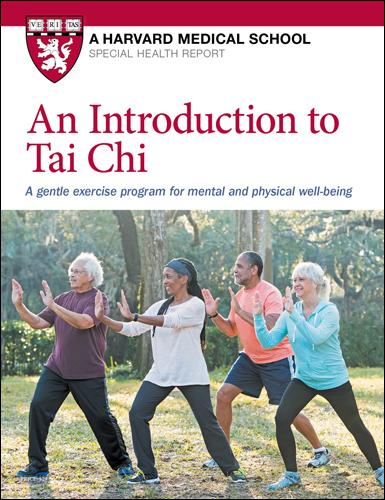
    Get your copy of An Introduction to Tai Chi
     
    An Introduction to Tai Chi
    Mind-body exercises, such as tai chi and yoga, have been gaining popularity over the past few decades. This is not surprising, given the increasing number of studies on the positive effects of these gentler forms of exercise—everything from lowering blood pressure and managing depression to building strength and improving balance. There is even evidence that tai chi may help you live a longer, more vital life.

    Read More
     

    Up until about two decades ago, it was believed that your brain only produced new cells early in life. But research has shown that the brain has the ability to change throughout your entire life span, growing new cells, making new connections, and even increasing in size. These changes can improve cognitive function—and various forms of exercise, including tai chi, can help.
    In a meta-analysis of 20 studies on tai chi and cognition, tai chi appears to improve executive function—the ability to multitask, manage time, and make decisions—in people without any cognitive decline. In those with mild cognitive impairment, tai chi slowed the progression to dementia more than other types of exercise and improved their cognitive function in a comparable fashion to other types of exercise or cognitive training.
    In one study, researchers had nearly 400 Chinese men and women with some cognitive impairment perform either tai chi or a stretching and toning program three times a week. After a year, the tai chi group showed greater improvements, and only 2% of that group progressed to dementia, while 11% from the traditional exercise group did.
    In another study, tai chi outperformed walking. Following 40 weeks of either tai chi, walking, social interaction, or no intervention, researchers compared MRI images and discovered that brain volume increased the most in the tai chi group. In addition, that group also performed better on cognitive tests.
    To learn more about tai chi, its health benefits and how to learn its movements, read Introduction to Tai Chi, a Special Health Report from Harvard Medical School.

    Sunday, December 30, 2018

    EFFECTS OF TAI CHI APPLIED STROKE REHABILITATION ON PHYSICAL AND COGNITIVE FUNCTIONING AND QUALITY OF LIFE

    You mean these earlier writeups on Tai chi were not enough to prove it works for stroke rehab and to create a protocol? Why is followup needed? You didn't do your job correctly and create Tai chi protocols? So you have been incompetent since April 2013?


    EFFECTS OF TAI CHI APPLIED STROKE REHABILITATION ON PHYSICAL AND COGNITIVE FUNCTIONING AND QUALITY OF LIFE

    Abstract

    Older stroke survivors decline their physical and psychological functioning in everyday life. Tai Chi is characterized by the integration and balance of mind and body using the fundamental principles of slow, smooth, and continuous movement control. The present randomized study aimed to apply the suggested principles to Tai Chi applied stroke rehabilitation for 6 months, and to evaluate the effects on physical and cognitive functioning, and quality of life. We recruited 34 stroke survivors (21 men and 13 women with the mean diagnosis 8.7 years) into a randomized controlled trial to compare the effectiveness of 6-month adaptive Tai Chi program with an active-control group who received a symptom management program. The primary outcome was postural stability(BBS) and physical functioning(FAC), with secondary outcomes assessing cognitive functioning(MOCA) and stroke-specific quality of life measured at baseline, 3 months, and 6 months. Repeated ANOVA indicated that stroke survivors who participated in 80% of Tai Chi applied rehabilitation showed improved physical functioning (F=6.776, p=.002), cognitive functioning (F=12.40, p<.000), and self-care quality of life (F=8.822, p=.001) based on interaction effects. Tai Chi applied stroke rehabilitation was well received by the participants, and no adverse events were reported during the study. The study findings showed that the adaptive form of Tai Chi could be useful for stroke survivors to improve their physical and cognitive functioning, that may consequently improve quality of life. Further studies are warranted to examine the long-term effect of Tai Chi applied stroke rehabilitation with larger sample to compensate the variance of outcomes.

    Wednesday, September 12, 2018

    Effectiveness of a therapeutic Tai Ji Quan intervention vs a multimodal exercise intervention to prevent falls among older adults at high risk of falling: A randomized clinical trial

    Does your stroke hospital even have a fall prevention protocol?  I had none, I was obviously expected never to fall, no training on what to do to get up off the ground. But with no group that tested out recovering from perturbations more research needs to be done.

    https://www.mdlinx.com/journal-summaries/trauma-tai-ji-quan-exercise-geriatrics/2018/09/12/7544162/ZZ3559DFF1FDFD43F3965FF05AF76C7B18?

    JAMA Internal MedicineLi F, et al. | September 12, 2018
    Researchers conducted a single-blind, three-arm, parallel-design, randomized clinical trial to ascertain the effectiveness of a therapeutically tailored tai ji quan intervention, Tai Ji Quan: Moving for Better Balance (TJQMBB), and a multimodal exercise (MME) program relative to stretching exercise in reducing falls among older adults at high risk of falling. Results showed that, compared with conventional exercise approaches, a therapeutically tailored tai ji quan intervention was more effective in reducing the incidence of falls in this study population.

    Methods

    • This trial was conducted in seven urban and suburban cities in Oregon from February 20, 2015, to January 30, 2018.
    • Researchers screened 1,147 community-dwelling adults aged ≥70 years for eligibility; of these, 670 who had fallen in the preceding year or had impaired mobility consented and were enrolled.
    • Intention-to-treat assignment was used in all analyses.
    • Interventions included 1 of 3 exercise interventions: two 60-minute classes weekly for 24 weeks of TJQMBB, entailing modified forms and therapeutic movement exercises; MME, integrating balance, aerobics, strength, and flexibility activities; or stretching exercises.
    • Incidence of falls at 6 months was the primary measure.

    Results

    • Researchers randomized 670 adults (mean [standard deviation] age: 77.7 [5.6] years), of whom 436 (65%) were women, 617 (92.1%) were white, and 31 (4.6%) were African American.
    • During the trial, the TJQMBB group had 152 falls (85 individuals), the MME group had 218 falls (112 individuals), and the stretching-exercise group had 363 falls (127 individuals).
    • At 6 months, significantly lower incidence rate ratio (IRR) was observed in the TJQMBB (IRR, 0.42; 95% confidence interval [CI]: 0.31-0.56; P < 0 .001) and MME groups (IRR, 0.60; 95% CI: 0.45-0.80; P=0.001) vs the stretching group.
    • Falls were reduced by 31% for the TJQMBB group vs the MME group (IRR, 0.69; 95% CI: 0.52-0.94; P=0.01).
    Read the full article on JAMA Internal Medicine