Now your competent? doctor needs to ensure research continues until 100% recovery is achieved!
Quantitative Evaluation of Postural SmartVest’s Multisensory Feedback for Affordable Smartphone-Based Post-Stroke Motor Rehabilitation
by  ,,, and
Maria da Graca Campos Pimentel
1,*,†,Amanda Polin Pereira
2,†,Olibario Jose Machado Neto
1,†,‡,Larissa Cardoso Zimmermann
1 andValeria Meirelles Carril Elui
2,†1
Instituto de Ciências Matemáticas e de Computação, Universidade de São Paulo (USP), São Carlos 13566-590, SP, Brazil
2
Programa de Pós-Graduação Interunidades em Bioengenharia, EESC-FMRP-IQSC, Universidade de São Paulo (USP), Ribeirão Preto 14048-900, SP, Brazil
*
Author to whom correspondence should be addressed.
†
These authors contributed equally to this work.
‡
Current affiliation: Universidade Estadual de Mato Grosso do Sul (UEMS), Nova Andradina 79750-000, MS, Brazil.
Int. J. Environ. Res. Public Health 2025, 22(7), 1034; https://doi.org/10.3390/ijerph22071034
Submission received: 6 February 2025 / Revised: 6 June 2025 / Accepted: 18 June 2025 / Published: 28 June 2025
(This article belongs to the Special Issue Leveraging the Use of Technology Transformation to Advance the Health of Persons with Chronic Illness)
Abstract
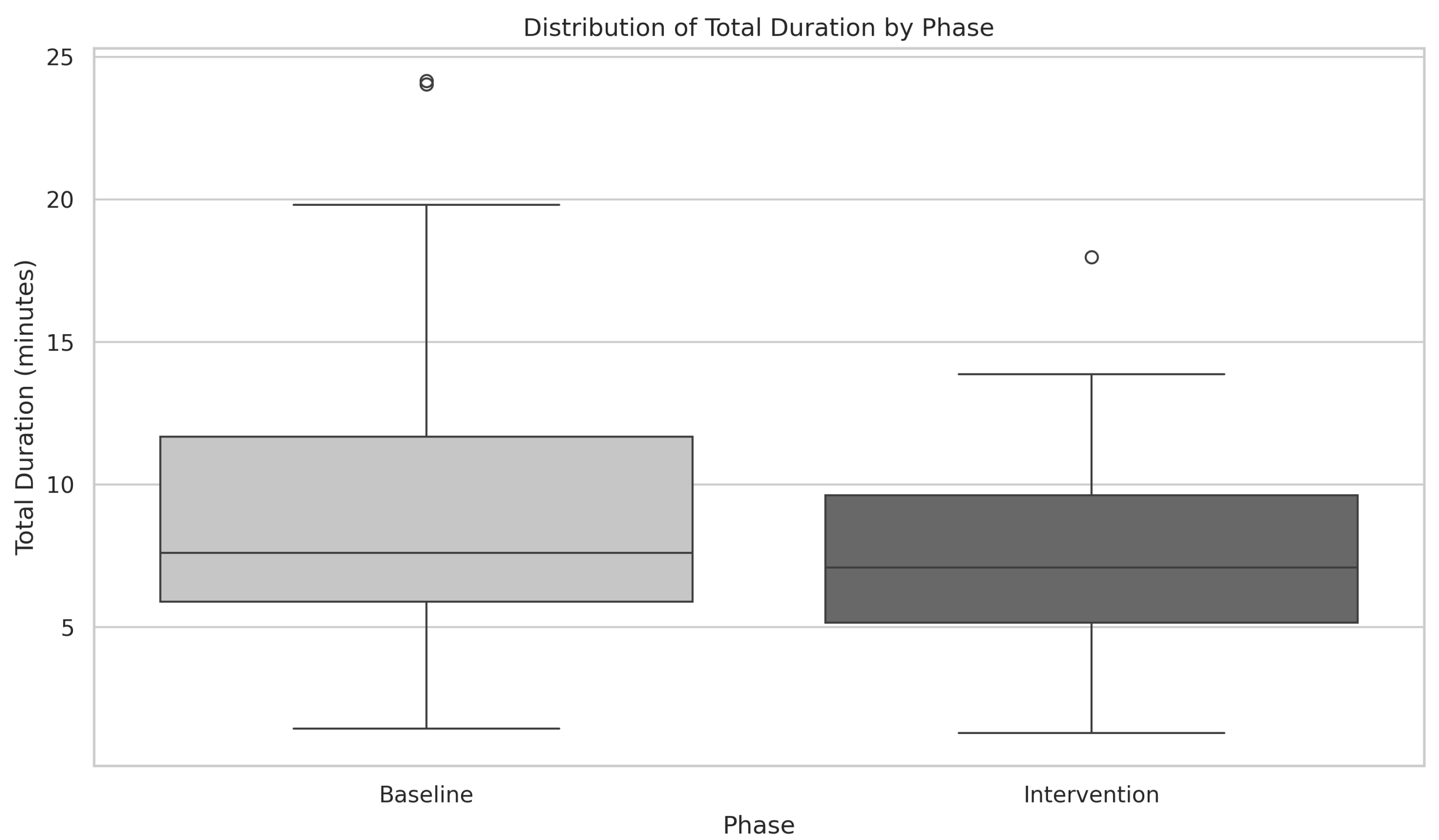
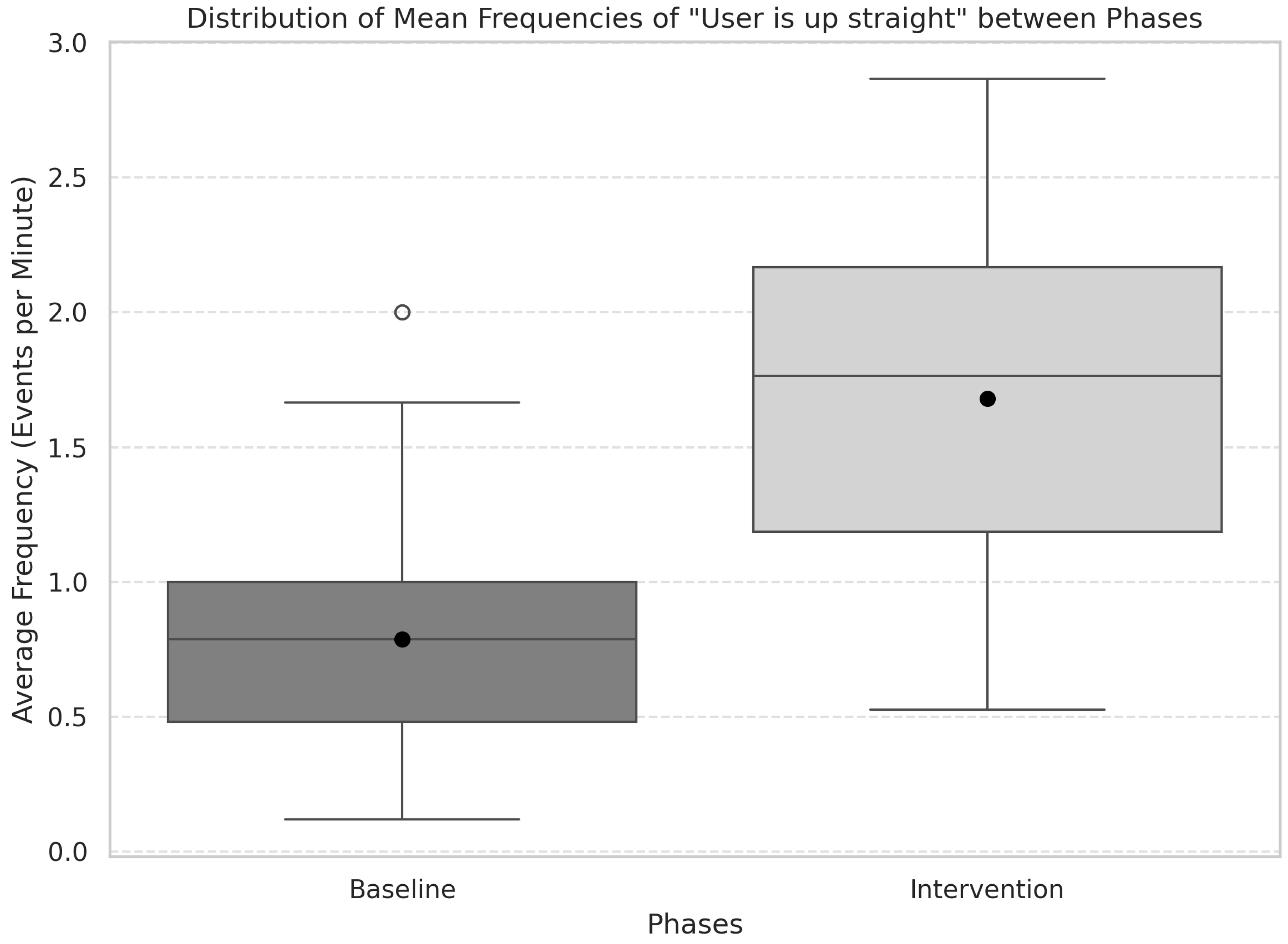
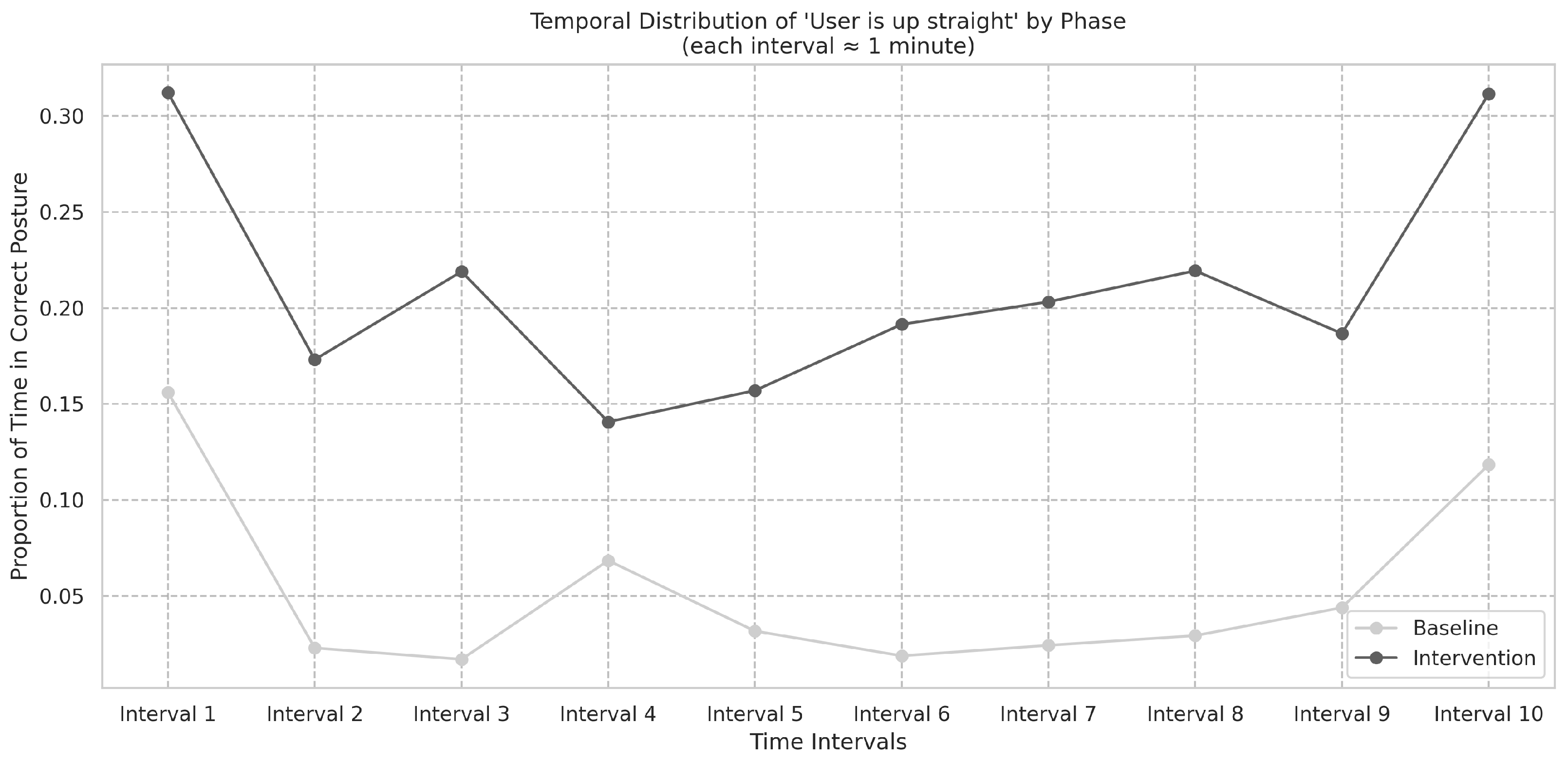
Accessible tools for post-stroke motor rehabilitation are critically needed to promote recovery beyond clinical settings. This pilot study evaluated the impact of a posture correction intervention using the Postural SmartVest, a wearable device that delivers multisensory feedback via a smartphone app. Forty individuals with post-stroke hemiparesis participated in a single supervised session, during which each patient completed the same four-phase functional protocol: multidirectional walking, free walking toward a refrigerator, an upper-limb reaching and object-handling task, and walking back to the starting point. Under the supervision of their therapists, each patient performed the full protocol twice—first without feedback and then with feedback—which allowed within-subject comparisons across multiple metrics, including upright posture duration, number and frequency of posture-related events, and temporal distribution. Additional analyses explored associations with demographic and clinical variables and identified predictors through regression models. Wilcoxon signed-rank and Mann–Whitney U tests showed significant improvements with feedback, including an increase in upright posture time (), an increase in the frequency of upright posture events (), and a decrease in the total task time (). No significant subgroup differences were found for age, sex, lateralization, or stroke chronicity. Regression models did not identify significant predictors of improvement.
1. Introduction
In 2021, Noncommunicable Diseases (NCDs), often referred to as chronic diseases, were responsible for at least 43 million deaths worldwide [1]. These enduring illnesses arise from a mix of genetic, physiological, environmental, and behavioral influences. The main categories of NCDs encompass cardiovascular diseases (including heart attacks and strokes), cancers, chronic respiratory conditions, and diabetes. Managing and treating NCDs is both costly and complex, which not only elevates healthcare expenses but also imposes substantial psychological stress on patients and their caregivers [1].
Recent studies have provided valuable insights into the management and prevention of noncommunicable diseases (NCDs), emphasizing the importance of integrated care and community-based interventions. The World Health Organization’s (WHO) Package of Essential Noncommunicable Disease Interventions for Primary Health Care outlines adaptable protocols for empowering primary care professionals and health workers in NCD management, particularly in low-resource settings. These interventions offer practical solutions to the global burden of NCDs by focusing on early detection and integrated management strategies within primary healthcare systems [2]. Among the many studies in this field, recent review articles highlight the potential of community pharmacies in expanding access to NCD services, especially in low- and middle-income countries (LMICs). Pharmacists, through improved education, screening, and management, have significantly enhanced disease control and patient satisfaction in these regions, addressing resource shortages and legal barriers that limit healthcare access [3]. Furthermore, emerging review research underscores the crucial role of inflammation in the pathogenesis of various NCDs, including obesity, diabetes, cardiovascular diseases (CVD), and cancer, thus offering a potential avenue for therapeutic interventions through dietary changes [4]. Periodontal diseases, as highlighted in the synthesis report by Herrera et al., have also been identified as key contributors to cardiovascular risk, with studies suggesting that the treatment of periodontitis can improve systemic health outcomes, particularly in relation to CVD and diabetes. Collaborative care involving oral health professionals and family doctors is essential for early detection and better management of these interconnected conditions [5]. These findings collectively contribute to a broader understanding of NCD prevention and management, highlighting the need for multidisciplinary approaches to improve patient outcomes and quality of life [6].
When viewed in this broader context, stroke, a significant NCD, has seen its impact grow from 1990 to 2021, with increasing contributions from various risk factors [7]. In 2021, there were approximately 7.25 million deaths due to stroke and 11.9 million new cases of stroke [8]. These figures result in millions of individuals experiencing permanent disabilities, thereby placing immense pressure on families and communities [9]. These realities underscore the critical need for effective, accessible, and affordable strategies to enhance stroke monitoring, prevention, emergency care, and rehabilitation globally. Implementing these measures is essential to mitigate the growing burden of stroke across all nations [7].
Among the various consequences of stroke, hemiparesis is one of the most widespread and devastating conditions [10]. For these individuals, mastering trunk control is essential for performing a range of functional activities [11]. Research indicates a strong link between maintaining proper posture and enhanced walking ability in patients undergoing acute stroke rehabilitation [12]. Unlike those without hemiparesis, who typically maintain symmetrical and balanced body alignment, individuals with hemiparesis often exhibit asymmetrical posture due to unilateral muscle weakness, resulting in imbalanced or tilted positions [13]. We define “best-at-the-time posture,” “optimal posture,” “target posture,” and “upright posture” as equivalent terms for the optimal trunk alignment achievable by hemiparetic patients during standing, within their motor limitations. Extensive efforts in the literature have focused on improving trunk stability [14], compensatory trunk movements [15], motor control [16], and mobility access [17] for stroke survivors. A systematic review has confirmed that trunk training significantly improves trunk control, sitting and standing balance, and overall mobility [18].
In response to this ongoing clinical challenge, therapeutic options in stroke rehabilitation have continued to evolve. For instance, Transcranial Ultrasound Stimulation has emerged as a promising non-invasive deep brain neuromodulation technique, which offers millimeter-accuracy spatial resolution and significant penetration depth, thereby establishing novel neurorehabilitation protocols [19]. Additionally, spinal cord stimulation has been identified as an effective intervention for inducing plasticity in the corticospinal tract, which leverages the largely intact spinal cord circuitry post-stroke to enhance motor recovery [20]. Alongside these approaches, there is a growing interest in alternative technologies. Examples include virtual reality and robotic solutions [21,22], visual biofeedback [23], as well as wearable technologies [24,25].
While these solutions hold promise, effective functional rehabilitation for stroke patients demands both body awareness and torso control to ensure upper limb functionality [11,14,26,27]. However, high costs and limited availability of traditional treatments [28,29,30,31] underscore the need for affordable alternatives. Although the number of mHealth smartphone apps for stroke patients is increasing [32], few specifically target trunk control [33,34,35]. Additionally, while intrinsic and extrinsic feedback is essential for motor learning post-stroke [36,37,38], and therapists invest significant time in providing this feedback [39,40], the integration of multisensory smartphone-based feedback for upper body rehabilitation remains limited [41]. Although smartphone-based multisensory feedback has proven effective for postural monitoring in healthy individuals [42], similar solutions for stroke patients are still lacking.
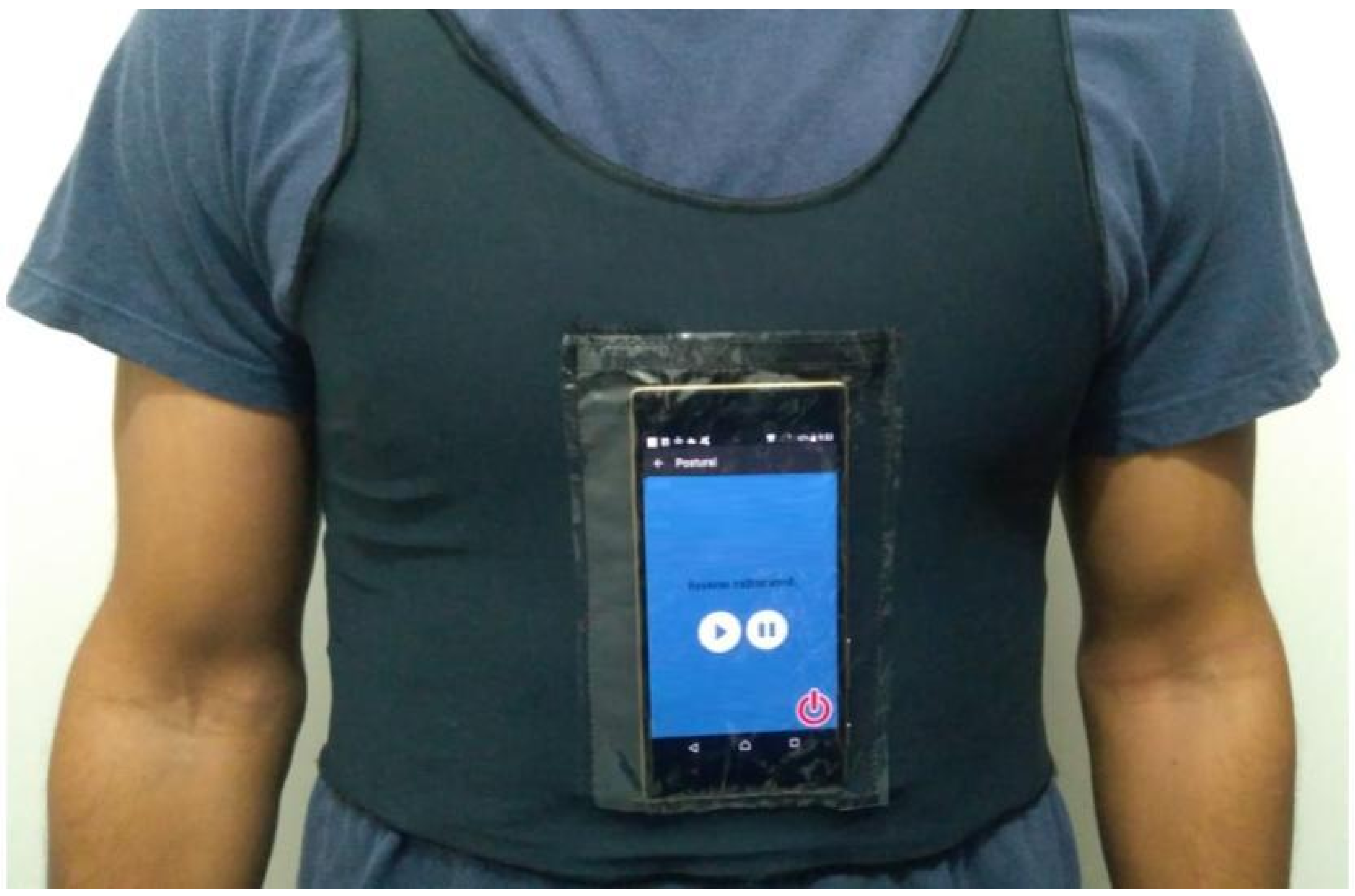
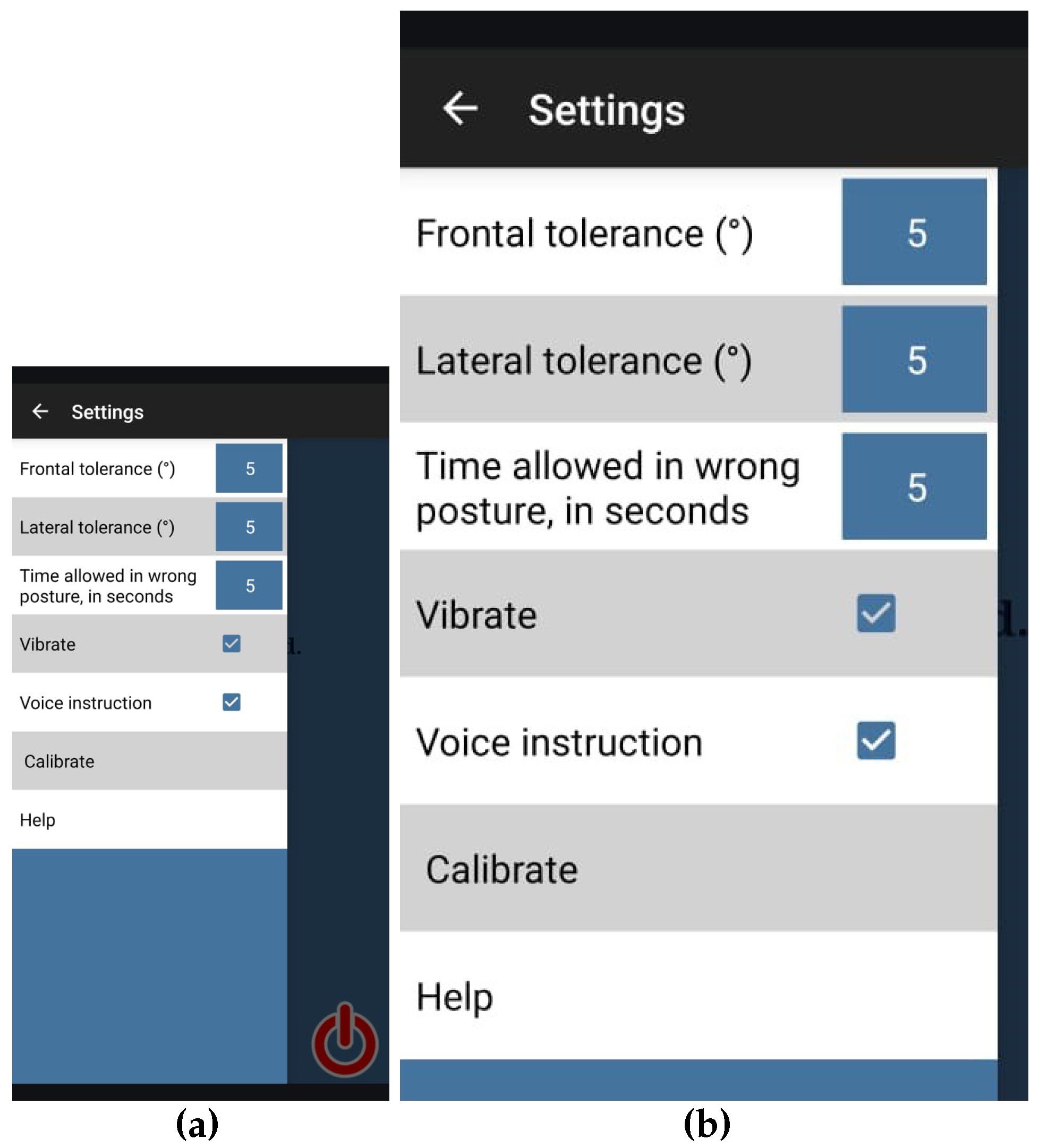
To bridge this gap, we developed Postural SmartVest (Figure 1), an affordable wearable technology that leverages low-cost smartphone resources by (1) continuously monitoring sagittal and frontal plane changes through built-in accelerometers and (2) providing visual, tactile, and auditory feedback to guide patients in achieving optimal posture [43]. Therefore, based on the monitoring of postural changes, the system provides feedback to guide the patient back to the correct posture. Our iterative design resulted in a modified athletic compression tank top with a secure smartphone pocket and a customizable Android app that delivers multisensory feedback. In validation studies, patients reported high ratings for weight, comfort, effectiveness, and ease of use, while therapists observed positive impacts on rehabilitation sessions and expressed willingness to recommend the device. Furthermore, the study identified a significant improvement in posture awareness when feedback was provided, compared to when no feedback was given, demonstrating the effectiveness of Postural SmartVest in enhancing rehabilitation outcomes [43].

Figure 1. Postural SmartVest: athletic compression tank top with a smartphone pocket and a customizable Android app that delivers multisensory feedback [43]. The screen displays the message “System calibrated” and contains buttons to start, pause, and exit.
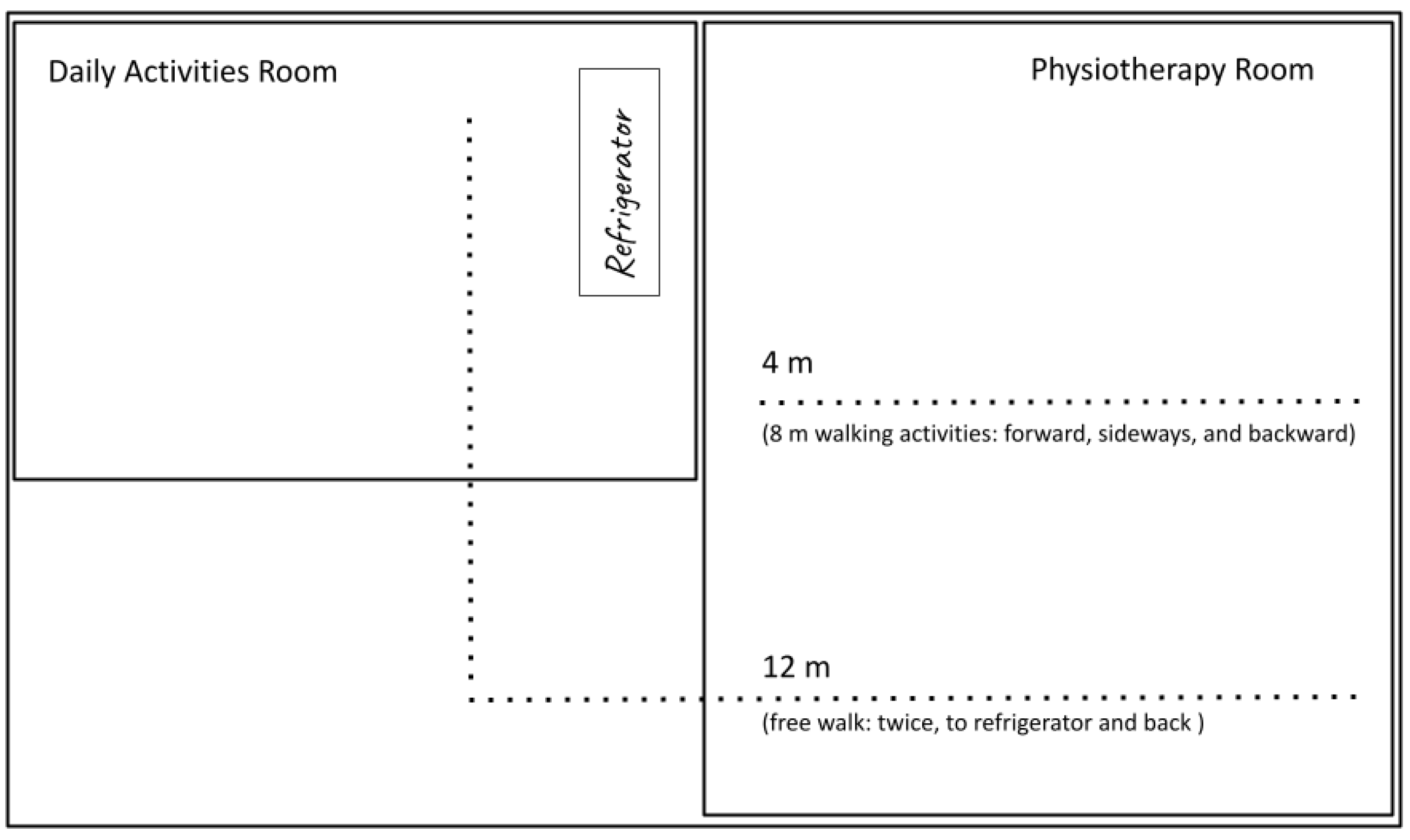
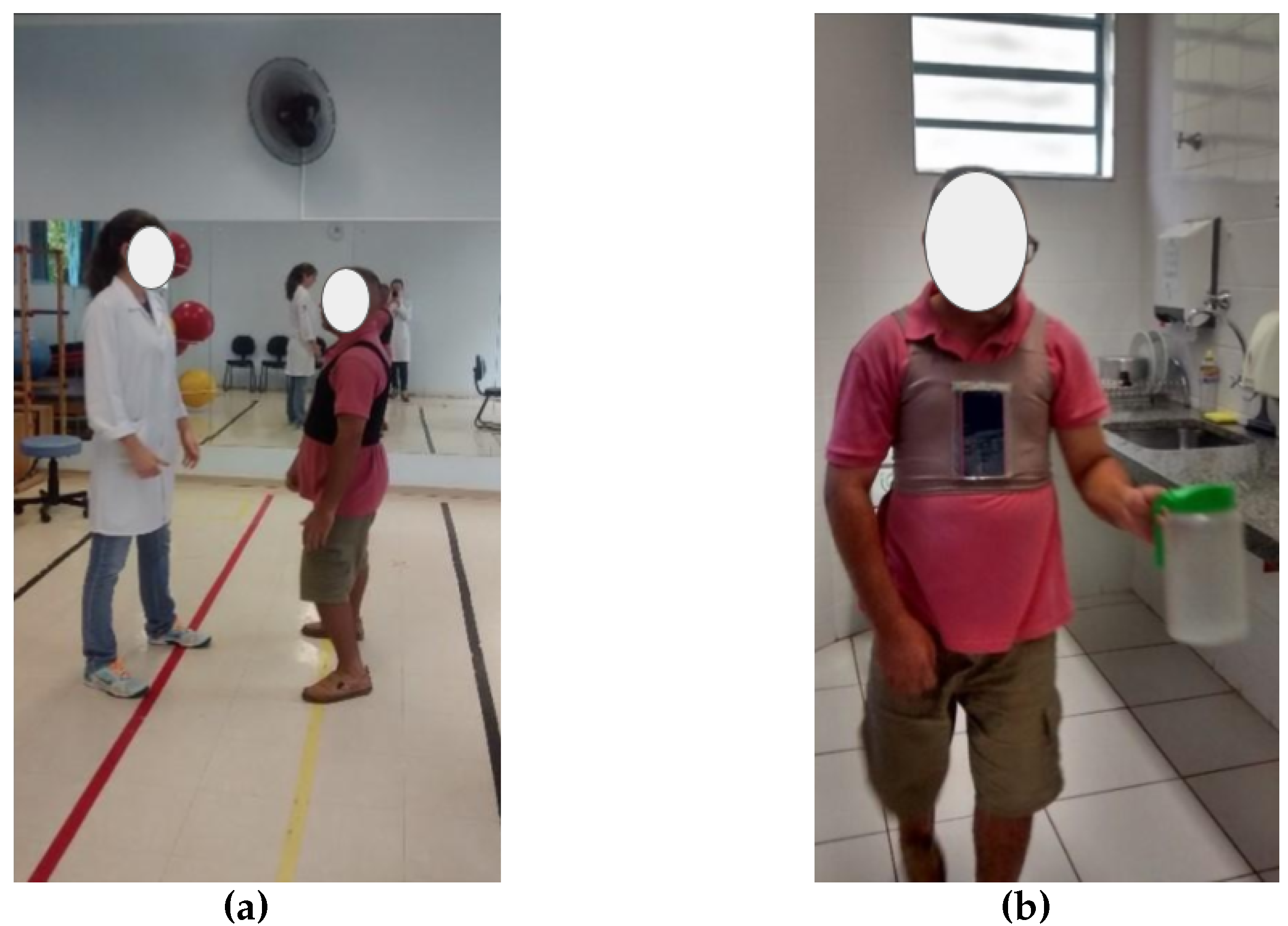
To comprehensively evaluate the effectiveness of the Postural SmartVest, this study analyzes the data captured during two phases of an experimental session conducted with 40 patients: the baseline phase (without feedback) and the intervention phase (with feedback). The data from both phases were captured to allow for a comparison between the two.
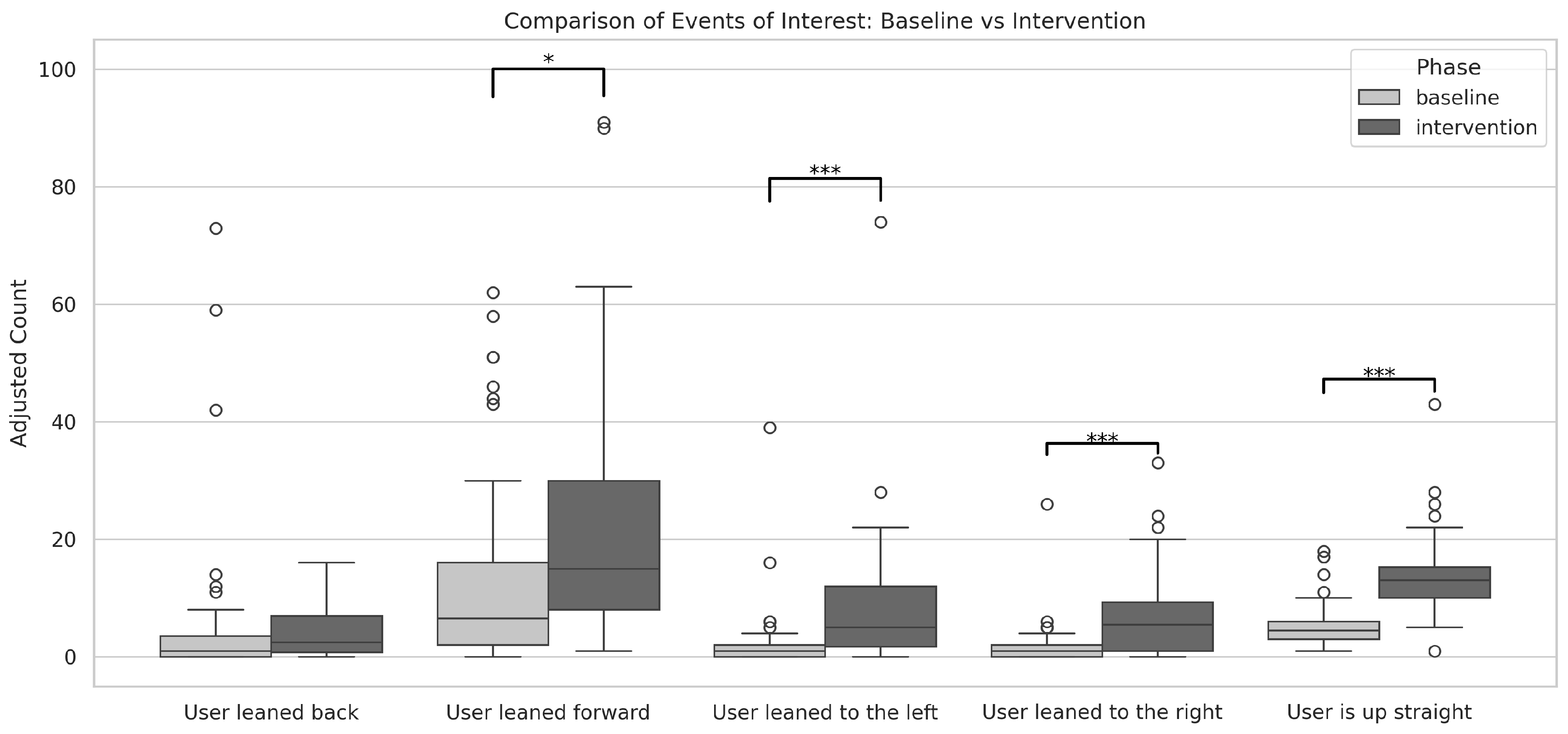
We hypothesized that providing real-time multisensory feedback through the Postural SmartVest would lead to improved postural control and increased frequency of optimal postures during functional rehabilitation tasks. Specifically, we expected that patients would spend more time in the optimal posture and exhibit more corrective movements (leaning forward, backward, left, and right) in response to the feedback provided during the intervention phase compared to the baseline phase.
To test this hypothesis, we assessed the impact of the intervention by examining the distribution of postures, including optimal posture, as well as forward, backward, left, and right inclinations. These postural changes were quantified based on two primary dependent variables: (1) time spent in the optimal posture, which was measured in seconds; (2) the frequency of corrective movements, such as leaning forward, backward, left, and right, with each inclination being allowed for up to 5 s outside of the optimal position before feedback was triggered.
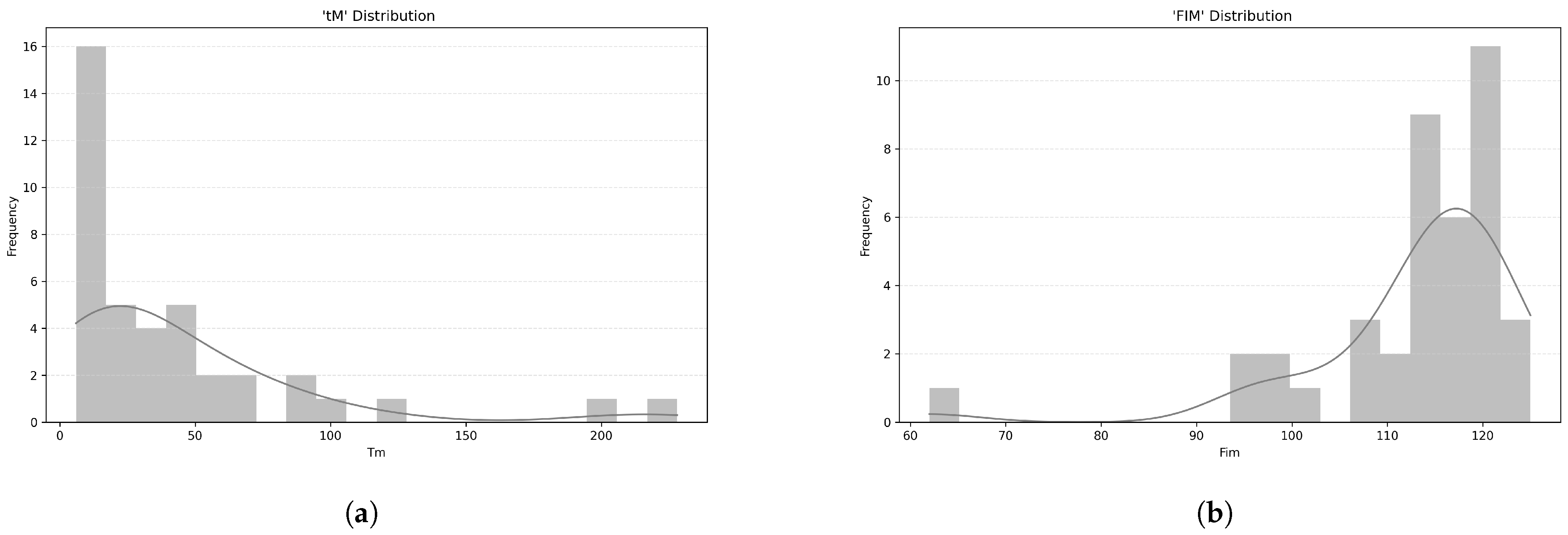
Additionally, we investigated whether the intervention’s effectiveness varied based on participant demographics and clinical characteristics, including gender, time since stroke onset, limb lateralization, and scores on the Functional Independence Measure (FIM) scale. The FIM scale, which ranges from 18 to 126, provides the classification of individuals by their ability to carry out daily activities either independently or with assistance. Higher scores indicate greater independence. Functional outcomes were specifically measured by these scores, assessing how much patients were able to perform the activities of daily living (ADLs) and their need for assistance in these tasks.
By comparing baseline and intervention data, this study aims to determine the extent to which multisensory feedback from Postural SmartVest enhances postural control and contributes to improved functional outcomes in stroke rehabilitation. Our findings demonstrate that Postural SmartVest effectively enhances postural control, thereby advancing rehabilitation outcomes for stroke patients.
More at link.


No comments:
Post a Comment