Changing stroke rehab and research worldwide now.Time is Brain! trillions and trillions of neurons that DIE each day because there are NO effective hyperacute therapies besides tPA(only 12% effective). I have 523 posts on hyperacute therapy, enough for researchers to spend decades proving them out. These are my personal ideas and blog on stroke rehabilitation and stroke research. Do not attempt any of these without checking with your medical provider. Unless you join me in agitating, when you need these therapies they won't be there.

What this blog is for:

My blog is not to help survivors recover, it is to have the 10 million yearly stroke survivors light fires underneath their doctors, stroke hospitals and stroke researchers to get stroke solved. 100% recovery. The stroke medical world is completely failing at that goal, they don't even have it as a goal. Shortly after getting out of the hospital and getting NO information on the process or protocols of stroke rehabilitation and recovery I started searching on the internet and found that no other survivor received useful information. This is an attempt to cover all stroke rehabilitation information that should be readily available to survivors so they can talk with informed knowledge to their medical staff. It lays out what needs to be done to get stroke survivors closer to 100% recovery. It's quite disgusting that this information is not available from every stroke association and doctors group.

Saturday, February 21, 2026

Does Ginkgo biloba help dementia? New review examines the evidence

Not really.
But this:

There's nothing you can do with this on your own since this is an injection. You'll just have to wait 50 years before it becomes a protocol. Hope you can hold off having a stroke for that long. 

The latest here: 

 Does Ginkgo biloba help dementia? New review examines the evidence

A review of randomized controlled trials found little to no benefit of Ginkgo biloba for mild cognitive impairment or multiple sclerosis-related cognitive symptoms. Evidence suggests small symptomatic improvements in dementia, but findings are uncertain due to study variability and limited long-term data.
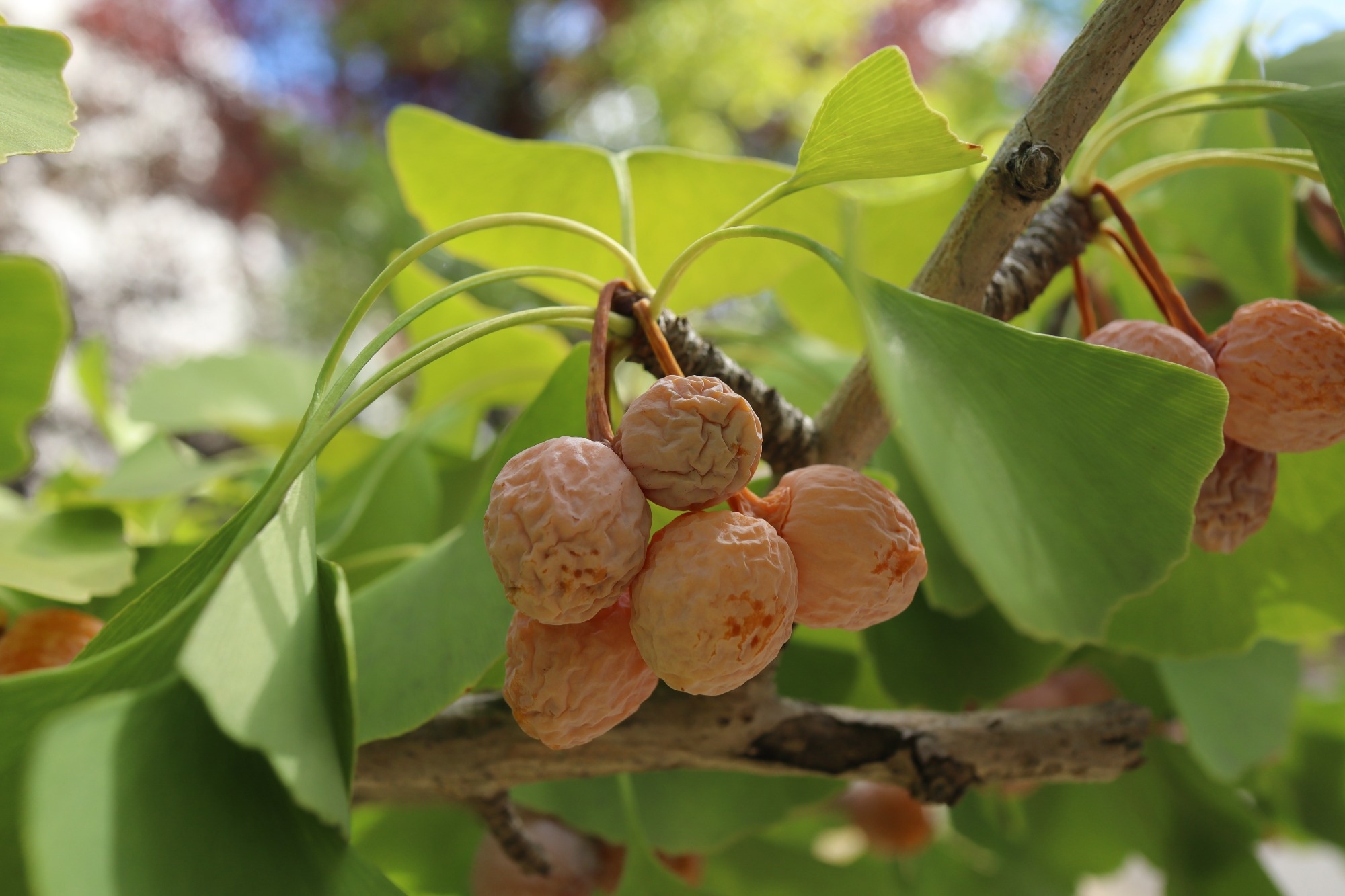
Study: Ginkgo biloba for cognitive impairment and dementia. Image Credit: Gondronx Studio / Shutterstock

Study: Ginkgo biloba for cognitive impairment and dementia. Image Credit: Gondronx Studio / Shutterstock

In a recent systematic review published in the Cochrane Database of Systematic Reviews, researchers evaluated the clinical efficacy and safety of Ginkgo biloba (ginkgo) for individuals with cognitive impairment and dementia. The review analyzed data from 82 randomized controlled trials (RCTs) involving 10,613 participants, with 72 studies providing extractable outcome data; however, not all outcomes were suitable for quantitative pooling. The review aimed to elucidate ginkgo’s impact on memory, cognitive function, and daily routine task performance.

No comments:

Post a Comment