Have your competent? doctor create EXACT PROTOCOLS from this to ensure you get to be a superager! Oh, your doctor can't do that? Well then fire them and get someone better! This told me nothing useful.
Researchers reveal why SuperAgers retain youthful brain cell signatures into their 80s
A multiomic atlas of the aging human hippocampus uncovers how epigenetic regulation of neural stem cells and immature neurons may shape cognitive decline or resilience in later life.
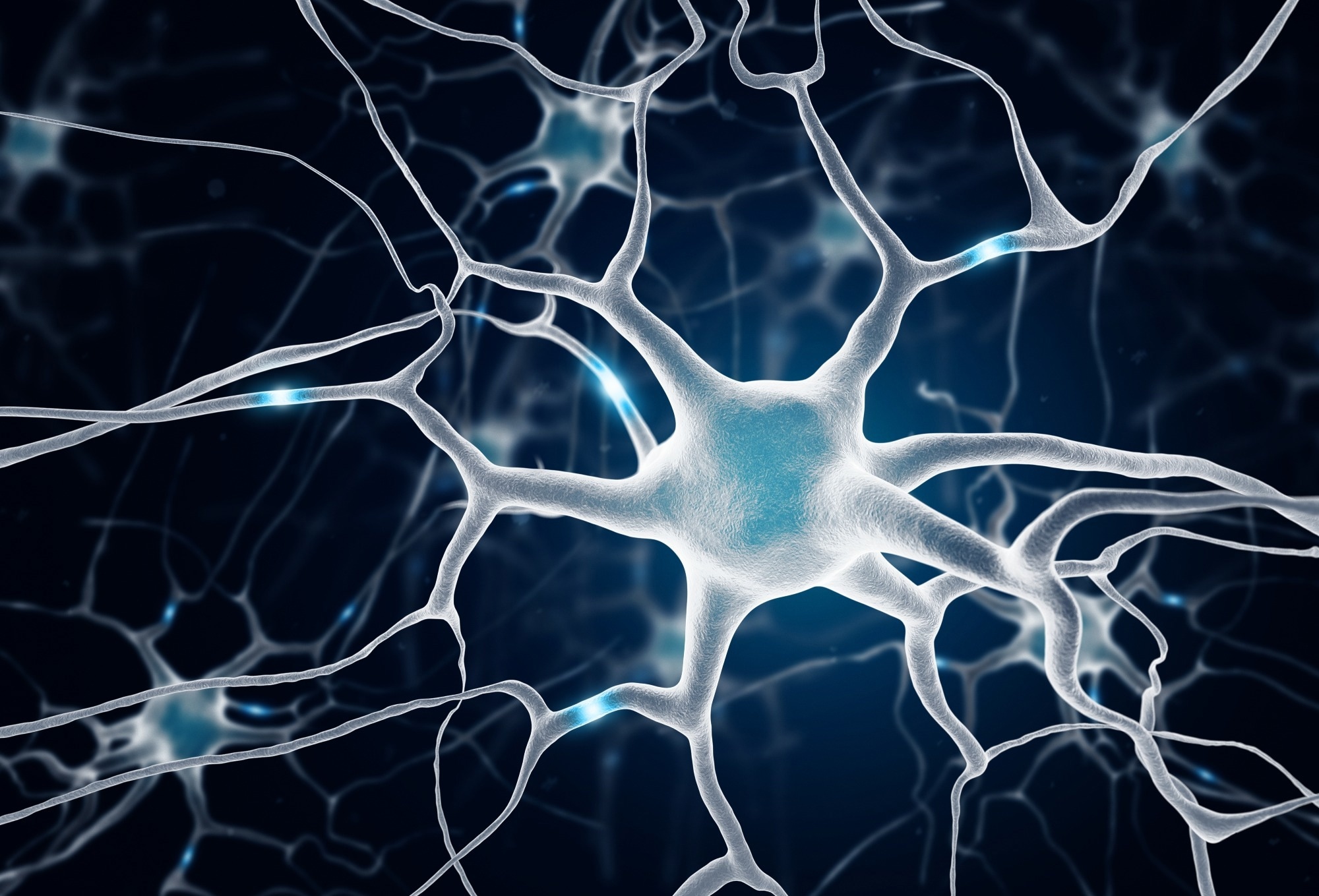
Study: Human hippocampal neurogenesis in adulthood, ageing and Alzheimer’s disease. Image Credit: MP Art / Shutterstock
In a recent study published in the journal Nature, researchers delineated neurogenesis in the human hippocampus across adulthood, aging, and Alzheimer’s disease (AD), while noting that the functional relevance of these processes for human cognition remains incompletely understood.
Background: Neurogenesis in Rodents Versus Humans
The epigenetic and transcriptional mechanisms underlying the generation of neurons from neural stem cells (NSCs) are well established in rodents. Hippocampal neurogenesis plays a vital role in memory and learning by recruiting immature neurons into memory circuits and promoting memory formation. Neurogenesis decreases with age and is impaired in mouse AD models.
In contrast, the fate of neurogenesis in humans is poorly defined. The occurrence of neurogenesis in the adult hippocampus has been debated. The presence of immature neurons has been confirmed in the adult human brain and in AD. A subset of progenitor cells shows signs of ongoing proliferation in the adult human brain; nonetheless, key knowledge gaps remain, particularly regarding how these molecular signatures translate to functional cognitive outcomes.
Single-Nucleus Multi-Omic Profiling of the Human Hippocampus
Researchers analyzed nuclei isolated from human post-mortem hippocampi using a single-nuclei assay for transposase-accessible chromatin with sequencing (snATAC-seq) and single-nucleus RNA sequencing (snRNA-seq). Sequence profiles from 85,977 nuclei of young adults with intact memory, referred to as the young adult cohort, were analyzed to establish neurogenic regulatory pathways.
Unsupervised clustering of snRNA-seq data identified 12 cell types in the hippocampus, including neuroblasts, astrocytes, immature neurons, mature granule cells, oligodendrocyte progenitor cells, and mature oligodendrocytes. Differential gene expression and pathway analyses identified 169 pathways and 4,166 differentially expressed genes (DEGs), all of which were upregulated in neuroblasts compared to mature oligodendrocytes.
Developmental Trajectories and RNA Velocity Analyses
Latent times of neuroblast, astrocyte, mature granule cell, and immature neuron clusters were examined to identify NSCs and their developmental trajectories using RNA velocity analysis. This showed a directional flow from NSCs to astrocytes and toward neuroblasts to mature granule cells via immature neurons. NSCs expressed low levels of neuronal markers but high levels of stemness proxies compared with immature neurons and neuroblasts.


No comments:
Post a Comment