APPALLING! 'Care' strategy NOT RECOVERY STRATEGY! Everyone here needs to be fired for not understanding the only survivor goal is 100% recovery! 'Care' should never be discussed; it is NEVER A SURVIVOR GOAL!
PGI’s mobile application-based post-stroke care strategy for survivors and their caregivers
Digital tool aims to bridge gaps in stroke rehabilitation in resource-limited settings By:Express News Service Chandigarh Mar 21, 2026 10:16 PM IST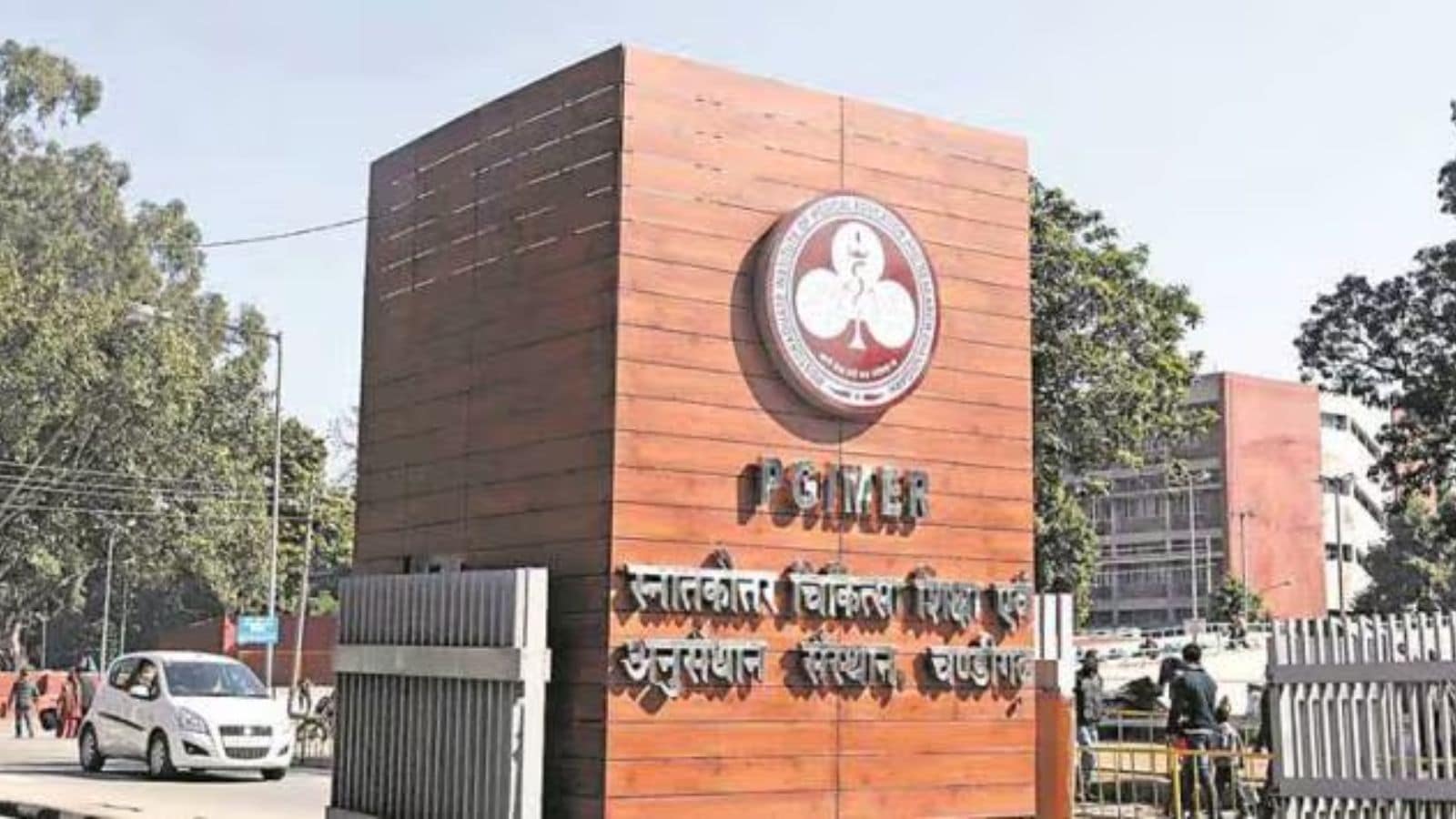 Led by neurologists and multidisciplinary experts from PGI, the research, published in the Journal of Neurosciences in Rural Practice, introduces the ‘Stroke Home Care’ (SHC) application, a web-based educational platform designed to assist caregivers in delivering structured and timely care to stroke patients. (File image)
In a significant step towards improving post-stroke rehabilitation in resource-constrained settings, researchers at PGI, Chandigarh, have developed a mobile application-based strategy to support stroke survivors and their caregivers at home. Led by neurologists and multidisciplinary experts from PGI, the research, published in the Journal of Neurosciences in Rural Practice, introduces the ‘Stroke Home Care’ (SHC) application, a web-based educational platform designed to assist caregivers in delivering structured and timely care to stroke patients. It highlights how digital tools can play a crucial role in preventing and managing post-stroke complications, especially in countries like India, where access to rehabilitation services remains limited.Led by neurologists and multidisciplinary experts from PGI, the research, published in the Journal of Neurosciences in Rural Practice, introduces the ‘Stroke Home Care’ (SHC) application, a web-based educational platform designed to assist caregivers in delivering structured and timely care to stroke patients. (File image)

No comments:
Post a Comment