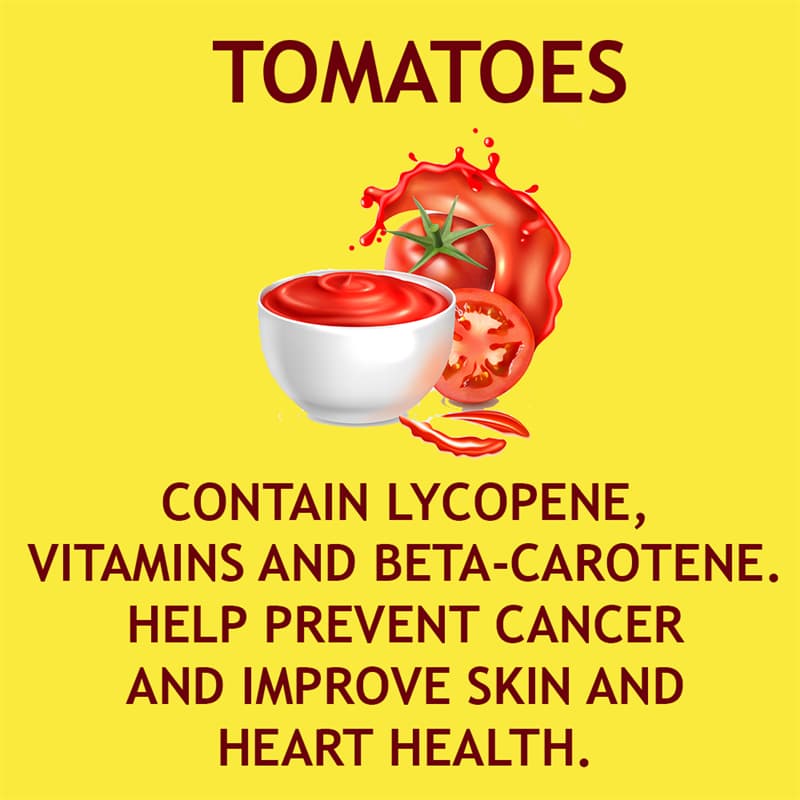
I eat lots of tomatoes for this reason, notice that heat processed tomatoes have more available lycopene.
For dinner tonight I had tomato pie and a green machine smoothie from the Tomato Pie Cafe of Harrisburg, PA. Pretty tasty.
 |
| Tomato pie |
http://www.uef.fi/en/web/nutritionepidemiologists/lycopene-and-heart-diseases
We are a group of nutrition researchers from the
University of Eastern Finland (UEF), Kuopio Campus. The main field of our research is epidemiological research, but we also do clinical trials.
With
approximately 14 000 students and 3000 members of staff, the University
of Eastern Finland is one of the largest universities in Finland. Its
four faculties offer teaching in more than 100 major subjects.
The
UEF is an international, research-intensive university and has campuses
in Joensuu, Kuopio and Savonlinna. The campus of Kuopio specializes in
health sciences and it is also the only place in Finland where one can
study clinical nutrition and become a certified clinical nutritionist.
----------------------------------------------------------------------------------------------------------------------
Lycopene
is one of the major carotenoids in the Western diet and is probably one
of the protective factors in the vegetable rich diet. It's a red color
pigment and in contrast to most other carotenoids which are widely
distributed among great variety of fruits and vegetables, the intake of
lycopene comes predominantly from tomatoes and tomato products. Interest
in lycopene is growing rapidly following the recent publication of
epidemiologic studies which associated high circulating lycopene
concentration with reductions in cardiovascular diseases (CVD). Lycopene
has unique structural and chemical features that may contribute to its
specific biological properties. Antioxidant properties of lycopene are
quite resistant to heat and cooking and bioavailability of lycopene in
processed tomato products is higher than in unprocessed fresh tomatoes.
Lycopene
is an antioxidant carotenoid without provitamin A activity and has been
shown to be more potent antioxidant than other common dietary
carotenoids, alfa- or beta-carotene. The oxidation protecting effects of
lycopene and tomatoes have been shown in both human and animal studies.
A decreased oxidative modification of LDL may be one of the mechanisms
by which lycopene could reduce the risk of CVD and atherosclerotic
progression.
Our results and research interests
The
purposes of our previous works have been to study the role of blood
levels of lycopene with regard to cardiovascular health in women and men
living in eastern Finland. We first examined the association between
the plasma concentration of lycopene and the intima-media thickness of
common carotid artery wall (CCA-IMT) in a cross-sectional analysis of
Antioxidant Supplementation in the Atherosclerosis Prevention (ASAP)
Study in 520 high risk men and women. Low plasma levels (lower than the
median) of lycopene were associated with an 18% increased intima-media
thickness in men, compared with men whose plasma levels of lycopene were
higher. In women, the difference was not significant. Next we examined
the association between serum levels of lycopene and CCA-IMT in 1028
middle-aged men in the Kuopio Ischaemic Heart Disease Risk Factor (KIHD)
Study. We found that in men with low serum levels of lycopene (lowest
quarter) the adjusted CCA-IMT had a significant increment in both mean
CCA-IMT and maximal CCA-IMT as compared with the other men. In the KIHD
study we examined the role of serum levels of lycopene with regard to
the risk of acute coronary events and ischemic strokes. The subjects
were 725 middle-aged men free of coronary heart disease and stroke at
the study baseline. We found that men with a low serum level of lycopene
(the lowest quarter) had an over three-fold risk of an acute coronary
event or stroke as compared with others.
In conclusion, these
findings support the convention that increased lycopene intake may have a
protective role in prevention of CVD and contribute to cardiovascular
health. Hence, circulating levels of lycopene, a biomarker of
tomato-rich food, may play a role in early stages of atherogenesis and
have clinical and public health relevance.
Sari Voutilainen et al. Carotenoids and cardiovascular health. Am J Clin Nutr 2006;83:1265-71.
Rissanen
TH. Association of lycopene and dietary intake of fruits, berries and
vegetables with atherosclerosis and cardiovascular diseases.
Epidemiologic Evidence. Doctoral dissertation. 2003. Kuopio University
Publications D. Medical Sciences 304. 72 p.
Rissanen T,
Voutilainen S, Nyyssönen K, Salonen JT. Lycopene, atherosclerosis and
coronary heart disease. Exp Biol Med, 2002;227:900-907.
Rissanen
T, Voutilainen S, Nyyssönen K, Salonen R, Kaplan GA, Salonen JT. Serum
lycopene level and carotid atherosclerosis: the Kuopio Ischaemic Heart
Disease Risk Factor (KIHD) Study. American Journal of Clinical Nutrition
2003;77:133-138.
Rissanen T, Voutilainen S, Nyyssönen K, Salonen
R, Salonen JT. Low plasma lycopene concentration is associated with
increased intima-media thickness of the carotid artery wall.
Arteriosclerosis, Thrombosis and Vascular Biology 2000;20:2677-2681.
Rissanen
T, Voutilainen S, Nyyssönen K, Lakka TA, Salonen R, Kaplan GA, Salonen
JT. Low serum lycopene is associated with excess risk of acute coronary
events and stroke: The Kuopio Ischaemic Risk Factor Study. British
Journal of Nutrition 2001;85:749-754.