Pretty much useless, the Mediterranean diet has no specifics at all! Until further research tells us exactly what to consume, you're just hoping for the best. NOT GOOD ENOUGH!
I like the caffeine comments, just tell me how much caffeine to consume and I'll adjust my 12 cup pot of daily coffee.
Mediterranean diet lowers dementia risk by altering key metabolites
A long-running study shows how genes, diet, and metabolism interact to shape dementia risk, with the Mediterranean diet offering protective pathways for those most vulnerable.
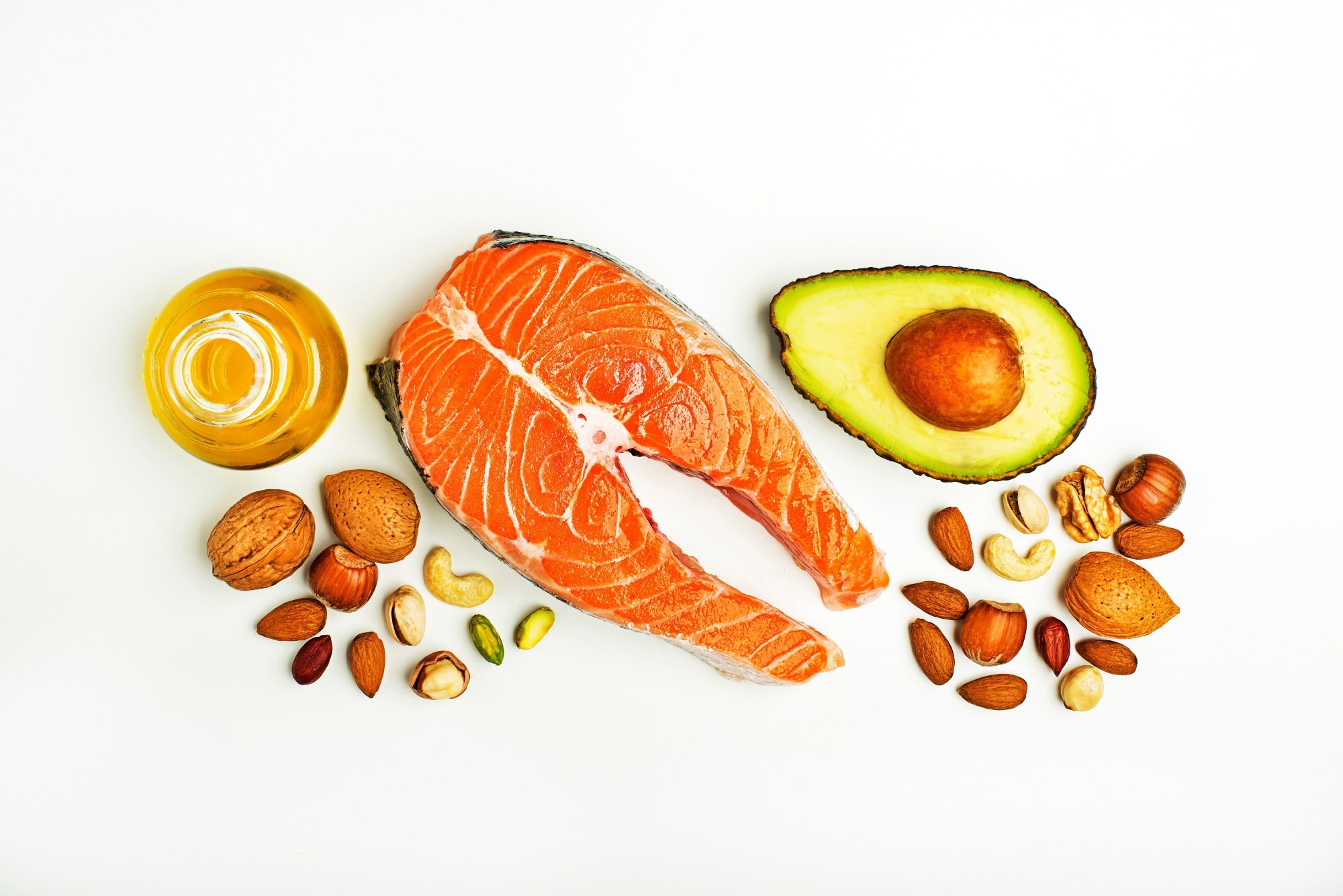
In a recent study published in the journal Nature Medicine, researchers investigated the joint relationship between genetic risk, plasma metabolomic profiles, and adherence to the Mediterranean diet (MedDiet) and their impact on incident dementia and objective cognitive function, identifying metabolites and pathways that may underlie these associations.
Background
Every three seconds, someone is diagnosed with dementia, reshaping families. Alzheimer’s disease (AD) and Alzheimer’s disease-related dementias (ADRD) arise from an intertwined biology, involving genes such as apolipoprotein E ε4 (APOE4), lipid and energy metabolism, inflammation, and lifestyle factors.
Plasma metabolomics provides a window into these processes; a diet, especially the Mediterranean diet, can shift metabolites toward brain-healthy profiles. Yet, clinicians still lack long-term, population-level evidence linking genes, metabolites, and diet to real outcomes.
People often ask what they can do and whether risk is influenced by ancestry and biology. Further research is needed to map modifiable pathways across genetic backgrounds and life stages.
About the study
Two prospective cohorts were analyzed: 4,215 women in the Nurses’ Health Study (NHS) and 1,490 men in the Health Professionals Follow-Up Study (HPFS). Baseline blood (1989–1992 in NHS; 1993–1996 in HPFS) underwent liquid chromatography-mass spectrometry (LC-MS), quantifying 401 plasma metabolites in NHS and 254 overlaps in HPFS under quality control (QC).
Genotyping with imputation to 1000 Genomes yielded APOE4 and genome-wide association studies (GWAS) variants; polygenic risk scores (PRSs) for ADRD (with and without the APOE region) were computed. Diet was assessed using semiquantitative food frequency questionnaires (SFFQs) and a nine-component Mediterranean Diet (MedDiet) index.
Dementia combined self-reported diagnoses and deaths attributed to dementia through 2023. Objective cognition was assessed using the Telephone Interview for Cognitive Status (TICS), East Boston Memory Test (EBMT), verbal fluency, and digit span backward to form global and verbal memory composites.
Cox proportional hazards (PH) models related MedDiet and metabolites to incident dementia, with subgrouping by APOE4 and ADRD PRS tertiles.
Generalized linear models linked MedDiet with metabolites by genetic strata. Mediation analyses tested whether metabolites explained the MedDiet-dementia associations in relation to APOE4. Prediction models were assessed using the area under the curve (AUC) and Harrell’s C-index in the test sets.
Study results
Across 4,215 NHS women followed from 1989 to 2023, 485 developed dementia; replication among 1,490 HPFS men recorded 121 cases. APOE4 homozygosity displayed distinct metabolome-dementia relationships: 49 metabolite-genotype interactions met a false discovery rate (FDR) < 0.05, all specific to homozygotes.
Cholesteryl esters (CEs) and sphingomyelins (SMs) were associated with a higher dementia risk, being strongest in APOE4 homozygotes, consistent with cholesterol-linked neuroinflammation and impaired amyloid-beta (Aβ) clearance.
Conversely, glycerides showed inverse associations with risk among homozygotes, suggesting altered lipid handling; similar patterns were observed in the HPFS. Plasma phosphorylated tau 217 (p-tau217) in an NHS subset predicted approximately threefold higher dementia risk compared to the top versus the bottom quartiles.
Adherence to the Mediterranean diet is associated with a lower risk of dementia and improved cognition. Protective associations were strongest in APOE4 homozygotes and evident in other genotypes. At the metabolite level, higher MedDiet scores were associated with more unsaturated and fewer saturated glycerides, as well as higher levels of neuroprotective dietary or one-carbon intermediates, such as piperine and betaine.
Among suggestive (nominal) interactions, the MedDiet was inversely related to asparagine only in APOE4 homozygotes and to the caffeine metabolite 1,7-dimethyluric acid in carriers, although these did not reach FDR significance.
In mediation analysis, 39.5% of the MedDiet-dementia association was statistically significant only in APOE4 carriers and was explained by seven metabolites, identified through statistical filtering, including allantoin, C16:1 CE, 1-methylguanine, C18:0 SM, 1,7-dimethyluric acid, C34:5 phosphatidylcholine plasmalogen, and piperine; no mediation was observed in noncarriers.
Prediction improved modestly by integrating omics data with lifestyle factors. In NHS test sets, Harrell’s C-index increased stepwise from a baseline model (age, education, family history, smoking, depression, MedDiet) after adding APOE4, the ADRD PRS, and selected metabolites.
In HPFS, Harrell’s C-index from Cox models showed incremental gains when adding genetic and metabolite information. Shapley Additive Explanations (SHAP) identified age, APOE4, PRS, and metabolites as the leading contributors, with diet and profession also being informative.
Finally, Mendelian randomization (MR) and colocalization analyses supported putative causal links between metabolites and cognition or AD. Protective signals included 4-guanidinobutanoate (4-GBA; a gamma-aminobutyric acid (GABA)-related metabolite), carotene diol (1) and carotene diol (2), and glutamine, aligning with mechanisms in excitotoxicity control, redox defenses, and neurotransmission.
Together, the data indicate that the genetic background shapes which metabolic pathways are related to dementia, and that MedDiet behavior may beneficially reprogram those pathways, particularly in APOE4 homozygotes.
Conclusions
To summarize, this study links genetics, plasma metabolomic signatures, and Mediterranean diet behavior to dementia and measures cognition in large, long-term cohorts.
Signals clustered in APOE4 homozygotes: CEs and SMs aligned with risk, MedDiet tracked with favorable glycerides, and selected metabolites mediated protection. Although prediction improved only modestly, the biology suggests precision prevention, pairing genotype-aware counseling with dietary guidance that targets lipid and one-carbon pathways.
Findings warrant replication in diverse ancestries, repeated metabolomic sampling over time, and intervention trials that test metabolite-guided Mediterranean diet strategies, allowing families to act earlier, personalize choices, and preserve independence clinically.
Key limitations include the predominantly European ancestry of the participants, the use of single baseline metabolomic measures, and the observational design, which relies on composite dementia outcomes.
- Liu, Y., Gu, X., Li, Y., Wang, F., Vyas, C. M., Peng, C., Dong, D., Li, Y., Zhang, Y., Zhang, Y., Zeleznik, O. A., Kang, J. H., Wang, M., Hu, F. B., Willett, W. C., Okereke, O. I., Eliassen, A. H., Kraft, P., Stampfer, M. J., & Wang, D. D. (2025). Interplay of genetic predisposition, plasma metabolome and Mediterranean diet in dementia risk and cognitive function. Nat Med. DOI: 10.1038/s41591-025-03891-5, https://www.nature.com/articles/s41591-025-03891-5
Posted in: Men's Health News | Medical Science News


No comments:
Post a Comment