Changing stroke rehab and research worldwide now.Time is Brain! trillions and trillions of neurons that DIE each day because there are NO effective hyperacute therapies besides tPA(only 12% effective). I have 523 posts on hyperacute therapy, enough for researchers to spend decades proving them out. These are my personal ideas and blog on stroke rehabilitation and stroke research. Do not attempt any of these without checking with your medical provider. Unless you join me in agitating, when you need these therapies they won't be there.

What this blog is for:

My blog is not to help survivors recover, it is to have the 10 million yearly stroke survivors light fires underneath their doctors, stroke hospitals and stroke researchers to get stroke solved. 100% recovery. The stroke medical world is completely failing at that goal, they don't even have it as a goal. Shortly after getting out of the hospital and getting NO information on the process or protocols of stroke rehabilitation and recovery I started searching on the internet and found that no other survivor received useful information. This is an attempt to cover all stroke rehabilitation information that should be readily available to survivors so they can talk with informed knowledge to their medical staff. It lays out what needs to be done to get stroke survivors closer to 100% recovery. It's quite disgusting that this information is not available from every stroke association and doctors group.

Showing posts with label trimethylamine N-oxide. Show all posts

Friday, March 28, 2025

This molecule links your diet to stroke and Alzheimer’s—here’s how to stop it

 Here's more information on this, not quite as alarming. Ask your doctor for clarification. This is not going to change my habits on eggs, red meat and dairy.

This choline research sounds positive.
In conclusion, our findings suggest that moderate dietary choline intake, ranging from 332.89 mg/d to 353.93 mg/d, is associated with lower odds of dementia and better cognitive performance.
Source: The American journal of clinical nutrition.

Carnitine is more nuanced, ask your competent? doctor for clarification.

The latest here:

This molecule links your diet to stroke and Alzheimer’s—here’s how to stop it

Red meat and eggs feed gut bacteria that make TMAO—a molecule now tied to stroke, Alzheimer’s, and heart failure. This new review reveals how diet, probiotics, and even statins could help stop it in its tracks.

Review: Trimethylamine-N-Oxide (TMAO) as a Rising-Star Metabolite: Implications for Human Health. Image Credit: zizou7 / ShutterstockReview: Trimethylamine-N-Oxide (TMAO) as a Rising-Star Metabolite: Implications for Human Health. Image Credit: zizou7 / Shutterstock

What you feed your gut microbiota can influence your risk of heart disease and neurodegeneration. Recent research has highlighted the role of trimethylamine-N-oxide (TMAO), a gut microbiota-derived metabolite, as a key biomarker in health, metabolism, and disease.

In a recent review published in the journal Metabolites, a team of scientists in Italy investigated the role of diet and gut bacteria in the biosynthesis of TMAO, as well as the impact of this metabolite on the risk of neurodegenerative and cardiovascular diseases.

Gut-microbiome metabolites

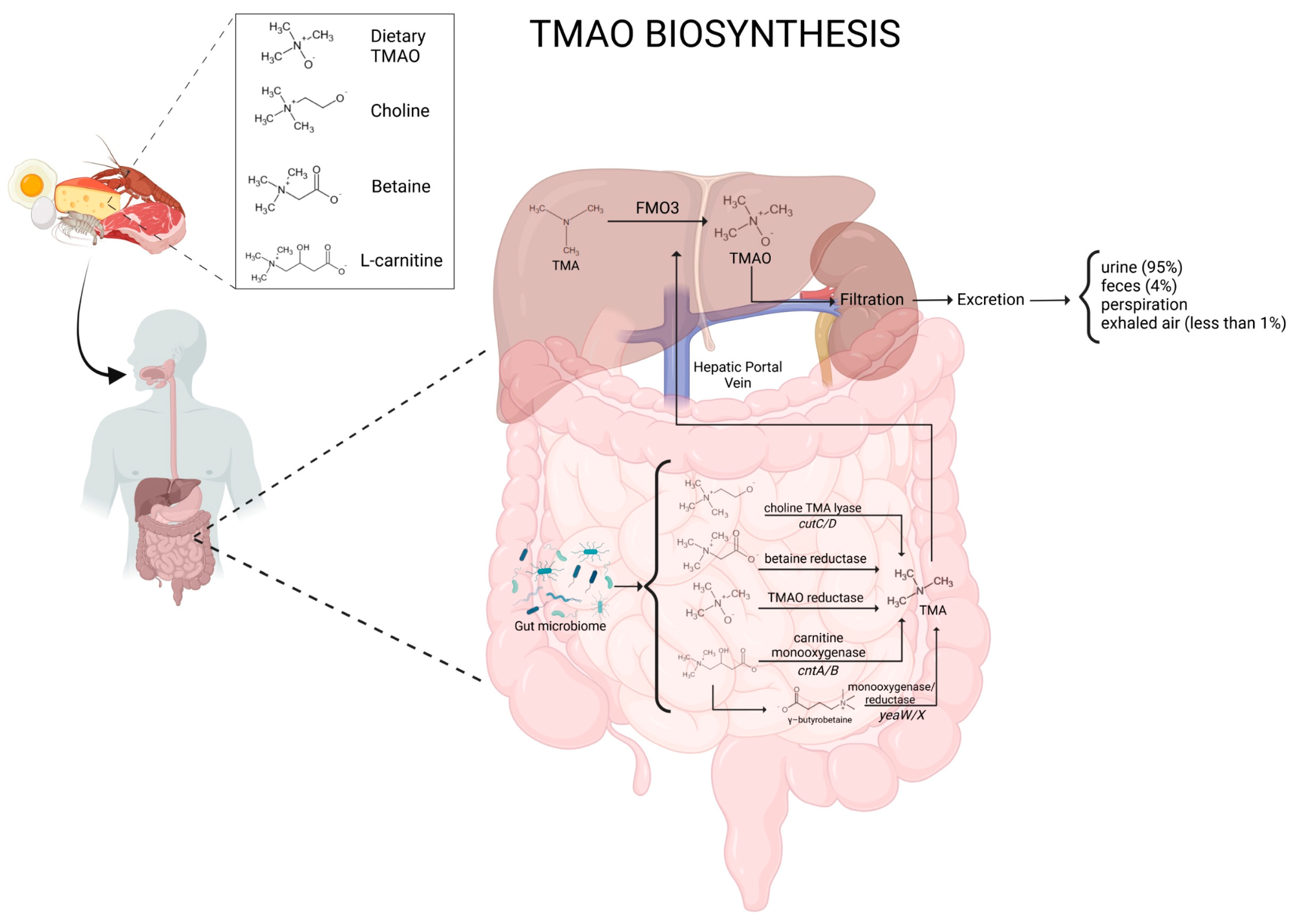
The human gut microbiota plays a crucial role in processing dietary components, especially by producing metabolites that influence health. One such compound, TMAO, forms when gut bacteria break down choline and carnitine, which are found in red meat, eggs, and dairy. These are converted to trimethylamine (TMA), which is then oxidized by the liver enzyme flavin-containing monooxygenase 3 (FMO3) to produce TMAO.

Genetic variation in FMO3, as well as differences in sex hormones and liver function, can influence how efficiently TMA is converted to TMAO, thereby affecting individual susceptibility to disease.

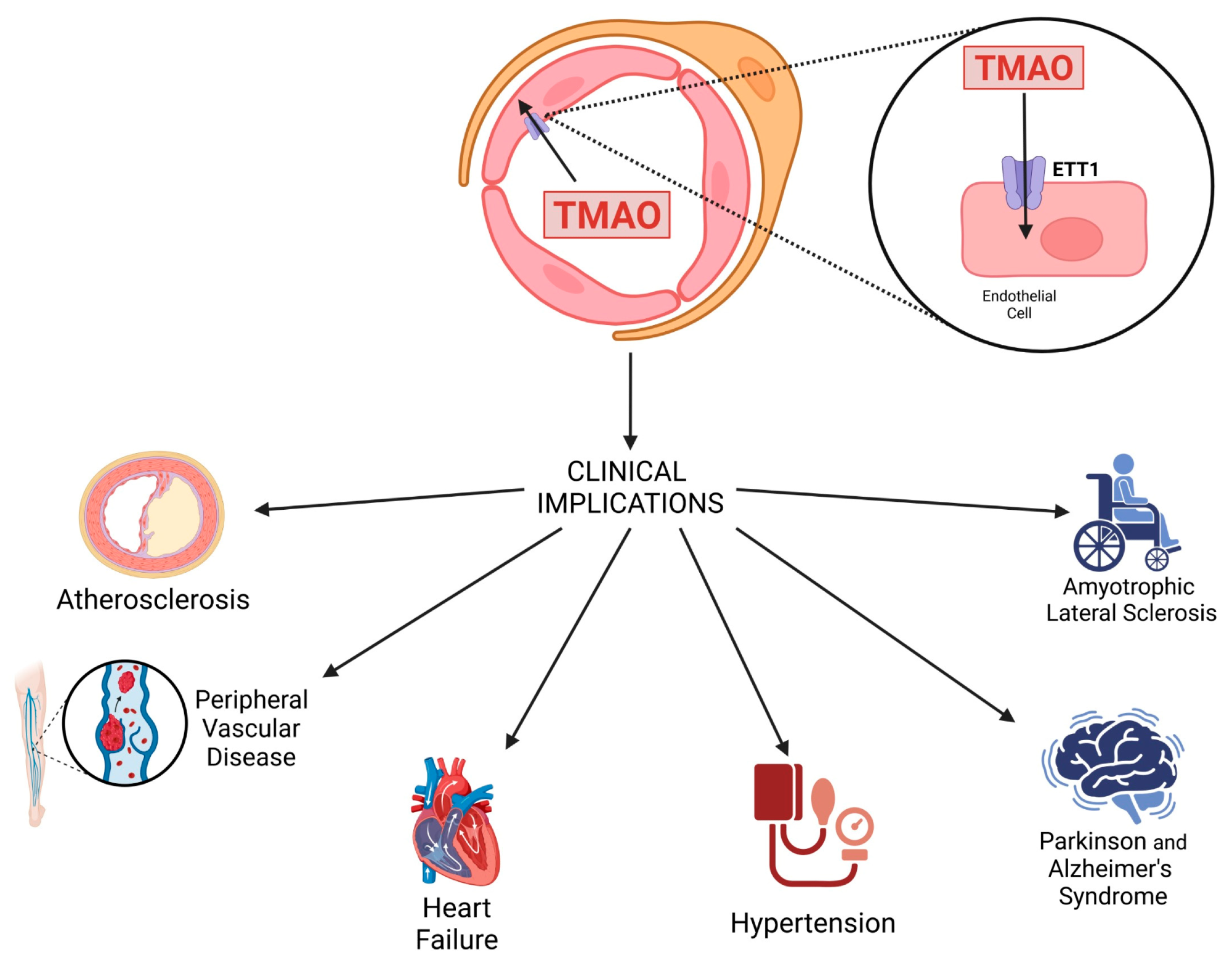
Initially recognized for its osmoprotective role in marine organisms, TMAO has gained attention in human health due to its strong correlation with cardiovascular diseases, atherosclerosis, peripheral artery disease, hypertension, and neurodegenerative disorders, including Alzheimer’s and Parkinson’s diseases.

Elevated TMAO levels have been associated with increased platelet aggregation, endothelial dysfunction, and systemic inflammation—mechanisms that contribute to heart disease and stroke. TMAO also increases intracellular calcium release in platelets, enhancing their reactivity and promoting thrombus formation.

Furthermore, TMAO promotes oxidative stress and inflammation by activating the NLRP3 inflammasome and impairing the SIRT3–SOD2 mitochondrial defense pathway, contributing to both vascular damage and neuroinflammation.

Schematic representation of TMAO biosynthesis and metabolism.Schematic representation of TMAO biosynthesis and metabolism.

The current study

The review aimed to bridge knowledge gaps by assessing how dietary components, microbiota composition, and potential therapies influence TMAO levels and disease risk.

Researchers analyzed how specific gut bacteria metabolize dietary choline, carnitine, betaine, and other precursors into TMA, which is then transformed into TMAO in the liver. They also evaluated findings from experimental models, clinical trials, and epidemiological studies to clarify TMAO’s involvement in disease.

Dietary patterns were examined by comparing TMAO levels in individuals consuming red meat-heavy diets versus those following plant-based or Mediterranean diets. The team also explored probiotic interventions, nutraceutical compounds, and even pharmaceutical agents that may modulate TMAO synthesis or metabolism.

Major findings

TMAO levels are strongly shaped by both diet and gut microbiota composition. Red meat, eggs, and dairy intake elevate TMAO levels, while plant-based or Mediterranean diets—rich in fiber and polyphenols—are associated with lower levels.

TMAO contributes to cardiovascular disease by impairing nitric oxide production, disrupting lipid and cholesterol metabolism, promoting foam cell formation, and increasing platelet hyperreactivity. It also impairs endothelial progenitor cell function and alters pathways crucial for neovascularization and vascular repair.

Beyond heart disease, the review connects TMAO to cognitive decline, blood–brain barrier dysfunction, and beta-amyloid and tau aggregation—hallmarks of Alzheimer’s. It is also implicated in Parkinson’s disease through mitochondrial dysfunction and chronic inflammation.

Elevated TMAO was associated with poor outcomes in heart failure, increased mortality in peripheral artery disease, and heightened risk of stroke and hypertension.

Schematic representation of TMAO transport into endothelial cells via the endothelial TMAO transporter (ETT) and its clinical implications.Schematic representation of TMAO transport into endothelial cells via the endothelial TMAO transporter (ETT) and its clinical implications.

Therapeutic and lifestyle interventions

Interventions that reduce TMAO include:

  • Dietary changes, such as reducing red meat and increasing fiber/polyphenols.
  • Probiotics, particularly certain strains of Lactobacillus and Bifidobacterium, which modulate the microbiota to reduce TMA production. However, not all probiotics are effective—formulations like VSL#3 have shown no impact on TMAO levels in trials.
  • Nutraceuticals, including resveratrol, quercetin, and the polyphenol-rich supplement Taurisolo®, have shown promising results in reducing TMAO and protecting vascular health.

The review also highlighted the potential role of pharmaceuticals:

  • Statins may lower TMAO by modulating gut microbiota and bile acid metabolism.
  • ACE inhibitors and loop diuretics indirectly influence TMAO clearance or synthesis via effects on renal excretion and gut flora.
  • Monitoring TMAO may enhance cardiovascular risk stratification, particularly in patients with comorbidities.

Despite these advances, the review acknowledged several limitations, including inconsistent probiotic outcomes, variation in individual microbiomes, and a lack of long-term human trials.

Conclusions

TMAO has emerged as a central metabolite linking diet, gut microbiota, host genetics, and disease. The review emphasized that dietary and probiotic strategies, along with personalized approaches based on microbiome and genetic profiling, could offer powerful tools for mitigating TMAO-associated health risks.

Monitoring TMAO levels may also improve the early detection of cardiovascular and neurodegenerative diseases. While research is ongoing, simple changes—such as shifting to a plant-rich diet, using targeted probiotics, or considering nutraceuticals like Taurisolo®—could offer a preventive edge in long-term health.

Journal reference:
  • Caradonna, E., Abate, F., Schiano, E., Paparella, F., Ferrara, F., Vanoli, E., Difruscolo, R., Goffredo, V. M., Amato, B., Setacci, C., Setacci, F., & Novellino, E. (2025). Trimethylamine-N-Oxide (TMAO) as a Rising-Star Metabolite: Implications for Human Health. Metabolites, 15(4), 220. DOI: 10.3390/metabo15040220, https://www.mdpi.com/2218-1989/15/4/220

Saturday, December 15, 2018

Red meat raises heart disease risk through gut bacteria

Be careful out there. Maybe 50 years from now your doctor will have copied someone else's diet protocol.  Paleo diet not ok?

Red meat raises heart disease risk through gut bacteria


Healthline/Medical News Today | December 13, 2018
Scientists have uncovered further evidence of how a diet rich in red meat interacts with gut bacteria to raise the risk of heart disease.
Advertisement
They found that people who ate red meat as their main source of protein for 1 month had levels of trimethylamine N-oxide (TMAO) that were two to three times higher than those in people who got their protein primarily from white meat or non-meat sources.
Gut bacteria produce TMAO as a byproduct when they feed on certain nutrients during digestion.
Previous studies have implicated high circulating levels of TMAO in the development of artery-blocking plaques and raised risk of heart-related conditions.
In the recent research, scientists at the Cleveland Clinic in Ohio uncovered two mechanisms through which a diet rich in red meat raises TMAO levels.

It appears that not only does frequent consumption of red meat enhance gut bacteria production of TMAO, but it also reduces elimination of the compound through the kidneys.

The European Heart Journal has published a report on the study and its findings.
"This is the first study of our knowledge," says senior study author Dr. Stanley L. Hazen, who chairs the Department of Cellular and Molecular Medicine in the Cleveland Clinic's Lerner Research Institute, "to show that the kidneys can change how effectively they expel different compounds depending on the diet that one eats—other than salts and water."

TMAO as a predictor of heart disease risk

In previous work, Dr. Hazen and his team had found that TMAO alters blood platelets to raise the risk of thrombosis, or blood clots.
Their work revealed that TMAO modifies calcium signaling in blood platelets. In addition, it showed that platelets respond differently to blood-clotting triggers when blood levels of TMAO are high.

The team proposed that the compound could be a powerful predictor of the risk of heart attack, stroke, and death—even when cholesterol and blood pressure levels are healthy.

Others have since replicated the findings and, like Dr. Hazen and his team, have continued to investigate TMAO and its impact on health.
Research from the University of Leicester in the UK, for example, demonstrated that people with acute heart failure fared worse if they had higher circulating levels of TMAO.
Clinical trials are also underway to test TMAO as a predictive marker of heart disease risk.

Red meat diet compared with other diets

The recent study assigned 113 individuals to follow three tightly controlled diets in a random order for 4 weeks each with a "washout diet" preceding the changeover.
The diets differed according to their main source of protein. In the red meat diet, 12% of the daily calories came from lean red meat in the form of pork or beef, while in the white meat diet, these calories came from lean white poultry meat.
In the non-meat diet, 12% of the daily calorie intake came from "legumes, nuts, grains, [and] isoflavone-free soy products."
In all three diets, protein accounted for 25% of the daily calories, and the remaining 13% of this protein came from "eggs, dairy, and vegetable sources."

After 4 weeks on the red meat diet, "the majority of" the individuals had raised levels of TMAO in their blood and urine.

On average, compared with levels during the white meat and non-meat diets, blood levels of TMAO during the red meat diet were up to three times higher. For some individuals, the levels were 10 times higher. Urine samples revealed a similar pattern.

Reduced kidney efficiency

The study also yielded an unexpected result. While on the red meat diet, the study participants' kidneys were less efficient at expelling TMAO.
However, in the 4 weeks after ceasing the red meat diet, their blood and urine levels of TMAO fell.
Dr. Hazen says that the findings show that people can reduce their risk of heart-related problems by changing what they eat.
Gut production of TMAO was lower and kidney elimination was higher when the individuals followed the white meat or non-meat protein diet.
This suggests, says Dr. Hazen, that these types of diet are more healthful for the heart and body.
"We know lifestyle factors are critical for cardiovascular health, and these findings build upon our previous research on TMAO's link with heart disease."
—Dr. Stanley L. Hazen
To read more, click here.

Friday, November 30, 2018

Paleo diet linked to heart disease biomarker

So ask your doctor to translate this into diet protocols for all your needs. 

But I bet your stroke hospital is so fucking incompetent it doesn't even have ANY DIET PROTOCOL.
For stroke prevention; for dementia prevention; for cognitive improvement; for cholesterol reduction; for plaque removal; for Parkinsons prevention; for inflammation reduction; for blood pressure reduction. You can't be expected to figure this out on your own, your doctor is being paid for medical expertise. Demand that some expertise be delivered.   


Paleo diet linked to heart disease biomarker

More than twice the amount of a key biomarker linked closely to heart disease has been found in the blood of people on the paleo diet.
Researchers from Edith Cowan University have just completed the world’s first major study examining the impact of the paleo diet on gut bacteria.
Image Credit: MaraZe / Shutterstock
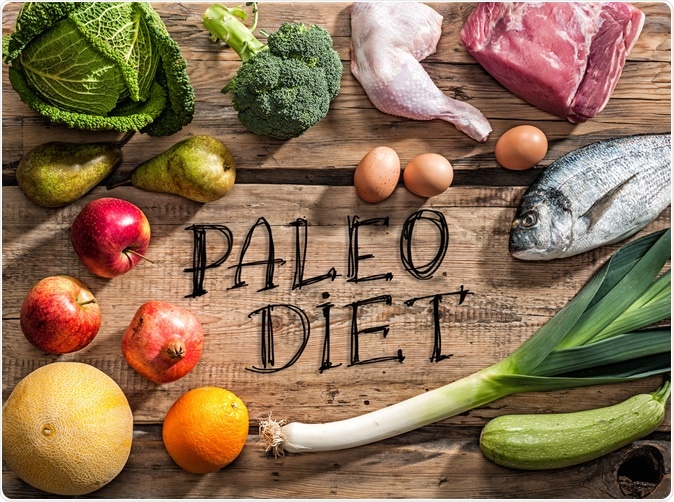
The controversial paleo (or ‘caveman’) diet advocates eating meat, vegetables, nuts and limited fruit, therefore excluding grains, legumes, dairy, salt, refined sugar and processed oils.
ECU researchers compared 44 people on the diet with 47 following a traditional Australian diet.
They measured the amount of trimethylamine-n-oxide (TMAO) in the participants’ blood. High levels of TMAO, an organic compound produced in the gut, are associated with an increased risk of cardiovascular disease.
Heart disease kills one Australian every 12 minutes.
Not good for the gut
Lead researcher Dr Angela Genoni from ECU’s School of Medical and Health Sciences said:
“Those who promote the paleo diet often cite it as beneficial for your gut health, but this research suggests there were adverse differences in those who followed the dietary pattern.”
She said the reason TMAO was so elevated in people on the paleo diet appeared to be due to the higher intake of red meats, but also because of the lack of whole grain intake.
“The paleo diet excludes all grains and we know that whole grains are a fantastic source of resistant starch, and many other fermentable fibres which are vital to the health of your gut microbiome,” Dr Genoni said.
“Because TMAO is produced in the gut, a lack of whole grains might change the populations of bacteria enough to enable higher production of this compound.
“Additionally, the paleo diet includes greater servings per day of red meat, which provides the precursor compounds to produce TMAO.”

Monday, October 23, 2017

Gut microbes associated with CV risk

You'll have to have your doctor explain this one to you and provide intervention protocols.

Gut microbes associated with CV risk


“Our largest environmental exposure is what we eat, and that is all perceived through the filter of our gut microbiome,” Stanley L. Hazen, MD, PhD, chair of the department of cellular and molecular medicine, section head of preventive cardiology and rehabilitation and director of the Center for Microbiome and Human Health at Cleveland Clinic, said in the presentation. “The gut microbiome is an active participant in many facets of cardiovascular disease and thrombosis.”


The initial discovery and structural identification of gut microbe-derived metabolites that are associated with CVD risk occurred nearly a decade ago with untargeted metabolomics, according to the presentation. Data from healthy patients were reviewed for the development of CVD over a period of time. Patients’ serum levels were analyzed for the chemical signatures that predicted future CVD risk, and of the metabolites that predicted risks, a third of them are linked to gut microbes, Hazen said.


A study published in Nature in 2011 found that three compounds linked to phosphatidylcholine metabolism, also termed lecithin, suggested a common pathway: choline, betaine and trimethylamine N-oxide (TMAO).


Diet and intestinal microbes are mechanically linked to atherosclerotic heart disease. A diet rich in phosphatidylcholine, a Western diet, also feeds the gut microbes. The microbes generate trimethylamine (TMA) as a waste product of dietary lecithin. After the TMA leaves the gut, it goes into the liver where it is converted to TMAO. In animal studies, TMAO accelerated heart disease development.


The clinical relevance of this was validated in a study published in Nature in 2011, which found that choline, betaine and TMAO dose-dependently track CV events. Beyond association, the study proved causation because a diet rich in choline led to TMAO generation and accelerated atherosclerosis, Hazen said.


“The relationship between plasma TMAO levels and incident CVD and mortality risks in subjects is a steeper curve than what you see with LDL cholesterol, triglycerides or C-reactive protein, for example,” Hazen said.

2 more pages at link.

Saturday, October 7, 2017

VIDEO: Trimethylamine N-oxide levels linked to atherosclerosis

You'll have to ask your doctor for a diet protocol on these, which will never occur.
Well, you can tell how incompetent your doctor is since this was reported on back in  Oct. 2014

Clinical Study in Over 700 Subjects Finds Blood TMAO Levels Linked to Increased Risk of Heart Failure in Patients Monday, Oct. 27, 2014

The latest here:

VIDEO: Trimethylamine N-oxide levels linked to atherosclerosis

The compound trimethylamine N-oxide, abundant in red meat and formed by gut microbes, has been associated with an increased risk for atherosclerosis, Stanley L. Hazen, MD, PhD, said at the Cardiometabolic Health Congress.
There have been large-scale clinical studies and meta-analyses showing that patients with high levels of trimethylamine N-oxide (TMAO) are at increased risk for CVD.
“What we now realize is that heart disease is multifactorial and is caused not only by our genetic predisposition but also environmental factors,” Hazen, head of the Section for Preventive Cardiology and Rehabilitation, director for the Center for Cardiovascular Diagnostics and Prevention, director of the Cleveland Clinic Mass Spectrometry Core Facilities, department chair in the department of cell biology and section head in the Robert and Suzanne Tomsich Department of Cardiovascular Medicine at Cleveland Clinic, said. “The single largest environment exposure we have is what we eat and we experience the food we eat through the filter of our gut microbiome.”
According to Hazen, a Cardiology Today Editorial Board Member, vegans, vegetarians and those who adhere to a Mediterranean diet had significantly lower levels of TMAO.
“We think that TMAO is not only a mediator, but also a biomarker for disease,” he said. “The test is currently in clinical use in a limited capacity and in the future, we think that this will become a target for therapeutic treatment of patients at risk for CVD or with CVD as a prevention for further progression of their disease.

Wednesday, November 5, 2014

Cleveland Clinic Research Shows Gut Bacteria Byproduct Impacts Heart Failure

Is your doctor monitoring these levels to assess your heart attack and stroke risk after your stroke event? What is the stroke protocol that covers such monitoring? Ask for the written explanation not a verbal one, verbal ones can't be taken to a second opinion. Remember you are not allowed to practice medicine, so even though you know about this you shouldn't presume to lord it over your doctor.

Cleveland Clinic Research Shows Gut Bacteria Byproduct Impacts Heart Failure

Clinical Study in Over 700 Subjects Finds Blood TMAO Levels Linked to Increased Risk of Heart Failure in Patients

Monday, Oct. 27, 2014
A chemical byproduct of intestinal bacteria-dependent digestion, TMAO (trimethylamine N-oxide) – already proven to contribute to heart disease and to be an accurate tool for predicting future heart attacks, stroke and death – has for the first time been linked to heart failure and worse long-term prognosis for those patients, according to Cleveland Clinic research published today in the Journal of the American College of Cardiology.
The research team was led by Stanley Hazen, M.D., Ph.D., Chair of the Department of Cellular and Molecular Medicine for the Lerner Research Institute and section head of Preventive Cardiology & Rehabilitation in the Miller Family Heart and Vascular Institute at Cleveland Clinic, and  W.H. Wilson Tang, M.D., Department of Cardiovascular Medicine in the Miller Family Heart and Vascular Institute and Lerner Research Institute.
Drs. Hazen and Tang followed 720 heart failure patients over a five-year period and found that higher TMAO levels predicted higher future risk of death from heart failure, independent of other clinically used blood tests or risk factors. Interestingly, patients who had high levels of natriuretic peptides (an indicator of advanced heart failure) but low levels of TMAO had a much lower mortality rate than individuals with elevated levels in both markers. The researchers also found that when both TMAO and BNP (a peptide typically measured in heart failure patients) levels were raised, patients had more than a 50 percent mortality rate over 5 years.
TMAO, the researchers previously found, is produced when intestinal bacteria digest certain dietary components that are found in red meat, egg yolks, liver and some energy supplements. They found in a large clinical study that high levels of TMAO can predict future adverse outcomes like heart attack, stroke, and death.
“I am excited that these studies suggest TMAO testing may not only help identify those patients at greatest risk and for whom more aggressive monitoring is needed, but also that TMAO testing may help to tailor dietary efforts to the individual in the hopes of reducing future risks among those high-risk subjects,” said Dr. Hazen.
“Our new results suggest that understanding why TMAO levels are elevated in the setting of heart failure may provide important insights into how intestinal bacteria contribute to disease progression in heart failure,” said Dr. Tang.
According to the Centers for Disease Control and Prevention, heart failure occurs when weakened heart muscles do not pump blood effectively. More than 5 million patients in the United States are affected, costing the U.S. approximately $32 billion each year.
The current study is an extension of Drs. Hazen and Tang’s previous work, in which they found TMAO is linked to increased risk of heart disease, even in the absence of known cardiovascular risks, and is produced when intestinal bacteria digest carnitine, found in red meat and some energy drinks, and the nutrient phosphatidylcholine, commonly known as lecithin. The prior research showed that higher TMAO levels in the blood were associated with poorer outcomes in heart disease. Dr. Hazen and colleagues have now confirmed that gut flora are essential in forming TMAO in humans and demonstrated a relationship between TMAO levels and future cardiac events like heart attack, stroke, and death—even in those with no prior evidence of cardiac disease risk.
The TMAO diagnostic test was selected as one of the top ten medical innovations of 2014 at the USA Medical Innovations Summit; and the biological process that makes TMAO was named one of the American Heart Association’s 2013’s Top Ten advances in heart disease science.
This research was supported by grants from the National Institutes of Health and the Office of Dietary Supplements (grants R01HL103866, 1P20HL113452).

Tuesday, October 28, 2014

Heart Failure Among Meat-Eaters A Byproduct Of How Gut Bacteria Digests Food

But what about this?

Study: Protein from meat, fish may help men age well

Ask your doctor, s/he should know the answer as to which study has more power.

I will continue eating meat.

Heart Failure Among Meat-Eaters A Byproduct Of How Gut Bacteria Digests Food 

Our bodies are filled with bacteria, with the majority of them living in our guts, outnumbering our own cells 10 to one. For the most part, these bacteria live in harmony with our bodies, eating what we eat, and regulating our metabolism and energy. But when they’re not living in peace, they may be causing disease, as one new Cleveland Clinic study found; a byproduct of their digestion may influence a person’s heart health.
The byproduct, trimethylamine N-oxide, or TMAO, is produced when gut bacteria digest the amino acid carnitine, which is commonly found in animal food products like beef, fish, chicken, milk, and cheese. The body already produces carnitine, and stores it in almost every cell in the body, where it’s used to produce energy. Because of this, it’s not really necessary to get more. The new study found that once gut bacteria produced TMAO, it traveled to the bloodstream where it clogged arteries, leading to heart failure and overall worse outcomes.
ADVERTISEMENT
“I am excited that these studies suggest TMAO testing may not only help identify those patients at greatest risk, and for whom more aggressive monitoring is needed, but also that TMAO testing may help to tailor dietary efforts to the individual in the hopes of reducing future risks among those high-risk subjects,” said Dr. W.H. Wilson Tang, of the Department of Cardiovascular Medicine at the Miller Family Heart and Vascular Institute, in a press release.
For the study, the researchers followed 720 heart failure patients over the course of five years. They found that there were lower mortality rates when there were high levels of natriuretic peptides, a compound indicative of heart failure, and low levels of TMAO, when compared to patients who had high levels of both. The findings, that TMAO contributed to heart failure and death, were further supported when they found that high levels of TMAO and BNP — another peptide indicative of heart failure — increased risk of death by 50 percent.
Tang’s study builds on a study from 2013, in which he found that TMAO also contributed to a person’s risk of heart disease and stroke, even if a person has no history of either. Though the researchers aren’t suggesting we all stop eating meat, their findings support previous claims that red meat consumption should be limited — and they have good reason to suggest that. “A diet high in carnitine shifts our gut ‘biology’ so meat eaters actually generate more TMAO and compound their risk of cardiovascular disease,” Cleveland Clinic’s website says.
Heart failure is very common, affecting 5.1 million people in the U.S., according to the National Heart, Lung, and Blood Institute. It develops over time and causes the heart to weaken, making it harder for blood to flow to some parts of the body. In turn, a person’s extremities can swell, they can have trouble breathing, or feel tired.
Source: Tang WH, Hazen S, et al. Journal of the American College of Cardiology. 2014. 


Wednesday, April 24, 2013

Gut bugs are implicated in heart attacks and stroke

Written by Sharon Begley who wrote as the science editor for Newsweek and a couple of books.
Train Your Mind, Change
Your Brain: How a New Science Reveals Our Extraordinary Potential to
Transform Ourselves
The mind and the Brain : neuroplasticity and the power of mental
force 

Gut bugs are implicated in heart attacks and stroke


Thousands of heart attack victims every year have none of the notorious risk factors before their crisis - not high cholesterol, not unhealthy triglycerides. Now the search for the mystery culprits has turned up some surprising suspects: the trillions of bacteria and other microbes living in the human gut.
In a study released on Wednesday, scientists discovered that some of the bugs turn lecithin - a nutrient in egg yolks, liver, beef, pork and wheat germ - into an artery-clogging compound called TMAO(trimethylamine-N-oxide). They also found that blood levels of TMAO predict heart attack, stroke or death, and do so "independent of other risk factors," said Dr Stanley Hazen, chairman of cellular and molecular medicine at the Cleveland Clinic's Lerner Research Institute, who led the study.
That suggests a TMAO test could enter the arsenal of blood tests that signal possible cardiovascular problems ahead. "TMAO might identify people who are at risk (for heart attacks and strokes) despite having no other risk factors," Hazen said.
The discovery also suggests a new approach to preventing these cardiovascular events: altering gut bacteria so they churn out less TMAO.

Full article at the link.