If your competent? doctor waited this long before including these in your diet protocol! THAT IS PURE INCOMPETENCE!
Why hasn't that doctor been fired yet? With NO protocol and not following research what is keeping them employed?
- blueberries
(28 posts to January2013)
- grapes
(10 posts to October 2012)
- red grapes
(1 post to May 2016)
Review finds blueberry and grape polyphenols may improve vascular health
From endothelial function to blood pressure, the review maps where blueberry and grape bioactives show promise and where the clinical evidence still falls short.
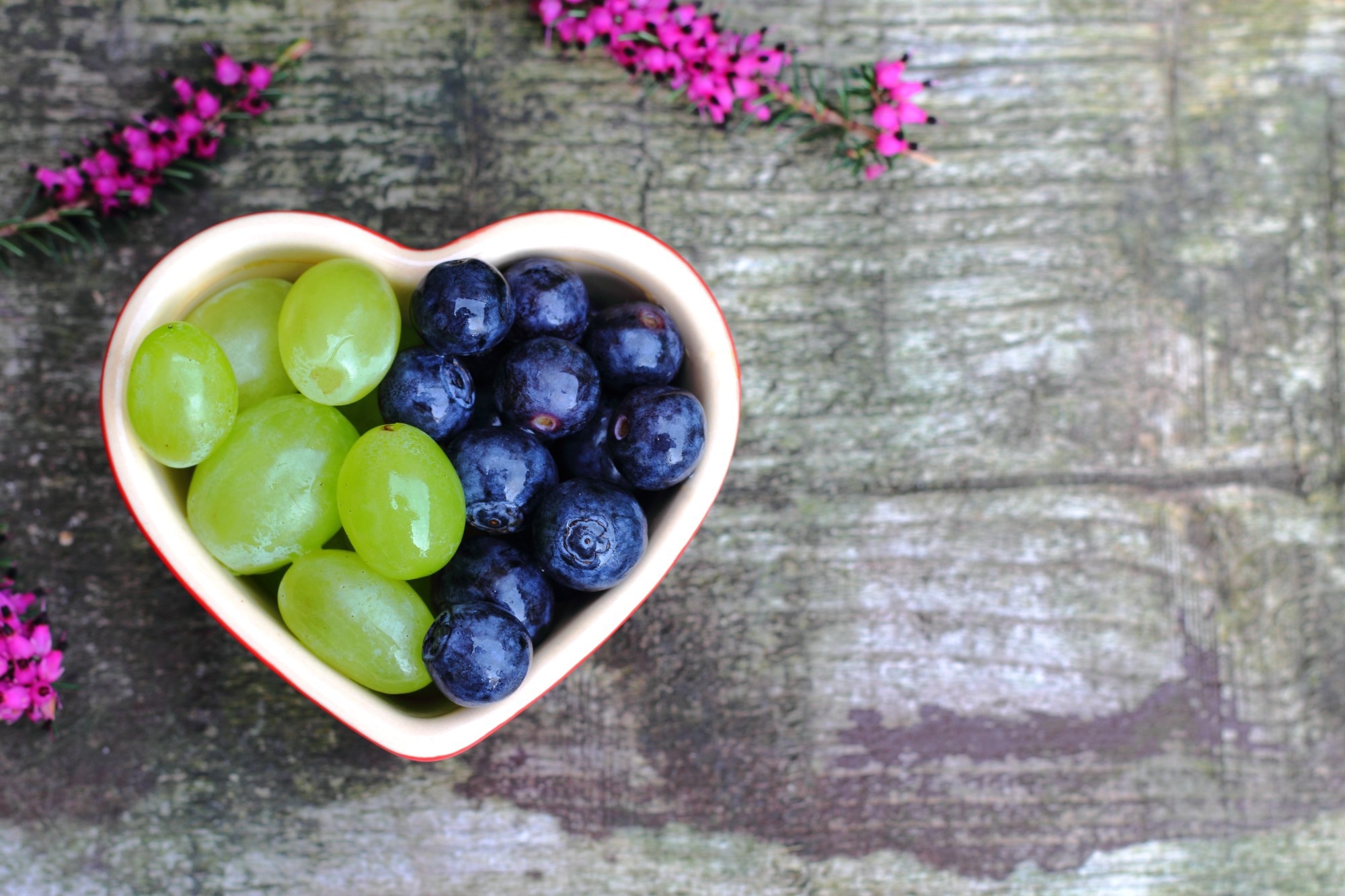
Study: Polyphenols and Cardiovascular Health: Emerging Relevance for Blueberries, Grapes, and Red-Fleshed Table Grapes. Image Credit: Den Debono / Shutterstock
A recent review published in the journal Nutrients examined the evidence on the effects of blueberries, grapes, and their bioactive compounds on cardiovascular risk markers.
Cardiovascular disease (CVD) is among the most prevalent noncommunicable diseases and a leading cause of mortality in Europe. The paper reports that CVD accounts for more than 60 million potential years of life lost in Europe. Diet is increasingly recognized as a modifiable risk factor for CVD, and dietary bioactive compounds have attracted attention for their potential role in cardiovascular prevention and risk management. Several fruits, including grapes, have been investigated for their potential cardioprotective effects.
Berries and grapes contain a wide range of polyphenolic bioactive compounds, including resveratrol, flavonoids, and anthocyanins, with anti-inflammatory, antioxidant, and potentially cardioprotective biological effects. Experimental evidence indicates that grape polyphenols may influence processes implicated in CVD by reducing platelet aggregation and low-density lipoprotein (LDL) oxidation, suppressing inflammation, and improving endothelial function.
Evidence also suggests that gut microbiota metabolize polyphenols, especially anthocyanins, into bioactive metabolites that influence cardiovascular function. Resveratrol, abundant in the skin of dark grapes, is reported to modulate cardiac remodeling, exert antioxidant and anti-inflammatory actions, and enhance mitochondrial biogenesis. It may also reduce oxidative stress in heart tissues by regulating oxidation-inducing proteins.
The study and findings
In the present study, researchers reviewed evidence on the effects of blueberries, grapes, and their bioactive compounds on cardiovascular health. First, a comprehensive systematic literature search was conducted in PubMed to identify randomized controlled trials (RCTs), systematic reviews, and meta-analyses published from January 2015 through April 2026. Secondary searches of ScienceDirect and Semantic Scholar sought additional publications, including mechanistic evidence.
Studies were eligible for inclusion if they included interventions involving grapes, blueberries, or red-fleshed table grapes, focused on key bioactive compounds present in grapes or blueberries, and measured cardiovascular outcomes, such as endothelial function, platelet aggregation, LDL oxidation, inflammatory biomarkers, or blood pressure (BP). Studies focused solely on in vitro or animal models were excluded from the clinical synthesis, except when they provided relevant mechanistic evidence. Studies involving multiple interventions or mixed polyphenol supplements were excluded.
Validated appraisal tools, including the Jadad scale and A Measurement Tool to Assess Systematic Reviews 2 (AMSTAR-2), were used to assess study quality. In total, 37 publications, including 20 RCTs and 17 systematic reviews and meta-analyses, were included. Two systematic reviews and meta-analyses were of high quality; one reported that grape polyphenols at doses exceeding 500 mg/day for at least 12 weeks significantly reduced C-reactive protein levels, while the other reported improvements in vascular function or BP in 84% of the human studies it assessed, including a significant reduction in systolic BP.
The future is bioengineered: Synthetic biology and global sustainability eBook Discover how synthetic biology is reshaping industries and driving progress toward global sustainability through innovative biological engineering. Download the latest edition
Further, two other systematic reviews and meta-analyses of moderate quality reported cardiovascular benefits. One found a modest reduction in BP and improvement in endothelial function with flavan-3-ol foods, such as tea, apples, cocoa, and grape-derived products. The other study reported that consuming whole-grape products was associated with significant decreases in systolic BP. The remaining systematic reviews and meta-analyses were of low or critically low quality.
The RCT evidence was generally based on small, short-term studies, and interventions focused mainly on polyphenols and resveratrol. Seventeen RCTs were of moderate or high quality, while three were of low quality; more rigorous methodological designs were associated with more consistent lipid and vascular effects. Nine RCTs focused on grape pomace, whole grapes, red grape cell powder, or grape seed extracts, and generally reported favorable effects on cardiovascular risk markers.
Moderate- and high-quality RCTs reported improvements in lipid peroxidation, lipid profiles, flow-mediated dilation, diastolic BP, and paraoxonase activity. These lipid changes were often accompanied by reductions in markers of endothelial dysfunction and oxidative stress, especially in populations with metabolic risk or hypercholesterolemia. For instance, a low-quality RCT found that consuming 500 g of whole red grapes daily for eight weeks was associated with decreases in total cholesterol and LDL cholesterol in hypercholesterolemic adults.
Resveratrol and blueberry RCTs mainly reported endothelial and vascular benefits, such as improved nitric oxide production and flow-mediated dilation and reduced BP and inflammatory markers, but had limited effects on lipid endpoints. One high-quality RCT involving 115 older men with metabolic syndrome showed significant improvements in arterial stiffness and endothelial function after six months of daily blueberry consumption. The observed changes produced effect sizes that the investigators considered predictive of a possible 12% to 15% reduction in CVD risk; however, the trial did not measure cardiovascular events.
The review also discussed compositional analyses of newly developed red-fleshed table-grape hybrids, which generally contained more phenolic compounds and anthocyanins than standard comparator grapes. Nevertheless, no human RCTs tested the newly developed red-fleshed table-grape varieties, whose potential benefits were inferred from compositional data and evidence involving other grapes, berries, and bioactive compounds. Comparisons across grape varieties should be interpreted cautiously because analytical methods, extraction protocols, reporting units, and seasonal conditions varied.
Conclusions
In sum, current evidence suggests that polyphenols derived from berries and grapes may produce modest, reasonably consistent improvements in cardiovascular risk markers, particularly endothelial function. However, the review did not establish that these changes prevent heart attacks, strokes, or cardiovascular death. Increasing awareness of the potential effects of consuming dark-fleshed grapes and blueberries could help inform adjunctive strategies to promote cardiovascular health.
Many interventions involved concentrated extracts, powders, supplements, or red wine rather than whole fresh fruit, limiting direct translation to habitual diets. Alcohol content and concurrent medication use may also have influenced some findings. The authors also acknowledged that AMSTAR-2 and Jadad are appraisal guides rather than definitive measures of study quality. Nevertheless, larger and longer-term RCTs using whole, fresh grapes and blueberries at habitual dietary intakes are needed and should prioritize clinically meaningful cardiovascular endpoints rather than using short-term surrogate markers.
Funding and conflicts of interest
The lead author disclosed that Bloom Fresh International Limited funded her time spent conducting the searches and drafting the manuscript. The company bred and markets the red-fleshed table grapes discussed in the review. This disclosure appears inconsistent with the paper's separate statement that the research received no external funding.
- Derbyshire, E. J., Abellán-Alemán, J. A., & Aslam, N. (2026). Polyphenols and Cardiovascular Health: Emerging Relevance for Blueberries, Grapes, and Red-Fleshed Table Grapes. Nutrients, 18(12), 1968. DOI: 10.3390/nu18121968, https://www.mdpi.com/2072-6643/18/12/1968


