Does your competent? doctor know of all 57 of these and determined the best ones for your recovery? Oh NO, knows nothing and has done nothing! WOW! You picked a winner!
Here you are :
Key FDA Lists for Interactive Devices [1]
- AI-Enabled Medical Devices: The FDA's AI-Enabled Medical Devices List includes over 1,450 devices as of March 2026, mostly authorized via 510(k) clearance. These are heavily focused on radiology and cardiology.
- Sensor-Based Digital Health Technology: The Medical Devices that Incorporate Sensor-based Digital Health Technology list includes wearable, sensor-based devices that monitor physiological signals.
- AR/VR Medical Devices: The Augmented Reality and Virtual Reality in Medical Devices list tracks devices using these technologies for therapy and diagnostics.
- Breakthrough Devices Program: The Breakthrough Devices Program - FDA list features innovative devices that receive expedited development and review. [1, 2, 3, 4, 5, 6]
FDA-Listed Interactive Devices for Home Movement Rehabilitation After Stroke: A Mixed-Methods Study of Availability, User Needs, Information Gaps, and an Accompanying Dataset
by  ,,,
,,,
Luis Garcia-Fernandez
1,*,Juan C. Perez-Ibarra
1,Andria J. Farrens
1,2,Vicky Chan
1,Joshua J. Macopson
1 andDavid J. Reinkensmeyer
11
Mechanical and Aerospace Engineering Department, University of California Irvine, Irvine, CA 92617, USA
2
Department of Orthopaedics & Rehabilitation, University of New Mexico, Albuquerque, NM 87106, USA
*
Author to whom correspondence should be addressed.
Bioengineering 2026, 13(4), 387; https://doi.org/10.3390/bioengineering13040387
Submission received: 18 December 2025 / Revised: 6 March 2026 / Accepted: 24 March 2026 / Published: 27 March 2026
(This article belongs to the Special Issue Technological Advances in Neurorehabilitation)
Abstract
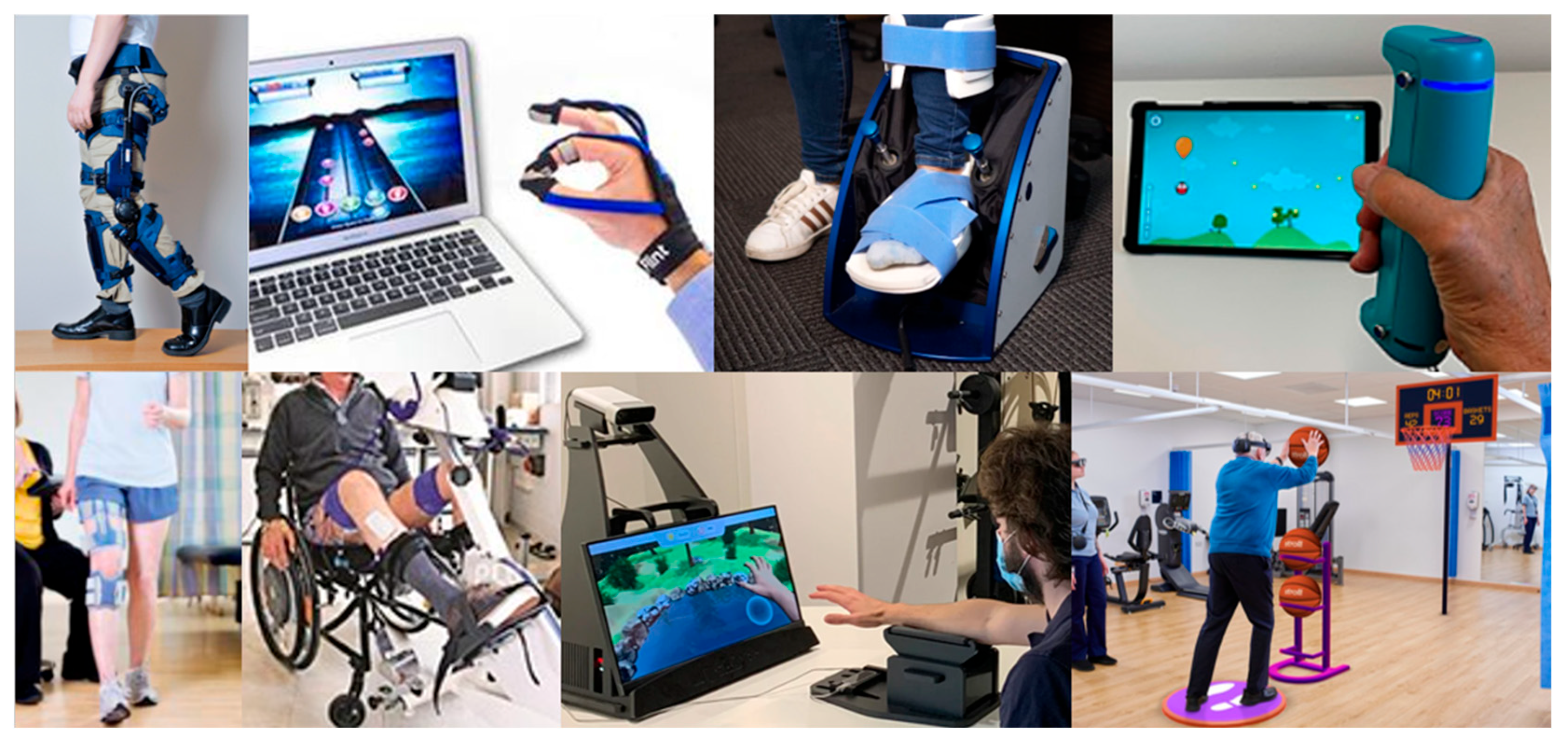
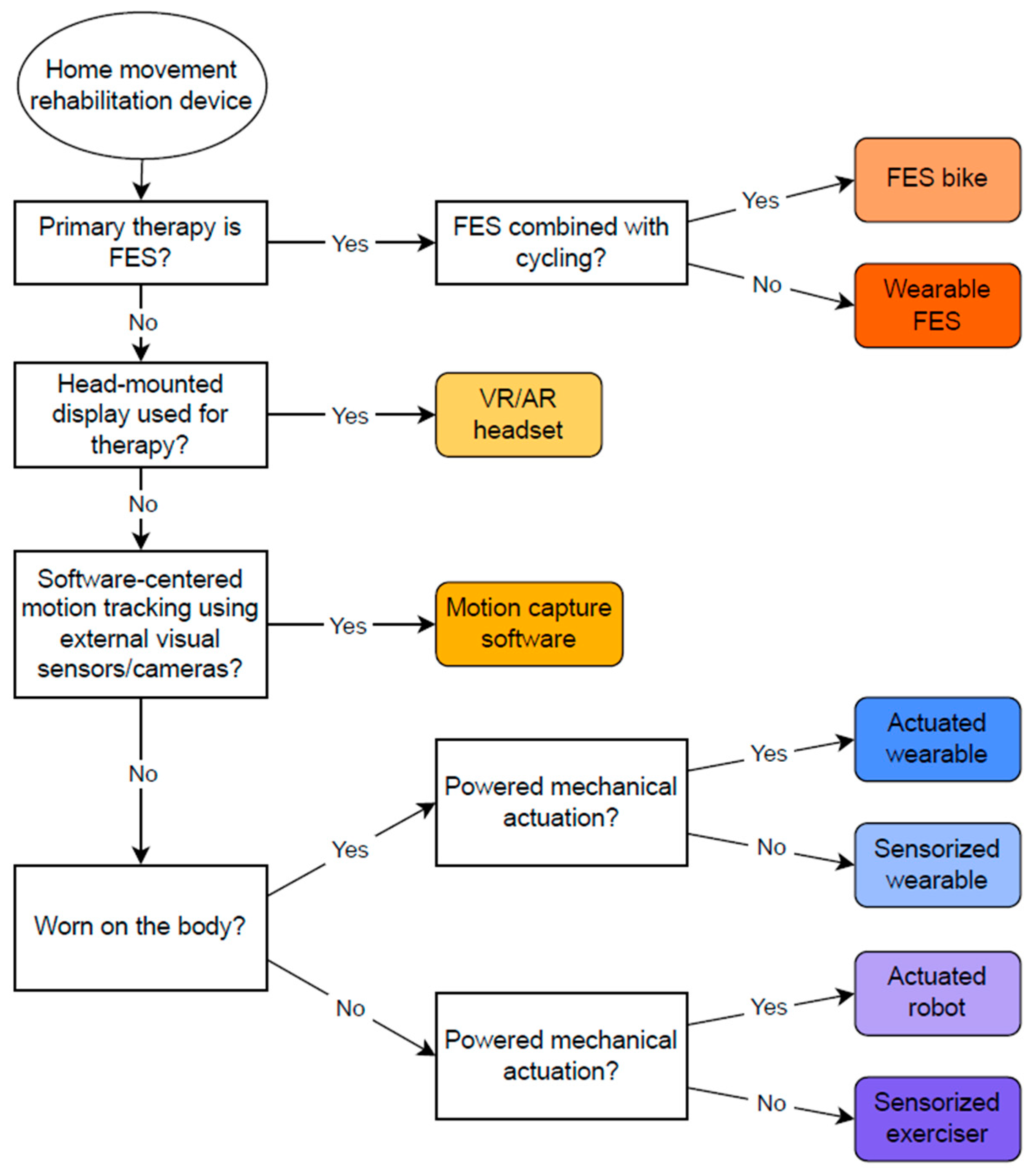
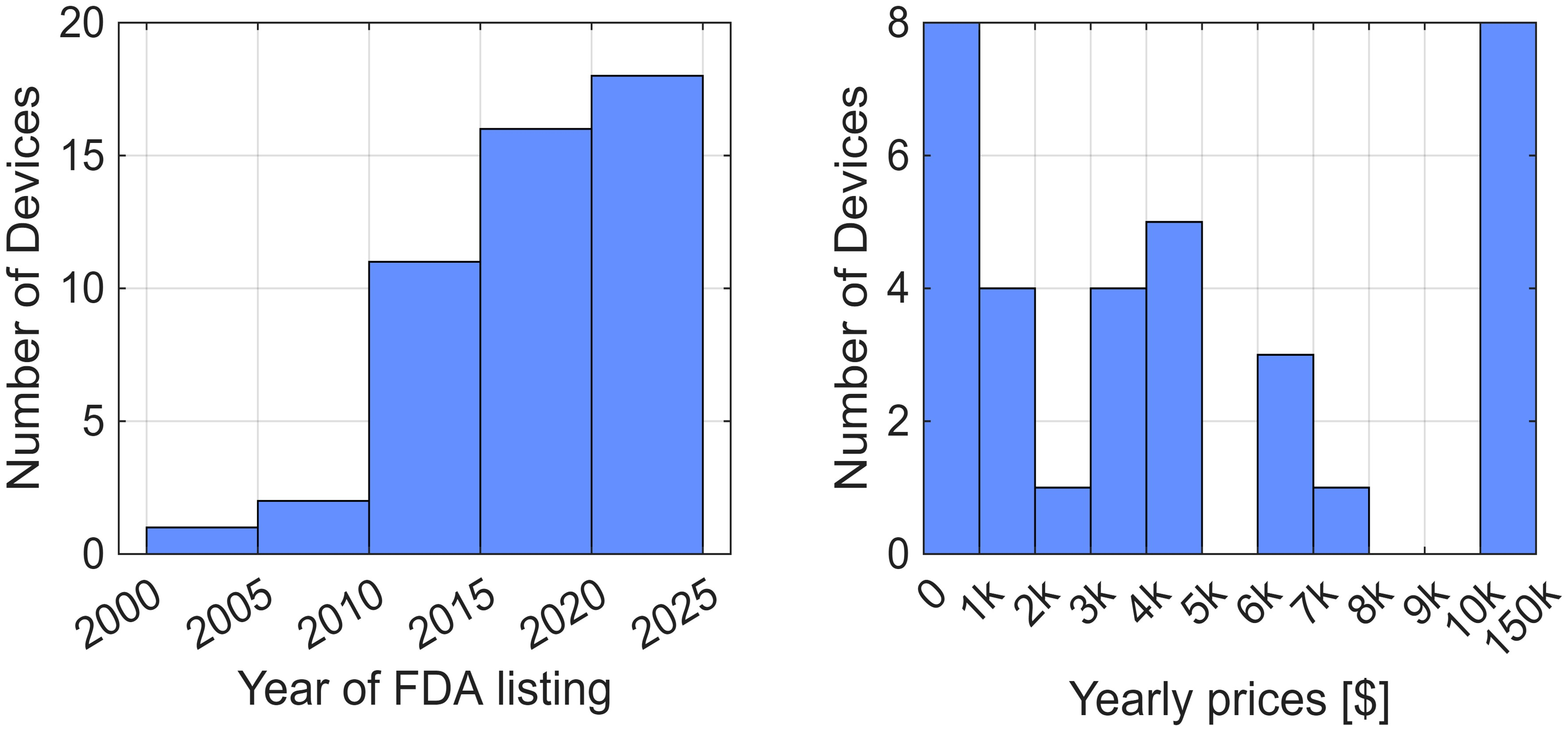
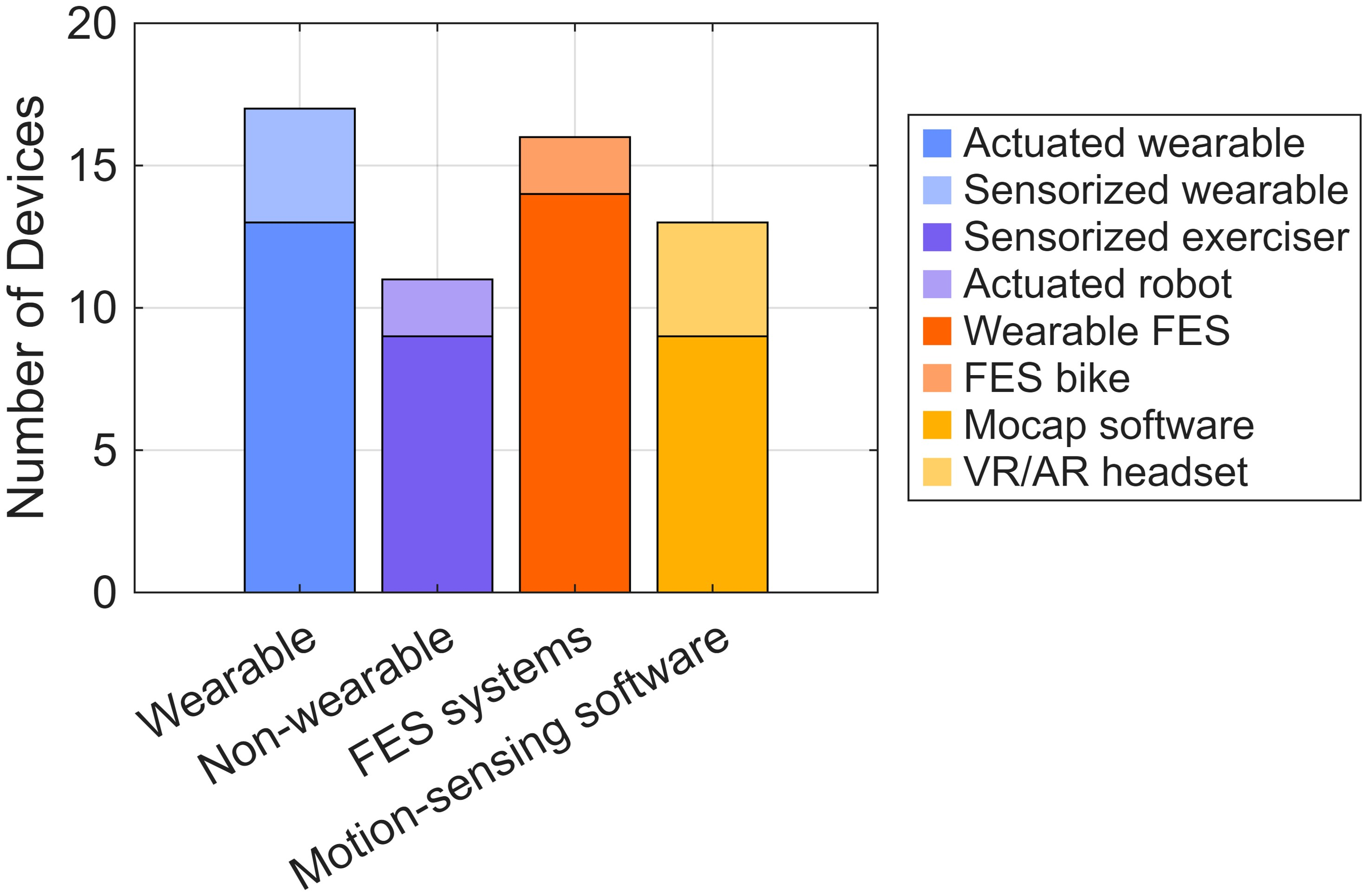
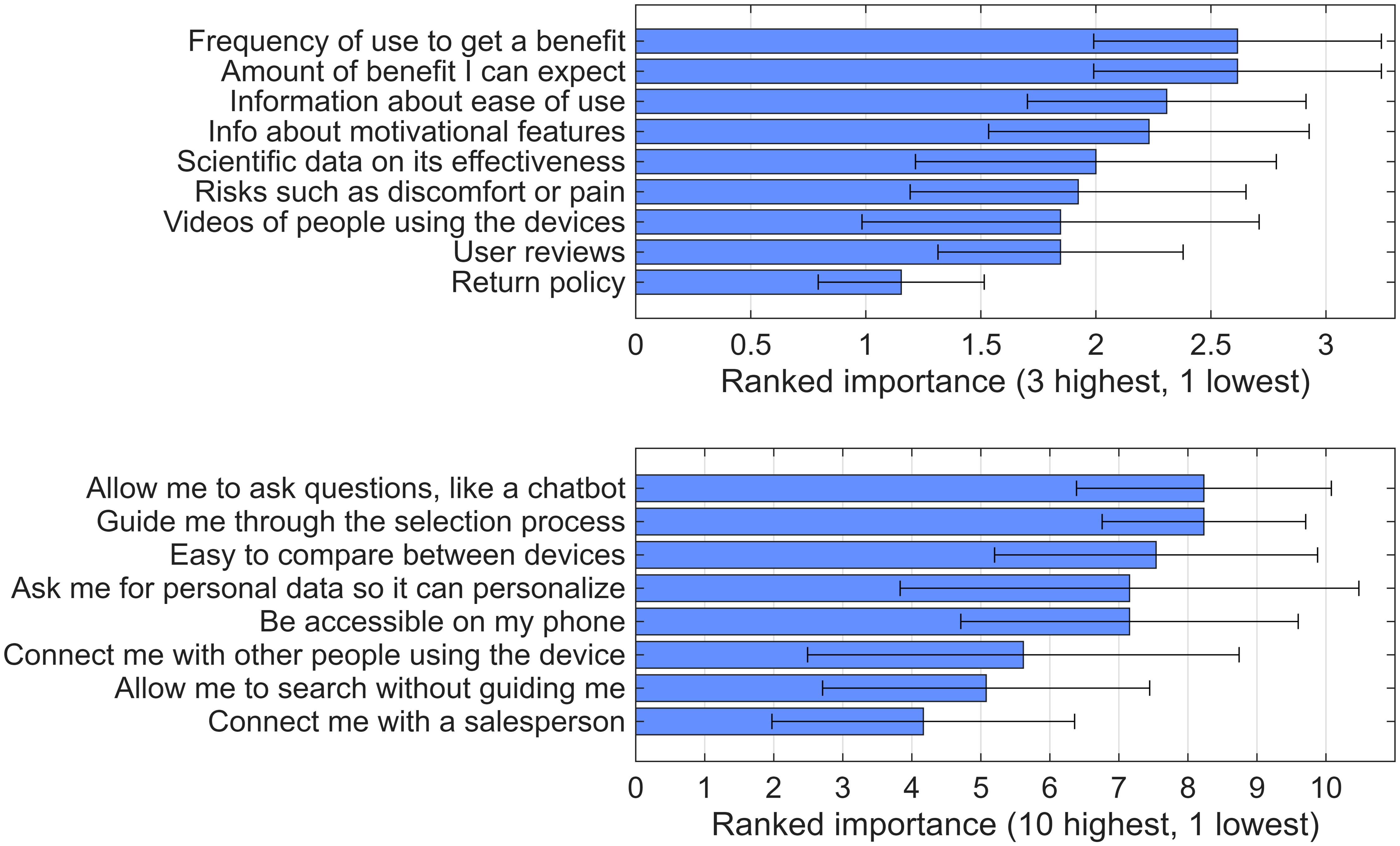
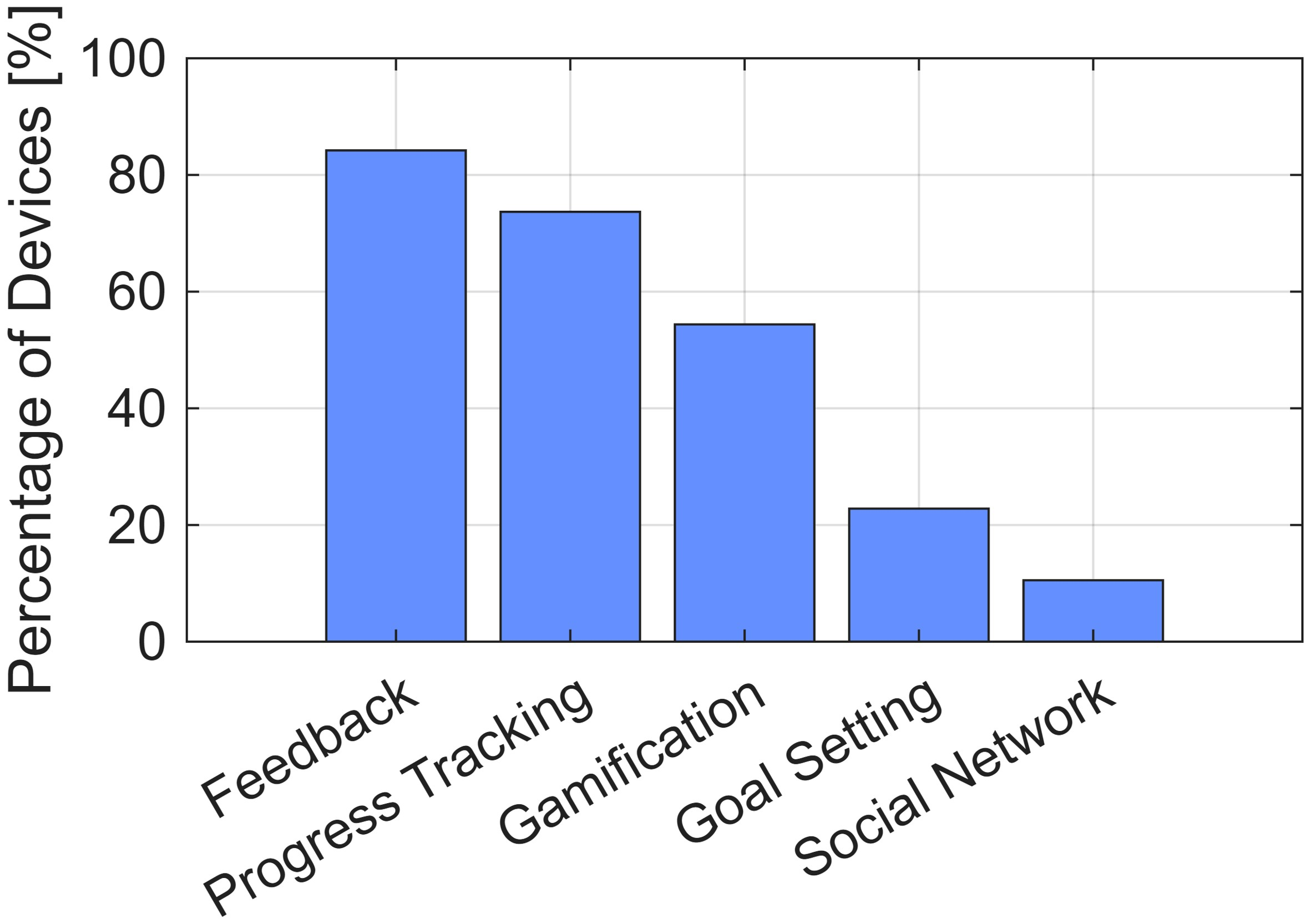
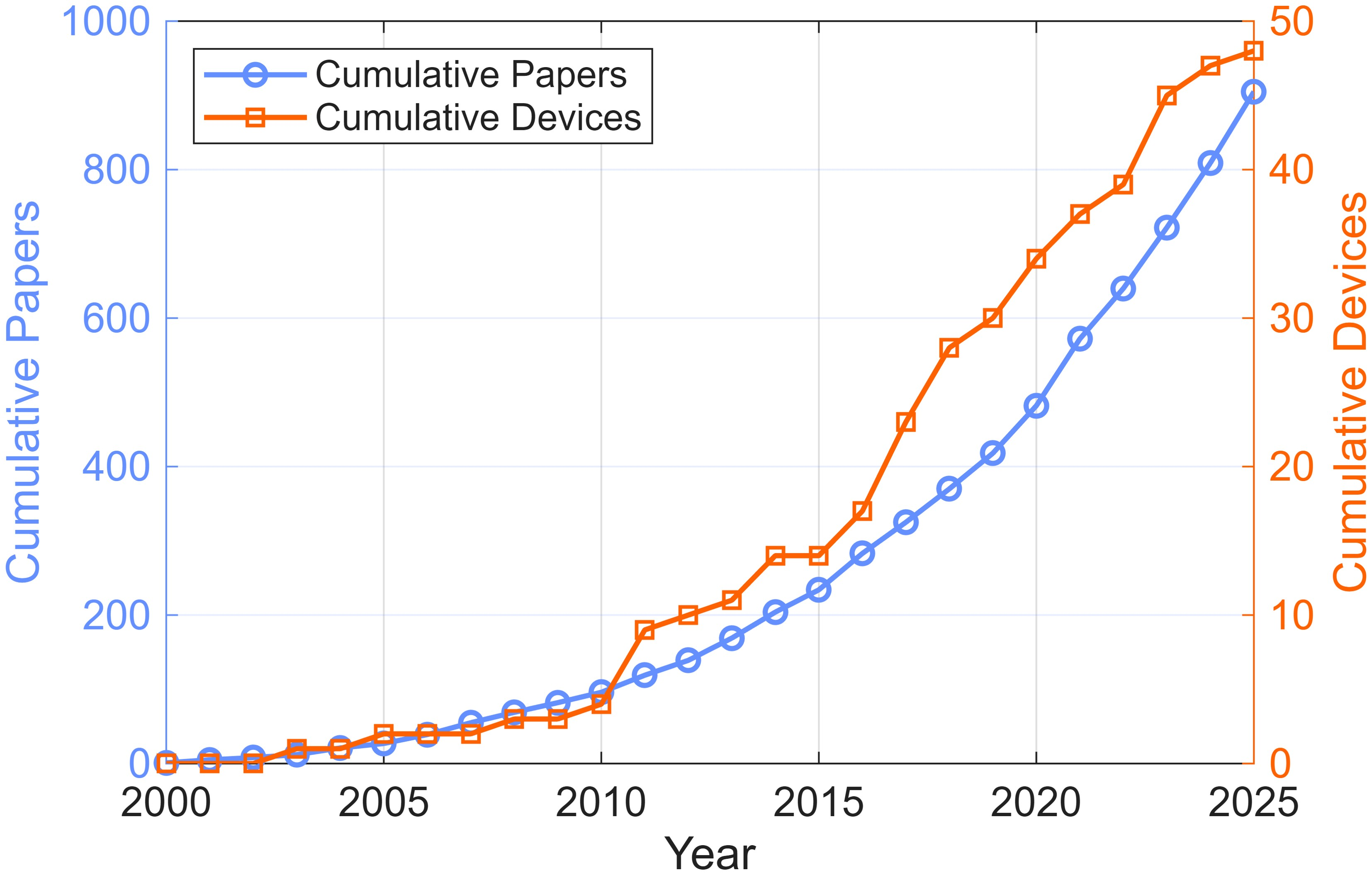
Technologies for home movement rehabilitation after stroke are rapidly expanding. However, for consumers, the number and nature of available products are unclear, and the information provided by device manufacturers varies widely. To understand this landscape, we conducted a mixed-methods, descriptive study in which we used the U.S. Food and Drug Administration (FDA) database to identify interactive devices for stroke rehabilitation suitable for home use. We then surveyed 13 individuals with stroke to determine what information they most wanted about home-based rehabilitation devices and contacted manufacturers to obtain those details. Thirteen FDA codes were associated with stroke rehabilitation devices, encompassing 57 devices produced by 40 companies. Nearly half were categorized under two codes: QKC (interactive rehabilitation exercise devices) and GZI (neuromuscular stimulators). Among devices for which information was available, 71% were listed after 2015, and 23% cost under $1000. The top information priorities for individuals with stroke were required usage to achieve therapeutic benefit, expected benefit, ease of use, and motivational features. Despite repeated outreach, only 45% of companies responded to our queries; among those that did, details were vague and variable. These results confirm that a large and growing number of FDA-listed devices are now available for home-based post-stroke motor rehabilitation. We further identify a need to establish industry standards for reporting ease of use, motivational effectiveness, and dose–response characteristics to help the intended consumers select appropriate technologies. The curated dataset generated in this study is provided as a resource for future work and may support the development of accurate Artificial Intelligence-based interfaces for identifying and comparing rehabilitation devices.
More at link.


No comments:
Post a Comment