Changing stroke rehab and research worldwide now.Time is Brain! trillions and trillions of neurons that DIE each day because there are NO effective hyperacute therapies besides tPA(only 12% effective). I have 523 posts on hyperacute therapy, enough for researchers to spend decades proving them out. These are my personal ideas and blog on stroke rehabilitation and stroke research. Do not attempt any of these without checking with your medical provider. Unless you join me in agitating, when you need these therapies they won't be there.

What this blog is for:

My blog is not to help survivors recover, it is to have the 10 million yearly stroke survivors light fires underneath their doctors, stroke hospitals and stroke researchers to get stroke solved. 100% recovery. The stroke medical world is completely failing at that goal, they don't even have it as a goal. Shortly after getting out of the hospital and getting NO information on the process or protocols of stroke rehabilitation and recovery I started searching on the internet and found that no other survivor received useful information. This is an attempt to cover all stroke rehabilitation information that should be readily available to survivors so they can talk with informed knowledge to their medical staff. It lays out what needs to be done to get stroke survivors closer to 100% recovery. It's quite disgusting that this information is not available from every stroke association and doctors group.

Showing posts with label visceral fat. Show all posts

Wednesday, July 8, 2026

6 bad foods you should eat to lose visceral fat, according to dietitians

 Because my doctors and therapists WERE COMPLETE FUCKING FAILURES ON MY RECOVERY, I gained weight and obviously now some is visceral!

6 bad foods you should eat to lose visceral fat, according to dietitians

Key Points

  • Foods often labeled “bad,” like pasta and nuts, can support visceral fat loss goals.
  • Fiber-rich options like fruit, popcorn and whole grains help promote satiety and gut health.
  • A balanced eating pattern, plus sleep, movement and stress management can support visceral fat loss.

When it comes to fat loss, one thing is for certain: what you eat matters. However, many people wrongly believe that some nutritious foods are “bad”—pasta, nuts and even fruit are often demonized. But should you actually cut them out of your diet?

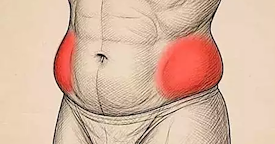
First, it’s important to note that there are two types of body fat: subcutaneous and visceral. Subcutaneous fat lies right below the skin, but the more significant health effects come from the visceral fat that’s not visible. While some fat is necessary for health, excess visceral fat can cause long-term health problems. “Visceral fat lies behind your abdominal muscles, and wraps around organs like the stomach, liver and intestines,” says Lainey Younkin, M.S., RD. “Too much visceral fat has been linked to high cholesterol, insulin resistance and high blood pressure, as well as increased risk for heart disease, stroke and type 2 diabetes.”

So if you’re trying to reduce visceral fat, remember, no single food or beverage can reduce it alone, and there’s no reason to eliminate certain foods to meet your health goals. Here are six “bad” foods dietitians agree can help you reach your health goals. 

1. Avocados

Ali Redmond

Avocados contain unsaturated fats which may be beneficial for visceral fat loss. One small study found that women who ate one avocado per day saw reductions in visceral fat, but a different study found no change in visceral fat in those who ate an avocado daily.

Still, Anna Rosell, RD, recommends foods that contain mono- and polyunsaturated fats, such as olive oil, avocados, nuts, seeds and fatty fish, due to the other health benefits they can provide beyond just fat loss. “Studies have found that including unsaturated fats in your diet not only positively influences blood cholesterol and risk of heart disease, but also body fat distribution,” she says.

2. Full-Fat Dairy

4027929.jpg

Dairy is one of the more controversial food groups when it comes to weight loss, but you may be surprised to learn that full-fat dairy can be part of a balanced diet that promotes healthy weight maintenance and fat loss. Dietary fat plays an important role in satiety, and full-fat dairy can be a significant fat source in the diet.

Related video: Watch how cheap pantry foods became the secret behind losing 110 pounds (Sauce Stache)

Some studies have shown an association between a diet that incorporates full-fat dairy and a lower risk for abdominal obesity, a measure of visceral fat. As an added bonus, some full-fat dairy sources like yogurt are also high in protein—another nutrient that’s important for satiety and essential in a healthy diet, especially when looking to lose weight.

3. Nuts

Jennifer Causey
Some research has found an association between a fiber-rich diet that includes walnuts and a reduction in visceral fat. Other studies have found that when study participants ate tree nuts in place of carbohydrate-rich snacks such as pretzels, graham crackers or animal crackers, they experienced a reduction in waist circumference.

“Almonds in particular are high in magnesium, vitamin E and fiber,” says Stevens. “They are also high in heart-healthy unsaturated fat. A great addition to a healthy snack or sprinkled on a salad.”

4. Popcorn

4473511.jpg© Provided by EatingWell

Popcorn may not be top of mind when considering foods that aid in visceral fat loss, but compared to other popular snacks, popcorn can be an excellent choice. “One serving (about 3 cups) of plain popcorn contains approximately 4 grams of fiber, 22 grams of carbohydrates and 110 calories,” says Danielle Townsend, RDN. “Compare that to 3 cups of potato chips (approximately 30 chips) which contain 1 gram of fiber, 23 grams of carbohydrates and 225 calories.”

These nutrient differences can have a significant impact when following an eating plan for weight and fat loss. “Foods lower in carbs and higher in fiber are associated with healthy weight loss and reduction of visceral and subcutaneous fat,” says Townsend. Popcorn is both higher in fiber and lower in calories than potato chips, making it a good choice if you’re looking for a crunchy snack.

5. Pasta

Photography / Kelsey Hansen, Styling / Greg Luna

Pasta is often one of the first foods many people avoid when attempting to lose weight or change their body composition. However, pasta and grains in general (specifically whole grains) can be an important source of fiber in the diet, which helps to increase satiety after meals.

Daria Zajac, RD, LDN, recommends choosing a type of pasta that’s higher in fiber. “Opt to choose whole-grain or legume-based pastas to increase your fiber intake to support a healthy gut and to stay fuller longer,” she says. “The key is to choose heart-healthy carbs like whole grains, nonstarchy vegetables and fruits to promote health and long-term weight loss.”

6. Fruit

3759015.jpg© Provided by EatingWell

Some fruits are naturally higher in sugar than others, leading many to believe that they should be avoided if weight loss is a goal. However, this is a myth. “All fruits are packed with vitamins, minerals and fiber, which support healthy weight maintenance and weight loss,” Sheri Gaw, RDN, CDCES, says.

Many studies have found an association between increased fruit and vegetable intake and reductions in visceral fat. Considering most Americans don’t consume enough fiber, adding more fruit to the diet could benefit many people. Incorporating a variety of fruits can help you increase your intake of fiber, vitamins and other nutrients.

Our Expert Take

The foods you eat play an important role in helping you lose visceral fat. Even those traditionally considered to be “bad”—like full-fat dairy, fruit and popcorn—can aid in fat loss. That said, the most important thing is having an eating pattern that is balanced and meets your calorie needs.

In addition, looking at the full picture of health is important for fat loss. “Along with dietary changes, getting enough sleep, reducing stress and exercising can help reduce visceral fat,” says Younkin. “Just remember, you can’t spot-reduce fat, so doing a bunch of sit-ups won’t rid you of visceral fat. To burn fat, you need to eat in a slight calorie deficit, increase daily movement like walking and do a mix of cardio and strength-training workouts throughout the week.”

Read the original article on EatingWell

Thursday, June 18, 2026

The #1 surprising exercise for reducing visceral fat, according to experts

Which means your doctor has to cure spasticity in order for your hands to grip the barbell properly!

 I'm sure I need this. 

The #1 surprising exercise for reducing visceral fat, according to experts

Key Points

  • Lifting weights boosts metabolism by building muscle, which burns more calories at rest.
  • Strength training improves body composition and supports hormone balance.
  • Weight lifting can lower stress and improve insulin sensitivity, aiding in fat loss.

Visceral fat is a type of fat found in your abdominal cavity, surrounding your internal organs. In excess, it can increase your risk of chronic diseases like heart disease and diabetes. If you've ever searched for the best exercise to lose weight, specifically visceral fat, you may have come across some unrealistic or downright outlandish workout plans. But what if the most effective exercise was one you hadn't even considered? One tried-and-true exercise method that has been praised for years by experts often goes overlooked.

Below, we reveal why lifting weights is the No. 1 surprising exercise for reducing visceral fat, and we also consulted with two sports dietitians to discuss why it works and share their tips on how to add it to your routine.

Why Lifting Weights Works for Reducing Visceral Fat

Lifting weights is a form of resistance or strength training. It improves muscular fitness by working specific muscles or groups of muscles. You can lift weights by picking up dumbbells, using weight machines or even using your own body weight (think squats or pushups). "Lifting weights helps reduce visceral fat by increasing muscle mass, which helps boost resting metabolism and promotes fat oxidation," says Amy Goodson, M.S., RD, CSSD, LD.

The body consists of muscle and fat mass—both of which are essential. If you recall back to high school health class, your teacher may have held up life-size models of 1 pound of muscle and 1 pound of fat. While they weigh the same, fat takes up more space, while muscle mass is more dense and compact. When you start lifting weights regularly, your body tends to lose fat mass (including visceral fat) while simultaneously building dense and more compact muscle tissue. This leads to a change in body composition, and you don't even have to cut calories to see results.

"In the absence of intentional caloric restriction, resistance training seems to decrease visceral fat in individuals with and without obesity alike," says Marie Spano, M.S., RD, CSCS, CSSD. She points to a study that found resistance training effectively reduced visceral fat in individuals both with and without obesity, even without a calorie restriction.

This could be due to the fact that there's an afterburn effect that occurs with lifting weights. "While cardio burns calories during exercise, weight lifting continues to burn calories post-workout through excess post-exercise oxygen consumption (EPOC), making it highly effective for fat loss," explains Goodson. A study on women found that just 30 minutes of resistance training significantly increased expenditure, with effects detected up to 14 hours post-exercise, and boosted resting metabolic rate.

Finally, lifting weights (along with other forms of exercise) can help relieve stress, which may also support visceral fat loss. Strength training has been linked to lower stress levels, which can further reduce the likelihood of visceral fat accumulation, says Goodson. 

Why Gaining Muscle Can Help You Lose Visceral Fat

"The more muscle a body holds the more calories it burns each day," says Spano. The reason for this is because muscle mass is more metabolically active than fat (which is a good thing!). The more metabolically active tissue you have, the more calories you burn, even at rest. This means that even when you're lounging on the couch, your body is still burning more calories if you have more muscle.

Spano explains that as you gain muscle, your body's overall calorie expenditure increases. "When calorie output is higher than calories consumed, the body taps into its fat stores, including visceral fat," she adds. In other words, if you are burning more than what you're eating, it can help reduce body fat, including visceral fat. 

Additionally, gaining muscle helps support healthy hormone production, which in turn can reduce visceral fat. Goodson explains, "Muscle helps improve hormonal balance, reducing cortisol levels that can contribute to abdominal fat accumulation." Research has shown a link between stress and obesity, and elevated levels of cortisol (the body's stress hormone) are associated with weight gain, especially around the abdominal cavity.

Building up muscle through exercise can improve the body's sensitivity to insulin, a hormone that helps regulate blood sugar levels. Research suggests lifting weights helps lower blood sugar levels by enhancing insulin function and reduces the likelihood of excess glucose being stored as fat.

How to Get Started Weight Lifting

Starting something new can be intimidating, but you can consult an expert in the field. Spano recommends that beginners begin weight lifting by booking a session with a personal trainer or strength coach. She says, "They can assess your current state of fitness and develop a plan that fits into your lifestyle and also utilizes the equipment readily available to you while also helping you set realistic goals." Working with a professional can also help teach you how to use equipment and prevent injury. It's always a good idea to loop in your primary care provider before starting any new training regimen, too. 

Goodson suggests that beginners start with full-body strength training exercises like squats, dead lifts, lunges and pushups. She recommends first focusing on nailing down the correct form, as it can help prevent injury. 

Once you feel comfortable, you can add body weight, resistance bands or light dumbbells, before gradually progressing to heavier weights. If you can, work your way up to two to three training sessions per week. 

For significant visceral fat reduction, Goodson recommends weight lifting three to five times per week, alternating upper and lower body days, combined with a balanced eating plan and adequate recovery.

Our Expert Take

Lifting weights is the No. 1 surprising exercise for reducing visceral fat, according to experts. Weight lifting helps change body composition by increasing muscle mass, which is metabolically active and can burn more calories even while you're at rest. Gaining muscle can increase your metabolic rate and regulate hormones, which also contributes to reducing visceral fat. Before you start, consider consulting with your health care team and a personal trainer to learn proper weight-lifting form. Once you've mastered the basics, you can gradually increase the weight and frequency of your weight-lifting sessions.

Read the original article on EatingWell

Tuesday, June 16, 2026

The #1 surprising exercise for reducing visceral fat, according to experts

 Will your competent? doctor guarantee your recovery enough to do this exercise? Mine did nothing so I gained 40 pounds and a bunch seems to be visceral.

The #1 surprising exercise for reducing visceral fat, according to experts

Key Points

  • Lifting weights boosts metabolism by building muscle, which burns more calories at rest.
  • Strength training improves body composition and supports hormone balance.
  • Weight lifting can lower stress and improve insulin sensitivity, aiding in fat loss.

Visceral fat is a type of fat found in your abdominal cavity, surrounding your internal organs. In excess, it can increase your risk of chronic diseases like heart disease and diabetes. If you've ever searched for the best exercise to lose weight, specifically visceral fat, you may have come across some unrealistic or downright outlandish workout plans. But what if the most effective exercise was one you hadn't even considered? One tried-and-true exercise method that has been praised for years by experts often goes overlooked.

Below, we reveal why lifting weights is the No. 1 surprising exercise for reducing visceral fat, and we also consulted with two sports dietitians to discuss why it works and share their tips on how to add it to your routine.

Why Lifting Weights Works for Reducing Visceral Fat

Lifting weights is a form of resistance or strength training. It improves muscular fitness by working specific muscles or groups of muscles. You can lift weights by picking up dumbbells, using weight machines or even using your own body weight (think squats or pushups). "Lifting weights helps reduce visceral fat by increasing muscle mass, which helps boost resting metabolism and promotes fat oxidation," says Amy Goodson, M.S., RD, CSSD, LD.

The body consists of muscle and fat mass—both of which are essential. If you recall back to high school health class, your teacher may have held up life-size models of 1 pound of muscle and 1 pound of fat. While they weigh the same, fat takes up more space, while muscle mass is more dense and compact. When you start lifting weights regularly, your body tends to lose fat mass (including visceral fat) while simultaneously building dense and more compact muscle tissue. This leads to a change in body composition, and you don't even have to cut calories to see results.

"In the absence of intentional caloric restriction, resistance training seems to decrease visceral fat in individuals with and without obesity alike," says Marie Spano, M.S., RD, CSCS, CSSD. She points to a study that found resistance training effectively reduced visceral fat in individuals both with and without obesity, even without a calorie restriction.

This could be due to the fact that there's an afterburn effect that occurs with lifting weights. "While cardio burns calories during exercise, weight lifting continues to burn calories post-workout through excess post-exercise oxygen consumption (EPOC), making it highly effective for fat loss," explains Goodson. A study on women found that just 30 minutes of resistance training significantly increased expenditure, with effects detected up to 14 hours post-exercise, and boosted resting metabolic rate.

Finally, lifting weights (along with other forms of exercise) can help relieve stress, which may also support visceral fat loss. Strength training has been linked to lower stress levels, which can further reduce the likelihood of visceral fat accumulation, says Goodson. 

Related video: Diet and exercise work best for weight loss (KYTX-TV Tyler-Longview)

Why Gaining Muscle Can Help You Lose Visceral Fat

"The more muscle a body holds the more calories it burns each day," says Spano. The reason for this is because muscle mass is more metabolically active than fat (which is a good thing!). The more metabolically active tissue you have, the more calories you burn, even at rest. This means that even when you're lounging on the couch, your body is still burning more calories if you have more muscle.

Spano explains that as you gain muscle, your body's overall calorie expenditure increases. "When calorie output is higher than calories consumed, the body taps into its fat stores, including visceral fat," she adds. In other words, if you are burning more than what you're eating, it can help reduce body fat, including visceral fat. 

Additionally, gaining muscle helps support healthy hormone production, which in turn can reduce visceral fat. Goodson explains, "Muscle helps improve hormonal balance, reducing cortisol levels that can contribute to abdominal fat accumulation." Research has shown a link between stress and obesity, and elevated levels of cortisol (the body's stress hormone) are associated with weight gain, especially around the abdominal cavity.

Building up muscle through exercise can improve the body's sensitivity to insulin, a hormone that helps regulate blood sugar levels. Research suggests lifting weights helps lower blood sugar levels by enhancing insulin function and reduces the likelihood of excess glucose being stored as fat.

How to Get Started Weight Lifting

Starting something new can be intimidating, but you can consult an expert in the field. Spano recommends that beginners begin weight lifting by booking a session with a personal trainer or strength coach. She says, "They can assess your current state of fitness and develop a plan that fits into your lifestyle and also utilizes the equipment readily available to you while also helping you set realistic goals." Working with a professional can also help teach you how to use equipment and prevent injury. It's always a good idea to loop in your primary care provider before starting any new training regimen, too. 

Goodson suggests that beginners start with full-body strength training exercises like squats, dead lifts, lunges and pushups. She recommends first focusing on nailing down the correct form, as it can help prevent injury. 

Once you feel comfortable, you can add body weight, resistance bands or light dumbbells, before gradually progressing to heavier weights. If you can, work your way up to two to three training sessions per week. 

For significant visceral fat reduction, Goodson recommends weight lifting three to five times per week, alternating upper and lower body days, combined with a balanced eating plan and adequate recovery.

call to action icon

Our Expert Take

Lifting weights is the No. 1 surprising exercise for reducing visceral fat, according to experts. Weight lifting helps change body composition by increasing muscle mass, which is metabolically active and can burn more calories even while you're at rest. Gaining muscle can increase your metabolic rate and regulate hormones, which also contributes to reducing visceral fat. Before you start, consider consulting with your health care team and a personal trainer to learn proper weight-lifting form. Once you've mastered the basics, you can gradually increase the weight and frequency of your weight-lifting sessions.

Read the original article on EatingWell