Changing stroke rehab and research worldwide now.Time is Brain! trillions and trillions of neurons that DIE each day because there are NO effective hyperacute therapies besides tPA(only 12% effective). I have 523 posts on hyperacute therapy, enough for researchers to spend decades proving them out. These are my personal ideas and blog on stroke rehabilitation and stroke research. Do not attempt any of these without checking with your medical provider. Unless you join me in agitating, when you need these therapies they won't be there.

What this blog is for:

My blog is not to help survivors recover, it is to have the 10 million yearly stroke survivors light fires underneath their doctors, stroke hospitals and stroke researchers to get stroke solved. 100% recovery. The stroke medical world is completely failing at that goal, they don't even have it as a goal. Shortly after getting out of the hospital and getting NO information on the process or protocols of stroke rehabilitation and recovery I started searching on the internet and found that no other survivor received useful information. This is an attempt to cover all stroke rehabilitation information that should be readily available to survivors so they can talk with informed knowledge to their medical staff. It lays out what needs to be done to get stroke survivors closer to 100% recovery. It's quite disgusting that this information is not available from every stroke association and doctors group.

Saturday, December 26, 2020

Trials in Sleep Apnea and Stroke Learning From the Past to Direct Future Approaches

Well first you need a protocol to identify that sleep apnea exists, my stroke doctors never found my sleep apnea. Then you need to come up with something other than CPAP that treats sleep apnea. I couldn't sleep at all with a CPAP.  If you don't realize that CPAP adherence is a problem that needs a different solution then you really don't belong solving stroke problems.  Status quo is not acceptable.


Trials in Sleep Apnea and Stroke: Learning From the Past to Direct Future Approaches

Originally publishedhttps://doi.org/10.1161/STROKEAHA.120.031709Stroke. ;0

Few randomized controlled trials have evaluated the effectiveness of continuous positive airway pressure (CPAP) in reducing recurrent vascular events and mortality in poststroke obstructive sleep apnea (OSA). To date, results have been mixed, most studies were underpowered and definitive conclusions are not available. Using lessons learned from prior negative trials in stroke, we reappraise prior randomized controlled trials that examined the use of CPAP in treating poststroke OSA and propose the following considerations: (1) Intervention-based changes, such as ensuring that patients are using CPAP for at least 4 hours per night (eg, through use of improvements in CPAP technology that make it easier for patients to use), as well as considering alternative treatment strategies for poststroke OSA; (2) Population-based changes (ie, including stroke patients with severe and symptomatic OSA and CPAP noncompliers); and (3) Changes to timing of intervention and follow-up (ie, early initiation of CPAP therapy within the first 48 hours of stroke and long-term follow-up calculated in accordance with sample size to ensure adequate power). Given the burden of vascular morbidity and mortality in stroke patients with OSA, there is a strong need to learn from past negative trials and explore innovative stroke prevention strategies to improve stroke-free survival.

Footnotes

*Drs Boulos and Dharmakulaseelan are joint first authors.

For Sources of Funding and Disclosures, see page 371.

Correspondence to: Mark I. Boulos, MD, Sunnybrook Health Sciences Centre, Room A455 - 2075 Bayview Ave, Toronto, ON M4N 3M5 Canada. Email
 

'I thought my life was over' - endurance athlete who learned to walk again after stroke shares mental battle of recovery

It shouldn't be this difficult, the stroke medical world needs to get off their asses and solve stroke; 100% RECOVERY FOR ALL!

'I thought my life was over' - endurance athlete who learned to walk again after stroke shares mental battle of recovery


Andy Dobinson was used to working from home well before the Covid-19 pandemic.

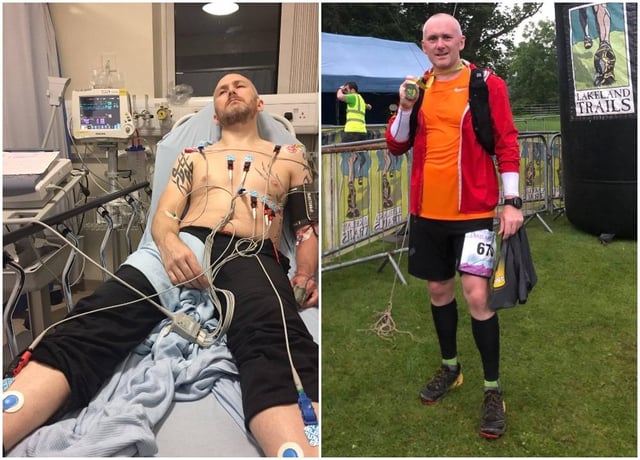
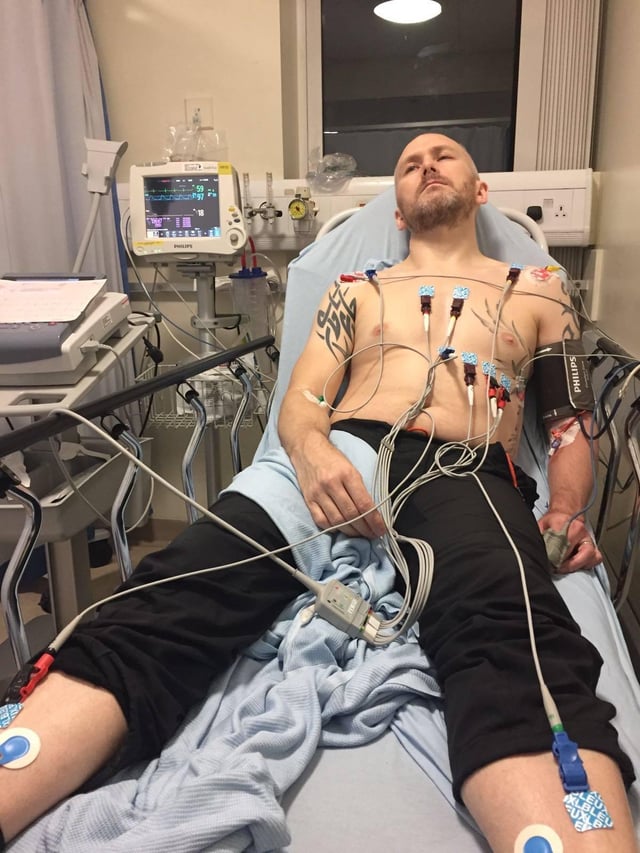
Andy Dobinson in hospital shortly after his stroke, and taking part in the Lakeland Trails.

The then-42-year-old telecoms worker, from Uddingston, South Lanarkshire, was sat at his desk at home on a conference call in February 2017 when with no warning he felt like someone was holding a “blowtorch” to the back of his head.

He put the call on mute (“you don’t want to be rude and dial off”) and went downstairs to get some water.

When he stood up from his desk he noticed he was learning to the left. By the time he got downstairs he had to crawl. Lying in hospital the next day, his wife having called an ambulance when she got home that evening, Mr Dobinson was told he had suffered a stroke.

Andy Dobinson in his hospital bed shortly after his stroke.

A keen runner and endurance cyclist, he was faced with the prospect of learning how to walk again.

Now, after years of “brutal and extensive” recovery, Mr Dobinson is running ultra-trail marathons again and wants to share his story to inspire others going through the same thing.

“You’re allocated physiotherapy, therapists, and occupational therapists, and, hours and hours of physical rehab, but nobody explains the mental rehab and recovery that you fall into,” he said.

Mr Dobinson said he had “two phases” of his recovery period. In the first few months after his stroke he recovered reasonably steadily, and was strong enough to spend time with his father, who was ill, and then to carry his coffin when he died.

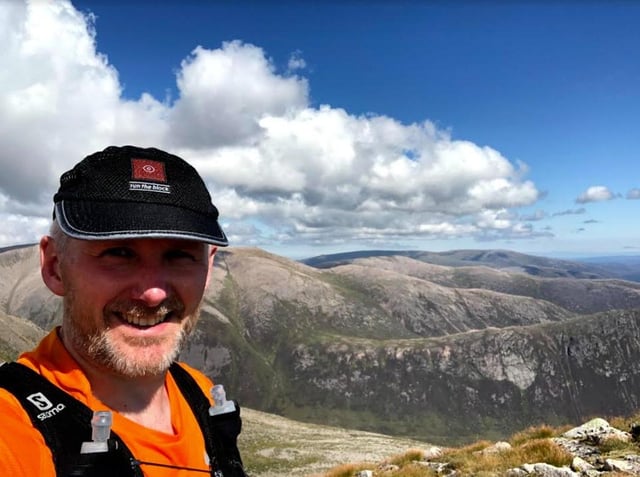
Andy Dobinson has been able to return to his love of outdoor activities.

But the death of his father had a huge effect on Mr Dobinson’s stroke recovery.

"After that I kind of crumbled and I end up seeing a counsellor for 18 months,” he said.

“I was on what I labelled anti-anxiety tablets – let’s be honest they were anti-depression tablets, but I wouldn’t take depression tablets until my wife called them ‘anti-anxiety tablets’.

"Nobody mentions the mental battles that you have.

Read More
Edinburgh University study re-launched into stroke treatment to prevent dementia

"I’m now an endurance cyclist and I run ultra trail marathons, and during these really hard physical exertions you go to some really dark places, but I'm trying to explain to people, that's nothing compared to a stroke. Absolutely nothing.”

Doctors do not know why Mr Dobinson had a stroke, and he remains on preventative medication.

Stroke is the third-biggest killer in Scotland, and a third of survivors experience depression, according to the Stroke Association.

"I was only 42 years old, I was the youngest in the ward at the time,” Mr Dobinson said.

"I looked around thinking ‘strokes don’t happen to people like me’. I don’t smoke, I was a very occasional drinker”.

He added: “I went from being an endurance cyclist to being carried to the toilet.

"Occupational therapists came in and put a knife, a fork and a hairbrush in front of me and said ‘right, show me how you’re going to feed yourself’. And you think ‘this is it. My life’s done. It’s over, I don’t quite know what I'm going to do.

"I don't know what anyone else would do, and that’s why I want to get my story out there. I made the conscious decision to fight back.”

Retiring Early Can Be Bad for the Brain

Well, I retired at 62 and so far see nothing that suggests any decline at all.

Retiring Early Can Be Bad for the Brain

People who retire early suffer from accelerated cognitive decline and may even encounter early onset of dementia, according to a new economic study I conducted with my doctoral student Alan Adelman.

To establish that finding, we examined the effects of a rural pension program China introduced in 2009 that provided people who participated with a stable income if they stopped working after the official retirement age of 60. We found that people who participated in the program and retired within one or two years experienced a cognitive decline equivalent to a drop in general intelligence of 1.7% relative to the general population. This drop is equivalent to about three IQ points and could make it harder for someone to adhere to a medication schedule or conduct financial planning. The largest negative effect was in what is called “delayed recall,” which measures a person’s ability to remember something mentioned several minutes ago. Neurological research links problems in this area to an early onset of dementia.

Why it matters

Cognitive decline refers to when a person has trouble remembering, learning new things, concentrating or making decisions that affect their everyday life. Although some cognitive decline appears to be an inevitable byproduct of aging, faster decline can have profound adverse consequences on one’s life.

Better understanding of the causes of this has powerful financial consequences. Cognitive skills – the mental processes of gathering and processing information to solve problems, adapt to situations and learn from experiences – are crucial for decision-making. They influence an individual’s ability to process information and are connected to higher earnings and a better quality of life.

Retiring early and working less or not at all can generate large benefits, such as reduced stress, better diets and more sleep. But as we found, it also has unintended adverse effects, like fewer social activities and less time spent challenging the mind, that far outweighed the positives.

While retirement schemes like the 401(k) and similar programs in other countries are typically introduced to ensure the welfare of aging adults, our research suggests they need to be designed carefully to avoid unintended and significant adverse consequences. When people consider retirement, they should weigh the benefits with the significant downsides of a sudden lack of mental activity. A good way to ameliorate these effects is to stay engaged in social activities and continue to use your brains in the same way you did when you were working.

In short, we show that if you rest, you rust.

What still isn’t known

Because we are using data and a program in China, the mechanisms of how retirement induces cognitive decline could be context-specific and may not necessarily apply to people in other countries. For example, cultural differences or other policies that can provide support to individuals in old age can buffer some of the negative effects that we see in rural China due to the increase in social isolation and reduced mental activities.


Advances in Stroke Therapies Targeting Stroke Recovery

With nothing in the abstract I would expect nothing useful to come from this. Maybe guidelines, NOT PROTOCOLS.

Advances in Stroke: Therapies Targeting Stroke Recovery

Originally publishedhttps://doi.org/10.1161/STROKEAHA.120.033231Stroke. ;0

Stroke recovery therapies promote favorable neural plasticity, both during spontaneous recovery and the chronic phase. Activity-based therapies based on intense practice, some aided by integration of computers and telehealth, have shown promise. These studies emphasize key therapeutic variables such as dose, intensity, and timing. Preclinical drug studies have shown promise, but human translation has been challenged by identifying the target patient subgroup, requirements for concomitant training, and aligning biomarkers with preclinical evidence.

Footnotes

For Sources of Funding and Disclosures, see page 350.

The opinions expressed in this article are not necessarily those of the American Heart Association., Correspondence to: Lorie G. Richards, PhD, 520 Wakara Way, Salt Lake City, UT 84108. Email
 

Saturday, December 19, 2020

We are calling for webinar proposals to build the WSO webinar series for 2021! Deadline; January 31st, 2021

 We need to totally blow this out of the water calling for a strategy to get to 100% recovery for all. They do have stroke in their name so they should be all about helping survivors.  Mine will contain;

rehab full recovery? Only 10%?

tPA full recovery? Only 12%?

13 problems with no cure 

Well never mind, since the button doesn't work, probably because I am not a member. Which goes to show you how fucking useless the WSO is; they care nothing about survivors; NO outreach, NO protocols; I bet they haven't talked to survivors in years.

The latest crapola here:

The World Stroke Academy (WSA) is calling for webinar proposals to build the WSO webinar series for 2021.   

On the initiative of WSA, WSO has been organising a series of international webinars in 2020 to compensate for the loss of face-to-face meetings and conferences and to support clinicians struggling to maintain stroke services and research during the pandemic. 


Do you have an idea for a webinar topic that

  • addresses a literature gap or

  • a specific need,
  • highlights a recent important guideline or
  • gives an update on a controversial/ challenging topic, hence being beneficial to clinicians and allied health professionals working in the field of stroke?
  • Or would you like to share your knowledge in a particular subject area? 


If so, you are kindly invited to submit your webinar proposal  HERE   

Proposals will be accepted until January 31st.  

Please note: WSO represents stroke throughout the world and is committed to achieve balance and representation with respect to gender, ethnicity, geographical distribution and level of seniority in its webinar programme. Please consider this when you submit your topic and identify speakers.   

Interventions used by allied health professionals in sexual rehabilitation after stroke: A systematic review

 You wouldn't have to solve this secondary problem if you got survivors 100% recovered.

Go ask your doctor for EXACTLY HOW MUCH SEX YOU SHOULD BE HAVING TO RECOVER.  I'M DEADLY SERIOUS. Why the fuck doesn't your doctor know that answer?

My recreational therapist just said sex was ok to do. Nothing on how to accomplish. Missionary style sex just doesn't work anymore, or the Queens's throne, or the Mare, or the Swing(Look up Kama Sutra). Problems:


  1.  Fingers and thumb will not stay flat.
  2. Wrist collapses.
  3. Elbow collapses.
  4. Bicep spasticity pulls everything out of line.


The latest here:

Interventions used by allied health professionals in sexual rehabilitation after stroke: A systematic review

Affiliations

Abstract

Background: Although sexuality can be affected post-stroke, few individuals receive sexual rehabilitation because of clinicians' lack of knowledge regarding evidence-based interventions.  

Objective: To document and describe the best available evidence supporting interventions that target post-stroke rehabilitation of sexuality.  

Methods: This systematic review searched the databases Medline, Embase, Psycinfo, CINAHL, Web of science, PEDRO and OTSeeker up to 29 May 2020. Inclusion criteria were: published studies with a sample composed of ≥ 50% stroke clients and describing an intervention that could be applied by an allied health professional. Data was extracted according to the PRISMA guidelines by two independent reviewers. Interventions were described according to the Template for intervention description and replication checklist.  

Results: Among the 2446 articles reviewed, 8 met the inclusion criteria. Two randomized controlled trials (RCT) and one non-RCT showed improvement in sexual functioning and satisfaction following a 30-45-minute structured rehabilitation program. Two other RCT showed significant improvement in sexual functioning with physical therapy oriented toward 1) structured physical and verbal sexual counseling and 2) pelvic floor muscle training. Three studies showed that interdisciplinary sexual rehabilitation improved satisfaction and sexual functioning; implementation of an interview script for clinicians improved the proportion of clients who addressed sexuality from 0 to 80% in 10 months; and two-day couple retreats improved perceived intimacy between couples. 

Conclusions: This review highlights promising interventions that could orient future research and improve the access to sexual rehabilitation services for post-stroke, with structured sexual rehabilitation and pelvic floor muscle training being the most strongly supported.


Improving the activity recognition using GMAF and transfer learning in post-stroke rehabilitation assessment

No clue how this will help towards 100% recovery.  To me all assessment research is useless since there is never any followup that solves the problems that the assessment points out.

A GMAF is a novel technique to encode time series data into images, it employs the polar-coordinates representation of the data written in a matrix form called the Gramian matrix where each element is either the summation (GASF) of the cosines of the angles or difference (GADF). 

Improving the activity recognition using GMAF and transfer learning in post-stroke rehabilitation assessment

Issam Boukhennoufa, Xiaojun Zhai*,Klaus D. McDonald-Maier
School of Computer Science and Electronic Engineering
University of Essex
Colchester, United Kingdom
xzhai@essex.ac.uk
Victor Utti, Jo Jackson
School of Sport, Rehabilitation and Exercise Sciences
University of Essex
Colchester, United Kingdom

Abstract

—An important part of developing a performant
assessment algorithm for post-stroke rehabilitation is to achieve
a high-precision activity recognition. Convolutional Neural Networks (CNN) are known to give very accurate results, however
they require the data to be of a specific structure that differs
from the sequential time-series format typically collected from
wearable sensors. In this paper, we describe models to improve
the activity recognition using the CNN classifier. At first by
modifying the Gramian angular field algorithm by encoding all
the sensors’ channels from a single time window into a single
2D image allows to map the maximum activity characteristics.
Feeding the resulting images to a simple 1D CNN classifier
improves the accuracy of the test data from 94% for the
traditional segmentation approach to 97.06%. Subsequently, we
convert the 2D images into the RGB format and use a 2D CNN
classifier. This results in increasing the test data accuracy to
97.52%. Finally, we employ transfer learning with the popular
VGG 16 model to the RGB images, which yields to improving
the accuracy further more to reach 98.53%.
Index Terms—Stroke, GMAF, CNN, Activity recognition,
Transfer learning. 

Strokes take years off life, and life out of years

I've been using this 5 year one; you lost 5 cognitive years from the stroke.

Joyce Hoffman mentions losing 9 years in this post:

Oxygen Getting to Brain Cells Is the Problem During Stroke, But Wait! There's Possible Relief Heading Your Way!

You'll have to ask your doctor EXACTLY what protocols they have for you to not lose any years.


Strokes take years off life, and life out of years

Having a stroke could not only rob you of years of life; it takes a heavy toll on quality of life as well, a new study finds. Managing hypertension is one key way to avoid stroke.
(Andrew Harrer)

Having a stroke, or even a transient ischemic attack (a TIA, often called a “mini-stroke”) can be a costly watershed in a person’s life. Statistically, it deducts years from patients’ lives. But it claims another toll too: in quality of life after the stroke has happened. New research tallies the combined cost of those two very different measures, and suggests that current treatments for stroke aren’t doing nearly enough to minimize strokes’ true cost.

The study, published Wednesday in the journal Neurology, is an exercise in health economics that seeks to generate a fuller picture of a disease’s cost. That calculation gives insurers, hospital administrators and public health officials a better -- and hopefully more humane -- basis for deciding which treatments are most “cost-effective.”

If a treatment for stroke -- the costly administration of the clot buster called tissue plasminogen activator, or tPA, for instance -- saves people from dying when properly used (as it does), that’s a plus. But if it also reduces disability and allows more stroke patients to return to fuller function than they would have without it, that’s even better. The treatment has not only added years to life, it has added life to years, and that makes it a better treatment.

So what, on the other side of the ledger, does stroke cost? The authors of the latest research followed for five years 440 patients who had arrived at a hospital in Britain suffering from a first TIA and 748 patients who were diagnosed as having had a full-on stroke for the first time.

They found that in the five years after the event, patients who suffered their first stroke lost, on average, 1.71 years due to early death and 1.08 years due to reduced quality of life. If the stroke had never happened, the patient would have had, in principle, five good years; the stroke, by this measure, robbed him or her of 2.79 years, leaving 2.21 good years.

The severity of the stroke obviously resulted in differences within this broad group. Patients judged to have had a mild stroke lost 2.16 quality-years; those who suffered a moderate stroke lost 3.35 good years; severe stroke victims forfeited 4.3 good years.

Patients who suffered their first transient ischemic attack fared better, on average: They lost an average of 0.71 of the next five years to early death, the researchers found. But the patients assessed that over the five years following their TIA, their lost quality of life equaled almost a full good year (or, 0.97 years, to be exact). The result was that their TIA left them 3.32 of the five good years they might otherwise have expected.

The conclusion: There’s a whole lot more that could be done to reduce strokes’ toll. Prevention may be the best strategy -- improving Americans’ control of hypertension, better managing diabetes, bringing more patients with atrial fibrillation and sleep apnea into treatment all would help. But better clot-busting medications and devices, and more widespread use of them, would also help.

Finally, in stroke, physicians emphasize that “time is brain”: the quicker you recognize the signs of an incipient stroke, and the faster you get to a hospital, the more you stand to claim of the five good years ahead. Don’t drive to the hospital or let someone else take you. Call 911.


Methane Saline Ameliorates Traumatic Brain Injury through Anti-Inflammatory, Antiapoptotic, and Antioxidative Effects by Activating the Wnt Signalling Pathway

WHOM is your doctors and stroke hospital contacting to get this tested for stroke?

Do you prefer your doctor and hospital incompetence NOT KNOWING? OR NOT DOING?

Methane Saline Ameliorates Traumatic Brain Injury through Anti-Inflammatory, Antiapoptotic, and Antioxidative Effects by Activating the Wnt Signalling Pathway

Academic Editor: Anna Chiarini
Received02 Apr 2020
Revised25 Aug 2020
Accepted13 Nov 2020
Published18 Dec 2020

Abstract

Objective

Methane saline (MS) can be used to treat many diseases via its anti-inflammatory, antiapoptotic, and antioxidative activities. However, to date, there is no published evidence as to whether MS has any effect on traumatic brain injury (TBI). The Wnt signalling pathway regulates cell proliferation, differentiation, migration, and apoptosis; however, whether the Wnt signalling pathway regulates any effect of MS on TBI is unknown. This study was designed to explore the role of MS in the treatment of TBI and whether the Wnt pathway is involved.  

Methods

Sprague-Dawley rats were randomly divided into five groups: sham, TBI, TBI+10 ml/kg MS, TBI+20 ml/kg MS, and TBI+30 ml/kg MS. After induction of TBI, MS was injected intraperitoneally once daily for seven consecutive days. Neurological function was evaluated by the Neurological Severity Score (NSS) at 1, 7, and 14 days after TBI. Haematoxylin-eosin (HE) staining, inflammatory factors, neuron-specific enolase (NSE) staining, oxidative stress, and cell apoptosis were measured and compared 14 d after TBI to identify the optimal dose of MS and to investigate the effect of MS on TBI. In the second experiment, Sprague-Dawley rats were randomly divided into four groups: sham, TBI, TBI+20 ml/kg MS, and TBI+20 ml/kg MS+Dickkopf-1 (DKK-1, a specific inhibitor of the Wnt pathway). NSE, caspase-3, superoxide dismutase (SOD), Wnt3a, and β-catenin were detected by real-time PCR and Western blotting. The results from each group were compared 14 d after TBI to determine the regulatory role of the Wnt pathway.  

Results

Methane saline significantly inhibited inflammation, oxidative stress, and cell apoptosis, thus protecting neurons within 14 days of TBI. The best treatment effect against TBI was obtained with 20 ml/kg MS. When the Wnt pathway was inhibited, the treatment effect of MS was impaired.  

Conclusion. Methane saline ameliorates TBI through its anti-inflammatory, antiapoptotic, and antioxidative effects via activation of the Wnt signalling pathway, which plays a part but is not the only mechanism underlying the effects of MS. Thus, MS may be a novel strategy for treating TBI.

1. Introductions

Traumatic brain injury (TBI) is a common disease that is primarily caused by car accidents and high-altitude falls. It can result in neurological dysfunction and death. TBI has two clinical phases: primary and secondary injury [1]. The former involves deformation of the brain caused by a direct force; once this happens, it is irreversible [2]. The latter phase is the cascade of responses that occur several hours after the primary injury, among which inflammatory responses and oxidative stress are the main factors underlying the local microenvironmental disorder [3]. Alleviation of these responses is essential for a functional recovery.

Methane has been extensively studied ever since its discovery in 1778 [4]. It was previously thought that highly concentrated methane (methane/air volume>30%) caused poisoning while low concentrations have no physiological effects [5, 6]. However, recently, it has been shown that methane has biological properties, especially anti-inflammation, antioxidative, and antiapoptotic effects and can be used to treat acute lung injury, autoimmune hepatitis, and retinal ischaemia injury [79]. The treatment mechanisms appear to be related to the regulation of mitochondrial function and proteins involved in signalling pathways [10, 11]. Given the volatility of methane, methane saline (MS), which is prepared under high-pressure conditions and has similar properties to methane, is used for treatment and research due to its ease of transport. However, it is not known whether MS can treat TBI and what signalling pathways are involved in the potential effects of MS on TBI. The Wnt pathway plays an important antiapoptotic role, maintains neuron survival, and modulates antioxidative stress [12]. Here, we determined whether MS has a therapeutic effect on TBI and the role of the Wnt pathway. This is the first time that MS has been used to treat TBI and that the regulatory mechanism has been described, thus building a theoretical basis for clinical use of MS.

Immune cells in the brain may help prevent seizures

For your risk of seizures post stroke you want your doctor to closely follow this. 

 SO WHAT THE FUCK IS THE SOLUTION TO PREVENT THOSE SEIZURES? You are supposed to solve problems, not just lazily describe them.

Earlier research says this:

Following stroke, 3–6% of patients develop acute symptomatic seizures within the first 7 days


Post-injury epilepsy (PIE) is a devastating, unpreventable consequence of traumatic brain injury (TBI) and stroke, which develops in 10 to 40 percent of survivors months, or even years later 


seizures occur in about 10% of stroke patients. 

The latest here:

Immune cells in the brain may help prevent seizures


Research in mice reveals that immune cells in the brain constantly survey their neighborhood for overexcited nerve cells. The findings could shed light on neurological conditions in which nerves are “hyperexcitable,” such as epilepsy and Alzheimer’s disease.

Image credit: CHRISTOPH BURGSTEDT/SCIENCE PHOTO LIBRARY/Getty Images

Night and day, immune cells in the brain called microglia restlessly extend and retract branch-like “processes” into their surroundings.

The established view among neuroscientists has been that the cells are looking for invading pathogens or evidence of damage.

“This never made sense to me,” says Dr. Katerina Akassoglou, a senior investigator at Gladstone Institutes in San Francisco, CA.

“Why would a cell expend so much energy for something that might never happen? I always thought there must be another reason for microglia to be moving all the time, likely related to a normal function in the brain,” she adds.

Dr. Akassoglou and her colleagues have now shown that the cells use their processes to monitor neighboring nerve cells for signs of overexcitement. When they touch overactive cells, the processes somehow limit their activity and prevent seizures.

“Microglia seem to sense which neuron is about to become overly active, and keep it in check by making contact with it, which prevents that neuron’s activity from escalating,” explains Dr. Mario Merlini, the study’s co-first author and a former research scientist in Dr. Akassoglou’s lab who now heads a team at the University of Caen Normandie in France.

Hyperexcitable neurons are known to be involved in a wide range of neurological conditions, including Alzheimer’s disease, traumatic brain injury, epilepsy, and autism.

After years of trying, researchers in Dr. Akassoglou’s lab managed to create a strain of mice called MgPTX, in which the microglia are alive but unable to send out processes.

“It was purely driven by curiosity,” says Dr. Akassoglou. “We just wanted to know, why do these cells move all the time, and what happens to the brain if they stop?”

For a while, the mice appeared to be fine, but then some of them began to have seizures.

Seizures occur when there is an uncontrolled burst of electrical activity in the brain.

To observe the effects of overstimulation on a discrete part of the mouse brain, the scientists developed a novel technique for continually tickling the whiskers of normal and MgPTX mice as they ran on a wheel.

The automated whisker stimulation model allowed the scientists to image overactive neurons in the whisker barrel cortex of the mouse brain, where processing of signals from the whiskers takes place.

The researchers discovered that in genetically normal mice, microglia primarily extend their processes toward active neurons.

Crucially, the researchers discovered that when a process touches an active neuron, the cell’s activity does not increase any further. By contrast, in MgPTX mice — whose microglia cannot send out branches — this calming of hyperexcitable nerves does not occur.

“[I]n our mouse model where microglia movements are frozen, we found that the activity of nearby neurons keeps increasing, a bit like a heater with a broken thermostat,” says Dr. Merlini.

“This changed our thinking on how neuronal activity is regulated in the brain. Instead of an on-off switch, microglia are the brain’s thermostat, controlling excessive neuronal activity,” he explains.

The scientists report their research in the journal Nature Neuroscience.

'New mechanism for stroke?': Blood clotting in coronavirus patients has experts looking at role of viruses in causing stroke

Now if we had ANY STROKE LEADERSHIP AND STRATEGY we could be assured that  this will be followed up and protocols created to prevent clotting.

'New mechanism for stroke?': Blood clotting in coronavirus patients has experts looking at role of viruses in causing stroke

A growing body of evidence is painting a grim picture of how coronavirus can wreak havoc from one end of the body to the other.

It's well established that COVID-19 affects the respiratory system and targets the lungs. But several studies and anecdotal evidence suggest the disease may also cause super-charged blood clotting that damages vital organs, including the kidneys, heart and brain.

The New England Journal of Medicine recently published a case report on a small cluster of strokes in New York that involved young, healthy people, who had the virus but no known risk factors for stroke.

But strokes, where a clot blocks blood flow to the brain, appear to be just one way damage from clotting can play out in COVID-19 patients.

There are also reports of 'COVID toes' - painful red inflammations of the feet linked to blood clots.

Then there is the widely reported story of 41-year-old Broadway actor Nick Cordero, whose right leg was amputated after he developed severe blood clots while he was in hospital being treated for coronavirus.

'New mechanism for stroke'

Some experts suggest that what's going on may represent an entirely new way in which blood clots can form.

It might be the case that viruses generally have a more direct role in causing strokes than has been previously thought, says an Australian doctor working on the frontline against COVID-19 in New York.

"We are asking ourselves... have we just discovered a new mechanism of stroke?" says Associate Professor Thomas Oxley, Interventional Neurologist at New York's Mt Sinai Hospital, where thousands of COVID-19 patients have been treated.

Strokes kill brain cells and are a major cause of death and disability. They can cause changes in language, mood, vision and movement. In up to 30 per cent of strokes, the cause is unknown.

Dr Oxley says there is some evidence the clotting leading to strokes and other issues might be being triggered directly by an interaction between the virus and the blood vessel wall.

"I'm a stroke neurologist but we don't usually think about viral infection as a cause for stroke. That [idea] is something very new in medicine."

The role of blood clots

Dr Oxley says the links coming to light between the virus and blood clotting show the virus is affecting the body's blood system, as well as the respiratory system.

"Up to this point, we've been focusing on pneumonia as the primary problem caused by COVID-19," Dr Oxley says. Pneumonia is when the tiny air sacs in the lungs become full of fluid, making it hard to breathe.

"We are now learning there is another major cause of disease by COVID and it's got to do with the formation of blood clots."

Among the problems doctors around the world have been reporting are an increase in clots in the deep veins of the legs (known as deep vein thrombosis or DVT) and the lungs (pulmonary embolisms).

Around one in four people with coronavirus who end up in intensive care will develop a pulmonary embolism, while the incidence of clots in the deep veins of the legs or in the lungs is 30 to 70 per cent.


Friday, December 18, 2020

Impact of eloquent motor cortex-tissue reperfusion beyond the traditional thrombolysis in cerebral infarction (TICI) scoring after thrombectomy

You'll have to ask your doctor how this will change their protocols for ER interventions. Best to ask before your are in the ER.

Impact of eloquent motor cortex-tissue reperfusion beyond the traditional thrombolysis in cerebral infarction (TICI) scoring after thrombectomy

  1. Radoslav Raychev1,
  2. Hamidreza Saber2,
  3. Jeffrey L Saver1,
  4. Jason D Hinman1,
  5. Scott Brown3,
  6. Fernando Vinuela2,
  7. Gary Duckwiler2,
  8. Reza Jahan2,
  9. Satoshi Tateshima2,
  10. Viktor Szeder2,
  11. May Nour1,4,
  12. Geoffrey P Colby5,
  13. Lucas Restrepo1,
  14. Doojin Kim1,
  15. Mersedeh Bahr-Hosseini1,
  16. Latisha Ali1,
  17. Sidney Starkman1,
  18. Neal Rao1,
  19. Raul G Nogueira6,
  20. David Liebeskind1

Author affiliations

Abstract

Background Targeted eloquence-based tissue reperfusion within the primary motor cortex may have a differential effect on disability as compared with traditional volume-based (thrombolysis in cerebral infarction, TICI) reperfusion after  (EVT) in the setting of acute ischemic stroke (AIS).

Methods We explored the impact of eloquent reperfusion (ER) within primary motor cortex (PMC) on clinical outcome (modified Rankin Scale, mRS) in AIS patients undergoing EVT. ER-PMC was defined as presence of flow on final digital subtraction angiography (DSA) within four main cortical branches, supplying the PMC (middle cerebral artery (MCA) – precentral, central, postcentral; anterior cerebral artery (ACA) – medial frontal branch arising from callosomarginal or pericallosal arteries) and graded as absent (0), partial (1), and complete (2). Prospectively collected data from two centers were analyzed. Multivariate analysis was conducted to assess the impact of ER-PMC on 90-day disability (mRS) among patients with anterior circulation occlusion who achieved partial reperfusion (TICI 2a and 2b).

Results Among the 125 patients who met the study criteria, ER-PMC distribution was: absent (0) in 19/125 (15.2%); partial (1) in 52/125 (41.6%), and complete (2) in 54/125 (43.2%). TICI 2b was achieved in 102/125 (81.6%) and ER-PMC was substantially higher in those patients (P<0.001). In multivariate analysis, in addition to age and symptomatic intracranial hemorrhage, ER-PMC had a profound independent impact on 90-day disability (OR 6.10, P=0.001 for ER-PMC 1 vs 0 and OR 9.87, P<0.001 for ER-PMC 2 vs 0), while the extent of total partial reperfusion (TICI 2b vs 2a) was not related to 90-day mRS.

Conclusions Eloquent PMC-tissue reperfusion is a key determinant of functional outcome, with a greater impact than volume-based (TICI) degree of partial reperfusion alone. PMC-targeted revascularization among patients with partial reperfusion may further diminish post-stroke disability after EVT.

http://creativecommons.org/licenses/by-nc/4.0/

This is an open access article distributed in accordance with the Creative Commons Attribution Non Commercial (CC BY-NC 4.0) license, which permits others to distribute, remix, adapt, build upon this work non-commercially, and license their derivative works on different terms, provided the original work is properly cited, appropriate credit is given, any changes made indicated, and the use is non-commercial. See: http://creativecommons.org/licenses/by-nc/4.0/.

View Full Text


Masitinib demonstrates efficacy, safety in Alzheimer’s disease

 Is this going to be in your doctor's toolbox? Especially if their Alzheimer's prevention protocols didn't work or didn't exist.

You need to have plans to prevent this. Does your doctor?

Your chances of getting dementia.

1. A documented 33% dementia chance post-stroke from an Australian study?   May 2012.

2. Then this study came out and seems to have a range from 17-66%. December 2013.`    

3. A 20% chance in this research.   July 2013.

4. Dementia Risk Doubled in Patients Following Stroke September 2018 

The latest here:

Masitinib demonstrates efficacy, safety in Alzheimer’s disease

Masitinib, an oral tyrosine kinase inhibitor, improved measures of cognition, memory and activities of daily living in a phase 2b/3 study of patients with mild and moderate Alzheimer’s disease, according to a press release.

Moreover, fewer patients who received masitnib progressed to a severe stage of dementia, according to the release. The drug demonstrated an acceptable safety profile, one that was consistent with the known tolerability of the agent.


Jeffrey Cummings
Jeffrey L. Cummings

“The preliminary results from this study support efficacy on important outcomes assessing both cognition and function. The observed patient tolerability is encouraging,” Jeffrey L. Cummings, MD, director of the Chamber-Grundy Center for Transformative Neuroscience at University of Nevada, Las Vegas, said in the release. “Masitinib's mechanism is novel in its targeting of the innate immune system via mast cells and microglia. A growing body of evidence suggests that microglia play a central role in [AD] and other neurodegenerative disorders."

The phase 2b/3 ABO9004 study, an international, randomized, placebo-controlled trial, examined different doses of masitinib (4.5 mg/kg/day and a titrated dose from 4.5 to 6 mg/kg/day) in patients with confirmed mild to moderate AD. The researchers compared the efficacy and safety of masinitib with placebo following 24 weeks of treatment. They administered masitinib as an add-on to a cholinesterase inhibitor (donepezil, rivastigmine or galantamine) and/or memantine.

Masitinib 4.5 mg/kg per day, which was given to 182 patients, provided a significant treatment effect compared with the control arm (n = 176) regarding the primary endpoint of change from baseline in the AD Assessment Scale-Cognitive Subscale (P = .0003). Masitinib 4.5 mg/kg per day also resulted in a significant change from baseline on the AD Cooperative Study Activities of Daily Living score (P = .0381).

Significantly fewer patients treated with masitinib 4.5 mg/kg/day progressed to a severe stage of dementia after 24 weeks, according to the press release (P = .0446).

Bruno Dubois
Bruno Dubois

“The fact that masitinib could significantly reduce the proportion of patients reaching the stage of severe dementia is particularly interesting because this stage of the disease represents a significant burden for the society,” Bruno Dubois, MD, PhD, professor of neurology at the Neurological Institute of Salpetriere University Hospital at Paris and coordinating investigator of the study, said in the release.

The study results demonstrated an acceptable safety profile for masitinib 4.5 mg/kg per day, one consistent with the known tolerability profile for this agent, according to the release. At least one adverse event occurred in 87% of patients in the masitinib arm compared with 77.5% of patients in the control arm. More patients in the masitinib arm (13%) experienced at least one serious, non-fatal adverse event compared with the control arm (5.4%). Researchers reported at least one severe adverse event in 26.5% of participants in the masitinib arm vs. 19.3% of participants in the control arm.

“There is a vacuum of treatment options for patients with [AD] and today very few attempts to address the population with confirmed mild or moderate dementia associated with [AD],” Dubois said. “These data are very encouraging and may provide new hope for patients with [AD].”

Reference:

    AB Science. AB Science announces that phase 2B/3 study evaluating masitinib in Alzheimer’s disease met its primary endpoint. Available at: https://www.ab-science.com/positive-confirmatory-phase-2-3-study-ab09004-with-masitinib-in-alzheimers-disease/. Accessed Dec. 16, 2020.

Editor’s note: This story was updated on Thursday, Dec. 17, 2020, to reflect revised safety data.


Circulating Metabolites Linked to Risk for Incident Stroke

 Will you stop doing these useless predictions and work on solutions to this supposed problem? Until we get survivors in charge this wasteful stroke research will continue. This does nothing to prevent stroke until you create solutions that prevent these.

Circulating Metabolites Linked to Risk for Incident Stroke


HealthDay News — Circulating metabolites, including amino acids, glycolysis-related metabolites, acute phase reaction markers, and lipoprotein subfractions, are associated with the risk for stroke, according to research published online Dec. 2 in Neurology.

Dina Vojinovic, Ph.D., from the University Medical Center in Rotterdam, Netherlands, and colleagues examined the association between metabolites and the risk for stroke in seven prospective cohort studies, which included 1,791 incident stroke events among 38,797 participants. Circulating metabolites were measured with nuclear magnetic resonance technology.

The researchers identified 10 significant metabolite associations. Associations with the risk for stroke were seen for amino acid histidine (hazard ratio per standard deviation, 0.90), glycolysis-related metabolite pyruvate (hazard ratio per standard deviation, 1.09), acute phase reaction marker glycoprotein acetyls (hazard ratio per standard deviation, 1.09), and cholesterol in high-density lipoprotein 2 and several other lipoprotein particles. A significant association was seen with phenylalanine (hazard ratio per standard deviation, 1.12) and total and free cholesterol in large HDL particles when focusing on incident ischemic stroke.

“Our analysis provides new insights into how the risk of stroke may be affected on the molecular level. It also raises new questions,” Vojinovic said in a statement. “Future studies are needed to further research the biological mechanisms underlying these associations between metabolites and risk of stroke.”

Today’s Top Picks for You on Neurology Advisor

Continue Reading

One author disclosed financial ties to Nightingale Health Ltd., which offers metabolomics profiling. Several of the studies disclosed funding from the biopharmaceutical industry.

Abstract/Full Text (subscription or payment may be required)


ADVANCED TECHNOLOGIES IN REHABILITATION

Only 644 references to stroke in here and your doctor has had 11 years to get up-to-date. Have they? Have they also caught with everything done in the past 11 years?

ADVANCED TECHNOLOGIES IN REHABILITATION 

Published 2009
Empowering Cognitive, Physical, Social and Communicative
Skills through Virtual Reality, Robots, Wearable Systems and
Brain-Computer Interfaces
Edited by
Andrea Gaggioli
Catholic University of Milan, Milan, Italy
Istituto Auxologico Italiano, Milan, Italy
Emily A. Keshner
Temple University, Philadelphia, USA
Patrice L. (Tamar) Weiss
University of Haifa, Haifa, Israel
and
Giuseppe Riva
Catholic University of Milan, Milan, Italy
Istituto Auxologico Italiano, Milan, Italy

Why depression may lead to higher risk of cardiovascular disease

It is your doctor's responsibility to make sure you don't get depressed.

Poststroke depression(33% chance)

I can explain post stroke depression in two words. NO PROTOCOLS! If you had rehab protocols survivors wouldn't have time to be depressed, they would be counting reps and exercising all day long to get to recovery.

Why depression may lead to higher risk of cardiovascular disease

 People with symptoms of depression — even if they’re mild — may have a higher risk of cardiovascular problems, according to a December 2020 study published in JAMA.

For the study, the researchers analyzed data on more than 160,000 participants in 21 different studies from the Emerging Risk Factors Collaboration database and more than 400,000 participants from the UK Biobank database. Participants eligible for the new study had no history of cardiovascular disease at baseline.

After adjusting for age, sex, smoking status and history of diabetes, the study authors found that depressive symptoms — even at levels lower than what would be considered clinical depression — were associated with risks of cardiovascular disease, including coronary heart disease and stroke. However, the study authors note that the “magnitude of the association was modest.” (Yahoo Life reached out to the study authors, but they were not available for a timely response.)

“This study highlights the mind-body connection,” Dr. Laxmi Mehta, a cardiologist and director of Preventative Cardiology and Women’s Cardiovascular Health at the Ohio State University Wexner Medical Center, tells Yahoo Life. “It was interesting that even mild depression is associated with heart disease risks. What remains unclear is whether treatment of depression can positively impact heart outcomes, including treatment of mild depression.”

This isn’t the first study to find a link between depressive symptoms and cardiovascular disease. A December 2019 JAMA study on middle-aged and older Chinese adults found that depressive symptoms — in particular, restless sleep and loneliness — were “significantly” associated with a higher risk of cardiovascular disease.

The relationship between depression and heart health

There may be several factors that link depression and cardiovascular disease. Although the causes of depression are complex, research shows that stress is associated with the “onset of depressive episodes.” Dr. Asim Shah, professor and executive vice chair of psychiatry and behavioral sciences at Baylor College of Medicine, tells Yahoo Life that stress can also cause heart disease because “it increases blood pressure,” as well as cholesterol levels. Unmanaged stress can also cause heart rhythm disorders, says Shah.

Dr. Karly Murphy, an assistant professor of medicine at Johns Hopkins Medicine, tells Yahoo Life that people with depression experience fluctuations in cortisol levels — known as the primary stress hormone — which are also linked with cardiovascular disease. “That may also be contributory,” Murphy says.

In addition, there is research that shows depression and inflammation are “closely connected.” Inflammation also plays a role in heart disease and stroke. “All of these things go together,” says Shah.

According to Harvard University’s Harvard Heart Letter, depression has been linked to “low-grade inflammation, which is involved in the clogging of arteries and the rupture of cholesterol-filled plaque,” according to the university. “Depression also boosts the production of stress hormones, which dull the response of the heart and arteries to demands for increased blood flow. It activates blood cell fragments known as platelets, making them more likely to clump and form clots in the bloodstream.”

Mehta adds that depression may be related to “poor self-health and compliance with treatment, and in turn, higher rates of cardiovascular disease risk factors — i.e. diabetes, high blood pressure, lack of exercise, poor diet, smoking. In this study, depressive symptoms correlated with several cardiovascular disease risk factors. But even after controlling for some of the risk factors, there still was an association between depression and cardiovascular disease.”

“Mental health is just as important as physical health”

Shah says more comprehensive clinical research, with a “more structured” questionnaire to assess depression, is needed. But, he says, “we know from other studies there is an effect,” adding, “People with depression will have a higher risk of heart problems.”

Murphy points out that “you don’t have to be clinically depressed for it to maybe have some effect down the road on your heart health.” She says, “If I know that a patient is already struggling [with depressive symptoms] and they have risk factors for cardiovascular disease, I’m going to be even more in tune with how their mood impacts their ability to manage their risk factors.”

As Mehta puts it: “Mental health is just as important as physical health.”