Changing stroke rehab and research worldwide now.Time is Brain! trillions and trillions of neurons that DIE each day because there are NO effective hyperacute therapies besides tPA(only 12% effective). I have 523 posts on hyperacute therapy, enough for researchers to spend decades proving them out. These are my personal ideas and blog on stroke rehabilitation and stroke research. Do not attempt any of these without checking with your medical provider. Unless you join me in agitating, when you need these therapies they won't be there.

What this blog is for:

My blog is not to help survivors recover, it is to have the 10 million yearly stroke survivors light fires underneath their doctors, stroke hospitals and stroke researchers to get stroke solved. 100% recovery. The stroke medical world is completely failing at that goal, they don't even have it as a goal. Shortly after getting out of the hospital and getting NO information on the process or protocols of stroke rehabilitation and recovery I started searching on the internet and found that no other survivor received useful information. This is an attempt to cover all stroke rehabilitation information that should be readily available to survivors so they can talk with informed knowledge to their medical staff. It lays out what needs to be done to get stroke survivors closer to 100% recovery. It's quite disgusting that this information is not available from every stroke association and doctors group.

Saturday, January 30, 2021

Systematic review of guidelines to identify recommendations for upper limb robotic rehabilitation after stroke

THIS is what is so bad about stroke. There is no database of stroke protocols and research. As a result we waste tremendous amounts of time and money that could be better spent actually providing solutions for survivors.

Systematic review of guidelines to identify recommendations for upper limb robotic rehabilitation after stroke

Giovanni MORONE 1 , Angela PALOMBA 2, Alex MARTINO CINNERA 1, Michela AGOSTINI 3, Irene APRILE 4, Chiara ARIENTI 5, Matteo PACI 6, Emanuela CASANOVA 7, Dario MARINO 8, Giuseppe LA ROSA 9, Federica BRESSI 10, Silvia STERZI 10, Marialuisa GANDOLFI 11, Daniele GIANSANTI 12, Luca PERRERO 13, Alberto BATTISTINI 14, Sandra MICCINILLI 10, Serena FILONI 15, Monica SICARI 16, Salvatore PETROZZINO 16, Claudio M. SOLARO 17, Stefano GARGANO 18, Paolo BENANTI 19, Paolo BOLDRINI 20, Donatella BONAIUTI 21, Enrico CASTELLI 22, Francesco DRAICCHIO 23, Vincenzo FALABELLA 24, Silvia GALERI 5, Francesca GIMIGLIANO 25, Mauro GRIGIONI 12, Stefano MAZZOLENI 26, Stefano MAZZON 27, Franco MOLTENI 28, Maurizio PETRARCA 29, Alessandro PICELLI 11, Federico POSTERARO 30, Michele SENATORE 31, Giuseppe TURCHETTI 32, Sofia STRAUDI 33, on behalf of “CICERONE” Italian Consensus Conference on Robotic in Neurorehabilitation 

1 IRCCS Santa Lucia Foundation, Rome, Italy; 2 Multidisciplinary Department of Medicine for Surgery and Orthodontics, Luigi Vanvitelli University of Campania, Naples, Italy; 3 IRCCS San Camillo, Venice, Italy; 4 IRCCS Don Carlo Gnocchi Foundation, Florence, Italy; 5 IRCCS Don Carlo Gnocchi Foundation, Milan, Italy; 6 AUSL District of Central Tuscany, Florence, Italy; 7 IRCCS Istituto delle Scienze Neurologiche di Bologna, Unit of Rehabilitation and Neurorehabilitation Medicine, Bologna, Italy; 8 IRCCS Neurolysis Center Bonino Pulejo, Messina, Italy; 9 Department of Biomedical and Biotechnological Sciences, University of Catania, Catania, Italy; 10 Biomedical Campus University Foundation, Rome, Italy; 11 Department of Neurosciences, Biomedicine and Movement Sciences, University of Verona, Verona, Italy; 12 National Center for Innovative Technologies in Public Health, Italian National Institute of Health, Rome, Italy; 13 Unit of Neurorehabilitation, SS. Antonio e Biagio e Cesare Arrigo University Hospital, Alessandria, Italy; 14 Azienda USL di Bologna, Bologna, Italy; 15 Padre Pio Foundation and Rehabilitation Centers, San Giovanni Rotondo, Foggia, Italy; 16 Città della Salute e della Scienza, Turin, Italy; 17 CRRF Mons. Luigi Novarese, Moncrivello, Vercelli, Italy; 18 Fondazione Don Carlo Gnocchi, Florence, Italy; 19 Pontifical Gregorian University, Rome, Italy; 20 Società Italiana di Medicina Fisica e Riabilitativa (SIMFER), Secretary General, European Society of Physical and Rehabilitation Medicine (ESPRM), Rome, Italy; 21 Piero Redaelli Geriatric Institute, Milan, Italy; 22 Pediatric Neurorehabilitation, Bambino Gesù Children’s Hospital, Rome, Italy; 23 Department of Occupational and Environmental Medicine, Epidemiology and Hygiene, INAIL, Monte Porzio Catone, Rome, Italy; 24 Italian Federation of Persons with Spinal Cord Injuries (Faip Onlus), Rome, Italy; 25 Department of Mental and Physical Health and Preventive Medicine, Luigi Vanvitelli University of Campania, Naples, Italy; 26 Department of Excellence in Robotics & AI, The BioRobotics Institute, Scuola Superiore Sant'Anna, Pisa, Italy; 27 AULSS6 Euganea Padova - Distretto 4, Padua, Italy; 28 Villa Beretta, Costa Masnaga, Lecco, Italy; 29 The Movement Analysis and Robotics Laboratory, Bambino Gesù Children’s Hospital, Rome, Italy; 30 Department of Rehabilitation, ASL 12, Viareggio, Lucca, Italy; 31 AITO (Associazione Italiana Terapisti Occupazionali), Rome, Italy; 32 Management Institute, Sant'Anna School of Advanced Studies, Pisa, Italy; 33 Department of Neuroscience and Rehabilitation, Ferrara University Hospital, Ferrara, Italy


PDF


INTRODUCTION: 

Upper limb motor impairment is one of the most frequent stroke consequences. Robot therapy may represent a valid option for upper limb stroke rehabilitation, but there are still gaps between research evidences and their use in clinical practice. The aim of this study was to determine the quality, scope, and consistency of guidelines clinical practice recommendations for upper limb robotic rehabilitation in stroke populations.
EVIDENCE ACQUISITION: 

We searched for guideline recommendations on stroke published between January 1st, 2010 and January 1st, 2020. Only the most recent guidelines for writing group were selected. Electronic databases (n=4), guideline repertories and professional rehabilitation networks (n=12) were searched. We systematically reviewed and assessed guidelines containing recommendation statements about upper limb robotic rehabilitation for adults with stroke. PROSPERO registration number: CRD42020173386.
EVIDENCE SYNTHESIS: 

Four independent reviewers used the Appraisal of Guidelines for Research and Evaluation (AGREE) II instrument, and textual syntheses were used to appraise and compare recommendations. From 1324 papers screened, eight eligible guidelines were identified from six different regions/countries. Half of the included guidelines focused on stroke management, the other half on stroke rehabilitation. Rehabilitation assisted by robotic devices is generally recommended to improve upper limb motor function and strength. The exact characteristics of patients who could benefit from this treatment as well as the correct timing to use it are not known.
 

CONCLUSIONS: 

This systematic review has identified many opportunities to modernize and otherwise improve stroke patients’ upper limb robotic therapy. Rehabilitation assisted by robot or electromechanical devices for stroke needs to be improved in clinical practice guidelines in particular in terms of applicability.


Evaluating the Cost-effectiveness analysis of rehabilitation methods for patients with stroke

Oh fuck, the stupidity of it all. 'COST' NOT RESULTS OR ANYTHING USEFUL TO SURVIVORS. That is where your stroke medical 'professionals' are at, not solving stroke, concerned about cost. FUCK THEM, THEY ALL NEED TO BE FIRED!


Evaluating the Cost-effectiveness analysis of rehabilitation methods for       patients with stroke

 Farzaneh Miria , Nader Jahanmehrb , Reza Goudarzic a : School of management and medical education, Shahid Beheshti University of Medical Sciences, Tehran, Iran; b : Assistant Professor of Health Economics, Virtual school of Medical Education & Management, Shahid Beheshti University of Medical Sciences, Tehran, Iran. Prevention of Cardiovascular Disease Research Center. Shahid Beheshti University of Medical Science, Tehran, Iran. c : Modeling in Health Research Center, Institute for Futures Studies in Health, Kerman University of Medical Sciences, Kerman, Iran Corresponding Author: Nader Jahanmehr, School of management and medical education, Shahid Beheshti University of Medical Sciences, Tehran, Iran 

Abstract 

Aims: 
This study evaluated and compared the cost-effectiveness of rehabilitation interventions in patients with stroke in the three alternatives of hospitals, units and homes due to the fact that one of the stroke management challenges is how to provide a rehabilitation service to these patients in Iran. 
Methods: 
This is a cost-effectiveness analysis from the perspective of a health system. A Markov model with a 20-year time horizon in 3-month cycles was used to analyze the costs and outcomes. Cost data were collected from the 210 patients undergoing rehabilitation in the hospital, home and unit. Utility data were extracted from previously published literature with the same setting. The cost-effectiveness analysis was conducted by calculating ICER using TreeAge Software. Basic and probabilistic sensitivity analyses were also conducted at the end . Results: The average cost of rehabilitation in home strategy ($ 2306) was less than hospital ($2955) and unit ($3485) strategies. Furthermore, the utility of home strategy (26.03) was 8 units higher than hospital utility (17.99) and 19 units higher than utility of the stroke unit (7.03). The Acer values of hospital, stroke unit and home groups were $11424, $33159 and $7233 per utility, respectively. According to the results, the home-based rehabilitation strategy is cost effective compared to hospital and unit rehabilitation strategy. The results of the probabilistic sensitivity analysis also showed that the ICER of home strategy is always cost-effective than the other strategies. Limitation: limitation of the present study was the reliance on utility values of other studies. 
 
Conclusion: 
Rehabilitation at home is the most cost-effective strategy for stroke patients. Given the high rates of this disease in Iran and the high cost of it, it is suggested that policy makers lay the groundwork for providing these services at home.

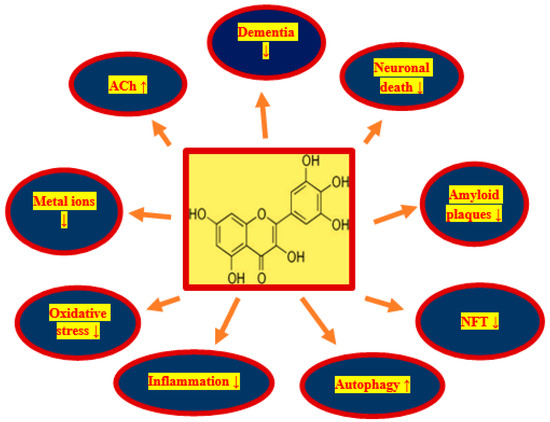
Myricetin as a Promising Molecule for the Treatment of Post-Ischemic Brain Neurodegeneration

By using  pleiotropic as an excuse they completely failed at producing anything of use for survivors. It will require more followup research which will never occur.

Myricetin as a Promising Molecule for the Treatment of Post-Ischemic Brain Neurodegeneration

 
1
Laboratory of Ischemic and Neurodegenerative Brain Research, Mossakowski Medical Research Institute, Polish Academy of Sciences, 02-106 Warsaw, Poland
2
Department of Pathophysiology, Medical University of Lublin, 20-090 Lublin, Poland
*
Author to whom correspondence should be addressed.
Academic Editor: Maria Antonietta Panaro
Nutrients 2021, 13(2), 342; https://doi.org/10.3390/nu13020342
Received: 15 December 2020 / Revised: 17 January 2021 / Accepted: 20 January 2021 / Published: 24 January 2021
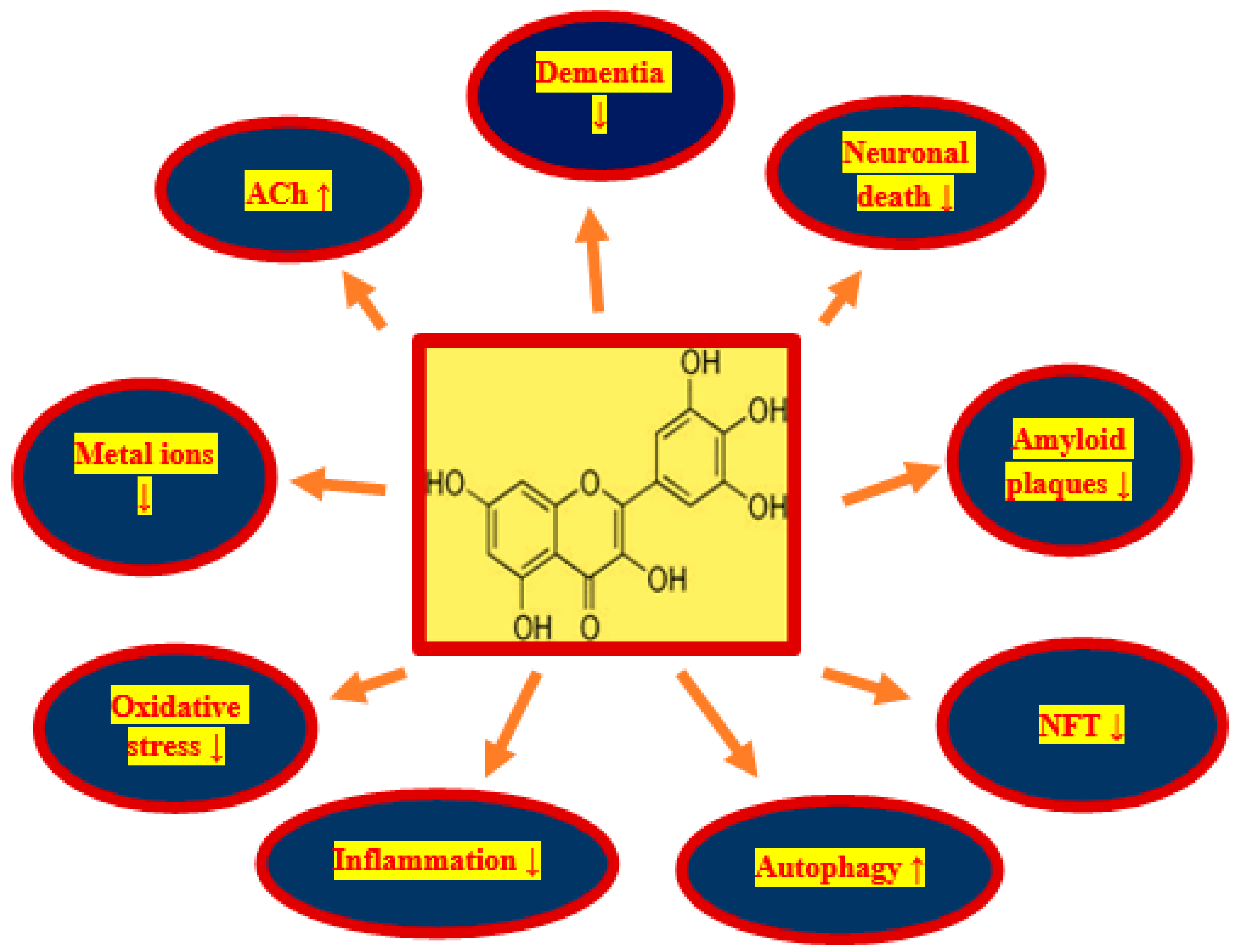
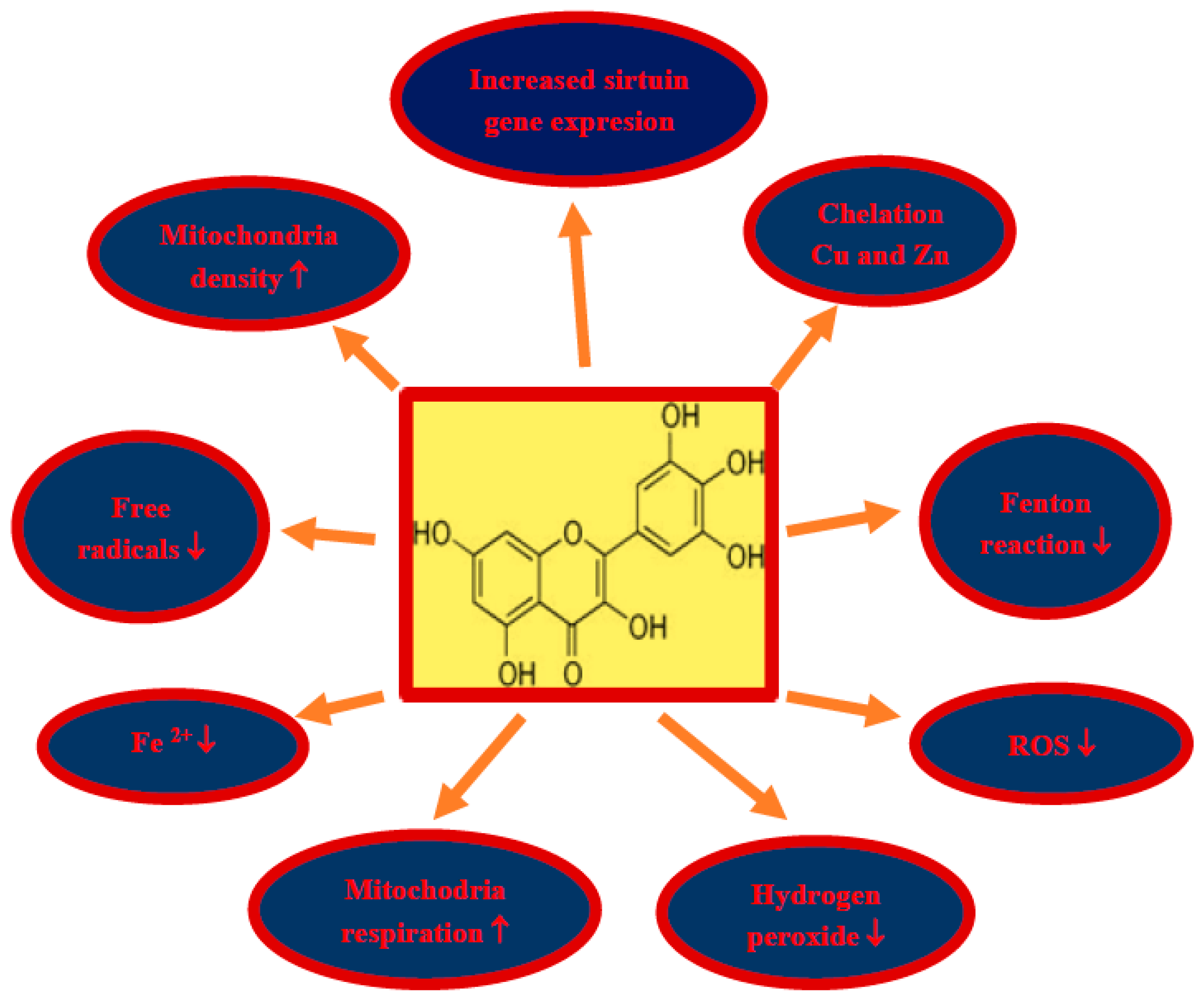
The available drug therapy for post-ischemic neurodegeneration of the brain is symptomatic. This review provides an evaluation of possible dietary therapy for post-ischemic neurodegeneration with myricetin. The purpose of this review was to provide a comprehensive overview of what scientists have done regarding the benefits of myricetin in post-ischemic neurodegeneration. The data in this article contribute to a better understanding of the potential benefits of myricetin in the treatment of post-ischemic brain neurodegeneration, and inform physicians, scientists and patients, as well as their caregivers, about treatment options. Due to the pleiotropic properties of myricetin, including anti-amyloid, anti-phosphorylation of tau protein, anti-inflammatory, anti-oxidant and autophagous, as well as increasing acetylcholine, myricetin is a promising candidate for treatment after ischemia brain neurodegeneration with full-blown dementia. In this way, it may gain interest as a potential substance for the prophylaxis of the development of post-ischemic brain neurodegeneration. It is a safe substance, commercially available, inexpensive and registered as a pro-health product in the US and Europe. Taken together, the evidence available in the review on the therapeutic potential of myricetin provides helpful insight into the potential clinical utility of myricetin in treating neurodegenerative disorders with full-blown dementia. Therefore, myricetin may be a promising complementary agent in the future against the development of post-ischemic brain neurodegeneration. Indeed, there is a scientific rationale for the use of myricetin in the prevention and treatment of brain neurodegeneration caused by ischemia. View Full-Text
Show Figures

Figure 1

Effects of wearable ankle robotics for stair and over-ground training on sub-acute stroke: a randomized controlled trial

I can't tell from here if they are measuring walking without the device. The goal is walking without device help.

Effects of wearable ankle robotics for stair and over-ground training on sub-acute stroke: a randomized controlled trial

Abstract

Background

Wearable ankle robotics could potentially facilitate intensive repetitive task-specific gait training on stair environment for stroke rehabilitation. A lightweight (0.5 kg) and portable exoskeleton ankle robot was designed to facilitate over-ground and stair training either providing active assistance to move paretic ankle augmenting residual motor function (power-assisted ankle robot, PAAR), or passively support dropped foot by lock/release ankle joint for foot clearance in swing phase (swing-controlled ankle robot, SCAR). In this two-center randomized controlled trial, we hypothesized that conventional training integrated with robot-assisted gait training using either PAAR or SCAR in stair environment are more effective to enhance gait recovery and promote independency in early stroke, than conventional training alone.

Methods

Sub-acute stroke survivors (within 2 months after stroke onset) received conventional training integrated with 20-session robot-assisted training (at least twice weekly, 30-min per session) on over-ground and stair environments, wearing PAAR (n = 14) or SCAR (n = 16), as compared to control group receiving conventional training only (CT, n = 17). Clinical assessments were performed before and after the 20-session intervention, including functional ambulatory category as primary outcome measure, along with Berg balance scale and timed 10-m walk test.

Results

After the 20-session interventions, all three groups showed statistically significant and clinically meaningful within-group functional improvement in all outcome measures (p < 0.005). Between-group comparison showed SCAR had greater improvement in functional ambulatory category (mean difference + 0.6, medium effect size 0.610) with more than 56% independent walkers after training, as compared to only 29% for CT. Analysis of covariance results showed PAAR had greater improvement in walking speed than SCAR (mean difference + 0.15 m/s, large effect size 0.752), which was in line with the higher cadence and speed when wearing the robot during the 20-session robot-assisted training over-ground and on stairs.

Conclusions

Robot-assisted stair training would lead to greater functional improvement in gait independency and walking speed than conventional training in usual care. The active powered ankle assistance might facilitate users to walk more and faster with their paretic leg during stair and over-ground walking.

Trial registration: ClinicalTrials.gov NCT03184259. Registered on 12 June 2017.

Introduction

Stroke is a leading cause of long-term disability [1]. Person with stroke commonly suffer from foot drop problem, with high falling risk because the affected foot would drag on the ground and easily stumble on obstacles [2]. Effective gait recovery is essential to improve quality of life [3] and independency of stroke survivors [4]. Early rehabilitation in sub-acute phase is known to be more effective [4, 5], but after completion of conventional gait rehabilitation, approximately 50–60% of stroke survivors still experienced some degree of motor impairment, and about half of them were still at least partly dependent in walking [6].

Conventional gait rehabilitation often involved intensive, repetitive, and task-specific gait practices [7,8,9], mainly walking on level surfaces; while some studies showed intensive stepping training on stairs could improve walking speed and balance in sub-acute [10] and chronic stroke [11, 12]. Previous researches showed sub-acute stroke survivors participating in early gait training together with electromechanical-assisted robotics, such as Lokomat, Gait Trainer, and G-EO system, could improve recovery of gait independency to a certain extent [4, 9]. But these gait training systems confined the users in constant treadmill-like setting. An important goal of gait rehabilitation is to enable independent walking and confidence to enhance their quality of life as soon as possible without assistance from caregivers [4, 13], and the real-world walking environment would involve varying terrains, like obstacles, slopes, and stairs. Following a task-specific training approach [8], early stroke rehabilitation on stair negotiation could potentially enhance gait re-education for better outcome on gait independency at hospital discharge. However, intensive stair training was not a common clinical practice for sub-acute stroke because of safety concern on stair environment.

To facilitate stair negotiation of person with stroke, ankle–foot orthoses (AFO) were commonly prescribed to passively support the dropped foot during swing phase [14, 15]. A meta-analysis showed the immediate effect of applying AFO could significantly improve walking speed and balance [16], but long-term application of rigid AFO did not influence gait pattern of sub-acute stroke, with limited therapeutic effects [17]. Studies also showed conventional rigid AFO did not mimic normal ankle movement during walking and might impose undesirable restrictions on ankle range of motion [14, 18]. In particular, restricted ankle joint could raise safety issue when the user was negotiating stairs onto a lower level. The major challenge was how to position the dropped foot properly and consistently to avoid tripping onto the step edge when negotiating stairs. In these cases, wearable ankle robotics could be a viable solution to enable better ankle joint control during stair training.

Existing lower-limb rehabilitation robots were often limited by their device weight and portability for stair environment, so few of these devices could be evaluated and developed to the stage of commercialization and clinical application [19]. G-EO system was a commercialized end-effector robot that could simulate stair climbing in a treadmill-like environment by moving foot plates in cycle to reproduce step length and height of stairs, but the system was bulky and stationary. The randomized controlled trial (RCT) evaluated the stair version of G-EO system focused on balance training of chronic stroke subjects [20]. Portable-power ankle–foot orthosis developed in the University of Illinois used a pneumatic bidirectional rotatory actuator to provide untethered ankle assistance on level ground and stairs. The robot and control algorithm were evaluated on healthy subjects (n = 5) as a technical feasibility test [21]. Recent development of ReStore exo-suit (ReWalk Robotics, USA) featured a soft garment-like design driven by Bowden cable, could offer potential solution to reduce device weight and bulkiness of robot at ankle joint [22]. Similar ankle rehabilitation robotics have also shown their potential to be an alternative gait rehabilitation for stroke [19, 23,24,25,26], like Anklebot [8]. However, few studies investigated how impaired subjects would respond to these rehabilitation robots immediately during walking on stairs, and few studies reported the therapeutic effects of these devices in multi-center RCT setting [4, 19, 25, 26].

Our research team has already developed an exoskeleton ankle robot for gait training on people with chronic stroke and foot drop problem [27]. The robot could provide active assistive torque to facilitate paretic ankle dorsiflexion for stair clearance and assist plantarflexion for loading response (power-assisted mode); alternatively, the motor could also lock the ankle joint at neutral position for foot clearance during swing phase like a rigid AFO, and release the lock for free ankle movement in stance phase (swing-controlled mode). The lightweight (0.5 kg on the paretic ankle) and portable design of this robot-assisted AFO could make a potential rehabilitation tool for gait training of hemiplegic stroke on over-ground walking and stair ascending/descending.

Our previous study has already evaluated the ankle robot in a pilot RCT for chronic stroke, which showed significant improvement in gait independency and enhanced gait confidence at heel strike after wearing this robot for 20-session stair and over-ground gait training [28]. Nevertheless, early rehabilitation in sub-acute stroke is known to have greater impact on functional recovery than chronic stroke. The primary objective of the current study was to evaluate the effects on sub-acute stroke survivors with the wearable robot-assisted AFO. We hypothesized conventional training integrated with 20-session robot-assisted training (10-min stair training plus 20-min over-ground walking) in early stroke wearing the ankle robot either in power-assisted mode or the swing-controlled mode, would result in greater functional improvement in gait independency, balance, and speed, than conventional training only. We further hypothesized active powered assistance would have more benefit on functional improvement than passive ankle swing control during the robot-assisted training.


Friday, January 29, 2021

Correlation between ASPECTS and Core Volume on CT Perfusion: Impact of Time since Stroke Onset and Presence of Large-Vessel Occlusion

 So you found a correlation. WHAT THE HELL ARE YOU GOING TO DO ABOUT IT TO GET TO 100% RECOVERY? If nothing, then get the hell out of stroke.

Correlation between ASPECTS and Core Volume on CT Perfusion: Impact of Time since Stroke Onset and Presence of Large-Vessel Occlusion

S. Nannoni, F. Ricciardi, D. Strambo, G. Sirimarco, M. Wintermark, V. Dunet and P. Michel

Abstract

BACKGROUND AND PURPOSE: Both ASPECTS and core volume on CTP are used to estimate infarct volume in acute ischemic stroke. To evaluate the potential role of ASPECTS for acute endovascular treatment decisions, we studied the correlation between ASPECTS and CTP core, depending on the timing and the presence of large-vessel occlusion.

MATERIALS AND METHODS: We retrospectively reviewed all MCA acute ischemic strokes with standardized reconstructions of CTP maps entered in the Acute STroke Registry and Analysis of Lausanne (ASTRAL) registry. Correlation between ASPECTS and CTP core was determined for early (<6 hours) versus late (6–24 hours) times from stroke onset and in the presence versus absence of large-vessel occlusion. We used correlation coefficients and adjusted multiple linear regression models.

RESULTS: We included 1046 patients with a median age of 71.4 years (interquartile range, IQR = 59.8–79.4 years), an NIHSS score of 12 (IQR, 6–18), an ASPECTS of 9 (IQR, 7–10), and a CTP core of 13.6 mL (IQR, 0.6–52.8 mL). The overall correlation between ASPECTS and CTP core was moderate (ρ = –0.49, P < .01) but significantly stronger in the late-versus-early window (ρ = –0.56 and ρ = –0.48, respectively; P = .05) and in the presence versus absence of large-vessel occlusion (ρ = –0.40 and ρ = –0.20, respectively; P < .01). In the regression model, the independent association between ASPECTS and CTP core was confirmed and was twice as strong in late-arriving patients with large-vessel occlusion (β = –0.21 per 10 mL; 95% CI, −0.27 to –0.15; P < .01) than in the overall population (β = –0.10; 95% CI, −0.14 to –0.07; P < .01).

CONCLUSIONS: In a large cohort of patients with acute ischemic stroke, we found a moderate correlation between ASPECTS and CTP core. However, this was stronger in patients with large-vessel occlusion and longer delay from stroke onset. Our results could support the use of ASPECTS as a surrogate marker of CTP core in late-arriving patients with acute ischemic stroke with large-vessel occlusion.


Roche taps into quantum computing software for Alzheimer's disease research

We have NO STROKE LEADERSHIP that can look at this and say: THIS is how we can solve all these problems in stroke. That will never happen. This meme from World Stroke Day a few years ago proves that 'stroke leaders' think nothing needs to be done in stroke.  But then the 'stroke leaders' also ignored Dr. Watson from IBM when Dr. Watson started solving other medical issues.

When you are the 1 in 4 per WHO that has a stroke will you be satisfied with not getting recovered?

What a lying piece of shit.

Roche taps into quantum computing software for Alzheimer's disease research


(Getty Images)

University of Strathclyde launching ‘cutting-edge’ stroke rehab tech centre

 It is up to YOU to make sure that all their objectives point to 100% recovery. NOTHING LESS. You can't let stroke medical professionals decide the objectives because they will shortchange us once again.

University of Strathclyde launching ‘cutting-edge’ stroke rehab tech centre

The University of Strathclyde in Glasgow is developing a new centre for the development of rehabilitation technologies for those recovering from strokes and other illnesses.

The centre will be named the Sir Jules Thorn Centre for Co-Creation of Rehabilitation Technology.

The name comes from the Sir Jules Thorn Charitable Trust, which has granted £449,000 to the University’s Biomedical Rehabilitation Engineering Research Group for the new development.


The university revealed that the specialist facility will test and develop new technologies for use both at home and in leisure centres to support individuals in their recovery, with the initial focus on strokes. 

Technologies will be co-created with clinicians, while recovering patients will be recruited to test out the innovations and give feedback.

The technology will make use of artificial intelligence and machine learning methods.

Part of the project will also be to work on improving their designs over time, making them more effective and more affordable.

Strathclyde biomedical engineer Philip Rowe said: “The funding will allow us to create an environment for rehabilitation innovation that will welcome hundreds of users for significantly increased, ongoing, meaningful engagement in self-directed rehabilitation.

“We have the capability and expertise to develop and simplify advanced rehabilitation technology so that it is accessible for the whole user community, including older adults and will put users at the centre of their own rehabilitation.

“The ambition is for our centre to produce the technology that will help support these people in their own rehabilitation.

“There is huge potential for industry, research and education and the leisure industry and we are designing this equipment with them in mind.”


Tiny high-tech probes reveal how information flows across the brain

 IF we had ANY stroke leadership at all we could contact them and have them instruct stroke researchers to use this method to find out how neuroplasticity words at the neuron signalling level. We don't know what signals are sent for a neuron to give up its current job and take on the functions of a neighboring neuron.

High-tech probes reveal how information flows across the brain

In the largest study of its kind to date, scientists use ‘Neuropixels’ probes to capture details of how the mouse brain sees the world

January 21, 2021

NoneData gathered with Neuropixels, tiny silicon probes capable of recording electrical activity from hundreds of neurons at a time.


A new study from researchers at the Allen Institute collected and analyzed the largest single dataset of neurons’ electrical activity to glean principles of how we perceive the visual world around us. The study, published Wednesday in the journal Nature, captures the hundreds of split-second electrical signals that fire when an animal is interpreting what it sees.

Your brain processes the world around you nearly instantaneously, but there are numerous lightning-fast steps between light hitting your retinas and the point at which you become aware of what’s in front of you. Humans have three dozen different brain areas responsible for understanding the visual world, and scientists still don’t know many of the details of how that process works.

“At a very high level, we want to understand why we need to have multiple visual areas in our brain in the first place,” said Josh Siegle, Ph.D., Assistant Investigator in the Allen Institute’s MindScope Program. “How are each of these areas specialized, and then how do they communicate with each other and synchronize their activity to effectively guide your interactions with the world?”

In the new study, Siegle and other MindScope researchers Xiaoxuan Jia, Ph.D., Senior Scientist; Shawn Olsen, Ph.D., Associate Investigator; and Christof Koch, Ph.D., Chief Scientist led a team of researchers to pin down some of those details.

The Allen Institute team turned to the mouse, whose lima-bean-sized brain is still incredibly complicated. Mouse vision is not the same as ours — for one, they rely more heavily on other senses than we do — but neuroscientists believe they can still learn many general principles about sensory processing from studying these animals.

Using Neuropixels, high-resolution silicon probes thinner than a human hair that read out activity from hundreds of neurons at once, the team built a public dataset of electrical spikes from approximately 100,000 neurons in the mouse brain.

Not only is this dataset the largest collection of neurons' electrical activity in the world, but each experiment in the database captured information from hundreds of brain cells from up to eight different visual regions of the brain at once. Reading electrical activity simultaneously across different areas of the brain allowed the scientists to trace visual signals in real-time as they passed from the mouse’s eyes to higher regions of its brain.

The researchers found that visual information travels along a “hierarchy” through the brain, in which lower areas represent simpler visual concepts like light and dark, while neurons at the top of the hierarchy are capturing more complex ideas, like the shape of objects.

“Historically, people have studied one brain region at a time, but the brain doesn’t mediate behavior and cognition with just one area alone,” said Olsen. “We’re learning that the brain operates through the interaction of areas and signals sent from one area to another, but technical limitations have prevented us from studying this in depth in the past. We really needed the integrated view that this dataset provides to start to understand how that works.”

NoneA microscope outfitted with several Neuropixels probes in an Allen Institute laboratory.

Tracing the brain’s traffic patterns

The Neuropixels study built off a previous Allen Institute study that mapped the mouse brain’s wiring diagram, the physical connections made by bundles of axons between many different areas of the brain. With data from the Allen Mouse Brain Connectivity Atlas, that study traced thousands of connections within and between the thalamus and cortex, the outermost shell of the mammalian brain that is responsible for higher level functions, including processing the visual world.

If the connectivity data is like the brain’s road map, the Neuropixels dataset is akin to tracking traffic patterns in the brain, Koch said. Even though signals in the brain move in a split second from one region to the next, the probes are sensitive enough to detect very slight time delays that let the scientists draw a real-time map of the route visual information takes in the brain. By comparing the Neuropixels data with the connectivity data, the scientists can get a clearer picture of how information moves along neural roadways.

“It’s as if we’re trying to map how cities are connected by watching the movement of cars on the road,” Koch said. “If we see a car in Seattle and then a few hours later we see that same car in Spokane and then much later we see the car in Minneapolis, then we have an idea that the connection from Seattle to Minneapolis has to pass through Spokane on the way.”  

Like the roads in a country, the wiring map of a brain is not a simple structure. There are many different, parallel connections between two brain areas, even two neighboring areas. And like our system of interstate highways, arterial roads, and smaller roads, the brain has stronger and weaker connections. Just knowing the physical map isn’t enough to predict the route of visual information.

The researchers were able to map the signals onto a hierarchy using the time delays they observed in neural activity between different brain regions. They also used other measures to confirm the hierarchy, including the size of visual field each neuron responds to. Cells lower in the hierarchy are tuned to smaller portions of the animal’s visual world, while the higher-level neurons react to larger regions of visual space, presumably because those cells are integrating more information about an entire picture in front of the animal.

A critical process

The scientists captured neural activity both when animals were viewing different photos and simple images, and in mice trained to respond to an image change in front of their eyes by licking a tiny waterspout. They saw that information traveled in the brain across the same hierarchical path in both situations. When mice were trained to respond to a visual change, their visual neurons also altered their activity, and those cells higher in the hierarchy showed even larger changes.

The scientists could even tell just from looking at the neural activity whether or not a particular animal had successfully detected a change in the image.

And if the researchers turned out all the lights — giving the animals no visual input — many of the same visual neurons still fired, albeit more slowly, but the order of information flow was lost. This could mean that the hierarchy is needed to process visual information, but the animals use the same cells for other purposes in a different circuit.

Although these kinds of detailed experiments are not possible in humans, studies looking at general brain activity have seen a similar sort of hierarchy — and changes in brain activity — in the parts of our brains responsible for sound and visual processing. Neuroscientists believe this type of hierarchical processing is used throughout the brain to understand many aspects of the world around us, not just what we see.

“We know that our ability to create coherent representations of objects we are seeing is a critical process for survival. Our brains have actually designated around 30 to 50% of the cortex just for visual processing,” Jia said. “Our study suggests that this hierarchical processing of visual information is also meaningful or important for the animal.”


Get the latest news from the Allen Institute.

Neuroplasticity is a 'Get out of jail free card' for your stroke medical team

 Since there is NO PROTOCOL  on how to make neuroplasticity EXACTLY REPEATABLE, this allows your stroke team to be able to shift blame for not recovering onto the survivor.  I however think ALL BLAME for lack of recovery lies on the doctors, knowing how fucking bad stroke recovery has been for decades and not specifying the needs to researchers to get correct rehab research done.

Thursday, January 28, 2021

Pants dressing failure

 I can't successfully get my pants, shorts or underwear on without sitting down. I failed at the portion of the Berg Balance scale where you are supposed to stand on one leg for 5 seconds. I failed at this in therapy all the time, still fail at it now(maybe 2 seconds now). NEVER RECEIVED ANY  therapy protocols to address that failure. It seems most of the point of my physical therapy was testing so the PTs could successfully bill the insurance companies.  There was absolutely no pay for performance in any of my therapy. It there was, nobody would have gotten paid. THAT would concentrate your hospital's attention. I would have to say nothing in the Berg Balance scale is objective, 0-4 scale means subjective.

Berg Balance Scale

Objective

The Berg balance scale is used to objectively determine a patient's ability (or inability) to safely balance during a series of predetermined tasks. It is a 14 item list with each item consisting of a five-point ordinal scale ranging from 0 to 4, with 0 indicating the lowest level of function and 4 the highest level of function and takes approximately 20 minutes to complete. It does not include the assessment of gait.

Intended Population

Elderly population with impairment of balance, patients with acute stroke (Berg et al 1995, Usuda et al 1998).

Method of Use

Equipment required

  • A ruler
  • 2 standard chairs (one with arm rests, one without)
  • A footstool or step
  • 15 ft walkway
  • Stopwatch or wristwatch

The scale

Name: __________________________________ Date: ___________________

Location: ________________________________ Rater: ___________________

ITEM DESCRIPTION SCORE (0-4)

Sitting to standing ________
Standing unsupported ________
Sitting unsupported ________
Standing to sitting ________
Transfers ________
Standing with eyes closed ________
Standing with feet together ________
Reaching forward with outstretched arm ________
Retrieving object from floor ________
Turning to look behind ________
Turning 360 degrees ________
Placing alternate foot on stool ________
Standing with one foot in front ________
Standing on one foot ________

Total ________


Relationship between the degree of recanalization and functional outcome in acute ischemic stroke is mediated by penumbra salvage volume

What we really need to know is how to actually save that penumbra, this doesn't help one bit. Just maybe you want researchers to solve how to stop the 5 causes of the neuronal cascade of death in the first week.

Relationship between the degree of recanalization and functional outcome in acute ischemic stroke is mediated by penumbra salvage volume


Abstract

Background

The presence of metabolically viable brain tissue that may be salvageable with rapid cerebral blood flow restoration is the fundament rationale for reperfusion therapy in patients with large vessel occlusion stroke. The effect of endovascular treatment (EVT) on functional outcome largely depends on the degree of recanalization. However, the relationship of recanalization degree and penumbra salvage has not yet been investigated. We hypothesized that penumbra salvage volume mediates the effect of thrombectomy on functional outcome.

Methods

99 acute anterior circulation stroke patients who received multimodal CT and underwent thrombectomy with resulting partial to complete reperfusion (modified thrombolysis in cerebral infarction scale (mTICI) ≥ 2a) were retrospectively analyzed. Penumbra volume was quantified on CT perfusion and penumbra salvage volume (PSV) was calculated as difference of penumbra and net infarct growth from admission to follow-up imaging.

Results

In patients with complete reperfusion (mTICI ≥ 2c), the median PSV was significantly higher than the median PSV in patients with partial or incomplete (mTICI 2a–2b) reperfusion (median 224 mL, IQR: 168–303 versus 158 mL, IQR: 129–225; p < 0.01). A higher degree of recanalization was associated with increased PSV (+ 63 mL per grade, 95% CI: 17–110; p < 0.01). Higher PSV was also associated with improved functional outcome (OR/mRS shift: 0.89; 95% CI: 0.85–0.95, p < 0.0001).

Conclusions

PSV may be an important mediator between functional outcome and recanalization degree in EVT patients and could serve as a more accurate instrument to compare treatment effects than infarct volumes.

Introduction

Mechanical thrombectomy (MT) in acute ischemic stroke substantially improves functional outcome in patients with large vessel occlusion [18, 34]. Yet, the time-sensitive selection of patients who will most likely benefit from MT is a critical factor in clinical practice. Neuroimaging may be used to guide endovascular treatment, and may serve as a prognostic biomarker [1, 2, 35]. Past MT landmark trials including patients 0–6 h from symptom onset applied different brain imaging criteria for treatment selection, for instance using computed tomography (CT) perfusion to estimate ischemic core volume (i.e. volume that is thought to represent irreversible tissue injury), compared to the total volume of hypoperfused brain tissue [1, 22, 28]. Accordingly, the presence of ischemic penumbra (metabolically viable brain tissue that may be salvageable with rapid cerebral blood flow restoration) is the fundamental rationale for reperfusion therapy [11]. However, the effect of endovascular treatment on functional outcome highly depends on the degree of recanalization as exemplified in previous studies [15, 20, 21]. Recently, a meta-analysis found an incremental association between the degree of recanalization and clinical outcome [21]. Currently, the American Heart Association (AHA) guidelines recommend a score of ≥ 2b on the modified Thrombolysis in Cerebral Infarction (mTICI) scale as the angiographic goal of MT [29, 30]. However, a wide range of outcome is still evident even in cases of successful reperfusion, indicating that outcome is completely mediated by further baseline and procedural covariates [9, 21].

Currently, it remains uncertain how the volume of penumbra salvage (PSV) mediates the effect of thrombectomy on functional outcome. Moreover, the relationship of penumbra salvage and the degree of recanalization has not yet been investigated.

We hypothesized twofold: First, a higher degree of recanalization is incrementally associated with higher PSV. Second, we hypothesized that PSV is directly linked to functional outcome.