Use the labels in the right column to find what you want. Or you can go thru them one by one, there are only 33,020 posts. Searching is done in the search box in upper left corner. I blog on anything to do with stroke. DO NOT DO ANYTHING SUGGESTED HERE AS I AM NOT MEDICALLY TRAINED, YOUR DOCTOR IS, LISTEN TO THEM. BUT I BET THEY DON'T KNOW HOW TO GET YOU 100% RECOVERED. I DON'T EITHER BUT HAVE PLENTY OF QUESTIONS FOR YOUR DOCTOR TO ANSWER.
Changing stroke rehab and research worldwide now.Time is Brain!trillions and trillions of neuronsthatDIEeach day because there areNOeffective hyperacute therapies besides tPA(only 12% effective). I have 523 posts on hyperacute therapy, enough for researchers to spend decades proving them out. These are my personal ideas and blog on stroke rehabilitation and stroke research. Do not attempt any of these without checking with your medical provider. Unless you join me in agitating, when you need these therapies they won't be there.
What this blog is for:
My blog is not to help survivors recover, it is to have the 10 million yearly stroke survivors light fires underneath their doctors, stroke hospitals and stroke researchers to get stroke solved. 100% recovery. The stroke medical world is completely failing at that goal, they don't even have it as a goal. Shortly after getting out of the hospital and getting NO information on the process or protocols of stroke rehabilitation and recovery I started searching on the internet and found that no other survivor received useful information. This is an attempt to cover all stroke rehabilitation information that should be readily available to survivors so they can talk with informed knowledge to their medical staff. It lays out what needs to be done to get stroke survivors closer to 100% recovery. It's quite disgusting that this information is not available from every stroke association and doctors group.
You can tell the competence of your doctor and hospital if they
implemented watermelon in their hospitals from way back in November
2011. Is watermelon better than pomegrantes? A competent? doctor would know that answer immediately!
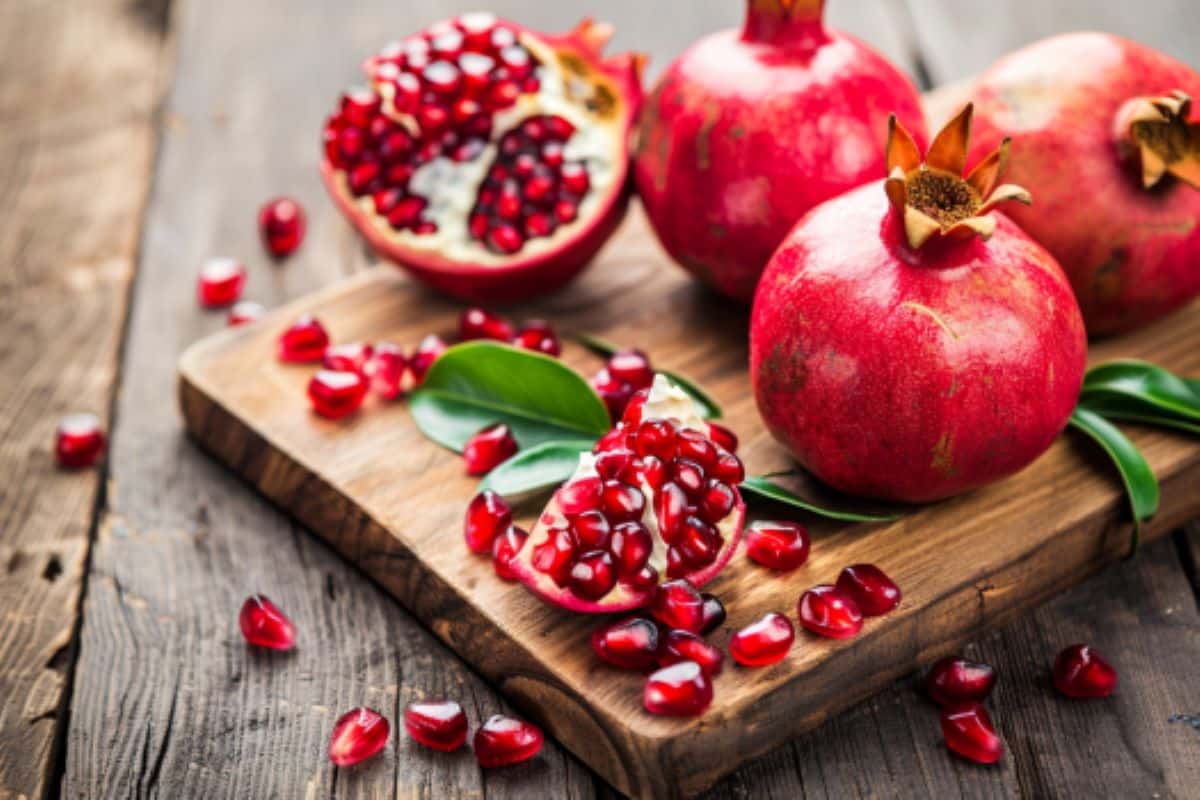
Pomegranates have long been considered a heart-healthy food, thanks to their high levels of plant compounds called polyphenols. But the real benefit might not come from the fruit itself. It may come from what your gut bacteria do with it after you eat it. A new study explored how one of these gut-made compounds affects1, with results that could change how we think about diet and heart disease.
About the study
Pomegranates are packed with polyphenols, but your body can't absorb most of them directly because they're too large. Instead, your gut bacteria break them down into smaller molecules called urolithins. Researchers at Cardiff University wanted to figure out which of these compounds actually helps protect arteries. They tested the original pomegranate polyphenol along with several of its breakdown products on human cells in the lab, looking at whether these compounds could reduce cell damage, calm inflammation, and stop cells from absorbing harmful cholesterol. Urolithin A came out on top across the board. So the researchers took the next step: they gave urolithin A to mice that were prone to clogged arteries and fed them a high-fat diet for 12 weeks. Smaller plaques and less inflammation, without changing cholesterol. The mice that received urolithin A had noticeably less buildup in their arteries. Their plaques were smaller, and their arteries were less blocked compared to mice that didn't get the compound. What really stood out was what was happening inside those plaques. The urolithin A group had fewer immune cells, specifically the types that drive inflammation and make plaques more likely to rupture. At the same time, their plaques had more of the stabilizing components (muscle cells and collagen) that help keep them intact and at a lower risk of a dangerous break. None of this had anything to do with cholesterol levels. The mice showed no changes in total cholesterol, LDL, HDL, or triglycerides. The protection came entirely from reduced inflammation and less cell damage, not from lowering fats in the blood.
What this means for humans
This study was done in mice, so we can't say for certain that the same plaque-shrinking effects would happen in people. But there are reasons to be cautiously optimistic The dose the researchers used translates to roughly 4 mg/kg/day in humans, a level that's already being tested in clinical trials for other benefits like muscle health and aging. Human trials have used doses of around 1,000 mg/day for periods ranging from 28 days to four months, showing improvements in muscle function and mitochondrial health. So we know the compound is safe and bioavailable in people; we just don't have human data specifically on artery plaques yet. The mechanisms urolithin A affected (inflammation, oxidative stress, immune cell activity) are the same ones involved in human heart disease. And the fact that protection wasn't dependent on cholesterol changes is actually encouraging: it suggests a different, complementary route to heart protection beyond the standard "lower your cholesterol" approach.
Why your gut bacteria may determine how much you benefit
Urolithin A isn't actually in pomegranates. Your gut bacteria have to make it for you after you eat the fruit's polyphenols. And not everyone's gut does this equally well. Some people have the right bacteria to produce lots of urolithin A; others don't. This might explain why studies on pomegranate and heart health have had mixed results. The same fruit could have very different effects depending on who's eating it.Pomegranates are one of the richest dietary sources of the polyphenols that can be converted into urolithin A. While this study tested the isolated compound rather than whole fruit, the biological pathway is clear: pomegranate polyphenols are broken down by gut bacteria into urolithin A in certain individuals. For those who want a more direct route, urolithin A supplements have been tested in humans for muscle health and mitochondrial function, though not yet specifically for artery health.
The takeaway
This research suggests that pomegranate's heart benefits may depend less on the fruit itself and more on whether your gut can turn it into urolithin A. In mice prone to artery disease, the compound shrank plaques and reduced inflammation without touching cholesterol levels. Human studies on artery health are still needed, but the findings point to an intriguing gut-heart connection worth watching.https://www.mdpi.com/2076-3921/15/4/507
Urolithin A alleviates dopaminergic neurodegeneration and improves cognition in the sub-acute MPTP PD mouse model
•
Urolithin A alleviates neuronal injury and inflammatory responses within the hippocampal region in MPTP-treated mice
•
Urolithin A rescues synaptic damage and mitigates dendritic spine loss in the hippocampus of MPTP-treated mice
•
Urolithin A activates the AKT/CREB/BDNF signaling pathway in hippocampus
•
Urolithin A improves cognitive function in A53T α-synuclein transgenic PD mouse model.
Abstract
Cognitive impairment is one of the most common disabling non-motor manifestations of Parkinson's disease (PD), an age-onset condition for which there are no effective therapies available to date. Urolithin A (UA) is a natural compound produced by gut bacteria from ingested ellagitannins (ETs) and ellagic acid (EA). Our previous study showed that UA ameliorates motor deficits and dopaminergic neurodegeneration in experimental models of PD. However, its effect on PD non-motor symptoms has not been elucidated. This study aims to explore the effect of UA on cognitive impairment in MPTP-induced PD mouse model as well as in transgenic mice that overexpresses human A53T mutant α-synuclein (A53T mice). Treatment with UA reversed cognitive dysfunction as measured by Morris water maze, Y maze and novel object recognition tests in both PD models. Enhanced cognition was associated with decreased neuroinflammation in the hippocampus. Additionally, UA also reduced hippocampal neuronal dendritic spine loss and synaptic damage. Further mechanistic analyses revealed that the beneficial effects of UA on cognitive impairment appears to involve the activation of the highly protective AKT/CREB/BDNF signaling pathway. Collectively, these findings strongly suggest that UA mitigates cognitive deficits in both MPTP-induced PD mouse model and A53T mice by reducing neuroinflammation and sustaining neuroplasticity. This study provides the first evidence for a potential therapeutic effect of UA on cognitive impairment in vivo, and supports further assessment for the possible use of UA as a dietary supplement to prevent cognitive deficits in PD, and related neurodegenerative diseases.
Ask your competent? doctor if this would prevent muscle atrophy post stroke. Doesn't know! You DON'T have a functioning stroke doctor if your doctor doesn't have a protocol to prevent muscle atrophy/sarcopenia!
Urolithin A (UA) is a naturally occurring compound derived from the
metabolism of gut microbiota, which has attracted considerable research
attention due to its pharmacological effects and potential implications
in muscle health and performance. Recent studies have demonstrated that
Urolithin A exhibits diverse biological activities, encompassing
anti-inflammatory, antioxidant, anti-tumor, and anti-aging properties.
In terms of muscle health, accumulating evidence suggests that Urolithin
A may promote muscle protein synthesis and muscle growth through
various pathways, offering promise in mitigating muscle atrophy.
Moreover, Urolithin A exhibits the potential to enhance muscle health
and performance by improving mitochondrial function and regulating
autophagy. Nonetheless, further comprehensive investigations are still
warranted to elucidate the underlying mechanisms of Urolithin A and to
assess its feasibility and safety in human subjects, thereby advancing
its potential applications in the realms of muscle health and
performance.
Keywords: Urolithin A, muscle health, muscle performance, pharmacology, review
1. Introduction
In recent years, there has been a substantial increase in the
recognition of the critical importance of both health and athletic
performance [1,2].
The pursuit of muscle health and optimal athletic performance is no
longer confined solely to athletes or fitness enthusiasts but has become
a pervasive goal among the general population, who strive for a
healthier and more active lifestyle [3,4].
Consequently, there is a widespread demand for strategies to enhance
muscle health and improve athletic performance, rendering this field an
area of profound discussion and extensive research.
Urolithin A, a naturally occurring compound derived from dietary
sources, has swiftly emerged as a prominent subject of investigation in
the context of muscle health and performance [5,6,7].
Existing evidence supports the potential of Urolithin A in facilitating
muscle cell proliferation and augmenting muscle function (Figure 1) [8,9,10].
However, the understanding of the mechanisms of action and potential
applications of Urolithin A as it relates to muscle health and athletic
performance is still in its infancy.
Pharmacological effects of Urolithin A and its role in promoting muscle health and enhancing athletic performance.
The
present review aims to provide a comprehensive survey and analysis of
current research on the impact of Urolithin A on muscle health and
performance, as well as suggest directions for future research. The
topic will be examined from multiple perspectives, consolidating and
assessing existing experimental outcomes to unravel the correlation
between Urolithin A, muscle health, and corresponding biological
processes and molecular mechanisms. Furthermore, potential areas of
application of Urolithin A, including its feasibility as a dietary
supplement or pharmaceutical product, will be discussed. This paper,
grounded in an extensive literature review and systematic analysis,
seeks to synthesize current research findings to offer fresh insights
into the role of Urolithin A in muscle health and performance. It is
anticipated that these insights may provide valuable guidance for
further exploration into the functional mechanisms of Urolithin A,
ultimately facilitating the development of innovative strategies to
enhance muscle health.
Summary: A new study finds that urolithin A, a
substance found in pomegranates, can improve memory and may help treat
Alzheimer’s disease. This natural compound works by removing damaged
mitochondria from the brain, similar to the effects of NAD supplements.
While dosage is still being determined, this discovery offers promising
potential for treating and preventing neurodegenerative diseases.
Key Facts:
Urolithin A, found in pomegranates, improves memory and may alleviate Alzheimer’s symptoms
This substance removes damaged mitochondria from the brain, similar to NAD supplements.
Urolithin A is available in pill form, and researchers are working to determine optimal dosage.
Source: University of Copenhagen
A
substance naturally occurring in i.a. pomegranates, strawberries and
walnuts can improve memory and treatment of Alzheimer’s disease, a new
study conducted at the University of Copenhagen concludes.
Forgetfulness,
difficulty finding words and confusion about time and place. These are
some of the most common symptoms of Alzheimer’s disease.
The
researchers still don’t know how much urolithin A is needed to improve
memory and alleviate symptoms of i.a. Alzheimer’s. Credit: Neuroscience
News
Now researchers at the University of Copenhagen have discovered that an ordinary fruit can help.
“Our
study on mouse models with AD shows that urolithin A, which is a
naturally occurring substance in i.a. pomegranates, can alleviate memory
problems and other consequences of dementia,” says Vilhelm Bohr, who is
Affiliate Professor at the Department of Cellular and Molecular
Medicine at the University of Copenhagen and prevoiusly Department Chair
at the US National Institute on Aging.
This is good news for patients with dementia – a disease that is difficult to treat.
“Even
though the study was conducted on mouse models, the prospects are
positive. So far, research has shown promising results for the substance
in the muscles, and clinical trials on humans are being planned.”
Substance improves brain function
The researchers previously discovered that a specific molecule, nicotinamide riboside (NAD supplement), plays
a key role in neurodegenerative diseases such as Alzheimer’s and
Parkinson’s, as it actively helps remove damaged mitochondria from the
brain.
“Many patients with neurodegenerative diseases experience
mitochondrial dysfunction, also known as mitophagy. This means that the
brain has difficulties removing weak mitochondria, which thus accumulate
and affect brain function.
“If you are able to stimulate the
mitophagy process, removing weak mitochondria, you will see some very
positive results,” Vilhelm Bohr explains.
The results of the new
study show that a substance found in pomegranates, urolithin A, removes
weak mitochondria from the brain just as effectively as NAD supplement.
Possible preventive effect
The researchers still don’t know how much urolithin A is needed to improve memory and alleviate symptoms of i.a. Alzheimer’s.
“We
still cannot say anything conclusive about the dosage. But I imagine
that it is more than a pomegranate a day. However, the substance is
already available in pill form, and we are currently trying to find the
right dosage,” Vilhelm Bohr says.
He also hopes the substance can be used for preventive purposes with no significant side effects.
“The
advantage of working with a natural substance is the reduced risk of
side effects. Several studies so far show that there are no serious side
effects of NAD supplementation.
“Our knowledge of urolithin A is
more limited, but as I mentioned, clinical trials with Urolithin A have
been effective in muscular disease, and now we need to look at
Alzheimers disease. ,” he says and adds:
“If we are going to eat
something in the future to reduce the risk of Alzheimer’s, which we talk
a lot about, we have to make sure there are no significant side
effects.”
About this memory and Alzheimer’s disease research news
Author: Sascha Rasmussen Source: University of Copenhagen Contact: Sascha Rasmussen – University of Copenhagen Image: The image is credited to Neuroscience News