Changing stroke rehab and research worldwide now.Time is Brain! trillions and trillions of neurons that DIE each day because there are NO effective hyperacute therapies besides tPA(only 12% effective). I have 523 posts on hyperacute therapy, enough for researchers to spend decades proving them out. These are my personal ideas and blog on stroke rehabilitation and stroke research. Do not attempt any of these without checking with your medical provider. Unless you join me in agitating, when you need these therapies they won't be there.

What this blog is for:

My blog is not to help survivors recover, it is to have the 10 million yearly stroke survivors light fires underneath their doctors, stroke hospitals and stroke researchers to get stroke solved. 100% recovery. The stroke medical world is completely failing at that goal, they don't even have it as a goal. Shortly after getting out of the hospital and getting NO information on the process or protocols of stroke rehabilitation and recovery I started searching on the internet and found that no other survivor received useful information. This is an attempt to cover all stroke rehabilitation information that should be readily available to survivors so they can talk with informed knowledge to their medical staff. It lays out what needs to be done to get stroke survivors closer to 100% recovery. It's quite disgusting that this information is not available from every stroke association and doctors group.

Showing posts with label when do we get this?. Show all posts

Tuesday, August 15, 2017

Carbon nanotubes found safe for reconnecting damaged neurons

When will this be available for stroke? I don't care that this is for spinal cord injury. Pictures at link. 

Carbon nanotubes found safe for reconnecting damaged neurons


May offer future hope for patients with spinal-cord injury
July 5, 2017

(credit: Polina Shuvaeva/iStock)
Multiwall carbon nanotubes (MWCNTs) could safely help repair damaged connections between neurons by serving as supporting scaffolds for growth or as connections between neurons.
That’s the conclusion of an in-vitro (lab) open-access study with cultured neurons (taken from the hippcampus of neonatal rats) by a multi-disciplinary team of scientists in Italy and Spain, published in the journal Nanomedicine: Nanotechnology, Biology, and Medicine.
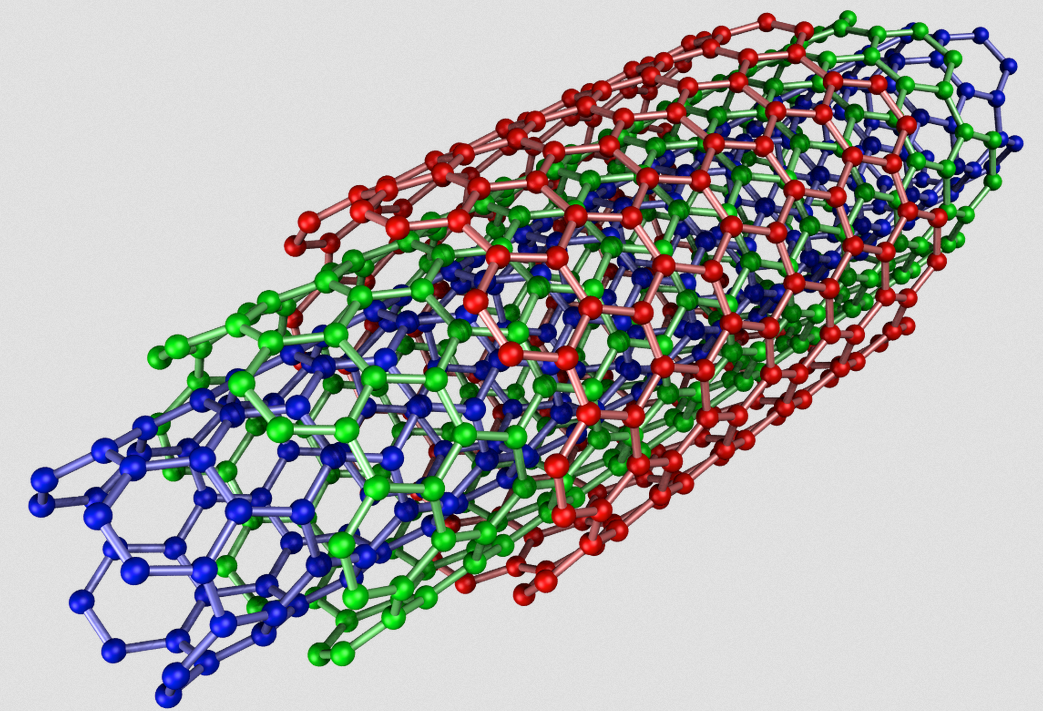
A multi-walled carbon nanotube (credit: Eric Wieser/CC)
The study addressed whether MWCNTs that are interfaced to neurons affect synaptic transmission by modifying the lipid (fatty) cholesterol structure in artificial neural membranes.
Significantly, they found that MWCNTs:
  • Facilitate the full growth of neurons and the formation of new synapses. “This growth, however, is not indiscriminate and unlimited since, as we proved, after a few weeks, a physiological balance is attained.”
  • Do not interfere with the composition of lipids (cholesterol in particular), which make up the cellular membrane in neurons.
  • Do not interfere in the transmission of signals through synapses.
The researchers also noted that they recently reported (in an open access paper) low tissue reaction when multiwall carbon nanotubes were implanted in vivo (in live animals) to reconnect damaged spinal neurons.
The researchers say they proved that carbon nanotubes “perform excellently in terms of duration, adaptability and mechanical compatibility with tissue” and that “now we know that their interaction with biological material, too, is efficient. Based on this evidence, we are already studying an in vivo application, and preliminary results appear to be quite promising in terms of recovery of lost neurological functions.”
The research team comprised scientists from SISSA (International School for Advanced Studies), the University of Trieste, ELETTRA Sincrotrone, and two Spanish institutions, Basque Foundation for Science and CIC BiomaGUNE.

Abstract of Sculpting neurotransmission during synaptic development by 2D nanostructured interfaces

Carbon nanotube-based biomaterials critically contribute to the design of many prosthetic devices, with a particular impact in the development of bioelectronics components for novel neural interfaces. These nanomaterials combine excellent physical and chemical properties with peculiar nanostructured topography, thought to be crucial to their integration with neural tissue as long-term implants. The junction between carbon nanotubes and neural tissue can be particularly worthy of scientific attention and has been reported to significantly impact synapse construction in cultured neuronal networks. In this framework, the interaction of 2D carbon nanotube platforms with biological membranes is of paramount importance. Here we study carbon nanotube ability to interfere with lipid membrane structure and dynamics in cultured hippocampal neurons. While excluding that carbon nanotubes alter the homeostasis of neuronal membrane lipids, in particular cholesterol, we document in aged cultures an unprecedented functional integration between carbon nanotubes and the physiological maturation of the synaptic circuits.

Monday, February 29, 2016

Shear-Activated Nanoparticle Aggregates Combined With Temporary Endovascular Bypass to Treat Large Vessel Occlusion

The video associated with this looks great. When do we get this in real life?  What is your doctor and hospital doing to get this validated? What about your stroke association doing ANYTHING AT ALL?
Video here:
https://www.facebook.com/ScienceNaturePage/videos/778434595622134/

Press release here:
http://wyss.harvard.edu/viewpressrelease/224/drugdevice-combination-opens-potential-new-path-to-treat-stroke

 Research article here:
Shear-Activated Nanoparticle Aggregates Combined With Temporary Endovascular Bypass to Treat Large Vessel Occlusion
  1. Ajay K. Wakhloo, MD, PhD
+ Author Affiliations
  1. From the New England Center for Stroke Research, Department of Radiology, University of Massachusetts, Worcester (M.G.M., M.J.G., S.V., E.T.L., O.W.B., A.S.P., J.-Y.C., A.K.W.); Wyss Institute for Biologically Inspired Engineering, Harvard University, Boston, MA (N.K., O.U., A.-L.P., C.J., D.B., M.K., B.R.B., D.E.I.); Department of Biomedical Engineering, Technion, Israel (N.K.); Vascular Biology Program, Boston Children’s Hospital and Harvard University, Boston, MA (D.E.I.); and Harvard John A. Paulson School of Engineering and Applied Sciences, Cambridge, MA (D.E.I.).
  1. Correspondence to Donald E. Ingber, MD, PhD, Wyss Institute at Harvard, CLSB5, 3 Blackfan Circle, Boston, MA 02115. E-mail don.ingber@wyss.harvard.edu
  1. * Drs Marosfoi, Korin, and Gounis contributed equally.
  2. Drs Ingber and Wakhloo are joint senior authors.

Abstract

Background and Purpose—The goal of this study is to combine temporary endovascular bypass (TEB) with a novel shear-activated nanotherapeutic (SA-NT) that releases recombinant tissue-type plasminogen activator (r-tPA) when exposed to high levels of hemodynamic stress and to determine if this approach can be used to concentrate r-tPA at occlusion sites based on high shear stresses created by stent placement.
Methods—A rabbit model of carotid vessel occlusion was used to test the hypothesis that SA-NT treatment coupled with TEB provides high recanalization rates while reducing vascular injury. We evaluated angiographic recanalization with TEB alone, intra-arterial delivery of soluble r-tPA alone, or TEB combined with 2 doses of intra-arterial infusion of either the SA-NT or soluble r-tPA. Vascular injury was compared against stent-retriever thrombectomy.
Results—Shear-targeted delivery of r-tPA using the SA-NT resulted in the highest rate of complete recanalization when compared with controls (P=0.0011). SA-NT (20 mg) had a higher likelihood of obtaining complete recanalization as compared with TEB alone (odds ratio 65.019, 95% confidence interval 1.77, >1000; P=0.0231), intra-arterial r-tPA alone (odds ratio 65.019, 95% confidence interval 1.77, >1000; P=0.0231), or TEB with soluble r-tPA (2 mg; odds ratio 18.78, 95% confidence interval 1.28, 275.05; P=0.0322). Histological analysis showed circumferential loss of endothelium restricted to the area where the TEB was deployed; however, there was significantly less vascular injury using a TEB as compared with stent-retriever procedure (odds ratio 12.97, 95% confidence interval 8.01, 21.02; P<0.0001).
Conclusions—A novel intra-arterial, nanoparticle-based thrombolytic therapy combined with TEB achieves high rates of complete recanalization. Moreover, this approach reduces vascular trauma as compared with stent-retriever thrombectomy.