Changing stroke rehab and research worldwide now.Time is Brain! trillions and trillions of neurons that DIE each day because there are NO effective hyperacute therapies besides tPA(only 12% effective). I have 523 posts on hyperacute therapy, enough for researchers to spend decades proving them out. These are my personal ideas and blog on stroke rehabilitation and stroke research. Do not attempt any of these without checking with your medical provider. Unless you join me in agitating, when you need these therapies they won't be there.

What this blog is for:

My blog is not to help survivors recover, it is to have the 10 million yearly stroke survivors light fires underneath their doctors, stroke hospitals and stroke researchers to get stroke solved. 100% recovery. The stroke medical world is completely failing at that goal, they don't even have it as a goal. Shortly after getting out of the hospital and getting NO information on the process or protocols of stroke rehabilitation and recovery I started searching on the internet and found that no other survivor received useful information. This is an attempt to cover all stroke rehabilitation information that should be readily available to survivors so they can talk with informed knowledge to their medical staff. It lays out what needs to be done to get stroke survivors closer to 100% recovery. It's quite disgusting that this information is not available from every stroke association and doctors group.

Saturday, September 28, 2019

Can coffee save your life?

I received a new 12 cup coffee maker so I'm now good. The mug I drink out of drains it in three servings, so I need to actually get another 1/2 mug somewhere else.  My reasons for coffee are here: No clue on how much I need for these preventions so I'm not taking any chances on falling short. 


How coffee protects against Parkinson’s Aug. 2014 

 Coffee May Lower Your Risk of Dementia Feb. 2013 

And this: Coffee's Phenylindanes Fight Alzheimer's Plaque  

This also: Two Compounds in Coffee May Team Up to Fight Parkinson's  

The latest here:

Can coffee save your life?

John Murphy, MDLinx | September 23, 2019
Want to live a long and healthy life? Drink a few cups of coffee every day. That’s the gist of a recent meta-analysis published in the European Journal of Epidemiology. People who drink 2 to 4 cups of coffee a day have reduced all-cause mortality and reduced cause-specific mortality compared with people who drink no coffee—even when factors such as age, weight, smoking, and drinking alcohol are taken into account.

Drinking about three to four cups of coffee a day can lower your risk of premature death.
The link between lower mortality and coffee consumption even holds true no matter if it’s decaf or regular.
How much coffee must you drink to get the benefits? The researchers determined that the ideal amount is 3.5 cups of coffee per day to get the greatest risk reduction—15%—in all-cause mortality. For cardiovascular disease (CVD) mortality, 2.5 cups reduce risk the most, by 17%. And 2 cups per day is associated with the lowest relative risk in cancer mortality—4%—compared with drinking no coffee.
You can stop at 3.5 cups a day, though. Drinking more coffee than this won’t increase your longevity any further, the researchers found.(But will the extra prevent dementia and Parkinsons? Inquiring minds need to know.)

Adjusting for other factors

For this analysis, the authors reviewed 40 studies that included a total of 3,852,651 participants. Because they had a large number of studies, the researchers were able to investigate associations between coffee consumption and all-cause mortality for a variety of factors, such as age, sex, geographic region, overweight status, alcohol consumption, and smoking status.
But, it turned out that most of these factors made no difference on coffee’s relation to reduced mortality.
“The inverse association between coffee drinking and all-cause mortality was consistent in various subpopulations by overweight status, alcohol consumption, smoking status and by caffeine content of coffee,” the authors wrote.

What’s in that magic elixir?

Coffee contains more than 1,000 bioactive substances, including caffeine, chlorogenic acids, and diterpenes. But, the researchers speculate that certain antioxidant and anti-inflammatory compounds are the ones responsible for lowering mortality risk.
“Coffee contains various antioxidant components such as caffeine, chlorogenic acid, melanoidins, cafestol, kahweol, and trigonelline,” which may prevent oxidative damage, wrote Youjin Je, ScD, assistant professor, Department of Food and Nutrition, Kyung Hee University, Seoul, South Korea, and co-authors.

“Many human studies also have shown that coffee intake may be associated with the levels of pro-inflammatory biomarkers including tumor necrosis factor-alpha, C-reactive protein, and interleukin 18, and increase the levels of anti-inflammatory biomarkers such as adiponectin,” they added. “These antioxidant and anti-inflammatory properties of coffee compounds may lead to a decreased risk of mortality through slowing the development of some major chronic diseases including diabetes, CVD, and cancers.”
Among those other major diseases, the researchers found that people who drank the most coffee had a 24% lower risk of mortality from diabetes, a 10% lower risk from respiratory disease, and a 35% lower risk from non-CVD, non-cancer causes, compared with people who drank the least amount of coffee.
Mortality risk differed by geographic region, the researchers found. Coffee-drinkers in Europe and Asia had lower risks of mortality than those in the United States.

Closer to conclusive

The authors acknowledged a few limitations to their analysis. For one, the studies they reviewed were observational, so they could not conclude that coffee directly causes reduced mortality. Also, participants self-reported their coffee consumption on questionnaires, which may not be perfectly reliable.
Going forward, Dr. Je and co-authors called for additional, more detailed investigations to further strengthen the link between coffee and reduced mortality.
“Future large prospective studies with detailed information of coffee preparation, sugar and cream added to coffee, or genotype of population could provide a more definitive conclusion on the potential effects of coffee intake on risk of mortality,” they wrote.
This research was supported by the Basic Science Research Program through the National Research Foundation of Korea, and by the Ministry of Science, ICT, and Future Planning.


Robotic assisted rehabilitation therapy for enhancing gait and motor function after stroke

Damn it all, we don't need you to suggest further studies. Do your damn job correctly the first time to get stroke protocols out of your research.  If your mentors and senior researchers are not asking for that they need to be removed. 

Robotic assisted rehabilitation therapy for enhancing gait and motor function after stroke


Yun-Hee Kim1,2 
1Department of Physical and Rehabilitation Medicine, Center for Prevention and Rehabilitation, Heart Vascular Stroke Institute, Samsung Medical Center, Sungkyunkwan University School of Medicine, Seoul, Korea
2Department of Health Sciences and Technology, Department of Medical Device Management & Research, Department of Digital Health, Samsung Advanced Institute for Health Sciences & Technology, Sungkyunkwan University, Seoul, Korea
Correspondence  Yun-Hee Kim ,Tel: +82-2-3410-2824, Email: yun1225.kim@samsung.com
Submitted: June 7, 2019  Accepted after revision: June 20, 2019
Abstract
During the last two decades, there have been remarkable developments in electromechanical or robotic assisted rehabilitation therapy for promoting walking ability and upper extremity motor function. Robotic devices have made high-dosage and high-intensity rehabilitative training possible, therefore, useful for enhancing neural plasticity of the central nervous system in patients with brain diseases. Robotic assisted gait therapy showed evidence for both exoskeleton and end-effector devices when used alongside conventional physiotherapy in subacute stroke patients. However, robot-assisted gait training was not proven excellent to conventional physical therapy in stroke patients with chronic stage or when delivered alone. For upper limb motor function, robotic assisted therapy was comparable or superior to conventional therapy in improving motor function and activities of daily living for both subacute and chronic stage of stroke patients. Further studies are required to clarify the best protocol for individual patient’s need and its transferring effect to the real world activities of patients. Conclusively, high quality researches and development of related technology may enhance the clinical and economic efficiency of robotic assisted rehabilitation therapy in near future. Robotic rehabilitation will certainly encounter a positive opportunity of technical development during the age of fourth industrial revolution.


Precision and Future Medicine 2019;3(3): 103-115.
DOI: https://doi.org/10.23838/pfm.2019.00065    Published online September 24, 2019.

Use of client-centered virtual reality in rehabilitation after stroke: a feasibility study

Bad conclusion, doesn't match your results.  

You can read these 126 posts and come to your own conclusion on virtual reality.

Use of client-centered virtual reality in rehabilitation after stroke: a feasibility study

Uso da realidade virtual centrada no cliente na reabilitação após acidente vascular encefálico: um estudo de viabilidade
Alberto Luiz Aramaki1  5 
http://orcid.org/0000-0002-1740-6686
Rosana Ferreira Sampaio2 
http://orcid.org/0000-0002-4775-9650
Alessandra Cavalcanti3  4 
http://orcid.org/0000-0002-2306-2031
Fabiana Caetano Martins Silva e Dutra1  3  5 
http://orcid.org/0000-0003-3295-1583
1Universidade Federal do Triângulo Mineiro, Programa de Pós-Graduação em Atenção à Saúde, Uberaba MG, Brasil;
2Universidade Federal de Minas Gerais, Programa de Pós-Graduação em Ciências da Reabilitação, Belo Horizonte MG, Brasil;
3Universidade Federal do Triângulo Mineiro, Departamento de Terapia Ocupacional, Uberaba MG, Brasil;
4Universidade Federal do Triângulo Mineiro, Laboratório Integrado de Tecnologia Assistiva (LITA), Uberaba MG, Brasil;
5Universidade Federal do Triângulo Mineiro, Núcleo de Estudos e Pesquisas em Trabalho, Participação Social e Saúde (NETRAS), Uberaba MG, Brasil.
Patient-centered virtual reality (VR) programs could assist in the functional recovery of people after a stroke.

Objectives:
To analyze the feasibility of a rehabilitation protocol using client-centered VR and to evaluate changes in occupational performance and social participation.

Methods:
This was a mixed methods study. Ten subacute and chronic stroke patients participated in the rehabilitation program using games in non-immersive VR for 40 minutes/day, three days/week, for 12 weeks. Sociodemographic information was collected and the outcome variables included were the Canadian Occupational Performance Measure (COPM) and the Participation Scale. A field diary was used to record the frequency of attendance and adherence of participants and an interview was conducted at the end of program.

Results:
There were significant and clinically-relevant statistical improvements in the COPM performance score (p < 0.001; CI = 1.29 − 4.858) and in the COPM satisfaction score (p < 0.001; CI = 1.37 − 5.124), with a difference greater than 4.28 points for performance and 4.58 points for satisfaction. The change in the scores for participation was statistically significant (p = 0.046), but there was no clinical improvement (dcohen = −0.596, CI = −1.862 − 0.671). The majority of participants reported more than 75% consecutive attendance of sessions and there was 100% adherence to the program. In the interviews, the participants described their post-stroke difficulties; how the video game motivated their engagement in rehabilitation; and the improvement of occupational performance and social participation after participating in the program.

Conclusions:
VR is a viable tool for the rehabilitation of stroke patients with functional gains, mainly regarding occupational performance and performance satisfaction.(But you specifically said there was no clinical improvement.)

Psychosocial working conditions, trajectories of disability, and the mediating role of cognitive decline and chronic diseases: A population-based cohort study

In my last 6 years working as a contractor there was zero social support at work.  My social support now that I'm retired is terrific.  I have no plans to get a chronic disease, that's what resveratrol in red wine and all my walking will do for me. I think my cognitive function is still pretty damn good, sarcasm still works. 

The highest form of intelligence: Sarcasm increases creativity for both expressers and recipients

The latest here:

Psychosocial working conditions, trajectories of disability, and the mediating role of cognitive decline and chronic diseases: A population-based cohort study 

PLoS MedicinePan KY, Xu W, Mangialasche F, et al. | September 20, 2019

In this study, researchers examined the association between job demand–control–support combinations and trajectories of disability in later life. In addition, they explored the role of cognitive decline and the co-occurrence of chronic diseases in mediating this association. They examined a cohort of 2,937 individuals aged 60 years and older for the association of psychosocial working conditions with the rate of disability progression over 12 years. In all, they noted a link between unfavorable psychosocial working conditions during working life and the progression of disability in later life. This association, they found, was partially related to the decrement in cognitive function and increase in chronic-disease burden, and especially the former. Findings emphasized the significance of social support at work in a high-strain work environment, given its capacity to attenuate the impact of high-strain jobs on disability accumulation.
Read the full article on PLoS Medicine

Foods to maximize your heart health

Since we have fucking failures of stroke associations we have NO DIET PROTOCOLS FOR STROKE.  We need all these, just think how incompetent your stroke hospital is in having nothing on this. 

Your doctor needs to provide you with diet protocols for all these conditions:

For stroke prevention; for dementia prevention; for cognitive improvement; for cholesterol reduction; for plaque removal; for Parkinsons prevention; for inflammation reduction; for blood pressure reduction. 

THIS IS YOUR DOCTOR'S RESPONSIBILITY! Why are you giving them a pass? Guidelines don't count.

Foods to maximize your heart health
Naveed Saleh, MD, MS, for MDLinx | September 25, 2019
Given that heart disease is the leading cause of death among men and women—both in the United States and worldwide—it may be hard to believe that this dangerous health condition was once fairly uncommon. In the early 1900s, for instance, very few Americans died as a result of heart disease—a trend that, unfortunately, changed by the mid-1960s, when the frequency of coronary artery disease and heart attacks reached an all-time high. This peak in heart disease mortality was largely associated with poor dietary habits and an uptick in smoking prevalence.
Advertisement
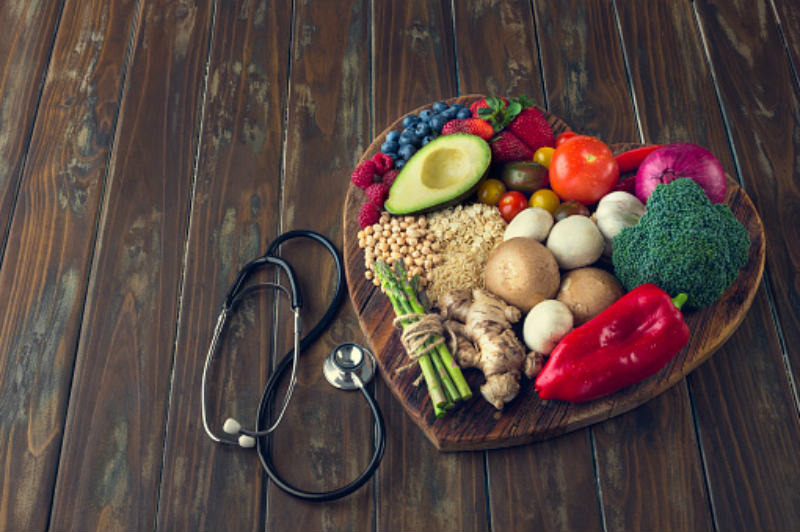
Fish, whole grains, legumes, berries, and avocados are just some of the foods that can contribute to better heart health.
Over the past several decades, however, there has been a reduction in heart disease deaths due, in part, to increased preventive measures, improved diagnosis, and better hospital care. In a nod to prevention, here are five foods that can boost heart health.

Fish

You may think that you need to eat fish every day to reap maximal benefits, but three times a week may do the trick in terms of heart health. According to the results of one interventional study, eating salmon just three times a week for 8 weeks during energy restriction lowered diastolic blood pressure levels among young overweight adults (aged 20-40 years; BMI: 27.5–32.5 kg/m2), with most pronounced effects in those who ate fish infrequently.
Can’t stomach fish? No worries! Fish oil supplements have been shown to effectively decrease triglyceride and blood pressure levels, and improve arterial function.

Whole grains

In a meta-analysis of 45 studies, researchers examined the association between whole-grain intake and the risk of heart disease and other illnesses. They found that whole-grain consumption was related to lower risks of coronary heart disease and heart disease, cancer, lung disease, infectious disease, and diabetes.
Specifically, consuming 90 g/day of whole grains (ie, three servings) decreased the chances of developing coronary heart disease (RR: 0.81), stroke (RR: 0.88), and cardiovascular disease (CVD; RR: 0.78). Results were comparable when stratified per incidence or mortality.
“These findings support dietary guidelines that recommend increased intake of whole grain to reduce the risk of chronic diseases and premature mortality,” wrote the authors.

Avocados

For all you avocado nuts, feel free to enjoy avocado toast—on whole-wheat bread, of course. Better nutrient intake and diet quality have been linked to the consumption of avocados. Of note, avocados are also rich in potassium, an essential nutrient for heart health.
In one study in over 17,000 participants, eating avocados lowered the risk of metabolic syndrome, which essentially serves as a proxy for heart disease. Specifically, the OR for metabolic syndrome was half as much in avocado eaters (n = 347) than those who didn’t eat them.
The benefits of avocados may be related to their monounsaturated fatty acid (MUFA) content. Other researchers have shown that MUFAs can decrease the risks for coronary heart disease and cardiovascular risk factors, and may offer some benefit in terms of antihypertensive effects and insulin sensitivity. Of note, MUFAs could decrease cardiovascular risk factors via oxidative modification of LDL cholesterol and by lowering macrophage uptake of plasma-oxidized LDL.
Other nutritional goodies found in avocados include essential nutrients, phytochemicals (ie, antioxidants), and fiber.
“Dietitians can recommend consumption of avocados as part of a healthful diet that focuses on increased fruit and vegetable intake,” concluded the authors. “Avocados can be incorporated into the diets of most adults, and may be of additional benefit to those who have increased risk for metabolic disease risk factors.”

Berries

Although there is a paucity of data on the relationship between berries and heart disease, researchers recently found that berry consumption was related to lower fasting glucose levels, HbA1c, and BMI, as well as the inflammatory marker tumor necrosis factor-α in a meta-analysis of 22 randomized, controlled trials (n = 1,251). Notably, no association between berry consumption and other factors such as lipid levels was observed.
“Our subgroup analyses demonstrated that berries products might be utilized as a possible new effective and safe supplementary option to better prevent and control CVD in subjects with cardiovascular risk factors,” wrote the authors.

Legumes

Beans, beans, the magical fruit. The more you eat…the better your heart health? In a low-powered, randomized, controlled trial (n = 16), researchers found that simply eating a half cup of pinto beans daily for 8 weeks decreased serum total cholesterol and LDL cholesterol levels—historical markers of heart disease—among study participants.
Other researchers have also supported this association between legume intake and cardioprotective health benefits. For instance, in a meta-analysis of prospective cohort studies evaluating the link between legume consumption and all-cause and CVD mortality, high legume intake was associated with a lower risk of all-cause mortality, and did not increase the risk for CVD mortality.
The investigators speculated that the heart-health benefits of legumes may be due to their vegetable protein content, which has been shown to lower blood cholesterol levels in previous dietary trials.
Furthermore, in another systematic review and meta-analysis of prospective cohort studies, high legume consumption was, again, associated with a decreased risk of heart disease—a 10% reduction in both CVD and coronary heart disease, in fact.
Obviously, these foods are not the only ones that benefit the heart. Other heart-healthy foods include dark chocolate, tomatoes, and nuts. In the end, you can add variety to your diet to improve heart health, and keep your palate fresh.

Thursday, September 26, 2019

Addressing post – stroke sexual rehabilitation

All these reasons for sex post stroke and still no protocol written up and available. 

All this is why you need to be doing lots of sex, why the hell can't your doctor get you fucking again?

Sexual Frequency Predicts Greater Well-Being, But More is Not Always Better


Sex after stroke


Sex linked to better brain power in older age


Sex: The Ultimate Full Body Workout


Better Memory From This Extremely Pleasurable Activity - Sex


WHY SEX IS BETTER FOR YOUR BRAIN THAN SUDOKU 


Sex linked to better brain power in older age


Good News About Sex- It Doesn't Cause a Stroke


Sex Does Not Increase Heart Attack Risk - What about stroke?


Frequent orgasms may protect against heart attacks


An orgasm a day keeps the doctor away!

In case you don't have a partner she could prescribe this.

Electrosex


Addressing post – stroke sexual rehabilitation

Sandra Lever1,2, Margaret McGrath3, Emma Power4, Annie McCluskey3
1 Sexuality clinic, Graythwaite Rehabilitation Centre, Ryde Hospital, NSLHD 2 Susan Wakil School of Nursing and Midwifery, The University of Sydney 3 Discipline of Occupational Therapy, Faculty of Health Sciences, The University of Sydney 4 Speech Pathology, Graduate School of Health, University of Technology Sydney
 Stroke has a profound impact on the ways in which sexuality is experienced and expressed by stroke survivors (McGrath et al, 2019)
• Stroke Foundation Clinical Guidelines (2010, 2017) recommend that stroke survivors and partners be offered opportunity to discuss sexual intimacy & be provided written information addressing sexuality issues(But not even suggesting that they do the deed as part of rehab in the hospital)
• Research consistently shows that health professionals rarely address sexuality during stroke rehabilitation  (Stein et al, 2013; Park et al, 2015; Rosenbaum  at al, 2014.
• Failure to address sexuality may result in increased anxiety and depression and poorer quality of life outcomes
• Lack of research into sexual rehabilitation hinders health professionals ability to provide evidenced based care  and highlights the need to develop a more comprehensive sexual rehabilitation intervention for stroke survivors & their partners 

Detecting Brain Activity Following a Verbal Command in Patients With Disorders of Consciousness

You better hope your stroke hospital has something like this if you present there with locked-in-syndrome. 

Like this from August 2013;

Brain Shaking Technique - strong magnetic stimulation - Offers Measure of Consciousness

Or this, November 2017;

New brainwave-reading technique may unlock ‘locked-in’ patients 

Or this, January 2019;


Electroencephalography-based endogenous brain–computer interface for online communication with a completely locked-in patient


Because you don't want this to happen!


Stroke Patient Hears Doctors Discuss Organ Donation


 The latest here:

Detecting Brain Activity Following a Verbal Command in Patients With Disorders of Consciousness

Your doctor will have to purchase this. 


The Pragmatic Classification of Upper Extremity Motion in Neurological Patients: A Primer

Useless as is. Assessments NOT SOLUTIONS. After you have assessed the disability what does the survivor need to do to get 100% recovered?

The Pragmatic Classification of Upper Extremity Motion in Neurological Patients: A Primer

  • 1Department of Neurology, New York University School of Medicine, New York, NY, United States
  • 2Department of Neurology, Columbia University Medical Center, New York, NY, United States
  • 3Department of Rehabilitation and Regenerative Medicine, Columbia University Medical Center, New York, NY, United States
  • 4Department of Rehabilitation Medicine, New York University School of Medicine, New York, NY, United States
Recent advances in wearable sensor technology and machine learning (ML) have allowed for the seamless and objective study of human motion in clinical applications, including Parkinson's disease, and stroke. Using ML to identify salient patterns in sensor data has the potential for widespread application in neurological disorders, so understanding how to develop this approach for one's area of inquiry is vital. We previously proposed an approach that combined wearable inertial measurement units (IMUs) and ML to classify motions made by stroke patients. However, our approach had computational and practical limitations. We address these limitations here in the form of a primer, presenting how to optimize a sensor-ML approach for clinical implementation. First, we demonstrate how to identify the ML algorithm that maximizes classification performance and pragmatic implementation. Second, we demonstrate how to identify the motion capture approach that maximizes classification performance but reduces cost. We used previously collected motion data from chronic stroke patients wearing off-the-shelf IMUs during a rehabilitation-like activity. To identify the optimal ML algorithm, we compared the classification performance, computational complexity, and tuning requirements of four off-the-shelf algorithms. To identify the optimal motion capture approach, we compared the classification performance of various sensor configurations (number and location on the body) and sensor type (IMUs vs. accelerometers). Of the algorithms tested, linear discriminant analysis had the highest classification performance, low computational complexity, and modest tuning requirements. Of the sensor configurations tested, seven sensors on the paretic arm and trunk led to the highest classification performance, and IMUs outperformed accelerometers. Overall, we present a refined sensor-ML approach that maximizes both classification performance and pragmatic implementation. In addition, with this primer, we showcase important considerations for appraising off-the-shelf algorithms and sensors for quantitative motion assessment.

Introduction

Wearable sensors, such as inertial measurement units (IMUs) and accelerometers, provide an opportunity for the objective, and seamless capture of human motion. Machine learning (ML) enables computers to learn without being explicitly programmed, and provides an opportunity to rapidly identify patterns in data. ML is potentially a powerful tool for clinical application because of its ability to automatically recognize categories of interest. These categories could be used for diagnostic purposes (e.g., severity of disease, disease identification) or therapeutic purposes (e.g., dose quantitation during stroke rehabilitation).
Given recent technological and computational advances, combining wearable sensor data with ML algorithms has the potential for rapid, automated, and accurate classification of motion. Researchers have begun using this combined sensor-ML approach in a number of applications. These include human activity recognition (13), gesture analysis (4), assessment of bradykinesia in Parkinson's disease (5, 6), motor function assessment in multiple sclerosis (7), and differentiating between functional and non-functional arm usage in stroke patients (8, 9). While many of these studies showcase the application of sensors and ML in clinical populations, no previous work has detailed the various hardware and software considerations for using the sensor-ML approach. Furthermore, no guide currently exists to advise investigators in building and troubleshooting this approach, which sits at the intersection of human movement science, data science, and neurology. With the potential for the sensor-ML approach to have widespread applicability to neurological disorders, understanding how to develop this approach for one's own area of inquiry is paramount.
One possible application of the combined sensor-ML approach is the monitoring of rehabilitation dose in stroke patients. Quantifying the dose of rehabilitation entails classifying units of measurement, which are subsequently tallied. In our previous proof-of-principle study, we used IMUs worn by stroke subjects performing a structured tabletop activity to capture motion data. Our units of measurement were functional primitives, elemental motions that cannot be further decomposed by a human observer. We applied an ML algorithm (hidden Markov model with logistic regression) to the IMU motion data to recognize primitives embedded in this activity, achieving an overall classification performance of 79% (10). While promising, this sensor-ML approach had variable classification performance among the primitives (62–87% accuracy). It also did not address research implementation challenges such as the computational complexity and computational costs of the ML approach, or clinical implementation challenges such as the expense (11) and electromagnetic intolerance of the IMUs.
In the present study, we address these limitations in the form of a primer, outlining deliberations that researchers developing their own sensor-ML approach would need to consider. We describe our rationale and steps for identifying (1) an algorithm that is highly accurate but computationally tractable, and (2) the type and array of sensors that minimize cost but maximize accuracy. We use functional primitives as the motion type to be classified, and describe our approach for both capturing and identifying these motions. We also use off-the-shelf algorithms and sensors, providing an accessible framework for investigators seeking to address new scientific and clinical questions with the sensor-ML approach.

Discovery of a New Biomarker Pattern for Differential Diagnosis of Acute Ischemic Stroke Using Targeted Metabolomics

Is this diagnosis method better and faster than these others? Ask your doctor. 

Hats off to Helmet of Hope - stroke diagnosis in 30 seconds


Microwave Imaging for Brain Stroke Detection and Monitoring using High Performance Computing in 94 seconds


New Device Quickly Assesses Brain Bleeding in Head Injuries - 5-10 minutes

The latest here:

Discovery of a New Biomarker Pattern for Differential Diagnosis of Acute Ischemic Stroke Using Targeted Metabolomics

Ruitan Sun1*, Yan Li1, Ming Cai1, Yunfeng Cao2 and Xiangyu Piao1
  • 1Department of Neurology, Affiliated Zhongshan Hospital of Dalian University, Dalian, China
  • 2Department of Instrumentation and Analytical Chemistry, Dalian Institute of Chemical Physics, Dalian, China
Stroke is one of the leading causes of disability all over the world. However, biomarkers for fast differential diagnosis of acute ischemic stroke (AIS) from vertigo or headache, remains lacking. Using a direct-infusion mass spectrometry method, it is possible to establish an efficient method for AIS differential diagnosis that requires only a few minutes. Thirty-eight clearly diagnosed AIS patients and 46 patients with a main complaint of vertigo were enrolled in this study. There was a total of 58 metabolites that were measured by our targeted metabolomics method, and the data were analyzed by pattern recognition algorithms. As a result, a clear classification between AIS and vertigo patients was achieved. Acylcarnitines are the major discriminating metabolites between the two groups. Arginine and its ratio, which is related to urea cycle metabolites, including arginine/ornithine and citrulline/arginine, also accounted for the classification. Interestingly, the levels of these metabolites were also found to be restored among recovering AIS patients (n = 11), which indicated that the metabolic alterations are possibly related to AIS development. Based on the characters from the data pattern reorganization, a novel biomarkers pattern was established using a binary logistic model, which contained arginine, arginine/ornithine, vaccenylcarnitine, and hydroxylbutyrylcarnitine. This biomarkers pattern achieved an area under the receiver operating characteristic curve of 0.89 for the differential diagnosis of AIS. Considering the efficiency and the diagnostic performance of the biomarkers pattern, our method has potential future use for the clinical application.

Introduction

Stroke is the second most common cause of disability worldwide, accounting for ~9% of deaths every year (1). It is also a serious health problem in China, where there are ~1 million new patients that are diagnosed with stroke each year (2), a number that is also constantly increasing. Stroke is typically classified into two basic subtypes: ischemic and hemorrhagic. Approximately 80% of strokes are ischemic, and are caused by a bloodstream blockage that leads to brain tissues ischemic damage (3). Computed tomography (CT) and magnetic resonance imaging (MRI) scans are common tools for stroke diagnosis. Although imaging diagnosis can provide direct clinical evidence of stroke, these scans are still time-consuming, which may delay the therapeutic window for thrombolytic therapy following a stroke by 3–4.5 h (4). In addition, it is difficult to differentiate the clinical symptoms of an acute ischemic stroke (AIS) from transient ischemic attacks (TIAs), that may also exhibit tissue lesions on MRI images (4). Therefore, it is necessary to identify novel biomarkers for AIS that can clinically provide efficient analytical tools.
Metabolomics are considered a powerful tool for the classification of diseases and the discovery of new biomarkers from a pool of small molecules (5). Previous metabolomic studies investigated the use of metabolic biomarkers for the diagnosis or the investigation of the pathological mechanisms of stroke using untargeted metabolomics to determine the metabolic features of ischemic stroke (IS) (6), amino acid signatures (7), AIS progression (8), and TIA differential diagnosis (9). Some metabolites were found to be related to AIS occurrence and development and have been studied by targeted metabolomics methods. These studies included the diagnosis of post-stroke cognitive impairment (10), the relationship between lysine and high-risk stroke patients (11). Considering the efficiency and high-throughput nature of the metabolomic methods, the typical liquid chromatography, coupled to mass spectrometry (LC/MS)- or gas chromatography (GC)/MS-based metabolomics platforms, is not suitable for fast diagnosis, due to the complicated and time-consuming procedures for sample collection, pre-treatment, and chromatographic analysis. Direct infusion mass spectrometry is a high-throughput method of targeted or untargeted analyses that can be performed within 1–2 min. Thus, it is possible to use this method to develop novel diagnostic panels for the fast identification of AIS in patients with the chief complaint of headache or vertigo. In this study, we present a metabolomics approach that is based on an LC/MS direct infusion method to identify a potential biomarker panel for the fast diagnosis of AIS and to differentiate it from other cerebral diseases.

More at link.

Lift Weight, Not Too Much, Most of the Days

Ask your doctor what EXACTLY you should be doing for exercise. Aerobics? This?


Lift Weight, Not Too Much, Most of the Days


Noel Celis / Getty
A few years ago, haunted by vague memories of being a weak middle-schooler, Brett McKay decided he wanted to be able to do more pull-ups. McKay, who runs the website and podcast The Art of Manliness,  had in the past tried doing a traditional, twice-weekly regimen, gradually building up his reps. But this time, he turned to a training technique from Pavel Tsatsouline, a former Soviet trainer who is credited with getting Americans into kettlebells, the rounded weights with handles for swinging or lifting.After reading a book by Tsatsouline, McKay decided he needed a radical approach to his fitness routine. He needed to grease the groove.
Greasing the groove, as Tsatsouline explains it, means not working your muscles to the point of failure. A common idea in weightlifting is that you should lift until you can’t do another rep, purposely damaging muscle tissues so they grow back bigger. But muscle failure, Tsatsouline writes in his 1999 book, Power to the People! Russian Strength Training Secrets for Every American, “is more than unnecessary—it is counterproductive!”
Instead, Tsatsouline advocates lifting weights for no more than five repetitions, resting for a bit between sets and reps, and not doing too many sets. For a runner, this would be like going for a four-mile jog, but taking a break to drink water and stretch every mile. Tsatsouline’s book suggests spending 20 minutes at the gym, tops, five days a week. In this way, he claims, you grease the neurological “groove,” or pathway, between your brain and the exercises your body performs. It’s not exactly the brutal routine you’d expect from someone billed as a Soviet weight lifter. But Tsatsouline contends this is the most effective way to build strength.


Over time, greasing the groove has trickled down through the fitness realm, with each lifter and CrossFit champ who practices it slightly changing its meaning. In The Complete Guide to Bodyweight Training, the sports therapist Kesh Patel defines it as lifting weights in “smaller, but frequent chunks, rather than one large one.” On Instagram, people tag everything from yoga poses to 100-pound deadlifts with #greasethegroove. (The term is, helpfully, both sciencey and sexy sounding.)
“I can’t say for certain why it has gained popularity,” said Christopher J. Lundstrom, a professor of exercise science at the University of Minnesota, in an email, “but I suspect it has to do with the simplicity of the idea, and the fact that it does not require a particularly hard effort (i.e., it doesn’t hurt) and often requires little to no equipment.”
In fact, greasing the groove has become something of a catchphrase for people who don’t have the time or ability to do a full workout, but still want to squeeze in a little exercise. “Some days your daily routine is better than others but the key is consistency and #greasingthegroove,” one yogi’s Instagram caption says. The practice appears to have taken on a Michael Pollan–esque definition: Lift weight, not too much, most of the days. For busy people who just want to squeeze in fitness however they can, that might be just the right mantra.
One way to grease the groove is to just do the exercise whenever you think of it. Ben Greenfield, in Beyond Training, describes how he would do three to five pull-ups every time he walked under a pull-up bar installed in his office doorway. By the end of the day, he’d have performed 30 to 50 pull-ups with minimal effort.
McKay opted for something similar: He set up a pull-up bar in his door frame, and every time he walked under it, he would do one. “You’re allowing yourself to practice more without going to fatigue,” he says. “If you’re constantly thrashing your body, doing max sets every time you do a pull-up, you’re gonna have a bad time.” Anyone who has tried to climb the stairs to their apartment on achy quads after an ambitious leg day knows the risks of overexertion. Within a month, McKay says, he went from being able to do about five pull-ups to about 15.
Kevin Weaver, a professor of physical therapy at New York University, told me that training by greasing the groove can help your body increase the number of muscle fibers it uses to perform a certain action. Brad Schoenfeld, an associate professor of exercise science at CUNY’s Lehman College, also sees a potential benefit. Because of how the brain learns, he says, doing four sets of an exercise over five days rather than 20 sets in one day, for instance, might be a way to improve technique or form, which could result in getting stronger even if you don’t add additional weight. This would be especially helpful for more complex exercises, like certain kettlebell moves.


Schoenfeld cautions that a deliberately patient approach to lifting is not the same as “just doing a pull-up now and then,” though. As with most of life’s good, easy things, there’s not much evidence that haphazardly greasing your groove will make you much stronger. While lifting lighter weights for more repetitions can increase strength and muscle-building, strength improvements are still slightly better if you lift heavier weights, says Mike Roberts, an associate professor at Auburn University’s School of Kinesiology. He recommends switching up your workout regimen so that occasionally you perform workouts with heavy loads and separate workouts with light loads. And contra Tsatsouline, he says performing the exercises to the point of exertion is what’s most important.
Greasing the groove, in other words, might not actually be a secret Spetsnaz shortcut to getting ripped. But the loose way many people are interpreting the practice—try to get stronger in small bursts, whenever the opportunity presents—could offer something more valuable. Ria Heaton, a stay-at-home mom, started greasing the groove in the last year to increase the number of pull-ups she could do. Within about a month, she went from one to five—not as many as the most hardcore gym rats, maybe, but still a high number for a woman. Heaton’s explanation for why greasing the groove works is simpler than muscle fibers or perfecting technique. “The more you practice something, even a little bit at a time, the better you become at it,” she told me via email.
This more relaxed “greasing the groove light”—call it “spritzing the groove with Pam”—might still be a strategy for people who want to get stronger, but don’t have the time to get swole. In the approach’s slow simplicity, it could be a more sustainable way to exercise. Though it’s almost certainly not what Tsatsouline intended, doing whatever physical activity you can whenever it’s convenient is still a decent way to burn a few calories and feel less sedentary. An exercise strategy intended for Navy SEALs is actually perfect for everyday cubicle dwellers.
I, for instance, have been told I should lift weights. Every time I plummet out of crow pose in a yoga class, my teacher says I need to work on my upper body strength. (Well, that and “be less afraid,” which there’s no workout for.) Such admonitions would have motivated me in high school, when I would cut out weight exercises from Seventeen magazine and peer down at them while I grunted away in my town’s tiny community-college gym. But these days, life has eclipsed my desire for abs. I’m happy if I can drag my increasingly jiggly butt to the elliptical before 9 p.m. on a weeknight. Realistically, the only way I would have time for upper-body work is by doing the occasional push-up between folding the laundry, sending that email, making that phone call, and chopping up that stuff for the slow cooker.


The bodybuilders out there might criticize this softer way of greasing the groove as lazy or ineffective. But in a way, it fits with a broader cultural trend of embracing imperfection and simply trying one’s best. Americans’ stressed-out lives have given rise to a new philosophy in which we are, essentially, encouraged to admit defeat on certain things (spotless kitchens, impeccable pecs, and so forth). Our schedules won’t ease up on us, the thinking goes, so maybe we should ease up on ourselves.
If you wake up in the middle of the night and are stressed because you can’t fall back asleep, you’re supposed to tell yourself that’s fine; you’ll fall asleep eventually. Similarly, if you can’t lift a ton of weights, maybe that’s fine, too. You’ll lift them gradually.

Vitamin D and fish oil show promise in prevention of cancer death and heart attacks

Ask your doctor for clarification. I've been using Omega-3s for years when the first positive research came out.  Waiting for your doctor to implement research may take 50 years, I can't wait that long.  Since they are calling for additional research, you won't know of benefits since you will be dead.

Vitamin D and fish oil show promise in prevention of cancer death and heart attacks

ScienceDaily | September 24, 2019
The VITamin D and OmegA-3 Trial (VITAL) is the largest and most recent to test whether vitamin D or fish oil can effectively prevent cancer or cardiovascular disease. Results to date have been mixed but show promise for some outcomes, now confirmed by updated pooled (meta) analyses. The latest results from VITAL will be presented during The North American Menopause Society (NAMS) Annual Meeting in Chicago, September 25-28, 2019.
Advertisement
Nearly 26,000 US men and women participated in the nationwide VITAL clinical trial. After more than 5 years of study and treatment, the results show promising signals for certain outcomes. For example, while omega-3 fatty acids (fish oil) showed only a small, but nonsignificant, reduction in the primary cardiovascular endpoint of major CVD events, they were associated with significant reductions in heart attacks. The greatest treatment benefit was seen in people with dietary fish intake below the cohort median of 1.5 servings per week but not in those whose intake was above that level. In addition, African-Americans appeared to experience the greatest risk reductions. The heart health benefits are now confirmed by recent meta-analyses of omega-3 randomized trials.
Similarly, vitamin D supplementation did not reduce major CVD events or total cancer incidence but was associated with a statistically significant reduction in total cancer mortality among those in the trial at least two years. The effect of vitamin D in reducing cancer death is also confirmed by updated meta-analyses of vitamin D trials to date.
"The pattern of findings suggests a complex balance of benefits and risks for each intervention and points to the need for additional research to determine which individuals may be most likely to derive a net benefit from these supplements," says Dr. JoAnn Manson, lead author of the study from Brigham and Women's Hospital, an affiliate of Harvard Medical School.
"With heart disease and cancer representing the most significant health threats to women, it is imperative that we continue to study the viability of options that prevent these diseases and help women survive them," says Dr. Stephanie Faubion, NAMS medical director.
To read more, click here.

Microwave challenges

Microwaves are built for two handed use. One hand to open the door, one hand to put the food in or out. Since my microwave is above my stove, it is totally impossible for me to use the correct way.

  1. I might be able to get my left arm  to my shoulder height but not while doing anything else.

  2. I can't get my hand to open under any circumstances unless my right hand prys it open.

  3. If I place my left hand around the handle with my good right hand, the only way I can get it off is by either tearing off the door or pulling the complete microwave off the shelf. 

I see no help in solving this until my spasticity is completely cured, so the rest of my life will be spent compensating for that spasticity. Another 40 years. Half my life will be spent dealing with stroke deficits.  A lot of people would go into a full blown depression just thinking about that. And our stroke medical professionals and fucking failures of stroke associations are not helping solve this.  

I blame that lack of spasticity cure directly at Dr. William M. Landaus' feet because of this totally misguided crapola of his.


Spasticity After Stroke: Why Bother? Aug. 2004 

Good stroke leadership from survivors and a strategy could have gotten around his blockade. Comeuppance would be too good for him. 


Outcome measures in physiotherapy management of patients with stroke: a survey into self-reported use, and barriers to and facilitators for use

This is chapter 6 in a 236 page thesis. You can read it yourself and see that PTs in the Netherlands don't follow the Dutch clinical practice guidelines. So even if we were to get actual protocols we would be lucky to get someone who actually implements them. 

Outcome measures in physiotherapy management of patients with stroke: a survey into self-reported use, and barriers to and facilitators for use

Wednesday, September 25, 2019

Brain scans reveal benefits of a cardio workout for stroke survivors

So where did you put the stroke protocol for this so that all the 10 million yearly stroke survivors  can find it? Oh, you did nothing of the sort, you expect this to magically appear to all stroke survivors? You're full of lazy shit then. Good to know we can count on your incompetence. 

Brain scans reveal benefits of a cardio workout for stroke survivors

A world-first Australian study funded by the Heart Foundation and undertaken at The Florey Institute of Neuroscience and Mental Health is using brain imaging to understand how exercise can repair brain function after a stroke.
Stroke survivors have a high risk of developing problems with memory, processing information, speaking and dementia, as well as physical disabilities such as impaired vision, weakness and paralysis.
While it is already known that exercise can help stroke survivors recover brain function after a stroke, this is the first time that MRI (magnetic resonance imaging) has been used to precisely track the level of neuron regeneration following exercise programs.
Researchers from the Florey Institute of Neuroscience and Mental Health were able to measure the regrowth in total brain volume (TBV) and hippocampal volume (HV) of stroke survivors who took part in two eight-week exercise programs.
They are using the scans, combined with memory tests, to identify how effective exercise is regenerating brain tissue after an ischaemic stroke, which is the most common form of stroke in Australia.
Brain scan
The Post Ischaemic Stroke Cardiovascular Exercise Study (PISCES) pilot study followed 35 stroke survivors. They were divided into groups that did aerobic, strength and resistance exercises.
Two months after their stroke they did one hour of exercise, three times a week for eight weeks and had an MRI scan. The MRI scan was repeated 12 months after their stroke.
The PISCES researchers focused on the growth of the hippocampus, which governs memory, emotional responses, spatial processing and navigation.
On the side of the brain damaged by the stroke, they found there was a 2.9 percent growth in HV compared to a group of stroke survivors in another observational study.
Researcher, Dr Amy Brodtmann, who is the co-head of Dementia at the Florey Institute, said they monitored brain atrophy, or shrinkage, because it was an accurate predictor of cognitive problems after a stroke, especially if there was a reduction in the size of the hippocampus.
“Exercise seems to have slowed or stopped the atrophy on the opposite side of the brain while possibly leading to new neuron growth on the side of the lesions,” Dr Brodtmann said.
“With more research, MRI scans could help us understand how exercise protects the brain after stroke. The study will help us pinpoint the intensity and frequency that is needed to improve brain function after a stroke,” she said.
She stressed that these were early but encouraging results that would be further tested in larger studies.
Dr Brodtmann said this was the first time in the world that such a mechanistic approach, using MRI, had been used to assess the effect of exercise on brain regeneration after an ischaemic stroke.
Amanda Kelly, 57, was part of the exercise program and believes it helped her to recover from her stroke three years ago.
The South Morang resident confesses she did virtually no exercise before her stroke, but she slowly built up her fitness during the program. She lost vision in one eye after the stroke and had to give up her job of 40 years as a hairdresser, but she is more active now, walking the dog and taking her two-year-old granddaughter to the park.
“I don’t know where I would be without all of their wonderful work.”
Heart Foundation CEO, Adjunct Professor John Kelly, said more research was needed because it would improve the quality of life for hundreds of thousands of Australians living with the impact of stroke.
“Stroke is still a major cause of death in Australia, but advancements in research and treatment mean many people are surviving strokes and living with serious, ongoing health problems,” Professor Kelly said.
In 2017-18, more than 66,000 Australians suffered a stroke(1).
References
1. Australian Bureau of Statistics 2018, National Health Survey: First results, 2017-18, Australia, ABS cat. n


Shaving minutes off stroke treatment

So fucking what? You never answered the most important question. Was it fast enough to get to full recovery?

Shaving minutes off stroke treatment

The record is nine minutes. In that time, Stanford Hospital's emergency department registered, weighed and scanned a stroke patient; inserted an intravenous line; reviewed medical records; and administered a clot-busting drug, tissue plasminogen activator, also known as tPA.
Quality managers at the hospital start counting whenever a stroke patient arrives because time matters: Every minute, 1.9 millions neurons die. A short amount of time can make the difference between living alone and relying on a caregiver, walking or using a wheelchair.
"When we are able to administer tPA quickly, that translates into saved neurons, saved independence and saved health care costs," said Nirali Vora, MD, an associate professor of neurology and a stroke specialist.
Just a few years ago, the average door-to-tPA time at Stanford Hospital was 66 minutes, typical for a U.S. hospital. Today, it's 26 minutes. As I describe in my story for Stanford Medicine magazine:
Shaving so much time from a process, in a department already primed for quick action, required months of research, years of changing work habits and a good dose of diplomacy.
In 2012, fellows at Stanford's Clinical Excellence Research Center, which studies ways to improve health outcomes while lowering costs, looked at stroke treatment. They recommended ways to reduce time, largely by eliminating unnecessary steps and performing many of the necessary steps simultaneously.
One of the fellows, Waimei Amy Tai, MD, now a neurologist at Christiana Care Health System in Delaware, stayed on at Stanford Hospital to implement the recommendations. Tai and her team observed what happened when stroke patients arrived, looking for ways to rejigger the process. They ran mock stroke emergencies, shaving off minute by minute.
For Tai, the work demanded, above all, humility:
At a meeting, I would suggest inserting the IV while we were waiting for CT scans, and no one would say anything. Then I would email reference papers around, and someone at the next meeting would say, 'Why can't we insert the IV in the CT scanner?' and I'd say, 'That's an awesome idea!'
Ensuring that door-to-treatment times remain low is an ongoing job for everyone involved: nurses, physicians, pharmacists, registration specialists and paramedics. But it's Eric Bernier, RN, quality director for Stanford Health Care, who keeps track. When he receives a notice on his cell phone that a stroke patient is arriving, he heads upstairs to the emergency department to oversee the process. He watches to ensure that every step is taken, and he times it.
"I'm the grumpy guy in the basement who asks why things are taking so long," he said.
Illustration by Jeffrey Decoster

Inhibition versus facilitation of contralesional motor cortices in stroke:Deriving a model to tailor brain stimulation

Approaches are not good enough, we need PROTOCOLS. WHEN THE HELL WILL YOU GET THERE?  Maybe when you are the 1 in 4 per WHO having a stroke?

Inhibition versus facilitation of contralesional motor cortices in stroke:Deriving a model to tailor brain stimulation

  Inhibition versus facilitation of contralesional motor cortices in stroke:Vishwanath Sankarasubramanian a, Andre G. Machado b, Adriana B. Conforto c,d, Kelsey A. Potter-Baker a,David A. Cunningham a,e, Nicole M. Varnerin a, Xiaofeng Wang f , Ken Sakaie g, Ela B. Plow a b h ⇑ a Department of Biomedical Engineering, Lerner Research Institute, Cleveland Clinic, Cleveland, OH 44195, USA bCenter for Neurological Restoration, Neurological Institute, Cleveland Clinic, Cleveland, OH 44195, USAc Neurology Clinical Division, Neurology Department, Hospital das Clinicas, São Paulo University, 05508-090 São Paulo, SP, Brazil dHospital Israelita Albert Einstein, 05652-900 São Paulo, SP, Brazil e School of Biomedical Sciences, Kent State University, Kent, OH 44242, USA f Department of Quantitative Health Sciences, Lerner Research Institute, Cleveland Clinic, Cleveland, OH 44195, USA g Department of Diagnostic Radiology, Imaging Institute, Cleveland Clinic, Cleveland, OH 44195, USA h Department of Physical Medicine and Rehabilitation, Neurological Institute, Cleveland Clinic, Cleveland, OH 44195, USA a r t i c l e i n f o Article history:Accepted 14 March 2017 Available online 21 March 2017Keywords: Diffusion tensor imaging Motor cortex Premotor cortexNeuronal plasticity Rehabilitation Stroke Transcranial magnetic stimulation highlights Mildly affected chronic stroke patients improved upon paretic upper limb reaching with standard inhibitory 1Hz rTMS of contralesional motor cortex.   Severely affected patients improved with a new method involving facilitatory 5Hz rTMS of contralesional dorsal premotor cortex.   A preliminary cut-off level of damage/impairment separated responders to each form of stimulation.

abstract 

Objective:  The standard approach to brain stimulation in stroke is based on the premise that ipsilesional M1(iM1)is important for motor function of the paretic upper limb,while contralesional cortices compete with iM1. Therefore, the approach typically advocates facilitating iM1 and/or inhibiting contralesional M1 (cM1). But, this approach fails to elicit much improvement in severely affected patients, who on account of extensive damage to ipsilesional pathways, cannot rely on iM1. These patients are believed to instead rely on the undamaged cortices, especially the contralesional dorsal premotor cortex(cPMd), for support of function of the paretic limb. Here, we tested for the first time whether facilitation of cPMd could improve paretic limb function in severely affected patients, and if a cut-off could be identified to separate responders to cPMd from responders to the standard approach to stimulation.
Methods:  In a randomized, sham-controlled crossover study, fifteen patients received the standard; using repetitive transcranial magnetic stimulation (rTMS). Patients also received rTMS to control areas.At baseline, impairment [Upper Extremity Fugl-Meyer (UEFM PROXIMAL , max=36)] and damage to pathways [fractional anisotropy (FA)] was measured. We measured changes in time to perform proximal paretic limb reaching, and neurophysiology using TMS.
Results:  Facilitation of cPMd generated more improvement in severely affected patients, who had experienced greater damage and impairment than a cut-off value of FA (0.5) and UEFM PROXIMAL   (26–28). The standard approach instead generated more improvement in mildly affectedpatients.Responders tocPMd showed alleviation of interhemispheric competition imposed on iM1, while responders to the standard approach showed gains in ipsilesional excitability in association with improvement. Conclusions:  A preliminary cut-off level of severity separated responders for standard approach vs. facilitation of cPMd.

Task-Dependent Modulation of Inputs to Proximal Upper Limb Following Transcranial Direct Current Stimulation of Primary Motor Cortex

You can read these 8 pages on your own. Way too many incomprehensible big words for most stroke survivors to understand and figure out a way to communicate this to their therapists. Useless.  I blame the mentors and senior researchers for not enforcing any readability on this writing.  A great stroke association president would challenge everyone to make stroke research readable.

Task-Dependent Modulation of Inputs to Proximal Upper Limb Following Transcranial Direct Current Stimulation of Primary Motor Cortex

Factors Associated with Stroke Misdiagnosis in the Emergency Department: A Retrospective Case-Control Study

Another reason to switch to artificial intelligence to diagnose strokes. Maybe one of these much faster methods:

Hats off to Helmet of Hope - stroke diagnosis in 30 seconds


Microwave Imaging for Brain Stroke Detection and Monitoring using High Performance Computing in 94 seconds


New Device Quickly Assesses Brain Bleeding in Head Injuries - 5-10 minutes

 The latest here:

Factors Associated with Stroke Misdiagnosis in the Emergency Department: A Retrospective Case-Control Study

Neuroepidemiology 2018;51:123–127


Abstract

Background: Failure to recognise acute stroke may result in worse outcomes due to missed opportunity for acute stroke therapies. Our study examines factors associated with stroke misdiagnosis in patients admitted to a large comprehensive stroke centre.  
Methods: Retrospective review comparing 156 consecutive stroke patients misdiagnosed in emergency department (ED) with 156 randomly selected stroke controls matched for age, gender, language spoken and stroke subtype for the period 2014–2016.
Results: There were 141 ischemic and 15 hemorrhagic misdiagnosed strokes (median age: 77 years, male:female = 1.3: 1). Symptom resolution, altered mental status, nausea/vomiting, dizziness and vertigo favored misdiagnosis (p < 0.05). Hemiparesis and dysarthria favored an accurate diagnosis (p < 0.05). Misdiagnosed patients were more commonly triaged into a lower ED category (62 vs. 42%, p = 0.001), clinically assessed as Face, Arm, Speech and Time (FAST) – negative (78 vs. 22%, p < 0.001) and underwent delayed CT imaging (median 4.1 vs. 1.5 h, p < 0.001). Misdiagnosed patients were more likely to have posterior circulation stroke (PCS; 39 vs. 22%, = 0.01) and be admitted under non-neurological services (35 vs. 11%, p < 0.001) with worse discharge outcomes including increased mortality.  
Conclusions: Patients with stroke misdiagnosis were commonly FAST-negative with nonspecific symptoms including altered mental status, dizziness and nausea/vomiting often associated with PCS. Improved diagnostic accuracy may increase access to acute therapies.
© 2018 S. Karger AG, Basel
Venkat A.a · Cappelen-Smith C.a,b,c · Askar S.a,b · Thomas P.R.a,b · Bhaskar S.a,b,c,d,e,f · Tam A.a · McDougall A.J.a,b,c · Hodgkinson S.J.a,b,c · Cordato D.J.a,b,c
Author affiliations