Changing stroke rehab and research worldwide now.Time is Brain! trillions and trillions of neurons that DIE each day because there are NO effective hyperacute therapies besides tPA(only 12% effective). I have 523 posts on hyperacute therapy, enough for researchers to spend decades proving them out. These are my personal ideas and blog on stroke rehabilitation and stroke research. Do not attempt any of these without checking with your medical provider. Unless you join me in agitating, when you need these therapies they won't be there.

What this blog is for:

My blog is not to help survivors recover, it is to have the 10 million yearly stroke survivors light fires underneath their doctors, stroke hospitals and stroke researchers to get stroke solved. 100% recovery. The stroke medical world is completely failing at that goal, they don't even have it as a goal. Shortly after getting out of the hospital and getting NO information on the process or protocols of stroke rehabilitation and recovery I started searching on the internet and found that no other survivor received useful information. This is an attempt to cover all stroke rehabilitation information that should be readily available to survivors so they can talk with informed knowledge to their medical staff. It lays out what needs to be done to get stroke survivors closer to 100% recovery. It's quite disgusting that this information is not available from every stroke association and doctors group.

Tuesday, March 29, 2022

Plasma Calprotectin Is Predictive for Short-Term Functional Outcomes of Acute Ischemic Stroke

And you really think predicting failure to recover is of ANY FUCKING USE AT ALL TO SURVIVORS?


Plasma Calprotectin Is Predictive for Short-Term Functional Outcomes of Acute Ischemic Stroke

Zicheng Hu1, Haihua Li1, Yongping Zhu1, Jun Zhang1, Xiao Yang2, Rongzhong Huang3, Yongyong Li3, Haitao Ran4* and Tingting Shang4*
  • 1Department of Neurology, People's Hospital of Chongqing Hechuan (PHHC), Chongqing, China
  • 2Neuroscience Center, General Hospital of Ningxia Medical University, Yinchuan, China
  • 3Department of Gerontology, The Second Affiliated Hospital of Chongqing Medical University, Chongqing, China
  • 4Department of Ultrasound, The Second Affiliated Hospital of Chongqing Medical University, Chongqing, China

Background: Blood-based prognostic biomarkers of acute ischemic stroke (AIS) are limiting. Calprotectin is suggested to be involved in directing post-stroke inflammatory conditions. However, the pathological alteration of circulating calprotectin in AIS is yet to be thoroughly elucidated. Therefore, this study aimed to investigate the levels and clinical relevance of calprotectin in AIS.

Methods: This study recruited 271 patients with AIS within 24 h since symptom onset and 145 non-stroke healthy controls (HC) from February 1, 2018, to Dec 31, 2020. Patients were followed up for 2 weeks for observation of functional outcomes, as determined by the National Institutes of Health Stroke Scale (NIHSS) and modified Rankin Scale (mRS). Plasma calprotectin concentrations were determined by ELISA.

Results: Plasma calprotectin concentrations were significantly higher in patients with AIS compared with controls [patients vs. control: median (IQR) 54.2 (39.01–99.04) vs. 50.04 (35.42–61.22), p < 0.001]. Besides, patients with poor prognosis, as defined by mRS ≥ 3, had significantly higher calprotectin levels than patients with good prognosis [poor prognosis patients vs. good prognosis patients: median (IQR) 61.99 (47.52–108) vs. 43.36 (33.39–60.2), p < 0.001]. Plasma calprotectin levels were positively associated with the disease severity of AIS, as reflected by infarction volume and NIHSS score at baseline. Furthermore, baseline calprotectin was found to be independently associated with poor prognosis [odds ratio (OR): 1.02, 95% CI: 1.01–1.03] and disease progression (OR: 1.03, 95% CI: 1.02–1.04) of AIS during a 2-week follow-up, with adjustment of possible confounding factors.

Conclusion: Plasma calprotectin is associated with short-term functional outcomes of AIS.

Introduction

Acute ischemic stroke (AIS) is one of the leading causes of mortality and disability worldwide (1). Over the next years, the global AIS burden is expected to increase steadily because of population aging. The pathophysiology of brain ischemia and post-ischemia changes in the brain are not yet fully understood. Inflammation is increasingly recognized as an important element in the pathogenesis of ischemic stroke. Brain ischemia leads to an immediate local inflammatory reaction with activation of microglia, astrocytes, and endothelial cells, as well as the further release of pro-inflammatory cytokines (2). These non-specific alterations post-ischemia could result in blood-brain barrier dysfunction and infiltration of peripheral inflammatory cells and cytokines into the brain, which may further increase tissue injury (3).

A panel of inflammatory molecules are predictive markers of severity and functional outcomes of AIS; such molecules are proposed as potential therapeutic targets in AIS (4). Calprotectin, which is formed by S100A8 and S100A9 heterodimer, plays a pivotal role in promoting inflammation and atherosclerosis progression. Plasma calprotectin is associated with the risk of coronary artery events (5) and peripheral artery diseases (6). Moreover, circulating calprotectin has been demonstrated to be elevated in AIS (7), and inhibition of S100A9 has been found to suppress thrombus formation in experimental models of AIS (8). However, there is limited evidence currently about the predictive effects of calprotectin on short-term functional outcomes of AIS. Therefore, this study aimed to investigate the potential of circulating calprotectin as a short-term prognostic biomarker of AIS.

 More at link.

Cannabis-Based Products in a Neurological Setting: A Clinical and Pharmacokinetic Survey

I suppose you could ask your doctor to get Sativex from the UK off label for your spasticity.

Sativex, a cannabis based spray, was approved in England in 2019 for use in moderate to severe spasticity(only MS) when other treatments haven’t worked.

Currently, Sativex is not approved for any indication in the US, so you are totally screwed unless you are in a legal marijuana state and want to experiment on your own. But you can't, that would only be allowed if prescribed by your doctor. And your doctor will never prescribe marijuana.


Cannabis-Based Products in a Neurological Setting: A Clinical and Pharmacokinetic Survey

Susan Mohamed1, Giovanna Lopane1, Loredana Sabattini1, Cinzia Scandellari1, Diletta Zardi2, Vincenzo Donadio1, Giovanni Rizzo1, Alessandro Perrone1, Alessandra Lugaresi1,2 and Manuela Contin1,2*
  • 1IRCCS Istituto delle Scienze Neurologiche di Bologna, Bologna, Italy
  • 2Department of Biomedical and Neuromotor Sciences, University of Bologna, Bologna, Italy

Background and Aim: Limited data are available in clinical settings on the pharmacokinetics of delta-9-tetrahydrocannabinol (THC) and cannabidiol (CBD). We investigated the use of cannabis-based products in neurological practice, monitoring patients' steady-state cannabinoids (CBs) plasma concentrations matched with different preparations.

Methods: This was a prospective, single-center, observational study. Patients underwent venous blood withdrawal before the CBs' morning dose and then 2.5 h post-dosing. Spasticity or pain were patient self-assessed by the Numeric Rating Scale (NRS) before the morning CB's administration and 2.5 h post-dosing.

Results: Thirty-three patients were enrolled. Main indications for CBs were spasticity and chronic pain. Sixteen patients were treated with oromucosal spray formulation Sativex® and 17 with oil-based solutions. Both CBs trough plasma concentrations were ≤ limit of detection (0.1 ng/ml) in 45% of patients. Intrasubject CB's plasma levels significantly increased over baseline values in patients treated with Bediol® oil (p < 0.05) and Sativex® (p < 0.01). Post-dosing CB's bioavailability did not significantly differ between oral oil and oromucosal spray. NRS scores decreased (p < 0.01), matching the increase (p < 0.01) in CB's plasma concentrations.

Conclusion: This is the first study investigating CB's plasma concentrations of oral and oromucosal preparations in real-world neurological practice. Findings of similar bioavailability for both CBD and THC after galenic oil compared with oromucosal spray dosing may be clinically relevant and deserve additional research in larger cohorts.

Introduction

The cannabis plant contains several substances, such as more than one hundred cannabinoids (CBs) (1). There is great interest in the use of cannabis for the management of many diseases and symptoms (2) and the attention has been focused in particular on the two CBs, delta-9-tetrahydrocannabinol (THC) and cannabidiol (CBD) (3).

Two types of CB receptors have been identified, CB1 and CB2, which are parts of the human endocannabinoid system, involved in various functions, such as muscle spasticity, analgesic activity, anticonvulsant properties, vasodilatory and hypotensive action, and appetite (3).

THC is a partial agonist of CB1 and CB2 receptors. The main pharmacological effects of THC are psychoactivity, analgesia, muscle relaxation, anti-vomiting, and stimulation of appetite (3). Muscle relaxant effects are also recognized for hyper-reflexic bladder (4, 5).

Cannabidiol does not have a direct effect on the CB1 or CB2 receptors responsible for cannabis psychoactivity but it has been shown to have a negative allosteric activity on CB1 (6). From experimental models of epilepsies, different CBD mechanisms have emerged, such as antagonism of G protein-coupled receptor 55 (GPR55), desensitization of transient receptor potential of vanilloid type 1 (TRPV1) channels, and interactions with voltage-gated sodium and potassium channels (7). Other mechanisms associated with anti-inflammatory pathways include direct agonistic activity on serotonin 1A and adenosine A2A receptors (8). The main pharmacological effects of CBD are antiseizure, muscle relaxant, anxiolytic, and anti-inflammatory (1).

In the literature, several works have examined the efficacy and safety of CB's preparations in the treatment of a series of symptoms associated with neurological diseases, such as multiple sclerosis (MS), epilepsies, Huntington's disease, Parkinson's disease, cervical dystonia, and Tourette's syndrome. These applications were reviewed by an ad hoc guideline development subcommittee of the American Academy of Neurology (9). Chronic pain is another field of use of therapeutic cannabis, although few rigorous studies have evaluated its effectiveness (10).

Available data on CB's safety from clinical trials and real-world experience show that the most common adverse effects (AEs) associated with THC are dizziness, drowsiness, dry mouth, nausea/vomiting, impairment in cognitive function (perception disorders, euphoria, and confusion) and psychomotor skills, balance, and coordination problems (11). Studies on recreational cannabis have suggested a link between early, frequent use of high potency THC, and earlier onset of psychosis in subjects with a personal or family history of schizophrenia or psychotic disorders (12). CBD's common AEs include diarrhea, somnolence, pyrexia, decreased appetite, vomiting, and upper respiratory tract infection (11).

In Italy, two cannabis medicinal products are authorized: one based on THC and CBD, in the approximate 1:1 dose ratio (2.7 mg THC and 2.5 mg for CBD), in a spray for oral mucosa (Sativex®, GW Pharmaceuticals, UK), indicated to relieve symptoms in adult patients who suffer from moderate to severe spasticity due to MS. The other, marketed from the end of June 2021, is based on purified plant-based CBD, in an oil oral formulation (Epidiolex, GW Pharmaceuticals, UK), indicated as an adjunct treatment of seizures associated with two rare, severe forms of epilepsy with childhood onset, the Lennox-Gastaut and Dravet syndromes. Furthermore, there are several available cannabis galenical preparations (i.e., oil extracts, decoctions) characterized by different percentages of THC and CBD (Supplementary Table 1), which can be prescribed by physicians to users registered on the Italian Ministry of Health database (13). Eligible indications of medical cannabis include the management of the chronic pain associated with MS and spinal cord injury, the control of nausea and vomiting due to chemotherapy, radiotherapy, or HIV therapy, the handling of appetite loss in oncologic and HIV-positive patients. Medical cannabis is also indicated for its appetite stimulant effect in cachexia and anorexia, its hypotensive effect in glaucoma, and as antispasmodic in Tourette's syndrome (14).

Despite the substantial number of published studies, data on the pharmacokinetics of THC and CBD are limited (15, 16). In particular, the pharmacokinetics of CBs from oral galenical preparations has not been extensively studied in clinical settings (17). CB's posological protocols for physicians are missing (14), thus, currently the management of dosing is largely empirical, based on a balance between the desired therapeutic effects and the prevention of the adverse ones. Knowledge of CB's pharmacokinetics from different available formulations could help the prescribers in optimizing therapeutic regimens.

The purpose of this study was to investigate the use of cannabis-based products at the Institute of Neurological Sciences of Bologna (ISNB), such as indications, type of patients treated, formulations, dosages, evidence of efficacy, and AEs, and to monitor steady-state CB's plasma concentrations matched with different cannabis-based products.

More at link.

Massage Considerations for Stroke Patients

Is your doctor familiar with these books and earlier research? What is your doctor's massage protocol?

Massage Considerations for Stroke Patients

Massage Considerations for Stroke Patients

Massage considerations for stroke patients have been suggested by authors of textbooks often used in entry level massage programs. Following these suggestions will make a massage therapists’ efforts with stroke patients easier when attempting to achieve client rehabilitation goals.

Kalyani Premkumar MD,  in her book, “Pathology A to Z – A Handbook for Massage Therapists,” recommends that important goals for stroke patients is to address joint stiffness, decrease muscle spasticity, reduce skin changes, address postural changes, and re-educate client movement pattern via improving sensory stimulation. Incorporating light touch techniques can help with improving sensory neurons regain stimulation capabilities. Adding stretching to sessions can aid the joint stiffness. Using static compression upon a muscle region may help with decreasing spasticity.

Premkumar mentions two more important ideas in her textbook. First, be sure to communicate and work in conjunction with a patients’ other allopathic therapists such as an Occupational Therapist. Second, clonus (abnormal involuntary muscle contractions) of the ankle of region is common for stroke patients. Do not forget about the feet and ankle regions. Reflexology and other foot massage techniques will be helpful in this case.

Ruth Werner, in her textbook, “A Massage Therapist’s Guide to Pathology,” discusses the risks and benefits of massage to stroke patients. Ms. Werner states the major risk of a massage to a stroke patient is the possibility of another cerebrovascular accident and threat of another stroke incident occurring. Since massage therapy increases blood circulation, slowing down our massage and focusing on one body region rather than full body massage are two good suggestions how to alleviate these risks.

Werner informs that massage and other therapeutic means that include gentle stretching, exercises and building awareness will be effective additions to a stroke patient’s treatment plan. Gentle range of motion, light myofascial release techniques including skin traction and gentle tapotement can help sensory neurons improve proprioceptive messages to enhance awareness within the nervous system.

Susan Salvo, in her textbook “Massage Therapy Principles and Practice,” includes many massage considerations for patients with cardiovascular conditions. If strokes are in connection with hypertension, check in about any sensations of dizziness in correlation with massage. Have client sit up in dizziness experienced. Ms. Salvo adds studies in her textbook how massage upon the back can reduce blood pressure, decrease heart rate and improve parasympathetic activity.

Salvo also describes massage modifications for Peripheral Arterial Disease (PAD), which may contribute to stroke incident. Avoid deep, vigorous massage for these patients. Rather, remain light with pressure application to avoid further stressing arteries potentially possessing a clot. Signs of blood clot include unilateral swelling, discoloration of local skin, changes in local skin temperature and puffy appearance of local vessels.

When working with stroke patients in my private practice, I also consider these ideas:

For patients with history of stroke, I ensure during intake to assess general cognition in terms of how well they are communicating with me and moving. I have them walk my long hallway a couple of times so I can assess gait noting any changes or disruptions.

I also inquire about medications taken and side effects they are currently experiencing. Common medications taken by stroke patients include thrombolytics (Eminase, Retavase, Streptase) to dissolve blood clots, anticoagulants (Warfarin, Heparin) and antiplatelets (Plavix, Effient, Aspirin, Novasen) to limit formation of new clots and antihypertensive (ACE inhibitors, Calcium channel blockers) medications to manage blood pressure. Common side effects of these drugs include gastrointestinal challenges, blurry vision, headaches and fatigue.

During a massage session, I will check in to ensure the client can still communicate verbally throughout the session. When working the neck region, I keep the work less intense to reduce blood flow expedition into the cranium. I include cranial sacral therapy to induce relaxation on central nervous system tissues.

An important reminder here is that cranial sacral therapy or massage of any kind is contraindicated within six weeks of a recent stroke incident.

During a session, I include stretching and lighter myofascial release techniques when I feel adhesions in muscle and fascial tissues. More of my focus is upon the hips and legs to promote more blood flow circulation to the lower limbs.

Research on Massage for Stroke Patients

There is research confirming the effects of massage therapy upon stroke patients in alleviating their symptoms. In “Evaluating the Efficacy of Massage Intervention for the Treatment of Poststroke Constipation: A Meta-Analysis,” researchers suggest that massage can be an effective means to reduce the effects of constipation in stroke patients in meta-analysis conducted.

Ayurvedic-based massage can promote healing in patients with flaccidity of muscles and lead to less need for antispastic drugs, according to a 2019 study in the Journal of Ayurvedic Integrative Medicine. This was observed in study with people who has experienced both simple and complex strokes.

Adding aromatherapy and foot baths into treatments with stroke patients showed such benefits as reduced stress, improved mood and increased sleep satisfaction (even greater than those receiving only massage) of stroke patients in a study published August 2017 in the Journal of Physical Therapy Science.

In a 2020 study on the effects of tactile massage with stroke patients Nursing Open Journal showed how physical touch eased worries and anxiety sensations felt by patients. Also, physical touch generated feelings of closeness and improved sleep satisfaction.

With the information gathered from research articles and trusted textbooks, a treatment plan for stroke patients is possible. It is my experience that stroke patients benefit greatly from massage and cranial sacral therapy. Awareness of medications taken, the functional impact of the stroke and how the body is responding to massage will help guide a therapist on necessary modifications.

For More Information:

National Stroke Foundation

American Stroke Foundation

American Heart Association

Jimmy Gialelis

About the Author

Jimmy Gialelis, LMT, BCTMB, is owner of Advanced Massage Arts & Education in Tempe, Arizona. He is a National Certification Board for Therapeutic Massage & Bodywork-approved provider of continuing education, and teaches “Professional Ethics for LMTs” and many other CE classes. He is a regular contributor to MASSAGE Magazine, and his articles include “Massage for Trauma: 3 Ways of Responding to an Emotional Release” and “TMJD: How to Assess for Dysfunction.”


Effect of Baseline Antihypertensive Treatments on Stroke Severity and Outcomes in the BP TARGET Trial

So we still have NO FUCKING CLUE what a blood pressure management protocol is. Hope you don't mind dying because of the cesspools of incompetence of the complete stroke medical world.  Unless YOU hold your stroke hospital's feet to the fire you are allowing your children and grandchildren to die or become disabled from their strokes.


Effect of Baseline Antihypertensive Treatments on Stroke Severity and Outcomes in the BP TARGET Trial

and for the BP TARGET Investigators
Originally publishedhttps://doi.org/10.1161/STROKEAHA.121.037548Stroke. 2022;0:STROKEAHA.121.037548

Background:

Acute ischemic stroke (AIS) patients with a history of hypertension experience worse outcomes, which may be explained by a deleterious impact of the renin-angiotensin system (RAS) overactivation. We sought to investigate whether prestroke antihypertensive treatments (AHT) influenced baseline stroke severity and neurological outcomes, in patients with AIS successfully treated by endovascular therapy.

Methods:

We performed a post hoc analysis of the BP TARGET trial (Blood Pressure Target in Acute Stroke to Reduce Hemorrhage After Endovascular Therapy) and included hypertensive patients with available data regarding AHT at admission, categorized as RAS inhibitors (ACE [angiotensin-converting enzyme] inhibitors, ARBs [angiotensin 2 receptor blockers], and β-blockers) and non-RAS inhibitors (calcium channel blockers and diuretics). Associations of each AHT with National Institutes of Health Stroke Scale (NIHSS) score at baseline were investigated in linear mixed model adjusted for the number of treatments and center. Associations of each AHT with 24-hour NIHSS change, intracranial hemorrhage were performed using linear mixed model adjusted for baseline NIHSS, the number of treatments, center, age, and sex and adjusted for age, sex, diabetes, and current smoking for favorable outcome. All analyses were performed on cases-available data regarding the low number of missing data.

Results:

Overall, 203 patients with at least one AHT were included. Patients under non-RAS inhibitor treatments had a higher NIHSS score at baseline (adjusted mean difference=3.28 [95% CI, 1.33–5.22]; P=0.001). Conversely, patients under RAS inhibitor treatments had a lower baseline NIHSS score (adjusted mean difference=−2.81 [95% CI, −5.37 to −0.25]; P=0.031). Intracranial hemorrhage occurrence was significantly more frequent in patients under non-RAS inhibitor treatments (adjusted odds ratio of 2.48 [95% CI, 1.12–5.47]; P=0.025). Conversely, the use of RAS inhibitor treatments before AIS was not associated with higher odds of radiographic intracranial hemorrhage. Patients with non-RAS inhibitor treatments had less improvement of NIHSS at 24 hours compared with patients without (adjusted mean difference, 2.83 [95% CI, −0.16 to 5.81]; P=0.063). Baseline RAS inhibitor or noninhibitor treatments were not associated with favorable outcome.

Conclusions:

We showed an opposite effect of baseline AHT, based on their effect on the RAS. Patients treated with RAS inhibitor agents before AIS exhibited less severe AIS compared with patients under non-RAS inhibitor treatments, developed less intracranial hemorrhage at 24 hours and had a trend toward better NIHSS score at 24 hours.


Effect of Gamification With Social Incentives on Daily Steps After Stroke

You wouldn't need to work on social incentives if you solved the correct problem. EXACT 100% RECOVERY PROTOCOLS! With that your patient would be way too busy doing the reps needed to accomplish the goal of recovery. 

Effect of Gamification With Social Incentives on Daily Steps After Stroke

A Randomized Clinical Trial

JAMA Neurol. Published online March 28, 2022. doi:10.1001/jamaneurol.2022.0231

The annual costs of stroke in the US have exceeded $30 billion and are largely attributed to poststroke morbidity.1 Regular physical activity after stroke is associated with reduced morbidity and helps prevent recurrent strokes, but some individuals remain inactive.2 Previous interventions were primarily delivered in clinics and lacked support to facilitate skill translation to homes.3 Remote, individualized interventions paired with behavioral economic principles are efficacious for increasing physical activity4,5 but are untested in patients with stroke. We assessed the effect of gamification with social incentives on daily steps among community-dwelling adults with stroke.


Effect of Tranexamic Acid Administration on Remote Cerebral Ischemic Lesions in Acute Spontaneous Intracerebral Hemorrhage

But haven't we already created protocols on this from years of research? No? Then everyone involved is incompetent.


Effect of Tranexamic Acid Administration on Remote Cerebral Ischemic Lesions in Acute Spontaneous Intracerebral Hemorrhage

A Substudy of a Randomized Clinical Trial

JAMA Neurol. Published online March 21, 2022. doi:10.1001/jamaneurol.2022.0217
Key Points

Question  Does intravenous tranexamic acid that is administered after acute spontaneous intracerebral hemorrhage (ICH) increase diffusion-weighted imaging hyperintense lesions?

Findings  In this substudy of a randomized clinical trial involving 219 individuals with acute spontaneous ICH, the prevalence or number of diffusion-weighted imaging hyperintense lesions on brain MRI scans within 2 weeks did not increase in those who received tranexamic acid compared with placebo within 8 hours of acute spontaneous ICH.

Meaning  Findings of this substudy suggest that tranexamic acid is unlikely to increase cerebral ischemic events in acute spontaneous ICH.

Abstract

Importance  Hyperintense foci on diffusion-weighted imaging (DWI) that are spatially remote from the acute hematoma occur in 20% of people with acute spontaneous intracerebral hemorrhage (ICH). Tranexamic acid, a hemostatic agent that is under investigation for treating acute ICH, might increase DWI hyperintense lesions (DWIHLs).

Objective  To establish whether tranexamic acid compared with placebo increased the prevalence or number of remote cerebral DWIHLs within 2 weeks of ICH onset.

Design, Setting, and Participants  This prospective nested magnetic resonance imaging (MRI) substudy of a randomized clinical trial (RCT) recruited participants from the multicenter, double-blind, placebo-controlled, phase 3 RCT (Tranexamic Acid for Hyperacute Primary Intracerebral Hemorrhage [TICH-2]) from July 1, 2015, to September 30, 2017, and conducted follow-up to 90 days after participants were randomized to either the tranexamic acid or placebo group. Participants had acute spontaneous ICH and included TICH-2 participants who provided consent to undergo additional MRI scans for the MRI substudy and those who had clinical MRI data that were compatible with the brain MRI protocol of the substudy. Data analyses were performed on an intention-to-treat basis on January 20, 2020.

Interventions  The tranexamic acid group received 1 g in 100-mL intravenous bolus loading dose, followed by 1 g in 250-mL infusion within 8 hours of ICH onset. The placebo group received 0.9% saline within 8 hours of ICH onset. Brain MRI scans, including DWI, were performed within 2 weeks.

Main Outcomes and Measures  Prevalence and number of remote DWIHLs were compared between the treatment groups using binary logistic regression adjusted for baseline covariates.

Results  A total of 219 participants (mean [SD] age, 65.1 [13.8] years; 126 men [57.5%]) who had brain MRI data were included. Of these participants, 96 (43.8%) were randomized to receive tranexamic acid and 123 (56.2%) were randomized to receive placebo. No baseline differences in demographic characteristics and clinical or imaging features were found between the groups. There was no increase for the tranexamic acid group compared with the placebo group in DWIHL prevalence (20 of 96 [20.8%] vs 28 of 123 [22.8%]; odds ratio [OR], 0.71; 95% CI, 0.33-1.53; P = .39) or mean (SD) number of DWIHLs (1.75 [1.45] vs 1.81 [1.71]; mean difference [MD], −0.08; 95% CI, −0.36 to 0.20; P = .59). In an exploratory analysis, participants who were randomized within 3 hours of ICH onset or those with chronic infarcts appeared less likely to have DWIHLs if they received tranexamic acid. Participants with probable cerebral amyloid angiopathy appeared more likely to have DWIHLs if they received tranexamic acid.

Conclusions and Relevance  This substudy of an RCT found no evidence of increased prevalence or number of remote DWIHLs after tranexamic acid treatment in acute ICH. These findings provide reassurance for ongoing and future trials that tranexamic acid for acute ICH is unlikely to induce cerebral ischemic events.

Trial Registration  isrctn.org Identifier: ISRCTN93732214


Incidence and Natural History of Pediatric Large Vessel Occlusion Stroke

 If we had ANY LEADERSHIP AT ALL in stroke, this research would have been: 'The protocols used to treat Pediatric Large Vessel Occlusion Stroke for 100% recovery'. But no, we get useless crapola like this.

Incidence and Natural History of Pediatric Large Vessel Occlusion Stroke

JAMA Neurol. Published online March 28, 2022. doi:10.1001/jamaneurol.2022.0323
Key Points

Question  What is the incidence and natural history of arterial ischemic stroke due to large vessel occlusion in the pediatric population?

Findings  In this cohort study that included 166 admissions for pediatric arterial ischemic stroke, 39 (23.5%) had a large vessel occlusion. The incidence of pediatric large vessel occlusion stroke was 0.24 per 100 000 children per year, and patients with large vessel occlusion who were treated conservatively had poor neurological outcomes, with 19 (73.1%) experiencing moderate to severe disability or death at 3 months.

Meaning  In this study, the natural history of large vessel occlusion stroke in children was poor when treated conservatively, contrary to historic beliefs.

Abstract

Importance  The incidence and natural history of large vessel occlusion (LVO) stroke in children is largely unknown. These knowledge gaps limit the uptake of reperfusion therapies and reduce the efficiency of pediatric acute stroke pathways.

Objective  To determine the incidence and natural history of pediatric LVO stroke.

Design, Setting, and Participants  This retrospective population-based cohort study was conducted between January 2010 and December 2019, with a mean (SD) follow-up of 37.0 (28.8) months. Admissions from all pediatric hospitals in the state of New South Wales, Australia, with a final diagnosis of arterial ischemic stroke (AIS) in patients 1 month to younger than 17 years were included. A total of 85 of 251 identified cases were excluded based on selection criteria. Data were analyzed from July 2020 to June 2021.

Exposures  One-third of patients with LVO received mechanical thrombectomy with or without intravenous thrombolysis while the remainder were treated conservatively.

Main Outcomes and Measures  The primary outcome was the pediatric modified Rankin Scale (ped-mRS) score 3 months after stroke. Ordinal logistic regression was used to compare non-LVO, LVO without thrombectomy, and LVO with thrombectomy groups.

Results  Of 161 included patients, 56 (34.8%) were female, and the mean (SD) age was 6.1 (5.4) years. A total of 166 AIS admissions were studied, and clinical follow-up was available for 164 of 166 admissions. LVO was present in 39 admissions (23.5%). The incidence of LVO stroke was 0.24 per 100 000 patients per year (95% CI, 0.13-0.35). Patients with LVO who did not receive thrombectomy (n = 26) had poor neurological outcomes, with 19 (73.1%) experiencing moderate to severe disability or death (ped-mRS score of 3 to 6) at 3 months (6 of 12 patients receiving thrombectomy [50.0%]; 25 of 38 patients with LVO [65.8%]). Patients with LVO without thrombectomy had significantly worse clinical outcomes than patients with non-LVO at 3 months (odds ratio, 3.64; 95% CI, 1.68-7.87; P = .001). Most patients with LVO presented within time windows suitable for thrombectomy (27 of 39 [69.2%] within 6 hours; 35 of 39 [89.7%] within 24 hours).

Conclusions and Relevance  In this population-based cohort study, the natural history of pediatric patients with LVO stroke treated conservatively was poor, with most experiencing lifelong disability or death. Nearly 90% of pediatric patients with LVO presented within time windows suitable for thrombectomy.


New Computational Model Proposed for Alzheimer’s Disease

 Your doctors need to understand this so they can update your dementia prevention protocols.

Your risks of dementia, has your doctor told you of this?

1. A documented 33% dementia chance post-stroke from an Australian study?   May 2012.

2. Then this study came out and seems to have a range from 17-66%. December 2013.`    

3. A 20% chance in this research.   July 2013.

4. Dementia Risk Doubled in Patients Following Stroke September 2018

Where are the  protocols to prevent your dementia?

The latest here:

New Computational Model Proposed for Alzheimer’s Disease

Summary: A new computational model uses the entire function of the brain rather than specific networks or areas to explain the relationship between mental processing and brain anatomy. The model aims to discover how the brain works and breaks down as a result of aging and dementia.

Source: Mayo Clinic

Mayo Clinic researchers have proposed a new model for mapping the symptoms of Alzheimer’s disease to brain anatomy. This model was developed by applying machine learning to patient brain imaging data. It uses the entire function of the brain rather than specific brain regions or networks to explain the relationship between brain anatomy and mental processing.

The findings are reported in Nature Communications.

“This new model can advance our understanding of how the brain works and breaks down during aging and Alzheimer’s disease, providing new ways to monitor, prevent and treat disorders of the mind,” says David T. Jones, M.D., a Mayo Clinic neurologist and lead author of the study.

Alzheimer’s disease typically has been described as a protein-processing problem. The toxic proteins amyloid and tau deposit in areas of the brain, causing neuron failure that results in clinical symptoms such as memory loss, difficulty communicating and confusion.

However, the relationship between clinical symptoms, patterns of brain damage and brain anatomy is not clear. People also can have more than one neurodegenerative disease, making diagnosis difficult. Mapping brain behavior with this computational model may give new perspective to clinicians.

The new model was developed using brain glucose measurements from fluorodeoxyglucose positron emission tomography (FDG-PET) performed on 423 study participants who are cognitively impaired and involved with the Mayo Clinic Study of Aging and the Mayo Clinic Alzheimer’s Disease Research Center. FDG-PET is an imaging test that shows how glucose is fueling parts of the brain. Neurodegenerative diseases, such as Alzheimer’s disease, Lewy body dementia and frontotemporal dementia, for example, have different patterns of glucose use.

The model compresses complex brain anatomy relevant for dementia symptoms into a conceptual, color-coded framework that shows areas of the brain associated with neurodegenerative disorders and mental functions. Imaging patterns shown in the model relate to the symptoms patients experience.

The predictive ability of the model for changes associated with Alzheimer’s physiology was validated in 410 people. Additional validation was obtained by projecting a large amount of data from normal aging and dementia syndromes targeting memory, executive functions, language, behavior, movement, perception, semantic knowledge and visuospatial abilities.

This shows the outline of a head
Alzheimer’s disease typically has been described as a protein-processing problem. Image is in the public domain

The researchers found that 51% of the variances in glucose use patterns across the brains of patients with dementia could be explained by only 10 patterns. Each patient has a unique combination of these 10 brain glucose patterns that relate to the type of symptoms they experience. In follow-up work, Mayo Clinic’s Department of Neurology Artificial Intelligence (AI) Program, which is directed by Dr. Jones, is using these 10 patterns to work on AI systems that help interpret brain scans from patients who are being evaluated for Alzheimer’s disease and related syndromes.

“This new computational model, with more validation and support, has the potential to redirect scientific efforts to focus on dynamics in complex systems biology in the study of the mind and dementia rather than primarily focusing on misfolded proteins,” Dr. Jones says.

“If the mental functions relevant for Alzheimer’s disease are performed in a distributed manner across the entire brain, a new disease model like what we are proposing is needed. We think this model can potentially impact diagnostics, treatments and the fundamental understanding of neurodegeneration and mental functions in general.”

Co-authors — all of Mayo Clinic — are Val Lowe, M.D.; Jonathan Graff-Radford, M.D.; Hugo Botha, M.B., Ch.B.; Leland Barnard, Ph.D.; Daniela Wiepert; Matthew Murphy, Ph.D.; Melissa Murray, Ph.D.; Matthew Senjem; Jeffrey Gunter, Ph.D.; Heather Wiste; Bradley Boeve, M.D.; David Knopman, M.D.; Ronald Petersen, M.D., Ph.D.; and Clifford Jack Jr., M.D.

Funding: This research was supported by National Institutes of Health grants P30 AG62677, R01 AG011378, R01 AG041851 843, P50 AG016574, U01 AG06786, the Elsie and Marvin Dekelboum Family Foundation, the Liston Family Foundation, GHR Foundation, Alzheimer’s Association, Foundation Dr. Corinne Schuler, Race Against Dementia and Mayo Foundation for Medical Education and Research.

Dr. Jones is an inventor on a patent application describing machine learning techniques for automated clinical readings of medical images. Other authors declared no competing interests.

About this dementia and computational neuroscience research news

Author: Sue Graves-Johnson
Source: Mayo Clinic
Contact: Sue Graves-Johnson – Mayo Clinic
Image: The image is in the public domain

Original Research: Open access.
A computational model of neurodegeneration in Alzheimer’s disease” by David T. Jones et al. Nature Communications


Monday, March 28, 2022

AHA/ASA issue statement on stroke care in patients with premorbid dementia, disability

The takeaway is have your stroke before you get dementia or have other pre-existing co-morbidities.  All because there are NO PROTOCOLS FOR 100% RECOVERY FOR ALL SURVIVORS.  Better yet, don't have a stroke at all since the stroke medical world is a complete disaster and there seems to be no future either.

AHA/ASA issue statement on stroke care in patients with premorbid dementia, disability

The American Heart Association/American Stroke Association have published a joint recommendation statement for the use of endovascular therapy and thrombolysis following stroke in patients with premorbid dementia or disability.

Published in Stroke, this statement was endorsed by the Society of NeuroInterventional Surgery and its educational value was affirmed by the American Academy of Neurology and American Association of Neurological Surgeons/Congress of Neurological Surgeons Cerebrovascular Section.

Graphical depiction of data presented in article
Data were derived from Ganesh A, et al. Stroke. 2022;doi:10.1161 /STR.0000000000000406.

“The long-term consequences and costs of additional disabilities due to untreated stroke in people with preexisting neurological deficits are staggering,” Mayank Goyal, MD, PhD, clinical professor in the department of radiology and clinical neurosciences at the University of Calgary in Alberta, Canada, and chair of the scientific statement writing committee, said in a press release. “The statement cites previous research indicating 79% of people with pre-stroke disability lived an average of 16 months after a stroke, and one-third of them needed to move to an assisted living facility instead of returning home after hospitalization and treatment.”

A paucity of research in this population

The lack of definitive evidence on the benefits of endovascular therapy (EVT) and thrombolysis in this population is a source of uncertainty that may complicate treatment decisions, the committee wrote. The reasons for this encapsulate methodological, societal and investigator factors such as investigator biases, the influence of family members on the decision-making process, patient mobility, inaccuracies in diagnosing premorbid dementia or disability and variability in definitions of such impairments.

Mayank Goyal

“The people carrying the greatest burden of illness have been traditionally excluded from research,” Goyal said in the release. “Expansion of the dialogue and proactive research on acute stroke therapies should include people with disability and dementia — to optimize their potential to return to their pre-stroke daily living and to reduce the potential long-term care and financial burdens.”

Recommendations for treatment decision making

The statement provided the following considerations for decision-making process for the use of EVT and thrombectomy following stroke in patients with premorbid disability or dementia.

In the pre-stroke, nonacute setting, the statement suggested physicians should:

  • discuss quality of life and preferences for future care(NOT RECOVERY!) with both the patients and their families;
  • encourage advance care planning for future emergencies, such as stroke; and
  • examine the physician’s own personal biases making decisions in time-sensitive settings.

In the acute stroke setting, the statement suggested physicians should:

  • acknowledge the full spectrum of post-stroke outcomes and avoid dichotomous thinking (good or bad);
  • disclose the limited evidence about the magnitude of treatment effects among individuals with premorbid dementia and/or disability who experience a stroke;(Admit you know nothing about stroke recovery)
  • disclose the risks of treatment in this population compared with patients without pre-stroke disability and/or dementia;
  • avoid routinely withholding therapies on the basis of pre-morbid dementia and/or disability alone, given the potential for mitigating further post-stroke disability; and
  • seek to understand what the patient would value in such situations and recognize that it may be challenging to meaningfully achieve in the acute care setting.

In the post-acute care setting, the statement suggested physicians should:

  • recognize that outcomes will not only depend on the immediate treatment decision but also the quality of stroke unit care and rehabilitation; and
  • consider the patient's goals of care moving forward that may be influenced by treatment decision-making.

Please see the statement for full details on the committee’s recommendations for EVT and thrombolysis among patients with premorbid disability or dementia.

“By pairing pragmatic and transparent decision-making in clinical practice with an active pursuit of high-quality research, we can work toward a more inclusive paradigm of patient-centered care for this often-neglected patient population,” the committee wrote.


Strategies for Targeted Delivery of Exosomes to the Brain: Advantages and Challenges


But why go thru all the trouble of stem cells if exosomes are the reason for the benefits? Which must be why no one seems to be monitoring stem cell survival.

Application of stem cell-derived exosomes in ischemic diseases: opportunity and limitations


Induced Pluripotent Stem Cells for Ischemic Stroke Treatment

The latest here:


Strategies for Targeted Delivery of Exosomes to the Brain: Advantages and Challenges


1
ILIAS Biologics Inc., Daejeon 34014, Korea
2
Department of Bio and Brain Engineering, Korea Advanced Institute of Science and Technology (KAIST), Daejeon 34141, Korea
*
Author to whom correspondence should be addressed.
Academic Editors: Vibhuti Agrahari, Prashant Kumar and Maria Carafa
Pharmaceutics 2022, 14(3), 672; https://doi.org/10.3390/pharmaceutics14030672
Received: 25 December 2021 / Revised: 10 March 2022 / Accepted: 16 March 2022 / Published: 18 March 2022
(This article belongs to the Special Issue Novel Approaches for Overcoming Biological Barriers)

Abstract

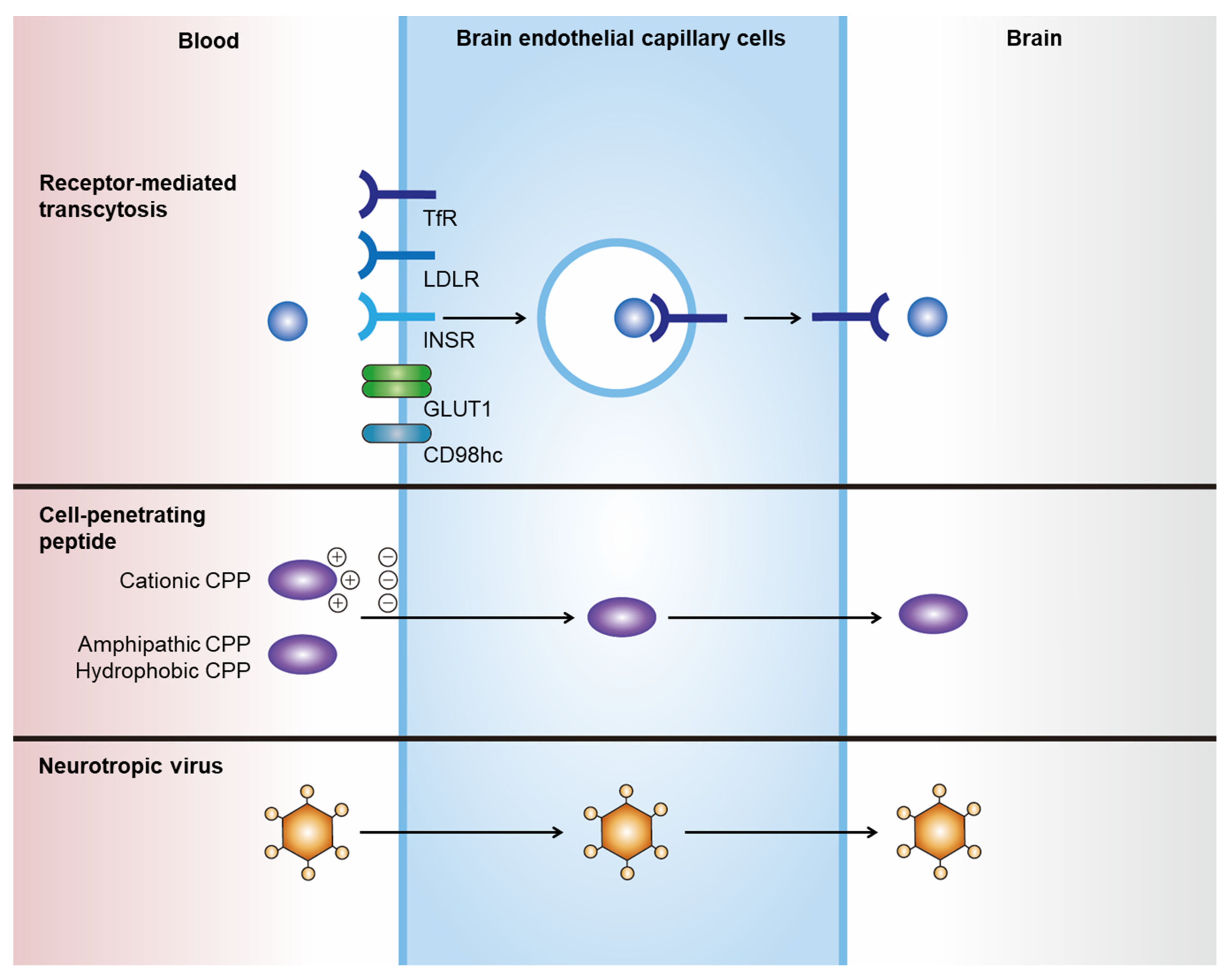
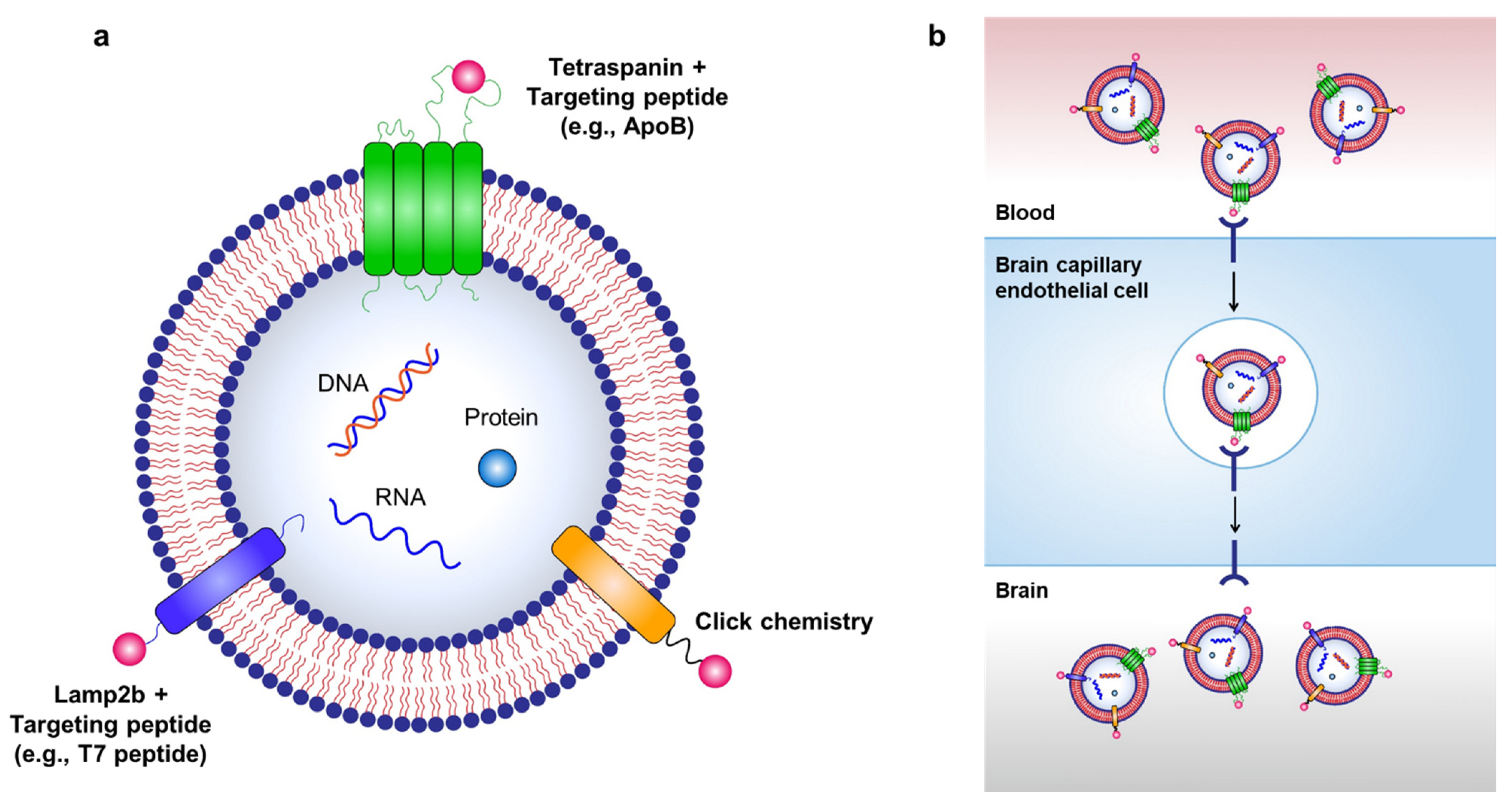
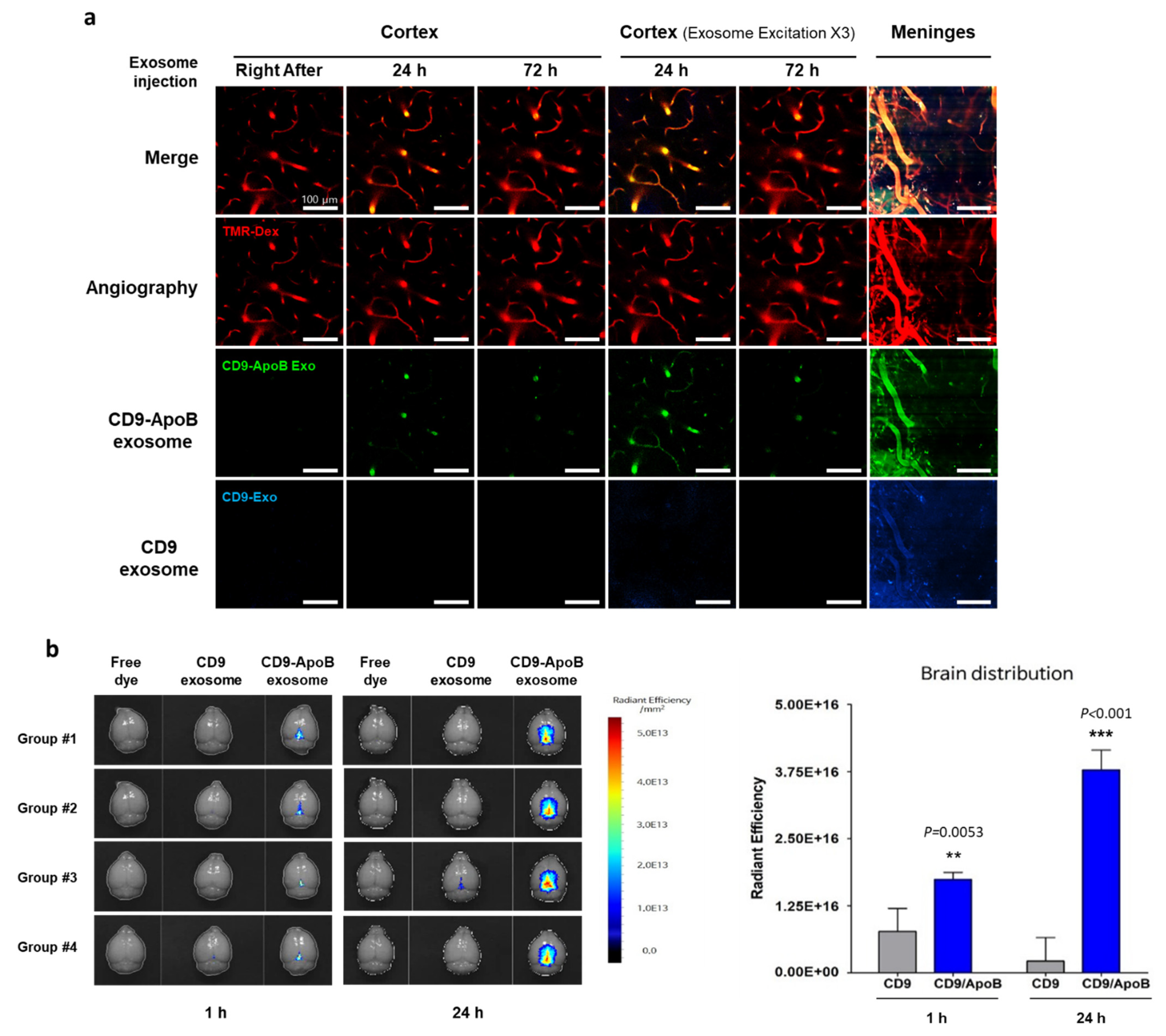
Delivering therapeutics to the central nervous system (CNS) is difficult because of the blood–brain barrier (BBB). Therapeutic delivery across the tight junctions of the BBB can be achieved through various endogenous transportation mechanisms. Receptor-mediated transcytosis (RMT) is one of the most widely investigated and used methods. Drugs can hijack RMT by expressing specific ligands that bind to receptors mediating transcytosis, such as the transferrin receptor (TfR), low-density lipoprotein receptor (LDLR), and insulin receptor (INSR). Cell-penetrating peptides and viral components originating from neurotropic viruses can also be utilized for the efficient BBB crossing of therapeutics. Exosomes, or small extracellular vesicles, have gained attention as natural nanoparticles for treating CNS diseases, owing to their potential for natural BBB crossing and broad surface engineering capability. RMT-mediated transport of exosomes expressing ligands such as LDLR-targeting apolipoprotein B has shown promising results. Although surface-modified exosomes possessing brain targetability have shown enhanced CNS delivery in preclinical studies, the successful development of clinically approved exosome therapeutics for CNS diseases requires the establishment of quantitative and qualitative methods for monitoring exosomal delivery to the brain parenchyma in vivo as well as elucidation of the mechanisms underlying the BBB crossing of surface-modified exosomes.

1. Introduction

The central nervous system (CNS) is one of the most in-demand areas for the development of new therapeutics owing to the increasing occurrence rate of neurodegenerative disorders. However, it remains the most difficult area for drug development because of the blood–brain barrier (BBB), which prevents most of the currently developed drugs from entering the brain parenchyma. The BBB functions as a tight barrier to protect the CNS from potential neurotoxic substances, and regulates the selective transport of specific molecules and nutrients to maintain CNS homeostasis. Water molecules and small ions cross brain capillaries through channels, and small molecules under 500 Da can cross the BBB via passive diffusion [1]. However, macromolecules require specific receptors or transport proteins to facilitate receptor- or adsorptive-mediated transport for entry into the brain parenchyma. The increasing need for new therapeutics for CNS diseases has prompted the investigation of various endogenous transportation mechanisms that can deliver macromolecules across the BBB. The development of novel therapeutics utilizing these transportation pathways has been actively validated in numerous preclinical and clinical studies.
Among the novel therapeutics, exosomes have recently gained attention because of their role as therapeutic vehicles for delivering various active pharmaceutical ingredients to the brain. Exosomes, or small extracellular vesicles (EVs), are a subtype of EVs defined as single-membrane lipid bilayer vesicles generated by vesicle budding into endosomes that mature into multivesicular bodies or by direct vesicle budding from the plasma membrane [2]. Different subtypes of EVs have been identified based on their size and density, which allows separation by methods such as tangential flow filtration, size exclusion chromatography, and differential centrifugation [3]. Nevertheless, careful interpretation is necessary when analyzing different groups of EVs because most EV purification methods cannot determine EVs based on their biogenesis pathways, but rather isolate subtypes of EVs based on their physical properties. Among EVs, exosomes are natural nanoparticles with low immunogenicity that can deliver diverse biological molecules, such as nucleic acids, proteins, lipids, and carbohydrates to target cells [4]. Compared with cell therapy, exosomes possess similar therapeutic efficacy with improved safety profiles in various diseases, such as cancer and ischemia [5,6,7,8,9,10]. To induce targeted delivery to the brain, therapeutic exosomes can be engineered to express various targeting moieties via direct modification methods, such as chemical modification of exosomal surfaces, or indirect modification methods via genetic engineering of exosome-producing cells. The aim of this review is to briefly discuss current engineering strategies for delivering therapeutics across the BBB and highlight recent advances in the targeted delivery of exosomes to the brain.
 
More at link.