For discussion with your doctor.
Cardiologist develops new heart device that uses gel to reduce stroke risk in AFib patients
After years of implanting left atrial appendage occlusion (LAAO) devices in atrial fibrillation (AFib) patients, an interventional cardiologist with the University of Chicago Medical Center (UChicago Medicine) has developed a new device that could be a more affordable alternative to Boston Scientific’s Watchman and Abbott’s Amplatzer Amulet LAA Occluder.
Atman P. Shah, MD, a professor of medicine and co-director of the cardiac cath lab at UChicago, found that the currently available devices for LAAO were still associated with significant limitations. Their round shape is a poor fit for many patients, for example, and they require active fixation. With these issues in mind, Shah developed a minimally-invasive device that seals the LAA using a gel that adapts to the AFib patient’s anatomy and then hardens. A catheter delivers the gel, and an umbrella-like piece at the end of that catheter protects the heart during treatment.
Shah believes this device will reduce the risk of stroke in these patients while also limiting the likelihood of adverse complications while it is being implanted by an interventional cardiologist.
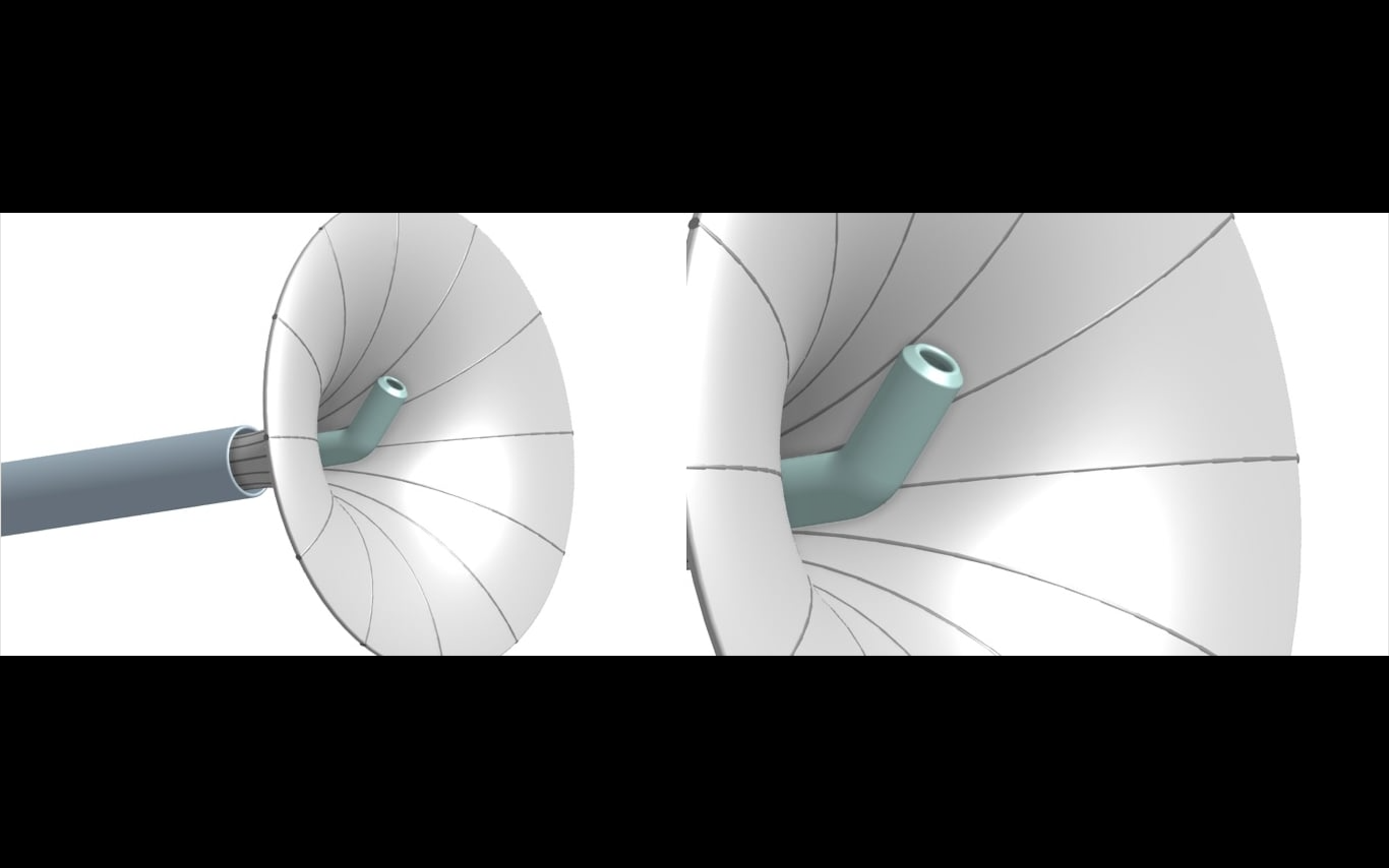
Image courtesy of UChicago.
“There's lower risk of trauma to the left atrial appendage, and there's lower risk of clots or leaks because you can get a more effective seal,” Shah said in a UChicago Medicine statement.
He also estimates that the new-look device could cost approximately one-third of what hospitals currently pay to implant a Watchman or Amplatzer Amulet.
Shah founded a new company, Parasol, as he works to help guide the prototype to production. The company’s name is a subtle wink to the shape of the device as it is being used. Throughout this process, he has collaborated with UChicago’s Polsky Center for Entrepreneurship and Innovation to secure his patent and start communicating with manufacturers.
“I'm very grateful to the university and its ecosystem at the Polsky Center, which has been instrumental in developing it and providing that culture of inquisitiveness to make the world a better place,” he said in the same statement.
Click here for additional context on the device from UChicago.


No comments:
Post a Comment