Changing stroke rehab and research worldwide now.Time is Brain! trillions and trillions of neurons that DIE each day because there are NO effective hyperacute therapies besides tPA(only 12% effective). I have 523 posts on hyperacute therapy, enough for researchers to spend decades proving them out. These are my personal ideas and blog on stroke rehabilitation and stroke research. Do not attempt any of these without checking with your medical provider. Unless you join me in agitating, when you need these therapies they won't be there.

What this blog is for:

My blog is not to help survivors recover, it is to have the 10 million yearly stroke survivors light fires underneath their doctors, stroke hospitals and stroke researchers to get stroke solved. 100% recovery. The stroke medical world is completely failing at that goal, they don't even have it as a goal. Shortly after getting out of the hospital and getting NO information on the process or protocols of stroke rehabilitation and recovery I started searching on the internet and found that no other survivor received useful information. This is an attempt to cover all stroke rehabilitation information that should be readily available to survivors so they can talk with informed knowledge to their medical staff. It lays out what needs to be done to get stroke survivors closer to 100% recovery. It's quite disgusting that this information is not available from every stroke association and doctors group.

Showing posts with label walking assist. Show all posts

Monday, June 10, 2024

AI trousers help stroke victims to walk again

 But is it better than these others? If your doctor hasn't already analyzed these others, you don't have a functioning stroke doctor.

AI trousers help stroke victims to walk again

wo stroke survivors have become the first people in the country to wear trousers powered by artificial intelligence (AI) to help them walk again.

Morrello Clinic, a private physiotherapy recovery centre in Newport, Wales, has become the first place in the UK to employ NeuroSkin AI suit, built by Kurage, a company based in Lyon, France.

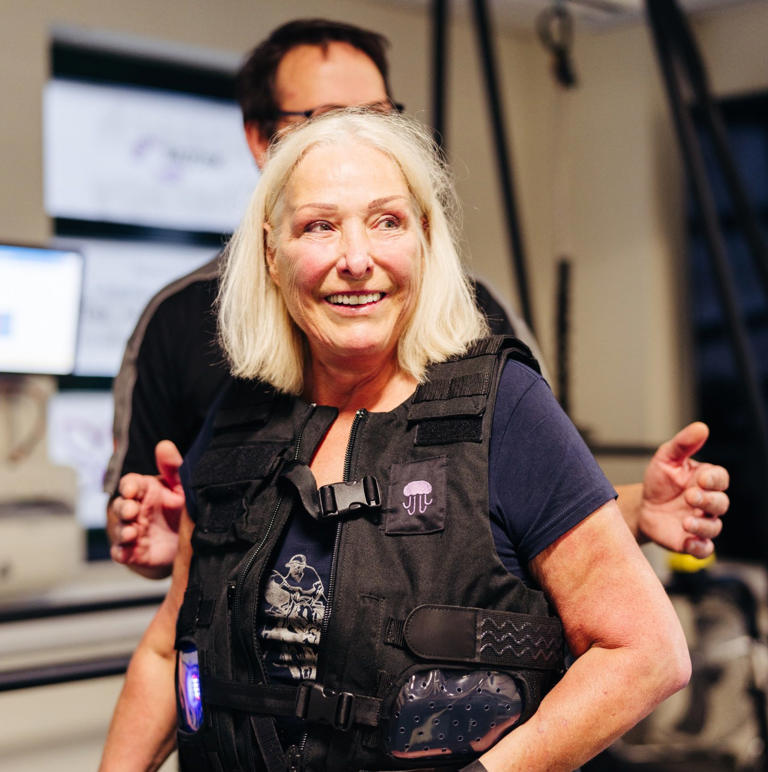
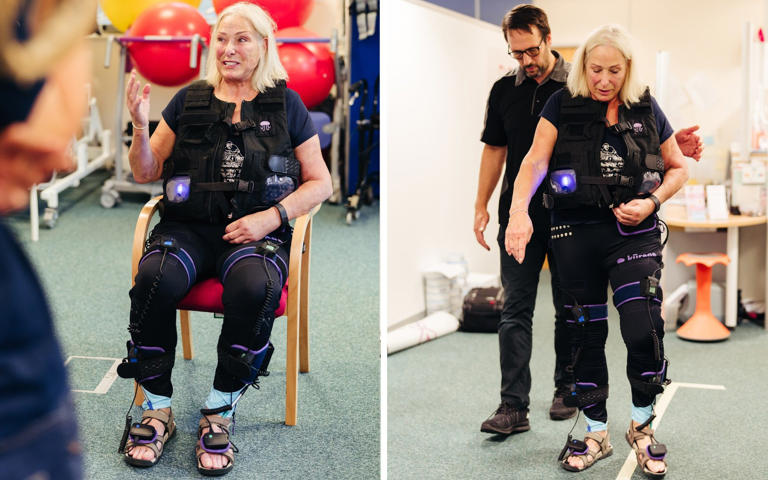
Julie Lloyd, 65, from Penarth, trialed the device - Edison Project © Provided by The Telegraph


The man and woman tested the suit ahead of a five-person trial which will launch at the Morrello Clinic later this year.

Both patients were already able to walk with the aid of a stick but the specialist suit, which the clinic leases for £5,000 a month, is designed to help people regain strength and motor function to speed up recovery.

An artificial intelligence computer in the suit orchestrates a series of small electrical zaps to the legs which stimulate atrophied muscles to boost activity and increase strength and coordination.

“There is one main computer which you wear in a vest top and the device comes with eight sizes of women’s trousers and eight sizes of men’s trousers, and a variety of sizes of slippers,” Jakko Brouwers, clinical director at the Morrello, told The Telegraph.

Ms Lloyd was able to climb stairs for the first time since her brain injury - Edison Project © Provided by The Telegraph


He said there was an “immediate change” to the walking ability of the stroke survivors when the suit was activated.

The woman who trialled the device, Julie Lloyd, 65, from Penarth, was able to climb stairs for the first time since her brain injury while wearing the suit. The man who tested the device, an ex-firefighter, also saw locomotion improvements, Mr Brouwers said.

“We want to use the suit more in October with a trial because a single test is not enough data to quantify the benefit,” he added. “We are looking to recruit five people before the end of the year to go through 12 sessions over four weeks, with each session lasting at least 45 minutes.”

Some of the sessions will be with a suit, he said, while others will be unaided to compare any improvements.


Wednesday, January 17, 2024

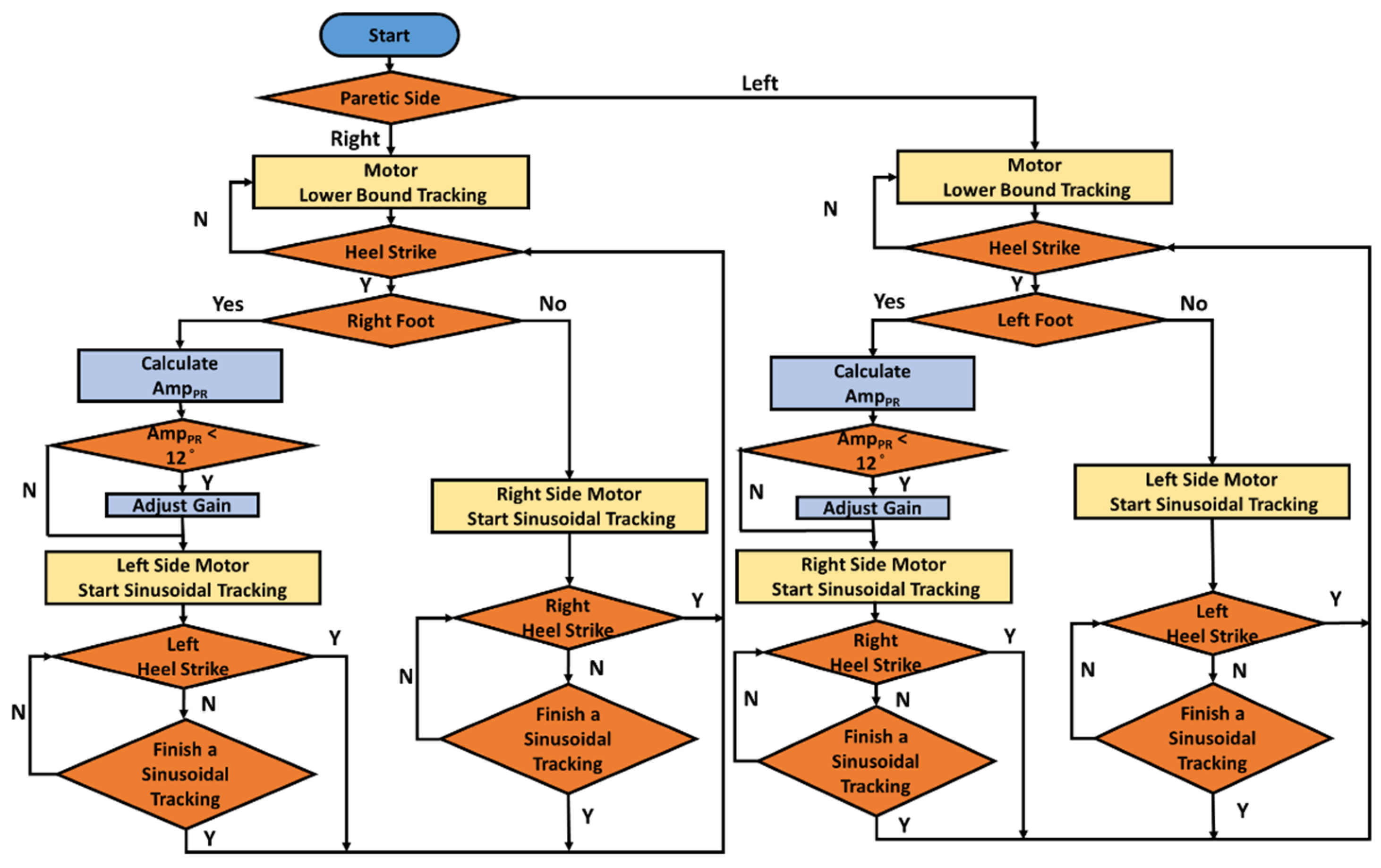
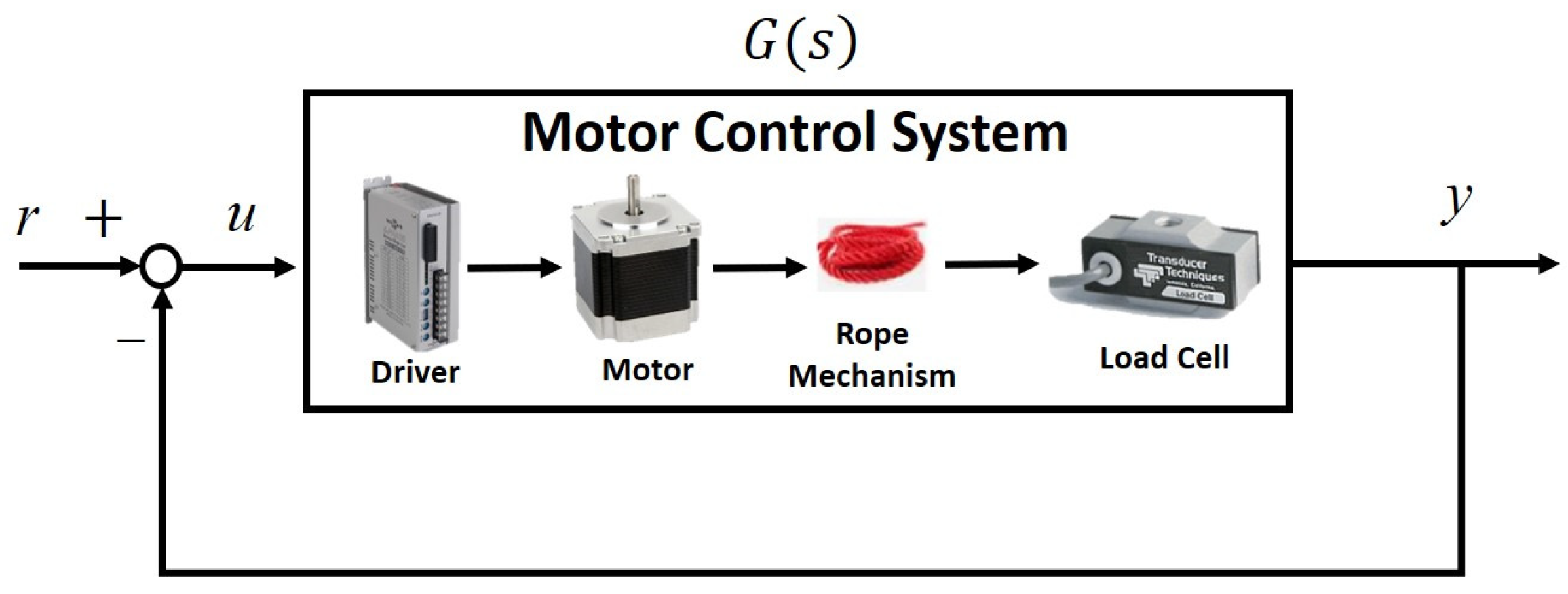
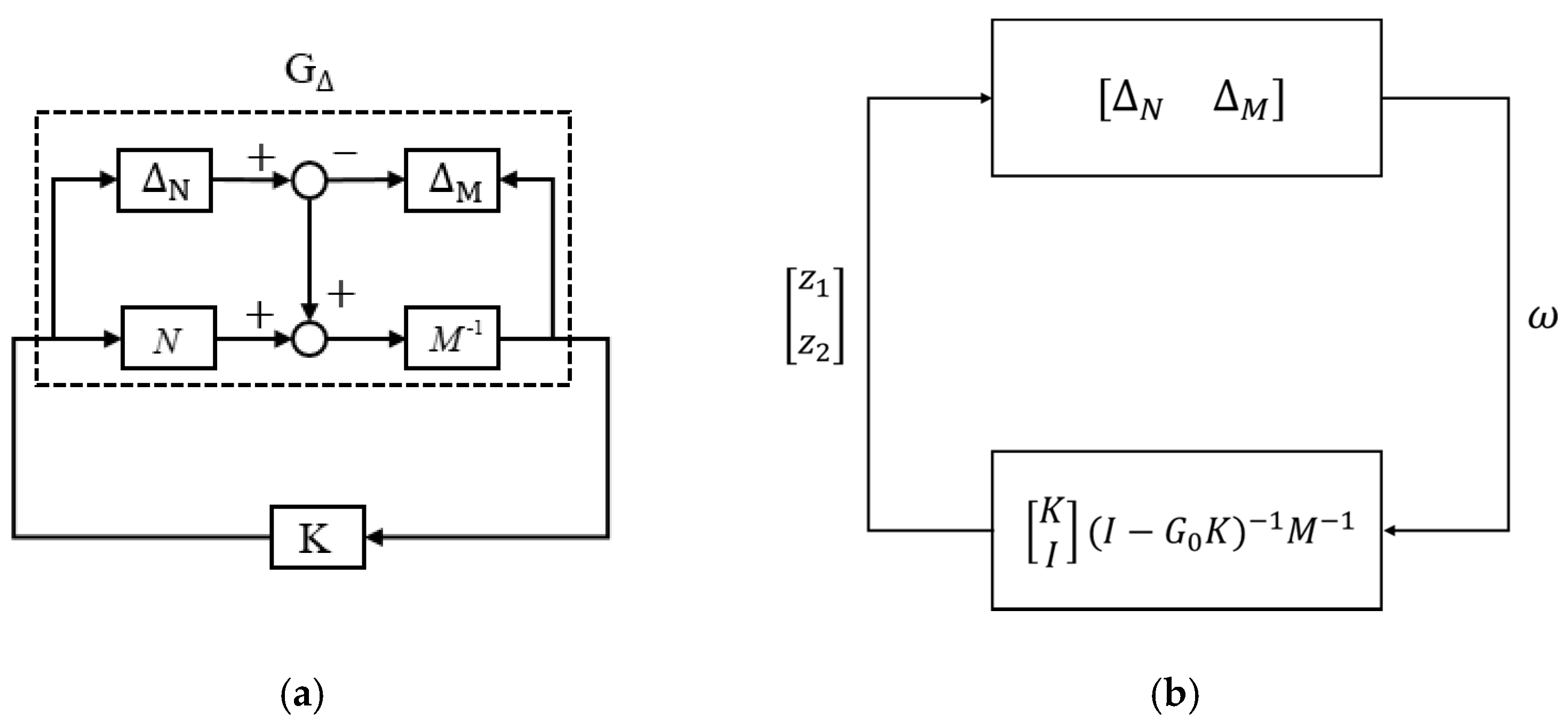
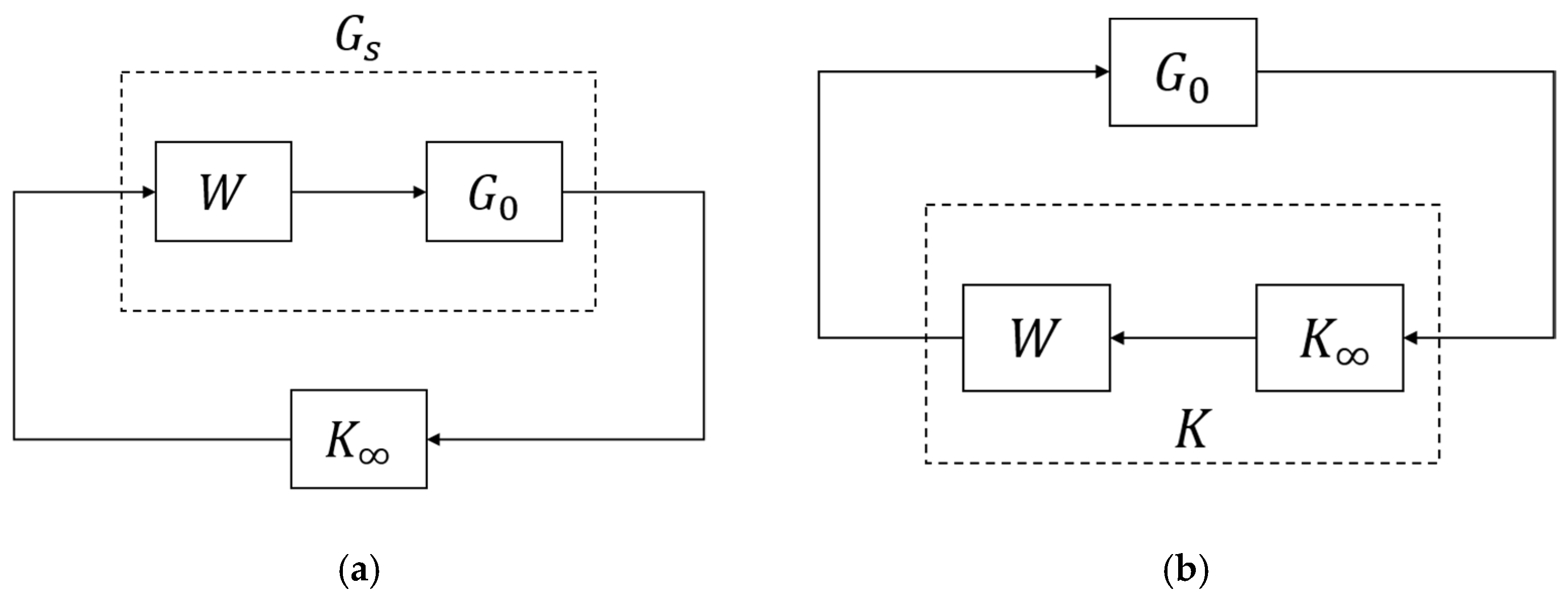
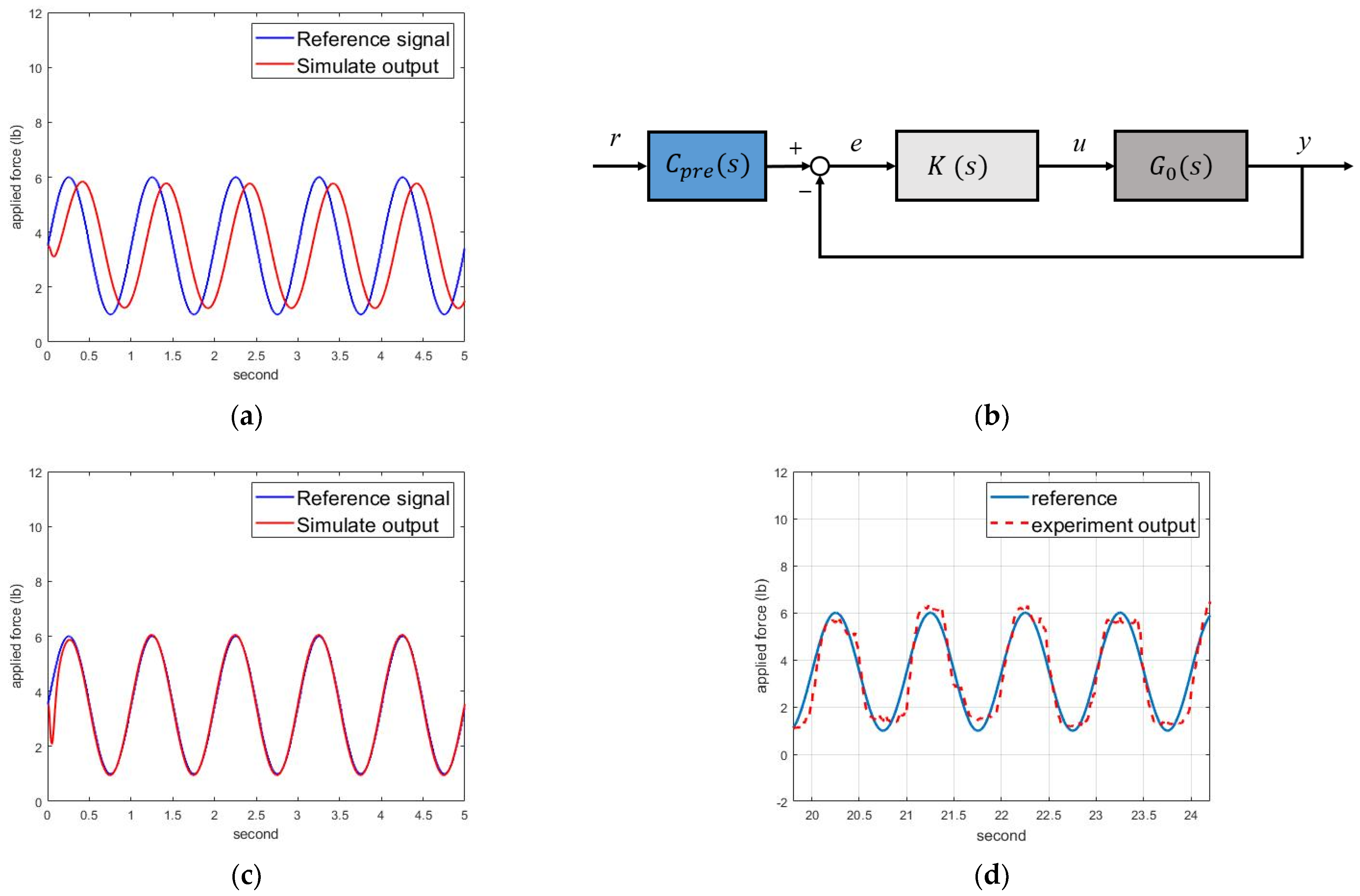
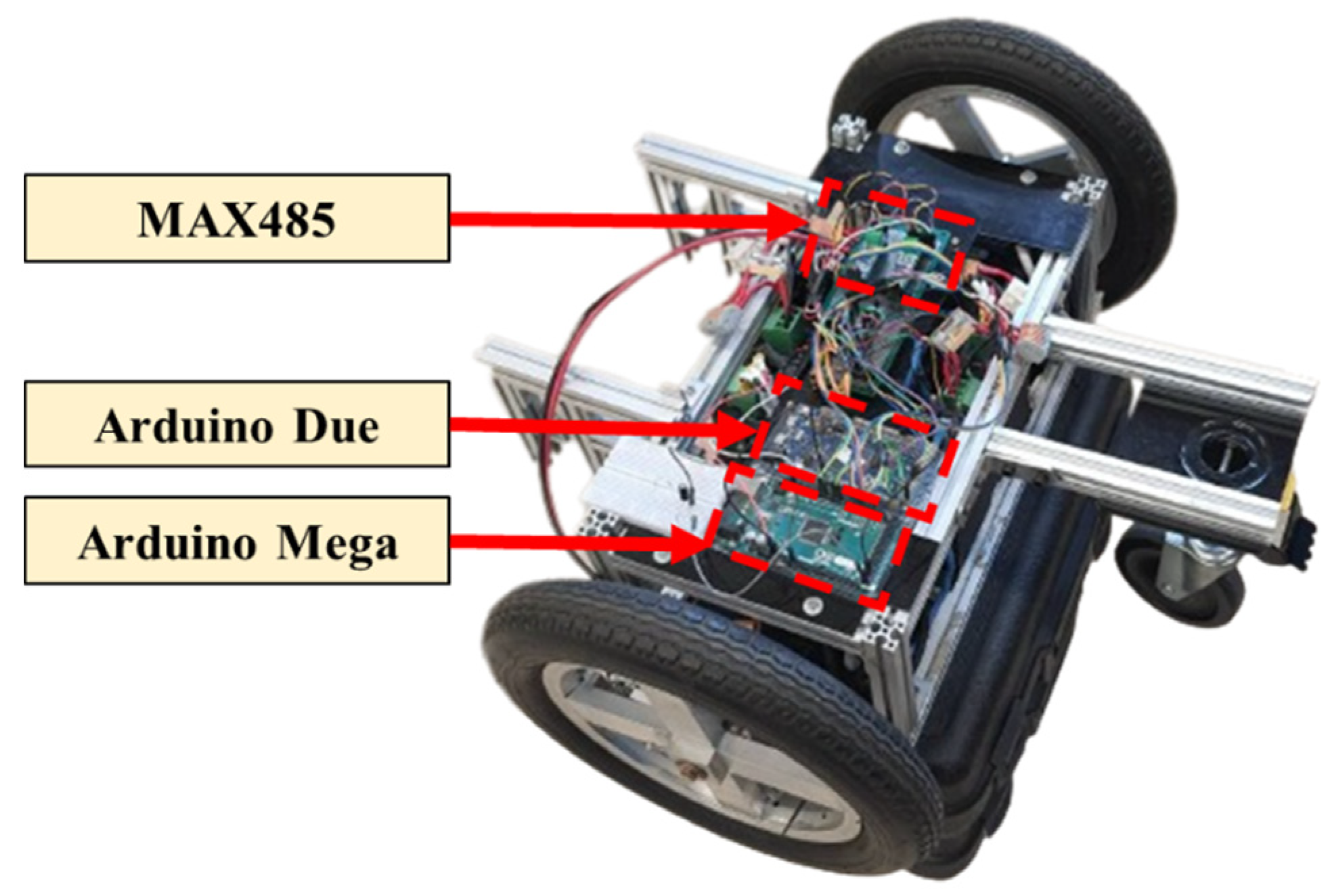
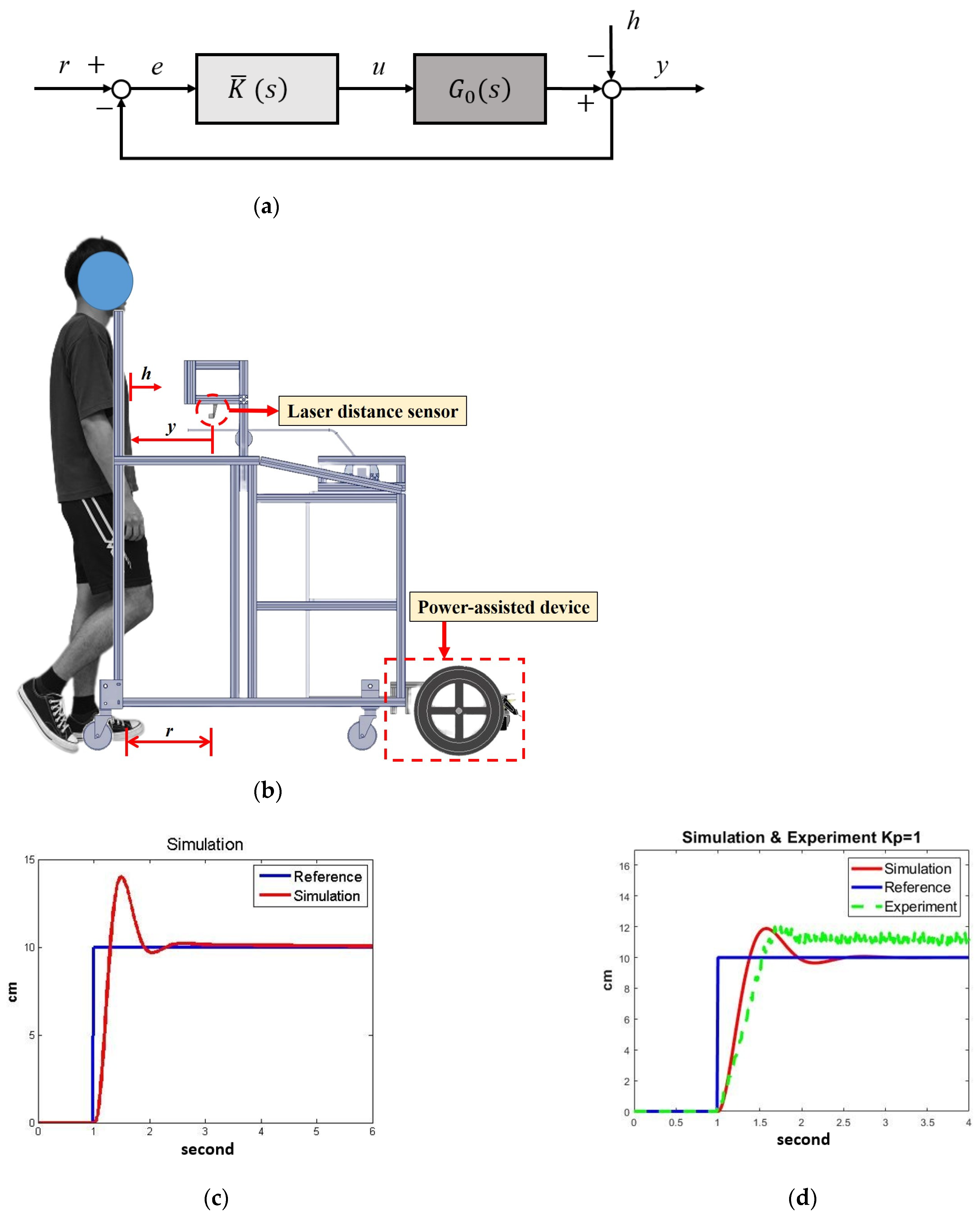
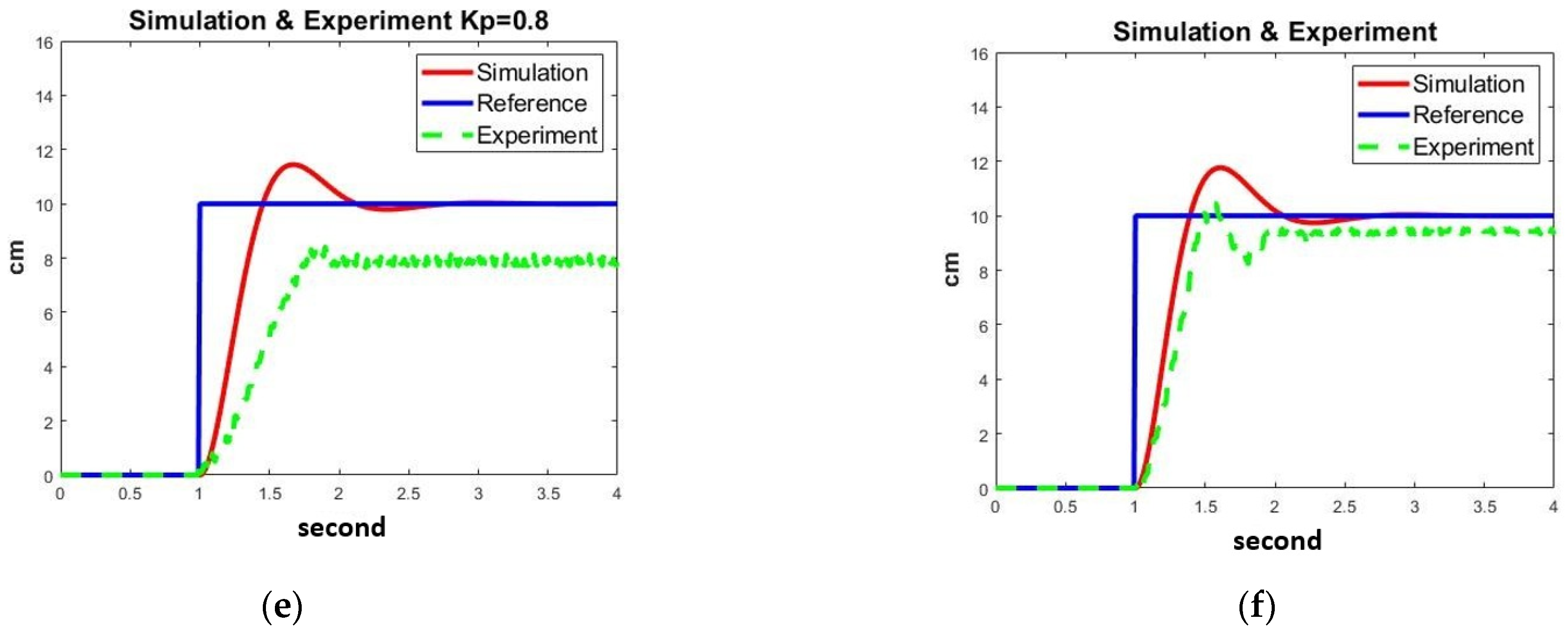
Control Design for a Power-Assisted Mobile Trainer: Applied to Clinical Stroke Rehabilitation

Two comments on this.

  1. Your doctor has had years to evaluate other walking assist devices. Which was best?

  2. Who still uses NDT(Bobath) in stroke rehab when it should have been shitcanned since 2003? Physiotherapy Based on the Bobath Concept for Adults with Post-Stroke Hemiplegia: A Review of Effectiveness Studies 2003

Control Design for a Power-Assisted Mobile Trainer: Applied to Clinical Stroke Rehabilitation

2 and 2
1
Department of Mechanical Engineering, National Taiwan University, Taipei 106, Taiwan
2
Department of Physical Medicine and Rehabilitation, Cheng Hsin General Hospital, Taipei 112, Taiwan
3
Department of Physiology and Biophysics, National Defense Medical Center, Taipei 114, Taiwan
*
Author to whom correspondence should be addressed.
Machines 2024, 12(1), 61; https://doi.org/10.3390/machines12010061
Submission received: 18 December 2023 / Revised: 10 January 2024 / Accepted: 11 January 2024 / Published: 15 January 2024
(This article belongs to the Special Issue Design and Control of Electrical Machines II)

Abstract

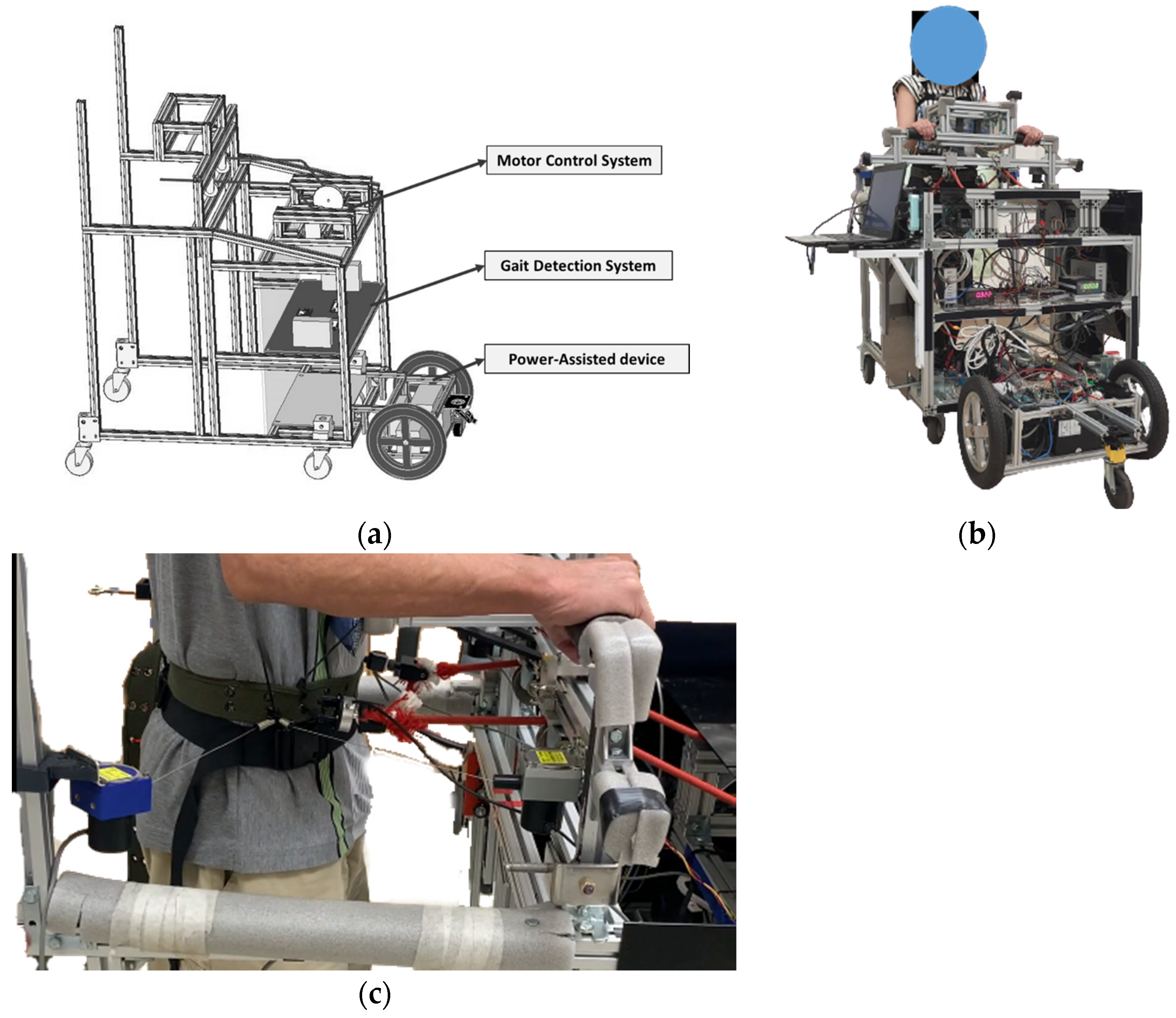
This paper presents control design and implementation for a power-assisted mobile trainer that employs neuro-developmental treatment (NDT) principles. NDT is a gait rehabilitation technique for stroke patients that provides minimum intervention at critical gait events. Traditional NDT rehabilitation is an effective(NO IT'S NOT! DON'T YOU READ RESEARCH?) post-stroke treatment but is also time consuming and labor intensive for therapists. Therefore, we designed a mobile NDT trainer to automatically repeat therapists’ intervention patterns, allowing patients to receive sufficient training without increasing therapists’ workloads. Because the trainer was self-propelled, it could cause burdens to stroke patients with limited muscle strength, thereby potentially degrading the rehabilitation effects. Hence, this paper proposes a power-assisted device that can let the mobile trainer follow the user, allowing the subject to focus on the rehabilitation training. We conducted system identification and control design for the power-assisted NDT trainer. We then implemented the designed controllers and tested the trainer. Finally, we invited 10 healthy subjects and 12 stroke patients to conduct clinical experiments. After using the power-assisted NDT trainer, most participants exhibited improvements in swing-phase symmetry, pelvic rotation, and walking speed. Based on the results, the power-assisted device was deemed effective in facilitating stroke rehabilitation.

1. Introduction

Stroke is the second leading cause of death globally [1]. Even those who survive a stroke can still experience various after-effects, such as balance issues, difficulties in walking, cognitive impairments, visual problems, language difficulties, and fatigue [2]. Because approximately half of post-stroke patients cannot walk [3], regaining independent walking is the primary goal for post-stroke rehabilitation as one’s walking ability can significantly affect their daily activities and life.
Many rehabilitation devices have been proposed to assist stroke patients in recovering their walking abilities. For example, Banala et al. [4] developed lower-limb exoskeletons to improve patients’ gait patterns and walking speeds for rehabilitation on treadmills. Pietrusinski et al. [5] developed a robotic gait rehabilitation trainer that provided practical guidance on pelvic tilt angles for stroke patients to improve their walking ability. Werner et al. [6] designed an electromechanical gait trainer to provide non-ambulatory subjects with repetitive practice of gait-like movements.
Another therapeutic approach for treating post-stroke sequelae is neuro-developmental treatment (NDT) [7,8,9], which is a way to let patients have the feeling of walking with minimal intervention. The essence of NDT is to rectify sensory perception and re-educate the processes of posture and motor functions for daily activities. Patients can intentionally impel their center of gravity (COG) forward to balance themselves during NDT training [10]. In contrast with other gait-training methods that depend on mechanical aids, NDT applies facilitated interventions to cultivate the effects of motor learning. With minimum intervention, NDT applies stimulating interventions at critical times to correct patients’ inaccurate movements, thereby enhancing their compensatory movements and daily activities. Utilizing training techniques based on the NDT theory allows patients to learn correct movement patterns through motor learning because of the human brain’s learning capability and high plasticity [11,12,13].
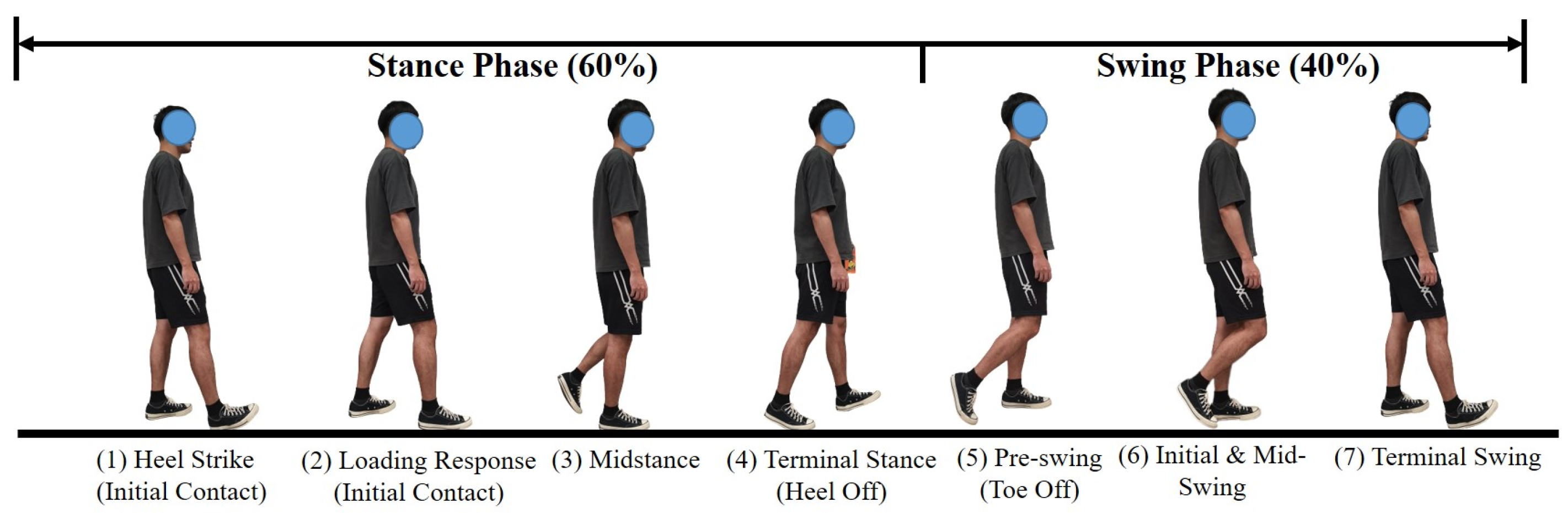
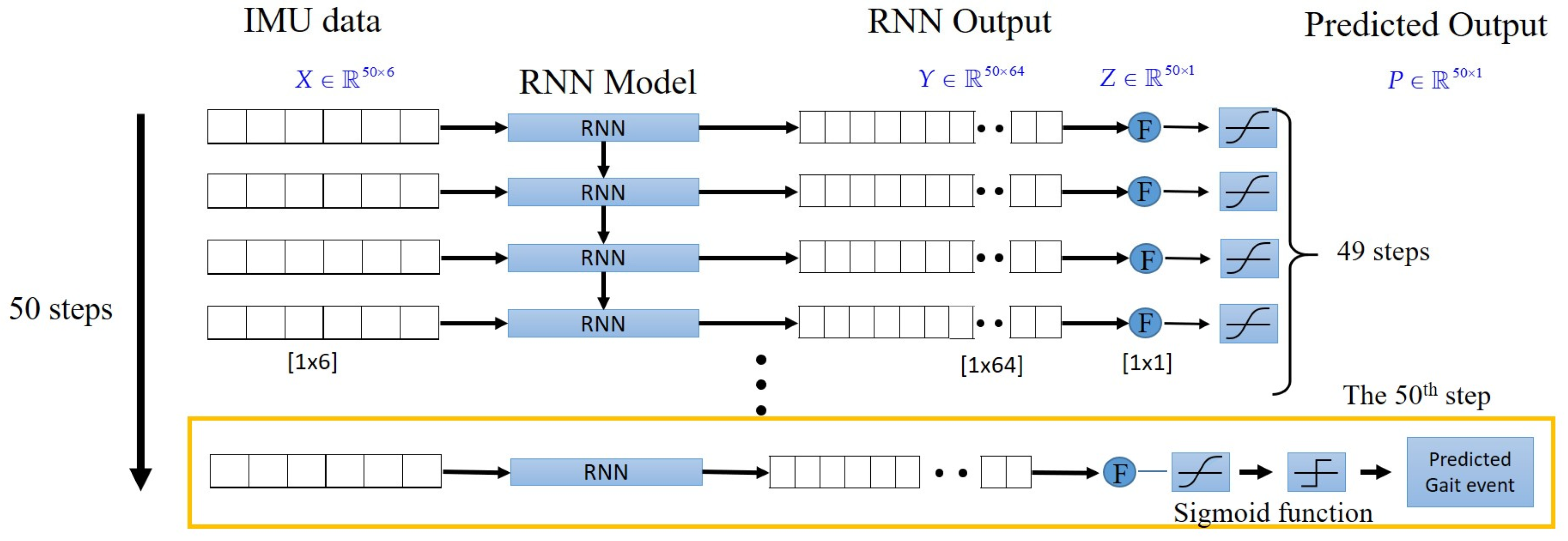
NDT training has shown positive effects on stroke patients, but it places heavy demands on participating therapists, and human factors influence the quality of training. For these reasons, Wang et al. [14] developed an automatic mobile NDT trainer that repeats therapeutic interventions that the therapist must typically perform every time. Their analysis of patients’ movements and therapists’ actions revealed that the therapists conducted NDT intervention primarily at the heel strike (HS) events. Hence, they applied a motion-capture system to detect the HS. Wang et al. [15] later proposed a movable NDT trainer that allowed the users to receive visual feedback during training. They attached inertial measurement units (IMUs) to the user’s legs and measured the kinematic data to identify three essential gait events: the mid-swing (MS), HS, and toe off (TO). Wang et al. [16] developed a Long Short-Term Memory (LSTM) model, which is an advanced recurrent neural network to process and predict time-series data to detect HS events effectively. They applied experimental gait data to develop a gait-detection model, which sent a triggering signal to motors to repeat NDT interventions upon detecting an HS. The experimental results showed that subjects improved their gait performance after the NDT training. In this paper, we applied the LSTM model to detect HS events based on IMU data and designed robust control to repeat NDT interventions by a motor system.
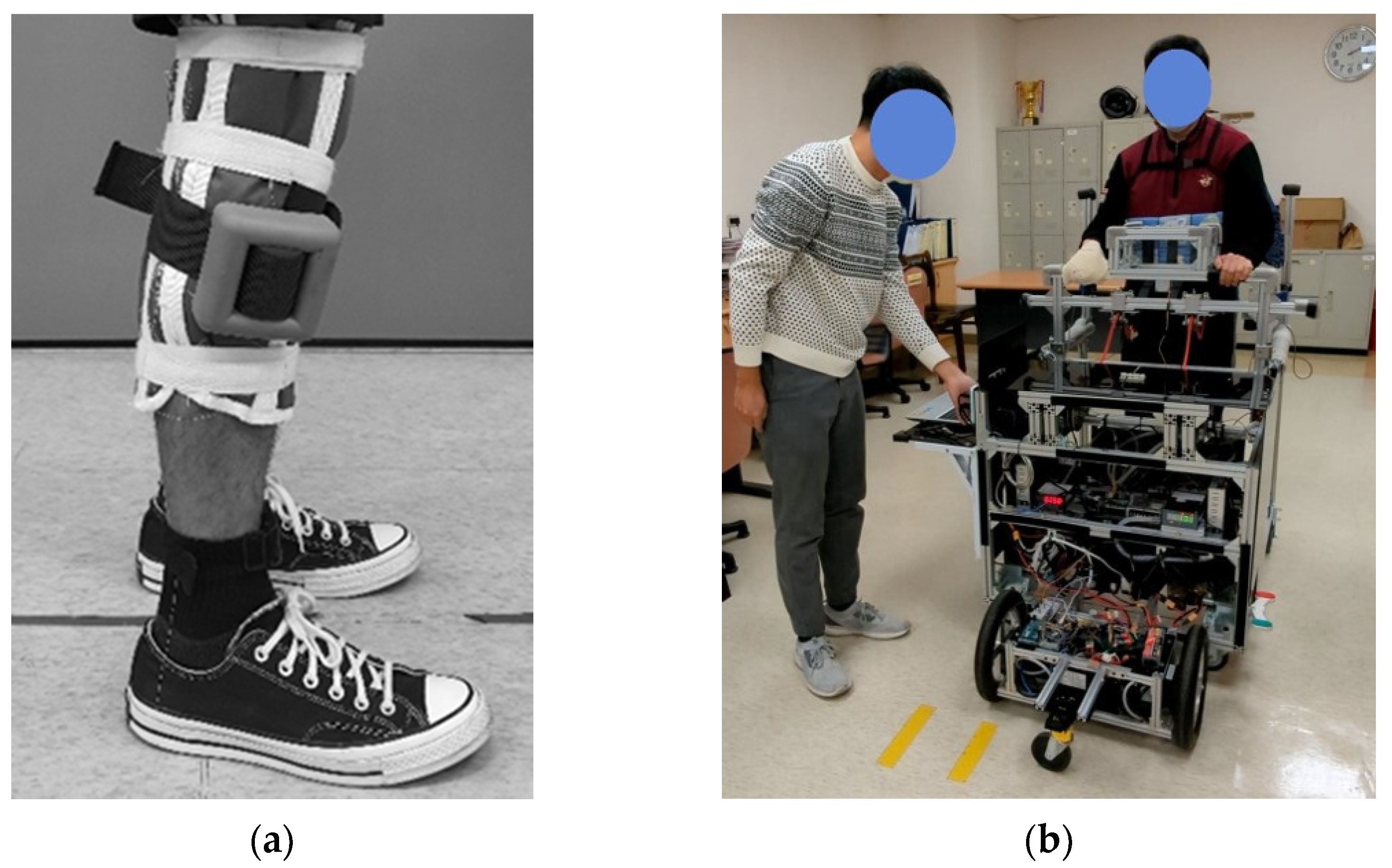
During clinical experiments, however, we found that operating the self-propelled mobile trainer could be burdensome for stroke patients, who usually exhibit a significant reduction in muscle strength in their legs, especially on the paretic side [17]. Therefore, this paper proposed a power-assisted device to let the trainer follow the user, thereby allowing stroke patients to focus on gait training without having to manually propel the trainer. We conducted system identification and control design for the power-assisted NDT trainer. We then implemented the designed controller and recruited ten healthy subjects who wore a joint restrictor to mimic stroke gaits to test the power-assisted trainer. We then invited 12 stroke patients to participate in clinical experiments. We evaluated the rehabilitation effects by the swing-phase symmetry, pelvic rotation, and walking speeds during and after receiving the NDT training with the power-assisted device.
Gait symmetry is an essential index for the gait rehabilitation of post-stroke patients and requires shifting the COG at the right moments to initiate stepping [14]. The rotation of the pelvis reduces the center of mass movement and thereby conserves energy [18]. Increasing walking speed can improve the quality of daily life of stroke patients [19]. Darcy et al. [20] suggested that improving stroke patients’ walking speed could reduce energy consumption. Reciprocal and repeated training can help patients improve their gaits by motor learning and accumulating experience from comparisons with the sound side. This study showed that the subjects’ gait performance and walking speeds improved after receiving NDT rehabilitation by using the proposed trainer.
 
More at link.

Tuesday, September 26, 2023

World’s first self-stabilising walking exoskeleton enters stroke rehab trial

Doesn't your competent hospital already have the best of these walking assistants? 

Ask your doctor how this compares to all the other walking assist devices out there.


World’s first self-stabilising walking exoskeleton enters stroke rehab trial

Atalante X is designed to support people with mobility issues


World’s first self-stabilising walking exoskeleton enters stroke rehab trial

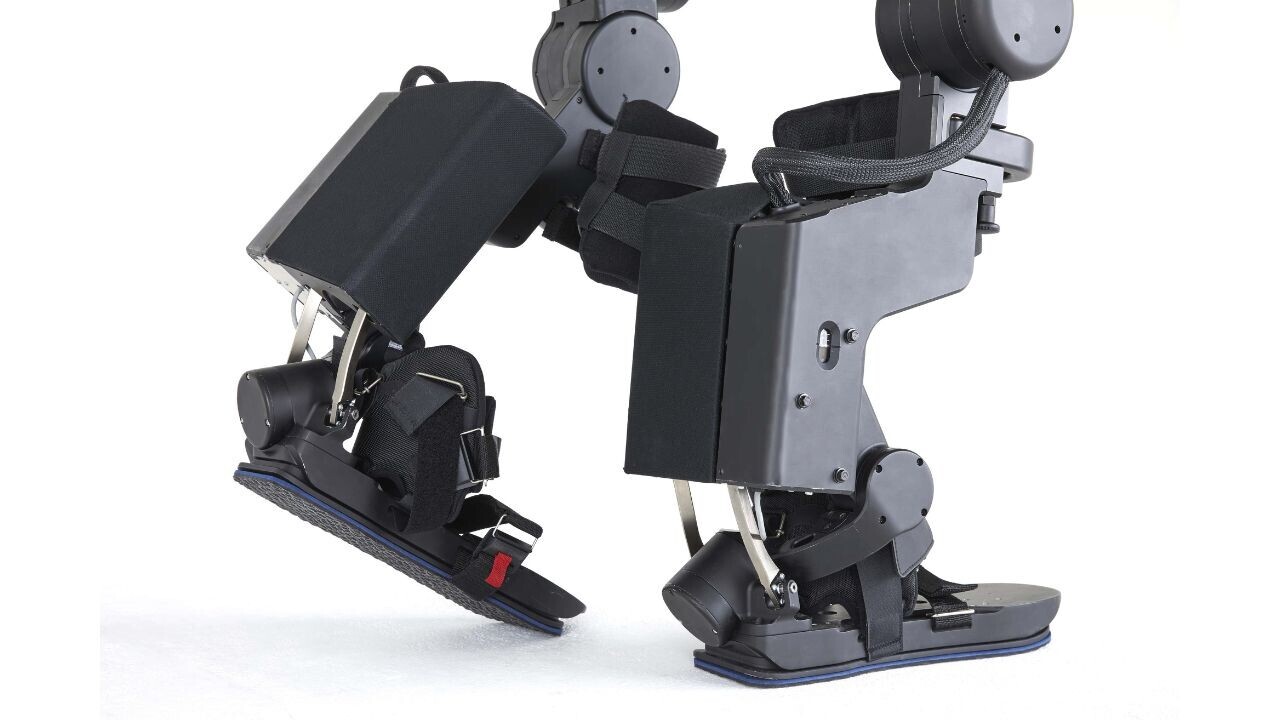
The world’s first self-stabilising walking exoskeleton, Atlante X,  has entered a rehabilitation trial in Germany.

The exoskeleton will be provided to patients with hemiparesis, an after-effect of stroke that causes muscle weakness on one side of the body. Atalante X’s efficacy will be compared with standard rehabilitation methods.

The trial, named EarlyExo, will take place at two renowned neurorehabilitation clinics: the Vivantes Klinikum Spandau in Berlin and Schön Klinik Bad Aibling Harthausen near Munich. Both clinics will this month begin recruiting a total of 66 patients.

“Recovery from a stroke and other acute neurological conditions is complex and can take patients, treating therapists, physicians, and carers significant time, effort, and resources,” Professor Jörg Wissel, a neurologist at Vivantes Klinikum Spandau, said in a statement.

The <3 of EU tech

The latest rumblings from the EU tech scene, a story from our wise ol' founder Boris, and some questionable AI art. It's free, every week, in your inbox. Sign up now!

“We look forward to evaluating the potential impact that Atalante X can add in helping patients recover walking ability, trunk stability, balance, weight transfer, and limb function.”

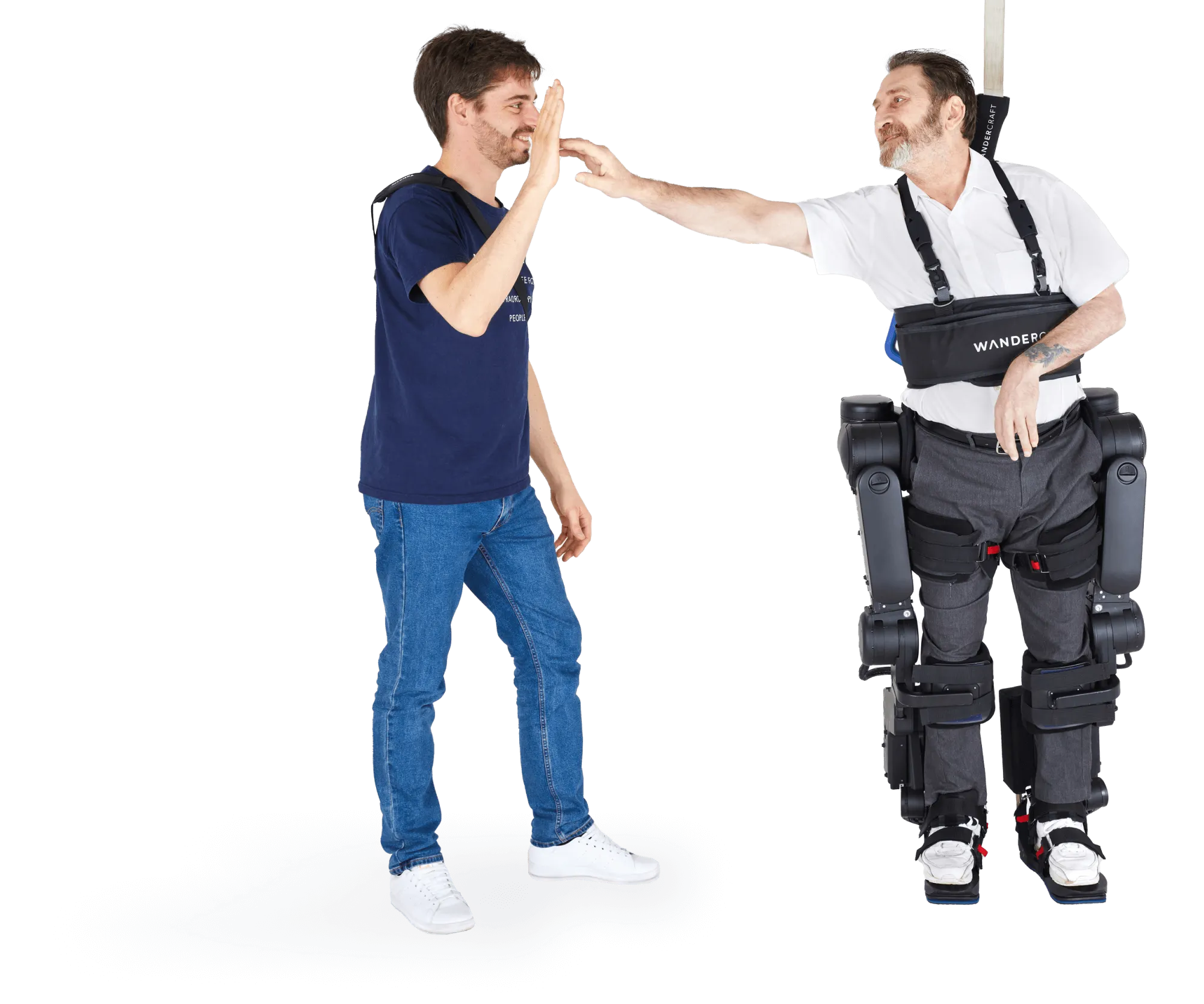
A patient in the Atalante X exoskeleton high-fiving a physical therapist
Atalante X enables multitasking via various exercises from an upright position. Credit: Wandercraft

Atalante X was developed by Wandercraft, a healthtech firm based in Paris. Founded in 2012, the company wants to build a better solution for people deprived of walking than a wheelchair. Its opening proposal, Atalante, was launched in 2019. Wandercraft believes it was the first bipedal walking robot to become a full commercial product.

Atalante X is the second iteration of the tool. Using a proprietary self-balancing feature, the exoskeleton provides hands-free and multi-directional locomotion. Therapists can use the device to personalise task-orientated treatments for each patient’s needs.

Regulators have shown growing faith in the system. In January, the US Food and Drug Administration (FDA) cleared Atalante for use in stroke rehabilitation. Investors have also provided strong support, ploughing a total of around $67mn (€63mn) into Wandercraft.

The trial in Germany provides another opportunity to develop the product.

“This launch in one of Europe’s largest markets reinforces the position of Wandercraft as a global leader in the field of self-stabilizing, assisted locomotion,” said Matthieu Masselin, CEO of Wandercraft.

“It helps provide us with the opportunity to extend the reach of our assistive technology to greater patient populations for treatment and rehabilitation.”

The German launch expands Wandercraft’s strong commercial presence in Europe, which also includes footholds in France and Spain.  The company is now targeting the biggest market of them all: the USA.

Wednesday, May 31, 2023

New Ankle Exosuit Helps Post-Stroke Patients Walk Independently

Can't find a picture of this. Ask you doctor how this compares to all the other walking helpers out there.

Here is the picture from another article.

Designed for independent use in community settings, the new exosuit could help stroke survivors improve their gait outside of the lab and during their daily routines
Designed for independent use in community settings, the new exosuit could help stroke survivors improve their gait outside of the lab and during their daily routines - Biodesign Lab / Harvard SEAS

New Ankle Exosuit Helps Post-Stroke Patients Walk Independently

Harvard John A. Paulson School of Engineering and Applied Sciences

Every 40 seconds, someone in the United States has a stroke. According to the U.S. Centers for Disease Control and Prevention, that totals about 795,000 strokes each year. More than 80 percent of stroke survivors experience gait challenges, often relating to a loss of control over ankle movement. As survivors progress into the chronic stage of stroke, most continue to walk slower and less efficiently.

An agile, untethered, and easy-to-use ankle exosuit could change that. Designed for independent use in community settings, the new exosuit could help stroke survivors improve their gait outside of the lab and during their daily routines. A proof-of-concept study suggests the community-use ankle exosuit could help stroke survivors improve their walking propulsion and boost their overall walking confidence and ability while ambulating around their own homes, workplaces, and neighborhoods. The work, led by Conor Walsh’s team at the Harvard John A. Paulson School of Engineering and Applied Sciences (SEAS), is published online in Annals of the New York Academy of Sciences.

Recent studies have proven that post-stroke study participants can improve their walking speed, distance, propulsion, and gait symmetry with the help of an assistive robotic exosuit, but those studies have all occurred in labs or clinical settings.

“We saw an opportunity to leverage wearable technology to rethink how we approach physical therapy and rehabilitation” says Walsh, senior author on the paper and the Paul A. Maeder Professor of Engineering and Applied Sciences at SEAS. “If we can shift some of these clinical services from the clinic to the home and community, we can improve access, reduce costs and deliver better care. It is exciting to see the fields of engineering and physical therapy come together to make this happen.”

For over a decade, Walsh’s Biodesign Lab at Harvard has been developing assistive and rehabilitative exosuit technologies for various applications. Some of that technology has already been licensed and commercialized by ReWalk Robotics and been given breakthrough status by the U.S. Food and Drug Administration. To design an ankle exosuit meant for use in the community, Walsh’s team need to simplify the exosuit’s mechanical components and make it easy for wearers to control.

“In the past, our ankle exosuits had two active actuators – one that helped with dorsiflexion to keep the wearer’s toes up, and another to help with plantarflexion, propelling the foot and body away from the ground,” says Richard Nuckols, a former postdoctoral fellow in Walsh’s lab at SEAS, and co-first author of the paper.

Instead of an active dorsiflexion actuator, the new exosuit contains a passive material that flexes and performs like a spring, helping the toes stay up during the foot’s swing phase and preventing the wearer from catching their toes on the ground. “By replacing an active actuator with a passive actuator, the exosuit is inherently safer; in the case of an unexpected power loss or controller failure, the default state will keep the users toes up and reduce risk of a trip and fall,” Nuckols says.

“We also developed a mobile app to enable wearers to easily interact with the device and remotely check in with our team,” says Chih-Kang Chang, a Ph.D. candidate in Walsh’s lab and a co-first author on the paper. “The app allows wearers to turn the device on themselves and tell the exosuit when they want to start walking.”

In addition, the team incorporated sensors to allow for remote monitoring of the wearer’s progress over time. “We are collecting data while people are walking in the exosuit, and measuring how they improve their gait over time,” Chang says. “Going forward, this information could be a really powerful aspect of using this exosuit for long-term rehabilitation in partnership with a physical therapist.”

“These sensors – located on the foot, shank, and pelvis – are converted using a machine-learning algorithm into estimates of propulsion, helping us understand how well people are generating proper ankle mechanics and how effectively they are walking,” Nuckols says.

“Collecting the amount of data needed to train a typical machine learning model from individual wearers is extremely challenging, given the limited ability to walk for extended periods of time post-stroke,” says Daekyum Kim, a postdoctoral fellow in Walsh’s lab, and co-first author of the paper. “The key advantage of our approach is that it leverages walking data gathered from multiple individuals to better tune a machine learning model to each user.”

To test the community ankle exosuit, Walsh’s team partnered with the labs of Lou Awad and Terry Ellis from Boston University’s Sargent College of Health & Rehabilitation Sciences. They recruited four participants to use the device in their own community settings for four weeks, walking independently three to five times each week. All participants safely completed the study and reported no safety issues. Due to individual variability in response (participants with lower baseline walking propulsion saw more benefit from wearing the exosuit), therapeutic benefit was not observed across the whole group. But two of the participants improved their propulsion by an average of 27 percent. They also walked an average of 4,000 steps further in the week after the study than they had walked in the week before the start of the study.

“I was 33 when I had my stroke. As a result of the stroke, I have diminished sensitivity on my entire left side,” says Bryant Butler, 51, one of the study’s participants. “Walking is a challenge. I can’t feel my toes very well when I am walking, and I have difficulty bending my leg. I frequently scuff the toe of my shoe, and sometimes I trip.”

During the study, Butler used the exosuit on Boston’s Commonwealth Avenue Mall, walking 20 to 30 minutes at a time several days a week.

“The experience of walking with the exosuit was liberating, because I no longer had to expend so much mental energy when going from one place to another,” he says. “The exosuit gradually corrected my gait with every step. I learned how my leg muscles, knee, and toes should feel when I walk without it. [Even] when I wasn’t using [the exosuit], my walking improved, because the device taught me how to better compensate for the shortcomings of my left leg post-stroke.”

Butler adds: “The device became an extra piece of clothing – [except for the] wires and a battery pack – that I wore for a specific purpose. Most of the time, I forgot it was there. The exosuit nudged me into being a better walker. It inspired me to walk more, and to enjoy it.”

Additional authors on the paper include Asa Eckert-Erdheim, Dorothy Orzel, Lauren Baker, Teresa Baker, Nicholas C. Wendel, Brendan Quinlivan, Patrick Murphy, Jesse Grupper, and Jacqueline Villalobos.

Harvard University’s Office of Technology Development is exploring commercial opportunities stemming from this intellectual property.

This work was supported by the National Institutes of Health (BRG-R01HD088619), the National Science Foundation (CMMI-1925085), a MassTech Collaborative Research and Development Matching Grant, and support from a Blavatnik National Award for Young Scientists.

/Public Release. This material from the originating organization/author(s) might be of the point-in-time nature, and edited for clarity, style and length. Mirage.News does not take institutional positions or sides, and all views, positions, and conclusions expressed herein are solely those of the author(s).View in full here.
Saturday, December 31, 2022

Modular hip exoskeleton improves walking function and reduces sedentary time in community-dwelling older adults

 If your hospital did nothing with this research when it was done on stroke patients, YOU DON'T HAVE A FUNCTIONING STROKE HOSPITAL! So your hospital has been incompetent for at least 3 years. Why hasn't the board of directors replaced everyone? Even the board of directors is incompetent?

Training for walking efficiency with a wearable hip-assist robot in patients with stroke: a pilot randomized controlled trial December 2019 

The latest here:

Modular hip exoskeleton improves walking function and reduces sedentary time in community-dwelling older adults

Abstract

Background

Despite the benefits of physical activity for healthy physical and cognitive aging, 35% of adults over the age of 75 in the United States are inactive. Robotic exoskeleton-based exercise studies have shown benefits in improving walking function, but most are conducted in clinical settings with a neurologically impaired population. Emerging technology is starting to enable easy-to-use, lightweight, wearable robots, but their impact in the otherwise healthy older adult population remains mostly unknown. For the first time, this study investigates the feasibility and efficacy of using a lightweight, modular hip exoskeleton for in-community gait training in the older adult population to improve walking function.

Methods

Twelve adults over the age of 65 were enrolled in a gait training intervention involving twelve 30-min sessions using the Gait Enhancing and Motivating System for Hip in their own senior living community.

Results

Performance-based outcome measures suggest clinically significant improvements in balance, gait speed, and endurance following the exoskeleton training, and the device was safe and well tolerated. Gait speed below 1.0 m/s is an indicator of fall risk, and two out of the four participants below this threshold increased their self-selected gait speed over 1.0 m/s after intervention. Time spent in sedentary behavior also decreased significantly.

Conclusions

This intervention resulted in greater improvements in speed and endurance than traditional exercise programs, in significantly less time. Together, our results demonstrated that exoskeleton-based gait training is an effective intervention and novel approach to encouraging older adults to exercise and reduce sedentary time, while improving walking function. Future work will focus on whether the device can be used independently long-term by older adults as an everyday exercise and community-use personal mobility device.

Trial registration This study was retrospectively registered with ClinicalTrials.gov (ID: NCT05197127).

Saturday, December 3, 2022

Robotic leg for therapy helps stroke patients walk in 10 weeks

But if it's not walking without the robotic help then you didn't get a successful outcome.

Ask your doctor how this compares to all the other walking assist devices out there.


Monday, August 30, 2021

Oscillator-based walking assistance: A model-free approach

10 years. What happened with this? Since we have no database of stroke research and protocols this is lost to the sands of time. 


Oscillator-based walking assistance: A model-free approach

  Renaud Ronsse
•
Tommaso Lenzi
•
Nicola Vitiello
•
Bram Koopman
•
Edwin van Asseldonk
•
Stefano Marco Maria De Rossi
•
Jesse van den Kieboom
•
Herman van der Kooij
•
Maria Chiara Carrozza
•
Auke Jan Ijspeert
Received: 23 February 2011/Accepted: 30 July 2011
Ó
International Federation for Medical and Biological Engineering 2011

 Abstract

In this article, we propose a new method for providing assistance during cyclical movements. This method is trajectory-free, in the sense that it provides user assistance irrespective of the performed movement, and requires no other sensing than the assisting robot’s own encoders. The approach is based on adaptive oscillators,i.e., mathematical tools that are capable of learning the high level features (frequency, envelope, etc.) of a periodic input signal. Here we present two experiments that we recently conducted to validate our approach: a simple sinusoidal movement of the elbow, that we designed as a proof-of-concept, and a walking experiment. In both cases,we collected evidence illustrating that our approach indeed assisted healthy subjects during movement execution.Owing to the intrinsic periodicity of daily life movements involving the lower-limbs, we postulate that our approach holds promise for the design of innovative rehabilitation and assistance protocols for the lower-limb, requiring little to no user specific calibration.
 1 Introduction
In modern robotics research, a lot of attention is devoted to service applications, with the general objective to improve the human daily life [39]. In particular, assistive and rehabilitation robots have been proposed as an innovative mean to improve the condition of people affected by chronic or momentary movement disabilities [9,13]. Assistive and rehabilitation robots have different goals.The former aims at assisting people affected by chronic movement disorders or neural lesions by providing continuous support giving extra power [20] or increasing movement accuracy [32]. On the other hand, the latter aims to retrain the nervous system and/or the musculoskeletal apparatus of the patient to restore his/her normal movement ability [27,45]. Despite of having different objectives, human robot interfacing is a critical issue for both assistive and rehabilitation robotics. The human-robot interface is indeed responsible for both power transfer and information transmission. More in detail, the human-robot physical interface is intended to provide a safe and comfortable interaction while transferring power between the two agents. Ergonomics studies [41] provide the main design guidelines for these interfaces, which are particularly critical in the case of wearable robots [7], due to the close interaction with the user. The human-robot cognitive interface instead is deputed to the acquisition and transfer of information regarding
 
the cognitive involvement of the patient in the task (e.g.,planning, reasoning, execution of a movement). In the case of assistive robots, the goal is typically to amplify the movement initiated by the user, sothat the effort spent by him/her is reduced without losing the control of the movement. On the contrary, rehabilitation robots exploit the information about the user intention to define the rehabilitative task in terms of spatiotemporal movement features.As such, the active participation of the patient in the task is promoted, and his/her effort is increased. This rehabilitative control strategy, commonly referred as ‘‘assist-as-needed’’,has been proved to be an effective way to increase the outcome of robot-mediated rehabilitation therapy by promoting motor recovery [1,11,12,45,54]. In this article, we describe a new approach that we recently developed to estimate the user’s intended movement while performing a cyclical motion task. This method can be used for both assistive and rehabilitative purposes.Unlike other methods previously used to estimate intended movements, our approach does not rely on inspecting activations by means of direct interfaces at the level of the central or peripheral nervous system or by electromyography (EMG) [7,21,22,36]. EMG based control has been successfully used to reduce the metabolic cost of walking of a healthy person [38], or to provide full-body daily assistance [20]. However, EMG recordings suffer from some drawbacks related to signal stability [6], which leads to the need of periodic recalibration and may also cause discomfort to the user over long periods of time (e.g., due to skin irritation). Our method requires no other sensing than the encoder of the robot actuators, avoiding the problems related to sensor placement, user-dependent calibration, or signal durability and reliability. As a consequence, our method provides both a fast and convenient integration to the user’s body and an adaptivity to the user’s intentions which—pending a sound and attractive ergonomic design—are the major requirements to maximize the device acceptability for potential users.To compensate for the ‘‘loss’’ of information that could have been provided by direct sensing of the user status (e.g.,EMGs), we embedded some apriori knowledge about the movement directly into the controller. In the case of lower-limb movements, this apriori knowledge simply consisted of assuming the movement to be periodic, a hallmark of daily life activities involving the lower-limbs (walking,running, stair climbing, etc.). The strategy proposed here exploits the concept of motor primitives, which emerged from biology [2,16] and has now clearly percolated in robotics [8,17]. The concept of motor primitives is very general in neuroscience, since motor primitives were identified at the cerebral, spinal, muscular, and kinematic levels.Nonetheless, the underlying idea of motor primitives is that a complex motor behavior can be described as the composition of simpler building blocks (i.e., the motor primitives) by using a finite set of parameters. The proposed movement estimation method follows this principle: Instead of directly estimating the intended movement kinematics(the epiphenomenon of the intended movement), we make use of the apriori knowledge that the movement is periodic to derive a non-linear dynamical system able to represent the movement in a finite set of simple features.  Specifically, we make use of adaptive oscillators [4,29], a mathematical tool capable of synchronizing to a periodic signal and extracting its relevant features (like its frequency and envelope)through dynamical equations.In this article, we present the results of two recent experiments. Experiment 1 was conceived as a proof-of-concept of the whole approach. For that reason, we designed this experiment to be as simple as possible: we focused on sinusoidal movements about the elbow joint. As such, we avoided the intrinsic complexities related to the lower limb, like complex periodic joint profiles, multi joints coordination, and contacts with the ground. Nonetheless, we asked the participants to perform the movement around the vertical position, mimicking the inverted pendulum configuration of the leg during the stance phase of walking [15]. This experiment was already published in[31,33,34] and is only surveyed here. Experiment 2 extends the approach to walking assistance, and therefore specifically addresses the related challenges. Preliminary results were recently published in [35]. Both experiments deal with movement assistance of healthy participants.Therefore, we recorded biological signals—namely EMGs and oxygen consumption—illustrating that less effort (or energy) was required from the participants to perform the same movement, in steady-state regime. We further paid particular attention to design conditions illustrating the adaptive features of our controller, i.e., requiring the participants to modulate their limb trajectory. This last point is explored in conditions involving transient behavior, i.e.,changes in the movement pattern. Extension of our approach to rehabilitation protocols involving patients will be an intensive field for future research.

Tuesday, June 22, 2021

Therapeutic effect of AiWalker on balance and walking ability in patients with stroke: A pilot study

Couldn't find a picture of this so ask your doctor how this compares to all the other walking assist devices out there.


 Therapeutic effect of AiWalker on balance and walking ability in patients with stroke: A pilot study

Topics in Stroke Rehabilitation , Volume 28(3) , Pgs. 236-240.

NARIC Accession Number: J86315.  What's this?
ISSN: 1074-9357.
Author(s): Zhang, Fang ; Li, Kui ; Wu, Danli ; Chen, Peirong ; Dou, Zulin.
Publication Year: 2021.
Number of Pages: 5.

Abstract: 

Study investigated the therapeutic effect of AiWalker on the balance and walking ability in patients with stroke, and whether the improvement in somatosensory function represents one of the possible mediating factors for its therapeutic effect. AiWalker is a newly developed robot-assisted gait training system, which features over-ground walking paradigm and somatosensory stimulation during training compared to commonly used robot-assisted gait training devices (e.g., Lokomat). Three patients with impaired balance and walking ability due to stroke participated in this study. Two patients received AiWalker training plus conventional training while the other one only experienced conventional training. Standing balance and walking ability were assessed before and after all the training, which were represented by 6 variables. Lower-limb somatosensory function was examined using Fugl-Meyer Assessment Scale. Five out of the 6 variables showed greater changes in patients who received AiWalker training compared to the one who only experienced conventional training. Greater improvement in lower-limb somatosensory function was observed in one patient who received AiWalker training compared to the one who only experienced conventional training. Findings suggest that AiWalker may elicit greater improvement of balance and walking ability in patients with stroke compared to conventional interventions. Lower-limb somatosensory function may be improved by AiWalker, and its improvement might represent one of the possible mediating factors for the therapeutic effect of AiWalker on balance and walking ability.
Descriptor Terms: AMBULATION, EQUILIBRIUM, MOBILITY IMPAIRMENTS, POSTURE, REHABILITATION TECHNOLOGY, ROBOTICS, STROKE.


Can this document be ordered through NARIC's document delivery service*?: Y.

Citation: Zhang, Fang , Li, Kui , Wu, Danli , Chen, Peirong , Dou, Zulin. (2021). Therapeutic effect of AiWalker on balance and walking ability in patients with stroke: A pilot study.  Topics in Stroke Rehabilitation , 28(3), Pgs. 236-240. Retrieved 6/22/2021, from REHABDATA database.
 

Saturday, September 19, 2020

Oscillator-based walking assistance: A model-free approach

9 years. What happened with this? Since we have no database of stroke research and protocols this is lost to the sands of time. 

Oscillator-based walking assistance: A model-free approach

2011, … ICORR), 2011 IEEE …
 Renaud Ronsse•Tommaso Lenzi•Nicola Vitiello•Bram Koopman•Edwin van Asseldonk•Stefano Marco Maria De Rossi•Jesse van den Kieboom•Herman van der Kooij•Maria Chiara Carrozza•Auke Jan Ijspeert
Received: 23 February 2011/Accepted: 30 July 2011
Ó
International Federation for Medical and Biological Engineering 2011

Abstract

In this article, we propose a new method for providing assistance during cyclical movements. This method is trajectory-free, in the sense that it provides user assistance irrespective of the performed movement, and requires no other sensing than the assisting robot’s own encoders. The approach is based on adaptive oscillators,i.e., mathematical tools that are capable of learning the high level features (frequency, envelope, etc.) of a periodic input signal. Here we present two experiments that we recently conducted to validate our approach: a simple sinusoidal movement of the elbow, that we designed as a proof-of-concept, and a walking experiment. In both cases,we collected evidence illustrating that our approach indeed assisted healthy subjects during movement execution.Owing to the intrinsic periodicity of daily life movements involving the lower-limbs, we postulate that our approach holds promise for the design of innovative rehabilitation and assistance protocols for the lower-limb, requiring little to no user specific calibration.

Wednesday, July 19, 2017

A personalized rehabilitation algorithm helps stroke patients walk again

While great I can only see this being purchased by large stroke hospitals. How will your small hospital replicate this for you? I hate it when they use 'normal' people to demonstrate tech for stroke survivors.

https://www.eurekalert.org/pub_releases/2017-07/aaft-apr071717.php
Credit: Mignardot et al., Science Translational Medicine (2017)
Scientists have developed an algorithm for a robot-assistive rehabilitation approach that helps people learn to walk again after neurological injuries. Their method is now under investigation in a clinical trial, and may offer better outcomes for patients undergoing rehabilitation. Rehabilitation programs for spinal cord injuries or strokes usually involves many hours of supported walking on treadmills at steady pre-defined paces, but everyday life requires individuals to move around in all directions and vary their gaits. Seeking an alternative to current support systems for the upper torso that merely act as rigid upward props, Jean-Baptiste Mignardot and colleagues used a robotic harness that helped resist the downward force of gravity while also allowing subjects to walk forwards, backwards, and side-to-side, coupled with an algorithm that provided personalized support to address patient-specific motor defects. The system was controlled by an artificial neural network that varied the amount of upward and forward force through a cable harness based on information about 120 different variables related to body movement. Wearing the harness allowed 26 participants recovering from spinal cord injuries or strokes to walk with motor abilities comparable to healthy individuals. What's more, one hour of overground training with the harness and algorithm led to significant improvements in unsupported walking ability for five patients with spinal cord injury, whereas the same amount of time on a treadmill actually impaired locomotion in one subject. The authors say their results establish a practical framework to apply these concepts in clinical routines.

video at link.

Friday, July 14, 2017

Gait training with hybrid assistive limb enhances the gait functions in subacute stroke patients: A pilot study

There are many assistive walking devices. You'll have to ask your doctor what the results were for all the other ones.  3 posts on wallking assist, bet your doctor knows none of them.
http://search.naric.com/research/rehab/redesign_record.cfm?search=2&type=all&criteria=J76229&phrase=no&rec=133857&article_source=Rehab&international=0&international_language=&international_location=
NeuroRehabilitation , Volume 40(1) , Pgs. 87-97.

NARIC Accession Number: J76229.  What's this?
ISSN: 1053-8135.
Author(s): Yoshikawa, Kenichi; Mizukami, Masafumi; Kawamoto, Hiroaki; Sano, Ayumu; Koseki, Kazunori; Sano, Kumiko; Asakawa, Yasutsugu; Kohno, Yutaka; Nakai, Kei; Gosho, Masahiko; Tsurushima, Hideo.
Publication Year: 2017.
Number of Pages: 11.
Abstract: Study examined the effects of gait training with the Hybrid Assistive Limb (HAL) on walking ability by HAL and determined the most effective improvement measure for use in future large-scale trials. HAL is a wearable robot that interactively provides motion according to the wearer’s voluntary activity. Sixteen first-ever hemiplegic stroke patients completed at least 20 sessions over 5 weeks. Per session, the experimental group received no more than 20 minutes of gait training with HAL and 40 minutes of conventional physiotherapy, whereas the control group received at least 60 minutes of conventional physiotherapy. The primary outcome was maximum walking speed (MWS). The HAL group had a significantly greater increase in MWS than the control group during the intervention period. The change in MWS from baseline at week 5 was 11.6 meters per minute for the HAL group and 2.2 meters per minute for control subjects. In HAL subjects there were significant increases in self-selected walking speed (SWS; a secondary outcome) and in step length (a secondary outcome) at MWS and SWS compared with controls. Training with HAL improved walking speed in hemiplegic sub-acute stroke patients.
Descriptor Terms: AMBULATION, MOBILITY TRAINING, REHABILITATION TECHNOLOGY, ROBOTICS, STROKE, SUBACUTE CARE.


Can this document be ordered through NARIC's document delivery service*?: Y.

Citation: Yoshikawa, Kenichi, Mizukami, Masafumi, Kawamoto, Hiroaki, Sano, Ayumu, Koseki, Kazunori, Sano, Kumiko, Asakawa, Yasutsugu, Kohno, Yutaka, Nakai, Kei, Gosho, Masahiko, Tsurushima, Hideo. (2017). Gait training with hybrid assistive limb enhances the gait functions in subacute stroke patients: A pilot study.  NeuroRehabilitation , 40(1), Pgs. 87-97. Retrieved 7/14/2017, from REHABDATA database.

Friday, October 21, 2016

NSF grant supports new approach to gait training for stroke survivors

There are lots of walking assist devices out there, I have described dozens. Your doctor should know of them and be testing them for the best ones to be implemented in their hospital. But I can guarantee that is not occurring. Your stroke  hospital is a fucking failure, they aren't doing one damn thing about new research and applying it to help survivors.
http://www.udel.edu/udaily/2016/october/gait-training-stroke-survivors/
Thirty percent of stroke survivors, including some 300,000 Americans every year, are left with compromised walking ability. As our population ages, these numbers will undoubtedly grow, increasing the already high demand for technology to support gait training.
“For most stroke survivors who are left with mobility impairments, recovering the ability to walk is at or near the top of their wish list for rehabilitation,” says Darcy Reisman, associate professor of physical therapy at the University of Delaware. “It’s also critical to their being able to live at home again after a stroke.”
Wearable robots, which use electrically actuated motors to control joint motion, are ideal candidates to automate gait training. However, while great advances have been made in sensing, actuation, and computation, the potential of wearable robots in gait neuro-rehabilitation has not yet been fully realized.
Fabrizio Sergi, assistant professor of biomedical engineering at UD, says there are challenges in designing assistive forces for wearable robots that are capable of teaching stable and energetically efficient walking patterns while also accommodating variability from one individual to another.
To address these challenges, Sergi is partnering with Reisman and Jill Higginson, associate professor of mechanical and biomedical engineering at UD. The team was recently awarded a three-year grant from the National Science Foundation’s National Robotics Initiative to develop an approach called GOALL (Goal-Oriented, subject Adaptive, robot-assisted Locomotor Learning).
GOALL combines biomechanical modeling with experiments using a lower-extremity exoskeleton to determine the robotic assistance forces needed to induce changes in gait parameters like step length and walking speed.
“We are currently pursuing a new approach to robotic gait training based on pulses of assistive forces,” says Sergi. “In this project, we will determine when to apply pulses, how large those pulses should be, and to which joints they should be applied.”
Higginson adds, “The robot will have the unique ability to adapt to a patient’s needs as his or her walking improves, just as a therapist would do.”
The interdisciplinary project combines Sergi’s expertise in robotic systems design and control with Higginson’s knowledge on the use of computational models to relate muscle impairments to gait deviations, as well as Reisman’s clinical perspective on post-stroke rehabilitation. The research methods used and the results obtained from the project will benefit both the robotics and biomechanics communities.