Changing stroke rehab and research worldwide now.Time is Brain! trillions and trillions of neurons that DIE each day because there are NO effective hyperacute therapies besides tPA(only 12% effective). I have 523 posts on hyperacute therapy, enough for researchers to spend decades proving them out. These are my personal ideas and blog on stroke rehabilitation and stroke research. Do not attempt any of these without checking with your medical provider. Unless you join me in agitating, when you need these therapies they won't be there.

What this blog is for:

My blog is not to help survivors recover, it is to have the 10 million yearly stroke survivors light fires underneath their doctors, stroke hospitals and stroke researchers to get stroke solved. 100% recovery. The stroke medical world is completely failing at that goal, they don't even have it as a goal. Shortly after getting out of the hospital and getting NO information on the process or protocols of stroke rehabilitation and recovery I started searching on the internet and found that no other survivor received useful information. This is an attempt to cover all stroke rehabilitation information that should be readily available to survivors so they can talk with informed knowledge to their medical staff. It lays out what needs to be done to get stroke survivors closer to 100% recovery. It's quite disgusting that this information is not available from every stroke association and doctors group.

Showing posts with label wrong. Show all posts

Sunday, August 2, 2026

A new weapon against stroke arrives in North Carolina

 A massive lie buried in the article!

A new weapon against stroke arrives in North Carolina

A Novant Health neurosurgeon explains how the THUNDERBOLT works, why he performed the world's first wrist-access procedure and what everyone should know about recognizing a stroke.

More than 795,000 Americans experience a stroke every year, and about 87% of these are ischemic strokes, which occur when a clot blocks blood flow to the brain. Many will make a full recovery(ABSOLUTELY WRONG! Only 10% full recovery)

— but others will experience loss of speech or movement, or even loss of life. The likelihood of injury to the brain increases the longer stroke goes untreated, which is why prompt treatment is critical. A newly FDA-cleared clot-removal system, called THUNDERBOLT, is designed to help physicians remove certain stroke-causing clots quickly and completely.
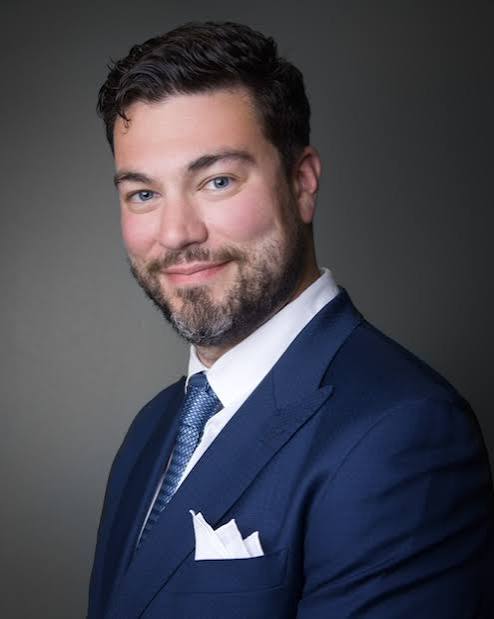
Dr. Justin Cappuzzo wears a suit and tie and smiles.
Dr. Justin Cappuzzo

Novant Health is the first health system in North Carolina to use THUNDERBOLT. Neurosurgeon Dr. Justin Cappuzzo, who cares for patients at the Novant Health Deloris P. Jordan Neurosciences Institute in Wilmington, recently became the first doctor in North Carolina to use it — and the first in the world to perform the THUNDERBOLT procedure through an artery in the wrist instead of the groin, a less-invasive approach that may offer benefits for patients.

“It’s a fantastic tool in the arsenal we have to treat strokes,” Cappuzzo said. Here he explains more about how THUNDERBOLT works, what it could mean for patients and why recognition of stroke symptoms remains essential.

Award-winning stroke care in your hometown.

Learn more

What happens in the brain during a stroke, and why does restoring blood flow quickly matter so much?

There are two types of strokes:

  • Ischemic. These are caused by a blood clot in an artery that brings blood to the brain.
  • Hemorrhagic. These occur when a blood vessel in the brain ruptures, causing bleeding in or around the brain.

Whatever type of stroke you have, some part of your brain will either lose blood flow entirely or experience a reduced amount of blood flow. Time is precious when treating a stroke. After a certain amount of time without blood, your brain cells will begin to die. The sooner you can get treatment, the better your likelihood of a full recovery is.(Really, you have plans to get tPA delivered in 3 minutes? 

Can you get tPA delivered in 3 minutes? In this research in mice the needed time frame for tPA delivery is 3 minutes for full recovery.

Electrical 'storms' and 'flash floods' drown the brain after a stroke)

How are strokes treated once a patient arrives at the hospital?

Treatment depends on the type of stroke, when symptoms began, imaging findings and the patient’s medical history.

For ischemic strokes caused by a blood clot blocking blood flow in a vessel, there are two possible treatment types: clot-busting medication, called alteplase, or procedural removal of the clot, called mechanical thrombectomy. Some patients may qualify for both treatments, while others will only qualify for one. The stroke team at any hospital will determine the safest, most effective approach.

The THUNDERBOLT is a mechanical thrombectomy device specifically designed to treat ischemic strokes. Guided through a thin tube inserted through the wrist or groin, the tool senses when it reaches the clot, then uses carefully controlled suction to loosen and remove it.

How does THUNDERBOLT differ from previous clot-removal techniques using mechanical thrombectomy, and what potential benefits could those differences offer patients?

Traditional clot-removal devices use steady suction to pull out a blood clot. If the clot is firmly stuck, doctors may need to make multiple attempts or use additional tools and devices, like metal stents, to remove it.

THUNDERBOLT can sense when it reaches the clot and automatically adjusts the suction many times each second. Instead of pulling with one constant force, it rapidly alternates the suction to help loosen the clot from the blood vessel before removing it. Think of it like gently wiggling a cork loose instead of pulling on it with constant force.

You performed the first THUNDERBOLT procedure via wrist access in the world. What does clot removal through the wrist mean for patient experience and recovery?

There is a lower likelihood of bleeding at the entry site posttreatment. Patients can sit up and walk around immediately after the procedure, and there is less pain after the procedure. We’re also removing clots faster than the national average when combining THUNDERBOLT technology with an approach through the wrist, giving patients their best chance at a strong recovery from stroke.

What does having the THUNDERBOLT technology at Novant Health New Hanover Regional Medical Center mean for patients across coastal North Carolina?

Patients across the coast have access to world-class stroke care, right here in Wilmington. We have an opportunity to not only save more lives, but to preserve healthy brain tissue and set patients up for the best recovery possible. (Both Dr. Justin Cappuzzo and Dr. Jeffrey Beecher have completed specialized training to allow them to perform these procedures.)

What stroke warning signs should patients and families recognize, and what should they do as soon as symptoms appear?

The most common warning signs of a stroke include slurred or garbled speech, drooping of the face on one side, and weakness on one side of the body. As soon as you notice these symptoms, it’s imperative to get help right away by calling emergency services.

You can use the BE FAST acronym created by the American Stroke Association to help you recognize a stroke and act quickly:

  • B - Balance loss
  • E - Eye (vision) changes
  • F - Facial drooping
  • A - Arm weakness
  • S - Speech difficulty
  • T - Time to call 911

Key takeaway: Empower yourself to recognize a stroke using the BE FAST warning signs and call 911 immediately if you suspect a stroke, even if you are uncertain or the symptoms begin to improve. “Every second counts for brain cell preservation,” Cappuzzo said.

Thursday, July 16, 2026

12 Questions to Ask Your Doctor After a Stroke, and Why Each One Matters for Recovery by Flint Rebab

 WRONG! One question only; HOW EXACTLY WILL YOU GET ME 100% RECOVERED? And keep screaming that until s/he acknowledges incompetence in not having that available!

12 Questions to Ask Your Doctor After a Stroke, and Why Each One Matters for Recovery

 Did you leave your last appointment with more questions than you walked in with? After a stroke, it’s easy to nod along while a doctor uses words you’ve never heard before, then remember everything you meant to ask the second you’re back in the car. You don’t have to guess what belongs on that list. The twelve questions below cover the ground your care team should already be walking you through. Knowing them ahead of time means you leave each visit with a real answer instead of a vague reassurance. Let’s dive in!

1. What Type of Stroke Did I Have, and Where in the Brain?

This sounds basic, but it’s the foundation everything else builds on. Two things shape everything that follows: whether you had an ischemic stroke (a blockage) or a hemorrhagic stroke (a bleed), and which part of the brain was affected. Together, they determine which functions are likely involved and which rehab specialists you’ll need. A stroke in the area controlling the right hand needs different practice than one affecting speech or swallowing.

Ask your doctor to point out, in plain terms, which brain region was involved and what that area typically controls. This is also the moment to ask what “ischemic” or “hemorrhagic” actually means if the terms weren’t explained the first time. You’re not expected to already know this language.

2. What’s My Risk of Having Another Stroke?

Roughly 1 in 10 stroke survivors will have another stroke within a year, and the risk is highest in the first six months (Ovbiagele, Stroke, AHA Journals). That number isn’t meant to scare you. It’s meant to explain why the next several questions on this list, about blood pressure, cholesterol, and medication, aren’t optional extras. They’re the plan for lowering your specific number.

Ask your doctor what your personal recurrence risk looks like given your stroke type, other health conditions, and risk factors, since this figure varies a lot person to person. Our team has also covered recurrent stroke risk and how prevention works over time in more depth.

3. What Warning Signs Mean I Should Call 911 Right Away?

Recurrence risk is highest in the first six months. You should know the signs of a new stroke well enough that you don’t have to stop and think. Not just recognize them, but know they mean acting immediately, not waiting to see if they pass.

Ask your doctor to walk through the classic sudden-onset signs (face drooping, arm weakness, speech difficulty) and also ask what’s specific to your situation. If your first stroke didn’t look “textbook,” a repeat one might not either, and it helps to know what your particular warning pattern could look like.

4. Why Am I on This Medication, and What Happens If I Miss a Dose?

Blood thinners, blood pressure medication, and statins each do a different job in lowering your recurrence risk, and understanding the “why” behind each one makes you far more likely to stick with it consistently. 

What many people get wrong: treating a missed dose as no big deal, or stopping a medication once they feel fine, without realizing the medication is what’s keeping them feeling fine.

Ask specifically what each medication is doing, what signs would mean it’s not working, and what to do if you miss a dose or run low before a refill. If a medication is giving you side effects that make you want to skip it, say so. There’s almost always an alternative to discuss rather than quietly going off it.

5. Do I Have Any Signs of a Swallowing Problem?

Difficulty swallowing, called dysphagia, affects somewhere between 37% and 78% of stroke survivors. It roughly triples pneumonia risk, and that risk climbs even higher if food or liquid is actually being breathed into the airway instead of swallowed (Aspiration Pneumonia After Stroke, PMC). 

It’s often subtle. 

Coughing during meals, a wet-sounding voice afterward, or food seeming to get stuck are all worth mentioning, even if you feel like you’re managing fine.

Ask whether you’ve been screened for swallowing problems and, if any signs are present, ask for a referral to a speech-language pathologist.

6. When Can I Start Rehab, and What Kind Do I Need?

There’s no single fixed calendar for starting rehab; the right timing depends on your stroke severity and how you’re recovering day to day (Guidelines for Adult Stroke Rehabilitation and Recovery, AHA Journals). What matters more than the exact start date is that the therapy is specific to what you actually want back. Walking practice rebuilds walking. Hand- and task-specific practice rebuilds hand use. Generic exercise doesn’t substitute for either.

This is where neuroplasticity, the brain’s ability to rewire itself, comes in: it responds to repeated, meaningful practice of the specific movement you’re trying to regain, not to activity in general. 

Ask which type of therapy (physical, occupational, speech, or a combination) fits your specific goals, and ask what a realistic weekly practice schedule looks like once you’re home. 

About 6 in 10 people who were treated in the hospital for a stroke are referred to outpatient rehab afterward. If you weren’t offered a program, it’s completely reasonable to ask why not (referral pattern data, PMC).

7. Should I Be Screened for Depression or Mood Changes?

Depression affects close to a third of stroke survivors (post-stroke depression review, PMC). It’s frequently missed, too, because low motivation or a flat mood can be mistaken for something else, or dismissed as a normal reaction instead of a treatable condition. Left unaddressed, it also tends to slow physical recovery, since motivation and participation in therapy are closely linked.

Ask to be screened, even if you feel okay, and ask again at follow-up visits, since post-stroke depression can appear weeks or months after the event rather than immediately. If sadness, loss of interest, or sleep and appetite changes show up, bring them up plainly rather than waiting to be asked. 

Our team has written more on recognizing and coping with post-stroke depression if you want a deeper look.

8. When Is It Safe for Me to Drive Again?

Many guidelines suggest waiting at least four weeks after a mild stroke before driving (NHTSA DRIVEWELL stroke guidance, NHTSA.gov; Can I drive after my stroke?, PMC). But the real answer depends on your vision, reaction time, and thinking speed, not the calendar alone. Driving before you’re cleared isn’t just a legal risk. It’s a real safety risk to you and everyone else on the road.

Ask your doctor directly whether you’re cleared to drive, and if you’re not there yet, ask what specific ability needs to improve first and whether a driving rehabilitation evaluation makes sense. Most survivors do eventually return to independent driving, so treat this as a “when,” not an “if,” and see our full breakdown of driving after stroke for what that evaluation typically involves.

9. What Are My New Blood Pressure and Cholesterol Targets?

Secondary stroke prevention guidelines set specific targets for most people after an ischemic stroke: blood pressure under 130/80 mm Hg and LDL cholesterol under 70 mg/dL (AAFP summary of AHA/ASA guideline; full AHA/ASA guideline, PubMed). These numbers are often stricter than general population targets, which surprises a lot of people.

Ask your doctor what your specific numbers are and how they compare to before your stroke. Ask what combination of medication, diet, and activity is expected to get you there. A Mediterranean-style eating pattern and at least four 10-minute bouts of moderate activity a week are common starting points. But your plan should be specific to you, not generic advice to “eat healthier.”

10. How Will We Track My Progress and Adjust My Plan?

Recovery isn’t a straight line, and a plan that made sense at week two often needs to change by week twelve as strength, balance, or speech improve. The golden rule of a good follow-up visit: leave with one specific, written next step. Not just a general “keep doing what you’re doing.”

Ask how progress will actually be measured between visits. That might be a specific distance walked, a task performed with less assistance, or a formal assessment tool. Also ask what would trigger a change in your therapy intensity or medication. Progress can look like small, concrete wins: transferring more safely, reaching a little farther, or needing less help to get dressed. Those count, even when they don’t feel dramatic.

11. What Can I Safely Practice at Home Between Appointments?

Therapy sessions add up to a small fraction of your week. What you do the rest of the time matters just as much, provided it’s the right kind of practice and not just generic activity. 

Home practice is meant to complement your therapy team’s plan, not replace it, so this should be a specific conversation, not a pamphlet handed to you on the way out.

Ask your therapist or doctor for two or three concrete exercises tied to your actual goals. Consider: that might be a stretch to help relax tight muscles, a simple balance activity to make standing and walking steadier, or a hand exercise to make everyday tasks like buttoning a shirt or holding a cup easier. 

Also ask how you’ll know when something has gotten too easy and needs to be made harder. If a movement is still out of reach on your own, ask about assisted versions. Practicing a pattern with help still builds the repetition your brain needs, even before you can do it independently.

Learn more about the Flint Rehab Remote Neuro Recovery Program

12. Who Else Should Be Part of My Care Team?

Stroke recovery usually involves more people than just your primary doctor: a neurologist, physical and occupational therapists, a speech-language pathologist, and sometimes a psychologist or social worker, depending on what you’re working through. Gaps happen most often when nobody is coordinating between these specialists.

Ask who’s currently on your team, who’s missing, and who is responsible for making sure everyone is working from the same plan. If you’re not sure who to call with a new symptom or question between appointments, ask that directly too. Having one clear point of contact prevents a lot of confusion down the line.

Moving Forward

Recovery after a stroke doesn’t run on a fixed timeline, and there’s no appointment where a doctor waves a wand and declares you finished. Progress can continue, and often does, well past the point most people expect it to stop. 

Bringing a list like this one to your next visit isn’t about being a difficult patient but rather making sure the conversation covers what actually shapes your recovery and not just what fits in a fifteen-minute slot.

If you only bring one question, make it whichever one you’ve been quietly avoiding. That’s usually the one worth asking most.

We hope you enjoyed this article and subscribe to our newsletter for weekly articles just like this delivered straight to your inbox — subscribe here.

Here are some additional articles you might be interested in:

Flint Rehab is leading the way in neuro-rehabilitation with products that are backed by research and clinically proven to help you recover more effectively from stroke, TBI, and SCI.

Tuesday, July 1, 2025

Relationships between upper-limb functional limitation and self-reported disability 3 months after stroke

 Nothing here gets you recovered; so useless! Protocols get you recovered; CREATE THEM!

Relationships between upper-limb functional limitation and self-reported disability 3 months after stroke

Alexander W. Dromerick, MD; 
1–3* 
Catherine E. Lang, PhD, PT; 
Rebecca Birkenmeier, MS, OTR; 
Michele G. Hahn, MS, OTR; 
Shirley A. Sahrmann, PhD, PT; 
1,3 
Dorothy F. Edwards, PhD 
1–2 
Department of Neurology, and Programs in 
Occupational Therapy and 
Physical Therapy, Washington University, 
St. Louis, MO 
Abstract—This study explored relationships between upper- 
limb (UL) functional limitations and self-reported disability in 
stroke patients with relatively pure motor hemiparesis who were 
enrolled in an acute rehabilitation treatment trial. All participants 
were enrolled in the VECTORS (Very Early Constraint Treat- 
ment for Recovery from Stroke) study. VECTORS is a single- 
center pilot clinical trial of early application of constraint- 
induced movement therapy (CIMT). All 39 subjects who com- 
pleted 90 days of VECTORS were included in this analysis. 
Trained study personnel who were blinded to the treatment type 
performed all evaluations. Data in this article examine relation- 
ships between assessments performed 90 days after stroke. 
Functional limitation measures included the Action Research 
Arm (ARA) test and Wolf Motor Function Test (WMFT), and 
self-reported disability measures included the Functional Inde- 
pendence Measure (FIM) and Motor Activity Log (MAL) (by 
telephone). Mean plus or minus standard deviation time from 
stroke onset to randomization was 9.4 plus or minus 4.3 
days, and median time to follow-up was 99 days (range 68–178). 
Subjects with perfect or near-perfect scores on the ARA test or 
WMFT reported residual disability on the FIM and MAL. Qual- 
ity of movement on the WMFT (functional ability score) was not 
strongly associated with self-reported frequency, and speed of 
movement on the WMFT (timed score) was not associated with 
self-reported frequency (MAL amount of use). In this early UL 
intervention trial, we found that perceived disability measures 
captured information that was not assessed by functional limita- 
tion and impairment scales. Our results indicate that excellent 
motor recovery as measured by functional limitation and impair- 
ment scales did not equal restoration of everyday productive UL 
use and speed of task completion did not translate to actual use. 
Our results confirm the need for a measurement strategy(WRONG! You need to create EXACT RECOVERY PROTOCOLS! Don't you people have any functioning neurons? 'Measurements' do nothing towards recovery!) that is 
sensitive to change, assesses a broad performance range, and 
detects meaningful clinical improvements in early rehabilitation 
intervention trials. 
Key words: activities of daily living, arm, cerebrovascular 
accident, constraint therapy, functional limitation, hemiplegia, 
motor skills, outcome assessment (healthcare), randomized 
controlled trials, rehabilitation, upper limb.

Saturday, June 28, 2025

Treating post-stroke depression is essential to overall recovery - Vero News

WRONG, WRONG, WRONG! You do the correct option and prevent depression by having EXACT 100% recovery protocols!   If your doctor needs to treat you for depression it means YOUR DOCTOR IS A COMPLETE FUCKING FAILURE!

 Treating post-stroke depression is essential to overall recovery - Vero News

Friday, November 24, 2023

Strokes: Offer patients three hours a day of rehab, NHS urged

WRONG, WRONG, WRONG! Rehab doesn't guarantee recovery because there are NO protocols out there for stroke. This is just a sop to look like the NHS is doing something. They should be delivering EXACT PROTOCOLS that deliver results and recovery. YOU need to get involved and change the mindset of all stroke medical 'professionals' to deliver recovery not just useless guidelines!

Strokes: Offer patients three hours a day of rehab, NHS urged

By Michelle RobertsDigital health editor
Getty Images Nurse and doctor looking at brain scansGetty Images

Stroke patients should be offered extra rehabilitation on the NHS, say updated guidelines for England and Wales.

The National Institute for Health and Care Excellence (NICE) had previously recommended 45 minutes a day.

But it believes some patients may need more intensive therapy for recovery and is suggesting three hours a day, five days a week.

Experts welcome the advice, but question how feasible it will be for a stretched health service to deliver.

NICE accepts it may be "challenging", but it says patients and families deserve the best care possible. That includes help regaining speech, movement and other functions caused by the damage that happens to the brain during a stroke.

NHS England has said increasing the availability of high quality rehabilitation is a priority. More people than ever are surviving a stroke thanks to improvements in NHS care, it added.

A stroke cuts off blood supply to parts of the brain, killing some cells. They are common and can affect people of all ages, but many patients survive if they receive prompt treatment.

All strokes are different, depending on the part of the brain that is damaged. For some people, the effects may be relatively minor and may not last long, while others may be left with more serious long-term problems.

There are around 85,000 strokes every year in England, and around a million stroke survivors, many of whom are living with long-term effects.

Some of the injury is reversible, though, with help from health teams providing services such as physiotherapy, as well as occupational, speech and language therapies.

Brenna Collie Brenna CollieBrenna Collie
After having a stroke at the age of 14, Brenna needed daily physiotherapy to learn how to walk

Although strokes usually affect older people, about 400 UK children have a stroke each year in the UK, leaving many with severe physical and mental after effects.

Brenna Collie, who is 21 and from Aberdeenshire, had a stroke in 2017, at the age of 14.

Brenna, who was a very sporty teenager, had intensive physiotherapy for about a year so that she could learn to walk again.

She's since been able to return to archery and playing hockey. During the Covid pandemic, Brenna learnt how to knit with her affected arm.

But she still experiences some after effects of her stroke - she wears an ankle support to help with a weakness called drop foot.

"I still have left sided weakness. I have neuropathic pain down my left side and I have migraines, light sensitivity and fatigue."

NICE says the evidence it reviewed when updating its guidance showed more intensive rehabilitation improves quality of life and important daily skills, such as being able to dress and feed yourself.

It also heard from people recovering from strokes, and from their families and carers, who felt strongly that more intensive rehabilitation would be useful in helping them recover faster.

Prof Jonathan Benger, chief medical officer at NICE, said: "We recognise the challenges the system faces in delivering these recommendations, not least the problems inherent in increasing service capacity and staff. We also know current practice is inconsistent, even when it comes to implementing our previous recommendations.

"But equally, it shouldn't be underestimated how important it is for people who have been left with disabilities following a stroke to be given the opportunity to benefit from the intensity and duration of rehabilitation therapies outlined in this updated guideline."

Its previous 2013 guidelines recommended offering at least 45 minutes of each relevant stroke rehabilitation therapy for a minimum of five days a week - although this could be increased in some cases.

Dr Maeva May from the Stroke Association said many stroke survivors receive only a fraction of what the guideline recommends, partly because there are too few staff to provide the care.

"It's vital that governments act urgently to address staffing issues across health and social care, and within rehabilitation services, and share detailed plans to support and resource them, so that these recommendations can become a reality," she told the BBC.

An NHS England spokesperson said: "Despite the current workforce and capacity pressures acknowledged by NICE, the NHS is delivering high-quality specialist support for stroke patients - including through physiotherapy, occupational therapy and speech and language therapy - closer to patients' home."

If you suspect that you or someone else are having a stroke, call emergency services - 999 in the UK - immediately and ask for an ambulance.

The main symptoms of stroke can be remembered with the word FAST:

  • Face - drooping
  • Arms - unable to lift both and keep them there.
  • Speech - slurred, garbled or unresponsive
  • Time - dial 999 immediately

Saturday, November 18, 2023

Time is brain. Our number one priority in treating stroke patients is getting the right therapy to the right patients as quickly as possible. However, achieving this goal is not always straightforward.

WRONG, WRONG, WRONG! Your number 1 goal is 100% recovery, at least according to survivors. WHY THE FUCK AREN'T YOU DOING WHAT SURVIVORS WANT?

 Time is brain. Our number one priority in treating stroke patients is getting the right therapy to the right patients as quickly as possible. However, achieving this goal is not always straightforward.

Time is brain. Our number one priority in treating stroke patients is getting the right therapy to the right patients as quickly as possible. However, achieving this goal is not always straightforward.

One uncertainty is whether it is beneficial for patients with suspected large vessel occlusion (LVO) stroke to bypass a local primary stroke centre (PSC) and be brought directly to a mechanical thrombectomy (MT) capable comprehensive stroke centre (CSC). Two trials RACECAT1, based in Catalonia and TRIAGE-STROKE2, based in Denmark, have sought to address this question.

RACECAT was a cluster randomised trial set in predominantly non-urban regions in Catalonia. EMS personnel used the RACE Scale3 to predict LVO (score 5-9 suggesting LVO present). The unit of ‘clustering’ was temporal, i.e. 12 hour time slots, stratified by territory and day of the week. Patients were either brought to the nearest stroke centre, and if LVO confirmed transfer to MT capable centre or were transported directly to the MT capable centre. The primary outcome was disability at 90 days assessed by mRS.

1401 patients were randomised in RACECAT, however 7475 adults total were screened for inclusion. Most excluded did not meet eligibility criteria. LVO was detected in approximately two-thirds of the patients. Median time from onset to arrival at first hospital was 88 minutes (IQR 61-145) for PSC arm and 142 minutes (IQR 100-231) in CSC arm. Door-to-needle time for those receiving tPA was similar in both arms: 33 minutes (25-48) in PSC and 30 minutes (22-40) in CSC, but time from symptom onset to tPA was 34 minutes faster in the PSC arm. (PSC 120 minutes (IQR 89-168) versus CSC 155 minutes (IQR 120-195). Median stroke onset to groin puncture times was 270 minutes (215-347) in the PSC and 214 minutes (172-330) in the CSC arm (56 minutes quicker in CSC arm.)

RACECAT was halted at the second interim analysis due to futility. There was no significant difference in mRS at 90 days between the two transport strategies, with a median mRS of 3 in both arms at 90 days. Safety outcomes and 90 day mortality were the same between both arms. However, in a further secondary analysis the RACECAT4 authors reported that for patients with a final diagnosis of intracranial haemorrhage, (ICH) (302 patients in total, representing 21.6% of the total number randomised in RACECAT) transportation to a CSC was associated with worse functional outcome at 90 days, with higher rates of medical complications (22.6% in CSC arm compared with 5.6% in PSC arm) and specifically a higher rate of pneumonia in the CSC arm: 35.8% (versus 17.6% in PSC). Mortality at 90 days was numerically higher in the CSC arm for those with ICH (48.9% CSC versus 37.6% PSC) although this was not statistically significant.

A second RCT examining transport strategy in suspected LVO stroke was published in Stroke this month. TRIAGE-STROKE2 was a multicentre RCT in Central and Northern Denmark which ran from 2018-2022. However, it was terminated at 4 years due to lack of funding and also hindered by lack of recruitment at all participating centres as well as withdrawal of two CSC from the trial due to increased burden of accepting bypassed patients directly. As such, TRIAGE-STROKE is underpowered to answer its primary outcome which was mRS at day 90.

In TRIAGE-STROKE the PASS5 score was used by EMS to predict LVO. The inclusion criteria was stricter than RACECAT and patients in TRIAGE-STROKE also had to be eligible for IVT as well as likely EVT, and to be able to arrive at the CSC and PSC within 4 hours of onset of stroke. The target sample size was 600 participants, but only 186 were screened and 171 were randomised. Of these, 104 were confirmed to have ischaemic stroke, with 51 haemorrhages and 16 mimics. LVO was confirmed in 71 (68.3%). Time from stroke onset to arrival at first hospital was 81 minutes (IQR 64-116) for PSC and 177 minutes (IQR 95-158) in CSC. Symptom onset to tPA was 30 minutes faster in the PSC arm: PSC 114 minutes (IQR 90-157) versus 144 minutes (IQR 122-171) in CSC arm. Stroke onset to groin puncture was 35 minutes faster in the CSC arm: 187 minutes (IQR 158-245) CSC arm versus 222 minutes (IQR 196-297) in PSC.

Due to lack of power, TRIAGE-STROKE was unable to demonstrate a functional benefit at 90 days. Despite low power, the OR of mRS shift for all 171 patients randomised was neutral OR 1.01 (0.60-1.71) For the haemorrhage subgroup (n=51) the OR was 0.94 (0.34-2.63) somewhat replicating the signal of harm for those with ICH if bypassed directly to a CSC, although due to wide confidence intervals, we cannot draw firm conclusions.

Overall, from these two trials there is certainly not an overwhelming signal that a  bypass approach is better for patients with suspected LVO. We certainly need to take heed of the signal of potential harm and increased complications for patients with ICH – especially considering ICH will often present similarly to LVO and will ‘screen positive for LVO’ on whatever pre-hospital clinical tool is used. The number-needed to harm (for a patient with ICH to have mRS of 5 or 6 at 90 days) in RACECAT ICH secondary analysis was 9. It would not be fair to streamline stroke workflow to benefit only ischaemic strokes to the determent of those with haemorrhagic strokes. Additionally, consider the increased burden on CSCs if all potential LVO strokes (including ICH and mimics) were admitted directly. Questions surrounding repatriation of stroke patients and mimics to their local hospital would need to be addressed.

Another take home point is to underscore the value of early Stroke Unit care and the importance of proactively managing medical complications, especially in haemorrhagic stroke. We must also consider that the potential beneficial effect of getting to EVT quicker may have been neutralised by the PSC arms getting to IVT quicker. The complex screening process, EMS training and coordinated workflows required to ensure these trials were performed must be commended, however these complex workflows may not translate into other countries or areas. Overall, I think we should focus on ensuring that our existing stroke pathways run smoothly and efficiently. For those delivering ‘drip-and-ship’ stroke care, these trials are reassuring that the stroke care we are delivering is as good as that at the CSC and we should be motivated to renew our efforts to keep door-to-needle and door-in-door-out times as brisk as possible.

Sunday, November 5, 2023

Hospitals board agrees stroke care investment is needed

WRONG, WRONG,WRONG! 'Care' is not what survivors want, they want RESULTS AND RECOVERY! Do you people ever think?

Hospitals board agrees stroke care investment is needed

2 Comments

sharethis sharing button

The Bermuda Hospitals Board said investment is needed in stroke rehabilitation after an island-wide survey revealed gaps in the quality of service being offered.

The survey by Evolution Healing Centre in Paget highlighted an “urgent need” for improved stroke rehabilitation services, including more specialised healthcare professionals on the job.

Carried out over an eight-week period, the survey sought to gather data about the lived experiences of stroke survivors in Bermuda and was completed by 56 people who met the eligibility criteria.

A BHB spokesman said: “BHB welcomes the survey by Evolution of the Lived Experiences of Stroke For Bermuda 2022.

“The data collected, although from a relatively small number of people, does indicate there are gaps in rehabilitation services for stroke patients.

“As we see it, the survey highlights the need for investment in this medical area. We are willing to work with stakeholders to improve services and also partner with them for the same.

“We are committed to pursuing excellence to improve the health and wellbeing for our Bermuda community.”

The survey was carried out by Kim Watkins, a doctor of physiotherapy, and Sandro Fubler, senior physiotherapist at Evolution, and was released in time for World Stroke Day on Sunday.

It recommends several changes, including increased insurance coverage for stroke survivors, an improved stroke care pathway and better specialised multidisciplinary care.

It also calls for more healthcare professionals who can deliver high-quality stroke rehabilitation and the setting-up of a support group for survivors and caregivers in Bermuda.

Dr Watkins said: “The response from the community regarding the survey is really positive. We acknowledge from the data that there are gaps in services across the whole continuum of care.

“We are very grateful for the response from BHB to work together to help establish services and a stroke care pathway.

“We look forward to keeping the community updated on the progress to help improve stroke rehabilitation services moving forward and coming together to make a strategic plan.

“I believe we are all on the same page in terms of helping to improve health and wellbeing.

“We will also have continued conversations with the private insurance companies and the Ministry of Health to improve investments in this area of need.”

The BHB’s Primary Stroke Centre, launched in 2019 as part of an affiliation with Johns Hopkins Medicine International, attained distinction certification from Accreditation Canada last year for its acute stroke and inpatient rehabilitation service standards.

Accreditation Canada’s report highlighted several “areas of success” at the centre, praising the leadership and organisational support, knowledgable and committed staff, community partnerships, public communication about strokes, and collaboration with Johns Hopkins Medicine International.

Wednesday, June 14, 2023

Dunklau Gardens to Participate in Post-Acute Care Standards Initiative for Stroke Patients - Fremont, Nebraska

 WRONG, WRONG, WRONG! Survivors don't want 'care you blithering idiots. They want RECOVERY AND RESULTS!  GET THERE!

In my opinion this is an incompetent hospital, you shouldn't go there until they have a plan for 100% recovery.

Dunklau Gardens to Participate in Post-Acute Care Standards Initiative for Stroke Patients

June 14th, 2023 | Methodist Fremont Health

FREMONT – Dunklau Gardens will participate in the American Heart Association’s Mission: Lifeline Stroke Post-Acute Care (PAC) initiative to enhance guideline-based care for stroke patients, ultimately improving and prolonging lives.

Evidence-based rehabilitation and secondary prevention interventions improve recovery after a stroke and reduce secondary complications. However, stroke rehabilitation expertise, processes of care and educational resources vary among sites where PAC is delivered. The American Heart Association, the world’s leading nonprofit organization focused on heart and brain health for all, developed quality standards based on its 2016 Guidelines for Adult Stroke Rehabilitation and Recovery to address these gaps.

“We’re committed to improving patient care by adhering to the latest guidelines,” said Jayma Brown, BSN, RN, MHA, NE-BC, director of long-term care nursing at Dunklau Gardens. “The post-acute care standards initiative makes it easier for our teams to put proven knowledge and guidelines to work on a daily basis, which studies show can help patients recover better. The end goal is to ensure that more people in Dodge County and the surrounding areas can experience longer, healthier lives.”

Facilities participating in the PAC standards initiative receive a participation stipend and site-specific quality improvement support and process improvement ideas surrounding quality standards for stroke recovery, rehabilitation and secondary prevention. Facilities also have the opportunity to be part of a learning collaborative, working with experts in stroke rehabilitation to build tools and share and create best practices. Participation improves collaboration between PAC facilities and others involved in stroke care, including hospitals and outpatient providers.

Participation in the program benefits stroke patients and caregivers with the knowledge that the facility is committed to providing services supported by American Heart Association science. They also have the assurance that the facility is collaborating with the association on standardizing its stoke rehabilitation program in alignment with expert guidance and evidence-based research.

Stroke is the No. 5 cause of death and a leading cause of disability in the U.S. A stroke occurs when a blood vessel that carries oxygen and nutrients to the brain is either blocked by a clot or bursts. When that happens, part of the brain cannot get the blood and oxygen it needs, so brain cells die. Early stroke detection and treatment are key to improving survival, minimizing disability and accelerating recovery times.

Mission: Lifeline Stroke is the American Heart Association’s community-based initiative to develop systems of care to improve outcomes for stroke patients. Made possible with a $1.5 million grant from The Leona M. and Harry B. Helmsley Charitable Trust, the PAC initiative will implement the newly developed American Heart Association Post-Acute Stroke Care Quality Standards program in rehabilitation facilities across Montana, Nebraska and North Dakota. The initiative has a goal of giving all patients the best chance at independent lives after stroke.

This work builds on the Mission: Lifeline Stroke Nebraska initiative launched in 2019. The new initiative is the first to implement the Post-Acute Stroke Care Quality Standards program developed and tested in Montana. Larger rehabilitation hospitals, skilled nursing facilities and critical access hospitals in rural and urban areas are eligible to participate.