Since your doctor incompetently DID NOTHING on protocols for nuts; NOTHING WILL OCCUR HERE EITHER!
The 6 best seeds for heart health, according to a dietitian
Key takeaways
Nutrient Powerhouses: Seeds like flax, chia, and pumpkin are packed with fiber, magnesium, and omega-3s, helping lower cholesterol and blood pressure. Heart Protection: Regular consumption can reduce LDL cholesterol, increase HDL cholesterol, and support healthy blood flow, lowering the risk of cardiovascular disease.Portion & Preparation: Stick to recommended servings (~2 tablespoons/1 ounce) and choose unsalted seeds to avoid excess sodium while maximizing heart benefits.Why this matters:
Seeds are packed with nutrients that help lower high cholesterol and blood pressure. What you can do: Add a variety of seeds like flax, chia, and pumpkin to your diet. The payoff: Regularly eating seeds can help protect your heart and prevent cardiovascular-related complications as you age. A handful of seeds might seem like a small addition to your diet, but it can bring some meaningful benefits. Their fiber and unsaturated fats can help protect cardiovascular health over time.1. Flaxseeds
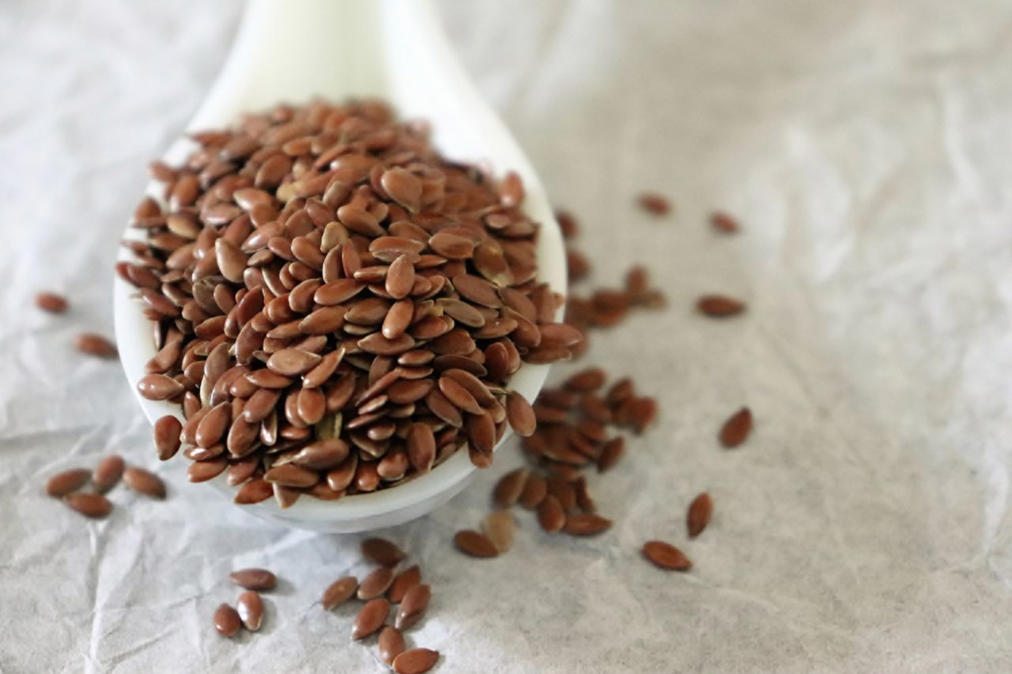
Flaxseeds are high in nutrients known to lower heart disease risk factors, like soluble fiber and magnesium. Soluble fiber reduces cholesterol levels by blocking its absorption in the digestive tract and promoting its excretion from the body.
A 2020 review found that flaxseed supplementation significantly reduced total cholesterol and LDL cholesterol.
Additionally, flaxseeds provide alpha-linolenic acid (ALA), a type of omega-3 fatty acid associated with reduced heart disease risk, including coronary heart disease.
Yes, grinding flaxseeds is recommended if you want to absorb their omega-3 fatty acids and lignans, as whole seeds often pass through the digestive tract undigested. [1, 2]
2. Chia Seeds
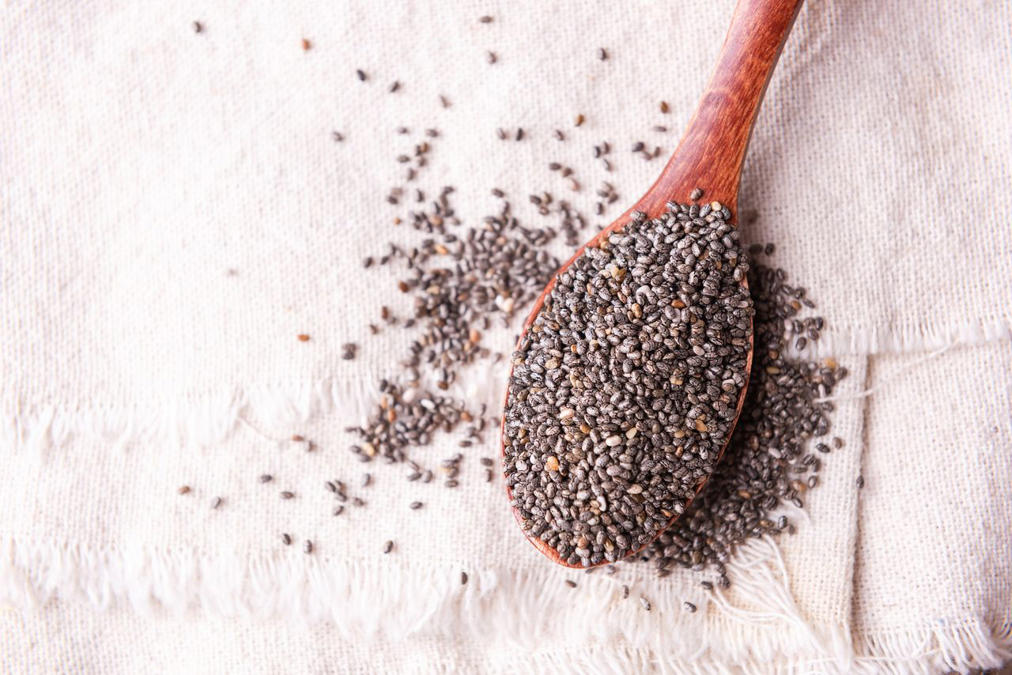
Chia seeds are an excellent source of fiber, calcium, and magnesium, which are essential for heart health. One ounce of chia seeds contains 9.75 grams of fiber, which covers 34% of your daily fiber needs. The same serving packs 23% of the Daily Value (DV) for magnesium and 14% of the DV for calcium, both of which can help lower blood pressure.
Studies show that eating chia seeds helps reduce total and low-density lipoprotein (LDL) cholesterol levels, while increasing protective high-density lipoproptein (HDL) cholesterol.
3. Pumpkin Seeds
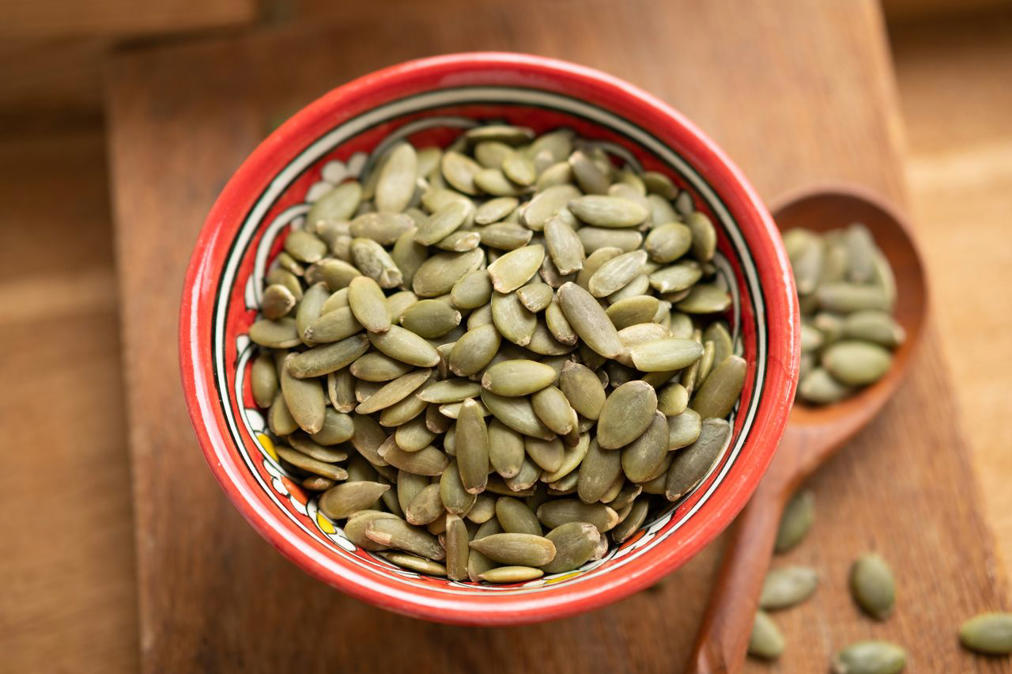
Pumpkin seeds are an excellent source of magnesium, providing 156 milligrams, or 37% of the DV per ounce. They also provide arginine, an amino acid that helps the body produce nitric oxide. Nitric oxide plays a key role in relaxing blood vessels, supporting healthy blood flow, and blood pressure.
Pumpkin seeds are also high in plant-based protein, providing 8.45 grams per ounce. Protein helps slow the release of sugar into the bloodstream, supporting healthy blood sugar control. Maintaining healthy blood sugar levels can reduce your risk of diabetes, a major risk factor for heart disease.
4. Sunflower Seeds
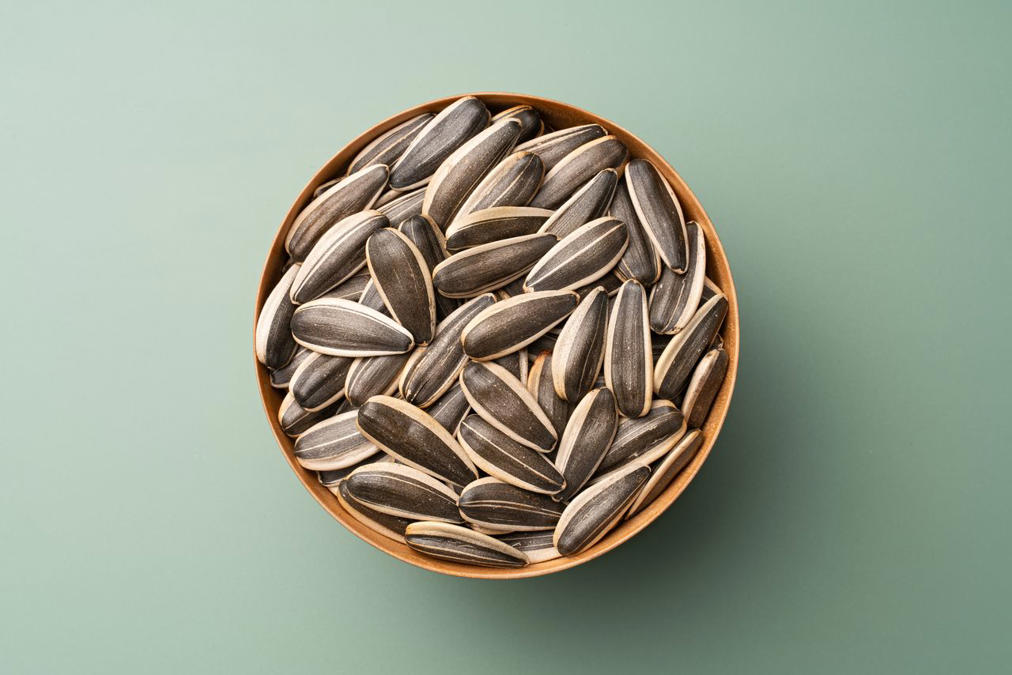
Sunflower seeds are exceptionally rich in vitamin E, a fat-soluble nutrient that acts as a powerful antioxidant, helping protect cells from oxidative stress.
An ounce of shelled sunflower seeds contains 7.4 milligrams of vitamin E, which covers nearly 50% of your daily needs. Higher intake of dietary vitamin E is associated with reduced risks of heart disease and all-cause mortality, including heart disease-related death.
5. Sesame Seeds
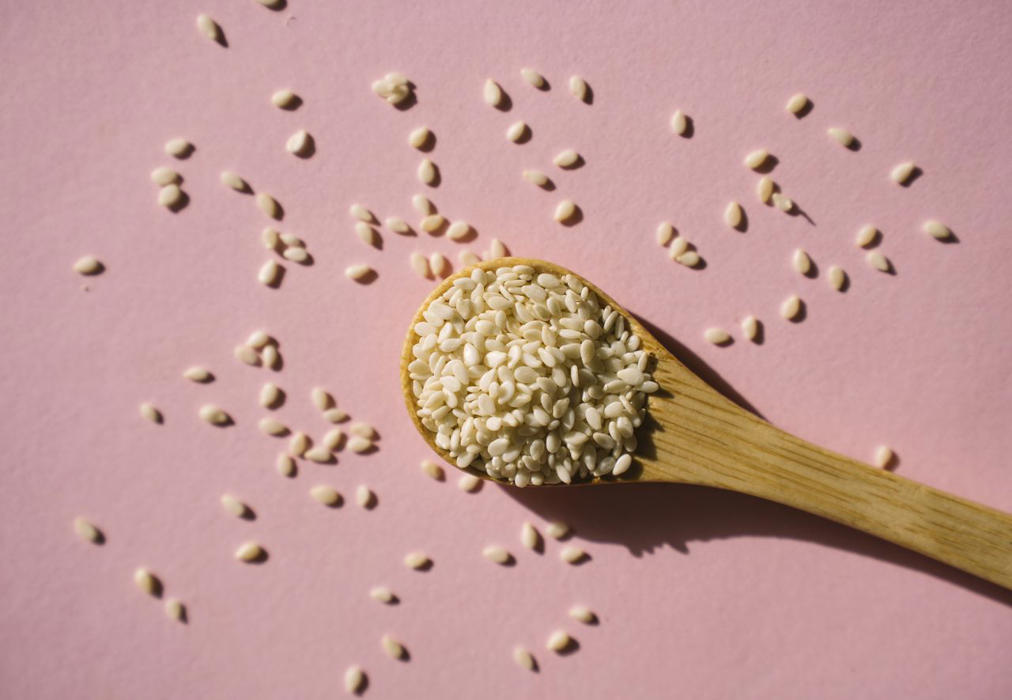
Just 2 tablespoons of sesame seeds cover 15% of your daily magnesium needs and 13.5% of your daily calcium requirements. Magnesium and calcium work together to regulate your blood pressure and studies show that diets high in these minerals are associated with a lower risk of hypertension.
Research suggests that sesame seeds may also protect against the development of atherosclerosis, or plaque buildup in the arteries, by reducing inflammation and lowering blood lipid levels.
6. Hemp Seeds
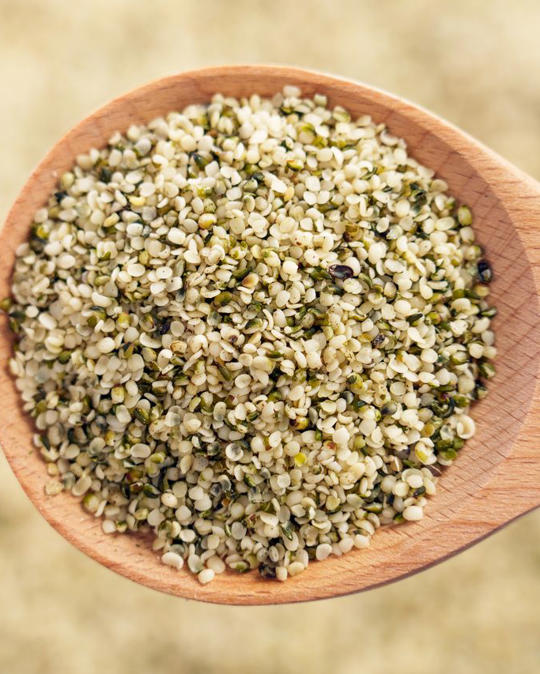
Hemp seeds are often recommended in heart-healthy diets due to their impressive levels of magnesium and polyunsaturated fats, including omega-3 fatty acids.
An ounce of hemp seeds covers 50% of the DV for magnesium, making them a particularly good option for those with high blood pressure and high blood sugar. Magnesium plays a key role in blood sugar regulation, and increasing your intake may help reduce your risk of developing type 2 diabetes.
Another reason why hemp seeds are so good for your heart is their high content of the omega-3 ALA, which has powerful anti-inflammatory and heart-protective properties.
What Should You Consider Before You Add Seeds to Your Diet?
Although seeds are nutrient-dense, they are also high in calories. This is why sticking to recommended portion sizes—generally 2 tablespoons, or about 1 ounce—is important, especially for those managing their caloric intake.
Additionally, while seeds are heart-healthy, roasted and salted seeds can be high in sodium. Because eating too much sodium can increase blood pressure, it’s best to choose unsalted seeds whenever possible and to enjoy salted seeds in smaller portions.
In the end, the most effective way to support heart health is to fill your diet with heart-healthy foods, which includes seeds, nuts, fruits, vegetables, fish, poultry, and whole grains. Exercising regularly, maintaining a healthy weight, and avoiding smoking are also key for preventing heart disease.
Read the original article on Health


No comments:
Post a Comment