Less than a
decade ago, the use of wearable devices in Parkinson’s disease (PD) was
considered futuristic. Today, there’s an array of innovative tools from
commercial activity trackers to tremor suppression gloves and
laser-guided walking sticks to help manage the highly variable and
fluctuating symptoms of PD.
“Over the past 5 years, the landscape
of wearable technology for Parkinson’s monitoring has transformed
remarkably,” Roongroj Bhidayasiri, MD, co-chair of the International
Parkinson and Movement Disorder Society’s (MDS’s) Technology Study
Group, told Medscape Medical News.
Advances in sensor
technology, data analytics, and machine learning have significantly
enhanced the precision and usability of wearable devices, he noted. They
now offer continuous, real-time monitoring of both motor and nonmotor
symptoms, which supports personalized treatment plans and more accurate
tracking of disease progression.
Additionally,
the integration of artificial intelligence analytics facilitates more
comprehensive data analysis, whereas integration with mobile
applications enhances patient engagement and data sharing with
providers, said Bhidayasiri, director, Chulalongkorn Center of
Excellence for Parkinson’s Disease & Related Disorders, and
professor of neurology, Chulalongkorn University, Bangkok, Thailand.
“These
technological advancements have cemented wearables as invaluable tools
in the efficient and responsive management of PD within neurology care
models,” he added.
Andrea
Pilotto, MD, fellow MDS Technology Study Group co-chair and associate
professor of neurology, University of Brescia, Brescia, Italy, pointed
out that recent advances have improved the ability to capture subtle
motor deficits that appear years before a clinical diagnosis of PD and
add granularity to office assessments and patient home diaries.
“For
sure, patient-reported outcomes are important, but we know that a large
percentage of patients, especially with motor fluctuations, are not
clearly aware of their symptoms or misjudge their symptoms,” he said in
an interview.
The focus of wearable sensors is also shifting from
its hallmark motor symptoms to monitoring nonmotor features of PD, which
can vary throughout the day and influence motor measurements and
therapeutic choices.
“We are now realizing the potential of
wearables to begin to address anxiety, sleep, depression, and other
nonmotor symptoms,” Michael S. Okun, MD, medical advisor, Parkinson’s
Foundation, and director, Norman Fixel Institute for Neurological
Diseases, University of Florida Health, Gainesville, Florida, told Medscape Medical News.
“This
could be a game changer as nonmotor symptoms in many studies are more
important than the motor symptoms in impacting quality of life,” he
added.
Tracking Symptoms
Smartwatches
with embedded accelerometers and gyroscopes took off during the COVID-19
pandemic as consumers sought real-time feedback on their mobility,
sleep, and heart rate. The pivotal WATCH-PD study and US Food and Drug Administration (FDA) clearance of the Apple Watch–based StrivePD application in 2022 helped drive the use of wearables to monitor PD symptoms.
StrivePD
(Rune Labs, Inc.; San Francisco) passively collects daily data on
tremor and dyskinesia using Apple’s Movement Disorder Application
Programming Interface and lets patients log items such as symptoms,
medications, side effects, mood, and sleep. Patients can view summary
reports in the app or via email, and a clinician dashboard provides
summaries of symptoms, medication use, and self-reported data.
“The
Apple Watch is certainly quite accessible, that’s one advantage, and
StrivePD is probably the one [app] that my patients are most familiar
with and are accessing, using, and getting reports from,” Joohi
Jimenez-Shahed, MD, medical director, Movement Disorders Neuromodulation
and Brain Circuit Therapeutics, and associate professor of neurology,
Icahn School of Medicine at Mount Sinai, New York City, told Medscape Medical News.
The American Parkinson Disease Association has its own free symptom tracker,
available in English and Spanish, that is designed for the iPhone and
records motor and nonmotor symptoms, has an interactive medication
tracker, and creates reports to share with the patient’s care team.
The
French NS-Park research network’s wearable sensors workgroup, in
partnership with the Parkinson’s Foundation, recently published a “practical anthology”
summarizing the characteristics of the most used wearable sensors for
PD management in Europe — most of which are also available in the United
States.
It
provides a deep dive into the PDMonitor, Personal KinetiGraph (PKG),
STAT-ON, Kinesia 360/One, FeetMe, and Mobility Lab, which is not
available in Europe. Notably, the Kinesia 360/KinesiaU, PDMonitor, PKG,
and STAT-ON devices are “conditionally recommended as options” in the
2023 National Institute for Health and Care Excellence diagnostics guidance on wearables for remote PD monitoring.
Tremor Suppression
Tremors
are present in about 80% of patients with PD and can affect activities
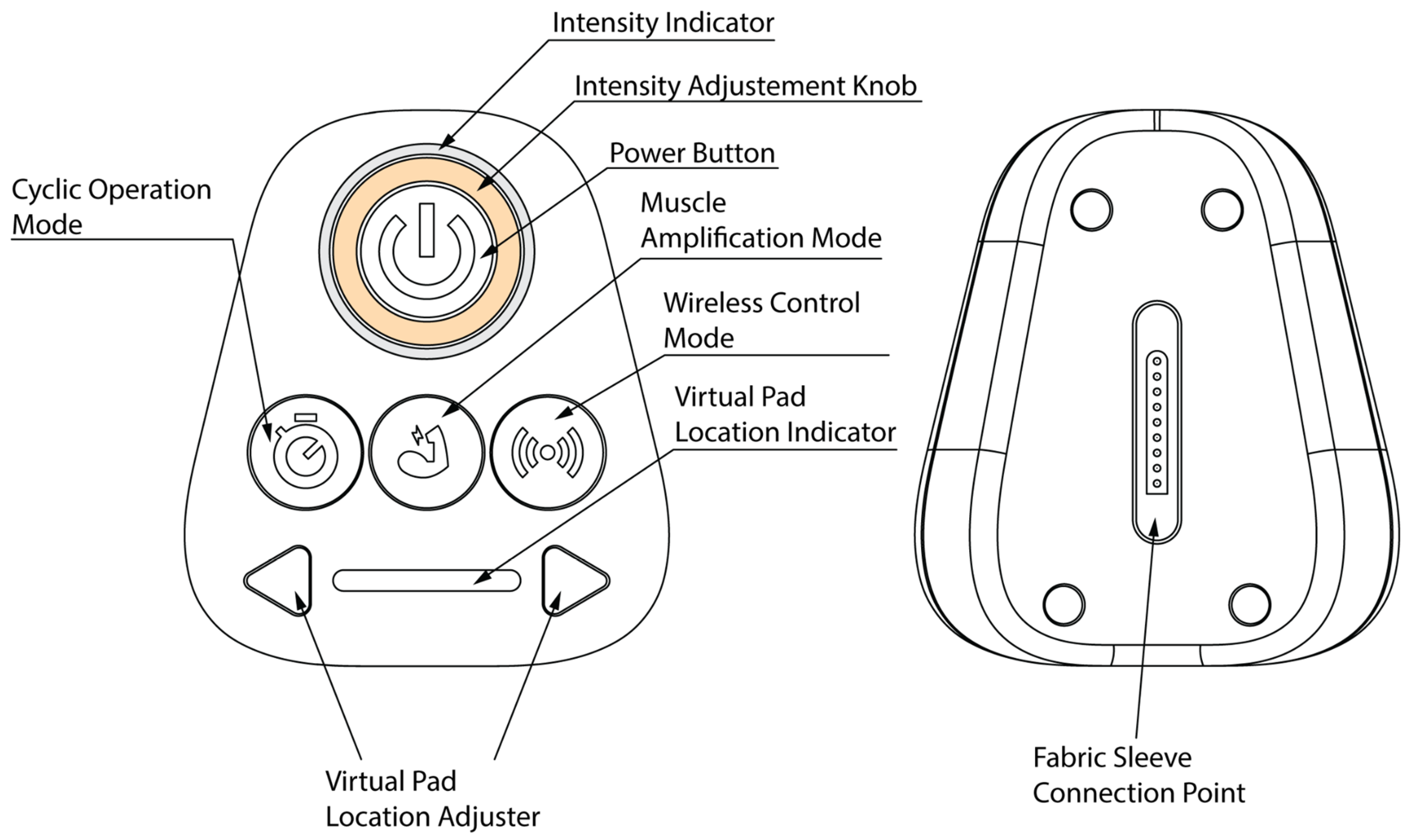
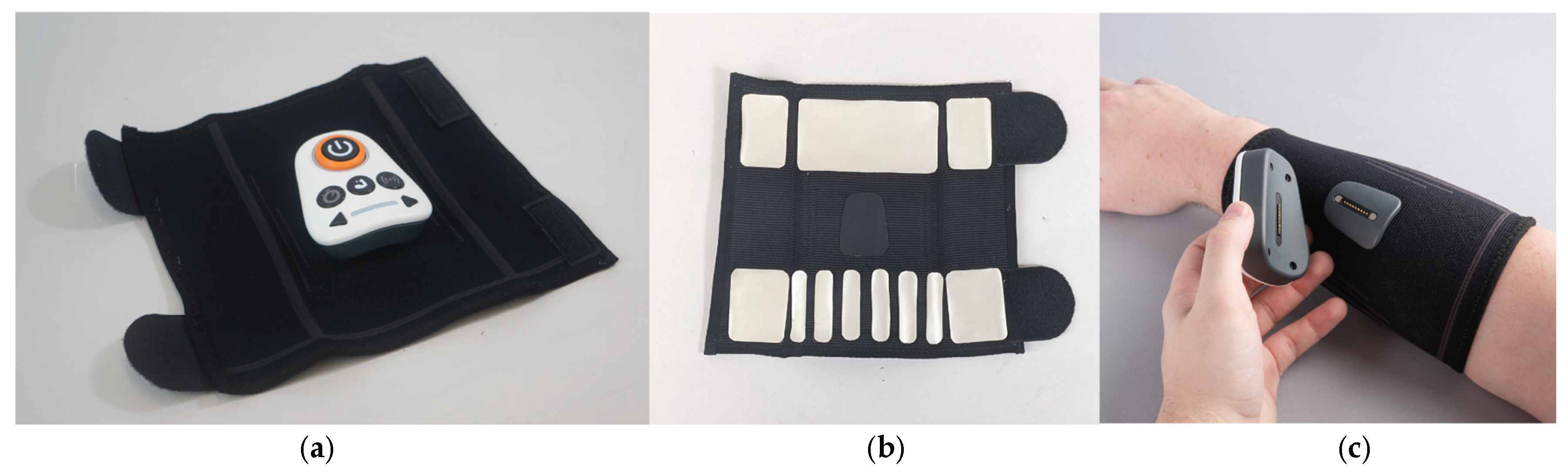
of daily living and mental health. Launched in June 2023, the Cala kIQ system
(Cala Health, Inc.; San Mateo, California) is the first FDA-cleared
device for temporary postural and kinetic hand tremor relief in PD as
well as essential tremor.
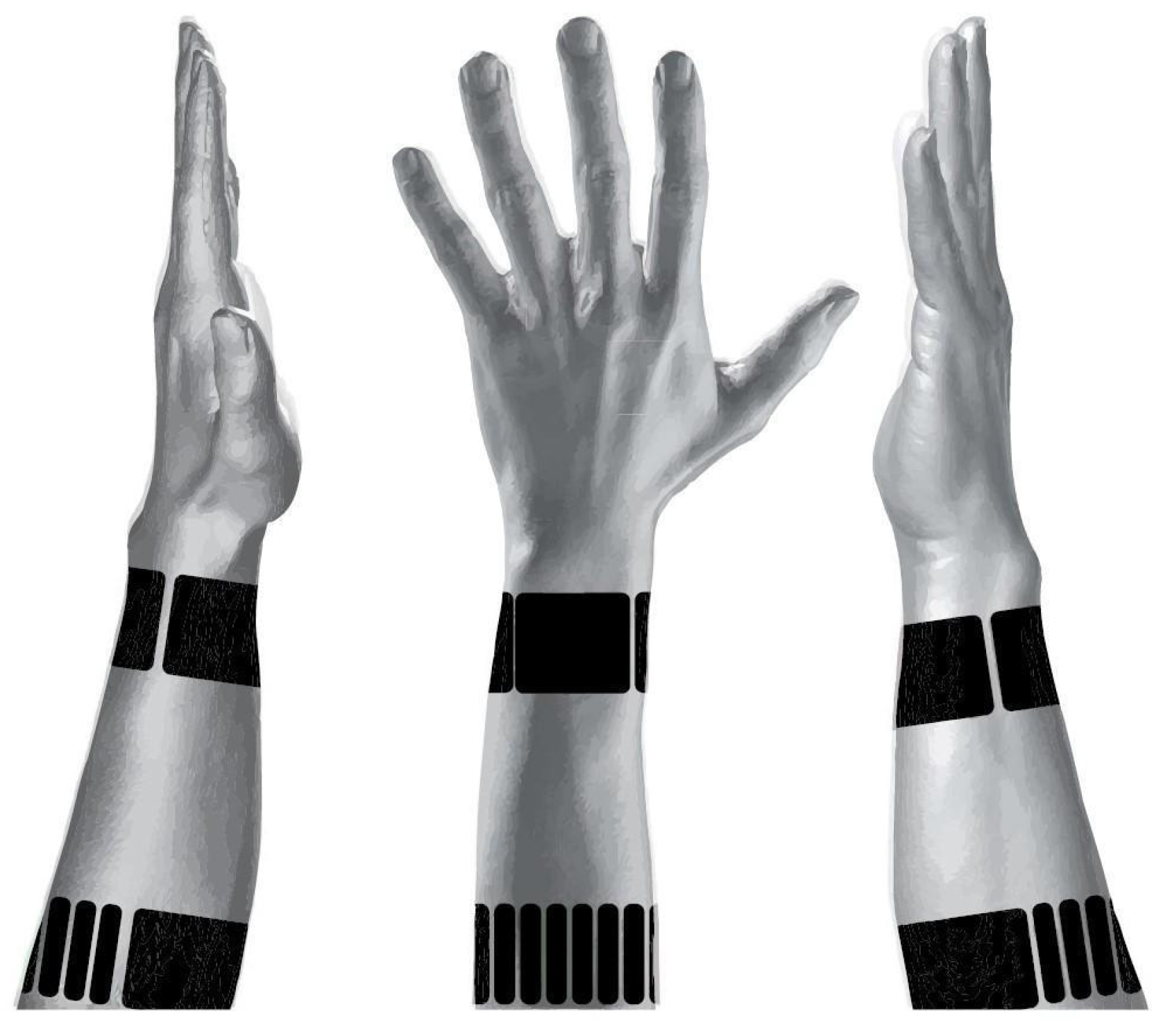
The wrist-worn, physician-prescribed
device delivers transcutaneous afferent patterned stimulation, which
improved symptoms in 92% of patients with essential tremor when used
twice daily over 3 months in a prospective study cited by the company.
The
initial out-of-pocket cost for the Cala system is $7150, which is
covered for Medicare beneficiaries and veterans with essential tremor
but not by commercial insurance plans.
“Getting that out to
patients has been difficult, not for a lack of trying certainly on my
part,” said Jimenez-Shahed, who is also co-chair of the Parkinson Study
Group. “It’s been a challenge to get it covered, and out-of-pocket costs
are, quite frankly, for a lot of people just not doable or they’re not
willing to spend that kind of money on something they’re not sure how
much it’s going to work.”
Several tremor suppression gloves, or PD
gloves, are widely available and promise to stabilize hand movements
through peripheral stimulation. Additionally, devices like Microsoft’s Emma Watch, which is in the research stage only, use vibration therapy to counteract tremor effects.
Improving Gait
To
improve gait, wearable systems equipped with inertial measurement units
help analyze and provide feedback on walking patterns, facilitating
better mobility through targeted interventions, said Bhidayasiri, who
along with other experts interviewed for this article declined to
comment on specific devices.
PD shoes with embedded cueing devices
can provide visual cueing for freezing of gait (FoG), he said.
Alternatively, these shoes can be equipped with devices that provide
vibratory and proprioceptive stimulation, shown to improve FoG.
“Parkinson’s
shoes with embedded cueing devices represent emerging technologies and
may not yet be widely available in all clinical settings,” Bhidayasiri
noted.
The French anthology details the FeetMe Monitor insoles (FeetMe;
Paris, France), which use embedded pressure sensors and algorithms to
compute spatiotemporal gait parameters and collect them through a
dedicated mobile application. Clinical data are limited, but results
from the sole validation study in PD show very high correlations and good agreement between the FeetMe insoles and an electronic pressure-sensitive walkway.
The anthology also weighs in on Mobility Lab
(Clario, Philadelphia), a portable system developed by APDM (Portland,
Oregon) that measures gait, postural balance, and arm swing using one to
six wireless wearable sensors. It is described as one of the best
validated tools in terms of study number for gait and postural
in-hospital analysis but is mainly used for in-hospital assessment.
“Many
things have been tried, but I have not yet seen one come to market
dominance or be so clearly effective that we are recommending it to
patients,” Miriam Rafferty, PT, DPT, PhD, director of Implementation
Science and research scientist, Shirley Ryan AbilityLab, and assistant
professor, Northwestern University, both in Chicago, told Medscape Medical News.
“At
Shirley Ryan AbilityLab, one of the efforts that our patients are
driving is to have a kind of technology trial clinic so that we can have
versions of a lot of the devices here so patients can try them,” she
added. “It’s very daunting to think I could buy this pair of shoes that
going to cost $1500 and it may or may not work for me.”
Voice
changes affect about 70%-90% of patients with PD, making it difficult to
be heard or understood particularly as the disease progresses.
SpeechVive
is a behind-the-ear device that plays a “babble” noise in one ear
during speech, leveraging the Lombard effect or the brain’s automatic
response to speak louder as ambient sounds increase.
It boosts conversation volume by approximately 50% and provided similar benefits as LSVT LOUD speech therapy in a prospective study of 18 patients with PD. It is covered by Medicare, according to the SpeechVive company.
Jimenez-Shahed
said she sends a lot of patients to speech therapy and doesn’t
prescribe the SpeechVive very much. “When it first came out, patients
were trying it and some of the feedback I got is that there’s this
background noise you hear, so it was a little difficult for some
patients. It does take a little getting used to.”
The Road Ahead
While
wearables have many strengths, experts note several limitations exist,
including patient adherence, which can affect data reliability; privacy
concerns; devices may not capture the full spectrum of PD symptoms,
especially nonmotor symptoms; and a lack of national or international
guidelines on how best to use the devices and their scope of use.
The
MDS Technology Study Group is in the process of surveying the society’s
more than 11,000 members to see how wearables are being used, which
patients with PD should be tracked, insurance or healthcare system
coverage for devices, and pragmatic limitations from the
patient/caregiver and clinician/institution viewpoint, Pilotto said.
“We
put some clinical scenarios in the survey to see how clinicians are
reacting and if they are prepared or if they would use technology and
which kind of technology in different scenarios,” he said.
Pilotto
noted that two other MDS projects are underway: A consensus document
characterizing the use of wearable technology in clinical trials and a
review of digital devices in the clinic based on published longitudinal,
prospective trial evidence.
Other challenges for wearables are
the lack of standardized outcome measures validated for longitudinal
assessment, lack of direct comparisons between devices, cost
effectiveness, and, importantly, the effect on treatment modifications
and PD management.
“One of the biggest challenges for wearables
has been whether the juice is worth the squeeze. Does the information
provided move the needle enough to motivate folks to use them,” said
Okun, with the Parkinson’s Foundation.
Rafferty told Medscape Medical News
that data management is one of the biggest challenges with the
increasing number of devices used by and marketed to patients. The
Shirley Ryan AbilityLab contracted with a software platform that can
take data from any commercially available device, so patients can share
it with their physical therapist and help set goals for therapy. “We
call it a bring-your-own-device strategy.”
Commenting further,
Rafferty said, “I have heard from patients that when they share their
technology with their neurologists, the neurologists are like, ‘That’s
nice,’ but that the neurologists aren’t always driving that
conversation.”
Clinicians are very busy in their day-to-day
clinical practice, so unless the device is very intuitive, easy to use,
and their organization already has a contract with it, then the
clinician is going to be limited in their conversations that they can
initiate with a patient, she explained.
Part
of her team’s work is to help researchers at Shirley Ryan AbilityLab
develop dashboards that clinicians want, with the metrics they need, by
gathering their feedback early in the development process.
“The
last thing you want is for a really busy clinician to open a dashboard
and then not be able to find the information they want to know quickly
and easily,” Rafferty said.
Bhidayasiri reported receiving
grants from Thailand Science, Research and Innovation; Chulalongkorn
University; and the Royal Society of Thailand. He reported receiving
consultancy fees, honoraria, and lecture fees from Britannia, Ipsen,
Teva-Lundbeck, and Mitsubishi Tanabe; patents for a laser-guided walking
stick, portable tremor device, technology for nocturnal monitoring,
electronic symptom diary, a PD insole and shoe, and anti-choking mugs;
and copyrights for various PD-related works.
Pilotto
reported receiving grants from the Airalzh Foundation, Italian Society
of Parkinson and Movement Disorders Foundation, Italian Ministry of
University and Research, and Italian Ministry of Health.
Okun reported having no relevant conflicts of interest.
Rafferty
reported receiving funding from the National Institutes of Health; the
Agency for Healthcare Research and Quality; and the National Institute
on Disability, Independent Living, and Rehabilitation Research.
Jimenez-Shahed
reported receiving consulting fees and an educational grant from
Medtronic; serving on the data safety monitoring board for BlueRock
Therapeutics and Emalex; serving on the clinical and scientific advisory
board for PhotoPharmics; and receiving consulting fees from
Bracket/Syneos, Teva, AbbVie, Alpha Omega, REGENXBIO, Praxis, Kyowa
Kirin, TreeFrog, and Amneal. She is also co-chair of the Parkinson Study
Group.