Maybe when I'm 80 and tired of all the traveling and fun I might have to settle in these places for a year at a time. It would be way too boring and expensive to fully retire in the US. I've already visited Malta, Spain, France, Ecuador, Italy and soon Portugal. In only six years, ever since moving to Michigan and getting divorced.
That's hardly enough to afford a decent life in America, particularly when seniors are facing out-of-pocket health care costs of more than $13,000 per year.
But what if you didn’t retire in the U.S.? The fact is that health care, housing and daily expenses cost significantly less in other countries.
The Top Countries Where You Can Retire on $150K
In 2018, American retirees are collecting average monthly Social Security payments of just $1,404, or a mere $16,848 for the year.That's hardly enough to afford a decent life in America, particularly when seniors are facing out-of-pocket health care costs of more than $13,000 per year.
But what if you didn’t retire in the U.S.? The fact is that health care, housing and daily expenses cost significantly less in other countries.
We count down our picks for the cheapest — and safest — countries for
retiring outside the U.S., the places where even $150,000 or less in retirement savings would be enough to live comfortably.
Our recommendations reflect local daily living costs, changes to visa programs and political developments.
Our recommendations reflect local daily living costs, changes to visa programs and political developments.
20. Croatia
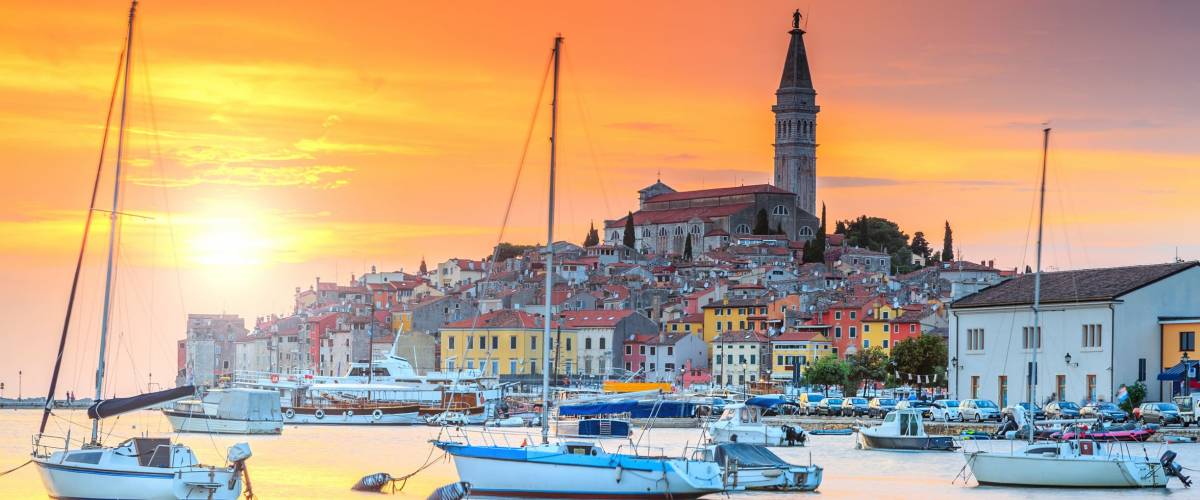
Croatia's Istrian Peninsula has been compared to Tuscany.
With
more than 1,000 islands to explore off its shores, seaside towns,
mountain getaways and a simple, peaceful lifestyle, Croatia will never
be a boring retirement destination.
The Balkan nation has cold winters and very hot summers, although its infamous "bura" wind will cool you right off. English is widely spoken in seaside towns, but you'll need to know some basic Croatian to get by in inland villages.
In-the-know expats head to the northern peninsula of Istria, which is "the new Tuscany," according to International Living magazine.
A one-bedroom in the small coastal towns of Pula and Rovinj will rent for around $300 a month, while you could buy an apartment that size for $70,000. Or, for as little as $110,000, you could own a home in the vibrant capital, Zagreb.
The Balkan nation has cold winters and very hot summers, although its infamous "bura" wind will cool you right off. English is widely spoken in seaside towns, but you'll need to know some basic Croatian to get by in inland villages.
In-the-know expats head to the northern peninsula of Istria, which is "the new Tuscany," according to International Living magazine.
A one-bedroom in the small coastal towns of Pula and Rovinj will rent for around $300 a month, while you could buy an apartment that size for $70,000. Or, for as little as $110,000, you could own a home in the vibrant capital, Zagreb.
How to retire to Croatia
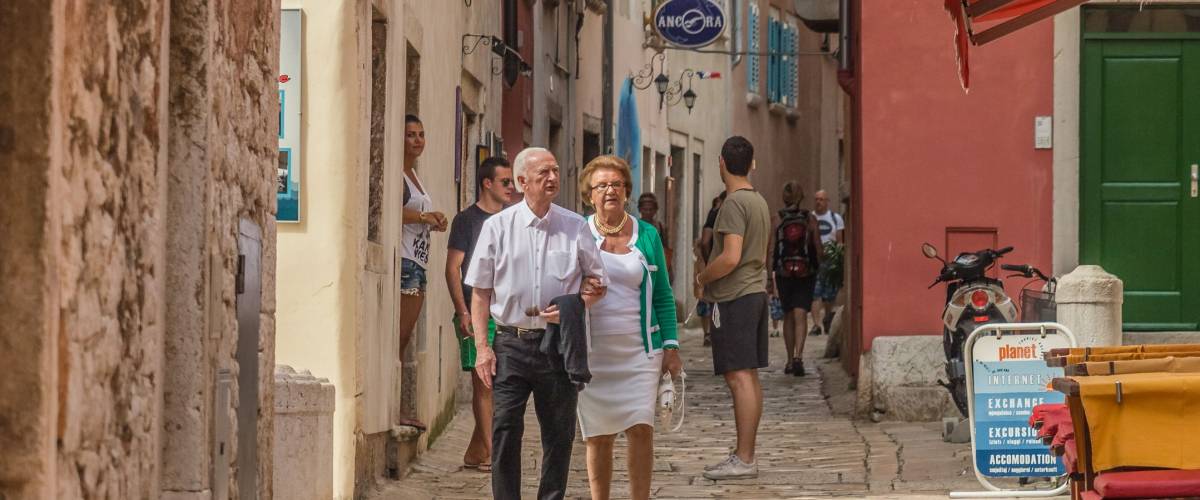
You'll need to live in Croatia for five years before you can apply for permanent residency.
To stay longer than 90 days, you’ll need to apply for a temporary residence permit at the local Ministry of Interior office or police station and prove you have adequate financing and that you own property or that your yacht is moored in the marina(!).
After renewing this temporary residence visa for five years, you can apply for permanent residency.
19. Bolivia
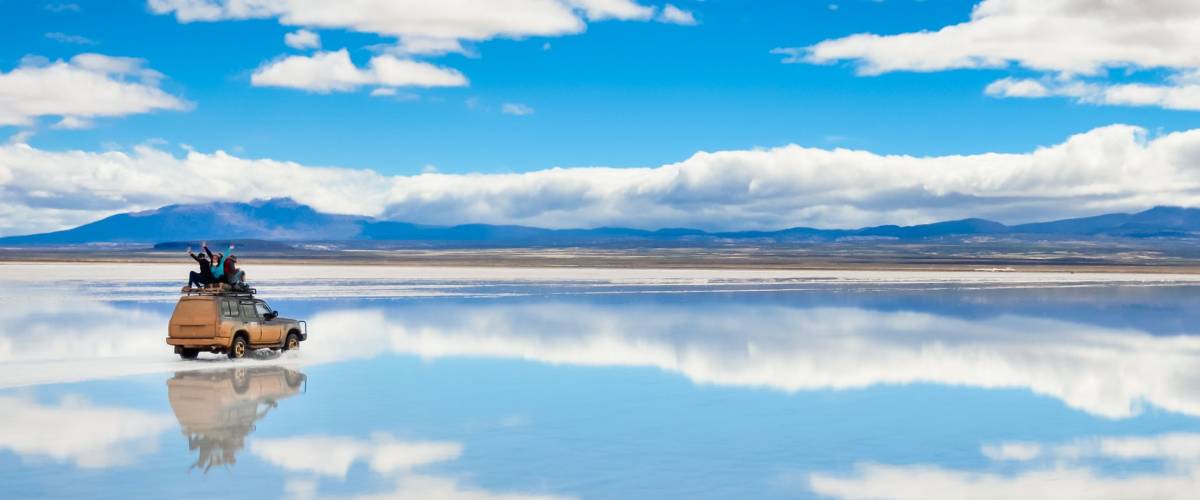
If you retire to Bolivia, you'll be lured to the famed salt flats.
If exploring mountains, salt flats, charming colonial towns and bustling cities sounds like a good time, then you might just enjoy retiring in Bolivia!
Public health care in Bolivia is still under development, so you’ll find better care in private clinics. Health insurance can help cover the costs.
Expats can lead a comfortable life for around $1,000 a month in affordable Tarija. Many foreign retirees also have happily visited and settled in Santa Cruz and La Paz. Being able to speak Spanish will help you fit in.
How to retire to Bolivia
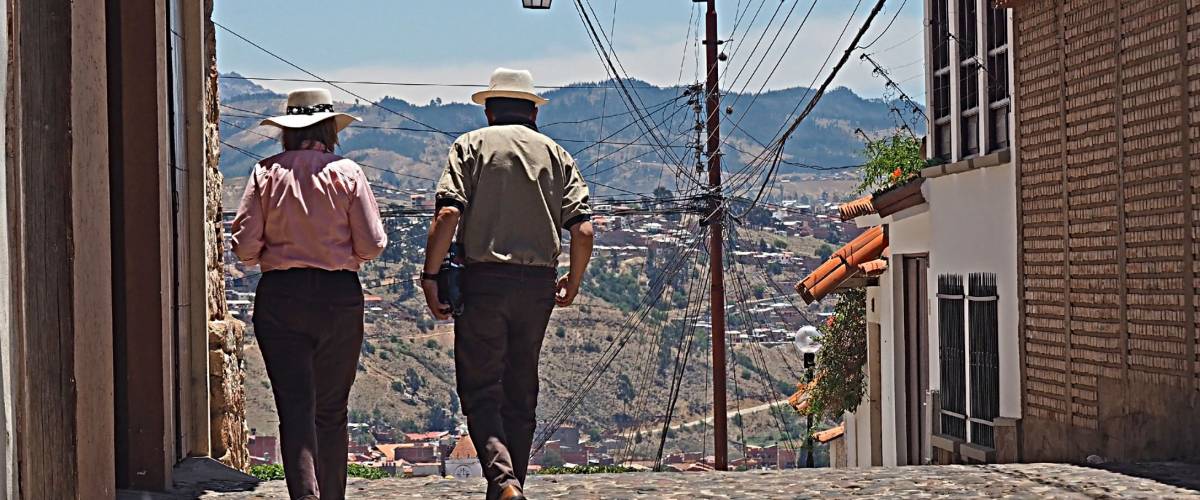
Bolivia is a nation that's rich in history and has an abundance of natural wonders.
But you’ll probably want to check the place out before you make the leap. To visit, you’ll need to get a tourist visa from the Bolivian consulate.
Calculate how much more you need to save each month to reach your retirement nest egg goal.
18. Belize
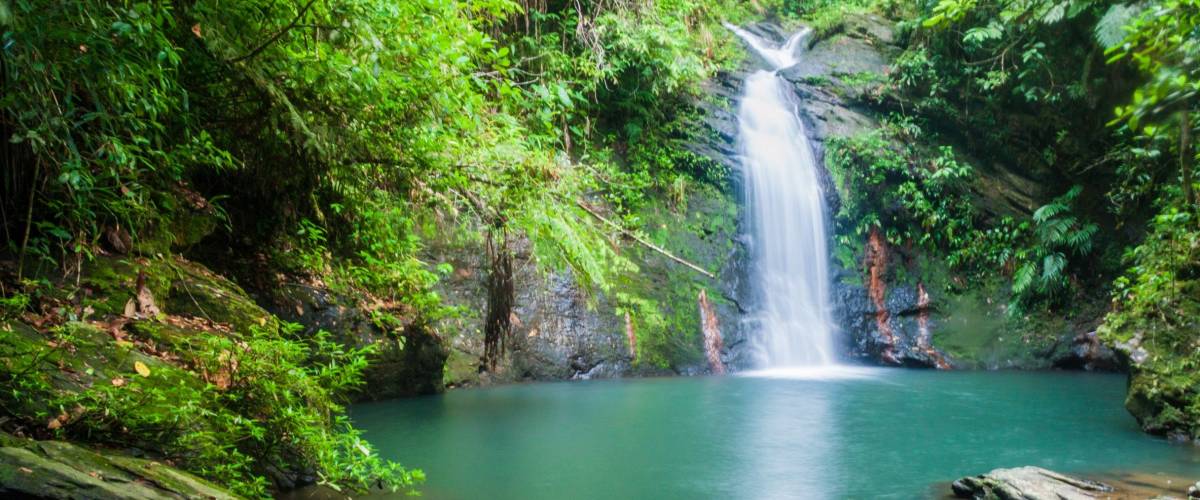
Belize is stunning.
Popular expat destinations include Placencia Peninsula, a 19-mile swath of land bordered by white sands and blue waves, and the island of Ambergris Caye. These are among the most expensive areas of Belize, but you can still find rents as low as $700 a month.
You will want to stay away from border towns, isolated regions and Belize City, as criminal activity is much higher in these areas.
In Belize, most hospitals are not well-equipped to deal with serious health concerns. Health care in Mexico, Nicaragua, and Costa Rica is significantly better by comparison, says Expat Exchange.
How to retire to Belize
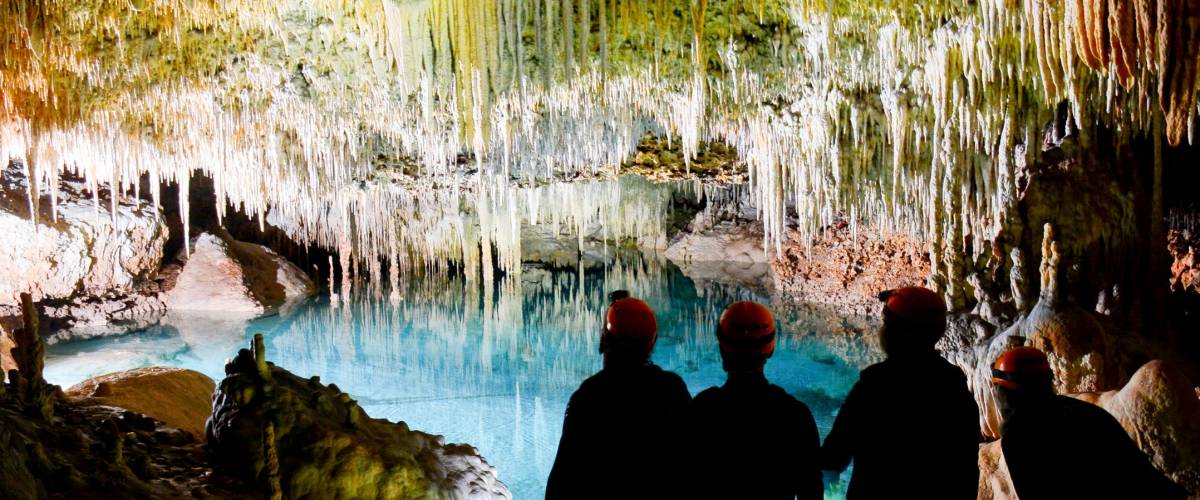
Belize offers plenty of opportunities for field trips with your fellow expats.
After staying in the country for the required 50 weeks, you can apply for residency once you can prove you will be able to transfer $24,000 each year into a Belize bank account. The application costs $1,000.
Note that officials prefer to see your income stream coming from a combination of Social Security, a pension plan and/or a 401(k) or IRA.
17. Vietnam

Da Nang is an exciting, bustling city.
Particularly affordable expat-friendly destinations include the beach town Nha Trang and the bustling city of Da Nang, where around $1,000 can cover your living costs for a month.
There’s a growing expat community in Nha Trang and expanding services catering to Westerners and locals alike. Da Nang is modern, international and welcoming, and its lovely weather will allow you to enjoy the city’s parks, beach and riverfront year-round.
In Vietnam’s cities and tourist centers, English is becoming more commonly spoken, and the government has put more emphasis on English-language learning in schools. But you’ll need some knowledge of Vietnamese to communicate in smaller towns and rural areas.
How to retire to Vietnam
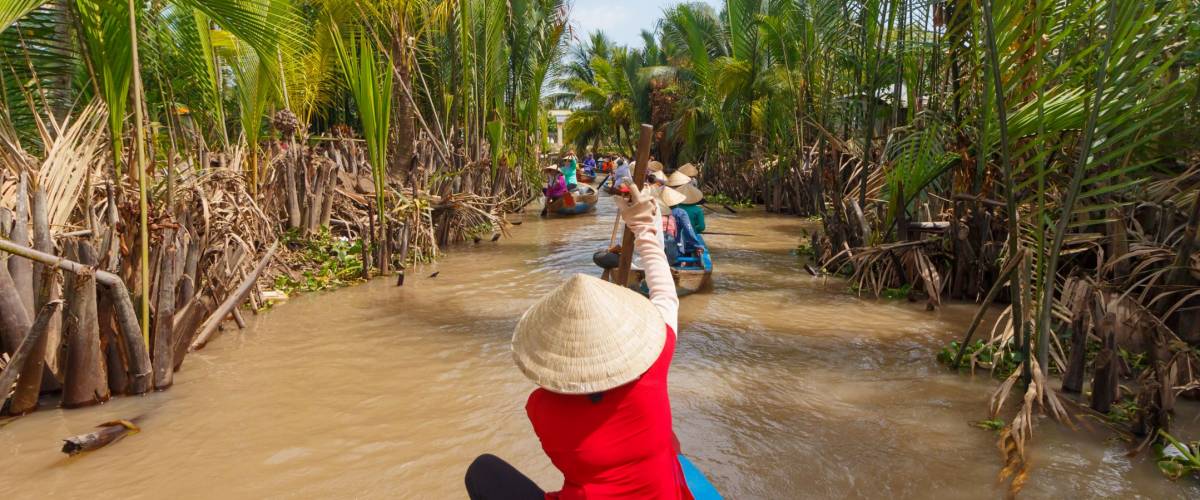
You can relocate to Vietnam via a renewable one-year visa.
Vietnam doesn’t have a retirement visa, but U.S. citizens can get a one-year multiple-entry visa that will have to be renewed. It requires that you leave the country once every 90 days.
16. Ecuador
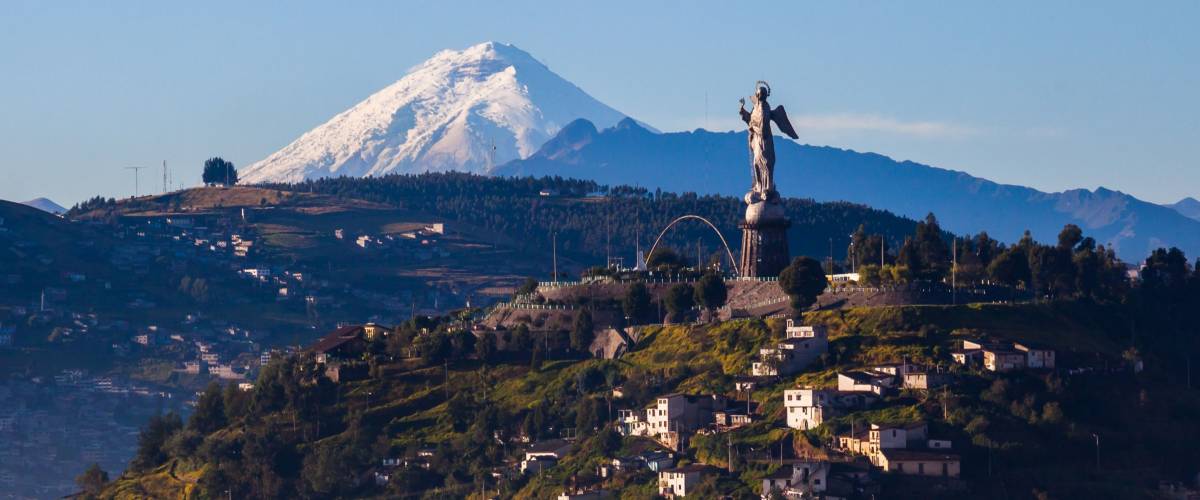
Ecuador's scenery is breathtaking.
With its pristine natural surroundings, busy cities, charming historical towns, and low cost of living, there’s something for everyone in Ecuador.
In the capital city, Quito, you’ll spend about $460 a month to rent a one-bedroom apartment in the middle of town.
In the quaint and friendly town of Cuenca, the same thing will cost you about $340 a month, reports living-costs website Numbeo.
How to retire to Ecuador
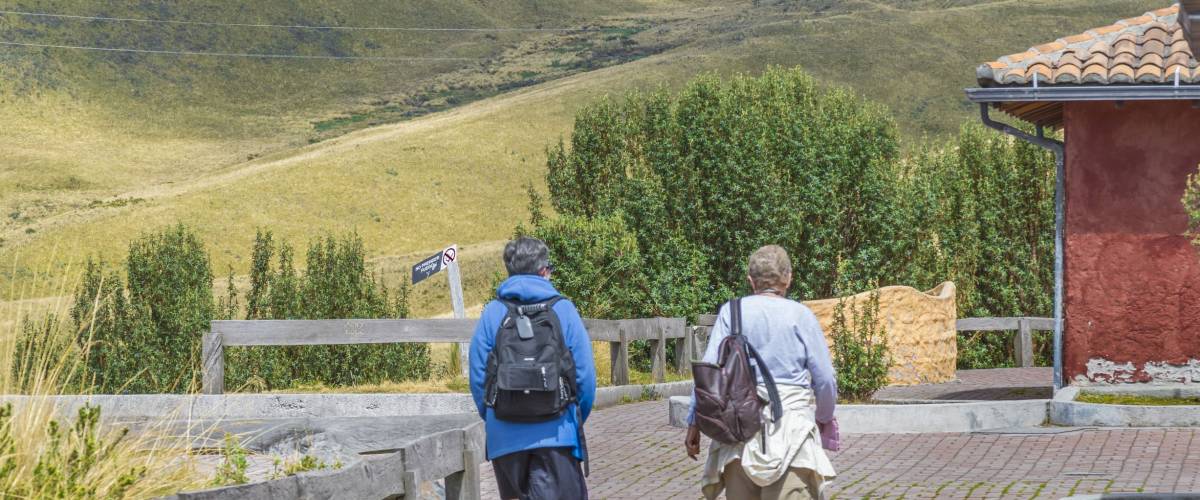
Ecuador is a popular retirement choice among U.S. seniors.
The visa requires proof that you will be receiving $800 or more per month from a recognized pension source, says International Living magazine. Once the visa is approved, you’ll have to sign up for public or private health insurance.
Ecuador’s political forecast is looking quite sunny these days. Citizens voted in early 2018 to reinstate presidential term limits, setting the country apart from more troubled nations in the region, such as Venezuela.
15. Ireland

County Mayo is affordable and looks like something out of a storybook.
Settle
here, and you’ll find the people welcoming, the culture and castles
stunning, and the nearby travel options in the U.K. and Europe
inspiring. Plus, Ireland can be very affordable.
While housing prices in major cities like Dublin have hit all-time highs, there are still plenty of perfect places for a lower-cost and low-key retirement on the Emerald Isle. In County Mayo, Roscommon or Monaghan, homes sell for under $100,000.
Hospitals in Ireland are generally very well-appointed, and the level of care is highly rated. Since you're not a citizen of the European Union, you will need health insurance to cover your health care costs.
While housing prices in major cities like Dublin have hit all-time highs, there are still plenty of perfect places for a lower-cost and low-key retirement on the Emerald Isle. In County Mayo, Roscommon or Monaghan, homes sell for under $100,000.
Hospitals in Ireland are generally very well-appointed, and the level of care is highly rated. Since you're not a citizen of the European Union, you will need health insurance to cover your health care costs.
How to retire to Ireland

Ireland can be a breathtakingly beautiful retirement destination.
Next, you'd need to apply for permission to remain as a "person of independent means" and show clear proof that you have sufficient resources to cover your expenses in Ireland.
That can mean annual income of 50,000 euros (about $58,000) per person, plus savings to cover emergencies and large expenses, such as buying a home or car.
14. Chile

Chile is known for its majestic mountains and busy cities.
As one of the most stable countries in South America, Chile offers the chance to enjoy a safe, comfortable, middle-class lifestyle for a fraction of the cost of retiring in the U.S.
For about $1,000 a month, you’d be able to cover housing and basic costs just about anywhere in the country. Spend a little more, and you can eat, hike and travel the land to your heart’s content.
How to retire to Chile
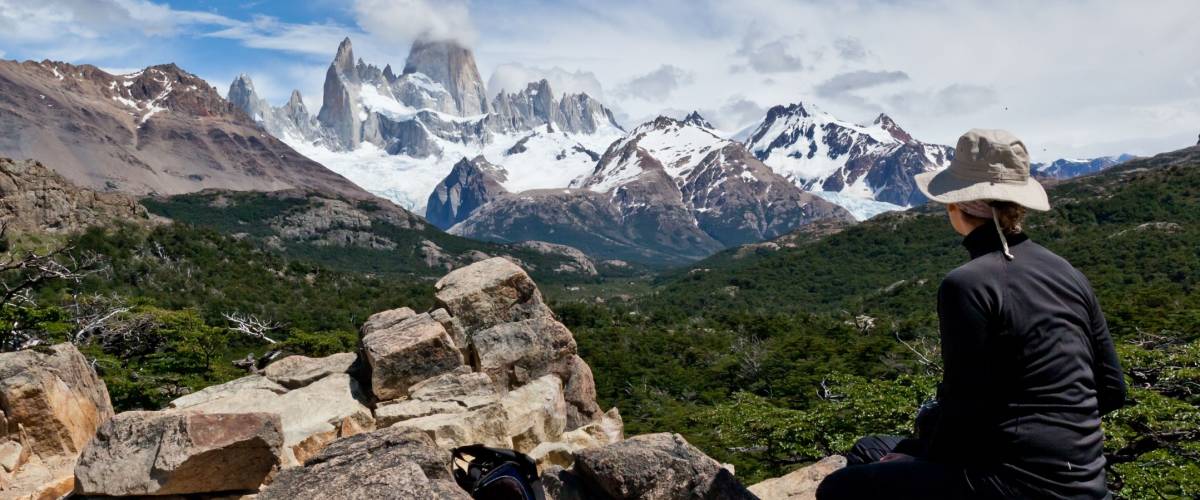
Chile offers retirees opportunities for travel and hiking.
After your temp visa is approved, you’ll need to stay in Chile for 180 days out of the year to be able to apply for permanent residency.
There is no official minimum income requirement. But the Spencer Global law firm in Chile estimates you’d need at least $1,000 per person for the first one or two years as you complete the visa process and set up your home in Chile.
13. Uruguay

Uruguay offers a mix old-world charm and modern amenities.
The cost of living is higher than in other Latin American nations — yet food, housing and clothing are still far cheaper than in the U.S. In Salto, the second-largest city in Uruguay, you can spend $800 a month and live comfortably.
Uruguay's most popular health care option is called a mutualista. It costs around $100 a month, offers access to a private hospital and clinics, and covers just about any health care need you’ll have.
How to retire to Uruguay
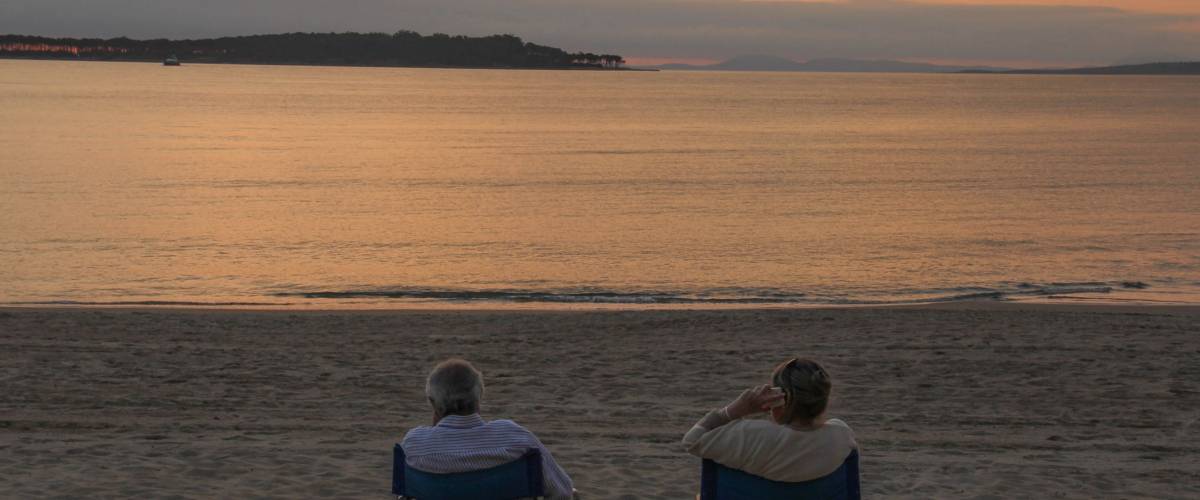
The living is very easy for American retirees in Uruguay.
There's also a foreign retiree visa that allows a duty-free import of your personal items. But this visa is harder to come by, and you’d need a lawyer to help you apply.
It’s worth noting that while obtaining residency in Uruguay is simple enough, the country generally does not want to give out citizenship to foreigners.
12. France

Pau is a smaller French city that's surprisingly affordable.
The city of Pau, which sits near the Spanish border, has mild winters and summers, and a one-bedroom apartment in the center of town goes for around $500 a month. A nice dinner for two costs about $46, reports living-costs website Numbeo.
The lovely Mediterranean university town of Montpellier also is very reasonably priced. Renting a one-bedroom flat will cost between $500 and $750. Both Pau and Montpellier have great health care and hospitals.
How to retire to France

If you want to spend retirement in France, you'll have to apply for a long-term visa.
Watch this new video to learn more
This advertiser wants to share their trending video
Ad By Sponsor
The long-term visa can be renewed yearly, and you’d have to submit current financial information at renewal.
11. Thailand

Chiang Mai in Thailand provides a good mix of the old and the new.
The affordable city of Chiang Mai is full of modern amenities, like health clubs, shopping malls and high-quality (yet inexpensive) health care. Beautiful and sun-soaked island haven Koh Samui also offers an economical cost of living.
Even busy Bangkok is affordable and has some of the best private hospitals in the country. Thailand’s political climate is quite stable, and there is an active police presence, especially in big cities and tourist centers.
How to retire to Thailand
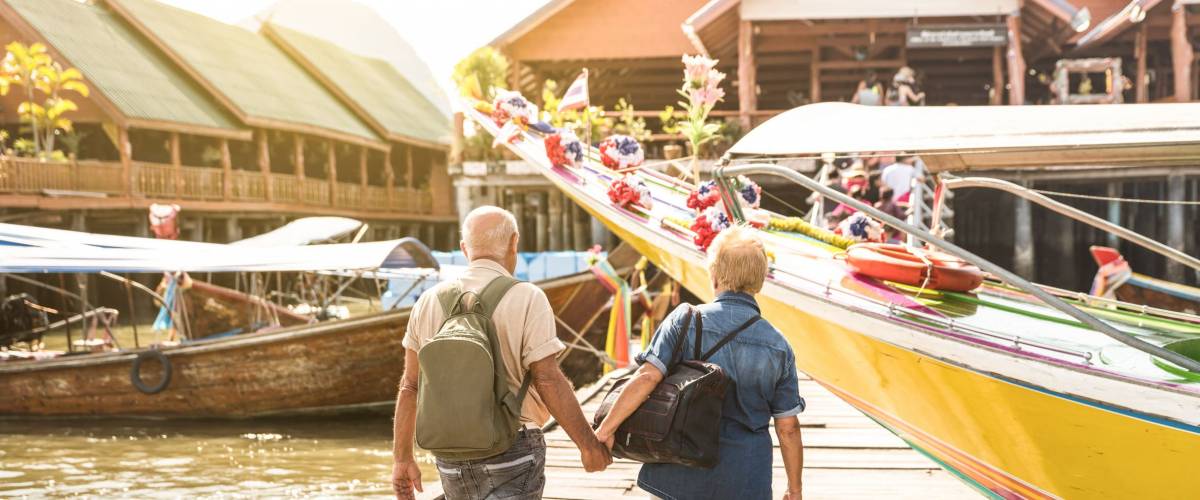
To retiree in Thailand, you need only have savings and annual income totaling about $24,000.
Expat retirees must have savings and annual income totaling at least 800,000 Thai baht — currently about $24,000. You'd also need to report to the Thai immigration authorities every 90 days.
Want to save more for your retirement? Find out how much more you need to put away each month to reach your goal.
10. Italy
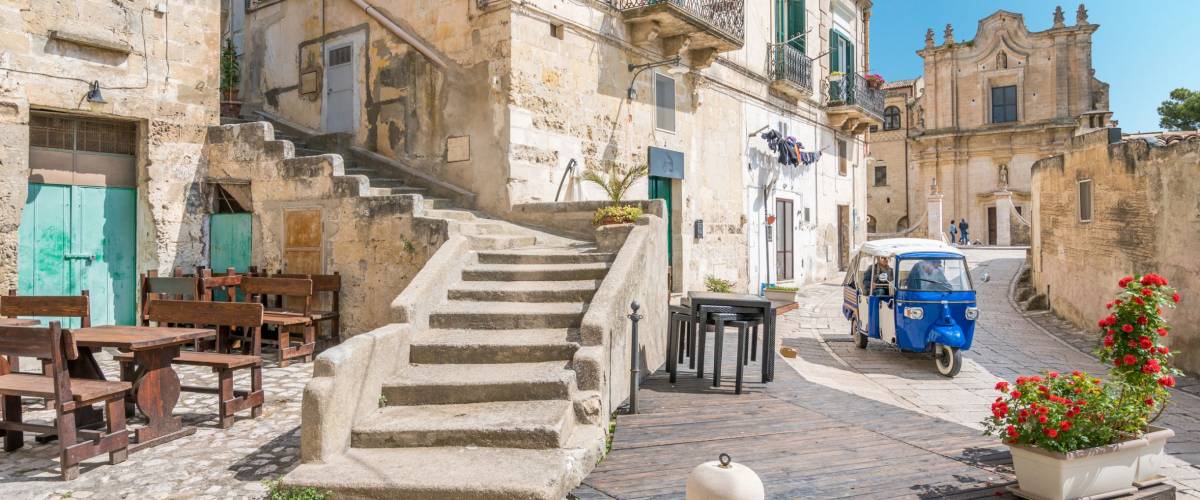
Matera, in the Basillicata region, looks like a movie set. But it's real!
In the southern region of Basilicata, you could buy a home in one of the smaller villages for just $32,000. In the charming historical town of Matera, you can rent a one-bedroom apartment for less than $600 a month.
In the eastern Puglia region, renowned for its sunny beaches and fresh seafood, the cost of living is even lower.
How to retire to Italy

U.S. retirees who become Italian residents can enroll in the national health care system.
You'd need to provide proof of your yearly income from a pension, 401(k) or other liquid assets. The minimum is currently about $35,000 for one person and between $40,000 and $70,000 for two people.
Plus, you'd need to show proof of a rental agreement and medical insurance. Once you’re a resident of Italy, you qualify for the national health care system, which is ranked second in the world by the World Health Organization and costs about $400 a year per person.
9. Peru

The biggest health risk for U.S. retirees in Peru is altitude sickness.
In popular expat destinations such as Arequipa and Cusco, a one-bedroom apartment rents for about $225 a month, and a nicer three-course meal for two costs between $10 and $12.
Public health care is pretty affordable, too, but expats prefer to have health insurance and use private health clinics. The main health concern for newcomers is altitude sickness in Peru's high elevations.
Retiring to Peru
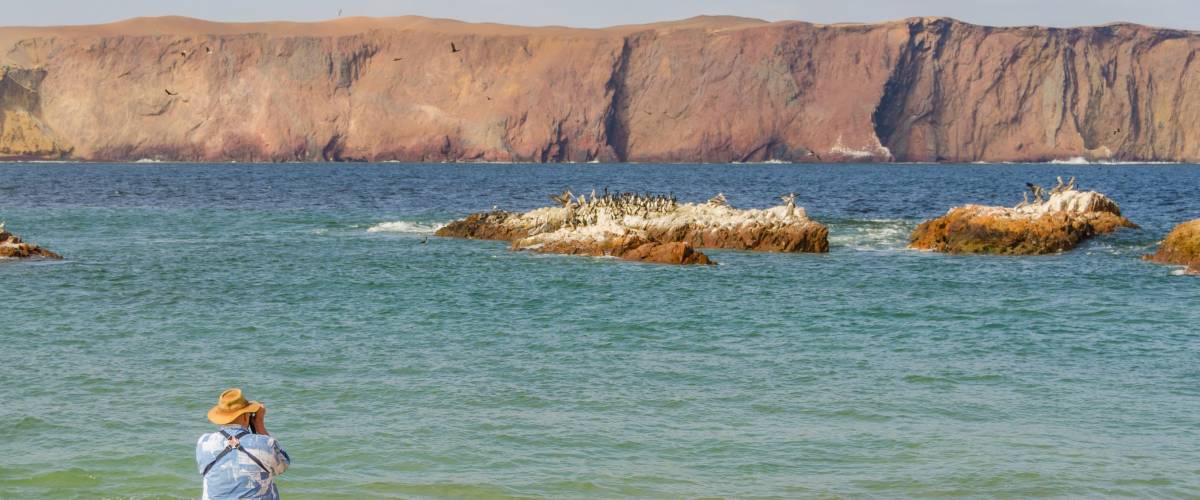
Peru offers American retirees lots of photo opportunities.
To qualify, you’d have to demonstrate that you have a permanent monthly income of $1,000 for one person, plus $500 per dependent.
Anyone holding the rentista visa is exempt from paying the taxes owed with other Peruvian visas, which is pretty great!
8. Slovenia
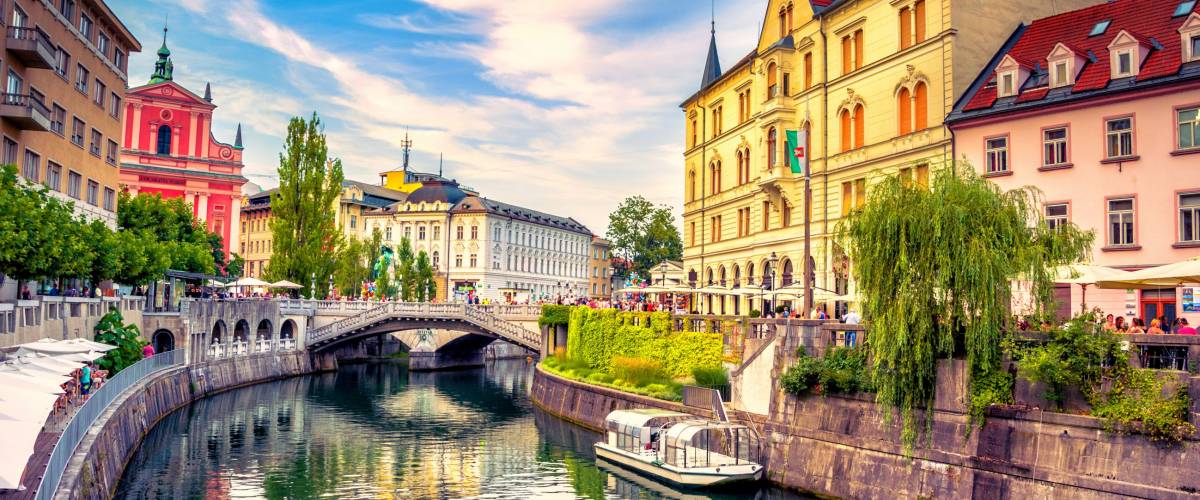
Slovenia is a hidden gem.
Renting a one-bedroom apartment in the modern capital city of Ljubljana costs about $550 a month, and local food and staples also are reasonably priced.
All residents must pay for compulsory state health insurance, which provides access to very adequate health care. Expats and residents often add on private, local health insurance for additional services.
How to retire to Slovenia

The word is getting out: Slovenia is a great place for North American retirees.
The permit must be renewed every year. After five years of living in Slovenia with this visa, you could apply for permanent residency.
To apply for temporary residency, you’d have to show you have an income at least equal to the basic minimal income in Slovenia, which is currently equivalent to about $1,000 per month.
7. Spain

Valencia is spectacularly affordable.
With low food costs, natural beauty and practically no winter to speak of, Spain makes a great base for retirees hungry to travel around Europe.
Be aware that housing costs vary hugely across Spain. In major tourist centers like Barcelona, rents are comparable to those in the U.S.. In smaller towns like Valencia, a one-bedroom apartment goes for about $630 a month.
How to retire to Spain
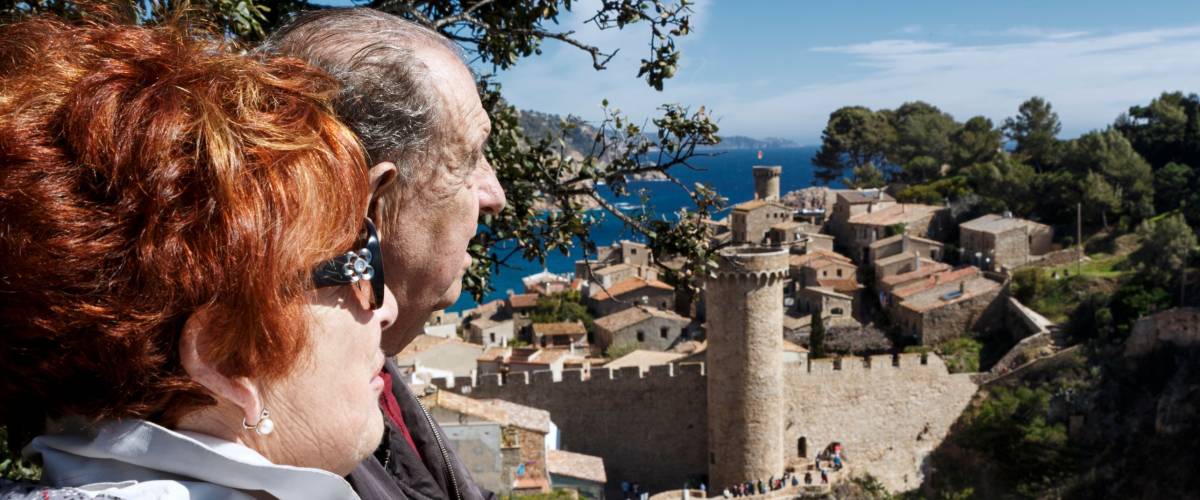
To spend your retirement in Spain, you'll need to show monthly income of at least $2,500.
You'd also need to show that you have health insurance that works in Spain.
It might take a few appointments to obtain your foreign visitor number (the NIE, necessary for everything from opening a bank account to installing internet in your home), but after that bureaucratic nonsense, the rest is gravy.
6. Portugal
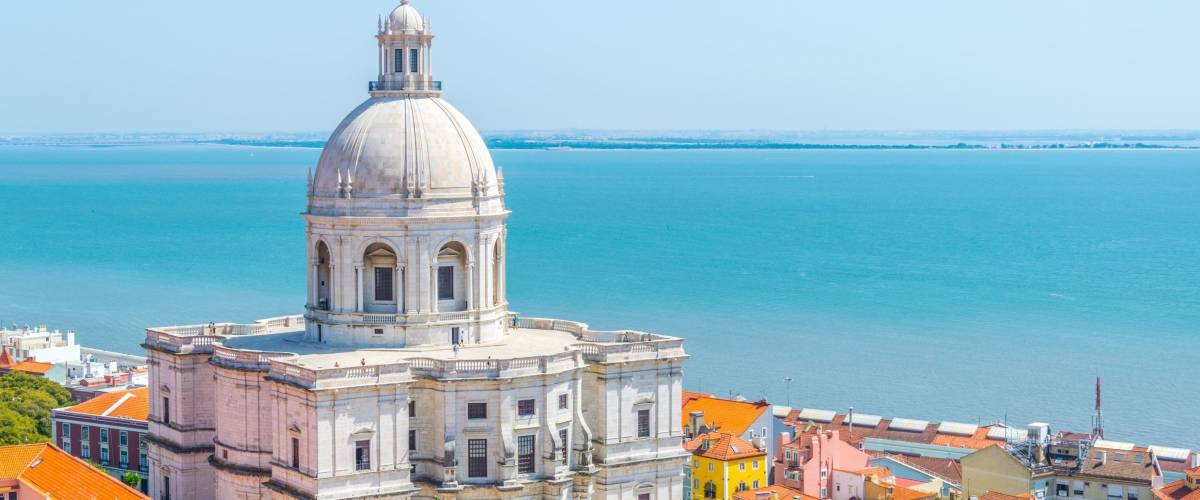
Portugal promises sun, sea and history.
The nation offers a lower cost of living than next-door Spain, sun for more than 300 days a year, and all the historical castles and fresh seafood you could want. Plus, it’s fairly stable, politically.
Renting an apartment in a smaller town is your best bet for an affordable retirement. Portuguese public health care has gotten a bit under the weather recently, so private health care is strongly preferred by international residents.
How to retire to Portugal

Portugal has been gaining popularity as a retirement destination.
All of this would allow you to apply for permanent residency after you arrive in Portugal.
Income requirements are not specified for either temporary or permanent resident applicants, but you must have sufficient income to sustain you for the length of time you intend to stay in your chosen region in Portugal.
5. Malaysia

Kuala Lumpur, Malaysia's capital and largest city, is more affordable than U.S. cities.
Kuala Lumpur offers lower-cost living than in U.S. cities; a one-bedroom apartment rents for $550 a month. If the island lifestyle beckons, check out colorful Penang, where a one-bedroom will cost you just $290 a month.
How to retire to Malaysia
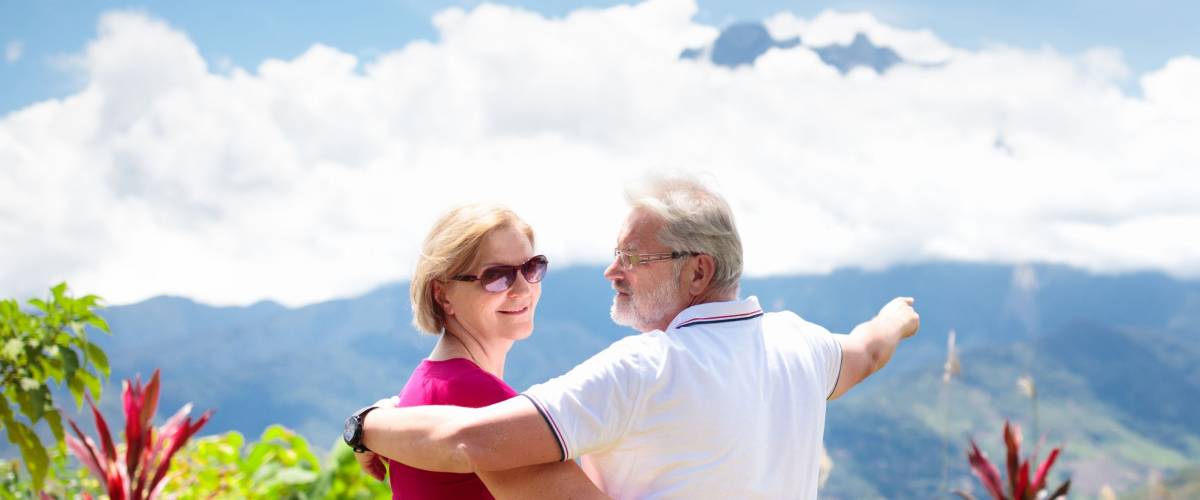
To retire in Malaysia, you'll need to get a 10-year visa.
Malaysia is generally quite safe, but petty theft is common in tourist centers, and home break-ins may happen when houses are empty.
The State Department advises Americans to avoid the eastern Sabah region due to violent activity and kidnappings-for-ransom.
4. Malta
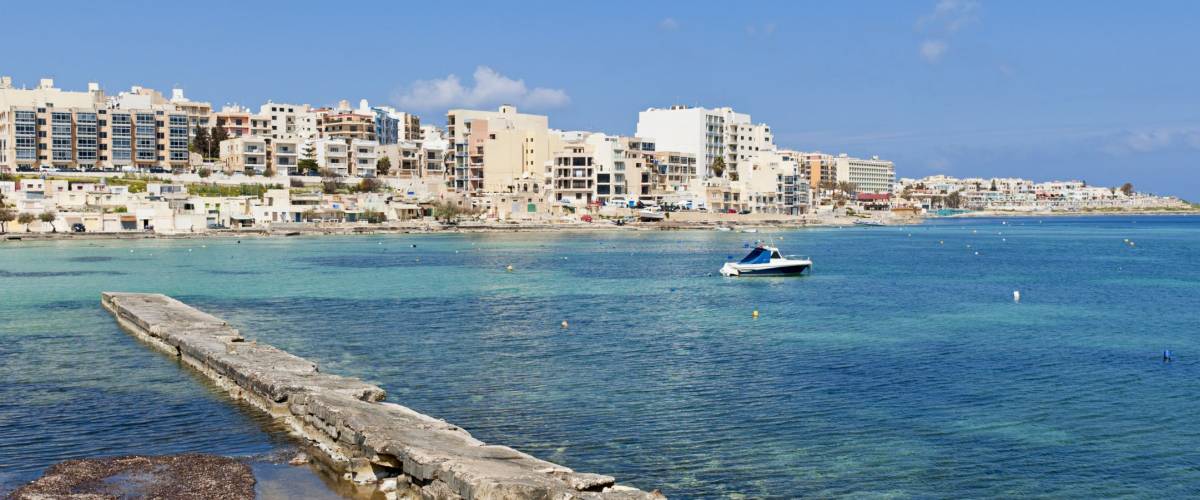
You can rent an apartment in Qawra, Malta, for $450 a month.
Making things easier for North American retirees, English is one of Malta’s official languages. The nation’s health care system is in the top five globally, according to the WHO.
In the northern coastal villages of St. Paul’s Bay, Qawra and Mellieha, rent can cost just $450 per month, and there’s plenty of beach to keep you occupied. And since this is an island, you can drive to a bigger town quite easily.
How to retire to Malta

Retiring in Malta is relatively easy.
Check out this quick video
3. Panama
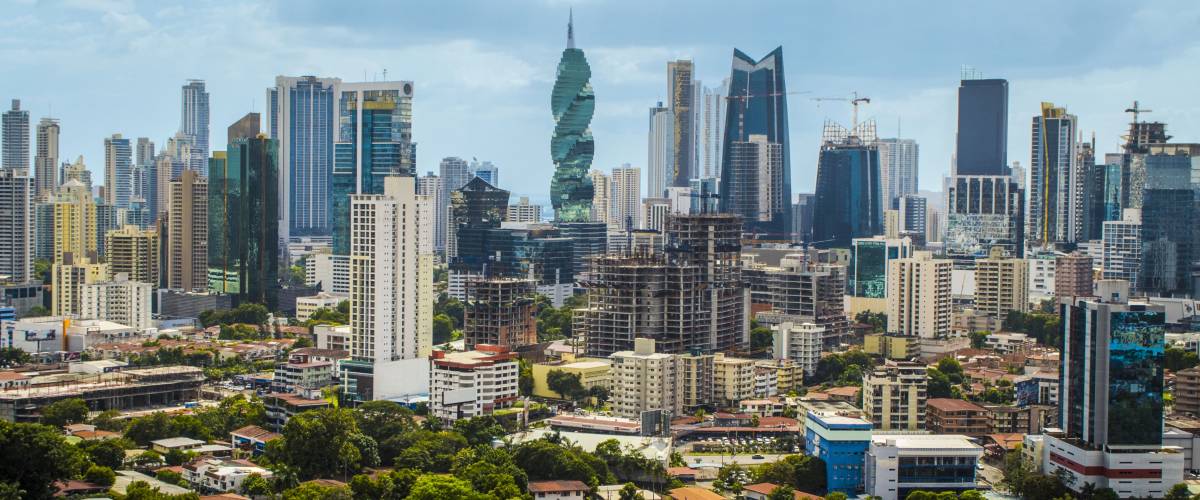
For a big city, Panama City is surprisingly affordable.
Watch this video for more information
The capital, Panama City, is surprisingly affordable. A one-bedroom in the city center rents for about $1,000 a month; internet costs about $52 a month; and a nice dinner for two at mid-range restaurant is about $50, says Numbeo.
How to retire to Panama

Activities in Panama include watching ships go through the Panama Canal.
If you’ll be getting less than $1,000 but more than $750, then you can buy a property in Panama for at least $100,000, and your lifetime monthly pension requirement will be reduced to $750.
This visa entitles you to a wide range of discounts on medical care (including dental and vision), travel, utility costs, loans and much more. There is no minimum or maximum age to qualify for the visa.
2. Mexico

When you live in the Yucatan, you'll want to visit Chichen Itza.
Plus, you’ll see plenty of familiar businesses, from Starbucks to Petco and Walmart, around town.
A centrally located one-bedroom apartment rents for less than $200 a month in the town of Merida in the Yucatan. Because Mexico is so close to the U.S., many retirees keep their medical insurance from home and pay out of pocket for occasional medical needs.
How to retire to Mexico

Income retirements to retire in Mexico can be surprisingly low.
Temporary resident applicants need to show they had an income of approximately $1,400 over the past six months (from pensions, investments, etc.) or that they've had savings of about $23,500 over the past year.
Permanent resident applicants need to show proof of at least $2,325 in income over the previous six months, or savings of $93,000 during the preceding year.
Stay tuned for any changes to Mexico's visa requirements as a result of the country's recent election.
1. Costa Rica
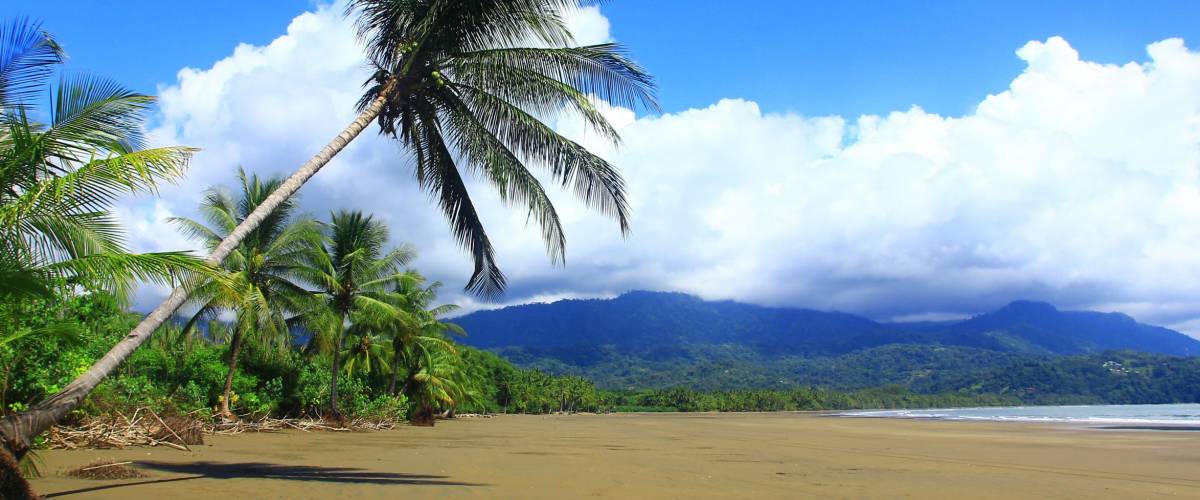
Costa Rica's Southern Zone is gorgeous and convenient.
Costa Rica's Pacific coastline, known as the Southern Zone, is very popular with North American expats.
Offering sunny beach living near the region's amazing biodiversity, southern towns like Dominical, Ojochal and Uvita have lots of amenities including restaurants, markets, and public and private medical clinics.
How to retire to Costa Rica

You can retire to Costa Rica if you can show income of at le
Note that IRAs and 401(k)s are not recognized here. You’d also have to pay a percentage of your monthly income into the public health care system. Most expats opt for higher-quality private health care, for an additional cost.
Costa Rica is stable thanks to its influx of tourism dollars, and the living is quite safe as long as you show some common sense. If you haven’t been to Costa Rica yet, then isn’t it about time to check it out?


No comments:
Post a Comment