Changing stroke rehab and research worldwide now.Time is Brain! trillions and trillions of neurons that DIE each day because there are NO effective hyperacute therapies besides tPA(only 12% effective). I have 523 posts on hyperacute therapy, enough for researchers to spend decades proving them out. These are my personal ideas and blog on stroke rehabilitation and stroke research. Do not attempt any of these without checking with your medical provider. Unless you join me in agitating, when you need these therapies they won't be there.

What this blog is for:

My blog is not to help survivors recover, it is to have the 10 million yearly stroke survivors light fires underneath their doctors, stroke hospitals and stroke researchers to get stroke solved. 100% recovery. The stroke medical world is completely failing at that goal, they don't even have it as a goal. Shortly after getting out of the hospital and getting NO information on the process or protocols of stroke rehabilitation and recovery I started searching on the internet and found that no other survivor received useful information. This is an attempt to cover all stroke rehabilitation information that should be readily available to survivors so they can talk with informed knowledge to their medical staff. It lays out what needs to be done to get stroke survivors closer to 100% recovery. It's quite disgusting that this information is not available from every stroke association and doctors group.

Showing posts with label wrong focus. Show all posts

Tuesday, May 23, 2023

Stroke rehab improves recovery. So why aren't Hispanic survivors getting enough of it?

 Wrong question! Why aren't all survivors getting EXACT REHAB PROTOCOLS THAT DELIVER RECOVERY? Existing rehab doesn't work, it's a complete fucking failure! The only goal in stroke is 100% recovery, that's what I compare existing rehab to!

Only 10% get fully recovered and nobody in the world knows a damn thing about how to get into that 10%.

I have a recumbent trike also but it is too damn heavy at 42 pounds to easily haul into and out of my apartment for use so I have to store it inside my Jeep Renegade so I can't carry other people or go on trips unless I haul it back into the apartment.  Getting it thru doorways and up/down steps requires all the strength I have and I'm pretty strong.


Stroke rehab improves recovery. So why aren't Hispanic survivors getting enough of it?

By Lourdes Medrano, American Heart Association News

Joe Granados was slumped in a chair when his wife – alerted by their children – came to check on him. He didn't seem like himself.

Alba Patricia Granados, a nurse, quickly realized her husband was having a stroke. "He couldn't speak, and he couldn't move the right side of his body," she said.

Joe had experienced similar symptoms earlier that morning but had recovered by the time he told his wife. Neither was too concerned because eight months earlier – the first time he had trouble walking and felt weakness in his right arm – doctors had attributed the symptoms to a possible migraine. After undergoing medical tests, he left the hospital in July 2021 with a clean bill of health.

But on that day in March 2022, doctors at a hospital near the family's home in Tucson, Arizona, said Joe was having a stroke. Complications emerged during surgery to remove a clot from a large vessel in his brain, but Joe survived. He was less than a month from his 52nd birthday.

After a couple of weeks in the hospital and six weeks at an inpatient rehabilitation center for speech, physical and occupational therapy, Joe returned home. He still attends outpatient rehab for three hours each week.

While Joe has regained partial movement and limited speech, Alba describes his post-stroke recovery as mixed. "With a cane or a walker with a base, he can walk short distances from one end of the house to the other, but he might have to take breaks," she said. "He still needs some help getting dressed, but most of his personal hygiene he can do, and he can eat by himself."

Joe's experience is not unusual. Stroke is a leading cause of disability in the United States, and some studies suggest Hispanic stroke survivors like Joe may have worse outcomes and greater disability than their white peers.
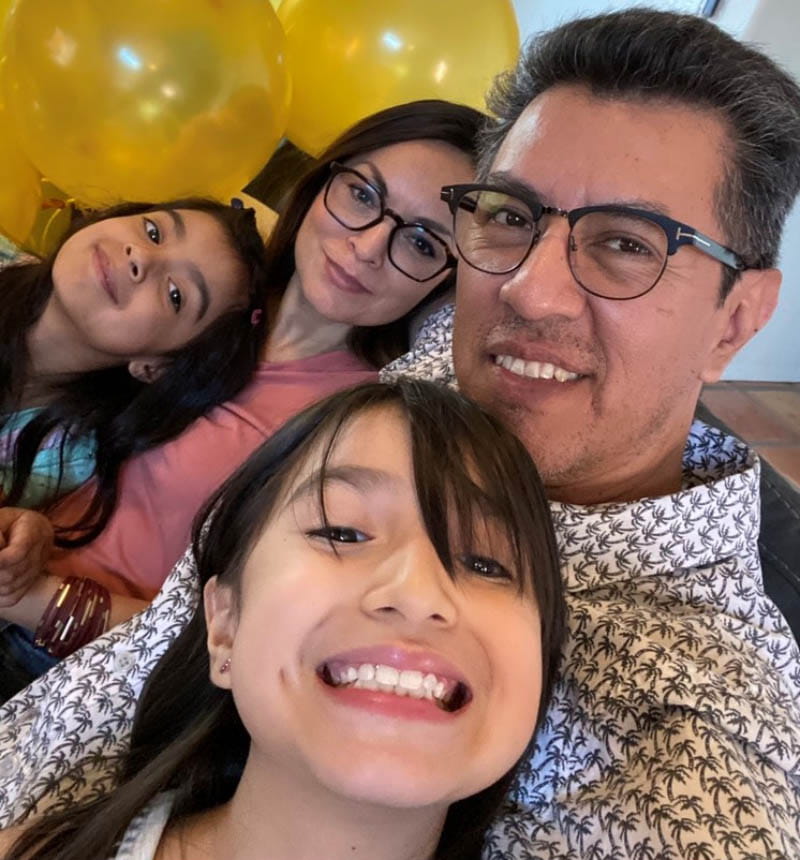
The Granados family, clockwise from top: Alba and Joe with their daughters Mia and Ximena. (Photo courtesy of Alba Patricia Granados)
Alba and Joe Granados with their daughters Ximena (left) and Mia. (Photo courtesy of Alba Patricia Granados)

A potential reason may be disparities in stroke rehabilitation, where survivors relearn basic skills such as eating, talking and walking. A nationwide study published in the journal Stroke this year found Hispanic participants received disproportionately lower amounts of physical therapy and occupational therapy during the first year of stroke recovery.

Other research published in Ethnicity & Disease in 2019 found that Hispanic stroke survivors at an inpatient rehab facility in Southern California were more likely than white survivors to be discharged home. The researchers said that may reflect an implicit bias within health care systems to send Hispanic survivors home rather than to a skilled nursing facility or other setting with stroke recovery services. Or, they said, it may reflect the value of "familismo" in the Hispanic culture that includes commitment to caring for family.

Dr. Jose Rafael Romero, a neurologist at Boston Medical Center, said the type of rehabilitation that patients receive in the immediate weeks following a stroke is a key factor in their recovery.

"While several factors affect stroke recovery, most of the recovery happens in the first two to three months after the event, while slower improvements can be noted over the long term," said Romero, who also is an associate professor of neurology at Boston University. "For example, the size of stroke is an important factor. If a person has a large stroke with major deficits like paralysis on one side, inability to speak and loss of vision in one side, recovery is typically very slow and may not be complete."

He said that although doctors can estimate within the first few days whether someone is likely to have "major residual deficits," it is difficult to predict the final degree of recovery.

Inpatient therapy is the most intensive form of rehabilitation, and research shows it can produce better outcomes.

But preliminary research presented in February at the International Stroke Conference found Mexican American stroke survivors in South Texas were more likely than their white peers to use outpatient and home health rehabilitation – and they had worse functional outcomes three months after their stroke. The study is ongoing with plans to publish a comprehensive study within two years, lead researcher Lynda Lisabeth said.

"We're hoping to look at whether or not there are ethnic differences in the use of inpatient rehabilitation in particular, and then look at whether or not that first initial post-acute rehabilitation setting influences the ethnic differences in stroke outcomes that we've observed," said Lisabeth, a professor of epidemiology at the University of Michigan in Ann Arbor.

The goal of the study, she said, is to "understand factors that may facilitate or serve as barriers to use of inpatient rehabilitation." That would allow stroke care teams "to optimize post-acute care both from an economic standpoint, but also from a sociocultural perspective."

As research continues, Romero said improving stroke recovery for Hispanic people will require making it easier for them to access health care, insurance and health care professionals who can offer personalized, culturally tailored care – including Spanish interpreters when needed.

"Even when they have insurance, factors like language barriers are important ones to consider," he said. "If there are no therapists that can understand the patients or they don't use resources to communicate, like translators or interpreters, the assessments done to check the potential for recovery may be limited. And when they are undergoing therapy, the patients may be less likely to understand what they're supposed to do and to do it properly, thus affecting potential for recovery."

Back in Tucson, Alba said Joe, who is fluent in English and Spanish, usually spoke English before his stroke. But when he started speaking again after his stroke, he began to use more Spanish words.

"I don't think they could tap too much into that during rehab because most speech pathologists don't speak Spanish," Alba said. "So, I wonder what happens to people who are Spanish-speaking only."

Joe's speech has improved during the past year, but he can't yet hold a conversation. Still, Alba is hopeful he will continue to make progress in speaking and other basic skills with help from weekly outpatient therapy, as well as group speech therapy through the local nonprofit Friends of Aphasia – and a new favorite activity.
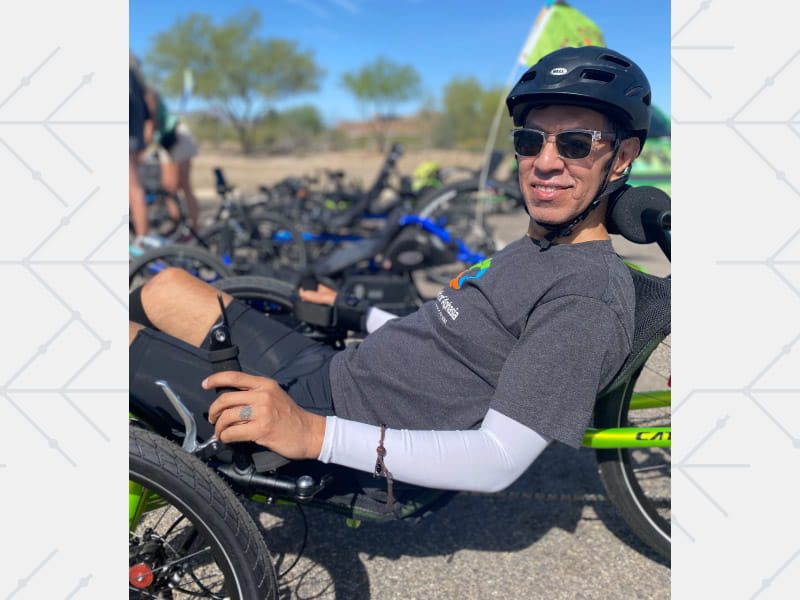
Stroke survivor Joe Granados on a recumbent trike in April. (Photo courtesy of Alba Patricia Granados)


"He recently started riding recumbent trikes, and it's like the whole world opened up to him," she said.

Tuesday, May 16, 2023

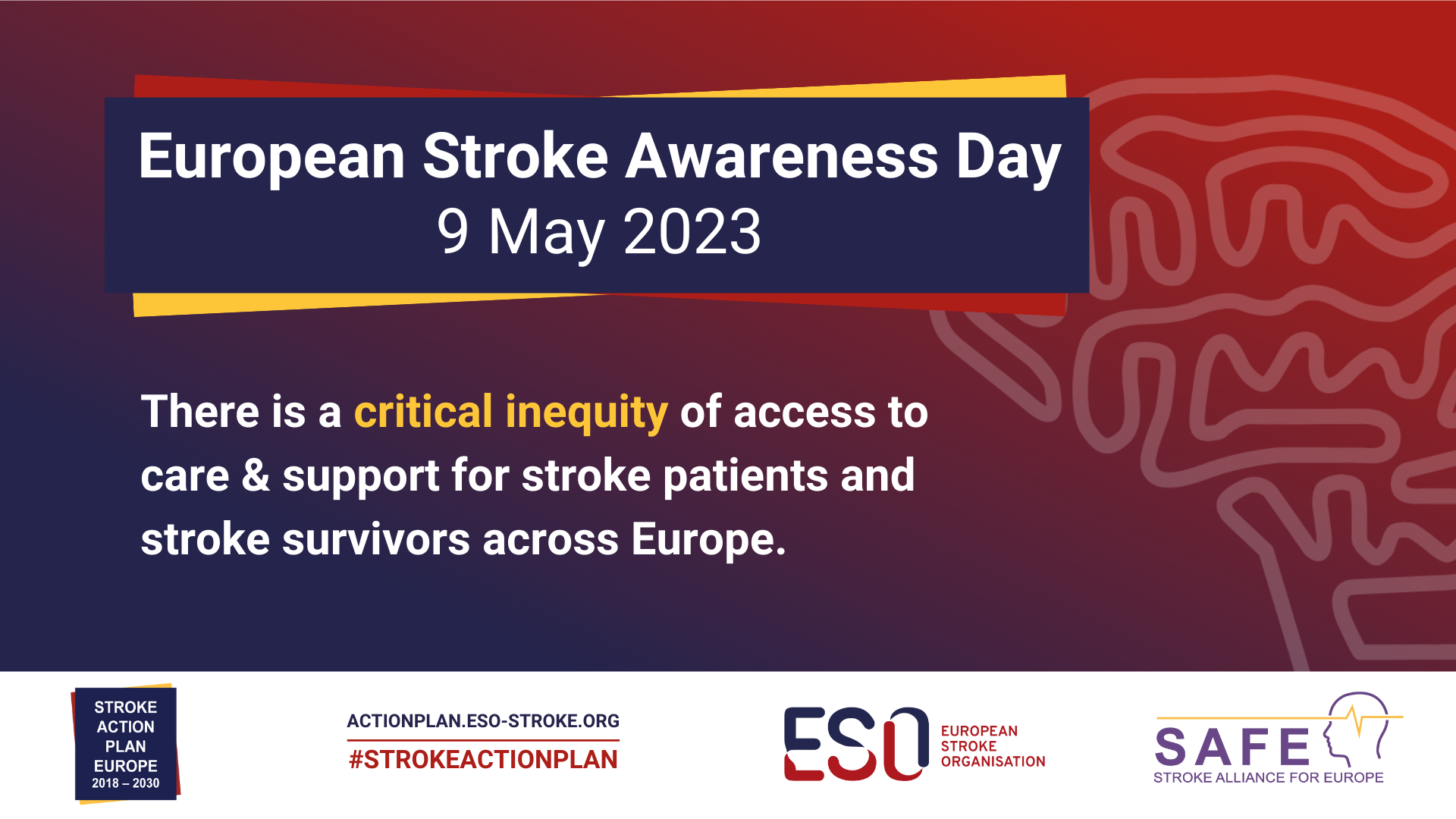
Warning that Europe is failing to provide adequate stroke care and support – the scale of stroke care crisis is laid bare for first time by new data release

WRONG, WRONG, WRONG!  You blithering idiots  are focusing on 'care' NOT RECOVERY OR RESULTS!  will you please leave the stroke field and let smarter persons in to solve stroke!

Warning that Europe is failing to provide adequate stroke care and support  – the scale of stroke care crisis is laid bare for first time by new data release

Warning that Europe is failing to provide adequate stroke care and support  – the scale of stroke care crisis is laid bare for first time by new data release

New data released today from the Stroke Action Plan for Europe Services Stroke Tracker, reveals the gross inequity of access to care and support for stroke patients and stroke survivors across Europe.

 The Stroke Action Plan for Europe was launched in 2018, to provide a framework for European governments to improve stroke care and support for all citizens in Europe. As part of this Plan, and for the first time, data from across 36 countries across Europe, covering 12 key areas of improvement, has been collected and is available here [link to the website]. In summary the data shows:

  • There is inequity in access to stroke care in Europe and insufficient access to care also in many high-income countries. This is the case for acute care, and to an even larger degree for rehabilitation and life after stroke support.
  • National and/or regional data are crucial in planning, organising and documenting access to care; however, such data are lacking or incomplete in the majority of European countries. Most European countries do not have a National Stroke Plan or National/regional registries to monitor stroke care.
  • The burden of stroke is predicted to increase but despite this, most countries do not have a plan for primordial or primary prevention.

Professor Hanne Karup Christensen, Stroke Action Plan for Europe steering committee chair: To reduce the burden of stroke in the years to come with its grave effects on individuals as well as societies, governments must prioritise implementing an adequate organization which include plans for primary and primordial prevention, National stroke plans and national/regional registries to monitor quality, outcomes and access to stroke care.

Arlene Wilkie, Director General, Stroke Alliance Eruope: This data released today shows a woeful lack of equitable access to stroke care and support across Europe. This is not good enough. Our governments must do more to prevent stroke, and when they do occur, ensure that every citizen has access to physical and emotional care and support in hospital as well as the ongoing long term support that each stroke survivor and carer needs when they go home. Urgent action is needed by each country to implement and fund a national stroke plan that covers everything from prevention, to acute care, rehabilitation and long term support.

All information can be found here

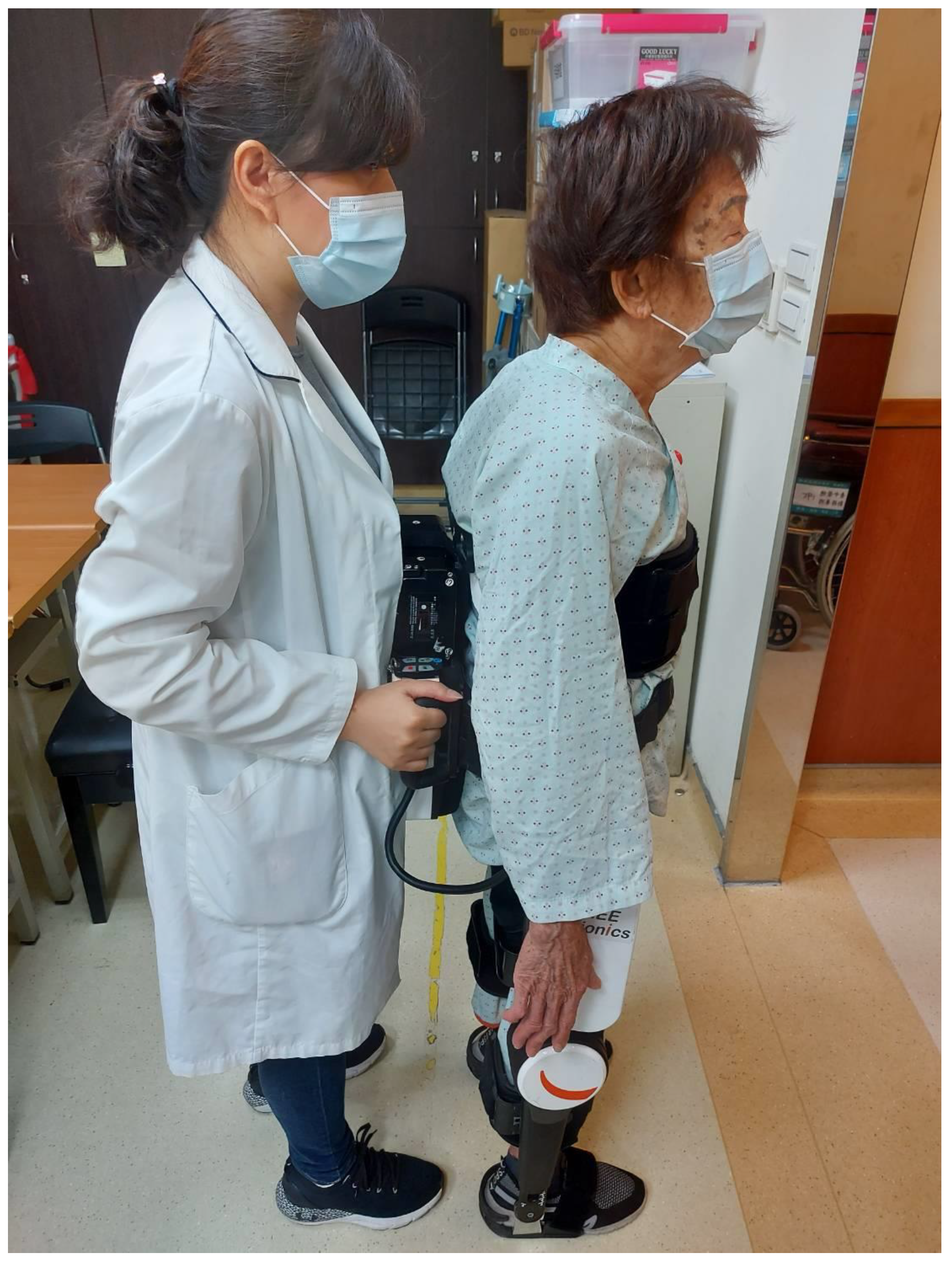
Therapeutic Effects of Robotic-Exoskeleton-Assisted Gait Rehabilitation and Predictive Factors of Significant Improvements in Stroke Patients: A Randomized Controlled Trial

Totally wrong focus, you determine exactly what interventions deliver recovery and writeup the protocols on them.  This trying to predict recovery is totally fucking useless. I'd fire you all! 

Therapeutic Effects of Robotic-Exoskeleton-Assisted Gait Rehabilitation and Predictive Factors of Significant Improvements in Stroke Patients: A Randomized Controlled Trial 

1
Department of Physical Medicine and Rehabilitation, Taichung Veterans General Hospital, Taichung City 40705, Taiwan
2
Department of Electronics and Electrical Engineering, Institute of Electrical and Control Engineering, Center for Intelligent Drug Systems and Smart Bio-devices (IDS2B) in College of Biological Science and Technology, National Yang Ming Chiao Tung University, Hsinchu 30010, Taiwan
3
Biostatistics Task Force, Taichung Veterans General Hospital, Taichung City 40705, Taiwan
4
School of Medicine, National Yang Ming Chiao Tung University, Taipei 11221, Taiwan
5
Intelligent Long Term Medical Care Research Center, Department of Post-Baccalaureate Medicine, College of Medicine, National Chung Hsing University, Taichung City 40227, Taiwan
*
Author to whom correspondence should be addressed.
Bioengineering 2023, 10(5), 585; https://doi.org/10.3390/bioengineering10050585
Received: 24 April 2023 / Revised: 6 May 2023 / Accepted: 10 May 2023 / Published: 12 May 2023

Abstract

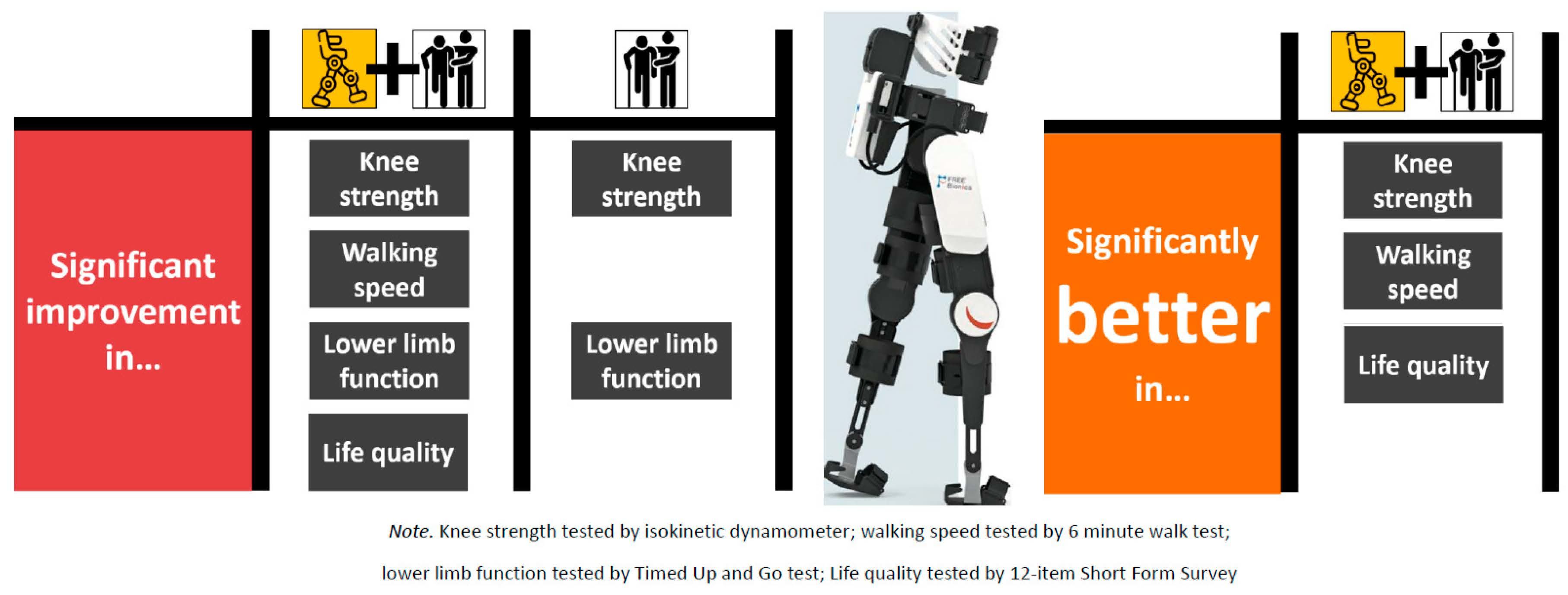
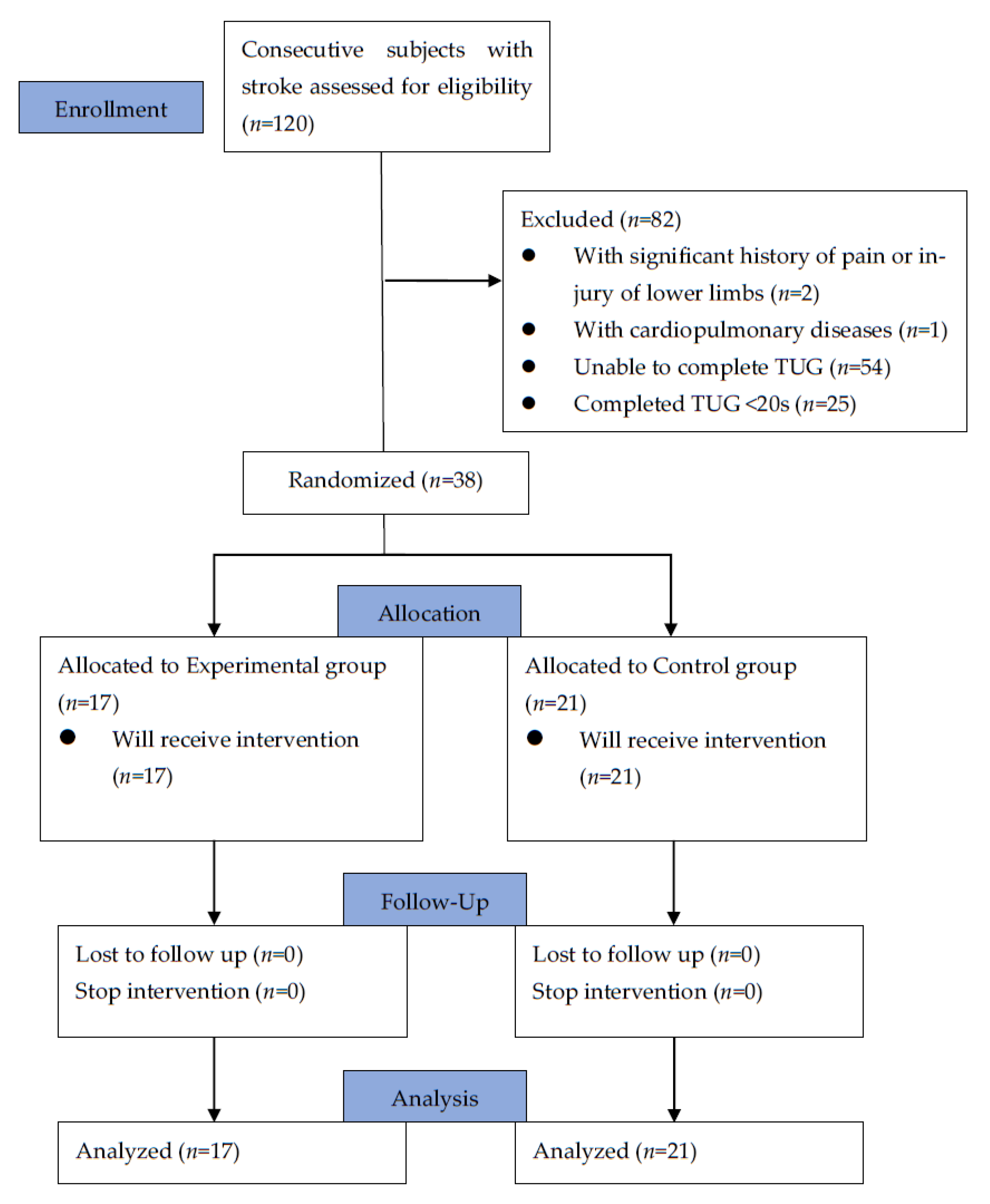
Robotic-exoskeleton-assisted gait rehabilitation improves lower limb strength and functions in post-stroke patients. However, the predicting factors of significant improvement are unclear. We recruited 38 post-stroke hemiparetic patients whose stroke onsets were <6 months. They were randomly assigned to two groups: a control group receiving a regular rehabilitation program, and an experimental group receiving in addition a robotic exoskeletal rehabilitation component. After 4 weeks of training, both groups showed significant improvement in the strength and functions of their lower limbs, as well as health-related quality of life. However, the experimental group showed significantly better improvement in the following aspects: knee flexion torque at 60°/s, 6 min walk test distance, and the mental subdomain and the total score on a 12-item Short Form Survey (SF-12). Further logistic regression analyses showed that robotic training was the best predictor of a greater improvement in both the 6 min walk test and the total score on the SF-12. In conclusion, robotic-exoskeleton-assisted gait rehabilitation improved lower limb strength, motor performance, walking speed, and quality of life in these stroke patients.

Graphical Abstract

1. Introduction

According to the World Health Organization, stroke continues to rank second among the top 10 causes of death worldwide, behind only ischemic heart disease [1]. However, while stroke prevalence has increased, its mortality has actually decreased [2,3]. Therefore, many stroke survivors are left with post-stroke sequelae, such as pain syndromes, aphasia, dysphagia, depression, cognitive impairment, urinary incontinence, epilepsy, apraxia, neglect syndrome, and function impairment in upper and lower limbs. These post-stroke sequelae can cause long-term disability [4] and impose a great burden on their caregivers and families. Among various post-stroke sequelae, gait disturbance is the most concerning one for the patients [5]. Characteristics of post-stroke gait abnormality include hip hiking with leg circumduction, reduced foot clearance during swing phase, knee hyperextension during stance phase [6], and inadequate propulsion of the leg during pre-swing [7]. These gait abnormalities require that subjects expend more energy to walk and perform daily activities, leading to their frustration and depression [5,8].
Gait rehabilitation is therefore crucial for stroke survivors. To facilitate motor recovery, traditional approaches include neuro-developmental treatment [9], Brunnstrom movement therapy [10], proprioceptive neuromuscular facilitation [11], motor relearning programs [12], and the Rood method’s cutaneous stimulation technique [13]. These rehabilitation programs have been practiced by physical therapists for dozens of years. However, according to the landmark guidelines published by the American Heart Association/American Stroke Association in 2016, the therapeutic effects of these traditional approaches still cannot be established (Classification of recommendation IIb; Level of evidence B) [14]. On the contrary, it is highly recommended that post-stroke patients with gait limitations receive intensive and repetitive task training (Classification of recommendation I; Level of evidence A) [14], which is very physically demanding for therapists. Therefore, the duration of this highly helpful training technique is greatly dependent on the physical fitness of therapists. Hence, one recommended tool to deal with this problem is robot-assisted movement training according to the above-mentioned guidelines (Classification of recommendation IIb; Level of evidence A) [14]. Robotic-assisted gait training devices are attracting growing attention as they provide repetitive and intensive training while reducing the need for physical support by therapists [15]. Furthermore, some robotic devices can even accurately and objectively measure a patient’s physical performance and gait parameters during training. If combined with physiotherapy, these devices are believed to help more stroke survivors walk independently than those receiving only physiotherapy or standard care [16]. Recent evidence has suggested that patients in the first three months after a stroke, or those who cannot walk initially, benefit the most from robotic-assisted gait training [16].
Robotic-assisted gait training is categorized into exoskeleton and end-effector types, suitable respectively for different situations [17]. The exoskeleton type is used more frequently for patients with profound weakness, while the end-effector type is used more often for those with mild weakness [18]. End-effectors are attached to the distal parts of the extremities only, while the exoskeletons are attached to bilateral whole lower limbs [19]. The exoskeleton type is further divided into two subcategories: the treadmill-based exoskeleton robot and the orthotic exoskeleton. The treadmill-based robotic device allows movement training in merely one sagittal plane, which thus limits its therapeutic training effect on trunk balance. Patients can only be guided through a predetermined gait trajectory instead of walking volitionally. On the other hand, the orthotic exoskeleton allows patients to practice daily activities such as overground walking, sit to stand, stand to sit, and stairs climbing [19,20]. Nevertheless, a physical therapist needs to be involved more deeply during the training session in order to maintain the balance of the patient. The safety issue is thus more of a concern when using this type of robotic walking device. In this study, we used an orthotic exoskeleton for robotic-exoskeleton-assisted gait training.
Despite various studies that have been performed on the therapeutic effects of robotic gait training in the past [19], none have yet explored the predicting factors of significant improvement for those patients whose onset of stroke is within 6 months. The primary purpose of this study was to examine the effectiveness of robotic-exoskeleton-assisted gait training on the strength of lower limbs, walking speed, motor function performance, and quality of life in stroke rehabilitation. The second purpose was to determine predicting factors of significant improvement in post-stroke patients. We hypothesized that robotic-assisted gait training brings better strength recovery and functional improvement.
 
More at link.

Monday, April 10, 2023

Nearly half of patients with stroke live with mood disorders, often untreated

Well, duh! All because our fucking failures of stroke associations  are doing nothing about solving anxiety, depression, apathy, delirium. And the correct prevention of all these is EXACT 100% RECOVERY PROTOCOLS!

Nearly half of patients with stroke live with mood disorders, often untreated

Nearly half of people living with mood disorders such as anxiety and depression after stroke did not receive mental health treatment, and those being treated tend to only receive medication, researchers reported.(This is wrong, treating after the fact, you need to prevent this!)

“Our results indicate that approximately 1 in 2 people living with stroke with self-reported anxiety/depression are not receiving mental health treatment, and those who do are mostly receiving medication only,” Priscilla Tjokrowijoto, PhD candidate at Turner Institute for Brain and Mental Health, Monash University, Clayton, Australia, and colleagues wrote. “Health professionals should screen for mental health problems and introduce treatment options, with particular attention to individuals who are at risk of not receiving treatment.”

depression_233058924
Nearly half of people living with mood disorders such as anxiety and depression after stroke did not receive mental health treatment, and those being treated tend to only receive medication.
Image: Adobe Stock

The researchers analyzed 7,214 patients with stroke from the Australian Stroke Clinical Registry who completed a 3- to 6-month follow-up survey containing a question on anxiety/depression. Exposures were assessed at 6 to 18 months and outcomes were assessed at 18 to 30 months.

Among the cohort, 39% reported anxiety/depression in the 3 to 6 months following stroke, with 54% of those receiving treatment and 88% of those receiving treatment taking antidepressants. Factors associated with mental health treatment included pre-stroke psychological support (OR = 1.8; 95% CI, 1.37-2.38), or medication (OR = 17.58; 95% CI, 15.05-20.55), self-reported anxiety/depression (OR = 2.55; 95% CI, 2.24-2.9), younger age at stroke (OR = 0.98; 95% CI, 0.97-0.98) and being female (OR = 1.3; 95% CI, 1.13-1.48), the researchers wrote.

Patients who required interpreter services (OR = 0.49; 95% CI, 0.25-0.95), used a health care benefits card (OR = 0.73; 95% CI, 0.59-0.92) or showed continuity in their primary care visits, such as with a consistent physician (OR = 0.78; 95% CI, 0.62-0.99) were less likely to access mental health services, according to the researchers.

Those who received mental health treatment had elevated risk for presenting to the hospital (HR = 1.06; 95% CI, 1.01-1.11) but no difference in survival (HR = 1.04; 95% CI, 0.58-1.27) compared with individuals with mood disorders who did not receive treatment for them.

“Our results suggest that access to Medicare-funded chronic disease management plans, designed to support collaborative care based on the patient’s needs and goals, may facilitate mental health treatment,” Tjokrowijoto and colleagues wrote. “The holistic approach of these policies may provide opportunities to discuss mental health problems and develop appropriate action plans to manage identified needs.”

Friday, October 21, 2022

Stroke Foundation chief Sharon McGowan calls for NT(Northern Territoty) govt funding for awareness

WRONG, WRONG, WRONG!  You don't want useless awareness, you want 100% recovery rehab protocols! And you're the Stroke Foundation chief? Don't you ever actually talk to survivors?


Stroke Foundation chief Sharon McGowan calls for NT govt funding for awareness


Mr Crookes experienced a devastating stroke while in hospital for surgery - and this means he needs intensive rehabilitation.

Friday, July 1, 2022

Cost effectiveness of testing for CYP2C19 loss-of-function carriers following transient ischemic attack/minor stroke: A Canadian perspective

 COST! Wrong focus. You measure recovery and results, measuring cost does nothing to get survivors recovered. 

“What's measured, improves.” So said management legend and author Peter F. Drucker 

Cost effectiveness of testing for CYP2C19 loss-of-function carriers following transient ischemic attack/minor stroke: A Canadian perspective

First Published June 23, 2022 Research Article 

Background— 

The CHANCE-2 study compared three weeks of aspirin-ticagrelor to aspirin-clopidogrel in CYP2C19 loss-of-function (LOF) allele carriers following a TIA/minor stroke and demonstrated a modestly lower risk of stroke recurrence with aspirin-ticagrelor. This stroke protection was largely for minor stroke and came at an increased risk of bleeding. The cost effectiveness of implementing testing for LOF allele status to personalize antiplatelet regimen for secondary stroke prevention after a TIA/minor stroke in the Canadian health care context is unknown.

Methods— 

Cost effectiveness analysis using a decision-analytic Markov cohort model with a lifetime horizon was performed to determine the costs and health benefits of testing for LOF allele status compared with no testing (current standard of care). The population of interest was patients living in Canada who suffered a TIA/minor stroke. Outcomes of interest were life-years gained (LYG), quality-adjusted life years (QALY) gained, costs (reported in 2022 Canadian dollars) and the incremental cost-effectiveness ratio (ICER). We adopted the perspective of the Federal, Provincial and Territorial Ministries of Health, and used a 1.5% annual discount rate. Sensitivity analyses were performed to assess uncertainty.

Results—  

Compared to standard of care, LOF allele testing leads to 0.14 LYG (undiscounted), 0.12 QALYs gained (undiscounted) and additional lifetime costs of $432 (discounted) per patient. The ICER of the LOF allele testing strategy is $4310 per QALY gained compared with standard of care. The probabilistic sensitivity analyses demonstrated that LOF allele testing was cost-effective in more than 99.99% of simulations using a willingness-to-pay threshold of $50,000 per QALY.

Conclusions— 

Based on available evidence, testing for LOF allele followed by short duration three weeks of aspirin-ticagrelor compared to standard of care aspirin-clopidogrel can lead to prolonged life and improved quality of life, and can be considered very cost effective when compared with other well-accepted technologies in health and medicine.

Thursday, June 23, 2022

Characteristics of handwriting pen pressure and grip force by the non-dominant hand of the elderly

Wrong focus, you're teaching compensation rather than recovery. Patients want recovery, why are you going against their wishes? 

Characteristics of handwriting pen pressure and grip force by the non-dominant hand of the elderly

高齢者の利き手でない方の手による手書き筆圧と握力の特徴.  Japanese Occupational Therapy Research , Volume 38(1) , Pgs. 18-27.

NARIC Accession Number: I247487.  What's this?
Author(s): Tomoko Uchida; Turo Nagao.
Publication Year: 2019.

Abstract: 

The objective of this study was to examine the features of writing skill in the non-dominant hand of the elderly, and to help the training of switching hand dominance in stroke-related hemiplegic patients. Study participants were 38 elderly (age 74.2 ± 5.5) and 15 youths (age 20.5 ± 0.9), whose task was to trace over the outline of 8 types of symbols presented over a tablet screen. The successive tracings of the 8 types of symbols were counted as 1 session, which as consecutively repeated 10 times. Acquired data were pen pressure during performance (pen pressure) and the force exerted by the fingers against the pen during writing (grip force). Results indicated no significant within-group differences in either group. Regarding comparisons between the groups, pen pressure was lower in the elderly than in the youth in the first half of the drawing analysis. But the grip force was higher in the elderly than in the youth group. Therefore, as motor and sensory function decline during aging, leading to a tendency among the elderly to grip the pen more forcefully, occupational therapists need to consider appropriate interventions.
Descriptor Terms: Emotions, Operations research, Treatment.
Language: Japanese
Geographic Location(s): Japan, East & Southeast Asia.

Can this document be ordered through NARIC's document delivery service*?: Request Information.
Get this Document: https://www.jstage.jst.go.jp/article/jotr/38/1/38_18/_pdf/-char/en.

Citation: Tomoko Uchida, Turo Nagao. (2019). Characteristics of handwriting pen pressure and grip force by the non-dominant hand of the elderly.  高齢者の利き手でない方の手による手書き筆圧と握力の特徴.  Japanese Occupational Therapy Research , 38(1), Pgs. 18-27. Retrieved 6/23/2022, from REHABDATA database.
 

Thursday, March 3, 2022

Patients’ experiences of involvement, motivation and coping with physiotherapists during subacute stroke rehabilitation – a qualitative study


You're thinking about motivation all wrong.  Provide 100% recovery protocols and even if they require millions of repetitions, survivors will gladly do them because they know the outcome. 

Patients’ experiences of involvement, motivation and coping with physiotherapists during subacute stroke rehabilitation – a qualitative study

Liss Marita Solbakken, Marita Nordhaug & Kristin Halvorsen To cite this article: Liss Marita Solbakken, Marita Nordhaug & Kristin Halvorsen (2022): Patients’ experiences of involvement, motivation and coping with physiotherapists during subacute stroke rehabilitation – a qualitative study, European Journal of Physiotherapy, DOI: 10.1080/21679169.2022.2032825 To link to this article: https://doi.org/10.1080/21679169.2022.2032825 © 2022 The Author(s). Published by Informa UK Limited, trading as Taylor & Francis Group. Published online: 23 Feb 2022. Submit your article to this journal Article views: 57 View related articles View Crossmark data ORIGINAL ARTICLE Patients’ experiences of involvement, motivation and coping with physiotherapists during subacute stroke rehabilitation – a qualitative study Liss Marita Solbakken , Marita Nordhaug and Kristin Halvorsen Department of Nursing and Health Promotion, Oslo Metropolitan University, Oslo, Norway 
 

ABSTRACT 

Purpose: 
Physiotherapy is an important, integral part of rehabilitation after stroke. The study aim was to explore and describe patients’ experiences of involvement, motivation, and coping in interaction with physiotherapists during subacute stroke rehabilitation. Methods: The data derive from qualitative semi-structured interviews of six patients following subacute stroke rehabilitation. The interviews were analysed using systematic text condensation. 
 
Results: 
 
Two categories were identified: (1) ‘The physiotherapist’s contribution’, including the themes of motivation through goal attainment, transferring knowledge, and building self-efficacy through a good relationship; (2) ‘The patient’s internal process’, including the themes of attitude and determination, comparison, the importance of feeling well and fending off passivity. 
 
Conclusion: 
This study shows that increased knowledge and a good relationship with the physiotherapist were important for the participants’ involvement, motivation, and coping. Experiencing ownership of the rehabilitation process made the patients accountable, affected their activity level positively, and helped them cope with their challenges.

Thursday, December 16, 2021

A Kinematic Data Based Lower Limb Motor Function Evaluation Method for Post-Stroke Rehabilitation

Wrong, wrong,  wrong. Survivors really don't care about cost. 100% recovery is what they care about. 

SOLVE THAT YOU FUCKING IDIOTS!

Oops, I'm not playing by the polite rules of Dale Carnegie,  'How to Win Friends and Influence People'. 

Telling stroke medical persons they know nothing about stroke is a no-no even if it is true. 

Politeness will never solve anything in stroke. Yes, I'm a bomb thrower and proud of it. Someday a stroke 'leader' will try to ream me out for making them look bad by being truthful , I look forward to that day.


A Kinematic Data Based Lower Limb Motor Function Evaluation Method for Post-Stroke Rehabilitation

Publisher: IEEE

Abstract:
Recent studies have demonstrated that home-based rehabilitation for stroke patients has excellent potential in reducing the cost and enhancing rehabilitation efficiency. Nonetheless, a timely and accurate rehabilitation assessment is required to attain efficacy and provide feedback to both clinicians and patients. In this paper, a lower limb motor function assessment approach based on limb kinematic data has been presented. The kinematic characteristics of lower limbs were quantified into specific evaluation parameters, which were calculated during a set of selected rehabilitation exercises. A body area network composed of two triaxial accelerometers was used to acquire the limb kinematic data of twenty stroke patients and six healthy subjects. While a referenced template was developed using the data from healthy subjects, an empirical score was obtained to evaluate the lower-limb motor function of stroke patients from the calculated parameters. The results have demonstrated that the scoring has a statistically significant strong correlation with the Brunnstrom stage classification, which provides a practical quantitative evaluation approach for home-based rehabilitation for lower limbs of stroke patients.Clinical Relevance— The proposed quality assessment method provides practical technical support for performing early support discharge rehabilitation.
Date of Conference: 1-5 Nov. 2021
Date Added to IEEE Xplore: 09 December 2021
ISBN Information:
ISSN Information:
PubMed ID: 34892781
Publisher: IEEE
Conference Location: Mexico
Funding Agency:

Friday, November 19, 2021

Collateral Protection: Do Favorable Collaterals Predict Better Response in Children Who Undergo Thrombectomy for Large Artery Stroke?

Wrong question. It should be. Here are the protocols delivering recovery for children Who Undergo Thrombectomy for Large Artery Stroke. Because whether or not they have collaterals should make no difference, you should have EXACT PROTOCOLS FOR EACH SITUATION FOR 100% RECOVERY!

Collateral Protection: Do Favorable Collaterals Predict Better Response in Children Who Undergo Thrombectomy for Large Artery Stroke?

PDF extract preview 

This is a PDF-only article. The first page of the PDF of this article appears above.

Monday, November 15, 2021

The state of stroke services across the globe: Report of World Stroke Organization–World Health Organization surveys

THIS IS WHY THE WSO IS SO FUCKING USELESS! Measuring services rather than recovery results. They need to be destroyed and run by survivors who would never take their eyes off the only goal in stroke;100% recovery.

The state of stroke services across the globe: Report of World Stroke Organization–World Health Organization surveys

Mayowa O Owolabi1, Amanda G Thrifthttps://orcid.org/0000-0001-8533-41702, Sheila Martins3, Walter Johnson4, Jeyaraj Pandianhttps://orcid.org/0000-0003-0028-19685, Foad Abd-Allah6, Cherian Varghese7, Ajay Mahal8, Joseph Yariahttps://orcid.org/0000-0002-1899-08539, Hoang T Phan10, Gregory Roth11, Seana L Gall10, Richard Beare12, Thanh G Phanhttps://orcid.org/0000-0003-3400-632313, Robert Mikulik14, Bo Norrving15, Valery L Feiginhttps://orcid.org/0000-0002-6372-174016, The Stroke Experts Collaboration Group, S.F. Abera, A. Addissie, A. Adeleye, Y. Adilbekov, B. Adilbekova, T.A. Adoukonou, de Sousa D. Aguiar, Z. Akhmetzhanova, R.O. Akinyemi, A. Akpalu, S.F. Ameriso, S. Andonova, C. Abanto, F.E. Awoniyi, M. Bakhiet, H. Basri, P.M. Bath, D. Bereczki, S. Beretta, A.L. Berkowitz, J. Bernhardt, G. Berzina, B. Bhavsar, M.S. Bisharyan, P. Bovet, M. Brainin, H. Budincevic, N.L. Cabral, D A. Cadilhac, V. Caso, C. Chen, J.H. Chin, H Christensen, K. Chwojnicki, A.B. Conforto, V.T. Cruz, M. D'Amelio, K.E. Danielyan, S. Davis, V Demarin, R.J. Dempsey, M. Dichgans, Dokova, G. Donnan, J. Duran, M.A.B. Elizondo, M.S. Elkind, M. Endres, I. Etedal, M.E. Faris, U. Fischer, F. Gankpe, M. Gavidia, A. Gaye-Saavedra, M. Giroud, F. Gongora-Rivera, V. Hachinski, W. Hacke, R.R. Hamadeh, T.K. Hamzat, G.J. Hankey, M.R. Heldner, N.M. Ibrahim, M. Inoue, S. Jee, J. Jiann-Shing, S. Johnston, Y. Kalkonde, S. Kamenova, P. Kelly, T. Khan, S. Kiechl, A. Kondybayeva, J. Kõrv, M. Kravchenko, R. Krishnamurthi, P. Langhorne, Z.L. Kang, J. Kruja, P.M. Lavados, D. Lebedynets, T.W. Leung, D.S. Liebeskind, P. Lindsay, L. Liu, P. López-Jaramillo, P.A. Lotufo, J.M. Machline-Carrion, H.S. Markus, J.M. Marquez-Romero, M.T. Medina, S. Medukhanova, M.M. Mehndiratta, E. Mirrakhimov, S. Mohl, S. Murphy, K.I. Musa, A. Nasreldein, R. Nogueira, C.H. Nolte, B. Norrving, J.J. Noubiap, N. Novarro-Escudero, M. O'Donnell, V. Ogun, M.I. Oraby, B. Ovbiagele, D.N. Ōrken, A.O. Ōzdemir, S. Ozturk, M. Paccot, A. Peters, M. Piradov, T. Platz, T. Potpara, A. Ranta, F.A. Rathore, G. Roth, R.L. Sacco, R. Sahathevan, I.C. Santos, G. Saposnik, F.S. Sarfo, M. Sharma, K.N. Sheth, A. Shobhana, S.N. Silva, N. Suwanwela, P.N. Sylaja, K. Thakur, D. Toni, M.A. Topcuoglu, J. Torales, A. Towfighi, T. Truelsen, A. Tsiskaridze, L. Tsong-Hai, M. Tulloch-Reid, J.N. Useche, P. Vanacker, S. Vassilopoulou, N. Venketasubramanian, G. Vukorepa, V. Vuletic, K.W. Wahab, W. Wang, T. Wijeratne, C Wolfe, M.Y. Yifru, A. Yock-Corrales, N. Yonemoto, L. Yperzeele, and on behalf of the Stroke Experts Collaboration Group
Background
Improving stroke services is critical for reducing the global stroke burden. The World Stroke Organization–World Health Organization–Lancet Neurology Commission on Stroke conducted a survey of the status of stroke services in low and middle-income countries (LMICs) compared to high-income countries.
Methods
Using a validated World Stroke Organization comprehensive questionnaire, we collected and compared data on stroke services along four pillars of the stroke quadrangle (surveillance, prevention, acute stroke, and rehabilitation) in 84 countries across World Health Organization regions and economic strata. The World Health Organization also conducted a survey of non-communicable diseases in 194 countries in 2019.
Results
Fewer surveillance activities (including presence of registries, presence of recent risk factors surveys, and participation in research) were reported in low-income countries than high-income countries. The overall global score for prevention was 40.2%. Stroke units were present in 91% of high-income countries in contrast to 18% of low-income countries (p < 0.001). Acute stroke treatments were offered in ∼ 60% of high-income countries compared to 26% of low-income countries (p = 0.009). Compared to high-income countries, LMICs provided less rehabilitation services including in-patient rehabilitation, home assessment, community rehabilitation, education, early hospital discharge program, and presence of rehabilitation protocol.
Conclusions
There is an urgent need to improve access(WRONG, WRONG, WRONG, you blithering idiots. Access to stroke services that don't work is fuckingly stupid. Are you that brain dead?) to stroke units and services globally especially in LMICs. Countries with less stroke services can adapt strategies from those with better services. This could include establishment of a framework for regular monitoring of stroke burden and services, implementation of integrated prevention activities and essential acute stroke care services, and provision of interdisciplinary care for stroke rehabilitation.
 

Tuesday, October 19, 2021

World Stroke Day is on 29th October 2021

Completely the wrong focus, nothing for survivor recovery. The WSO is completely worthless.

The whole problem is the stroke world thinks nothing needs to be done as proven by this meme on World Stroke Day a few years ago. Whomever approved that is a complete blithering idiot.

What a lying piece of shit


 WorldStrokeDay is on 29th October 2021

Monday, October 11, 2021

Why hospital design matters: A narrative review of built environments research relevant to stroke care

 I disagree, with only 10% that almost fully recover  the design of the hospital has almost nothing to do with recovery.  With 'care' in the title you're not even trying to get survivors recovered.  You blithering idiots need to focus on stopping the 5 causes of the neuronal cascade of death in the first week saving billions of neurons. Then your rehab just might work.


Oops, I'm not playing by the polite rules of Dale Carnegie,  'How to Win Friends and Influence People'. 

Telling stroke medical persons they know nothing about stroke is a no-no even if it is true. 

Politeness will never solve anything in stroke. Yes, I'm a bomb thrower and proud of it. Someday a stroke 'leader' will try to ream me out for making them look bad by being truthful , I look forward to that day.

Why hospital design matters: A narrative review of built environments research relevant to stroke care

First Published October 5, 2021 Review Article Find in PubMed 

Healthcare facilities are among the most expensive buildings to construct, maintain, and operate. How building design can best support healthcare services, staff, and patients is important to consider. In this narrative review, we outline why the healthcare environment matters and describe areas of research focus and current built environment evidence that supports healthcare in general and stroke care in particular. Ward configuration, corridor design, and staff station placements can all impact care provision, staff and patient behavior. Contrary to many new ward design approaches, single-bed rooms are neither uniformly favored, nor strongly evidence-based, for people with stroke. Green spaces are important both for staff (helping to reduce stress and errors), patients and relatives, although access to, and awareness of, these and other communal spaces is often poor. Built environment research specific to stroke is limited but increasing, and we highlight emerging collaborative multistakeholder partnerships (Living Labs) contributing to this evidence base. We believe that involving engaged and informed clinicians in design and research will help shape better hospitals of the future.

Imagine (re-)designing the very hospital you work in. What would you design differently? What would you change, to benefit you, your patients, and their families? What evidence might help guide those design decisions?

Healthcare facilities are among the most expensive buildings to construct, maintain, and operate.1 Once built, hospitals remain in service for decades and are difficult to modify. With stakes this high, considering how building design best supports healthcare services is important. In this narrative review, we outline why the built environment matters, with particular focus on stroke care. We also discuss challenges inherent in designing healthcare environments, undertaking research and evaluating completed architecture.

The planning and design process for new healthcare environments is incredibly complex, but, in general, it occurs in three overlapping stages: (1) the planning stage in which the healthcare provider describes the users’ needs, model of care, and clinical program in a functional brief that summarizes the requirements for the new hospital; (2) the design stage in which these requirements are interpreted by architects to develop an initial concept which is then refined to a more detailed design; and (3) the delivery stage in which the building is constructed. The extent to which hospital staff and patients are included at each stage of this process can vary significantly between projects.2

Healthcare professionals have long advocated for design features thought to benefit health and well-being, such as natural light, ventilation, and space between patients—for example, the circular hospital design proposed by the physician Antoine Petit3 and long “Nightingale wards” proposed by Florence Nightingale.4 Hospital design is now informed by a process termed “evidence-based design” (EBD), in which research evidence is used alongside other considerations such as the healthcare context, budget, and architects’ experience, to inform the design of the healthcare built environment.5,6 In this context, the “healthcare built environment” encompasses: (1) the physical construction (layout, room dimensions, doors and window placement, outdoor and community access, etc.), (2) ambient features (noise, air quality, light, temperature, etc.), and (3) interior design (furniture, signage, equipment, artwork, etc.).7 Analogous to evidence-based clinical practice, hospitals designed following best research evidence garnered from EBD processes have better safety, patient outcomes, staff retention, and operation costs.8,9 The Center for Health Design, established in 1993 to advance EBD, now maintains a repository of over 5,000 articles on healthcare design (https://www.healthdesign.org).

The field is growing; however, many healthcare contexts, including stroke, have a limited built environment evidence base.10 Establishing geographically organized stroke units has been an important focus11; however, these studies rarely address specifics of the built environment, and we know little about optimal stroke unit design. Stroke clinical guidelines rarely mention the built environment nor provide guidance on how the environment might best support care. There are currently no stroke care-specific building standards, nor standardized checklists to evaluate the quality of these environments.12

Why is the built environment neglected? Clinicians may identify as knowing less about how the environment might influence patient care or staff well-being. They may also feel uninformed about the design process and how to contribute their clinical expertise to influence decision-making. To begin to address these gaps, our objectives for this review were: (1) to introduce readers to healthcare built environment research and (2) to highlight evidence that underpins acute, subacute, or rehabilitation stroke care facility design. This review is in three parts:

  1. Overview of healthcare built environment research;

  2. Stroke care built environment evidence; and

  3. Planning and design of new healthcare environments: Challenges and opportunities.

We include research from recent, relevant systematic reviews, other evidence summaries, and selected qualitative and mixed-methods research focusing on healthcare environments and design. Healthcare environments are complex and context-specific, with many interdependent variables that can rarely be isolated. This complex system does not readily lend itself to highly controlled experimental research designs in real-life settings.13 Qualitative methods, such as case studies and pre- and post-occupancy evaluations (before and after a redesign or redevelopment), are common. With research still developing, heterogeneity exists in research designs, outcomes, environments, populations, and theoretical frameworks employed.14 Hence, robust summary evidence derived from meta-analyses is lacking.