You should educate yourself about the meaning of the research trials I mention.
http://clinicaltrials.gov/ct2/info/glossary
BASELINE: 1. Information gathered at the beginning of a study from which variations found in the study are measured. 2. A known value or quantity with which an unknown is compared when measured or assessed. 3. The initial time point in a clinical trial, just before a participant starts to receive the experimental treatment which is being tested. At this reference point, measurable values such as CD4 count are recorded. Safety and efficacy of a drug are often determined by monitoring changes from the baseline values.
This is why I think most stroke research is a naked emperor. None of the baselines I've seen has distinguished between easy penumbra recovery and difficult dead brain function recovery.
http://oc1dean.blogspot.com/2010/10/is-stroke-rehab-research-emperor.html
PHASE I TRIALS: Initial studies to determine the metabolism and pharmacologic actions of drugs in humans, the side effects associated with increasing doses, and to gain early evidence of effectiveness; may include healthy participants and/or patients.
PHASE II TRIALS: Controlled clinical studies conducted to evaluate the effectiveness of the drug for a particular indication or indications in patients with the disease or condition under study and to determine the common short-term side effects and risks.
PHASE III TRIALS: Expanded controlled and uncontrolled trials after preliminary evidence suggesting effectiveness of the drug has been obtained, and are intended to gather additional information to evaluate the overall benefit-risk relationship of the drug and provide and adequate basis for physician labeling.
PHASE IV TRIALS: Post-marketing studies to delineate additional information including the drug's risks, benefits, and optimal use.
Ask your doctors and therapists to document the trials that pointed to the therapies they are working with you on.
Saturday, March 19, 2011


microscope captures 3D movies of living cells
I wonder how many would be willing to volunteer to open a flap to their brain to allow researchers to prove their therapies work on a cellular level vs. using micro-optics
http://www.gizmag.com/3d-microscope-movies-living-cells/18138/
In some cases, looking at a living cell under a microscope can cause it damage or worse, can kill it. Now, a new kind of microscope has been invented by researchers from the Howard Hughes Medical Institute that is able to non-invasively take a three dimensional look inside living cells with stunning results. The device uses a thin sheet of light like that used to scan supermarket bar codes and could help biologists to achieve their goal of understanding the rules that govern molecular processes within a cell.
View all
Veteran microscope innovator Eric Betzig says that the field of microscopy has been hindered by the fact that many techniques require cells to be killed and fixed before being viewed. Light produced by microscopes used for live-cell techniques can, in some cases, actually cause damage to the cells. The light also floods the whole area being examined, not just the small portion that's in focus – producing blur from the out-of-focus regions.
Two years after arriving at HHMI's Janelia Farm Research Campus, Betzig started working ways to overcome these problems.
"The question was, is there a way of minimizing the amount of damage you're doing so that you can then study cells in a physiological manner while also studying them at high spatial and temporal resolution for a long time?" said Betzig.
First developed around a 100 years ago, plane illumination microscopy involves shining light through the side of a sample rather than from the top. While offering some promise, Betzig's group found that the technique still exposed too much of the sample. A much thinner sheet of light was produced using by sweeping a Bessel beam – a kind of non-diffracting light beam – across the sample but the light produced by this form of plane illumination microscopy proved to be somewhat weak, making the pattern of illumination look somewhat like a bullseye.
Working with postdoctoral researchers Thomas Planchon and Liang Gao, Betzig has spent the last couple of years refining the process to try and overcome the problem. First, instead of sweeping the Bessel beam across the sample, the group rapidly switched it off and on – a method known as structured illumination. Then by concentrating the light to a narrow central part of the Bessel beam using something called two-photon microscopy, they were able to build 3D stacks of the sample at nearly 200 images per second to generate movies of processes like cell division in stunning detail.
Betzig says that Bessel beam plane illumination microscopy will prove a powerful tool for cell biologists, since it non-invasively images the rapidly evolving three-dimensional complexity of cells.
The research is described in detail in a paper entitled Rapid three-dimensional isotropic imaging of living cells using Bessel beam plane illumination, which was recently published in the journal Nature Methods.
I can't help myself, I have to suggest options for researchers even though they might be smarter than me, although I doubt it.
http://www.gizmag.com/3d-microscope-movies-living-cells/18138/
In some cases, looking at a living cell under a microscope can cause it damage or worse, can kill it. Now, a new kind of microscope has been invented by researchers from the Howard Hughes Medical Institute that is able to non-invasively take a three dimensional look inside living cells with stunning results. The device uses a thin sheet of light like that used to scan supermarket bar codes and could help biologists to achieve their goal of understanding the rules that govern molecular processes within a cell.
View all
Veteran microscope innovator Eric Betzig says that the field of microscopy has been hindered by the fact that many techniques require cells to be killed and fixed before being viewed. Light produced by microscopes used for live-cell techniques can, in some cases, actually cause damage to the cells. The light also floods the whole area being examined, not just the small portion that's in focus – producing blur from the out-of-focus regions.
Two years after arriving at HHMI's Janelia Farm Research Campus, Betzig started working ways to overcome these problems.
"The question was, is there a way of minimizing the amount of damage you're doing so that you can then study cells in a physiological manner while also studying them at high spatial and temporal resolution for a long time?" said Betzig.
First developed around a 100 years ago, plane illumination microscopy involves shining light through the side of a sample rather than from the top. While offering some promise, Betzig's group found that the technique still exposed too much of the sample. A much thinner sheet of light was produced using by sweeping a Bessel beam – a kind of non-diffracting light beam – across the sample but the light produced by this form of plane illumination microscopy proved to be somewhat weak, making the pattern of illumination look somewhat like a bullseye.
Working with postdoctoral researchers Thomas Planchon and Liang Gao, Betzig has spent the last couple of years refining the process to try and overcome the problem. First, instead of sweeping the Bessel beam across the sample, the group rapidly switched it off and on – a method known as structured illumination. Then by concentrating the light to a narrow central part of the Bessel beam using something called two-photon microscopy, they were able to build 3D stacks of the sample at nearly 200 images per second to generate movies of processes like cell division in stunning detail.
Betzig says that Bessel beam plane illumination microscopy will prove a powerful tool for cell biologists, since it non-invasively images the rapidly evolving three-dimensional complexity of cells.
The research is described in detail in a paper entitled Rapid three-dimensional isotropic imaging of living cells using Bessel beam plane illumination, which was recently published in the journal Nature Methods.
I can't help myself, I have to suggest options for researchers even though they might be smarter than me, although I doubt it.
Friday, March 18, 2011
Rehabilitation glove uses artificial muscles
I know this is actually meant for quadriplegics but it could easily be used for stroke rehab. And it would be a lot less conspicuous than the SaeboFlex.
Rehabilitation glove uses artificial muscles
from Oct. 2004 I wonder what happened to it? There is a tremendous need for something like this. As a joke I once mentioned to someone that I needed little motors for each of my fingers to passively flex and extend them thousands of times daily. Two problems with this; no thumb, getting a glove on a spastic hand is nigh impossible. Where did the prototype end up?
I found this one by backtracking a search hit on my blog that led to a Polish search engine looking for rehabilitation gloves.
A rehabilitation glove powered by artificial muscles has won the recent AUD $10,000 British Council Eureka Prize for inspiring science. Designed by the Quadriplegic Hand Research Unit at the Royal North Shore Hospital, the invention will help people with permanent hand-movement loss to perform the daily functions most of us take for granted.
The Australian design is the first medical application to use dynamic actuators that contract when stimulated in a similar way to normal muscles. It opens up new therapeutic possibilities for those suffering from paralysed hands and future applications may even see artificial muscles implanted in the body to enable bionic functionality.
Currently one of the most effective ways to rehabilitate damaged hands or to maintain supple conditions for paralysed hands is by a gentle, continuous motion of hand joints. This often requires intensive attention over long periods, making it unfeasible for a therapist to be continuously present.
With the rehabilitation glove each joint can be independently moved to a desired angle. Portable control software allows the therapist to program desired force, speed and range of motion for each of the15 finger/ thumb joints in the hand, giving continuous passive joint movements for hours at a time.
The Rehabilitation Glove will provide a light hand grasp with a controllable holding force. For people with paralysed hands, this function can be triggered using an external switch. This beneficial feature allows the device to control and maintain a grasp force, thereby securing the grip on objects held.
Thursday, March 17, 2011
caveperson stroke rehab
Now since I am not a medical person, this is not advice, just something interesting to think about.
I ascribe to the Peter Levine theory that in caveman days, stroke survivors rehabilitated faster because they had to. You didn't eat, you starved, you couldn't keep up with the tribe, you were left behind. The motivation was great for getting yourself rehabilitated.
http://recoverfromstroke.blogspot.com/2008/05/ive-long-believed-that-amount-of.html
And this referenced video is interesting to watch,
http://recoverfromstroke.blogspot.com/2009/09/ghead-click-article.html, although I did tweak Mr. Levine about that it was a TBI instead of a stroke. The caveman got bashed in the head with a rock but still came up with an irrigation idea to save the tribe.
I ascribe to the Peter Levine theory that in caveman days, stroke survivors rehabilitated faster because they had to. You didn't eat, you starved, you couldn't keep up with the tribe, you were left behind. The motivation was great for getting yourself rehabilitated.
http://recoverfromstroke.blogspot.com/2008/05/ive-long-believed-that-amount-of.html
And this referenced video is interesting to watch,
http://recoverfromstroke.blogspot.com/2009/09/ghead-click-article.html, although I did tweak Mr. Levine about that it was a TBI instead of a stroke. The caveman got bashed in the head with a rock but still came up with an irrigation idea to save the tribe.
Wednesday, March 16, 2011
showering and stroke rehab
There is no place that you can't do rehab. I started out by using my right hand to hold my left hand and touch all the 4 in. square tiles in front of me. About 8 rows by 7 columns. This was to get both my bicep and pec to relax. I started this while still using the shower bench, I now do it while standing. Entering the shower I lift my left foot over and back the 4 in. high threshold 10 times, trying to keep my lower leg hanging straight down. I hold my left hand under the spray trying to overstimulate the senses.
My most painful experience in the shower was when I was still using the shower bench. I had an ingrown toenail on my left big toe. I sneezed and violently kicked the left foot into the wall six inches away. The big toe led the way, the tile wall was not fazed. It's amazing the speed you can generate in 6 inches, if I tried to do it willfully it would have been a love tap.
Ask your therapist for their recommendations in the shower, and make sure you ask for research proof that it is effective.
My most painful experience in the shower was when I was still using the shower bench. I had an ingrown toenail on my left big toe. I sneezed and violently kicked the left foot into the wall six inches away. The big toe led the way, the tile wall was not fazed. It's amazing the speed you can generate in 6 inches, if I tried to do it willfully it would have been a love tap.
Ask your therapist for their recommendations in the shower, and make sure you ask for research proof that it is effective.
Tuesday, March 15, 2011
spasticity during sleep, does it exist?
I was asked by Peter Levine once if I thought I had spasticity while sleeping. I think my left calf is spastic during sleep, when I get up I have to immediately stretch it out before I can walk. This is really only provable when there is a quantitative measure of muscle spasticity I think when I wore a night splint those fingers also were spastic during the night. The gel Yoga toes I wore for awhile were uncomfortable after 5 hours so those toes were defintitely being spastic at night. What are your experiences?
sleeping and necessary therapy
I used to sleep face down.
This used to be the normal way I slept, with my face at the edge of the bed in order to get the maximum exposure to the air in the room. I have not been able to do this since my event. I tried this past weekend and managed to get on my stomach by rolling over my affected arm. Due to the spasticity in my pectoral and bicep muscles the arm was attempting to burrow under my body. I lasted for all of 5 minutes before I gave up.
Trying to roll over my good arm to my stomach doesn't work because my affected arm gets under my body before I can complete the roll.
I changed this now to grasp one of the spindles at the head of the bed. It takes about 5 minutes to force open my hand and get it around the spindle before my wrist turns down and slips my fingers off. The arm is then bent at a right angle above my head. This really keeps my pectoralis stretched out. The bicep is contracted but the pec needs more work, I don't worry about the curled fingers.
The other thing I try sometimes is to put a pillow on the floor at the left side of the bed. I can then lay on my stomach with the left arm dangling in a fist on the pillow. I can't lift my arm up except by rolling on my back.
This is obviously something you should be getting from your therapists so don't try this without such permission.
This used to be the normal way I slept, with my face at the edge of the bed in order to get the maximum exposure to the air in the room. I have not been able to do this since my event. I tried this past weekend and managed to get on my stomach by rolling over my affected arm. Due to the spasticity in my pectoral and bicep muscles the arm was attempting to burrow under my body. I lasted for all of 5 minutes before I gave up.
Trying to roll over my good arm to my stomach doesn't work because my affected arm gets under my body before I can complete the roll.
I changed this now to grasp one of the spindles at the head of the bed. It takes about 5 minutes to force open my hand and get it around the spindle before my wrist turns down and slips my fingers off. The arm is then bent at a right angle above my head. This really keeps my pectoralis stretched out. The bicep is contracted but the pec needs more work, I don't worry about the curled fingers.
The other thing I try sometimes is to put a pillow on the floor at the left side of the bed. I can then lay on my stomach with the left arm dangling in a fist on the pillow. I can't lift my arm up except by rolling on my back.
This is obviously something you should be getting from your therapists so don't try this without such permission.
15 Million Americans Now Caring for Loved One With Alzheimer’s
I know this isn't directly related to stroke but I can correlate anything to stroke.
http://www.doctorslounge.com/index.php/news/hd/18571
At least the chief medical officer of the Alzheimer's Association can put out decent press releases keeping that disease in front of the American people.
If we compare the 5.4 million people in the United States have Alzheimer's disease, and their 14.9 million caregivers provided a total of 17 billion hours of unpaid care, valued at more than $200 billion, according to the report. With 6 million stroke survivors the numbers could be close to the same. Who is speaking up for the stroke survivors? I don't see either the ASA or NSA stepping up to the plate, at least as far as survivors are concerned. Tell me who is or the excuses that someone isn't.
http://www.doctorslounge.com/index.php/news/hd/18571
At least the chief medical officer of the Alzheimer's Association can put out decent press releases keeping that disease in front of the American people.
If we compare the 5.4 million people in the United States have Alzheimer's disease, and their 14.9 million caregivers provided a total of 17 billion hours of unpaid care, valued at more than $200 billion, according to the report. With 6 million stroke survivors the numbers could be close to the same. Who is speaking up for the stroke survivors? I don't see either the ASA or NSA stepping up to the plate, at least as far as survivors are concerned. Tell me who is or the excuses that someone isn't.
Patient's Subjective Experience in Stroke Rehabilitation
This would have really helped me in the first days and weeks in the hospital, rather than telling me nothing. Something to add to the stroke rehab protocol.
http://www.ncbi.nlm.nih.gov/pubmed/21371977
Abstract
Kaufman's observation that the patients' reactions to their impairments and disabilities need to be addressed in stroke rehabilitation has been shown to be an accurate and perceptive statement. In this article, 3 levels of stroke rehabilitation are outlined, and the importance of focusing on the third level (the level of subjective experience) is emphasized. Identification of the patients' subjective experience allows one to understand what is most frustrating to them. After addressing those frustrations, patients are more eager to engage the rehabilitation process. Within the context of this rehabilitation process, helping patients clarify what their subjective or phenomenological state is as it relates to their stroke is crucial in having them not only engage the rehabilitation process, but ultimately find meaning in life in the face of their stroke. This can be a difficult task because patients often do not have the words to clarify what their inner psychological experiences are following a stroke. Helping to provide guidelines for this can result in a meaningful experience for both the patient and the therapists involved in their care.
http://www.ncbi.nlm.nih.gov/pubmed/21371977
Abstract
Kaufman's observation that the patients' reactions to their impairments and disabilities need to be addressed in stroke rehabilitation has been shown to be an accurate and perceptive statement. In this article, 3 levels of stroke rehabilitation are outlined, and the importance of focusing on the third level (the level of subjective experience) is emphasized. Identification of the patients' subjective experience allows one to understand what is most frustrating to them. After addressing those frustrations, patients are more eager to engage the rehabilitation process. Within the context of this rehabilitation process, helping patients clarify what their subjective or phenomenological state is as it relates to their stroke is crucial in having them not only engage the rehabilitation process, but ultimately find meaning in life in the face of their stroke. This can be a difficult task because patients often do not have the words to clarify what their inner psychological experiences are following a stroke. Helping to provide guidelines for this can result in a meaningful experience for both the patient and the therapists involved in their care.
Monday, March 14, 2011
moral test of government
This came from my senator and former VP of the US.
"The moral test of government is how it treats those who are in the dawn of life . . . the children; those who are in the twilight of life . . . the elderly; and those who are in the shadow of life . . . the sick . . . the needy . . . and the disabled."
-- Hubert Humphrey
As someone from Australia asked me about health care reform in the US. My reply was;
The people shouting the loudest hate it but I really think they just want complete anarchy. Survival of the fittest and all, and since I no longer am in that category I should probably just reduce myself as part of the surplus population.
"The moral test of government is how it treats those who are in the dawn of life . . . the children; those who are in the twilight of life . . . the elderly; and those who are in the shadow of life . . . the sick . . . the needy . . . and the disabled."
-- Hubert Humphrey
As someone from Australia asked me about health care reform in the US. My reply was;
The people shouting the loudest hate it but I really think they just want complete anarchy. Survival of the fittest and all, and since I no longer am in that category I should probably just reduce myself as part of the surplus population.
problem solving for stroke rehab
This comment from a rehabilitation stroke expert pretty much follows what I am trying to accomplish.
http://www.ottawasun.com/news/ottawa/2010/04/12/13560141.html
Stroke patients need to rely more on their own problem solving to regain mobility, says a leading international expert on stroke therapy. Dr. Steven Wolf, a rehabilitation stroke expert and professor at Emory University School of Medicine in Atlanta.
This one contradicts everything you are taught, that you need to rely on your medical staff for what to do. And I probably should tell you to discuss this line of circular reasoning with your doctor and see which one of you starts screaming first.
Good luck, as my wife once said to me, You're on your own now.
http://www.ottawasun.com/news/ottawa/2010/04/12/13560141.html
Stroke patients need to rely more on their own problem solving to regain mobility, says a leading international expert on stroke therapy. Dr. Steven Wolf, a rehabilitation stroke expert and professor at Emory University School of Medicine in Atlanta.
This one contradicts everything you are taught, that you need to rely on your medical staff for what to do. And I probably should tell you to discuss this line of circular reasoning with your doctor and see which one of you starts screaming first.
Good luck, as my wife once said to me, You're on your own now.
viagra and stroke rehab
Well I'm sure they could get lots of male human volunteers. I wonder what the rats thought about it?
Sildenafil (Viagra) Induces Neurogenesis and Promotes Functional Recovery After Stroke in Rats
http://stroke.ahajournals.org/cgi/content/full/33/11/2675
No self-medicating here. This is definitely something to ask your doctor about.
Sildenafil (Viagra) Induces Neurogenesis and Promotes Functional Recovery After Stroke in Rats
http://stroke.ahajournals.org/cgi/content/full/33/11/2675
No self-medicating here. This is definitely something to ask your doctor about.
Stroke Rehabilitation: What is the point?
This is an article by Sarah Tyson from 1994.
senior lecturer in physiotherapy, Department of Health Studies, Brunel University College, Borough Road, Isleworth, Middlesex
She seems to have channeled Hipprocrates from 2400 years ago, 'It is impossible to cure a severe case of apoplexy and difficult to cure a mild one.'
http://www.sciencedirect.com/science?_ob=ArticleURL&_udi=B7CVK-4HCDTJ0-3&_user=10&_coverDate=08%2F31%2F1995&_rdoc=1&_fmt=high&_orig=gateway&_origin=gateway&_sort=d&_docanchor=&view=c&_searchStrId=1678658776&_rerunOrigin=google&_acct=C000050221&_version=1&_urlVersion=0&_userid=10&md5=c026b31aff4059214885ae156232ebd0&searchtype=a
I am certainly not going to buy it for $31.50
Summary here:
Rehabilitation has been defined as the restoration of optimal physical, psychological, and emotional ability. The ineffectiveness of stroke rehabilitation in the light of these terms is highlighted, and the experience of people with stroke after discharge is described. Reasons for the apparent lack of true rehabilitation are suggested, and the dichotomy between health care professionals' and patients' goals and perceptions is discussed.
Key Words: Stroke rehabilitation; physical outcome; social activity; psychological outcome
This article is adapted from one presented at the Wessex Regional Postgraduate Continuing Medical Education Programme in Elderly Care, 1994.
senior lecturer in physiotherapy, Department of Health Studies, Brunel University College, Borough Road, Isleworth, Middlesex
She seems to have channeled Hipprocrates from 2400 years ago, 'It is impossible to cure a severe case of apoplexy and difficult to cure a mild one.'
http://www.sciencedirect.com/science?_ob=ArticleURL&_udi=B7CVK-4HCDTJ0-3&_user=10&_coverDate=08%2F31%2F1995&_rdoc=1&_fmt=high&_orig=gateway&_origin=gateway&_sort=d&_docanchor=&view=c&_searchStrId=1678658776&_rerunOrigin=google&_acct=C000050221&_version=1&_urlVersion=0&_userid=10&md5=c026b31aff4059214885ae156232ebd0&searchtype=a
I am certainly not going to buy it for $31.50
Summary here:
Rehabilitation has been defined as the restoration of optimal physical, psychological, and emotional ability. The ineffectiveness of stroke rehabilitation in the light of these terms is highlighted, and the experience of people with stroke after discharge is described. Reasons for the apparent lack of true rehabilitation are suggested, and the dichotomy between health care professionals' and patients' goals and perceptions is discussed.
Key Words: Stroke rehabilitation; physical outcome; social activity; psychological outcome
This article is adapted from one presented at the Wessex Regional Postgraduate Continuing Medical Education Programme in Elderly Care, 1994.
hand opening and stroke rehab
I probably spend an hour or two each day just flexing my hand open with my good hand. At a stroke meeting someone joked about seeing all the survivors flexing their hands open and closed. I know there is some science behind passively moving your muscles to start neuroplasticity. See here -
http://www.ncbi.nlm.nih.gov/pubmed/15003755 With hand function probably being the most requested item to recover I wish there was some actual fact-based information on what needs to be done to recover it. It seems we are once again left hanging with 'We don't know, try something yourself'. As Sargent Schultz used to say, 'I know nuthing'.
http://www.ncbi.nlm.nih.gov/pubmed/15003755 With hand function probably being the most requested item to recover I wish there was some actual fact-based information on what needs to be done to recover it. It seems we are once again left hanging with 'We don't know, try something yourself'. As Sargent Schultz used to say, 'I know nuthing'.
finger gloves and stroke rehab
Since I have spasticity in my finger flexors getting a glove on is usually an almost impossible task. During my canoe trip 3 years ago I ended up rubbing my left palm raw with a half-dollar size skin removal. After taping that up the trip leader asked if I had brought along paddling gloves, I had and for some reason I even brought the left glove. He proceeded to roll down the glove until the entry holes for each of the fingers was open. I then flattened my hand and started feeding each of the fingers into the holes. After much tugging and pulling we were able to get the glove on my hand. The trip leader related that he learned of this trick when he was a PCA for a CP patient. For the next 9 days I tried this and on 2 days I was able to even get it on by myself although when people helped it went much faster, I did have to be sitting down when doing this and alloting 15 minutes to accomplish it
inversion of the ankle stroke rehab
I was wrong, the picture is actually inversion not eversion. Told you you shouldn't listen to the blatherings of an idiot.
This is something your PT should be explaining to you. But if you want to learn on your own read this.
Here is a link to an article that explains which muscles are used in inversion.
http://www.massagetoday.com/mpacms/mt/article.php?id=13429
 This picture is a great example it came from http://www.rehabanklesprain.com/rehab-ankle-sprain.html?hop=31702 This is my main reason for wearing an AFO, if I wear solid shoes I can prevent inversion, going barefoot does not work. When I went cross-country skiing without an AFO I rolled my foot dozens of times barely missing a sprained ankle. Now I ski with an AFO even though my toes are squashed.
I am having major spasticity with that and an AFO is the common solution. I want to try to strengthen those muscles. Latest research has shown that exercising spastic muscles does NOT increase spasticity, contrary to what your therapists have probably told you. Exercise actually increases your control of the muscles reducing your spasticity.
Remember these are the blatherings of an idiot, talk to your therapist or doctor.
This is something your PT should be explaining to you. But if you want to learn on your own read this.
Here is a link to an article that explains which muscles are used in inversion.
http://www.massagetoday.com/mpacms/mt/article.php?id=13429

I am having major spasticity with that and an AFO is the common solution. I want to try to strengthen those muscles. Latest research has shown that exercising spastic muscles does NOT increase spasticity, contrary to what your therapists have probably told you. Exercise actually increases your control of the muscles reducing your spasticity.
Remember these are the blatherings of an idiot, talk to your therapist or doctor.
observational study, trial or experiment?
I also have not distinguished between these. From GarySchwitzer, director of the Duke Stroke Center at Duke University Medical Center and his blog on
http://getbetterhealth.com/coffee-and-stroke-another-study-the-media-got-wrong/2011.03.14
So be forewarned and ask your doctors what these mean.
http://getbetterhealth.com/coffee-and-stroke-another-study-the-media-got-wrong/2011.03.14
Coffee And Stroke: Another Study The Media Got Wrong
It was a big study, but an observational study. Not a trial. Not an experiment. And, as we say so many times on this website that you could almost join along with the chorus, observational studies have inherent limitations that should always be mentioned in stories. They can’t prove cause and effect. They can show a strong statistical association, but they can’t prove cause and effect. So you can’t prove benefit or risk reduction. And stories should say that.So be forewarned and ask your doctors what these mean.
Sunday, March 13, 2011
Nitric oxide and stroke
http://www.nottingham.ac.uk/~nszwww/enos//
The 'Efficacy of Nitric Oxide in Stroke' (ENOS) study is a collaborative, international, multicentre, prospective, randomised, single-blind, blinded endpoint, parallel-group, controlled trial designed to test the safety and efficacy of:
(i) transdermal glyceryl trinitrate (a nitric oxide donor) or control; and
(ii) continuing or temporarily stopping prior anti-hypertensive medication.
3,500+ patients with acute ischaemic or haemorrhagic stroke will be enrolled within 48 hours of the onset of stroke and treatment will be given for 7 days. The primary outcome is shift in death or dependency (modified Rankin Scale) determined at 90 days by observers blinded to treatment.
Power point presentation, V1.0 (Powerpoint, size=3.9MB)
http://www.nottingham.ac.uk/~nszwww/enos//enostalkgenericv10.ppt
Brief Information for patients & relatives about the trial, V1.1 (PDF file, MREC approved)
http://www.nottingham.ac.uk/~nszwww/enos//enosinfopatrelv11.pdf
Full information for patients, V2.11 (PDF file, MREC approved)
http://www.nottingham.ac.uk/~nszwww/enos//enospisv211.pdf
Nobel prize is awarded for NO discovery
http://circ.ahajournals.org/cgi/content/full/98/22/2365
Nitric oxide was named "Molecule of the Year" in 1992 by the journal Science, but it took another 6 years for those responsible for the major discoveries surrounding it to win the Nobel Prize. Three US scientists—Robert F. Furchgott, PhD, Louis J. Ignarro, PhD, and Ferid Murad, MD, PhD—will receive the 1998 Nobel Prize for Physiology and Medicine on December 10, 1998, in Stockholm, Sweden.
The discovery of nitric oxide's signaling role in the cardiovascular and nervous systems is now nearly 20 years old, but its clinical use is only beginning. Dr Furchgott, a distinguished professor of pharmacology at the State University of New York (SUNY) at Brooklyn, began the studies that led to the identification of nitric oxide as a biological agent in 1980. At that time, he was trying to reconcile the contradictory effects drugs had on blood vessels. He concluded that endothelial cells produce an unknown signal molecule that makes vascular smooth muscle cells relax. He called the signal molecule EDRF, or endothelium-derived relaxing factor.
In unrelated experiments, Dr Murad, now chairman of the integrative biology department at the University of Texas Medical School at Houston, was analyzing how nitroglycerin works. In 1977, while at the University of Virginia, he found that nitrates release nitric oxide, which relaxes smooth muscle cells, resulting in vasodilation. He was fascinated that the colorless, odorless gas could act as a signaling molecule.
Dr Ignarro, now a professor of pharmacology at UCLA School of Medicine in Los Angeles, California, through a series of analyses concluded in 1986 that EDRF was identical to nitric oxide. His work, done independently and together with that of Dr Furchgott, prompted an increase in research activities in many areas of the world.
I have no idea if this is just for acute or rehab. I was taking NO prior to the event, a combination of L-Carnatine and L-Arginine, but I have quit due to the size of the pills. Talk to your doctor on this.
The 'Efficacy of Nitric Oxide in Stroke' (ENOS) study is a collaborative, international, multicentre, prospective, randomised, single-blind, blinded endpoint, parallel-group, controlled trial designed to test the safety and efficacy of:
(i) transdermal glyceryl trinitrate (a nitric oxide donor) or control; and
(ii) continuing or temporarily stopping prior anti-hypertensive medication.
3,500+ patients with acute ischaemic or haemorrhagic stroke will be enrolled within 48 hours of the onset of stroke and treatment will be given for 7 days. The primary outcome is shift in death or dependency (modified Rankin Scale) determined at 90 days by observers blinded to treatment.
Power point presentation, V1.0 (Powerpoint, size=3.9MB)
http://www.nottingham.ac.uk/~nszwww/enos//enostalkgenericv10.ppt
Brief Information for patients & relatives about the trial, V1.1 (PDF file, MREC approved)
http://www.nottingham.ac.uk/~nszwww/enos//enosinfopatrelv11.pdf
Full information for patients, V2.11 (PDF file, MREC approved)
http://www.nottingham.ac.uk/~nszwww/enos//enospisv211.pdf
Nobel prize is awarded for NO discovery
http://circ.ahajournals.org/cgi/content/full/98/22/2365
Nitric oxide was named "Molecule of the Year" in 1992 by the journal Science, but it took another 6 years for those responsible for the major discoveries surrounding it to win the Nobel Prize. Three US scientists—Robert F. Furchgott, PhD, Louis J. Ignarro, PhD, and Ferid Murad, MD, PhD—will receive the 1998 Nobel Prize for Physiology and Medicine on December 10, 1998, in Stockholm, Sweden.
The discovery of nitric oxide's signaling role in the cardiovascular and nervous systems is now nearly 20 years old, but its clinical use is only beginning. Dr Furchgott, a distinguished professor of pharmacology at the State University of New York (SUNY) at Brooklyn, began the studies that led to the identification of nitric oxide as a biological agent in 1980. At that time, he was trying to reconcile the contradictory effects drugs had on blood vessels. He concluded that endothelial cells produce an unknown signal molecule that makes vascular smooth muscle cells relax. He called the signal molecule EDRF, or endothelium-derived relaxing factor.
In unrelated experiments, Dr Murad, now chairman of the integrative biology department at the University of Texas Medical School at Houston, was analyzing how nitroglycerin works. In 1977, while at the University of Virginia, he found that nitrates release nitric oxide, which relaxes smooth muscle cells, resulting in vasodilation. He was fascinated that the colorless, odorless gas could act as a signaling molecule.
Dr Ignarro, now a professor of pharmacology at UCLA School of Medicine in Los Angeles, California, through a series of analyses concluded in 1986 that EDRF was identical to nitric oxide. His work, done independently and together with that of Dr Furchgott, prompted an increase in research activities in many areas of the world.
I have no idea if this is just for acute or rehab. I was taking NO prior to the event, a combination of L-Carnatine and L-Arginine, but I have quit due to the size of the pills. Talk to your doctor on this.
protocols for stroke rehab - nonexistant
For something that affects hundreds of thousands each year, its rather pathetic that no stroke related association has done anything.
However for less disabling injuries/diseases there are some:
In 2007 the American Heart Association (AHA) stated that for most people, taking antibiotics for routine dental procedures was no longer recommended. Based on this recommendation, the American Dental Association (ADA) followed suit that same year, changing its prophylactic antibiotic protocol.
http://www.cancerprotocol.com/
The information found in this website is primarily directed towards those patients who have been given poor prognosis and their medical oncologist who have run out of treatment options. At a recent meeting, in Amsterdam, Netherlands, which was sponsored by the National Cancer Institute and the European Organization for Research in Treating Cancer, cautious hope emerged. A revolutionary new view of treatment protocols was put forth.
Presbyterian's Heart Attack Protocol Recognized as a Blueprint for Success
http://www.presbyterianmdlinks.org/site/news_and_publications/news_releases2/Presbyterian_VHA_Heart_Attack_Blueprint.html
Instead in the stroke world you get these bland statements.
From the American Stroke Association:
Under your doctor's direction, rehabilitation specialists provide a treatment program specifically suited to your needs. Physicians who specialize in rehabilitation are called physiatrists. The number of services you receive will depend on your needs. Services may include:
•Rehabilitation nursing
•Physical therapy
•Occupational therapy
•Speech-language pathology
•Audiology
•Recreational therapy
•Nutritional care
•Rehabilitation counseling
•Social work
•Psychiatry/Psychology
•Chaplaincy
•Patient/Family education
•Support groups
Vocational evaluation, driver's training and programs to improve your physical and emotional stamina so you can go back to work also may be part of your rehabilitation program
From the National Stroke Association:
During all phases of your rehabilitation and recovery, you will most likely work with a team of professionals from different specialties. It’s important that you get to know your health care team and feel comfortable addressing any recovery issue with them.
Services delivered during rehabilitation may include physical, occupational, speech and language therapies, therapeutic recreation, and specialty medical or psychological services.
From the World Stroke Association:
Unable to find, probably because the WSO has no interest in helping survivors.
Even a cut finger down to the bone has a protocol; Modified Duran Protocol
http://www.scribd.com/doc/13709371/Handbook-of-Orthopedic-Reahabilitation
Chapter One has the description if you are interested.
Did just find an OT one here:
http://www.scribd.com/doc/21483160/Ot-Guidelines-Stroke-Rehab-Protocol-Final
Still disappointed because it has no therapies and why to chooose such therapies. A consequence of the PMR doctor not giving a damage diagnosis.
All the stroke ones use weasel words, there has to be enough smart people out there working on this that they could at least try to write up a protocol. Or do we need to put together our stroke-addled brains and do the job ourselves.?
But first we have to break though the comment 'All strokes are different, All stroke recoveries are different'.
However for less disabling injuries/diseases there are some:
In 2007 the American Heart Association (AHA) stated that for most people, taking antibiotics for routine dental procedures was no longer recommended. Based on this recommendation, the American Dental Association (ADA) followed suit that same year, changing its prophylactic antibiotic protocol.
http://www.cancerprotocol.com/
The information found in this website is primarily directed towards those patients who have been given poor prognosis and their medical oncologist who have run out of treatment options. At a recent meeting, in Amsterdam, Netherlands, which was sponsored by the National Cancer Institute and the European Organization for Research in Treating Cancer, cautious hope emerged. A revolutionary new view of treatment protocols was put forth.
Presbyterian's Heart Attack Protocol Recognized as a Blueprint for Success
http://www.presbyterianmdlinks.org/site/news_and_publications/news_releases2/Presbyterian_VHA_Heart_Attack_Blueprint.html
Instead in the stroke world you get these bland statements.
From the American Stroke Association:
Under your doctor's direction, rehabilitation specialists provide a treatment program specifically suited to your needs. Physicians who specialize in rehabilitation are called physiatrists. The number of services you receive will depend on your needs. Services may include:
•Rehabilitation nursing
•Physical therapy
•Occupational therapy
•Speech-language pathology
•Audiology
•Recreational therapy
•Nutritional care
•Rehabilitation counseling
•Social work
•Psychiatry/Psychology
•Chaplaincy
•Patient/Family education
•Support groups
Vocational evaluation, driver's training and programs to improve your physical and emotional stamina so you can go back to work also may be part of your rehabilitation program
From the National Stroke Association:
During all phases of your rehabilitation and recovery, you will most likely work with a team of professionals from different specialties. It’s important that you get to know your health care team and feel comfortable addressing any recovery issue with them.
Services delivered during rehabilitation may include physical, occupational, speech and language therapies, therapeutic recreation, and specialty medical or psychological services.
From the World Stroke Association:
Unable to find, probably because the WSO has no interest in helping survivors.
Even a cut finger down to the bone has a protocol; Modified Duran Protocol
http://www.scribd.com/doc/13709371/Handbook-of-Orthopedic-Reahabilitation
Chapter One has the description if you are interested.
Did just find an OT one here:
http://www.scribd.com/doc/21483160/Ot-Guidelines-Stroke-Rehab-Protocol-Final
Still disappointed because it has no therapies and why to chooose such therapies. A consequence of the PMR doctor not giving a damage diagnosis.
All the stroke ones use weasel words, there has to be enough smart people out there working on this that they could at least try to write up a protocol. Or do we need to put together our stroke-addled brains and do the job ourselves.?
But first we have to break though the comment 'All strokes are different, All stroke recoveries are different'.
Proprioception and stroke rehab
I have been looking for years for a writeup on recovering proprioception and this is the first one I've seen.
Its pretty useless for a do-it-yourself program like mine, but hey, its a start.
http://www.webmedcentral.com/wmcpdf/Article_WMC001721.pdf
It talks about a podcast but I couldn't find it.
Its pretty useless for a do-it-yourself program like mine, but hey, its a start.
http://www.webmedcentral.com/wmcpdf/Article_WMC001721.pdf
It talks about a podcast but I couldn't find it.
Friday, March 11, 2011
What's your perfect world of stroke rehab?
Today we are barely better off than 2400 years ago when Hippocrates said, 'It is impossible to cure a severe case of apoplexy and difficult to cure a mild one'. I have some very opinionated ideas but I'm trying to put them together in an opinion article to the New York Times. I thought I would start at the top. Put something together for your local paper.
neurotransmitter reboxetine could improve post-stroke rehabilitation
http://www.mpg.de/1206132/noradrenaline_stroke?filter_order=L
In many patients, fine motor skills remain impaired after a stroke. A recent study has shown that the neurotransmitter noradrenaline may be able to reduce such deficits. This finding could result in the development of a new therapeutic approach to the post-stroke rehabilitation of patients.
Brain connectivity following the administration of reboxetine
© C. Grefkes, MPI for Neurological Research As part of the study carried out by Christian Grefkes from the Max Planck Institute for Neurological Research in cooperation with scientists from the Institute of Neurosciences and Medicine of the Forschungszentrum Jülich and the Department of Neurology of the University Hospital of Cologne, eleven stroke patients (between 42 and 74 years old) with fine motor deficits carried out a range of motor tasks which involved the determination of maximum grip power and finger-tapping frequency and the execution of pointing movements.
The researchers influenced the dwell time of the naturally released neurotransmitter noradrenaline by administering reboxetine (RBX) to the patients. This substance slows down the reuptake of the transmitter by neurons and hence extends its stimulating effect on coupling within the cortical motor network. As a control condition, some patients were given a pill that looked the same, but contained no active substance (placebo).
On the behavioural level, the extended dwell time of the noradrenaline prompted an improvement in the patients’ performance of simple motor tests: while grip power in the affected hand increased by a factor of four on average, the finger-tapping frequency doubled – this represents a remarkable improvement from both the patients’ and neurologists’ point of view. As indicated by functional magnetic-resonance imaging scans (fMRI), the improvements in motor performance were associated at cortical level with a normalisation of the previously abnormally increased brain activity – particularly in the motor areas of the damaged brain hemisphere. These processes were accompanied by greater communicative efficiency between the hand area and the brain’s motor control centres.
Max Planck junior scientist Christian Grefkes is optimistic about the results: “The findings of our study could provide a starting point for the development of a promising new therapeutic approach to the correction of defects in brain networks and improvement of hand motor functions following a stroke”. The plan is now to test reboxetine on a larger group of patients over a period of several weeks to establish the sustainability of the improved effects.
Very interesting but I wonder if this is just for acute or could I as a chronic survivor benefit from this? This one says it is for chronic
http://www.ncbi.nlm.nih.gov/pubmed/17277911
Who's willing to follow up with more detailed human testing?
In many patients, fine motor skills remain impaired after a stroke. A recent study has shown that the neurotransmitter noradrenaline may be able to reduce such deficits. This finding could result in the development of a new therapeutic approach to the post-stroke rehabilitation of patients.
Brain connectivity following the administration of reboxetine
© C. Grefkes, MPI for Neurological Research As part of the study carried out by Christian Grefkes from the Max Planck Institute for Neurological Research in cooperation with scientists from the Institute of Neurosciences and Medicine of the Forschungszentrum Jülich and the Department of Neurology of the University Hospital of Cologne, eleven stroke patients (between 42 and 74 years old) with fine motor deficits carried out a range of motor tasks which involved the determination of maximum grip power and finger-tapping frequency and the execution of pointing movements.
The researchers influenced the dwell time of the naturally released neurotransmitter noradrenaline by administering reboxetine (RBX) to the patients. This substance slows down the reuptake of the transmitter by neurons and hence extends its stimulating effect on coupling within the cortical motor network. As a control condition, some patients were given a pill that looked the same, but contained no active substance (placebo).
On the behavioural level, the extended dwell time of the noradrenaline prompted an improvement in the patients’ performance of simple motor tests: while grip power in the affected hand increased by a factor of four on average, the finger-tapping frequency doubled – this represents a remarkable improvement from both the patients’ and neurologists’ point of view. As indicated by functional magnetic-resonance imaging scans (fMRI), the improvements in motor performance were associated at cortical level with a normalisation of the previously abnormally increased brain activity – particularly in the motor areas of the damaged brain hemisphere. These processes were accompanied by greater communicative efficiency between the hand area and the brain’s motor control centres.
Max Planck junior scientist Christian Grefkes is optimistic about the results: “The findings of our study could provide a starting point for the development of a promising new therapeutic approach to the correction of defects in brain networks and improvement of hand motor functions following a stroke”. The plan is now to test reboxetine on a larger group of patients over a period of several weeks to establish the sustainability of the improved effects.
Very interesting but I wonder if this is just for acute or could I as a chronic survivor benefit from this? This one says it is for chronic
http://www.ncbi.nlm.nih.gov/pubmed/17277911
Who's willing to follow up with more detailed human testing?
brain plasticity and stroke rehabilitation 1999
http://stroke.ahajournals.org/cgi/content/full/31/1/223
The Willis Lecture
Presented as the Willis Lecture at the 24th American Heart Association International Conference on Stroke and Cerebral Circulation, Nashville, Tenn, February 4, 1999
Current Concepts on Brain Plasticity
Sections:
Introduction
Current Concepts on Brain Plasticity
Possible Mechanisms Behind Brain Plasticity
Spontaneous Events and Training Effects
Enriched Environment and Neurotrophic Factors
Pharmacological Interventions
What Is the Possible Role of Neurogenesis?
Transplantation
Clinical Evidence for Reorganization of Cortical Networks
Stroke Units and Early Training
Age and Plasticity
Concluding Remarks
References
For something that was so farsighted 12 years ago we finally seem to be getting back to it with Clarkes' and Moskowitz theories. My doctors obviously never got the memo; neither did anyone else. At least from what survivors write about, we have millions that are in the dark. My solution to that is to put a cognitive survivor in charge, this every person for themselves is an exercise in stupidity.
The Willis Lecture
Presented as the Willis Lecture at the 24th American Heart Association International Conference on Stroke and Cerebral Circulation, Nashville, Tenn, February 4, 1999
Current Concepts on Brain Plasticity
Sections:
Introduction
Current Concepts on Brain Plasticity
Possible Mechanisms Behind Brain Plasticity
Spontaneous Events and Training Effects
Enriched Environment and Neurotrophic Factors
Pharmacological Interventions
What Is the Possible Role of Neurogenesis?
Transplantation
Clinical Evidence for Reorganization of Cortical Networks
Stroke Units and Early Training
Age and Plasticity
Concluding Remarks
References
For something that was so farsighted 12 years ago we finally seem to be getting back to it with Clarkes' and Moskowitz theories. My doctors obviously never got the memo; neither did anyone else. At least from what survivors write about, we have millions that are in the dark. My solution to that is to put a cognitive survivor in charge, this every person for themselves is an exercise in stupidity.
Role of Cerebrospinal Fluid in Brain Stem Cell Development
http://www.prnewswire.com/news-releases/study-illuminates-role-of-cerebrospinal-fluid-in-brain-stem-cell-development-117740298.html
I know this is way out of my league but brain stem cells sounds like a good idea for stroke survivors.
Of course there might be a side effect of tumors. Ask your doctor to weigh in on this.
BOSTON, March 10, 2011 /PRNewswire-USNewswire/ -- Cerebrospinal fluid (CSF), the fluid found in and around the brain and spinal cord, may play a larger role in the developing brain than previously thought, according to researchers at Children's Hospital Boston. A paper published online March 10th by the journal Neuron sheds light on how signals from the CSF help drive neural development. The paper also identifies a CSF protein whose levels are elevated in patients with glioblastoma, a common malignant brain tumor, suggesting a potential link between CSF signaling and brain tumor growth and regulation.
The study, led by senior investigator Christopher Walsh, M.D., Ph.D., chief of the Division of Genetics at Children's, adds to a very small body of literature on the normal physiological roles of CSF in neural development. It harkens back to ancient and medieval thinking about CSF – not the brain itself -- as the locus of the mind.
Walsh and colleagues became aware of the role of the CSF while studying how stem cells in the brain establish polarity -- distinct regions within a cell. All stem cells in the brain contain groups of proteins, known as apical protein complexes, that work together to establish polarity. They also play a role in telling stem cells whether to continue dividing or to become neurons.
The researchers noticed that these apical proteins are expressed on the parts of the stem cell that are in contact with the CSF, and that stem cells actually send tiny protruding processes called cilia, that act almost like antennae, directly into the CSF. They suspected that signals to initiate or curb stem cell growth were coming from the CSF. But how?
They found that two proteins within the apical complex, Pals1 and Pten, were interacting with the Igf1 receptors in the stem cells, relocating the receptors to the boundary between the stem cells and the CSF. This allowed the receptors to be stimulated by the CSF protein Igf2. When Pals1 or Pten were disrupted, the cell's ability to receive signals from the CSF was impaired, and stem cell growth was altered.
"When we deleted Pals1 in mice, we disrupted the normal assembly of the apical complexes, which then led to loss of polarity in the stem cells," said Maria Lehtinen, Ph.D., in Walsh's laboratory, one of the study's first authors. "This disruption of polarity impaired the stem cells' ability to divide appropriately."
This, in turn, dramatically curtailed brain development. "These mice essentially have no cortex," Lehtinen said.
Pten, they found, has the opposite effect: its disruption caused the creation of too many stem cells, an effect previously associated with tumor formation.
When the Children's team interbred the mutant Pals1-deficient mice with Pten-deficient mice, they were able to reactivate stem cell growth in the brain artificially. "We saw a nearly complete restoration of brain size," said Lehtinen.
The team then focused its attention on the CSF, showing that the Igf2 concentration in CSF regulates the rate of stem-cell proliferation. Moreover, they found that the concentrations of Igf2 and hundreds of other CSF proteins change over time, peaking near birth in rats and mice. The Igf2 peak occurs at the time when the cortex is most actively developing.
The researchers explored these dynamic fluctuations by floating young brains in old CSF and old brains in young CSF.
"We found that the stem cells really behaved according to what CSF they were in," said Walsh. "The CSF is really telling the brain what to do. It's telling the stem cells to either divide a lot if you're in the embryonic brain, or if you're in the adult brain, just rest, and we'll tell you if we need you."
A better understanding of the Igf2 signaling pathway, the stem cell's apical complex proteins that interact with it, and the temporally-driven changes in the CSF could lead to increased understanding of some brain tumors, including glioblastoma.
"It may be that too much Igf2 in the CSF sets up an environment that promotes tumorigenesis, adding to genetic changes in the brain tumor stem cells themselves," said Walsh.
In principle, the CSF is accessible for treatment purposes, so it could potentially be altered to inhibit brain tumorigenesis. This study did not explore direct clinical applications, however.
"One insight we found is that the CSF seems to have all the stuff in it that you need to regulate stem cells – to keep them alive and to tell them whether to proliferate or rest," said Walsh. "That gives us the potential to really understand much more clearly how we want to regulate those stem cells, acting through this medium. Hopefully we can soon get a better understanding of how to control brain stem cells so we can use them for many experimental or therapeutic applications."
Mauro W. Zappaterra of Children's Hospital Boston and Harvard Medical School was co-first author of the paper. The study was supported by a Sigrid Juselius Fellowship, an Ellison/AFAR Postdoctoral Fellowship, grants from the National Institutes of Health, a Stuart H.Q. & Victoria Quan Fellowship, an NIH MSTP grant, the Child Neurology Foundation, the A Reason To Ride research fund, a UNC-CH Reynolds Faculty Fellowship, the Manton Center for Orphan Disease Research, Simons Foundation, the NLM Family Foundation, the Intellectual and Developmental Disabilities Research Centers and the Howard Hughes Medical Institute.
I know this is way out of my league but brain stem cells sounds like a good idea for stroke survivors.
Of course there might be a side effect of tumors. Ask your doctor to weigh in on this.
BOSTON, March 10, 2011 /PRNewswire-USNewswire/ -- Cerebrospinal fluid (CSF), the fluid found in and around the brain and spinal cord, may play a larger role in the developing brain than previously thought, according to researchers at Children's Hospital Boston. A paper published online March 10th by the journal Neuron sheds light on how signals from the CSF help drive neural development. The paper also identifies a CSF protein whose levels are elevated in patients with glioblastoma, a common malignant brain tumor, suggesting a potential link between CSF signaling and brain tumor growth and regulation.
The study, led by senior investigator Christopher Walsh, M.D., Ph.D., chief of the Division of Genetics at Children's, adds to a very small body of literature on the normal physiological roles of CSF in neural development. It harkens back to ancient and medieval thinking about CSF – not the brain itself -- as the locus of the mind.
Walsh and colleagues became aware of the role of the CSF while studying how stem cells in the brain establish polarity -- distinct regions within a cell. All stem cells in the brain contain groups of proteins, known as apical protein complexes, that work together to establish polarity. They also play a role in telling stem cells whether to continue dividing or to become neurons.
The researchers noticed that these apical proteins are expressed on the parts of the stem cell that are in contact with the CSF, and that stem cells actually send tiny protruding processes called cilia, that act almost like antennae, directly into the CSF. They suspected that signals to initiate or curb stem cell growth were coming from the CSF. But how?
They found that two proteins within the apical complex, Pals1 and Pten, were interacting with the Igf1 receptors in the stem cells, relocating the receptors to the boundary between the stem cells and the CSF. This allowed the receptors to be stimulated by the CSF protein Igf2. When Pals1 or Pten were disrupted, the cell's ability to receive signals from the CSF was impaired, and stem cell growth was altered.
"When we deleted Pals1 in mice, we disrupted the normal assembly of the apical complexes, which then led to loss of polarity in the stem cells," said Maria Lehtinen, Ph.D., in Walsh's laboratory, one of the study's first authors. "This disruption of polarity impaired the stem cells' ability to divide appropriately."
This, in turn, dramatically curtailed brain development. "These mice essentially have no cortex," Lehtinen said.
Pten, they found, has the opposite effect: its disruption caused the creation of too many stem cells, an effect previously associated with tumor formation.
When the Children's team interbred the mutant Pals1-deficient mice with Pten-deficient mice, they were able to reactivate stem cell growth in the brain artificially. "We saw a nearly complete restoration of brain size," said Lehtinen.
The team then focused its attention on the CSF, showing that the Igf2 concentration in CSF regulates the rate of stem-cell proliferation. Moreover, they found that the concentrations of Igf2 and hundreds of other CSF proteins change over time, peaking near birth in rats and mice. The Igf2 peak occurs at the time when the cortex is most actively developing.
The researchers explored these dynamic fluctuations by floating young brains in old CSF and old brains in young CSF.
"We found that the stem cells really behaved according to what CSF they were in," said Walsh. "The CSF is really telling the brain what to do. It's telling the stem cells to either divide a lot if you're in the embryonic brain, or if you're in the adult brain, just rest, and we'll tell you if we need you."
A better understanding of the Igf2 signaling pathway, the stem cell's apical complex proteins that interact with it, and the temporally-driven changes in the CSF could lead to increased understanding of some brain tumors, including glioblastoma.
"It may be that too much Igf2 in the CSF sets up an environment that promotes tumorigenesis, adding to genetic changes in the brain tumor stem cells themselves," said Walsh.
In principle, the CSF is accessible for treatment purposes, so it could potentially be altered to inhibit brain tumorigenesis. This study did not explore direct clinical applications, however.
"One insight we found is that the CSF seems to have all the stuff in it that you need to regulate stem cells – to keep them alive and to tell them whether to proliferate or rest," said Walsh. "That gives us the potential to really understand much more clearly how we want to regulate those stem cells, acting through this medium. Hopefully we can soon get a better understanding of how to control brain stem cells so we can use them for many experimental or therapeutic applications."
Mauro W. Zappaterra of Children's Hospital Boston and Harvard Medical School was co-first author of the paper. The study was supported by a Sigrid Juselius Fellowship, an Ellison/AFAR Postdoctoral Fellowship, grants from the National Institutes of Health, a Stuart H.Q. & Victoria Quan Fellowship, an NIH MSTP grant, the Child Neurology Foundation, the A Reason To Ride research fund, a UNC-CH Reynolds Faculty Fellowship, the Manton Center for Orphan Disease Research, Simons Foundation, the NLM Family Foundation, the Intellectual and Developmental Disabilities Research Centers and the Howard Hughes Medical Institute.
music listening and stroke rehab
There has been a number of studies suggesting music during acute phase is good for you. I'm not sure I would have been able to stay awake regardless of the music played. This falls into the enhanced stimulation being good for you
http://brain.oxfordjournals.org/cgi/content/full/131/3/866
Music listening enhances cognitive recovery and mood after middle cerebral artery stroke
http://www.therapytimes.com/content=0402J84C48968A84406040441
Music Therapy Speeds Post-Stroke Recovery
music therapy
http://www.msnbc.msn.com/id/35502970/ns/technology_and_science-science/
http://www.epsychology.us/rhythm-of-life-music-shows-potential-in-stroke-rehabilitation/
including Kenny Rogers, I couldn't have handled this. Ask your doctors if you can listen to music to make sure it doesn't have negative side effects.
Wednesday, March 9, 2011
drop foot options and stroke rehab
I put this together a few years ago so I'm not sure all the links work. This is really stepping on PT toes especially since you will only get the AFO option or maybe one of the estim/FES options.
Read up on Peter Levines discussion of why an AFO may prevent recovery.
http://recoverfromstroke.blogspot.com/2010/11/make-them-walk-funny-and-look-lousy-in.html
An AFO seems to be the only standard protocol for anything in stroke rehab. This piece contradicts the 'all strokes are different, all stroke recoveries are different.
Ah yes, no consistency in rehab.
drop foot options lack of ankle dorsiflexion
The standard seems to be a rigid plastic AFO, sometimes with a built-in hinge. This is also helpful in preventing foot rolling to the outside, which is my problem.
Other possibilities (to be discussed with your providers) are;
1. Soft brace - http://www.3tailer.com/shop/freedomandreg-soft-footdrop-brace
2.. Musmate a strapping and bungee sytem - http://www.musmate.com/
3. x-strap a bungee sytem from the ankle - http://www.x-strap.com/
4. eStim sending signals through the peroneal nerve to activate dosiflexion.
5. Malleoloc Ankle Brace - http://www.achillesmed.com/Malleoloc_Ankle_Brace.html?gclid=CJyWoMu3kKACFQsNDQod12P0dw
6 Walk Aide - an expensive commercial version of eStim - http://www.walkaide.com/
7. Bioness L300 a commercial version of eStim - http://www.bioness.com/NESS_L300_for_Foot_Drop.php
8. surgery This one is definitely to ask your doctor about. http://www.drnathfootdrop.com/
9. And last is just exercise. I have been doing this one for years and while I have excellent dorsiflexion when I focus just on that, my Premotor cortex needs to be reprogrammed someplace else to get the timing and multitasking working correctly.
Read up on Peter Levines discussion of why an AFO may prevent recovery.
http://recoverfromstroke.blogspot.com/2010/11/make-them-walk-funny-and-look-lousy-in.html
An AFO seems to be the only standard protocol for anything in stroke rehab. This piece contradicts the 'all strokes are different, all stroke recoveries are different.
Ah yes, no consistency in rehab.
drop foot options lack of ankle dorsiflexion
The standard seems to be a rigid plastic AFO, sometimes with a built-in hinge. This is also helpful in preventing foot rolling to the outside, which is my problem.
Other possibilities (to be discussed with your providers) are;
1. Soft brace - http://www.3tailer.com/shop/freedomandreg-soft-footdrop-brace
2.. Musmate a strapping and bungee sytem - http://www.musmate.com/
3. x-strap a bungee sytem from the ankle - http://www.x-strap.com/
4. eStim sending signals through the peroneal nerve to activate dosiflexion.
5. Malleoloc Ankle Brace - http://www.achillesmed.com/Malleoloc_Ankle_Brace.html?gclid=CJyWoMu3kKACFQsNDQod12P0dw
6 Walk Aide - an expensive commercial version of eStim - http://www.walkaide.com/
7. Bioness L300 a commercial version of eStim - http://www.bioness.com/NESS_L300_for_Foot_Drop.php
8. surgery This one is definitely to ask your doctor about. http://www.drnathfootdrop.com/
9. And last is just exercise. I have been doing this one for years and while I have excellent dorsiflexion when I focus just on that, my Premotor cortex needs to be reprogrammed someplace else to get the timing and multitasking working correctly.
cholesterol and stroke
http://onlinelibrary.wiley.com/doi/10.1002/ana.22384/abstract
http://www.fabulousandfit.com/diets/study-says-cholesterol-doesnt-cause-stroke/
This second link is no longer functional which is where the following paragraphs came from.
There is a considerable amount of controversy surrounding the issue of saturated fat, cholesterol, and heart disease these days. Certainly, it seems that cholesterol on its own is a lousy predictor of heart disease.
And, just to add to this confusing mix, a new study published in the journal Annals of Neurology suggests that cholesterol has little or no causative role to play in the development of ischaemic stroke.
Conventional advice states that one of the risk factors for ischemic stroke (when blood supply to the brain is blocked by the build-up of fatty deposits in blood vessels), is high cholesterol levels.
14,000 men and women were followed for more than 30 years. Researchers looked at the relationship between cholesterol levels and risk of ischaemic stroke. They found no relationship at all in women, and no increased risk of stroke in men, unless cholesterol levels were raised 9.0 mmol/l (348 mg/dl), or more.
Triglycerides Levels and Stroke Risk
The researchers also examined the relationship between triglyceride levels and stroke risk, and they discovered that when triglyceride levels were higher the risk of stroke was higher, too.
So, it seems stroke is more closely associated with triglyceride than cholesterol, but whether higher levels actually cause stroke is unknown yet.
Interestingly, previous evidence has linked triglycerides with increased risk of heart disease and stroke. Researchers concluded that,
Lowering both lipids provides more benefit than reducing LDL-C alone. Source
So, how can you lower your triglyceride levels?
Maintain a healthy weight.
Be more active.
Avoid a high carbohydrate intake, especially simple sugars.
Limit your alcohol intake.
Quit smoking.
Government guidelines recommend a diet lower in fat and higher in carbohydrates, but if avoiding a high carbohydrate intake is beneficial for triglycerides levels, perhaps conventional nutrition advice needs a revamp — what do you think?
This one I know you would need to talk to your doctor on. I am currently taking a statin to reduce my cholesterol, wonder how long it is going to take to get a consensus on this new finding, I notice it didn't say anything about heart attacks.
http://www.fabulousandfit.com/diets/study-says-cholesterol-doesnt-cause-stroke/
This second link is no longer functional which is where the following paragraphs came from.
There is a considerable amount of controversy surrounding the issue of saturated fat, cholesterol, and heart disease these days. Certainly, it seems that cholesterol on its own is a lousy predictor of heart disease.
And, just to add to this confusing mix, a new study published in the journal Annals of Neurology suggests that cholesterol has little or no causative role to play in the development of ischaemic stroke.
Conventional advice states that one of the risk factors for ischemic stroke (when blood supply to the brain is blocked by the build-up of fatty deposits in blood vessels), is high cholesterol levels.
14,000 men and women were followed for more than 30 years. Researchers looked at the relationship between cholesterol levels and risk of ischaemic stroke. They found no relationship at all in women, and no increased risk of stroke in men, unless cholesterol levels were raised 9.0 mmol/l (348 mg/dl), or more.
Triglycerides Levels and Stroke Risk
The researchers also examined the relationship between triglyceride levels and stroke risk, and they discovered that when triglyceride levels were higher the risk of stroke was higher, too.
So, it seems stroke is more closely associated with triglyceride than cholesterol, but whether higher levels actually cause stroke is unknown yet.
Interestingly, previous evidence has linked triglycerides with increased risk of heart disease and stroke. Researchers concluded that,
Lowering both lipids provides more benefit than reducing LDL-C alone. Source
So, how can you lower your triglyceride levels?
Maintain a healthy weight.
Be more active.
Avoid a high carbohydrate intake, especially simple sugars.
Limit your alcohol intake.
Quit smoking.
Government guidelines recommend a diet lower in fat and higher in carbohydrates, but if avoiding a high carbohydrate intake is beneficial for triglycerides levels, perhaps conventional nutrition advice needs a revamp — what do you think?
This one I know you would need to talk to your doctor on. I am currently taking a statin to reduce my cholesterol, wonder how long it is going to take to get a consensus on this new finding, I notice it didn't say anything about heart attacks.
TGF alpha and stroke rehab
Has your competent? doctor ensured human testing gets done? NO? So, you DON'T have a functioning stroke doctor, do you?
HAVE THEY BEEN FIRED YET?
TGF alpha and stroke rehab
I like the nasal spray. I wonder if this is just for acute rehab or could be used for chronic rehab?
New stroke therapy successful in rats
Date: 2010-01-12
Contact: Jennifer Fitzenberger
Phone: (949) 824-3969
Email: jfitzen@uci.edu
James Fallon
IRVINE — People with impaired mobility after a stroke soon may have a therapy that restores limb function long after the injury, if a supplemental protein works as well in humans as it does in paralyzed rats.
Two new studies by UC Irvine biologists have found that a protein naturally occurring in humans restores motor function in rats after a stroke. Administered directly to the brain, the protein restores 99 percent of lost movement; if it's given through the nose, 70 percent of lost movement is regained. Untreated rats improve by only 30 percent.
"No drugs exist that will help a stroke after a few days. If you have a stroke, you don't have many treatment options," said James Fallon, psychiatry & human behavior professor and senior co-author of the studies. "Now we have evidence there may be therapies that can repair damage to a significant degree long after the stroke. It's a completely unexpected and remarkable finding, and it's worth trying in humans."
The studies, carried out by UC Irvine postdoctoral researcher Magda Guerra-Crespo, chronicle the success of a small protein called transforming growth factor alpha, which plays critical tissue-forming and developmental roles in humans from just after conception through birth and into old age.
"TGF alpha has been studied for two decades in other organ systems but never before has been shown to reverse the symptoms of a stroke," Guerra-Crespo said. No lasting side effects were observed.
In the first study, published in the journal Neuroscience, scientists sought to learn whether TGF alpha administered directly to the brain could help rats with stroke-induced loss of limb function, typically on one side — as is seen in humans.
When put inside a cylinder, healthy rats will jump up with both front legs, but stroke-impaired rats will use just one leg, favoring the injured side. When given a choice of directions to walk, impaired rats will move toward their good side.
One month after the study rats suffered an induced stroke (equal to about a year for humans), some were injected with TGF alpha. Within a month, they had regained nearly all their motor function, hopping up with both legs in the cylinder exercise and not favoring a side in the directional test. Rats that did not receive treatment improved just 30 percent.
Scientists examined the rats' brains and found that TGF alpha was stimulating neuron growth. First, it prompted adult stem cells in the brain to divide, creating more cells. Those cells then turned into brain cells and moved to the injured part of the brain, replacing neurons lost to the stroke. These new neurons, the scientists believe, helped restore motor function.
"It's becoming more and more clear that the brain is like any other organ: It has a lot of potential to regenerate," said Darius Gleason, a developmental & cell biology graduate student who worked on the study. "We are just emulating nature by giving a little nudge to what the brain is trying to do itself."
In the second study, appearing online Jan. 11 in the Journal of Stroke & Cerebrovascular Diseases, scientists placed TGF alpha in the rats' noses, simulating a nasal spray. They used a slightly different chemical version of the protein to render it more stable on its journey to the brain. After a month, the injured rats had regained 70 percent of their function, indicating that the intranasal method also works well.
"We saw the same phenomena," Fallon said. "It wasn't as profound, but we still ended up with very significant behavioral improvements and the same regenerative anatomical process."
UC Irvine researchers Andres Sistos, Tina Toosky, Ihsan Solaroglu, John Zhang and Peter Bryant also worked on the intracranial study. Guerra-Crespo was supported by a UC MEXUS postdoctoral fellowship, Gleason was supported by a California Institute for Regenerative Medicine fellowship, and the research was funded by unrestricted gifts to Fallon.
Founded in 1965, the University of California, Irvine, is a top-ranked university dedicated to research, scholarship and community service. Led by Chancellor Michael Drake since 2005, UC Irvine is among the fastest-growing University of California campuses, with more than 27,000 undergraduate and graduate students, 1,100 faculty and 9,200 staff. The top employer in dynamic Orange County, UC Irvine contributes an annual economic impact of $4.2 billion. For more news, visit http://www.today.uci.edu/.
News Radio: UCI maintains on campus an ISDN line for conducting interviews with its faculty and experts. Use of this line is available for a fee to radio news programs/stations that wish to interview UCI faculty and experts. Use of the ISDN line is subject to availability and approval by the university.
UCI maintains an online directory of faculty available as experts to the media. To access, visit www.today.uci.edu/experts. For UCI breaking news, visit http://www.zotwire.uci.edu/.
A member of a stroke forum saw this and tried to mimic this on his own - It is not possible at this stage to try this at home so I decided to research which if any supplements were commercially available which contained this substance. I found two sources, namely, velvet deer antler and colostrum. This is a good question for your doctor to answer.
Monday, March 7, 2011
The Science of Stroke: Mechanisms in Search of Treatments Dr. Michael A. Moskowitz
When I first saw this referred to in ten steps forward in stroke research I knew I had to find it. I was unable to locate a free copy on the web so I contacted my local library and the librarian agreed to find me a copy from a partner library, but she ended up finding a free copy on the web here;
http://www.sciencedirect.com/science?_ob=ArticleURL&_udi=B6WSS-515T9P7-K&_user=10&_coverDate=10%2F06%2F2010&_rdoc=17&_fmt=high&_orig=browse&_origin=browse&_zone=rslt_list_item&_srch=doc-info(%23toc%237054%232010%23999319998%232473768%23FLA%23display%23Volume)&_cdi=7054&_sort=d&_docanchor=&_ct=17&_acct=C000050221&_version=1&_urlVersion=0&_userid=10&md5=047db96ee281eb77b3593523a96758d8&searchtype=a
This is just the introduction, check out the URL if you want to read more;
Introduction
Selected section titles are here;
Calcium Dysregulation
Oxidative and Nitrosative Stress
Cortical Spreading Depolarizations
Inflammation
Necrosis, Necroptosis, and Autophagy: The Execution
What Causes the White Matter Damage Underlying VCI?
Why Does Stroke Increase the Risk of Dementia? This is worth reading although we need prevention
How Does the Brain Repair Itself after Stroke?
Repair and Remodeling Processes after Stroke
Someday I'll compare Dr. Moskowitz's theories with Dr. Clarkes Clarkes' stroke protocol
These two are the best I've seen and wonder why there aren't more references to them.We have to get away from the only acute stroke medication is tPA. Everyone of your doctors should know about this, my opinion only.
http://www.sciencedirect.com/science?_ob=ArticleURL&_udi=B6WSS-515T9P7-K&_user=10&_coverDate=10%2F06%2F2010&_rdoc=17&_fmt=high&_orig=browse&_origin=browse&_zone=rslt_list_item&_srch=doc-info(%23toc%237054%232010%23999319998%232473768%23FLA%23display%23Volume)&_cdi=7054&_sort=d&_docanchor=&_ct=17&_acct=C000050221&_version=1&_urlVersion=0&_userid=10&md5=047db96ee281eb77b3593523a96758d8&searchtype=a
This is just the introduction, check out the URL if you want to read more;
Introduction
Few neurological conditions are as complex and devastating as
stroke, the second leading cause of death worldwide. Also
called a brain attack, victims may suddenly experience paralysis,
impaired speech, or loss of vision due to interruption of blood
flow (ischemia) caused by thrombosis or embolism. Less
frequently (<15%), strokes are caused by hemorrhage or cardiac
arrest. On average, strokes in the USA strike once every 40 s and
cause death every 4 min, with an estimated 41.6% death rate in
2007 (
absolute numbers are likely to rise. Among survivors, work
capacity is compromised in 70% of victims, and 30% need
assistance with self-care. Hence, the disease burden is great.
The estimated cost for stroke is 73.7 billion dollars in 2010
(USA) and projected to be 1.52 trillion dollars in 2050 (in 2005
dollars) (are spared, and the problem is global. For example, in the
Russian Federation and China, the estimated death rates per
100,000 population are five to ten times higher than in the USA
(mankind. For the above considerations and more, there is a compelling
need to accelerate efforts to interrogate the stroke process and
define the links that exist with other conditions such as vascular
and neurodegenerative dementia. It is also crucial to expand the
narrow repertoire of therapeutic opportunities for these devastating
conditions. To accomplish this, novel approaches are
required that expand upon our evolving mechanistic understanding
of the fundamentals of cell survival and death
processes as well as tissue repair. The future depends upon
how successful we are in deciphering these mechanisms and
bringing clarity to the complex interactions between the multiplicity
of cell and tissue types within brain (
with this knowledge and its successful therapeutic application,
the field of stroke could be transformed.
In this spirit then, this brief review addresses selected issues
fundamental to the science of ischemic stroke and vascular
dementia. It begins with posing questions about stroke risk
factors followed by a discussion of key cell and tissue mechanisms
that render brain susceptible as well as tolerant to
ischemic injury, including those promoting tissue protection
and repair. The review ends by highlighting promising treatment
strategies, inspired by these endogenous mechanisms, which
present the opportunity to open new avenues in stroke therapy.Selected section titles are here;
Parenchymal Failure: Why and How Does the Brain Die during Ischemia?
Salvageable versus Nonsalvageable Tissue: Salvageable Tissue Is the Target for Therapy
Salvageable versus Nonsalvageable Tissue: Salvageable Tissue Is the Target for Therapy
What Are the Prominent Mechanisms Leading to Cell and Tissue Demise?
ExcitotoxicityCalcium Dysregulation
Oxidative and Nitrosative Stress
Cortical Spreading Depolarizations
Inflammation
Necrosis, Necroptosis, and Autophagy: The Execution
What Causes the White Matter Damage Underlying VCI?
Why Does Stroke Increase the Risk of Dementia? This is worth reading although we need prevention
How Does the Brain Repair Itself after Stroke?
Repair and Remodeling Processes after Stroke
Moving Forward: Charting a Course toward New Stroke Therapies
Additional Strategies for Repair and Recovery: Trophic Factors and Cell-Based Therapies
Someday I'll compare Dr. Moskowitz's theories with Dr. Clarkes Clarkes' stroke protocol
These two are the best I've seen and wonder why there aren't more references to them.We have to get away from the only acute stroke medication is tPA. Everyone of your doctors should know about this, my opinion only.
homunculus and stroke rehab
motor homunculus (Latin: little man).
After finally seeing my MRI and the damaged areas in my brain I started looking for a brain map to see what actually was destroyed and came across the motor and sensory homunculus maps.
Motor ones can be found here
http://www.brainconnection.com/med/medart/l/homunculus.jpg
or here
http://thebrain.mcgill.ca/flash/i/i_06/i_06_cr/i_06_cr_mou/i_06_cr_mou_1b.jpg
or here
http://www.vis.caltech.edu/~zoltan/szeged8/img8.htm
Sensory ones are here:
http://www.amareway.org/holisticliving/06/sensory-homunculus-cortical-homunculus-motor-homunculus/
According to the researcher who looked at my MRIs the infarct did not get into the sensory map. That may be true but my senses are still weaker than they should be so I think the connection out from the sensory map may have been damaged. By looking at the motor homunculus I can now see why I could wiggle my toes 2.5 years after my event. That area of the brain was spared and just needed to find a way thru or around all the dead space.I haven't quite figured out why my facial muscles still work, looking at my MRI it looks like that area is totally gone.
Nothing here is of immediate use to your rehab but if your doctors were writing up case studies they should be using these kinds of maps to explain what was damaged. And with these strokes could be compared to each other. What a novel idea! Standardized documentation and then we could easily start statistically mapping therapies to damage.
After finally seeing my MRI and the damaged areas in my brain I started looking for a brain map to see what actually was destroyed and came across the motor and sensory homunculus maps.
Motor ones can be found here
http://www.brainconnection.com/med/medart/l/homunculus.jpg
or here
http://thebrain.mcgill.ca/flash/i/i_06/i_06_cr/i_06_cr_mou/i_06_cr_mou_1b.jpg
or here
http://www.vis.caltech.edu/~zoltan/szeged8/img8.htm
Sensory ones are here:
http://www.amareway.org/holisticliving/06/sensory-homunculus-cortical-homunculus-motor-homunculus/
According to the researcher who looked at my MRIs the infarct did not get into the sensory map. That may be true but my senses are still weaker than they should be so I think the connection out from the sensory map may have been damaged. By looking at the motor homunculus I can now see why I could wiggle my toes 2.5 years after my event. That area of the brain was spared and just needed to find a way thru or around all the dead space.I haven't quite figured out why my facial muscles still work, looking at my MRI it looks like that area is totally gone.
Nothing here is of immediate use to your rehab but if your doctors were writing up case studies they should be using these kinds of maps to explain what was damaged. And with these strokes could be compared to each other. What a novel idea! Standardized documentation and then we could easily start statistically mapping therapies to damage.
magnesium and stroke rehab
This doesn't really tell you anything other than this is safe to administer and that further research needs to be done. Who is following up with additional research?
http://stroke.ahajournals.org/cgi/content/short/29/5/918
Dose Optimization of Intravenous Magnesium Sulfate After Acute Stroke
Keith W. Muir, MD, MRCP; ;Kennedy R. Lees, MD, FRCP
From the Acute Stroke Unit, University Department of Medicine and Therapeutics, Western Infirmary, Glasgow, Scotland.
Correspondence to Dr Keith W. Muir, Department of Neurology, Institute of Neurological Sciences, Southern General Hospital, Glasgow G51 4TF, Scotland. E-mail k.r.lees@clinmed.gla.ac.uk or k.muir@clinmed.gk.ac.uk
Background and Purpose—Parenterally administered MgSO4 is neuroprotective in standard animal models of focal cerebral ischemia and in many other paradigms of brain injury. Previous small clinical trials in stroke patients have explored the safety and tolerability of different infusion regimens. This study was undertaken to optimize the regimen for a multicenter trial.
Methods— Within 24 hours of the onset of clinically diagnosed stroke, patients were randomized to receive placebo or one of three intravenous MgSO4 infusions: a loading infusion of 8, 12, or 16 mmol, followed by 65 mmol over 24 hours. Cardiovascular parameters, serum magnesium concentrations, and blood glucose concentrations were determined. Outcome at 30 and 90 days was recorded.
Results—Twenty-five patients were recruited and treated at a mean time of 20 hours after stroke. No tolerability problems were identified. No effects of magnesium on heart rate, blood pressure, or blood glucose were evident. Serum magnesium concentrations rose to target levels most rapidly in the highest loading infusion group and were maintained in all groups for at least 24 hours.
Conclusions—MgSO4 infusions that rapidly elevate the serum magnesium concentration to potentially therapeutic levels are well tolerated and have no major hemodynamic effects in patients with acute stroke. The 16-mmol loading infusion achieved target serum concentrations most rapidly and has been chosen for further trials.
http://stroke.ahajournals.org/cgi/content/short/29/5/918
Dose Optimization of Intravenous Magnesium Sulfate After Acute Stroke
Keith W. Muir, MD, MRCP; ;Kennedy R. Lees, MD, FRCP
From the Acute Stroke Unit, University Department of Medicine and Therapeutics, Western Infirmary, Glasgow, Scotland.
Correspondence to Dr Keith W. Muir, Department of Neurology, Institute of Neurological Sciences, Southern General Hospital, Glasgow G51 4TF, Scotland. E-mail k.r.lees@clinmed.gla.ac.uk or k.muir@clinmed.gk.ac.uk
Background and Purpose—Parenterally administered MgSO4 is neuroprotective in standard animal models of focal cerebral ischemia and in many other paradigms of brain injury. Previous small clinical trials in stroke patients have explored the safety and tolerability of different infusion regimens. This study was undertaken to optimize the regimen for a multicenter trial.
Methods— Within 24 hours of the onset of clinically diagnosed stroke, patients were randomized to receive placebo or one of three intravenous MgSO4 infusions: a loading infusion of 8, 12, or 16 mmol, followed by 65 mmol over 24 hours. Cardiovascular parameters, serum magnesium concentrations, and blood glucose concentrations were determined. Outcome at 30 and 90 days was recorded.
Results—Twenty-five patients were recruited and treated at a mean time of 20 hours after stroke. No tolerability problems were identified. No effects of magnesium on heart rate, blood pressure, or blood glucose were evident. Serum magnesium concentrations rose to target levels most rapidly in the highest loading infusion group and were maintained in all groups for at least 24 hours.
Conclusions—MgSO4 infusions that rapidly elevate the serum magnesium concentration to potentially therapeutic levels are well tolerated and have no major hemodynamic effects in patients with acute stroke. The 16-mmol loading infusion achieved target serum concentrations most rapidly and has been chosen for further trials.
Sunday, March 6, 2011
finger intrinsics and stroke rehab
First some definitions. Intrinsic muscles are those completely contained within the hand/wrist unit. The extrinsic muscles are contained in the forearm and connected to the hand by tendons and provide
most of the power and range of motion of the joints of the hand.
Intrinsics stabilize the hand in fine motor tasks.
I have been working a lot on passively flexing and unflexing my fingers which are the extrinsic muscles, flexors and extensors but have not been working on the intrinsics mainly because I think I need to get the extrinsics working first.
On my 21 day canoe trip on the day I ripped the skin off my left palm we were paddling downstream with an upstream wind of 20-30 mph and I was paddling as best as I could on the right side with my left hand gripping the t-grip. My extension of my left arm was pretty poor, only able to get it out maybe 10-12 inches from my chest. We beat against the wind for maybe an hour until we were all forced ashore. After some consultations it was decided to set up camp, sleep and start paddling again in the evening when the wind usually dies down. So we slept from 5-10 pm and started again at midnight paddling until 3 am(24 hour daylight is wonderful at this latitude) I didn't sleep too well because the left hand was aching a lot. I think what occurred is that I totally overworked my finger flexors and the intrinsic muscles in the hand started firing to try to help hold the paddle. This was a wonderful occurence to find out about since it may lead me to a way to get the intrinsics firing again.
My other possibility is Theraband progressive hand trainer sheets. This is not clinically researched or tested so don't bother listening to my ramblings. Ask your therapist how to get intrinsics back and watch them blanch.
most of the power and range of motion of the joints of the hand.
Intrinsics stabilize the hand in fine motor tasks.
I have been working a lot on passively flexing and unflexing my fingers which are the extrinsic muscles, flexors and extensors but have not been working on the intrinsics mainly because I think I need to get the extrinsics working first.
On my 21 day canoe trip on the day I ripped the skin off my left palm we were paddling downstream with an upstream wind of 20-30 mph and I was paddling as best as I could on the right side with my left hand gripping the t-grip. My extension of my left arm was pretty poor, only able to get it out maybe 10-12 inches from my chest. We beat against the wind for maybe an hour until we were all forced ashore. After some consultations it was decided to set up camp, sleep and start paddling again in the evening when the wind usually dies down. So we slept from 5-10 pm and started again at midnight paddling until 3 am(24 hour daylight is wonderful at this latitude) I didn't sleep too well because the left hand was aching a lot. I think what occurred is that I totally overworked my finger flexors and the intrinsic muscles in the hand started firing to try to help hold the paddle. This was a wonderful occurence to find out about since it may lead me to a way to get the intrinsics firing again.
My other possibility is Theraband progressive hand trainer sheets. This is not clinically researched or tested so don't bother listening to my ramblings. Ask your therapist how to get intrinsics back and watch them blanch.
Transplants to restore memory for Alzheimer's sufferers after brain cells grown in lab
This mentions nothing about stroke but the general theory and work might be transferable if someone is willing to research the possibilities.
http://www.mirror.co.uk/news/top-stories/2011/03/05/transplants-to-restore-memory-for-alzheimer-s-sufferers-after-brain-cells-grown-in-lab-115875-22967051/
http://www.mirror.co.uk/news/top-stories/2011/03/05/transplants-to-restore-memory-for-alzheimer-s-sufferers-after-brain-cells-grown-in-lab-115875-22967051/


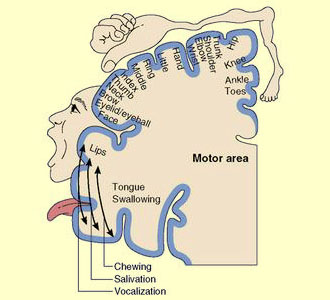
parasympathetic nervous system in the quest for stroke therapeutics
http://www.nature.com/jcbfm/journal/vaop/ncurrent/full/jcbfm201124a.html
I wish someone would correlate all these research findings and put together a comprehensive writeup of what should come next. I didn't get anything useful out of this and I'm not going to pay for the rest of the article. Isn't that what the medical profession is for?
I wish someone would correlate all these research findings and put together a comprehensive writeup of what should come next. I didn't get anything useful out of this and I'm not going to pay for the rest of the article. Isn't that what the medical profession is for?
Abstract
Stroke is a devastating neurovascular disease with limited therapeutic options. The pathogenesis of stroke involves complex interrelated molecular mechanisms including excitotoxicity, oxidative and nitrosative stress, cortical spreading depolarizations, inflammation, necrosis, and apoptosis. Successful development of stroke therapeutics depends on understanding these molecular mechanisms and how to counteract them to limit tissue damage during stroke. Activation of the parasympathetic nervous system (PNS) has been shown to antagonize a multiplicity of pathologic mechanisms. Elements of parasympathetic activation such as vagus nerve stimulation have already been used successfully in treating brain disorders such as epilepsy and depression. This review discusses the anatomical basis and molecular mechanisms involved in activation of the PNS, and assesses the strength of available evidence for the further development of this modality into a stroke therapy.
Friday, March 4, 2011
stem cell testing for stroke UK
http://www.drugs.com/clinical_trials/reneuron-gives-update-stroke-clinical-trial-11261.html
I know this is just safety testing but you have to start somewhere.
Guildford, UK, 3 March 2011: ReNeuron Group plc (LSE: RENE.L) today provides an update on progress with the PISCES clinical trial of its ReN001 stem cell therapy for disabled stroke patients. The PISCES study (Pilot Investigation of Stem Cells in Stroke) is the world’s first fully regulated clinical trial of a neural stem cell therapy for disabled stroke patients. Stroke is the third largest cause of death and the single largest cause of adult disability in the developed world.
The Company is pleased to report that the first two patients treated in the clinical trial are both well. Both patients were successfully treated with ReN001 with no acute safety issues arising. Both patients were discharged two days after their respective treatments and are back in their local communities in the Greater Glasgow area. The first patient treated has now been assessed at three months post-treatment and has experienced no adverse reactions or effects relating to the therapy.
The final patient in the first dose cohort has consented to treatment and, assuming a successful pre-treatment evaluation period, is expected to be dosed in May. On this basis, the Data Safety Monitoring Board would be expected to review data from the first dose cohort in August and, all being well, give approval for the trial to move on to a higher dose cohort at that time. The Company therefore expects that this higher dose cohort of three further patients would have been treated by the end of this year assuming no significant recruitment delays.
As the PISCES clinical trial continues into longer term follow-up of the patients treated, and into treatment of the higher dose cohorts, a number of treatment efficacy measures will be evaluated over time, including structural and functional MRI imaging measures as well as a number of tests of sensory, motor and cognitive functions. Although the primary endpoints of the clinical trial relate to the safety and tolerability of the ReN001 treatment, the Company hopes to use these potential efficacy measures in the design of subsequent clinical studies where efficacy of the treatment would be the primary endpoint.
The remaining dose cohorts in the PISCES trial are expected to be treated in 2012, at which point the Company intends to have discussed and agreed its subsequent clinical development strategy for ReN001 with the relevant regulatory authorities both in the UK and beyond. The Company is also exploring the clinical potential of its lead CTX stem cell line in other categories of the stroke patient population and in other neurological conditions where the mechanisms of action of the cells may be relevant. This is with a view to commencing further clinical trials in these indications as quickly as possible, based on the very significant pre-clinical safety and efficacy data already in existence with the CTX cells, as well as the emerging early clinical data from the PISCES trial. The Company will provide further updates on these activities, as well as progress with its other therapeutic programmes in peripheral arterial disease and retinitis pigmentosa, in due course.
The PISCES clinical trial is being conducted in Scotland at the Institute of Neurological Sciences, Southern General Hospital, Greater Glasgow and Clyde NHS Board. In this Phase I single administration dose escalation safety study, ReNeuron’s ReN001 stem cell therapy is being administered to a total of 12 stroke patients who have been left disabled by an ischaemic stroke, the most common form of the condition. The Principal Investigator for the trial is Professor Keith Muir, SINAPSE Professor of Clinical Imaging, Division of Clinical Neurosciences at the University of Glasgow. Patients in the clinical trial will be monitored for two years, with longer term follow-up procedures in place thereafter.
Michael Hunt, Chief Executive Officer of ReNeuron, said:
“Both ReNeuron and the clinical team in Glasgow are very encouraged by the progress of the PISCES clinical trial thus far. We are delighted that the two patients treated so far are doing as well as they are and we could not have hoped for a smoother start in terms of the clinical procedure itself and the lack of any apparent short term safety effects from the ReN001 therapy thereafter. We look forward to providing further updates on the clinical trial in due course.”
Enquiries:
Michael Hunt, Chief Executive Officer - ReNeuron +44 (0) 1483 302560 Dr John Sinden, Chief Scientific Officer - ReNeuron
Lisa Baderoon, Mark Court, Isabel Podda +44 (0) 20 7466 5000 Buchanan Communications
Antony Legge, Oliver Rigby +44 (0) 20 7776 6550 Daniel Stewart & Company plc
James Gallagher, Tim Graham +44 (0) 20 3206 7000 Matrix Corporate Capital LLP
Eleanor Cowie, Media Relations Officer +44 (0) 141 330 3683 University of Glasgow
About stroke
Approximately 150,000 people suffer a stroke in the UK each year. The vast majority of these strokes are ischaemic in nature, caused by a blockage of blood flow in the brain (as opposed to a haemorrhagic or bleeding stroke).
Approximately one half of all stroke survivors are left with permanent disabilities as a result of the damage caused to brain tissue arising from the stroke. The annual health and social costs of caring for these patients is estimated to be in excess of ? billion in the UK, with stroke patients estimated to be occupying at least 25 per cent of long term hospital beds.
The only current treatment for ischaemic stroke patients occurs in the acute phase of the condition (within several hours of the stroke), when anti-clotting agents are administered to dissolve the clot causing the blockage in blood flow to the brain. Only a small proportion of patients get to the hospital in time to be treated in this way.
Beyond the acute phase, there are no existing treatments, other than preventative or rehabilitation measures, to alleviate the disabilities suffered by stroke patients who have survived their stroke.
Source: UK Stroke Association
About ReNeuron’s ReN001 stem cell therapy for stroke
ReNeuron’s ReN001 cell therapy for stroke consists of a neural stem cell line, designated CTX, which has been generated using the Company’s proprietary cell expansion and cell selection technologies and then taken through a full manufacturing scale-up and quality-testing process. As such, ReN001 is a standardised, clinical and commercial-grade cell therapy product capable of treating all eligible patients presenting.
ReN001 has been shown to reverse the functional deficits associated with stroke disability when administered several weeks after the stroke event in relevant pre-clinical models of the condition. Extensive pre-clinical testing also indicates that the therapy is safe, with the ReN001 cells eventually cleared from the body with no adverse safety effects arising.
If ultimately shown to be safe and effective clinically, ReN001 would therefore offer a significant new treatment option for stroke survivors. The therapy offers the potential for a degree of recovery of function in disabled stroke patients, resulting in greater independence and quality of life for these patients and reduced reliance on health and social care systems.
The ReN001 cells that are being used in the initial clinical trial are taken from the existing manufactured cell banks that will form the basis of the eventual marketed product. There will therefore be no need to re-derive and test new ReN001 cell lines for subsequent clinical trials or for the market – all such cells can simply be expanded from the existing banked and tested product.
About the Institute of Neurological Sciences at Glasgow University
The clinical Stroke Research Group of the Division of Clinical Neurosciences is based at the Institute of Neurological Sciences at Glasgow University, and has major collaborations, internally with the Glasgow Experimental MRI Centre, with SINAPSE (Scottish Imaging Network: A Platform for Scientific Excellence), and with the Translational Medicine Research Initiative (TMRI). Around 900 patients per year are admitted through the Acute Stroke Unit, which provides stroke services to the population of south Glasgow and specialist stroke treatments for the West of Scotland.
The unit is the highest user of acute clot-busting (thrombolytic) treatment in the UK at present, and has been extensively involved in clinical trials in stroke. Major research interests include evaluation of advanced brain imaging techniques in acute stroke, development of novel brain imaging techniques, improving the use of clot-busting drug treatments in stroke, and developing trial methodology for evaluation of regenerative treatments. The group has support from the Stroke Association, the Medical Research Council, and the TMRI. Further work with regenerative strategies include collaborations with groups developing both drug-based and stem cell therapies across Europe. About ReNeuron ReNeuron is a leading, clinical-stage stem cell business. Its primary objective is the development of novel stem cell therapies targeting areas of significant unmet or poorly met medical need.
ReNeuron has used its unique stem cell technologies to develop cell-based therapies for significant disease conditions where the cells can be readily administered “off-the-shelf” to any eligible patient without the need for additional immunosuppressive drug treatments. ReNeuron’s lead candidate is its ReN001 stem cell therapy for the treatment of patients left disabled by the effects of a stroke. This therapy is currently in early clinical development. ReNeuron’s ReN009 stem cell therapy is being developed as a treatment for peripheral arterial disease, a serious and common side-effect of diabetes. The Company is also developing stem cell therapies for other conditions such as blindness-causing diseases of the retina.
ReNeuron has also developed a range of stem cell lines for non-therapeutic applications – its ReNcell® products for use in academic and commercial research. The Company’s ReNcell®CX and ReNcell®VM neural cell lines are marketed worldwide under license by USA-based Millipore Corporation.
ReNeuron’s shares are traded on the London AIM market under the symbol RENE.L. Further information on ReNeuron and its products can be found at http://www.reneuron.com/.
This announcement contains forward-looking statements with respect to the financial condition, results of operations and business achievements/performance of ReNeuron and certain of the plans and objectives of management of ReNeuron with respect thereto. These statements may generally, but not always, be identified by the use of words such as "should", "expects", "estimates", "believes" or similar expressions. This announcement also contains forward-looking statements attributed to certain third parties relating to their estimates regarding the growth of markets and demand for products. By their nature, forward-looking statements involve risk and uncertainty because they reflect ReNeuron's current expectations and assumptions as to future events and circumstances that may not prove accurate. A number of factors could cause ReNeuron's actual financial condition, results of operations and business achievements/performance to differ materially from the estimates made or implied in such forward-looking statements and, accordingly, reliance should not be placed on such statements.
I know this is just safety testing but you have to start somewhere.
Guildford, UK, 3 March 2011: ReNeuron Group plc (LSE: RENE.L) today provides an update on progress with the PISCES clinical trial of its ReN001 stem cell therapy for disabled stroke patients. The PISCES study (Pilot Investigation of Stem Cells in Stroke) is the world’s first fully regulated clinical trial of a neural stem cell therapy for disabled stroke patients. Stroke is the third largest cause of death and the single largest cause of adult disability in the developed world.
The Company is pleased to report that the first two patients treated in the clinical trial are both well. Both patients were successfully treated with ReN001 with no acute safety issues arising. Both patients were discharged two days after their respective treatments and are back in their local communities in the Greater Glasgow area. The first patient treated has now been assessed at three months post-treatment and has experienced no adverse reactions or effects relating to the therapy.
The final patient in the first dose cohort has consented to treatment and, assuming a successful pre-treatment evaluation period, is expected to be dosed in May. On this basis, the Data Safety Monitoring Board would be expected to review data from the first dose cohort in August and, all being well, give approval for the trial to move on to a higher dose cohort at that time. The Company therefore expects that this higher dose cohort of three further patients would have been treated by the end of this year assuming no significant recruitment delays.
As the PISCES clinical trial continues into longer term follow-up of the patients treated, and into treatment of the higher dose cohorts, a number of treatment efficacy measures will be evaluated over time, including structural and functional MRI imaging measures as well as a number of tests of sensory, motor and cognitive functions. Although the primary endpoints of the clinical trial relate to the safety and tolerability of the ReN001 treatment, the Company hopes to use these potential efficacy measures in the design of subsequent clinical studies where efficacy of the treatment would be the primary endpoint.
The remaining dose cohorts in the PISCES trial are expected to be treated in 2012, at which point the Company intends to have discussed and agreed its subsequent clinical development strategy for ReN001 with the relevant regulatory authorities both in the UK and beyond. The Company is also exploring the clinical potential of its lead CTX stem cell line in other categories of the stroke patient population and in other neurological conditions where the mechanisms of action of the cells may be relevant. This is with a view to commencing further clinical trials in these indications as quickly as possible, based on the very significant pre-clinical safety and efficacy data already in existence with the CTX cells, as well as the emerging early clinical data from the PISCES trial. The Company will provide further updates on these activities, as well as progress with its other therapeutic programmes in peripheral arterial disease and retinitis pigmentosa, in due course.
The PISCES clinical trial is being conducted in Scotland at the Institute of Neurological Sciences, Southern General Hospital, Greater Glasgow and Clyde NHS Board. In this Phase I single administration dose escalation safety study, ReNeuron’s ReN001 stem cell therapy is being administered to a total of 12 stroke patients who have been left disabled by an ischaemic stroke, the most common form of the condition. The Principal Investigator for the trial is Professor Keith Muir, SINAPSE Professor of Clinical Imaging, Division of Clinical Neurosciences at the University of Glasgow. Patients in the clinical trial will be monitored for two years, with longer term follow-up procedures in place thereafter.
Michael Hunt, Chief Executive Officer of ReNeuron, said:
“Both ReNeuron and the clinical team in Glasgow are very encouraged by the progress of the PISCES clinical trial thus far. We are delighted that the two patients treated so far are doing as well as they are and we could not have hoped for a smoother start in terms of the clinical procedure itself and the lack of any apparent short term safety effects from the ReN001 therapy thereafter. We look forward to providing further updates on the clinical trial in due course.”
Enquiries:
Michael Hunt, Chief Executive Officer - ReNeuron +44 (0) 1483 302560 Dr John Sinden, Chief Scientific Officer - ReNeuron
Lisa Baderoon, Mark Court, Isabel Podda +44 (0) 20 7466 5000 Buchanan Communications
Antony Legge, Oliver Rigby +44 (0) 20 7776 6550 Daniel Stewart & Company plc
James Gallagher, Tim Graham +44 (0) 20 3206 7000 Matrix Corporate Capital LLP
Eleanor Cowie, Media Relations Officer +44 (0) 141 330 3683 University of Glasgow
About stroke
Approximately 150,000 people suffer a stroke in the UK each year. The vast majority of these strokes are ischaemic in nature, caused by a blockage of blood flow in the brain (as opposed to a haemorrhagic or bleeding stroke).
Approximately one half of all stroke survivors are left with permanent disabilities as a result of the damage caused to brain tissue arising from the stroke. The annual health and social costs of caring for these patients is estimated to be in excess of ? billion in the UK, with stroke patients estimated to be occupying at least 25 per cent of long term hospital beds.
The only current treatment for ischaemic stroke patients occurs in the acute phase of the condition (within several hours of the stroke), when anti-clotting agents are administered to dissolve the clot causing the blockage in blood flow to the brain. Only a small proportion of patients get to the hospital in time to be treated in this way.
Beyond the acute phase, there are no existing treatments, other than preventative or rehabilitation measures, to alleviate the disabilities suffered by stroke patients who have survived their stroke.
Source: UK Stroke Association
About ReNeuron’s ReN001 stem cell therapy for stroke
ReNeuron’s ReN001 cell therapy for stroke consists of a neural stem cell line, designated CTX, which has been generated using the Company’s proprietary cell expansion and cell selection technologies and then taken through a full manufacturing scale-up and quality-testing process. As such, ReN001 is a standardised, clinical and commercial-grade cell therapy product capable of treating all eligible patients presenting.
ReN001 has been shown to reverse the functional deficits associated with stroke disability when administered several weeks after the stroke event in relevant pre-clinical models of the condition. Extensive pre-clinical testing also indicates that the therapy is safe, with the ReN001 cells eventually cleared from the body with no adverse safety effects arising.
If ultimately shown to be safe and effective clinically, ReN001 would therefore offer a significant new treatment option for stroke survivors. The therapy offers the potential for a degree of recovery of function in disabled stroke patients, resulting in greater independence and quality of life for these patients and reduced reliance on health and social care systems.
The ReN001 cells that are being used in the initial clinical trial are taken from the existing manufactured cell banks that will form the basis of the eventual marketed product. There will therefore be no need to re-derive and test new ReN001 cell lines for subsequent clinical trials or for the market – all such cells can simply be expanded from the existing banked and tested product.
About the Institute of Neurological Sciences at Glasgow University
The clinical Stroke Research Group of the Division of Clinical Neurosciences is based at the Institute of Neurological Sciences at Glasgow University, and has major collaborations, internally with the Glasgow Experimental MRI Centre, with SINAPSE (Scottish Imaging Network: A Platform for Scientific Excellence), and with the Translational Medicine Research Initiative (TMRI). Around 900 patients per year are admitted through the Acute Stroke Unit, which provides stroke services to the population of south Glasgow and specialist stroke treatments for the West of Scotland.
The unit is the highest user of acute clot-busting (thrombolytic) treatment in the UK at present, and has been extensively involved in clinical trials in stroke. Major research interests include evaluation of advanced brain imaging techniques in acute stroke, development of novel brain imaging techniques, improving the use of clot-busting drug treatments in stroke, and developing trial methodology for evaluation of regenerative treatments. The group has support from the Stroke Association, the Medical Research Council, and the TMRI. Further work with regenerative strategies include collaborations with groups developing both drug-based and stem cell therapies across Europe. About ReNeuron ReNeuron is a leading, clinical-stage stem cell business. Its primary objective is the development of novel stem cell therapies targeting areas of significant unmet or poorly met medical need.
ReNeuron has used its unique stem cell technologies to develop cell-based therapies for significant disease conditions where the cells can be readily administered “off-the-shelf” to any eligible patient without the need for additional immunosuppressive drug treatments. ReNeuron’s lead candidate is its ReN001 stem cell therapy for the treatment of patients left disabled by the effects of a stroke. This therapy is currently in early clinical development. ReNeuron’s ReN009 stem cell therapy is being developed as a treatment for peripheral arterial disease, a serious and common side-effect of diabetes. The Company is also developing stem cell therapies for other conditions such as blindness-causing diseases of the retina.
ReNeuron has also developed a range of stem cell lines for non-therapeutic applications – its ReNcell® products for use in academic and commercial research. The Company’s ReNcell®CX and ReNcell®VM neural cell lines are marketed worldwide under license by USA-based Millipore Corporation.
ReNeuron’s shares are traded on the London AIM market under the symbol RENE.L. Further information on ReNeuron and its products can be found at http://www.reneuron.com/.
This announcement contains forward-looking statements with respect to the financial condition, results of operations and business achievements/performance of ReNeuron and certain of the plans and objectives of management of ReNeuron with respect thereto. These statements may generally, but not always, be identified by the use of words such as "should", "expects", "estimates", "believes" or similar expressions. This announcement also contains forward-looking statements attributed to certain third parties relating to their estimates regarding the growth of markets and demand for products. By their nature, forward-looking statements involve risk and uncertainty because they reflect ReNeuron's current expectations and assumptions as to future events and circumstances that may not prove accurate. A number of factors could cause ReNeuron's actual financial condition, results of operations and business achievements/performance to differ materially from the estimates made or implied in such forward-looking statements and, accordingly, reliance should not be placed on such statements.
canadian best practices for stroke care
http://www.strokebestpractices.ca/index.php/overview/
What Canada lists as best practices. It probably won't help any of us chronic survivors but at least you'll know more than your medical staff.
What Canada lists as best practices. It probably won't help any of us chronic survivors but at least you'll know more than your medical staff.
New Zealand stroke research
http://www.nzherald.co.nz/health/news/article.cfm?c_id=204&objectid=10685204
http://tvnz.co.nz/health-news/high-hopes-stroke-research-breakthrough-3877861
http://www.nzdoctor.co.nz/un-doctored/2010/november-2010/04/otago-research-uncovers-potential-for-stroke-victims-to-dramatically-regain-mobility-.aspx
None of the links I tried specified what drug was being tested. I will be going to the library to see if the Nature article mentions it. I like the possible 3 week window.
University of Otago and American researchers have discovered a drug therapy which could dramatically help stroke victims by unlocking paralysed arms and legs and restoring much of their lost mobility.
Results of the 2 year study were published today in the online edition of the international scientific journal Nature.
"This also provides hope for those with traumatic head injuries - the brain mechanisms of repair are similar so there is potential for this to work for them too," study co-author Dr Andrew Clarkson said.
Dr Clarkson, 31, a research fellow at the Otago University departments of psychology and anatomy and structural biology, said human trials using the drug compounds could begin within two years.
One compound, known to enhance cognition and initially developed to treat Alzheimer's disease, is already being tested in people with learning difficulties.
In the first study of its kind, Dr Clarkson and colleagues at the University of California, including neurologist co-author Dr Thomas Carmichael, found the compound, given to mice in slow-release doses, re-activated brain neurons responsible for limb function.
Dr Clarkson said the finding was "tremendous" and could be "the biggest therapeutic breakthrough in many years".
The treatment worked on gross motor skills, but it would take further research to clarify whether the drug could also help with the fine motor skills associated with speech.
The research suggests some brain cells affected by strokes or other head injuries have not been killed, as often previously thought, but are effectively "sleeping" and can be reactivated.
Ok, a couple of lines from the article:
This increased tonic inhibition is mediated by extrasynaptic GABAA receptors and is caused by an impairment in GABA (γ-aminobutyric acid) transporter (GAT-3/GAT-4) function. To counteract the heightened inhibition, we administered in vivo a benzodiazepine inverse agonist specific for α5-subunit-containing extrasynaptic GABAA receptors at a delay after stroke. This treatment produced an early and sustained recovery of motor function.
What!!
http://tvnz.co.nz/health-news/high-hopes-stroke-research-breakthrough-3877861
http://www.nzdoctor.co.nz/un-doctored/2010/november-2010/04/otago-research-uncovers-potential-for-stroke-victims-to-dramatically-regain-mobility-.aspx
None of the links I tried specified what drug was being tested. I will be going to the library to see if the Nature article mentions it. I like the possible 3 week window.
University of Otago and American researchers have discovered a drug therapy which could dramatically help stroke victims by unlocking paralysed arms and legs and restoring much of their lost mobility.
Results of the 2 year study were published today in the online edition of the international scientific journal Nature.
"This also provides hope for those with traumatic head injuries - the brain mechanisms of repair are similar so there is potential for this to work for them too," study co-author Dr Andrew Clarkson said.
Dr Clarkson, 31, a research fellow at the Otago University departments of psychology and anatomy and structural biology, said human trials using the drug compounds could begin within two years.
One compound, known to enhance cognition and initially developed to treat Alzheimer's disease, is already being tested in people with learning difficulties.
In the first study of its kind, Dr Clarkson and colleagues at the University of California, including neurologist co-author Dr Thomas Carmichael, found the compound, given to mice in slow-release doses, re-activated brain neurons responsible for limb function.
These neurons had initially appeared to be dead or dormant after a stroke.
Six weeks of treatment produced dramatic results, with an extra 50 per cent of gross motor limb mobility consistently gained. Treatment of the mice began three days after the stroke - the equivalent of about three weeks in humans.Dr Clarkson said the finding was "tremendous" and could be "the biggest therapeutic breakthrough in many years".
The treatment worked on gross motor skills, but it would take further research to clarify whether the drug could also help with the fine motor skills associated with speech.
The research suggests some brain cells affected by strokes or other head injuries have not been killed, as often previously thought, but are effectively "sleeping" and can be reactivated.
Ok, a couple of lines from the article:
This increased tonic inhibition is mediated by extrasynaptic GABAA receptors and is caused by an impairment in GABA (γ-aminobutyric acid) transporter (GAT-3/GAT-4) function. To counteract the heightened inhibition, we administered in vivo a benzodiazepine inverse agonist specific for α5-subunit-containing extrasynaptic GABAA receptors at a delay after stroke. This treatment produced an early and sustained recovery of motor function.
What!!
Thursday, March 3, 2011
Lobster shells may offer paralysis cure, study finds
This one is taking a leap to possibly transfer this into acute stroke rehab, but if someone doesn't think outside the bun we'll never get anywhere.
http://www.themedguru.com/20100419/newsfeature/lobsters-may-offer-paralysis-cure-study-finds-86134225.html
http://www.themedguru.com/20100419/newsfeature/lobsters-may-offer-paralysis-cure-study-finds-86134225.html
In what could lead to a new discovery of nerve cell regeneration for people paralyzed by spinal cord injuries, researchers claim the shells of sea creatures may repair damaged nerve membranes and restore the spinal cord's ability to transmit signals to the brain.
After spinal cord injuries, many people become paralyzed because their brains are cut off from central pattern generators, which are networks of neurons in the spinal cord that are thought to produce an automatic walking motion.
Richard Borgens and his team comprising of physiologist Riyi Shi and chemist Youngnam Cho from the Center for Paralysis Research at the Purdue School of Veterinary Medicine have discovered that the simple sugar found in the crustacean shells of lobsters is capable of targeting damaged membranes.
Professor Richard Borgens stated, “This is the most exciting development for spinal cord and brain injury since Second World War.
“I am very excited. Using chemicals to repair the damaged nervous system is a completely new way to treat people with these terrible injuries. It’s amazing one of these special chemicals would turn out to be a sugar.”
Experiment on guinea pigs
Researchers started experimenting on guinea pigs. They first isolated and compressed a segment of the rodent’s spinal cord. Subsequently, they applied the chemical and a fluorescent dye that could only enter the cells through damaged membranes.
Scrutinizing the tissues under the microscope, the investigators noted that all the neurons in the spinal cord tissue remained unstained by the dye. Moreover, while measuring the guinea pigs’ brain response, they observed that the signals failed to reach the brain because of the damaged spinal cord.
Thirty minutes after injecting the sugar mixed with sterile water into the bloodstream of the animals the researchers found that the damaged cells had been repaired.
The experts stated, “However, 30•min after injecting chitosan into the rodents, the signals miraculously returned to the animals’ brains.”
Researchers theorize that the injected sugar migrates to the spinal cord injury where it plugs holes in the coating of the nerve cells.
Borgens added, “Science has moved in a new direction. Previously we have been looking at drugs which would potentially reduce damage. Now we are looking at complete repair.”
Implications of the study
The researchers are optimistic that the treatment, which showed promise in guinea pigs, will also work equally well in human trials.
Borgens stated, “The spinal cord of a guinea pig is very similar to that of a human – it is just smaller.
“This is not like a drug which may work in some species and not in others. This is a mechanical effect. The sugar molecules migrate to the nerve injury target and repair the injured area, not the undamaged area.”
The discovery has been published in The Journal of Experimental Biology.
Richard Borgens and his team comprising of physiologist Riyi Shi and chemist Youngnam Cho from the Center for Paralysis Research at the Purdue School of Veterinary Medicine have discovered that the simple sugar found in the crustacean shells of lobsters is capable of targeting damaged membranes.
Professor Richard Borgens stated, “This is the most exciting development for spinal cord and brain injury since Second World War.
“I am very excited. Using chemicals to repair the damaged nervous system is a completely new way to treat people with these terrible injuries. It’s amazing one of these special chemicals would turn out to be a sugar.”
Experiment on guinea pigs
Researchers started experimenting on guinea pigs. They first isolated and compressed a segment of the rodent’s spinal cord. Subsequently, they applied the chemical and a fluorescent dye that could only enter the cells through damaged membranes.
Scrutinizing the tissues under the microscope, the investigators noted that all the neurons in the spinal cord tissue remained unstained by the dye. Moreover, while measuring the guinea pigs’ brain response, they observed that the signals failed to reach the brain because of the damaged spinal cord.
Thirty minutes after injecting the sugar mixed with sterile water into the bloodstream of the animals the researchers found that the damaged cells had been repaired.
The experts stated, “However, 30•min after injecting chitosan into the rodents, the signals miraculously returned to the animals’ brains.”
Researchers theorize that the injected sugar migrates to the spinal cord injury where it plugs holes in the coating of the nerve cells.
Borgens added, “Science has moved in a new direction. Previously we have been looking at drugs which would potentially reduce damage. Now we are looking at complete repair.”
Implications of the study
The researchers are optimistic that the treatment, which showed promise in guinea pigs, will also work equally well in human trials.
Borgens stated, “The spinal cord of a guinea pig is very similar to that of a human – it is just smaller.
“This is not like a drug which may work in some species and not in others. This is a mechanical effect. The sugar molecules migrate to the nerve injury target and repair the injured area, not the undamaged area.”
The discovery has been published in The Journal of Experimental Biology.
A Nasal Spray against Alzheimer's Disease and Stroke
This one is pretty unknown yet, especially since it hasn't been tried in humans yet and doesn't yet seem to have a good understanding of why it works.
A Nasal Spray against Alzheimer's Disease and Stroke
Researchers have claimed to develop a nasal spray against Alzheimer's disease and stroke. The spray is expected to repair the vascular damage in the brain by provoking the body's immune system.
Researchers of the Tel Aviv University have claimed to develop this spray. Dr. Dan Frenkel, of the Tel Aviv University's Department of Neurobiology, says that they have done the clinical trials of the medication which have shown that it prevents brain tissue damage and restore cognitive impairment.
Dr. Frenkel believes that this new medication is a milestone which may help in developing vaccination and long-sought cure for Alzheimer's disease. He added that this spray might open new pathways for the treatments related to the immune system and could also reduce the cases of stroke and Alzheimer's disease. It may also prevent the progression of disease.
Researchers have conducted the tests of the spray on mice but it has not been tested on humans yet. The test conducted on mice has shown that vascular damage was prevented after the injection of vaccination and no side effects have been reported.
Dr. Frenkel told that this drug has already been tested safely by GlaxoSmithKline as an influenza treatment but it is unknown that when it will be available.
Ok, what are the active ingredients in the spray?
Subscribe to:
Posts (Atom)