Changing stroke rehab and research worldwide now.Time is Brain! trillions and trillions of neurons that DIE each day because there are NO effective hyperacute therapies besides tPA(only 12% effective). I have 523 posts on hyperacute therapy, enough for researchers to spend decades proving them out. These are my personal ideas and blog on stroke rehabilitation and stroke research. Do not attempt any of these without checking with your medical provider. Unless you join me in agitating, when you need these therapies they won't be there.

What this blog is for:

My blog is not to help survivors recover, it is to have the 10 million yearly stroke survivors light fires underneath their doctors, stroke hospitals and stroke researchers to get stroke solved. 100% recovery. The stroke medical world is completely failing at that goal, they don't even have it as a goal. Shortly after getting out of the hospital and getting NO information on the process or protocols of stroke rehabilitation and recovery I started searching on the internet and found that no other survivor received useful information. This is an attempt to cover all stroke rehabilitation information that should be readily available to survivors so they can talk with informed knowledge to their medical staff. It lays out what needs to be done to get stroke survivors closer to 100% recovery. It's quite disgusting that this information is not available from every stroke association and doctors group.

Wednesday, November 2, 2016

36-year-old talks about stroke

Damned lucky this was recognized as a stroke, numerous young persons are not diagnosed correctly.
http://www.thesnaponline.com/news/year-old-talks-about-stroke/article_1b7895a4-a072-11e6-9650-9f16b2e5d803.html
Endy resident Martha Dennis, 36, experienced her fourth stroke in September.
Her most recent stroke manifested more of the typical symptoms, Dennis said, recalling her slurred speech and weakness on her left side. It came as a surprise to her as she does not have the typical factors that lead to strokes.
“I don’t have high cholesterol,” she said. “I don’t have high blood pressure. I don’t smoke, I don’t drink.”
Fortunately, Dennis was near Novant Matthews Medical Center when the stroke struck. As a previous EMT first responder, she recognized what was happening to her and sought immediate medical attention.
By the time she reached the emergency room the symptoms were already fading, but the staff took her story seriously enough to have her seen. Damned lucky this was recognized as a stroke, numerous young persons are not diagnosed correctly.
After several brain scans, Martha was informed that she indeed had experienced a stroke; in fact, the doctor saw indications of four strokes on the image of her brain.
The first three she was unaware of, indicating that they were very minor.
However, Martha believes she can now pin point one of her previous strokes, noting that it happened while she was at work.
“I remember standing at a register and another employ was standing right there with me and I just kind of went blank for a few minutes,” said Martha. “But I didn’t have any of the slurred speech or muscle weakness. I just went blank for a minute.”
At the time, Martha and her family believed the episode was caused by low blood sugar, Martha was also recovering from bronchitis. However, she now believes it was likely one of her previous strokes.
Doctors at Novant Health concluded that the cause of Martha’s strokes are small blood vessels in her brain and she is now on blood thinners to maintain steady blood flow.
Her latest stroke, though the most significant, has not detered Martha’s positivity. Though it has caused some anxiety, she said she is trying to remain positive and trust that the medicine she is taking will prevent future incidents.
“I just want to stay positive, that the medicine they gave me is going to work and that I’m going to continue to live a normal life,” said Martha.
She noted that the biggest change to her daily routine immediately following her stroke was the inability to help her children get ready in the morning. At the time of interview, Martha reported minimal lasting effects from the stroke, aside from a paralysis in her heart, including short term memory loss and some lingering weakness on her left side.
Martha thanked her family, husband Chad, daughter Shelby and son Colin, and friends for supporting her through her time.
World Stroke Day is today, Oct. 29, 2016 sponsored by the National Stroke Association (SA).
According to the SA, the last ten years have shown a trend of younger American experiencing a stroke. It reported an increase of 44 percent of individuals under 45 having a stroke.
“Stroke is the leading cause of disability and the second leading cause of death globally,” said the SA website. “Stroke can happen to anyone at any age”
Signs and symptoms of a stroke include: sudden numbness or weakness in face, arm or leg, especially on one side of the body; sudden confusion, trouble speaking or understanding; sudden trouble seeing in one or both eyes; sudden trouble walking, dizziness, loss of balance or coordination; sudden severe headache with no known cause.
Immediately call 9-1-1 if you observe these symptoms.
“You just have to know what the signs and symptoms are,” said Martha. “You have to be able to recognize them not only in yourself but in other people. If you can recognize them in yourself, then you can get yourself the help you need.”
Martha writes the Endy News for the Stanly News and Press and works at Lowes in Albemarle. She does not have insurance to cover the cost of her recent medical bills following her stroke. If anyone would like to donate to the Dennis family, contact Martha at smc71205@ hotmail.com.
For more information on strokes or World Stroke Day, visit www.stroke.org.

Treat Depression After a Stroke to Optimize Recovery

As long as you are having depression treated the right way. Not talk therapy or meditation, real drugs. But don't listen to anything I have to say, I'm not medically trained. But I bet your doctor hasn't read this research.

Common antidepressant can help stroke patients improve movement and coordination Sept. 2015 

Antidepressants may help people recover from stroke even if they are not depressed Jan. 2013


Treat Depression After a Stroke to Optimize Recovery

Nearly 800,000 people suffer a stroke annually in the U.S., according to the Centers for Disease Control and Prevention. This occurs most commonly when a clot cuts off the blood supply to an area of the brain -- called an ischemic stroke -- or a blood vessel bursts in the brain (a hemorrhagic stroke).
Resulting in 130,000 deaths each year, stroke can cause profound changes in the brains of survivors as well. Many face an arduous road to recovery. Depending on the severity of the stroke and its location in the brain, its effects can range from paralysis of one side of the body to difficulties with speech and memory loss. But intensive rehab including physical, occupational and speech therapy can improve recovery of function.
Complicating matters, however, is the fact that many patients suffer depression following a stroke. The common mood disorder can undermine a person's motivation and ability to engage in rehab during the most critical period following the stroke, experts say, when patients need to put everything they have into recovery. A large Danish study published in the journal JAMA Psychiatry in October found that the rate of depression in the three months following a stroke was eight times higher than for the general population who hadn't suffered a stroke. In all, the study of more than 157,000 hospitalized stroke patients found that one-quarter -- or about 25 percent -- experienced depression within two years, compared with about 8 percent of the general population. A history of depression as well as the severity of a stroke increased the risk of a person developing depression, and those suffering from depression after a stroke were more likely to die from any cause.
Stroke Takes a Mental Toll
The rate of depression after a stroke even exceeds the heightened rate of depression people suffer after another life-changing event: a heart attack. "It seems that some imbalance in the brain induced by the stroke may cause stroke patients to be more susceptible to depression," lead study author Terese Sara Høj Jørgensen , a doctorate student at the University of Copenhagen in Denmark, wrote in an email. Though more research is needed to understand exactly what explains the higher rate of depression after stroke, clinicians say the link shouldn't be glossed over.
"It's a mistake to make the assumption that the patient is depressed because they've had a stroke and this is their reaction to the stroke," says Dr. Michael Waters, director of the stroke program and neurovascular division at Barrow Neurological Institute at St. Joseph's Hospital and Medical Center in Phoenix. Though patients may certainly react negatively to the loss of function after a stroke, depression rates go down in the year or two after a stroke, as compared with the especially high incidence of depression in the months following.
"People should be aggressive about treating the depression itself," Waters says. "Not only will it improve the mood of the patient, but it will improve their ability to rehab and re-attain maximum function after the stroke." Most of what patients will recover following stroke, in terms of function, they get back within the first 30 to 90 days, Waters say. So early treatment and rehab is crucial, though he also emphasizes that patients who continue to challenge themselves can see lifelong improvements.
Get Treated for Depression
The American Heart Association and American Stroke Association recommend stroke survivors be periodically screened and evaluated for depression. The AHA and ASA advise that people with post-stroke depression be treated with antidepressant medications, especially selective serotonin reuptake inhibitors, or SSRIs; the associations note that a review of research found no evidence of a benefit from psychotherapy in treating depression after a stroke. But experts say more study is needed to understand the best way to treat stroke-associated depression.
Stroke survivors should also seek to reintegrate into their social networks, with assistance from caregivers and families, to help protect against depression and bolster recovery. "Patients who are more socially isolated ... don't do as well after stroke," says Dr. Monica Verduzco-Gutierrez, medical director of the brain injury and stroke program at TIRR Memorial Hermann, a rehabilitation hospital in Houston. Experts suggest joining patient support groups as well, to learn from and lean on other stroke survivors during the recovery process.
Verduzco-Gutierrez notes that when stroke survivors who suffer from depression are treated, they start recovering at the same rate as stroke survivors without depression. But depression associated with stroke often goes untreated. "Despite its high frequency and importance, depression remains grossly underdiagnosed and poorly treated in patients with stroke," Dr. Craig S. Anderson, a professor of stroke medicine and clinical neuroscience at the University of Sydney in Australia, wrote in an editorial accompanying the study on depression following stroke in JAMA Psychiatry. "Certainly a greater awareness of stroke-associated depression among patients, families and health professionals could facilitate recognition, earlier treatment and improved outcomes."
There's some indication, too, that it may be possible to prevent depression following a stroke. "A few recent studies indicate that patients might decrease their risk of depression early after stroke by using anti-inflammatory treatment such as aspirin or statins," Jørgensen says. Clinicians advise that stroke survivors and their advocates discuss all treatment options -- including prevention -- with their health providers, and that patients follow recommended treatment protocols.
Because mental health concerns may be overlooked while health providers attend to other aspects of stroke rehab, experts reiterate that survivors and their families should insist on early evaluation and diagnosis of depression following a stroke. "We need to get these patients assessed and treated expeditiously," Verduzco-Gutierrez says, to improve recovery as well as long-term survival.
Michael Schroeder is a health editor at U.S. News. You can follow him on Twitter or email him at mschroeder@usnews.com.

Call for papers - Rehabilitation Induced Neural Plasticity after Acquired Brain Injury

Neuroplasticity has been known for years and yet no one seems to have the brains or innovative idea to actually write up a protocol on this. We really don't need more repetitive neuroplasticity research. All we are getting now is minor variations which are useless. Write up the commonality or specifically research why neurons change their allegiance.
This is where a strategy and leadership becomes important. I bet most of the current neuroplasticity research is totally wasted.
https://www.hindawi.com/journals/np/si/926454/cfp/
 Call for Papers

The body of knowledge on the reorganization patterns of the central nervous system (CNS) after brain lesion (e.g., stroke or traumatic brain injury) is continuously increasing and changing as a function of the development of new computational tools for data analysis. The wide availability of imaging (e.g., structural and functional MRI and MEG) and neurophysiological (e.g., PEM and TMS) techniques for the study of structural and functional modifications of the CNS after brain lesion has allowed scientists to explore whether rehabilitation modalities might act as key factors to induce neural plasticity. In neurorehabilitation, neural and cortical plasticity are mostly intended like a combination of spontaneous recovery and goal-directed reorganisation induced by therapeutic modalities.

This special issue offers the opportunity to contribute original research articles as well as review articles to discuss the mechanisms acting for the restoration of functions after acquired brain injury. We are particularly interested in articles describing new insights into neural plasticity induced by known effective rehabilitation treatments, thus promoting the recovery of neurological functions after acquired brain injury.

Potential topics include but are not limited to the following:

    Neurorehabilitation of acquired brain injury
    Imaging and neurophysiology of mechanisms underpinning the recovery of motor and cognitive functions
    Computational modelling of plasticity and learning to predict rehabilitation recovery
    Biological factors promoting neural plasticity in people undergoing neurorehabilitation
    Innovative rehabilitation modalities promoting neural reorganisation (e.g., brain/body-machine interface and invasive/noninvasive brain stimulation)

Authors can submit their manuscripts through the Manuscript Tracking System at http://mts.hindawi.com/submit/journals/np/rinp/.
Manuscript Due    Friday, 31 March 2017
First Round of Reviews    Friday, 23 June 2017
Publication Date    Friday, 18 August 2017
Lead Guest Editor

    Andrea Turolla, IRCCS San Camillo Hospital Foundation, Venice, Italy

Guest Editors

    Annalena Venneri, University of Sheffield, Sheffield, UK
    Dario Farina, Imperial College London, London, UK
    Annachiara Cagnin, University of Padova, Padova, Italy
    Vincent C. Cheung, Chinese University of Hong Kong, Shatin, Hong Kong

Early Magnesium Treatment After Aneurysmal Subarachnoid Hemorrhage

Without telling us how outcomes were measured, this research is useless. I'm not going to pay for the full article.  Barthel and other measurements are not discriminatory enough, way too subjective. What is really needed is scans of the brain.
http://stroke.ahajournals.org/content/46/11/3190.abstract
Sanne M. Dorhout Mees, Ale Algra, George K.C. Wong, Wai S. Poon, Celia M. Bradford, Jeffrey L. Saver, Sidney Starkman, Gabriel J.E. Rinkel, Walter M. van den Bergh, Collaborators, F. van Kooten, C.M. Dirven, J. van Gijn, M. Vermeulen, R. Boet, M.T.V. Chan, T. Gin, S.C.P. Ng, B.C.Y. Zee, R. Al-Shahi Salman, J. Boiten, H. Kuijsten, P.M. Lavados, R.J. van Oostenbrugge, W.P. Vandertop, S. Finfer, A. O’Connor, E. Yarad, R. Firth, R. McCallister, T. Harrington, B. Steinfort, K. Faulder, N. Assaad, M. Morgan, M. Eckstein, S.J. Stratton, F.D. Pratt, S. Hamilton, R. Conwit, D.S. Liebeskind, G Sung, I. Kramer, G. Moreau, R. Goldweber and N. Sanossian and on behalf of the writing groups of MASH-I, IMASH, MASH-II, MASH and FAST-MAG

Abstract

Background and Purpose—Delayed cerebral ischemia (DCI) is an important cause of poor outcome after aneurysmal subarachnoid hemorrhage (SAH). Trials of magnesium treatment starting <4 days after symptom onset found no effect on poor outcome or DCI in SAH. Earlier installment of treatment might be more effective, but individual trials had not enough power for such a subanalysis. We performed an individual patient data meta-analysis to study whether magnesium is effective when given within different time frames within 24 hours after the SAH.
Methods—Patients were divided into categories according to the delay between symptom onset and start of the study medication: <6, 6 to 12, 12 to 24, and >24 hours. We calculated adjusted risk ratios with corresponding 95% confidence intervals for magnesium versus placebo treatment for poor outcome and DCI.
Results—We included 5 trials totaling 1981 patients; 83 patients started treatment <6 hours. For poor outcome, the adjusted risk ratios of magnesium treatment for start <6 hours were 1.44 (95% confidence interval, 0.83–2.51); for 6 to 12 hours 1.03 (0.65–1.63), for 12 to 24 hours 0.84 (0.65–1.09), and for >24 hours 1.06 (0.87–1.31), and for DCI, <6 hours 1.76 (0.68–4.58), for 6 to 12 hours 2.09 (0.99–4.39), for 12 to 24 hours 0.80 (0.56–1.16), and for >24 hours 1.08 (0.88–1.32).
Conclusions—This meta-analysis suggests no beneficial effect of magnesium treatment on poor outcome or DCI when started early after SAH onset. Although the number of patients was small and a beneficial effect cannot be definitively excluded, we found no justification for a new trial with early magnesium treatment after SAH.
‘Nancy’ cartoonist uses personal story to highlight stroke awareness

And we are supposed to nod our heads in agreement that awareness is the highest calling that the American Stroke Association can do. Well, F.A.S.T. is a complete failure by lying by omission, Getting fast to a hospital barely works. Fewer than 10% of applicable patients for tPA get it and only 12% of those fully recover.


‘Nancy’ cartoonist uses personal story to highlight stroke awareness


A few years before starting the “Muppets” comic strip for Jim Henson, and long before becoming lead artist of “Nancy,” Guy Gilchrist had a stroke.
On Saturday, World Stroke Day, the cartoonist is teaming up with the American Heart Association/American Stroke Association to bring awareness to the disease that changed the course of his life and career.

Gilchrist credits the minor event in his youth for motivating him to give up his unhealthy, stress-filled “rock-n-roll lifestyle” and go all-in on his craft. A second medical event – perhaps another minor stroke – in his 40s served as a powerful reminder, snapping him back into a healthy lifestyle that he now maintains at age 59.
Gilchrist’s daily strip for Oct. 29 featuring the timeless 8-year-old is a nod to his personal stroke connection and educates readers on the world’s second-leading cause of death, which is now largely treatable.
“Decades ago there were no treatments for stroke. Now we have therapies that may interrupt even the most severe and disabling stroke if we can get to it in time,” said Alexander Khalessi, M.D., director of neurovascular surgery at the University of California, San Diego and national spokesperson for the American Stroke Association’s Together to End Stroke initiative.
The American Stroke Association’s public awareness campaign and Gilchrist’s Oct. 29 strip focus on stroke symptom recognition because the sooner care is given, the better the chances for recovery. The two highlight the acronym F.A.S.T. to help people to remember the most common stroke warning signs and how to respond: Face drooping, Arm weakness, Speech difficulty, Time to call 911.
Thanks to syndication by Universal Uclick, Gilchrist’s World Stroke Day art and message will reach funny page readers of more than 100 newspapers nationwide.
“I was happy to see that the Oct. 29 ‘Nancy’ comic strip mentions stroke awareness, which is an issue that doesn’t always get a lot of attention,” said Lucas Wetzel, associate editor at Universal Uclick. “Getting the right information about how to respond to a stroke can make a critical difference in someone’s life. We’re thrilled that Guy is using ‘Nancy’ as a platform to encourage greater stroke awareness to thousands of newspaper readers across the country.”
While he’ll never know if his minor stroke at age 21 could have been avoided, Gilchrist believes strongly in the powers of purpose and prevention.
“No matter what you do, God has given you talents,” Gilchrist said. “If we take care of ourselves, we’ll have a lot of tomorrows and get to use those gifts. The only way the world gets to be a better place is if you’re in it.”
For more information about stroke, including an entire list of the warning signs, visit www.StrokeAssociation.org.
About the American Stroke Association
The American Stroke Association is devoted to saving people from stroke — the No. 2 cause of death in the world and a leading cause of serious disability. We team with millions of volunteers to fund innovative research, fight for stronger public health policies, and provide lifesaving tools and information to prevent and treat stroke. The Dallas-based association was created in 1997 as a division of the American Heart Association. To learn more or to get involved, call 1-888-4STROKE or visit StrokeAssociation.org. Follow us on Facebook and Twitter.


Cartoon at link.

November is Stroke Technology Month - National Stroke Association

What a complete sick joke. Nothing here comes close to resembling a protocol that you can take to your doctor to implement. In all, this is a complete proof of the NSA being useless for survivors.

November is Stroke Technology Month - National Stroke Association


November is Technology Month

During November 2016, the National Stroke Association is highlighting the ways that technology affects the stroke community. Technology plays a critical role in stroke prevention and detection, as well as rehabilitation and stroke recovery.  Follow along with us during November to learn more.
Yes, we'll learn how incompetent you are.

Understanding Technology

Technology in the stroke world is ever-evolving and changing quickly. Use our new resources to learn more about technology and stroke.
  • Technology and Stroke Infographic—an overview of technology and stroke care, Wow is that pathetic
  • Suggested questions for your healthcare provider—interested in specific technologies to support you in your recovery? This resource provides some suggestions for you and your provider to discuss to determine if technology could support you in your recovery. Worthless, you are just dumping the replies onto doctors who know nothing. Fuck, do you do ANYTHING USEFUL?
  • Suggestions for financing your technology—many people may need to explore funding options for accessing technology. This resource provides some starting points. What would be useful is YOU making sure these technology items are approved and paid for by insurance. But that would entail actual hard work on your part.

Accessing Technology

If you own a smart phone you already have access to hundreds of applications that can help improve cognitive function, fine motor skills, and coordination. Innovations in stroke prevention are also helpful in tracking your blood pressure, healthy diet and exercise along with monitoring your heart rate. Speak with your healthcare team for more information about how technology could help you in your stroke recovery journey. But you don't specifically tell us about any of them. Fucking lazy assholes.

Tuesday, November 1, 2016

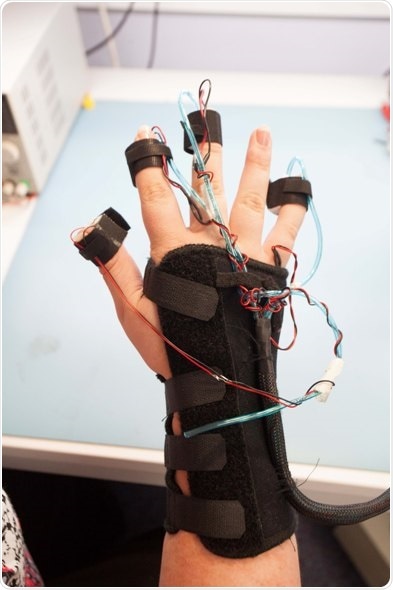
Morgan IAT to showcase Haptics glove prototype at Innovate 2016

Is this any better that the intersection between these 18 posts on haptics and these 51 posts on gloves?
I will not do the work to analyze this question, your doctor group should have a person on staff analyzing which research should be brought in house and create protocols from that research. Or a single great stroke association could do that analysis for every stroke doctor in the world. But no, we have fucking failures of stroke associations.
http://www.news-medical.net/news/20161101/Morgan-IAT-to-showcase-Haptics-glove-prototype-at-Innovate-2016.aspx
Family-run manufacturer, Morgan Innovation & Technology Ltd will showcase its Haptics glove prototype to over 2,500 visitors at Innovate 2016 on November 2nd and 3rd in Manchester.  Morgan IAT is one of just 100 companies to have won a place in the exhibition.

Haptics glove prototype
Morgan IAT, in conjunction with the University of Southampton is developing an innovative haptic system for the hand that will provide individuals with a sense of touch. Initially the product is being developed to help with rehabilitation of stroke patients and is undergoing trials at the university.
Sky’s Swipe programme recently filmed presenter Gemma Morris trying on the glove and interviewing CEO Nigel Clarke, as part of a weekly tech update. Search ‘glove that mimics physical touch’ on Youtube (watch from 06:25).
The glove-like device supplies various stimulations to the hand and fingers. These can be requested from a predefined list of options or generated depending on the patient’s hand movements and gestures within a virtual world. Currently housed in an ABS enclosure for desk mounting, the system’s housing, weight and size are all under development.
Haptics is a feedback technology that mimics the sense of touch by applying stimuli, such as pressure, temperature and vibration to the user.  When combined with virtual reality it allows users to see and feel the specific motion and action they are performing.  The product could have applications for Stroke Rehabilitation, virtual reality, augmented reality gaming and other interactive applications.
Twice winner of the Queen’s Award for Enterprise (International trade), Morgan IAT understands the journey and pitfalls that developers can face in bringing their products to market.  They offer manufacturing and R&D services, and specialise in CE marking and FDA approvals.
Innovate UK Chief Executive Ruth Mckernan said:
Innovate 2016 will be an excellent opportunity for Morgan IAT to showcase their cutting edge innovation, the Haptics glove to a national and international audience. I congratulate Morgan IAT on their success in winning a place and look forward to their involvement in our annual flagship show of innovation excellence across the UK.

Staff Time Spent on Bureaucracy Robs Stroke Patients of Therapy

What the hell difference does that staff time have when complete recovery from stroke is 10%? You are pointing out the wrong problem, The real problem is your head is buried so far up your ass you will never see daylight and all the fucking problems in stroke needing to be solved. What is worse is that attendees will nod their heads and agree with such fucking poor research conclusions. God, what a pile of blithering idiots supposedly working for stroke survivors.

Staff Time Spent on Bureaucracy Robs Stroke Patients of Therapy

HYDERABAD, INDIA — Work organizational factors and not patient factors were the major determinants influencing the frequency and intensity of the provision of therapy to acute stroke patients, a qualitative case study series involving UK stroke units finds.
"So in this study it was very striking. It wasn't about patients and their fatigue or their readiness or their ability [to participate in therapy]," David Clarke, PhD, lecturer in stroke care at the University of Leeds, United Kingdom, told delegates here at the World Stroke Congress (WSC) 2016. "It was work organizational factors" that were the major barriers to provision of care.
He said established working practices and professional cultures can be resistant to change but may be addressed through patient-focused work reorganization and staff development using methods of service improvement.
Studies have shown that increased frequency and intensity of therapies are associated with improved outcomes in the first 6 months after stroke. In the United Kingdom, the recommendation is for 45 minutes daily, 5 days a week, of occupational, physical, and speech-language therapy each. However, national audits consistently report that these targets are not being met. The Recommended Amount of Active Therapy (ReAcT) study set out to discover the reasons.
The investigators studied eight National Health Service stroke units in England, performing about 1000 hours of general observations and 434 patient-specific observations. They analyzed therapy records and performed semi-structured interviews with staff and patients/caregivers. Among the units observed, there were hyperacute, acute, and rehabilitation units, and a mixture of types, with the number of beds ranging from 24 to 68.
Audit ratings ranged from AAA to DDD, with a mix of in-between ratings based on number of daily minutes in which patients received each of the three kinds of therapy. Only two units achieved an AAA rating.
Among 77 patients typical of stroke unit residents, 49 were interviewed, as were 50 of 53 caregivers and 130 of 193 staff. Staff members were 16% male, and the group had a mean age of 35.6 years.
Staff Factors Biggest Impediments
The researchers found seven major factors affecting the provision of care to patients: organization of the therapists' working day, time spent in non–patient contact activity, patient factors, staffing levels and deployment, limited use of timetabling of therapy, limited knowledge of evidence for increased frequency and intensity of therapy, and influence of national audits.
The first two factors — both of a systemic, organizational nature — were the greatest impediments to providing care up to national standards. Across the eight stroke units, each staff member spent 1.3 to 8.6 hours per day in non–patient contact activities of information exchange among staff.
As one would expect, the minimum time spent in information exchange was reflected in the audit ratings. The worst-performing unit had a DDD rating, where workers were spending 8.6 hours per day in non–patient contact activities. Staff in the two units with AAA ratings spent 1.3 and 3.8 hours per day on such activities. Staff time not spent talking to each other left more time for patient therapy.

Exacerbating the problem, most units adhered to traditional 8-hour work days, with the time available for therapy further eroded by protected meal times, documenting therapy, and performing audit data entry. Actual time available for therapy was less than 5 hours per day for each staff member.
Staffing levels in general were inadequate. Seven of eight units had less than the number of recommended physical and occupational therapists, and all eight were deficient in speech-language therapists.
Dr Clarke said that there was limited evidence that the principle of "more therapy more frequently is associated with better outcomes" influenced the planning and delivery of therapy.
However, two units undertook service reorganizations. One reviewed and substantially reduced the time devoted to non–patient contact activities and also increased patient contact time by extending the work day with staggering of start and finish times. Both units simplified and standardized entry of audit data and used national audit performance ratings in business cases to target therapist staffing increases.
Only one unit used electronic records, which provided a substantial advantage in that paper-based units often required staff to enter the same information on different forms up to three times whereas electronic records could automatically repopulate the information.
Given the magnitude of the problem, "a shift in therapists' thinking and practice towards patient-centered rather than therapist-centered working in many UK stroke units is required," Dr Clarke advised.
Session chair Patrik Michel, MD, head of the stroke center at Lausanne University Hospital in Switzerland, noted that the units were slightly understaffed, but the main problem was that "the organization of their therapy needs can be improved" to reduce workers' time on bureaucracy and paperwork.
"Quality improvement is always both an internal and external process," requiring both internal quality improvement standards and systems as well as external audits, he told Medscape Medical News. "Of course, the improvement process itself is at risk of creating bureaucracy, so the internal audits should be both simple and be done without much bureaucratic efforts."
Professor Michel said another interesting finding of the study is that the professionally trained therapists seemed not to be aware of the scientific evidence that more intensive therapy leads to better outcomes. "So there is some work to be done as well on that level," he said.
The study had no commercial funding. Dr Clarke and Professor Michel have disclosed no relevant financial relationships.
World Stroke Congress (WSC) 2016. Presented October 28, 2016.

Tension development and muscle activation in the leg during gait in spastic hemiparesis: independence of muscle hypertonia and exaggerated stretch reflexes

Useless information for survivors, no way to get any form of walking protocol out of this.

But you can read all 6 pages for elucidation.

https://pdfs.semanticscholar.org/7e40/611322f7a965fa2b980e4f1d50273819c98d.pdf

W

BERGER,

G

HORSTMANN,

V

DIETZ

From the department of Clinical Neurology and Neurophysiology, University of Freiburg, Freiburg, West Germany

SUMMARY


In 15 patients with spastic hemiparesis the development of tension of calf muscles in relation to their electrical activation and their stretching period was studied on both sides during locomotion.  Only in the spastic leg did isolated small biphasic potentials appear in the gastrocnemius E.M.G. with monosynaptic latency at the beginning of the stance phase, while the remaining gastrocnemius activation was reduced compared to the unaffected side. Perturbations of gait were followed in the spastic leg by a large monosynaptic response, while the polysynaptic reflex response was reduced.  In the unaffected leg only a strong polysynaptic response appeared, which suggests a reciprocal modulation of monosynaptic and polysynaptic reflex responses. Tension development paralleled the gastrocnemius E.M.G. in the unaffected leg, while in the spastic leg tension was more closely correlated to muscle stretch. It is concluded that in spasticity the exaggerated monosynaptic reflexes represent only a small part of leg extensor activation during gait and that the tension ndevelopment does not depend on these reflexes.

Recreational, commuter biking linked to lower cardiovascular disease risk

Well shit, I biked to and from work 4 miles 9-10 months out of the year in Minneapolis. I raced cars home, managed to have two accidents in those 25 years of biking. Didn't prevent plaque in my arteries. But I'm sure my cardiovascular fitness as a result of that allowed me to survive my stroke. 

Recreational, commuter biking linked to lower cardiovascular disease risk


People who bike regularly, either for pleasure or as a way to commute, appear to have a lower risk of cardiovascular disease, according to two separate studies published simultaneously in the American Heart Association’s journal Circulation and Journal of the American Heart Association, the AHA/ASA’s Open Access Journal.
While structured cycling as part of a formal workout routine is already known to guard against cardiovascular illness, little is known about the effects of habitual biking done for leisure or as a way to commute. Together, the findings from the newly published studies suggest that leisure and commuter biking may be an important public health strategy in large-scale efforts to reduce cardiovascular risk.
In the Circulation study, 45,000 Danish adults (aged 50 to 65) who regularly biked for recreation or to commute had between 11 percent and 18 percent fewer heart attacks during a 20-year follow-up (1993-2013).
The analysis showed that as little as half an hour of biking per week provided some protection against coronary artery disease. Additionally, people who took up biking during the first five years the authors followed them had about a 25 percent lower risk of developing heart disease, compared with those who remained non-bikers in the subsequent 15-year period.
Researchers caution that their findings do not prove definitively that riding a bike for leisure or to and from work can prevent heart attacks. However, they say, the lower number of cardiovascular events observed among those who biked on a regular basis is a strong indicator that such activity can boost cardiovascular health.
“Finding time for exercise can be challenging for many people, so clinicians working in the field of cardiovascular risk prevention should consider promoting cycling as a mode of transportation,” said Anders Grøntved, M.Sc., M.P.H., Ph.D., senior study author and associate professor of physical activity epidemiology at the University of Southern Denmark.
Researchers also tracked participants’ overall exercise habits, activity levels and frequency of bicycle riding, along with heart disease risk factors, such as blood pressure, weight, cholesterol, smoking, diet and alcohol consumption. Participants were asked to provide information about cycling habits at the onset of the study and once more in five years.
In all, there were 2,892 heart attacks during the 20-year follow-up. Researchers estimate that more than 7 percent of all heart attacks could have been averted by taking up cycling and keeping it up on a regular basis.
“Because recreational and commuter biking is an easy way to make physical activity part of one’s routine in a non-structured and informal fashion, based on the results, public health authorities, governments and employers ought to consider initiatives that promote bicycle riding as a way to support large-scale cardiovascular disease prevention efforts,” said Kim Blond, M.Sc, lead author and research assistant at the University of Southern Denmark.
The Journal of the American Heart Association study revealed that middle-aged and older Swedish adults who biked to work were less likely than non-bikers to be obese, have high cholesterol, high blood pressure or pre-diabetes — all critical drivers of cardiovascular risk.
Researchers followed more than 20,000 people in their 40s, 50s and 60s over 10 years and monitored their commuting habits, weight, cholesterol levels, blood glucose and blood pressure.
At the beginning of the study, active commuters (biked to work) were 15 percent less likely to be obese, 13 percent less likely have high blood pressure, 15 percent less likely to have high cholesterol and 12 percent less likely to have pre-diabetes or diabetes, compared with passive commuters (used public transportation or drove to work).
During a follow-up exam 10 years later, the portion of study participants who switched from passive commuting to active commuting also had an improved risk profile. They were less likely to be obese, have diabetes, hypertension or elevated cholesterol, compared with non-bikers.
Collectively, at the 10-year follow-up, those who maintained biking or took up biking at some point had a 39-percent lower risk of obesity, 11 percent lower risk of high blood pressure, 20 percent lower risk of high cholesterol and 18 percent lower diabetes risk.
“We found active commuting, which has the additional advantages of being time-efficient, cheaper and environmentally friendly is also great for your health,” said Paul Franks, Ph.D., senior study author, professor in the Department of Clinical Sciences at Lund University in Sweden and guest professor at Umeå University in Sweden. “The multiple advantages of active commuting over structured exercise may help clinicians convey a message that many patients will embrace more readily than being told to join a gym, go for a jog or join a sports team.”
Researchers noted that there was no minimum amount of time or distance required to reduce one’s risk, even though people who biked longer or more often experienced small additional gains in risk reduction.
Because the study was observational, it is difficult to establish a cause-and-effect relationship between improved cardiovascular health and commuter biking, but the findings do indicate a strong cardio-protective effect from cycling.
Based on their findings, researchers also estimated that maintaining biking habits or switching from passive commuting to biking may have prevented 24 percent of obesity cases, 6 percent of hypertension diagnoses, 13 percent of high cholesterol diagnoses, and 11 percent of the cases of diabetes.
“The really good news here is that it’s never too late to benefit from an active lifestyle,” Franks said. “People who switched from passive to active commuting saw considerable gains in their cardiovascular health.”
Co-authors of the Circulation study are Kim Blond, M.Sc.; Martin Rasmussen, M.Sc.; Lars Østergaard, Ph.D.; Majken Jensen, PhD; Kim Overvad, MD, PhD; and Anne Tjønneland, MD, DMSc.
Co-authors of the JAHA study are Anders Grøntved, M.Sc., M.P.H., Ph.D.; Lars Østergaard, Ph.D.; Robert Koivula, M.Sc; Frida Renström, Ph.D; Ingegerd Johansson, D.D.Sc, Ph.D; Patrik Wennberg, M.D., Ph.D; and Göran Hallmans, M.D., Ph.D.
The Circulation study was funded by the Danish Cancer Society, the Lundbeck Foundation and the Danish Council for Independent Research.
The work described in the JAHA paper was funded by the Lundbeck Foundation, the Danish Council for Independent Research, the Novo Nordisk Foundation, the Swedish Research Council, the Swedish Heart-Lung Foundation and the European Research Council.
http://newsroom.heart.org/news/recreational-commuter-biking-linked-to-lower-cardiovascular-disease-risk?preview=145ce6d0890e1db0781a6cccc44c0b3d

Effect of mental practice using inverse video of the unaffected upper limb in a subject with chronic hemiparesis after stroke

Well shit, this is just a fancier way of doing mirror therapy. But they got a research paper out of it, with no increase in stroke rehab knowledge and the impossibility of managing to do this by the stroke survivor alone. 

Effect of mental practice using inverse video  of the unaffected upper limb in a subject with  chronic hemiparesis after stroke


https://www.jstage.jst.go.jp/article/jpts/28/10/28_jpts-2016-545/_pdf
E

Naoki Iso, OTR, PhD
1, 2)
,
Shirou Ooso, OTR
1)
,
Noboru Yamamoto, MD
1)
,
Takefumi Moriuchi, OTR, MS
2, 3)
,
Akira Sagari, OTR, PhD
4)
,
Fumiko Iso, OTR, MS
5)
,
Koji Tanaka, OTR, PhD
5)
,
Takayuki Tabira, OTR, PhD
6)
,
Toshio Higashi, OTR, PhD
2)*
1)
Medical Corporation Toujinkai Miharadai Hospital, Japan
2)
Unit of Rehabilitation Sciences, Nagasaki University Graduate School of Biomedical Sciences:
1-7-1 Sakamoto, Nagasaki, Nagasaki 852-8520, Japan
3)
Research Fellow of the Japan Society for the Promotion of Science, Japan
4)
Shinshu University School of Health Science, Japan
5)
Unit of Physical and Occupational Therapy, Nagasaki University Graduate School of Biomedical
Sciences, Japan
6)
Kagoshima University Faculty of Medicine School of Health Sciences, Japan
Abstract.
[Purpose] The aim of this case study was to investigate whether a method of mental practice (MP)
using an inverse video of a subject’s unaffected limb to complement the vividness of motor imagery (MI) would be effective for improving affected upper limb function. [Subjects and Methods] The participant was 60-year-old male in the chronic stage of stroke recovery with left sided hemiparesis. The design of the study was AB method of Single-System-Design. He performed the MP as a home program with DVD. The intervention lasted 30 minutes a session, twice a day, 5 times a week, over 6 weeks. The DVD was created using inverse video of his unaffected upper limb. Primary outcome measures were used the Fugl-Meyer Assessment for upper limb (FMA) and the Motor Activity Log (MAL) 3 times each baseline, intervention and follow-up. The subjective vividness of MI was assessed by the Visual Analog Scale (VAS). [Results] FMA and MAL score during intervention was improved significantly comparing to baseline, and maintained in withdrawal. VAS score was improved in withdrawal comparing to baseline. [Conclusion] Results suggested that effect of mental practice for stroke patients increased by vividness of motor
imagery was improved by the inverse video.

Enter the ‘Stroke Riskometer’

12 other stroke risk calculators here. Your choice as to which is best because our fucking failures of stroke associations haven't analyzed and rated them. Or you could just flip a coin.
http://www.freemalaysiatoday.com/category/nation/2016/10/31/enter-the-stroke-riskometer/
Universiti Kebangsaan Malaysia Medical Centre launches smartphone application that allows users to calculate their risk of geting a stroke and other major illness.

 KUALA LUMPUR: With an estimated 40,000 Malaysians suffering from stroke each year, and six new cases cropping up every hour, doctors at the Universiti Kebangsaan Malaysia Medical Centre (UKMMC), have come up with something new to reverse this worrying health trend.
Enter the Stroke Riskometer which was launched at the UKMMC last week.
The Star reported that this is the first ever Malay-language smartphone application that allows users to calculate their risk of stroke.
There are two versions of The Stroke Riskometer. A Lite version uses 20 scientifically tested questions for anyone between the ages of 20 and over 90 to calculate the risk of suffering a stroke in the next five to 10 years.
It can also indicate risks for a heart attack, dementia and diabetes. For a small fee, users can upgrade to the Pro version to get personalised advice, save and track results, access to videos and e-mailed results, the Star reported.
Over the past few years, the Government has struggled to reduce red flags in Malaysian healthcare trends, said UKM medical faculty dean Prof Dr Zaleha Abdullah Mahdy.
She said that an estimated 40,000 Malaysians suffer a stroke each year, with six new cases reported every hour.
UKMMC Neurology Unit and the university developed a Bahasa Malaysia version of The Stroke Riskometer, an award-winning app from Auckland University of Technology.
The app is free for download for Android and iOS users, and can be found at Google Play and the App Store.

Early Intensive Rehabilitation Intervention Raises the Risk for Death in Severe Stroke

Wrong, wrong, wrong. Are you that fucking stupid? Learn about cause and effect. The neuronal cascade of death by these 5 causes is going strong during the first week. Fix that and your 14day deaths will drop substantially. I can't comment on this article to tell them of their stupidity.
http://www.medscape.com/viewarticle/871157
Daniel M. Keller, PhD
October 31, 2016

HYDERABAD, India — Very early frequent and intensive out-of-bed therapy after a stroke is associated with early harm and higher mortality at 14 days and thus is not recommended, a large, international multicenter trial shows.
"The results of that trial actually came out the opposite to what we hypothesized, and that is that intensive early training later reduced odds of an unfavorable outcome after stroke at three months," Julie Bernhardt, PhD, from the Florey Institute of Neuroscience and Mental Health in Melbourne, Australia, reported.
Speaking here at the World Stroke Congress (WSC) 2016, she said the overall mortality rate at day 14 was low at 3.8%, but intensive therapy early after a stroke was a risk factor. The message was not to withhold all therapy but rather that conventional post-stroke therapy appeared better than intensive therapy.
A Very Early Rehabilitation Trial (AVERT) was a pragmatic, real-world, randomized, controlled study testing frequent, higher-dose, very early (less than 24 hours) out-of-bed mobilization (VEM) after a stroke compared with usual post-stroke care. The goal was to improve independent survival at 3 months, as shown by a modified Rankin Scale score of 0 to 2.
Previously published results in The Lancet showed a 27% risk for worse outcome with VEM vs usual care (adjusted odds ratio [OR], 0.73; 95% confidence interval [CI], 0.59 - 0.90; P = .004). A prespecified tertiary analysis, presented here, assessed safety and serious adverse effects (SAEs) as adjudicated by a blinded outcome panel.
Deaths and SAEs were classified as stroke related (progression or new stroke) or related to immobility (eg, pulmonary embolism, deep-vein thrombosis, urinary tract infection, pressure sores, pneumonia, or falls).
Among the study inclusion criteria were a first or recurrent ischemic or hemorrhagic stroke within 24 hours of symptom onset, age 18 years or older, physiologic parameters within certain limits, being rousable to voice, with thrombolytic therapy permitted.
Patients (n = 2104) were randomly assigned equally to usual care until discharge or for a maximum of 14 days or to VEM plus usual care. VEM consisted of a first physical therapy intervention at less than 24 hours after stroke and at least three out-of-bed sessions per day, 6 days per week through day 14.
Increased Deaths
Patients in the VEM group were 76% more likely to die by day 14 compared with those in the usual care group. Among 1048 VEM recipients, 48 died (4.6%), vs 32 (3.0%) of 1050 usual care recipients (OR, 1.76; 95% CI, 1.06 - 2.92; P = .029).
The most prevalent causes of death were stroke progression, with 28 deaths in the VEM group vs 16 in the usual care group, and pneumonia, which caused 10 and 8 deaths, respectively.
For the 3.8% of patients who died, older age, more severe strokes as assessed by the National Institutes of Health Stroke Scale, ischemic heart disease, smoking, atrial fibrillation, and stroke type were all significant risks for death. However, receiving thrombolysis or not was not a risk factor.
A subgroup analysis showed no significant differences favoring VEM or usual care according to age, stroke severity or type, use of thrombolysis, time to first mobilization, or geographic region of participant recruitment.
Nonfatal SAEs did not differ between the treatment groups, whether neurologic, immobility related, or from falls. About 90% of patients in each group had no SAE, even though 25% of patients were 80 years or older and 45% of patients had moderate to severe strokes.
Session moderator Peter Sandercock, MA, DM, chairman of medical neurology at the University of Edinburgh, United Kingdom, told Medscape Medical News that he considers AVERT "one of the most interesting trials, for two reasons."
The first is the methodology, which tested "two different forms of rehabilitation in early stroke" in a large, randomized, multicenter trial, "and that in itself is a landmark achievement, getting to the end of the trial with high data quality."
He explained that usual care is already fairly active, and one needs to be cautious about intensive intervention in severe strokes.
"What needs to be done now is to explore the dose intensity of rehabilitation," he recommended. And he emphasized that the results do not say that early rehabilitation should not be quite intensive, but "it shouldn't be super intensive, and we need to think a little bit more of how to target it."
Professor Sandercock said populations in the Western world are aging, and the prevalence of strokes and comorbidities is projected to greatly rise, so this study is an enlightening first step about how to think about risk factors and rehabilitative interventions.
There was no commercial funding of the study. Professor Bernhardt and Professor Sandercock have disclosed no relevant financial relationships.
World Stroke Congress (WSC) 2016. Presented October 27, 2016.

Vitamin D status and rates of cognitive decline in a multiethnic cohort of older adults

More discussions with your doctor. You will need to bring it up otherwise your doctor will never  research this.
https://www.mdlinx.com/internal-medicine/medical-news-article/2015/10/05/vitamin-d-cognitive-decline/6328661/?

JAMA Neurology, 10/05/2015
The authors aim to assess associations between vitamin D (VitD) status and trajectories of change in subdomains of cognitive function in a cohort of ethnically diverse older adults. Low VitD status was associated with accelerated decline in cognitive function domains in ethnically diverse older adults, including African American and Hispanic individuals who exhibited a high prevalence of VitD insufficiency or deficiency. It remains to be determined whether VitD supplementation slows cognitive decline.

Methods

  • Longitudinal multiethnic cohort study of 382 participants in an outpatient clinic enrolled between February 2002 and August 2010 with baseline assessment and yearly follow-up visits.
  • Serum 25-hydroxyvitamin D (25-OHD) was measured, with VitD status defined as the following: deficient, less than 12 ng/mL (to convert to nanomoles per liter, multiply by 2.496); insufficient, 12 to less than 20 ng/mL; adequate, 20 to less than 50 ng/mL; or high, 50 ng/mL or higher.
  • Subdomains of cognitive function were assessed using the Spanish and English Neuropsychological Assessment Scales.
  • Associations were evaluated between 25-OHD levels (as continuous and categorical [deficient, insufficient, or adequate]) and trajectories of cognitive decline.
  • Serum 25-OHD levels, cognitive function, and associations between 25-OHD levels and trajectories of cognitive decline.

Results

  • Participants (N=382 at baseline) had a mean (SD) age of 75.5 (7.0) years; 61.8% were women; and 41.4% were white, 29.6% African American, 25.1% Hispanic, and 3.9% other race/ethnicity.
  • Diagnosis at enrollment included 17.5% with dementia, 32.7% with mild cognitive impairment, and 49.5% cognitively normal.
  • The mean (SD) 25-OHD level was 19.2 (11.7) ng/mL, with 26.2% of participants being VitD deficient and 35.1% insufficient.
  • The mean (SD) 25-OHD levels were significantly lower for African American and Hispanic participants compared with white participants (17.9 [15.8] and 17.2 [8.4] vs 21.7 [10.0] ng/mL, respectively; P<.001 for both).
  • The mean (SD) 25-OHD levels were similarly lower in the dementia group compared with the mild cognitive impairment and cognitively normal groups (16.2 [9.4] vs 20.0 [10.3] and 19.7 [13.1] ng/mL, respectively; P=.006).
  • The mean (SD) follow-up was 4.8 (2.5) years.
  • Rates of decline in episodic memory and executive function among VitD-deficient (episodic memory: β=-0.04 [SE=0.02], P=.049; executive function: β=-0.05 [SE=0.02], P=.01) and VitD-insufficient (episodic memory: β=-0.06 [SE=0.02], P<.001; executive function: β=-0.04 [SE=0.02], P=.008) participants were greater than those with adequate status after controlling for age, sex, education, ethnicity, body mass index, season of blood draw, vascular risk, and apolipoprotein E4 genotype.
  • Vitamin D status was not significantly associated with decline in semantic memory or visuospatial ability.
  • Exclusion of participants with dementia did not substantially affect the associations between VitD status and rates of cognitive decline.
Go to PubMed Go to Abstract Print Article Summary Cat 2 CME Report

The effects of vitamin D on severity of coronary artery atherosclerosis and lipid profile of cardiac patients

For a discussion with your doctor.
https://www.mdlinx.com/internal-medicine/medical-news-article/2016/11/01/vitamin-d-coronary-atherosclerosis-gender-lipid/6917961/?
Archives of Medical Science, 11/01/2016
For this study, researchers evaluate of the impact of 25(OH)D on the severity of coronary atherosclerosis and lipid profile. Women and men over 70 years demonstrated an inverse correlation of the 25(OH)D level and the stage of coronary atherosclerosis. Deficiency of 25(OH)D influences the levels of TC, LDL–C, and TG.
Go to Abstract Print Article Summary Cat 2 CME Report

Raising ‘good’ cholesterol doesn’t protect against heart disease after all, study finds

All because nobody went after the real cause of atherosclerosis, inflammation, cholesterol is just a side player in this. I wonder if anyone involved here even understands cause and effect. Don't discontinue your statins just because big pharma is making great profits selling drugs for the wrong cause.
How plaque forms: Bet your doctor doesn't explain this.
Inflammation In Atherosclerotic Plaque Formation  
 

New model of arterial thrombus formation is similar to popular video game
Maybe you want this to fix it.
Like maybe this plaque sander?

Analysis: Plaque 'Sander' Safety Durable


Raising ‘good’ cholesterol doesn’t protect against heart disease after all, study finds

“Good” cholesterol might be in for a name change.
Raising HDL, widely known as good cholesterol, for years has been thought to protect against heart attack and stroke. But a big new study published Monday found little evidence it does.
The finding upends the advice doctors have been giving millions of patients — and helps explain why the drug industry has failed time and again, despite billions in investment, to develop a drug that cuts deaths from heart disease by boosting HDL levels.

“When you explain [cholesterol levels] to patients, it’s very easy to say one number’s bad and the other number’s good,” said Dr. Dennis Ko, a cardiologist at Canada’s Institute for Clinical Evaluative Sciences and lead author of the study. But it turns out that HDL is associated with poor health generally and does not seem to affect cardiovascular risk.
In the study, Ko and his colleagues looked at years of data from about 630,000 people in Ontario, sorting their HDL scores from low to high. Those with basement-level HDL were more likely to die of cardiovascular complications, but the risk did not drop steadily as good cholesterol levels rose.
Instead, it dipped, then hit a plateau; people with HDL of about 40mg/dL had roughly the same risk as those with about 80 mg/dL. And death risks actually increased for those with extremely high levels of good cholesterol.
Further muddying the picture, people in the low-HDL group were also more likely to die of diseases unrelated to the heart. And they had lower incomes, higher body weights, and poorer diets than others in the study, all of which correlate with increased mortality on their own.
HDL has been thought to lower cardiovascular risk by cleansing the bloodstream of “bad” cholesterol and scrubbing the inner walls of blood vessels, so your levels of HDL were thought to predict your risk of heart attack or stroke. But this new data suggests HDL may just be a fatty substance along for the ride.
“It may be therefore that it’s reflecting other health habits that lead to greater risk, rather than actually being a risk factor itself,” said Dr. Steven Nissen, a Cleveland Clinic cardiologist not involved in the study.
The study, published in the Journal of the American College of Cardiology, will sound familiar to the drug industry, which has repeatedly failed to design a pill that might improve patients’ lives by increasing HDL.
A decade ago, Pfizer spent more than $800 million to get the HDL-boosting medication torcetrapib into late-stage trials, only to find that more patients died on the drug than on placebo. Roche was next to fail when its drug, dalcetrapib, came up short in a 16,000-patient trial in 2012. And last year, Eli Lilly shut down a study testing its evacetrapib on 12,000 patients after discovering that the drug had no effect on heart attack and stroke.
Those drugs, called CETP inhibitors, are meant to interrupt the process that turns HDL into LDL cholesterol, its “bad” relative. And, in a sense, they work — Lilly’s pill boosted HDL by about 130 percent and slashed LDL by more than one-third. But, time after time, changing that ratio of good to bad cholesterol has failed to improve outcomes for patients.
Despite the litany of disappointments, there’s one CETP pill still in the ring. Merck is in the final phase of a 30,000-patient study on anacetrapib, the last of the class in late-stage development. Results are expected early next year, but optimism does not abound.
“I have very little hope that the ongoing trial is going to work,” said Nissen, who chaired Lilly’s failed evacetrapib study. “And if you think about it, if that study also fails, what is the likelihood that anybody will do another large, Phase 3 trial? I think the answer is probably pretty low.”
Still, cardiologists said it may still be useful to keep measuring HDL in blood lipid tests, because it does seem to be correlated with other factors that can affect health, such as diet and exercise habits. Doctors can gather such information with questionnaires, but those are time-consuming and rely on patients accurately recounting their habits.
And HDL may yet redeem itself in the world of drug development. Good cholesterol is complex, with various particle sizes and subspecies floating around in the body. Ko and his colleagues applied a broad brush in their study, looking at HDL as a monolith. It’s possible a deeper look at HDL subtypes could reveal a more nuanced relationship with cardiovascular disease, Dr. Stephen Nicholls and Dr. Peter Psaltis wrote in an editorial accompanying the study.
And it’s possible that drugs to raise HDL may work only in people with certain genetic mutations.
Last year, mining the wreckage of Roche’s failed dalcetrapib study, researchers at the University of Montreal noted that the drug had a marked effect on a subset of patients with mutations to a gene called ADCY9. DalCor Pharmaceuticals, a UK startup, has raised $150 million in venture capital to see if Roche’s drug can have a second life as a targeted therapy.
“Our understanding of the HDL story has changed,” said Dr. Bassem Masri, a cardiovascular disease expert at Weill Cornell Medicine and NewYork-Presbyterian who helped run a slew of CETP trials. “It’s not just [about] increasing HDL; it might be that only a specific population will respond to that increase positively.”
Elsewhere, scientists are studying novel methods of boosting HDL, whether by stimulating other pathways in the body or injecting patients with synthetic good cholesterol. Considering past failures, it looks like an uphill battle. But anything’s possible.
“I’ve been doing medicine long enough that I’ve learned to say you never say never,” Nissen said.
