Changing stroke rehab and research worldwide now.Time is Brain! trillions and trillions of neurons that DIE each day because there are NO effective hyperacute therapies besides tPA(only 12% effective). I have 523 posts on hyperacute therapy, enough for researchers to spend decades proving them out. These are my personal ideas and blog on stroke rehabilitation and stroke research. Do not attempt any of these without checking with your medical provider. Unless you join me in agitating, when you need these therapies they won't be there.

What this blog is for:

My blog is not to help survivors recover, it is to have the 10 million yearly stroke survivors light fires underneath their doctors, stroke hospitals and stroke researchers to get stroke solved. 100% recovery. The stroke medical world is completely failing at that goal, they don't even have it as a goal. Shortly after getting out of the hospital and getting NO information on the process or protocols of stroke rehabilitation and recovery I started searching on the internet and found that no other survivor received useful information. This is an attempt to cover all stroke rehabilitation information that should be readily available to survivors so they can talk with informed knowledge to their medical staff. It lays out what needs to be done to get stroke survivors closer to 100% recovery. It's quite disgusting that this information is not available from every stroke association and doctors group.

Tuesday, June 13, 2023

Higher cardiovascular risk linked to toxic metals found in everyday life

 Even the American Heart Association/American Stroke Association is so fucking incompetent that they missed the renaming of stroke to neurological disease.

(You're that out-of-date that you missed that

(stroke has been called neurological disease by the WHO since 2006)

instead of CVD? And you're still employed in the medical field?) No wonder stroke never gets solved, no one in stroke has two neurons to rub together for a spark of intelligence.

Higher cardiovascular risk linked to toxic metals found in everyday life

By American Heart Association News
David Madison/Photographer's Choice RF via Getty Images
(David Madison/Photographer's Choice RF via Getty Images)

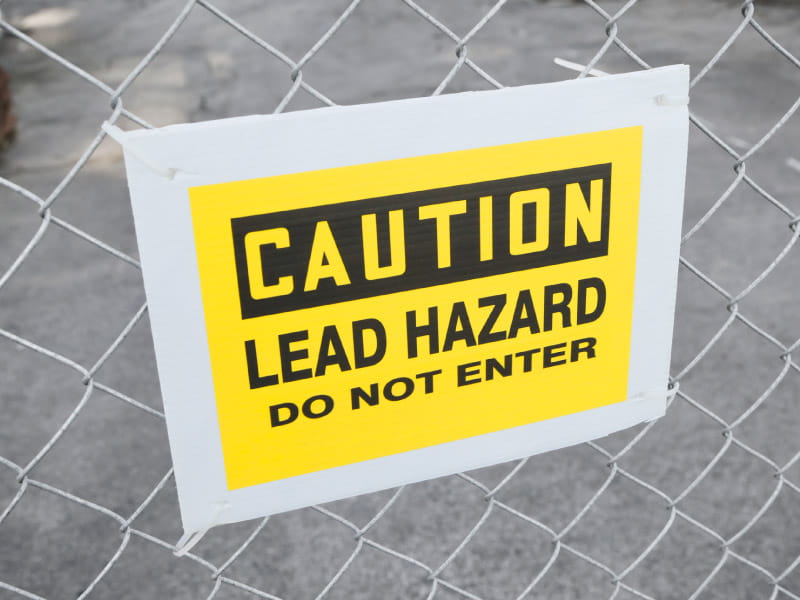
Chronic exposure to low levels of lead, cadmium and arsenic – metals found in daily life – increases the risk of cardiovascular disease, according to a new science report.

The report, published Monday as an American Heart Association scientific statement, reviews evidence that links low or moderate levels of the contaminant metals to cardiovascular diseases such as stroke, (Absolutely appalling lack of knowledge!)coronary artery disease and peripheral artery disease. The statement appeared in the Journal of the American Heart Association.

Environmental toxicants have not been included with traditional risk factors for heart disease. But the growing field of environmental cardiology identifies exposure to these pollutants as modifiable risks. Research included in the report found higher urine levels of arsenic and blood levels of lead and cadmium were associated with 15%-85% higher risk for stroke and heart disease.

"Large population studies indicate that even low-level exposure to contaminant metals is near-universal and contributes to the burden of cardiovascular disease, especially heart attacks, stroke, disease of the arteries to the legs and premature death from cardiac causes," Dr. Gervasio A. Lamas, chair of the statement writing group, said in a news release. Lamas is chairman of medicine and chief of the Columbia University Division of Cardiology at Mount Sinai Medical Center in Miami Beach, Florida.

Exposure typically happens involuntarily in day-to-day living. Lead can be found in old paint, water pipes, tobacco products, foods contaminated through groundwater and some kitchenware, cosmetics, electronics and industrial emissions. Cigarettes are a source of both lead and cadmium. 

Cadmium is found in nickel-cadmium batteries, pigments, plastic, ceramics and glassware, construction products and industrially produced fertilizers. Arsenic exposure is primarily through groundwater, which affects drinking water, soil and food grown in contaminated soil.

The metals can accumulate in the body and remain in bones and organs for decades, committee vice chair Dr. Ana Navas-Acien said in the news release.

"These metals interfere with essential biological functions and affect most populations on a global scale," said Navas-Acien, a professor of environmental health sciences at Columbia University's Mailman School of Public Health in New York City.

The risk of exposure is higher for those who live closer to major roadways, industrial sources and hazardous waste sites. Risks are also higher for people living in older homes or areas where environmental regulations are poorly enforced.

"This is a global issue in which lower-income communities are disproportionately exposed to toxic metals through contaminated air, water and soil," Navas-Acien said. "Addressing metal exposure in these populations may provide a strategy to reduce cardiovascular disease disparities and advance environmental justice."

The statement suggested a multifaceted approach to reducing risks, including testing individuals for metal and public health measures such as monitoring environmental metal levels. The authors also suggested reducing metal exposure in tobacco and protecting community water systems and wells.

Currently, there is no standard medical therapy to counteract the vascular impact of contaminant metals, but Lamas said "cardiovascular health may be improved with … developing clinical interventions that remove metals or weaken their effects on the body."

Working Strategies: Facing a mid-career disability; one man’s story - ME

A friend interviewed me and wrote this for her business column. I liked being referred to as a salty commentary.

Working Strategies: Facing a mid-career disability; one man’s story - ME

Orlando Health offers resources to stroke and traumatic brain injury survivors

You do realize how fucking useless this is? Survivors want EXACT PROTOCOLS FOR RECOVERY! Resources are useless because that's just handing out guideline information. 

Orlando Health offers resources to stroke and traumatic brain injury survivors

ORLANDO, Fla. — The Orlando Health Advanced Rehabilitation Institute and the Roper YMCA hosted a “Healthy Community Day of Action” on Saturday.

>>> STREAM CHANNEL 9 EYEWITNESS NEWS LIVE <<<

The goal of the event was to provide resources to people who suffered a stroke, spinal cord injury, or traumatic brain injury.

The event also offered ways to prevent stroke with healthy lifestyle choices.

For Some, Sex Is Better Sleep Aid Than Pill, Small Survey Finds

Your doctor should be prescribing sex instead.  This is a reason why;

Sleep medications associated with higher risk for dementia in white individuals February 2023

My hospital had the nurses handing out sleeping pills like candy at 10pm. I would have much preferred sex. 

You doctor is responsible for getting you fucking again post stroke.

With all the benefits of sex I bet your doctor doesn't know or do a damn thing for your sex life.  I'll have to add this one: Among them are delayed onset of dementia

All this is why you need to be doing lots of sex, why the hell can't your doctor get you fucking again? In fact you should be doing it in the hospital.

Sexual Frequency Predicts Greater Well-Being, But More is Not Always Better


Sex after stroke


Sex linked to better brain power in older age


Sex: The Ultimate Full Body Workout


Better Memory From This Extremely Pleasurable Activity - Sex


WHY SEX IS BETTER FOR YOUR BRAIN THAN SUDOKU 


Sex linked to better brain power in older age  (Put this in here twice because it's so important!)


Good News About Sex- It Doesn't Cause a Stroke


Sex Does Not Increase Heart Attack Risk - What about stroke?


Frequent orgasms may protect against heart attacks


An orgasm a day keeps the doctor away!

In case you don't have a partner she could prescribe this.

Electrosex

And the benefits of marijuana for sex here:

Sex, Marijuana and Baby Booms


And how is your doctor ensuring you get enough sex while in the hospital?

The latest here:


For Some, Sex Is Better Sleep Aid Than Pill, Small Survey Finds

Two-thirds of people who use sleep meds said they slept just as well or better after sex

INDIANAPOLIS -- Having sex at bedtime is perceived by some as being as effective as taking a sleeping pill for getting a good night's sleep, according to findings from a small survey conducted via social media.

When 53 people were asked, 75% reported that they slept better after nighttime sex or orgasm, with or without a partner.

And among the 35 individuals who reported use of sleep medications, almost two-thirds said that having sex and/or an orgasm helped them sleep at least as well as or better than taking a pill.

The findings were presented by Douglas Kirsch, MD, of Atrium Health in Charlotte, North Carolina, at the annual SLEEP meetingopens in a new tab or window here, hosted jointly by the American Academy of Sleep Medicine and the Sleep Research Society.

In an interview with MedPage Today, Kirsch acknowledged that the study was not all that scientific. He said he conducted it, along with co-investigator Seema Khosla, MD, of the North Dakota Center for Sleep in Fargo, in hopes of getting a conversation going within the sleep medicine community about sex and sleep.

"This is an aspect of sleep medicine that has not been well explored, and I am the first to admit that our findings raise a lot more questions than they answer," Kirsch said.

"Obviously this is an uncomfortable topic for many patients and their doctors, and I don't think it's talked about all that much," he said. "Our findings suggest that many people use sex to help them sleep better. That may not be all that surprising, or maybe it is."

The eight-question survey, created with Qualtrics, was distributed through social media -- mostly Twitter, but not Facebook, Kirsch said.

The first two questions related to age and gender. Just over half (53%) of the responding participants were female, and close to 90% were ages 26 to 49. About 9% of respondents were 50 to 64, and none were older than 65.

The survey questions made no distinction between having sex and having an orgasm with or without a partner, and the questions included the following:

  • When you have sex/orgasm close to bedtime, do you tend to sleep better? (yes/no)
  • If you sleep better after sex/orgasm, which effect on your sleep occurs? (fall asleep faster/stay asleep longer/both)
  • If you sleep better after sex/orgasm, how much better does it help you sleep? (small/moderate/large improvement)
  • If you sleep better after sex/orgasm, how often do you use sex/orgasm to improve your sleep? (never/monthly/weekly/multiple times a week)
  • Do you use sleeping pills to help you sleep at least one time a month (yes/no)
  • If you use sleeping pills, how do they compare to the effect of sex/orgasm? (better/similar/worse)

A total of 27% of respondents reported never using sex/orgasm to improve their sleep, while 16%, 33%, and 24%, respectively, reported using sex/orgasm to fall asleep monthly, weekly, or multiple times a week.

Of the 40 individuals who said they slept better after having sex/orgasm, just over 50% reported moderate improvement in sleep and around a third reported a small improvement.

Kirsch said there was no significant difference between males and females in the responses.

And while the small survey suggested a largely positive association between sex and sleep, Kirsch said this certainly may not be the case for many people, such as those who have experienced sexual trauma.

"This isn't one-size-fits-all, and while sex may promote sleep for some it may do the opposite for others," he said. "We need to do the research to better understand this."

Andrew Spector, MD, of Duke Health in Durham, North Carolina, who was not involved with the research, told MedPage Today that he agreed with Kirsch that more research is needed and that the topic is largely ignored within the sleep medicine community.

"I do talk about it with my patients," he said. "I can't say I talk about it often. But in the right setting when I think the patient will be receptive to the conversation I will certainly mention that sex is a non-pharmacological way to treat insomnia. It's perfectly safe, can be used at will, and can be done with and without a partner."

Disclosures

Kirsch reported no support for the study, and had no disclosures.

Primary Source

SLEEP

Source Reference: opens in a new tab or windowKirsch D, Khosla S "Sex as soporific -- Did Hollywood get this right?" SLEEP 2023; Abstract 0405.

Monday, June 12, 2023

Lower Dementia Risk May Be Linked With Shingles Vaccine

I got this older vaccine years ago, I currently have one shot of the two shot regime for the newer and better Shingrix vaccine.

Lower Dementia Risk May Be Linked With Shingles Vaccine

Unique randomization of 300,000 people in Wales suggests an association

The shingles vaccine may be linked with a 20% lower dementia risk, an analysis of 300,000 health records suggested.

Receiving the herpes zoster vaccine (Zostavax) reduced the probability of a new dementia diagnosis over 7 years by 3.5 percentage points (95% CI 0.6-7.1, P=0.019), reported Pascal Geldsetzer, MD, MPH, PhD, of Stanford University in California, and co-authors.

This corresponded to a 19.9% relative reduction in dementia risk, they said in a preprint paper on medRxivopens in a new tab or window, which has not yet been peer reviewed.

"The evidence provided by this study is fundamentally different to studies that have simply correlated -- with adjustment for, or matching on, certain covariates -- vaccine receipt with dementia," Geldsetzer told MedPage Today.

The unique way in which the zoster vaccine was rolled out in Wales constituted a natural experiment, he said.

In Wales, if you were born before Sept. 2, 1933, you couldn't get the zoster vaccine for shingles prevention and remained ineligible for life. If you were born on or after this date, you could get the shot.

This natural randomization may allow for a causal, rather than correlational, effect estimation, Geldsetzer suggested.

"This is a strong paper which supports the need of rigorous studies to determine the potential effect of HSV [herpes simplex virus] vaccination on dementia risk," observed epidemiologist Alberto Ascherio, MD, DrPH, of the Harvard T.H. Chan School of Public Health in Boston, who is known for his work linking the Epstein-Barr virus and multiple sclerosisopens in a new tab or window.

"More broadly, this paper strengthens the evidence that infections could be important risk factors for dementia, and that other vaccines could have protective effects," Ascherio told MedPage Today.

"Although it is not definitive, mostly because its results could have occurred by chance, it stands out from previous investigations for having eliminated the most common source of bias -- namely, that individuals who choose to be vaccinated tend to be healthier than those unvaccinated," he added.

In several studies, viruses have been linked with subsequent dementiaopens in a new tab or window and other neurodegenerative diseases. Human herpesvirus 6A (HHV-6A) and human herpesvirus 7 (HHV-7) have been found in postmortem tissue samplesopens in a new tab or window of people with Alzheimer's disease at levels up to twice as high as non-Alzheimer's samples. And some researchers have suggested that HSV-1 coupled with an APOE4 geneopens in a new tab or window ups Alzheimer's risk considerably.

Geldsetzer and colleagues looked at 282,541 adults born from Sept. 1, 1925 to Aug. 31, 1942 who were registered with a primary care provider when the zoster vaccine program in Wales started on Sept. 1, 2013. People who received a dementia diagnosis before Sept. 1, 2013 were excluded.

People born from Sept. 2, 1933 to Sept. 1, 1934 became eligible for the zoster vaccine on Sept. 1, 2013. Eligibility was progressively extended to younger age cohorts each year, based on their date of birth.

These eligibility requirements led to an abrupt shift in vaccination uptake. Being born just one week after Sept. 2, 1933 raised the probability of ever receiving the zoster vaccine from 0.01% to 47.2% (P<0.001).

Being eligible for the zoster vaccine led to a 1.3-percentage point (95% CI 0.2-2.7, P=0.022) absolute reduction in the probability of a new dementia diagnosis during a 7-year follow-up period. Considering that not all people who were eligible received the vaccine, the researchers determined that actually receiving the zoster shot reduced the probability of a new dementia diagnosis by 3.5 percentage points (95% CI 0.6-7.1, P=0.019).

Because shingles is more common among women than men -- and because the pathogenesis of dementia may differ by sex -- the researchers looked at subgroup differences and found the vaccine's effect on new dementia diagnoses was greater among women than men.

"In fact, among men, the point estimates were close to zero across all specifications," Geldsetzer and co-authors noted. The protective effect was significantly stronger for women than men for Alzheimer's disease (P=0.018), but not for vascular dementia (P=0.376), they added.

Randomized trials are needed to confirm the findings and uncover more details about vaccine timing and frequency, Geldsetzer and colleagues said.

The research had several limitations, they acknowledged. Follow-up was limited to a maximum period of 8 years. Data from people ages 79 to 80 were weighted most heavily in regression analyses. Only Zostavax was evaluated in the study; the newer recombinant subunit zoster vaccine (Shingrix) was not available in the U.K. until September 2021.

  • Judy George covers neurology and neuroscience news for MedPage Today, writing about brain aging, Alzheimer’s, dementia, MS, rare diseases, epilepsy, autism, headache, stroke, Parkinson’s, ALS, concussion, CTE, sleep, pain, and more. Follow

Disclosures

Geldsetzer received support from the National Institute of Allergy and Infectious Diseases and the Chan Zuckerberg Biohub.

The researchers declared no competing interests.

Primary Source

medRxiv

Source Reference: opens in a new tab or windowEyting M, et al "Causal evidence that herpes zoster vaccination prevents a proportion of dementia cases" medRxiv 2023; DOI: 10.1101/2023.05.23.23290253.

weighted blanket

 I've been trying to figure out how to passively stretch my affected left arm for years. When in Ecuador last January I had a heavy pillow I could use to keep my left arm straight when lying on my left side. But I wanted to lay on my back with my left arm straight out to my side and no amount of pillows could hold my arm down. I don't have a partner that I could bury my left arm under their pillow so I came up with something else. Bought a 15 pound weighted blanket and keep it rolled up with webbing straps to be able to lift it.  The first night I used it I lasted 30 minutes. The second night I lasted 5 minutes before my muscles screamed at me to stop. Will try again. I thought I would need the 25 pound blanket but 15 pounds was enough and I can always get more. I have no clue if this has any chance of working but I have to try something since my doctors and therapists left me with nothing to cure spasticity. COMPLETE FAILURE ON THEIR PART!


Sauna

 At my off-the-grid cabin in northern Minnesota,we have a wood fired sauna with a 25 yard walk to the lake to cool off. This weekend we fired it up with four pieces of wood and got it to 160F in 7 minutes. by the time we were on our third round it had risen to 196F. My friend kept pouring water on the stones until the waves of heat caused me to change from sitting on the lower bench to laying down and still could barely breath.  He went for a forth time and got it to 204F.


Why you should be doing daily saunas, why doesn't your hospital have one?  

Saunas Connected to Significant Protection Against Dementia

 January 2020

Are they that incompetent in not knowing the benefits? They've had 3.5 years to become competent in sauna use.

A systematic review and meta-analysis of clinical efficacy of early and late rehabilitation interventions for ischemic stroke

Useless. Nothing in here talks about the actual factual recovery percentage. Did you get better than 10% full recovery?

Only 10% get fully recovered and nobody in the world knows a damn thing about how to get into that 10%. 

So no reporting or measurement of 100% recovery, obviously not important to the medical staff or researchers. But vastly important to stroke survivors. 

“What's measured, improves.” So said management legend and author Peter F. Drucker 

The latest useless stuff here:

A systematic review and meta-analysis of clinical efficacy of early and late rehabilitation interventions for ischemic stroke

Xufang Wei1

Shengtong Sun1

Manyu Zhang2

Zhenqiang Zhao2

Email

Hainan Medical University,

First Affiliated Hospital, Hainan Medical University


https://doi.org/10.21203/rs.3.rs-2904430/v1

This work is licensed under a CC BY 4.0 License

Introduction: 

At present, stroke has become the first cause of death and disability among Chinese adults. With the coming of the aging population in China, the disease burden brought by stroke will be increasingly aggravated. And stroke is a leading cause of disability. There is a golden plastic period after stroke, during which timely and safe intervention and rehabilitation therapy can effectively improve the disability status. However, there is still controversy about the duration of interventional rehabilitation after stroke. This study conducted a meta-analysis on the influence of intervention in early and late ischemic stroke rehabilitation.

Method: 

Chinese language databases such as CNKI, Wanfang, and VIP, and English language databases such as PubMed, Web of Science, and The Cochrane Library were searched, and RCT related to early and late rehabilitation of ischemic stroke from the establishment of the database to May 2022 was collected. Review Manager 5.4.1 was used for relevant analysis.

Results: 

A total of 1635 patients were included in 14 studies. The results showed that, compared with late rehabilitation, early rehabilitation improved(NOT GOOD ENOUGH!) clinical efficacy. Barthel Index or Modified Barthel Index score was [MD=8.82, 95%CI(8.21,9.43), p < 0.001]; the score of Fugl-Meyer Assessment Scale was [MD=8.75, 95%Cl (7.0,10.47), P< 0.001]; the score of NIHSS was [MD=-1.42, 95% CI(-1.93,-0.91), P<0.001]; the result of China Stroke Scale score was [MD=-3.68, 95%CI(-5.43,-1.92), P<0.001].

Conclusion: 

In comparison with late rehabilitation, early rehabilitation can significantly improve self-care abilities, daily activities, and neurological functions of ischemic stroke patients.

Registration: This meta-analysis has been registered with Prospero, and the registration number is CRD42022309911. The registration period is March 22, 2022.

The News That Mattered in 2022 Neurology Today Editorial Board Top Picks

 You can check these out yourself but I FOUND NOTHING EVEN CLOSE TO GETTING SURVIVORS RECOVERED! Useless. Why the fuck are these people employed in stroke? I'd fire them all!

The News That Mattered in 2022 Neurology Today Editorial Board Top Picks

Saturday, June 3, 2023

How to choose the best care after mom or dad has a stroke

They have a high reputation but you'll notice 'care' NOT RESULTS OR RECOVERY!  So in my opinion they aren't that good for stroke rehab, otherwise they would give us factual statistics on percentage fully recovered.

Memorial Hermann Earns Top Recognition by U.S. News & World Report. TIRR Memorial Hermann Hospital ranked No. 3 among the country's top rehabilitation hospitals in the U.S.

How to choose the best care after mom or dad has a stroke


How to choose the best care after mom or dad has a stroke

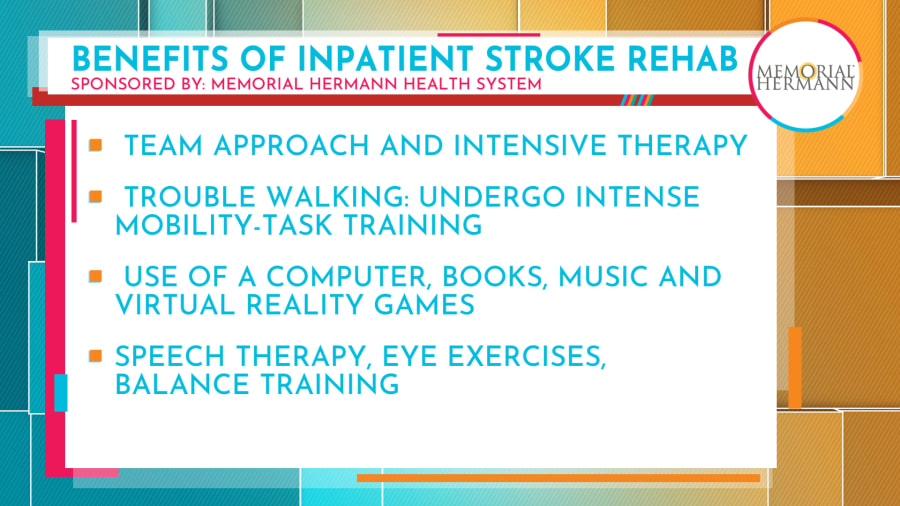
Benefits of Inpatient Stroke Rehab
Benefits of Inpatient Stroke Rehab (no copyright)

Friday, June 2, 2023

The Bobath Recommendation in the New UK Stroke Guidelines 2023

Why was Bobath even talked about?

Bobath should have been shitcanned since 2003.

My best therapist supposedly used it but I really think her competence came from her knowledge of anatomy.

Physiotherapy Based on the Bobath Concept for Adults with Post-Stroke Hemiplegia: A Review of Effectiveness Studies 2003 

The latest here:

The Bobath Recommendation in the New UK Stroke Guidelines 2023

In reading this you can hear the excuses and justifications for using stuff that doesn't work. I have no sympathy for them.

Acupuncture for Poststroke Depression: Can It Help Improve Symptoms?

 How?

Impossible to have effects except as a placebo. Energy meridians have never been proven to exist.
No mechanism of action is possible. 

But if you believe, have at it, recognizing these possible side effects;

acupuncture side effects

The latest here:

Acupuncture for Poststroke Depression: Can It Help Improve Symptoms?

Acupuncture with repetitive transcranial magnetic stimulation appeared to be the most effective therapy with the highest probability in improving poststroke depression.

Acupuncture used alone or in combination with other therapies has demonstrated effectiveness for the treatment of poststroke depression, according to findings from a systematic review and meta-analysis published in BMC Psychiatry.

Individuals who experience poststroke depression report feelings of anxiety, unwillingness to communicate, hopelessness, and insomnia, all of which might have a negative effect on their activities of daily living and their rehabilitation following stroke. Among survivors of stroke, poststroke depression has been associated with an increased risk for mortality as well.

Using the network meta-analysis method, researchers sought to evaluate the true impact of acupuncture in alleviating the symptoms of poststroke depression. Additionally, they sought to explore the difference in effectiveness between the use of acupuncture combined with various pharmacotherapies and nonpharmacotherapies, in an effort to offer optimized guidance and advice for clinicians.

From inception through March 2023, the researchers conducted a search of 6 databases and 3 clinical trials. All studies that compared the use of needle-based acupuncture (either alone or in combination with other therapies) with pharmacotherapy, other nonpharmacotherapy, or invalid groups (eg, placebo, waitlist, and blank control) were included. Study inclusion criteria, based on the PICOS (Population [P], Intervention [I], Comparison [C], Outcomes [O], and Study [S]) design, were as follows:

  • P: Participants ≥18 years of age who had been clinically diagnosed with stroke and exhibited any degree of stroke impairment severity
  • I: Acupuncture treatments alone or combined with other treatments
  • C: Pharmacotherapy, other nonpharmacotherapy, or invalid groups
  • O: Primary outcome was efficacy of poststroke depression evaluated on scales that measured symptoms of depression; secondary outcomes included effectiveness for neurologic function and quality of life
  • S: Only a randomized controlled trial (RCT)
This is the first review to compare the effectiveness of acupuncture with other therapies for PSD using a net­work meta-analysis, which may provide novel and useful guidance for clinicians and readers.

Ultimately, a total of 62 studies involving 5,500 participants, all of which were published between 2003 and 2022, were included in the review. All of the studies had been conducted in China. Other than usual care, there were 12 different treatments included:

Development of a Gait Feature–Based Model for Classifying Cognitive Disorders Using a Single Wearable Inertial Sensor

I've had a gait disorder for 17 years because my doctors and therapists completely failed at getting me recovered. I have no cognitive disorder and won't have one for as long as I live. No thanks to any of my medical specialists. 

Development of a Gait Feature–Based Model for Classifying Cognitive Disorders Using a Single Wearable Inertial Sensor

Jeongbin Park, Hyang Jun Lee, Ji Sun Park, Chae Hyun Kim, Woo Jin Jung, Seunghyun Won, Jong Bin Bae, Ji Won Han, Ki Woong Kim

Abstract

Background and Objectives: Gait changes are potential markers of cognitive disorders (CD). We developed a model for classifying older adults with CD from those with normal cognition using gait speed and variability captured from a wearable inertia sensor and compared its diagnostic performance for CD with that of the model using the Mini-Mental State Examination (MMSE).

Methods: We enrolled community-dwelling older adults with normal gait from the Korean Longitudinal Study on Cognitive Aging and Dementia and measured their gait features using a wearable inertia sensor placed at the center of body mass while they walked on a 14-m long walkway thrice at comfortable paces. We randomly split our entire dataset into the development (80%) and validation (20%) datasets. We developed a model for classifying CD using logistic regression analysis from the development dataset and validated it in the validation dataset. In both datasets, we compared the diagnostic performance of the model with that using the MMSE. We estimated optimal cutoff score of our model using receiver operator characteristics analysis.

Results: In total, 595 participants were enrolled, 101 of them had CD. Our model included both gait speed and temporal gait variability and exhibited good diagnostic performance for classifying CD from normal cognition in both the development (area under the receiver operator characteristic curve [AUC] = 0.788, 95% confidence interval [CI] = 0.748–0.823, p < 0.001) and validation datasets (AUC = 0.811, 95% CI = 0.729–0.877, p < 0.001). Our model showed comparable diagnostic performance for CD to that of the model using the MMSE in both the development (difference in AUC = 0.026, standard error [SE] = 0.043, z statistic = 0.610, p = 0.542) and validation datasets (difference in AUC = 0.070, SE = 0.073, z statistic = 0.956, p = 0.330). The optimal cutoff score of the gait-based model was > -1.56.

Discussion: Our gait-based model using a wearable inertia sensor may be a promising diagnostic marker of CD in older adults.

Classification of Evidence: This study provides Class III evidence that gait analysis can accurately distinguish cognitive disorders from healthy controls in older adults.

  • Received August 25, 2022.
  • Accepted in final form March 17, 2023.

Northlander Tom Porter credits Essentia Health St. Mary’s award-winning team for getting him back on his feet after a stroke

NOT GOOD ENOUGH! I consider this a complete failure since full recovery was not achieved.The tyranny of low expectations was forced upon him by his stroke medical 'professionals'.

Northlander Tom Porter credits Essentia Health St. Mary’s award-winning team for getting him back on his feet after a stroke

According to the Centers for Disease Control and Prevention (CDC), every year about 795,000 people suffer a stroke. The alarming number includes one in every six deaths from cardiovascular disease attributed to a stroke.

It’s something 79-yearold Hermantown resident Tom Porter is thankful to have survived. He had a stroke in December 2022.

Porter was experiencing some mobility issues with his foot, but wasn’t having any other stroke symptoms. However, when his foot continued to bother him the next day, his wife, Eleanor, drove him to the emergency department at Essentia Health-St. Mary’s Medical Center.

Porter explained to his care team what he had been experiencing. That conversation, along with a CT scan, indicated that he had a stroke. Porter would spend four days in the hospital for monitoring.

“Everyone that cared for me over those four days was so kind and careful with my care,” Porter said thankfully of his stay at St. Mary’s. “They are very good at what they do, and I had complete trust in them.”

The stroke caused Porter to lose some mobility in the right side of his body, mainly his leg. He needed a wheelchair and was referred to Essentia’s stroke rehabilitation program.

Stroke rehab is offered at several Essentia facilities. Patients can reclaim their independence by regaining skills, strength and abilities through proven methods provided by physical and occupational therapists, and others on the care team.

“They know exactly what they are doing. I’d even try and cheat on it sometimes,” he joked, “but they are on top of it and made sure I was doing exactly what I needed to regain my mobility.”

For the next several weeks, Porter routinely went to his rehab appointments and was able to ditch the wheelchair, and then a walker.

“I’m proud to call Essentia my hometown hospital,” Porter said.

Essentia’s award-winning stroke care program comes with a variety of treatment options for patients, starting with their high-tech NASCAR room— which stands for Neuro Angio-Suite for Cerebral Arterial Reperfusion. There, specialists can perform an emergent stroke thrombectomy, a procedure in which a catheter is inserted in a groin or arm artery and navigated with expert precision to the brain to remove potentially deadly blood clots.

Our stroke thrombectomy treatment can be provided up to 24 hours from symptom onset, and in some cases longer. Done in a timely manner, stroke thrombectomy can prevent profound neurological deficits, such as paralysis, loss of language function, inability to speak or swallow and even death.

Dr. Vikram Jadhav (Dr. Vic), an interventional neurologist at Essentia, says taking care of your body is one of the surest ways to prevent a stroke. High blood pressure, high cholesterol, smoking and diabetes are the leading causes of stroke, with one in three U.S. adults having at least one of these conditions or habits, according to the CDC. Dr. Vic says it’s important to monitor your health and minimize risk factors by eating healthy and staying physically active.

One of the surest ways to prevent long-term side effects associated with a stroke is to act fast when signs and symptoms occur. Symptoms include sudden numbness or weakness in the face, arm or leg, confusion or trouble speaking, loss of or blurry vision, dizziness and a sudden severe headache. The acronym BEFAST is a useful tool. It stands for:

• Balance: Does the person have sudden loss of
balance?
• Eyes: Has the person
lost vision in one or both
eyes?
• Face: Smile. Does one
side of the face droop?
• Arms: Raise both arms.
Does one arm drift downward? • Speech: Repeat a simple
phrase. Is speech slurred
or strange?
• Time: If you observe any
of these signs, it’s time to
call 911 right away.

Essentia Health-St. Mary’s Medical Center’s Advanced Thrombectomy Capable Stroke Center is a nationally accredited care unit. Certified by the Joint Commission, St. Mary’s is the only facility in the Northland certified to remove clots from blood vessels in the brain to re-establish blood flow. This certification requires that Essentia offer 24-7 stroke care with the most stringent standards.

Essentia Health’s mission is to make a healthy difference in people’s lives. They relentlessly pursue that mission at their 14 hospitals, 78 clinics, six long-term care facilities, three assisted living facilities, three independent living facilities, seven ambulance services and one research institute. Essentia has about 15,000 employees, including 2,200 physicians and advanced practitioners who provide expert, compassionate care.

Thursday, June 1, 2023

Monocyte-derived IL-6 programs microglia to rebuild damaged brain vasculature

 Sounds great. WHOM is doing the followup research to create protocols for survivor recovery using this?

Monocyte-derived IL-6 programs microglia to rebuild damaged brain vasculature

Abstract

Cerebrovascular injury (CVI) is a common pathology caused by infections, injury, stroke, neurodegeneration and autoimmune disease. Rapid resolution of a CVI requires a coordinated innate immune response. In the present study, we sought mechanistic insights into how central nervous system-infiltrating monocytes program resident microglia to mediate angiogenesis and cerebrovascular repair after an intracerebral hemorrhage. In the penumbrae of human stroke brain lesions, we identified a subpopulation of microglia that express vascular endothelial growth factor A. These cells, termed ‘repair-associated microglia’ (RAMs), were also observed in a rodent model of CVI and coexpressed interleukin (IL)-6Ra. Cerebrovascular repair did not occur in IL-6 knockouts or in mice lacking microglial IL-6Ra expression and single-cell transcriptomic analyses revealed faulty RAM programming in the absence of IL-6 signaling. Infiltrating CCR2+ monocytes were the primary source of IL-6 after a CVI and were required to endow microglia with proliferative and proangiogenic properties. Faulty RAM programming in the absence of IL-6 or inflammatory monocytes resulted in poor cerebrovascular repair, neuronal destruction and sustained neurological deficits that were all restored via exogenous IL-6 administration. These data provide a molecular and cellular basis for how monocytes instruct microglia to repair damaged brain vasculature and promote functional recovery after injury.

This is a preview of subscription content, access via your institution

The impact of bilateral therapy on upper limb function after chronic stroke: a systematic review

Almost 14 years and still no protocols on use of this for survivor recovery. THAT IS HOW FUCKING INCOMPETENT THE STROKE MEDICAL WORLD IS!

 The impact of bilateral therapy on upper limb function after chronic stroke: a systematic review

 Disability and Rehabilitation, 2010; 32(15): 1221–1231
 CHRISTOPHER PAUL LATIMER, JUSTINE KEELING, BRODERICK LIN,MEREDITH HENDERSON & LEIGH ANNE HALE
Centre for Physiotherapy Research, University of Otago, Dunedin, New Zealand
Accepted November 2009

Abstract

Purpose.
 
To determine the evidence for bilateral therapy interventions aimed at improving upper limb (UL) function inadults with a range of UL activity limitations due to a first time chronic stroke.
 
Method.
 
 Seven databases were searched prior to 2008 for articles reporting experimental studies investigating bilateral UL interventions on functional outcome in participants with a first stroke, 6 or more months prior. Included articles were evaluated with the quality index, a tool which evaluates the quality of both randomised and non-randomised studies. Data relating to study design and functional outcome were extracted.
 
Results.
 
 Nine articles were included; three reported on randomised controlled trials (RCT) and six on cohort studies. Eight studies incorporated a mechanical device as their bilateral intervention. Bilateral arm training with rhythmic auditory cueing(BATRAC) was the most commonly used mechanically based intervention, and three of the four uncontrolled BATRAC studies reported significant improvements in UL function post-intervention, however these results were not substantiated by a RCT study of the BATRAC intervention. One study demonstrated significant functional improvements after 6 days of training with a non-mechanical bilateral task. Of the four studies that performed a follow-up assessment, three reportedsignificant improvement in UL function. Quality index ratings of the included studies ranged from 18 to 25 out of 27.
 
Conclusion.
 
 There is some evidence that bilateral therapy improves function in adults with chronic stroke, however more quality RCTs are required to strengthen this evidence.

New Blood Biomarker Can Predict if Cognitively Healthy Elderly Will Develop Alzheimer’s Disease

With your risk of dementia post stroke it is imperative your doctor performs this test on you and have protocols in place to prevent your likely chances of dementia.


Your risk of dementia, has your doctor told you of this?  Your doctor is responsible for preventing this! Which means your doctor has to get you 100% recovered to be able to do these aerobic exercises.

1. A documented 33% dementia chance post-stroke from an Australian study?   May 2012.

2. Then this study came out and seems to have a range from 17-66%. December 2013.`    

3. A 20% chance in this research.   July 2013.

4. Dementia Risk Doubled in Patients Following Stroke September 2018 

The latest here:


New Blood Biomarker Can Predict if Cognitively Healthy Elderly Will Develop Alzheimer’s Disease

Astrocyte reactivity as an important upstream event linking amyloid-β (Aβ) with initial tau pathology, which may have implications for the biological definition of preclinical Alzheimer’s disease (AD) and for selecting cognitively unimpaired individuals for clinical trials, according to a study

By testing the blood of more than 1,000 cognitively unimpaired elderly people with and without amyloid pathology, Tharick Pascoal, MD, University of Pittsburgh, Pittsburgh, Pennsylvania, and colleagues found that only those who had a combination of Aβ and blood markers of abnormal astrocyte activation, or reactivity, would progress to symptomatic Alzheimer’s in the future.

“Our study argues that testing for the presence of brain amyloid along with blood biomarkers of astrocyte reactivity is the optimal screening to identify patients who are most at risk for progressing to Alzheimer’s disease,” said Dr. Pascoal. “This puts astrocytes at the centre as key regulators of disease progression, challenging the notion that amyloid is enough to trigger Alzheimer’s disease.”

Astrocytes are specialised cells abundant in the brain tissue. Just as other members of the glia, astrocytes support neuronal cells by supplying them with nutrients and oxygen and protecting them from pathogens. But because glial cells don’t conduct electricity and, at first, didn’t seem to play a direct role in how neurons communicate with one another, their role in health and disease had been overlooked. The current research changes that.

“Astrocytes coordinate the brain amyloid and tau relationship like a conductor directing the orchestra,” said Bruna Bellaver, PhD, University of Pittsburgh. “This can be a game-changer to the field, since glial biomarkers in general are not considered in any main disease model.”

The researchers tested blood samples from participants in 3 independent studies of cognitively unimpaired elderly people for biomarkers of astrocyte reactivity -- glial fibrillary acidic protein (GFAP) -- along with the presence of pathological tau. The study showed that only those who were positive for both amyloid and astrocyte reactivity showed evidence of progressively developing tau pathology, indicating predisposition to clinical symptoms of Alzheimer’s disease.

The findings have direct implications for future clinical trials for Alzheimer’s drug candidates. In aiming to halt disease progression sooner, trials are moving to earlier and earlier stages of pre-symptomatic disease, making correct early diagnosis of Alzheimer’s risk critical for success. Because a significant percentage of amyloid-positive individuals will not progress to clinical forms of Alzheimer’s, amyloid positivity alone is not enough to determine an individual’s eligibility for a therapy.

Inclusion of astrocyte reactivity markers, such as GFAP, in the panel of diagnostic tests will allow for improved selection of patients who are likely to progress to later stages of Alzheimer’s and, therefore, help fine-tune selection of candidates for therapeutic interventions who are more likely to benefit.

Reference: https://www.nature.com/articles/s41591-023-02380-x

SOURCE: University of Pittsburgh

Prevalence of Antiphospholipid Antibodies May Signal Future Risk of MI, Stroke

With your risk of dementia post stroke it is imperative your doctor performs this test on you and have protocols in place to prevent your likely chances of dementia.

Your risk of dementia, has your doctor told you of this?  Your doctor is responsible for preventing this!

1. A documented 33% dementia chance post-stroke from an Australian study?   May 2012.

2. Then this study came out and seems to have a range from 17-66%. December 2013.`    

3. A 20% chance in this research.   July 2013.

4. Dementia Risk Doubled in Patients Following Stroke September 2018 

The latest here:

Prevalence of Antiphospholipid Antibodies May Signal Future Risk of MI, Stroke

Seemingly healthy people whose blood contained antibodies associated with antiphospholipid syndrome (APS) were significantly more likely to experience a cardiovascular event, according to a study published in JAMA Network Open.

“In this population-based cohort study including 2,427 participants, the prevalence


of any antiphospholipid antibodies tested by solid-phase assays at a single time point was 14.5%, with approximately one-third of those detected at a moderate or high titre,” reported James de Lemos, MD, University of Texas Southwestern, Dallas, Texas, and colleagues. “The IgA [immunoglobulin A] isotypes of anticardiolipin and anti-beta-2 glycoprotein I were associated with future atherosclerotic cardiovascular disease events.”

The research team tested blood that had been collected from study participants between 2007 and 2009 and looked for the presence and amounts of 8 different antiphospholipid antibodies. They analysed these data along with questionnaire responses gathered during a follow-up period that averaged 8 years to see which participants experienced a cardiovascular event, including myocardial infarction (MI), stroke, coronary bypass surgery, or death from cardiovascular disease.

The researchers detected antiphospholipid antibodies in about 14.5% of the 2,427 study participants. About a third of those had antibody levels that were considered moderate or high. Over the follow-up period, 125 individuals experienced cardiovascular events.

After adjusting for risk factors such as age, sex, race, body mass index, smoking history, cholesterol levels, and diabetes, the researchers found that the presence of 2 particular antiphospholipid antibodies -- aCL IgA and ab2GPI IgA -- was associated with a future cardiovascular event. In participants with relatively higher levels of these 2 antibodies, this connection was even stronger.

Dr. de Lemos noted that because antibody levels can be transient and blood samples were done on a single visit, more studies are needed to better understand whether antiphospholipid antibodies remain elevated in people without diagnosed APS and how this might relate to heart disease.

Ravi Sarode, MD, University of Texas Southwestern, said that if further research supports the study’s initial findings, labs would be able to test patients for antiphospholipid antibodies.

“These antibodies are easy to test; we test them all the time in our lab for certain patients,” said Dr. Sarode. “It is very important to note that very few labs test for these specific antibodies. However, we would need more information to use them in the right clinical setting for patients who may be at higher risk of MI or stroke.”

Reference: https://jamanetwork.com/journals/jamanetworkopen/fullarticle/2803031

SOURCE: University of Texas Southwestern Medical Center

4 Key Benefits of Exercise for Older Adults

Does your doctor believe in this and provide you with EXACT REHAB PROTOCOLS to get you exercising again? If not, you don't have a functioning stroke doctor or hospital.

4 Key Benefits of Exercise for Older Adults

June 3 is National Health and Fitness Day, which reminds and encourages people to get out and be active. As we age, prioritizing our health and well-being becomes increasingly essential, and exercise is a natural way to strengthen both. In this article, we will explore the remarkable benefits of exercise for older adults, encouraging them to embrace an active lifestyle and enjoy their golden years to the fullest.


Enhanced physical health

Engaging in regular exercise offers a multitude of physical benefits for older adults. Firstly, it helps maintain a healthy weight and prevent chronic conditions such as heart disease, diabetes, and osteoporosis. Exercise also boosts cardiovascular health by strengthening the heart and improving blood circulation, reducing the risk of heart-related ailments.


Moreover, regular physical activity can enhance flexibility, balance, and coordination, reducing the likelihood of falls and fractures. Strength training exercises, in particular, play a vital role in preserving muscle mass, bone density, and joint flexibility, mitigating the effects of age-related muscle loss and promoting an active, independent lifestyle.


Mental sharpness and emotional well-being

Exercise isn't just good for the body; it also has incredible mental benefits. Research consistently demonstrates that physical activity stimulates the brain, improving cognitive function and mental acuity in older adults. Regular exercise has been linked to a reduced risk of cognitive decline, dementia, and age-related memory loss.


Additionally, exercise releases endorphins, also known as "feel-good" hormones, which can combat stress, anxiety, and depression. Participating in physical activities, whether walking, swimming or even dancing, can significantly boost mood and overall emotional well-being, leading to a more positive outlook on life.


Social connection and engagement

Participating in exercise programs for older adults can foster social connections and combat feelings of isolation. Group fitness classes, walking clubs, or even gym sessions can create opportunities for older adults to connect with like-minded individuals, form new friendships and combat loneliness. The sense of belonging and community support gained through exercise can profoundly impact mental health and overall quality of life.


Increased independence and quality of life

One of the most significant benefits of exercise for older adults is preserving independence and the ability to carry out daily activities. Regular physical activity strengthens muscles and improves endurance, enabling older adults to maintain functional abilities such as climbing stairs, lifting objects, or performing household tasks independently.

Furthermore, exercise promotes a good night's sleep, which is crucial for overall health and vitality. By improving sleep quality, older adults can wake up feeling refreshed, energized, and ready to embrace the day.


Incorporating regular exercise into the daily routine of older adults yields a wide array of benefits that enhance both physical and mental well-being. By embracing an active lifestyle, seniors can improve their quality of life, maintain independence, and truly enjoy the golden years. So, dust off your sneakers, stretch your muscles, and embark on a journey toward better health, happiness, and longevity.