Changing stroke rehab and research worldwide now.Time is Brain! trillions and trillions of neurons that DIE each day because there are NO effective hyperacute therapies besides tPA(only 12% effective). I have 523 posts on hyperacute therapy, enough for researchers to spend decades proving them out. These are my personal ideas and blog on stroke rehabilitation and stroke research. Do not attempt any of these without checking with your medical provider. Unless you join me in agitating, when you need these therapies they won't be there.

What this blog is for:

My blog is not to help survivors recover, it is to have the 10 million yearly stroke survivors light fires underneath their doctors, stroke hospitals and stroke researchers to get stroke solved. 100% recovery. The stroke medical world is completely failing at that goal, they don't even have it as a goal. Shortly after getting out of the hospital and getting NO information on the process or protocols of stroke rehabilitation and recovery I started searching on the internet and found that no other survivor received useful information. This is an attempt to cover all stroke rehabilitation information that should be readily available to survivors so they can talk with informed knowledge to their medical staff. It lays out what needs to be done to get stroke survivors closer to 100% recovery. It's quite disgusting that this information is not available from every stroke association and doctors group.

Tuesday, July 26, 2022

Frequent daytime naps potential causal risk factor for hypertension, ischemic stroke


Reading in these 11 posts seems to consider napping very beneficial until you get longer than an hour.

  • napping (11 posts to August 2014)

Frequent daytime naps potential causal risk factor for hypertension, ischemic stroke

Adults who reported taking frequent daily naps had greater risk for essential hypertension and stroke compared with those who never or rarely nap, researchers reported.

Participants who napped more frequently were also more likely to have poorer social determinants of health, more comorbidities and more self-reported sleep problems such as insomnia, snoring or evening chronotype, according to data published in Hypertension.

Graphical depiction of data presented in article
Data were derived from Yang M, et al. Hypertension. 2022;doi:10.1161/HYPERTENSIONAHA.122.19120.

“These results are especially interesting since millions of people might enjoy a regular, or even daily, nap,” E. Wang, PhD, MD, professor and chair of the department of anesthesiology at Xiangya Hospital Central South University in Hunan, China, said in a press release.

“This may be because, although taking a nap itself is not harmful, many people who take naps may do so because of poor sleep at night. Poor sleep at night is associated with poorer health, and naps are not enough to make up for that,” Michael A. Grandner, PhD, MTR, director of the Sleep and Health Research Program and the Behavioral Sleep Medicine Clinic, associate professor of psychiatry at the University of Arizona in Tucson and co-author of the American Heart Association’s new Life’s Essential 8 CV health score, said in the release. “This study echoes other findings that generally show that taking more naps seems to reflect increased risk for problems with heart health and other issues.”

Sleep duration was added to the AHA’s Life’s Simple 7 tool in June as the eighth metric for optimal CV and brain health.

As Healio previously reported, the updated checklist that now includes sleep health metrics showed about 80% of Americans have low to moderate CV health, with the largest gaps noted in diet, physical activity and BMI.

Daily napping and risk

To better understand the relationship between the frequency of daytime napping and the incidence of essential hypertension or stroke, researchers in China assessed the data of 358,451 participants in the UK Biobank free of hypertension or stroke at baseline (mean age, 55 years, 43% men). The median follow-up duration was 11.16 years.

Daytime napping was self-reported with the following responses: never/rarely, sometimes, usually or prefer not to answer.

The researchers observed individuals who reported usually napping had higher risk for essential hypertension (HR = 1.12; 95% CI, 1.08-1.17), stroke (HR = 1.24; 95% CI, 1.1-1.39) and ischemic stroke (HR = 1.2; 95% CI, 1.05-1.36) compared with individuals who reported never or rarely napping.

Risk for essential hypertension, stroke and ischemic stroke was slightly lower among those who reported sometimes napping compared with usually napping but remained elevated compared with never/rarely napping.

The researchers noted that people who reported daytime napping were more likely to be men, older, non-European, less educated; to have lower income, higher BMI, higher waist-hip ratio, higher Townsend deprivation index; and to have a history of smoking, psychiatric disorder, high cholesterol and diabetes. Individuals who reported daytime napping were also more likely to sleep longer at nighttime and reported sleep problems, including insomnia, snoring or evening chronotype.

Validation using Mendelian randomizations

To validate these results, researchers conducted a two-sample Mendelian randomization for the association between daytime napping frequency and essential hypertension using the FinnGen Biobank, and stroke and ischemic stroke were validated using the MEGASTROKE consortium and a corresponding one-sample Mendelian randomization.

In both the one- and two-sample Mendelian randomizations, researchers reported that increased daytime napping frequency was linked in a causal manner to risk for essential hypertension in the FinnGen Biobank (OR = 1.43; 95% CI, 1.06-1.92) and UK Biobank (OR = 1.4; 95% CI, 1.28-1.58).

Moreover, the results of the two-sample Mendelian randomization in the MEGATROKE also validated daytime napping frequency as a potential causal risk factor for ischemic stroke (OR = 1.29; 95% CI, 1.04-1.62).

“The specific biological mechanism for the effect of daytime napping on BP regulation or stroke has not yet been discovered. The underlying mechanisms are poorly understood but may include increased inflammatory indices or the long-term effect of a BP peak after a daytime nap,” the researchers wrote. “Our study, along with previous clinical studies, suggests that further examination of the mechanistic basis of the association between a healthy sleep pattern, including daytime napping, and cardiovascular disease is necessary.”

Reference:

Vaccinated Have Lower Heart, Stroke Risk From COVID

FYI, get vaccinated.

Vaccinated Have Lower Heart, Stroke Risk From COVID

Korean nationwide data support yet another benefit of being fully vaccinated

A photo of a Korean female healthcare worker in full protective gear drawing COVID vaccine from a vial with a syringe.

Full vaccination against COVID-19 was associated with a reduced risk of acute myocardial infarction (MI) and ischemic stroke as secondary complications of acute infection, a study from Korea showed.

These cardiovascular events were significantly reduced in the 31 to 120 days after COVID-19 diagnosis for the fully vaccinated compared with those not vaccinated:

  • Composite of hospitalizations for acute MI and ischemic stroke: adjusted HR 0.42 (95% CI 0.29-0.62)
  • Acute MI: adjusted HR 0.48 (95% CI 0.25-0.94)
  • Ischemic stroke: adjusted HR 0.40 (95% CI 0.26-0.63)

The reduction in post-COVID heart attacks and strokes among the fully vaccinated was observed across various subgroups. However, it did not reach statistical significance for people with a previous history of outcome events or for those with severe or critical COVID-19.

"The findings support vaccination, especially for those with risk factors for cardiovascular diseases," maintained Jaehun Jung, MD, PhD, of Gachon University College of Medicine, Incheon, Korea, and colleagues reporting in a research letter in JAMA.

It had been unclear if vaccines against SARS-CoV-2 prevent secondary complications of COVID-19, Jung's group noted.

They took advantage of nationwide data from Korea, where COVID-19 reporting is mandated and universal health care coverage is in place.

Jung told MedPage Today that the present findings are not largely different than those in an earlier study on post-acute cardiovascular manifestations of COVID-19. Using data from the U.S. Department of Veterans Affairs prior to widespread vaccine availability, investigators had estimated strokes from 30 days after infection as occurring at a rate of 4.03 per 1,000 people at 12 months; post-COVID myocardial infarctions were reported at 2.91 per 1,000 people at 12 months.

In the Korean data, the stroke rate in unvaccinated individuals was 4.59 per million person-days and the MI rate was 1.60 per million person-days in the 31 to 120 days after COVID-19 diagnosis.

That data came retrospectively from a Korean nationwide COVID-19 registry and the Korean National Health Insurance Service database. Eligible patients were adults diagnosed with COVID-19 from July 2020 to December 2021. For the primary outcome, the first 30 days had been excluded to minimize cardiovascular events occurring as complications of acute COVID-19.

Investigators compared COVID-19 patients never vaccinated (n=62,727) and those fully vaccinated (n=168,310). Fully vaccinated patients tended to be older and had more comorbidities.

Jung's group employed inverse probability of treatment weighting to control for these and other differences in patient characteristics. "A robust model was applied to mitigate the effect of such imbalances, but the possibility of unobserved bias remains," the authors cautioned.

Another limitation of the study was its reliance on diagnostic codes, which may be subject to inaccuracies.

  • author['full_name']

    Nicole Lou is a reporter for MedPage Today, where she covers cardiology news and other developments in medicine. Follow

Disclosures

Jung had no disclosures.

One study coauthor disclosed grants from bioMérieux.

Most stroke survivors receive no treatment for depression

If our stroke medical 'professionals' would actually rub their two functioning neurons together the spark generated just might lead to the realization that depression treatment is totally unnecessary once 100% recovery protocols are available.  Solve the primary problem of 100% recovery and you don't have to work on the secondary problem of depression. Do you blithering idiots ever think at all?

Most stroke survivors receive no treatment for depression

A majority of stroke survivors received no treatment for depression, with sociodemographic differences driving the persistent treatment gap, according to a study published in Neurology.

“As a leading cause of disability, depression negatively interferes with stroke treatment, impedes stroke recovery and increases mortality risk,” Liming Dong, PhD, of the department of epidemiology at the University of Michigan School of Public Health, and colleagues wrote. “However, depression is largely undertreated in the stroke population.”

Older man having stroke
Source: Adobe Stock.

Dong and colleagues sought to examine temporal trends in outpatient treatment for depression among survivors of stroke in the United States between 2004 and 2017, particularly for underrepresented sociodemographic groups who may experience treatment gaps and disparities in quality of life.

The study included 10,243 adult survivors of stroke and 264,645 adults without stroke drawn from the Medical Expenditure Panel Survey, a nationally representative survey conducted in the U.S. Symptoms of depression were measured with the Patient Health Questionnaire-2, while sociodemographic characteristics included age (those younger than 60 years, those between 60 and 74 years old and those 75 years old and over), sex, race and ethnicity, family income, health insurance status and marital status. Researchers then examined trends in outpatient treatment for depression and potential unmet needs in the stroke population, including variations across sociodemographic subgroups, then compared them with individuals who had not had a stroke.

Results showed the rate of receipt of outpatient treatment for depression among survivors of stroke was 17.7% in 2004 to 2005 and 16% in 2016 to 2017 (adjusted OR 0.90, 95% CI, 0.71–1.15). Older, male, non-Hispanic Black and Hispanic survivors of stroke were less likely to receive treatment for depression. Approximately two-thirds of survivors of stroke who screened positive for depression received no outpatient treatment during a calendar year.

Data additionally revealed that sociodemographic disparities and treatment gap persisted during the study period, which differed from the population without strokes. Among survivors of stroke who received any treatment for depression, there was a significant increase in use of psychotherapy (aOR 2.26, 95% CI, 1.28–4.01), despite its less frequent use compared with pharmacotherapy.

“This study shows a significant number of survivors are not getting the help and support they need after a stroke,” Linda S. Williams, MD, research scientist with Regenstrief and professor of neurology at Indiana University School of Medicine, said in a release that accompanied the study. “This rate has remained low over more than a decade, despite societal changes in attitudes toward mental health treatment.”

Monday, July 25, 2022

Evangelical Community Hospital is nationally recognized for high-quality stroke care


Big fucking whoopee.


 But you tell us NOTHING ABOUT RESULTS. They remind us they 'care' about us multiple times but never tell us how many 100% recovered.  You have to ask yourself why they are hiding their incompetency by not disclosing recovery results. ARE THEY THAT FUCKING BAD?

Anytime I see the word 'care' in stroke I know that we don't have the right goals anywhere in stroke. 100% recovery is the only goal in stroke. NOT 'care'.


Three measurements will tell me if the stroke hospital is possibly not completely incompetent; DO YOU MEASURE ANYTHING?  I would start cleaning the hospital by firing the board of directors, you can't let incompetency continue for years at a time.

There is no quality here if you don't measure the right things.

  1. tPA full recovery? Better than 12%?
  2. 30 day deaths? Better than competitors?
  3. rehab full recovery? Better than 10%?


You'll want to know results so call that hospital president(Whoever that is) RESULTS are; tPA efficacy, 30 day deaths, 100% recovery. Because there is no point in going to that hospital if they are not willing to publish results.


In my opinion Get With the Guidelines allows stroke hospitals to continue with their tyranny of low expectations and justify their complete failure to get survivors 100% recovered. Prove me wrong, I dare you in my stroke addled mind. If your stroke hospital goal is not 100% recovery you don't have a functioning stroke hospital.

All you ever get from hospitals are that they are following 'Get With the Guidelines'; these are way too static to be of any use. With thousands of pieces of stroke research yearly it would take a Ph.D. level research analyst to keep up, create protocols, and train the doctors and therapists in their use. 

If your stroke hospital doesn't have that, you don't have a well functioning stroke hospital, you have a dinosaur. 

Read the guidelines yourself here:  You'll see they say they improve outcomes but give no proof that it is happening. I find nothing in here that states they are even measuring results or recovery. Since neither seems to occur, it is in my opinion invalid recognition.

“What's measured, improves.” So said management legend and author Peter F. Drucker 

Get With The Guidelines® Stroke

 The latest invalid chest thumping here:

Evangelical Community Hospital is nationally recognized for high-quality stroke care

LEWISBURG – Evangelical Community Hospital has received the American Heart Association/American Stroke Association’s Get With the Guidelines-Stroke Gold Plus Quality Achievement Award.

The award recognizes the hospital’s commitment to ensuring stroke patients receive the most appropriate treatment according to nationally recognized, research-based guidelines ultimately leading to more lives saved and reduced disability, according to a recent press release.

Evangelical earned the Association’s Gold Plus award by meeting specific quality achievement measures for the diagnosis and treatment of stroke patients at a set level for 24 consecutive months or more.

These measures include evaluation of the proper use of medications and other stroke treatments aligned with the most up-to-date, evidence-based guidelines with the goal of speeding recovery and reducing death and disability for stroke patients.

Prior to discharge, patients receive education on managing their health and have multidisciplinary follow-up visits arranged.

Evangelical also received two additional honors. The hospital was given the American Heart Association’s Target: Stroke Honor Roll Elite award. To qualify for this recognition, Evangelical met specific criteria to reduce the time between an eligible patient’s arrival at the hospital and ischemic stroke treatment with clot-buster medication.

In addition, it received an award associated with Type 2 Diabetes. Individuals living with Type 2 diabetes have an increased risk for heart disease and stroke. The American Heart Association’s Target: Type 2 Diabetes aims to ensure patients with Type 2 diabetes, who might be at higher risk for complications, receive the most up-to-date, evidence-based care when hospitalized due to stroke.

“We are incredibly pleased to recognize Evangelical Community Hospital for its commitment to caring for patients with stroke,” said Dr. Steven Messe, chairperson of the Stroke System of Care Advisory Group. “Participation in Get With the Guidelines is associated with improved patient outcomes, fewer readmissions and lower mortality rates – a win for health care systems, families and communities.”

“Stroke is a leading cause of serious long-term disability. Stroke also can reduce mobility in more than half of stroke survivors age 65 and older, which is why it is extremely important for our Hospital to maintain excellence in our stroke program,” said Dr. Jessica Ahlum, neurologist and medical director of the Primary Stroke Center at Evangelical.

Ahlum continued, “With a stroke, time lost is brain lost and this award demonstrates the Hospital’s commitment to ensuring our patients receive care based on nationally-respected clinical guidelines. Our goal is always to diagnose stroke quickly and to treat in a way that minimizes long-term effects.”

The Primary Stroke Center at Evangelical was established in 2013 and is overseen by Tresa Keiser, RN, MSN, Primary Stroke Center coordinator.

As a primary stroke center, Evangelical offers 24/7 patient-centered care from inpatient through rehabilitation services including emergency medicine, laboratory, radiology, hospitalist and neurologist care, and physical, occupational and speech therapy.

According to the American Heart Association/American Stroke Association, stroke is the No. 5 cause of death and a leading cause of disability in the U.S. A stroke occurs when a blood vessel that carries oxygen and nutrients to the brain is either blocked by a clot or bursts. When that happens, part of the brain cannot get the blood and oxygen it needs, so brain cells die. Early stroke detection and treatment are key to improving survival, minimizing disability, and accelerating recovery times.

People of East Asian descent have more vessels reclog after endovascular treatment

 SO WHAT THE FUCK IS THE SOLUTION? Wringing your hands?

People of East Asian descent have more vessels reclog after endovascular treatment

Among people who received endovascular therapy to mechanically remove a clot in their large brain artery, those who had a rare genetic variant found primarily in people of East Asian descent (Japanese, Chinese and Korean) were more likely to have the vessel reclog during or shortly after the procedure, according to a small study published today in Stroke: Vascular and Interventional Neurology.

"In the field of acute stroke, has not been considered important. However, since our study found that a specific genetic variant substantially affects the outcome of endovascular therapy, physicians involved in acute stroke medicine, especially in East Asian countries and in western countries where many East Asian descendants are living, need to know these findings," said senior study author Masafumi Ihara, M.D., Ph.D., FAHA, director of neurology at the National Cerebral and Cardiovascular Center in Osaka, Japan.

When blood clots block a large artery supplying blood to the brain, a with the potential for serious disability may occur. According to the American Heart Association/American Stroke Association, clot-caused (ischemic) strokes account for 87% of all strokes in the United States.

The genetic variant studied, called RNF213 p.R4810K, is present in 1 in 50 people of East Asian descent and in 80%-90% of people with the genetic disorder moyamoya disease. Moyamoya is a rare, progressive disorder caused by blocked arteries at the base of the brain that can result in a stroke or other , such as motor or sensory impairment, headache or vertigo. Since moyamoya disease is diagnosed by conventional brain angiography or (MRA) and symptoms are varied and stroke-related, many people may not know they have moyamoya disease before they have a stroke. In addition to endovascular therapy, bypass surgery is also a treatment option to increase . Medically, antiplatelets are used to suppress clot formation in constricted or narrowed arteries.

The researchers analyzed the outcomes of 277 East Asian adults (46.2% women, median age of 76 years) who received endovascular therapy for an ischemic stroke at the National Cerebral and Cardiovascular Center in Osaka, Japan, between 2011 and 2021. All of the patients had an acute anterior-circulation large vessel occlusion, a stroke in which a clot blocks one of the large arteries responsible for supplying blood to the forebrain (the forebrain is the largest of three parts of the brain and includes the cerebrum, thalamus, hypothalamus, , limbic system, and the olfactory bulb; it is responsible for processing complex brain and , numerous sensory functions and voluntary motor activities).

Several types of endovascular procedures are available to restore blood flow to the artery, such as removing the blood clots through a stent retriever device or suction device, or opening the clogged vessel by inflating a balloon in the area and installing a stent to hold the blood vessel open. The type of procedure performed was determined by the medical team and was unrelated to whether the patient had the genetic variant.

Researchers compared 10 patients found to carry the RNF213 p.R4810K variant to 267 patients without the variant on several short-term outcome measures. The results were adjusted for the age of the patients.

While people with the genetic variant were just as likely as non-carriers to initially have success with reestablishing blood flow to at least half of the brain tissue that had been deprived of blood during the stroke, outcomes revealed:

  • People with the genetic variant were far more likely (70%) than non-carriers (5.6%) to have the treated artery become re-blocked before the procedure was complete, called instant reocclusion.
  • People with the genetic variant were far more likely (60%) than non-carriers (0.4%) to have the treated artery become re-blocked within two weeks of an initially successful endovascular procedure, called early reocclusion.

"We did not imagine this genotype would affect the outcome of endovascular therapy so substantially," Ihara said. "Information on the genotype will be useful for people who receive endovascular therapy (hopefully before the procedure) because individuals who are of East Asian descent and have the genetic variant need to be more strictly monitored than usual for reocclusion during and after endovascular treatment."

The number of people found to have the genetic variant was too small to determine which clot-removal devices or medicines may be better at preventing reocclusion. The researchers are initiating a larger, multi-center study to answer these questions, and to examine the long-term outcome of carriers following endovascular therapy. "It's important to note, however, that genotyping is currently only available in a research setting, for participants in a clinical trial such as ours," Ihara said.

Results from this study involving an East Asian population may not be generalized to other people with different genetic backgrounds. "However, additional genetic variants may affect the outcome of endovascular therapy in different ethnic populations, which needs further investigation," Ihara said.

In addition to , the RNF213 p.R4810K gene has previously been associated with , pulmonary high blood pressure, heart attack and the narrowing of abdominal vessels.

McLeod(FLORENCE, S.C.)nationally recognized for providing high-quality stroke care


Big fucking whoopee.


 But you tell us NOTHING ABOUT RESULTS. They remind us they 'care' about us multiple times but never tell us how many 100% recovered.  You have to ask yourself why they are hiding their incompetency by not disclosing recovery results. ARE THEY THAT FUCKING BAD?

Anytime I see the word 'care' in stroke I know that we don't have the right goals anywhere in stroke. 100% recovery is the only goal in stroke. NOT 'care'.


Three measurements will tell me if the stroke hospital is possibly not completely incompetent; DO YOU MEASURE ANYTHING?  I would start cleaning the hospital by firing the board of directors, you can't let incompetency continue for years at a time.

There is no quality here if you don't measure the right things.

  1. tPA full recovery? Better than 12%?
  2. 30 day deaths? Better than competitors?
  3. rehab full recovery? Better than 10%?


You'll want to know results so call that hospital president(Whoever that is) RESULTS are; tPA efficacy, 30 day deaths, 100% recovery. Because there is no point in going to that hospital if they are not willing to publish results.


In my opinion Get With the Guidelines allows stroke hospitals to continue with their tyranny of low expectations and justify their complete failure to get survivors 100% recovered. Prove me wrong, I dare you in my stroke addled mind. If your stroke hospital goal is not 100% recovery you don't have a functioning stroke hospital.

All you ever get from hospitals are that they are following 'Get With the Guidelines'; these are way too static to be of any use. With thousands of pieces of stroke research yearly it would take a Ph.D. level research analyst to keep up, create protocols, and train the doctors and therapists in their use. 

If your stroke hospital doesn't have that, you don't have a well functioning stroke hospital, you have a dinosaur. 

Read the guidelines yourself here:  You'll see they say they improve outcomes but give no proof that it is happening. I find nothing in here that states they are even measuring results or recovery. Since neither seems to occur, it is in my opinion invalid recognition.

“What's measured, improves.” So said management legend and author Peter F. Drucker 

Get With The Guidelines® Stroke

 The latest invalid chest thumping here:

McLeod(FLORENCE, S.C.) nationally recognized for providing high-quality stroke care

McLeod Health

FLORENCE, S.C. — McLeod Health has received numerous American Heart Association’s Get With The Guidelines – Stroke quality achievement awards for their commitment to ensuring stroke patients receive the most appropriate treatment according to nationally recognized, research-based guidelines, ultimately leading to more lives saved and reduced disability.

The hospitals receiving stroke recognition are:

  • McLeod Regional Medical Center – Stroke GOLD PLUS with Target: Stroke Honor Roll Elite and Target: Type 2 Diabetes Honor Roll
  • McLeod Health Cheraw – Stroke Bronze and Stroke SILVER PLUS with Target: Stroke Honor Roll Elite and Target: Type 2 Diabetes Honor Roll
  • McLeod Health Dillon – Stroke SILVER PLUS with Target: Stroke Honor Roll Elite and Target: Type 2 Diabetes Honor Roll
  • McLeod Health Seacoast – Stroke GOLD PLUS with Target: Stroke Honor Roll Elite and Target: Type 2 Diabetes Honor Roll

Stroke is the number five cause of death and a leading cause of disability in the United States. A stroke occurs when a blood vessel that carries oxygen and nutrients to the brain is either blocked by a clot or bursts. When that happens, part of the brain cannot get the blood and oxygen it needs, so brain cells die. Early stroke detection and treatment are key to improving survival, minimizing disability and accelerating recovery times.

Get With The Guidelines puts the expertise of the American Heart Association and American Stroke Association to work for hospitals nationwide, helping ensure patient care is aligned with the latest research- and evidence-based guidelines. Get With The Guidelines – Stroke is an in-hospital program for improving stroke care by promoting consistent adherence to these guidelines, which can minimize the long-term effects of a stroke and even prevent death.

“The McLeod system of stroke care is a full spectrum of care that spans from managing risk factors with primary care providers, emergency teams that help begin the line of treatment, through the rehabilitation process to help ensure that patients have what they need for prevention, treatment and recovery of a stroke,” said Dr. Ravish Kothari, Medical Director, McLeod Stroke Services. “Our recognition with the Get With the Guidelines awards is a demonstration of the commitment and devotion of McLeod in treating stroke. The end goal is to ensure more people can experience longer, healthier lives.”

Each year, program participants qualify for the award by demonstrating how their organization has committed to providing quality care for stroke patients. In addition to following treatment guidelines, Get With The Guidelines participants also educate patients to help them manage their health and recovery at home.

“We are incredibly pleased to recognize McLeod Health for their commitment to caring for patients with stroke,” said Steven Messe, M.D., chairperson of the Stroke System of Care Advisory Group. “Participation in Get With The Guidelines is associated with improved patient outcomes, fewer readmissions and lower mortality rates – a win for health care systems, families and communities.”

McLeod also received the American Heart Association’s Target: StrokeSM Honor Roll Elite. To qualify for this recognition, hospitals must meet specific criteria that reduce the time between an eligible patient’s arrival at the hospital and treatment with the clot-buster alteplase, more commonly known as t-PA medication.

In addition, McLeod received the American Heart Association’s Target: Type 2 Honor Roll Elite award. Target: Type 2 Diabetes aims to ensure patients with Type 2 Diabetes, who might be at higher risk for complications, receive the most up-to-date, evidence-based care when hospitalized due to stroke.

SGMC Receives National Recognition for Stroke Treatment

Big fucking whoopee.


 But you tell us NOTHING ABOUT RESULTS. They remind us they 'care' about us multiple times but never tell us how many 100% recovered.  You have to ask yourself why they are hiding their incompetency by not disclosing recovery results. ARE THEY THAT FUCKING BAD?

Anytime I see the word 'care' in stroke I know that we don't have the right goals anywhere in stroke. 100% recovery is the only goal in stroke. NOT 'care'.


Three measurements will tell me if the stroke hospital is possibly not completely incompetent; DO YOU MEASURE ANYTHING?  I would start cleaning the hospital by firing the board of directors, you can't let incompetency continue for years at a time.

There is no quality here if you don't measure the right things.

  1. tPA full recovery? Better than 12%?
  2. 30 day deaths? Better than competitors?
  3. rehab full recovery? Better than 10%?


You'll want to know results so call that hospital president(Whoever that is) RESULTS are; tPA efficacy, 30 day deaths, 100% recovery. Because there is no point in going to that hospital if they are not willing to publish results.


In my opinion Get With the Guidelines allows stroke hospitals to continue with their tyranny of low expectations and justify their complete failure to get survivors 100% recovered. Prove me wrong, I dare you in my stroke addled mind. If your stroke hospital goal is not 100% recovery you don't have a functioning stroke hospital.

All you ever get from hospitals are that they are following 'Get With the Guidelines'; these are way too static to be of any use. With thousands of pieces of stroke research yearly it would take a Ph.D. level research analyst to keep up, create protocols, and train the doctors and therapists in their use. 

If your stroke hospital doesn't have that, you don't have a well functioning stroke hospital, you have a dinosaur. 

Read the guidelines yourself here:  You'll see they say they improve outcomes but give no proof that it is happening. I find nothing in here that states they are even measuring results or recovery. Since neither seems to occur, it is in my opinion invalid recognition.

“What's measured, improves.” So said management legend and author Peter F. Drucker 

Get With The Guidelines® Stroke

 The latest invalid chest thumping here:


SGMC Receives National Recognition for Stroke Treatment

Posted on: July 11th, 2022
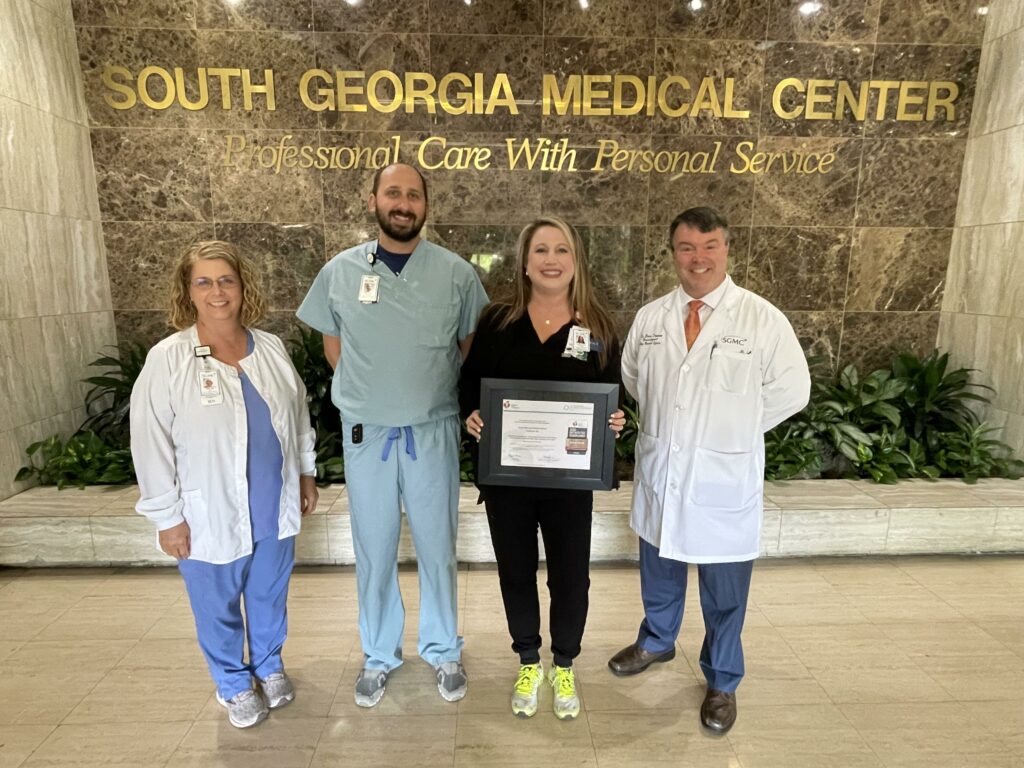
Members of SGMC’s stroke team Tami Bihl, Phillip Cooper, Ashlea Blevins, and Dr. Brian Dawson accept the 2022 Get with the Guidelines award.

South Georgia Medical Center has received the American Heart Association Get With The Guidelines award for excellence in stroke treatment for the ninth consecutive year. SGMC has the area’s only certified stroke center and received the Stroke Gold Plus with Target: Honor Roll Elite Plus recognition.   

To achieve and/or maintain this level of achievement, SGMC must demonstrate commitment to following up-to-date, research-based guidelines for the treatment of stroke which leads to more lives saved, shorter recovery times, and fewer readmissions to the hospital.   

Every 40 seconds, someone in the U.S. has a stroke and in 2020, 1 in 6 deaths from cardiovascular disease was due to stroke. Studies show patients recover much quicker and are able to go back to healthy, normal lives when providers consistently follow treatment guidelines.  

Get With The Guidelines puts the expertise of the American Heart and Stroke Associations to work for hospitals nationwide, helping ensure patient care is aligned with the latest evidence and research.   

SGMC Neurologist and Chief Medical Officer Dr. Brian Dawson shared that it’s important for the community to understand the signs and symptoms of stroke to further enhance outcomes. “Time is critical when identifying and treating a stroke. Calling 911, allows our Emergency Medical Services teams to activate early interventions to quicken care. An easy way to learn the signs of stroke is by using the acrostic B.E.F.A.S.T.”  

B- Balance Problems  

E- Eyesight Issues  

F- Facial Drooping  

A- Arm Weakness  

S- Speech Difficulty  

T- Time, Call 911 

To learn more about SGMC’s stroke program, visit sgmc.org.  

Vascular Cognitive Impairment After Mild Stroke: Connectomic Insights, Neuroimaging, and Knowledge Translation

We don't need to simply detect vascular cognitive impairment. WHAT THE FUCK ARE YOU DOING TO PREVENT THAT?  OH, NOTHING? You're fired!

Vascular Cognitive Impairment After Mild Stroke: Connectomic Insights, Neuroimaging, and Knowledge Translation

  • 1T.H. Chan Division of Occupational Science and Occupational Therapy, University of Southern California, Los Angeles, CA, United States
  • 2Tulane University School of Medicine, Tulane University, New Orleans, LA, United States
  • 3John A. Burns School of Medicine, University of Hawai‘i at Mānoa, Honolulu, HI, United States
  • 4Leonard Davis School of Gerontology, Ethel Percy Andrus Gerontology Center, University of Southern California, Los Angeles, CA, United States
  • 5Corwin D. Denney Research Center, Department of Biomedical Engineering, Viterbi School of Engineering, University of Southern California, Los Angeles, CA, United States

Contemporary stroke assessment protocols have a limited ability to detect vascular cognitive impairment (VCI), especially among those with subtle deficits. This lesser-involved categorization, termed mild stroke (MiS), can manifest compromised processing speed that negatively impacts cognition. From a neurorehabilitation perspective, research spanning neuroimaging, neuroinformatics, and cognitive neuroscience supports that processing speed is a valuable proxy for complex neurocognitive operations, insofar as inefficient neural network computation significantly affects daily task performance. This impact is particularly evident when high cognitive loads compromise network efficiency by challenging task speed, complexity, and duration. Screening for VCI using processing speed metrics can be more sensitive and specific. Further, they can inform rehabilitation approaches that enhance patient recovery, clarify the construct of MiS, support clinician-researcher symbiosis, and further clarify the occupational therapy role in targeting functional cognition. To this end, we review relationships between insult-derived connectome alterations and VCI, and discuss novel clinical approaches for identifying disruptions of neural networks and white matter connectivity. Furthermore, we will frame knowledge translation efforts to leverage insights from cutting-edge structural and functional connectomics research. Lastly, we highlight how occupational therapists can provide expertise as knowledge brokers acting within their established scope of practice to drive substantive clinical innovation.

Introduction

Stroke is the most frequent cause of disability in the United States (Ovbiagele and Nguyen-Huynh, 2011), a fact that spurs investigation into the nature and variability of infarct-related deficits along a continuum of impairment. The literature is replete with widely accepted functional characterizations of moderate through severe stroke (Murphy et al., 2001; Hodics et al., 2012; Rost et al., 2016), with less clarity available on mild clinical presentations (Brott et al., 1989; Roberts et al., 2020). This uncertainty stems from the absence of a precise taxonomy for characterizing the mild stroke (MiS) population (Roberts et al., 2020). In clinical practice, the lack of a consensus definition precludes consistency in evaluation and treatment approaches and obscures understanding of this population’s needs.

Ongoing work to develop an accord on MiS codification can benefit both research and clinical practice. In their systematic review on downstream effects of inconsistent MiS classification, Roberts et al. (2020) discuss 10 distinct definitions present in the literature. This lack of diagnostic and taxonomic uniformity potentiates knowledge translation efforts targeting the depth and breadth of understanding within this important stroke practice and research area. However, even a robust consensus definition cannot explain mechanisms that drive variation in post-stroke disability, especially regarding shared and distinct underpinnings among each NIH Stroke Scale (NIHSS) severity level (National Institute of Neurological Disorders and Stroke, 2011).

Within this review, we address MiS-relevant associations between vascular cognitive impairment (VCI), processing speed (PS), and neural network efficiency, as informed by insights from neuroimaging and connectomics research. We present evidence suggesting that established norms for key neurocognitive assessments can be used as proxies for detecting potentially overlooked VCI. Infusing emerging theoretical perspectives from multiple academic disciplines, we review approaches that can fuel substantial clinical innovation. In particular, we focus on using proxy-defined, threshold-specific instances of dysfunction that are scalable according to premorbid capacities and inherent daily routine demands. Drawing from neuroimaging-informed models employed to predict and monitor stroke recovery, we argue that performance capacity can be quantified by the degree of dissociation between available and necessary performance skills. Such quantification could empower clinicians and MiS survivors to more strategically consider interrelationships between current abilities and requisite progress along an ecologically valid, individualized recovery timeline.

We also examine three intersecting themes that provide a framework for early MiS care innovation and highlight paths to advance clinical investigation targeting health and wellbeing. After providing background on essential considerations of stroke and associated cognitive sequelae, we first review the problem of MiS-associated-VCI (MiS-VCI) underdetection and clarify the consequences of imprecisely characterizing stroke-derived neurocognitive dysfunction. Secondly, we examine the promise of knowledge translation efforts to improve stroke care and address priorities articulated by healthcare systems and research funding agencies. Thirdly, we overview and delineate knowledge relevant to MiS-VCI rehabilitation that derives from cutting-edge neuroanatomic, structural, and functional connectomics research. These studies employ advanced neuroimaging technologies plus conventional computed tomography (CT) and magnetic resonance imaging (MRI). Importantly, we focus on PS as a proxy for the integrity of neural networks and neurocognitive capacities. Lastly, we highlight clinical implications and future directions by providing evidence and arguments supporting more comprehensive MiS-VCI screening in early stroke care and emphasize the pivotal role of occupational therapy (OT) in addressing functional cognition.

While calling attention to the valuable confluence of contemporary research findings and clinical stroke rehabilitation practices, we will discuss literature ranging from the acute to more chronic phases of recovery. Beyond temporal considerations, foundational links between network theory and neurological insults are influenced by a broad range of factors such as demographic characteristics, lesion laterality, and even mechanisms of injury (e.g., ischemic vs. hemorrhagic stroke vs. traumatic brain injury). Herein, we do not focus on such differentiating factors, as it would far exceed the scope of this endeavor and is the likely purview of future prospective data-analytic studies. We do, however, discuss in detail the findings from conceptual and applied perspectives on an overarching construct poised to drive innovation in clinical practice. Please see Table 1. for a summary of constructs and interrelationships.

More at link.


Lumosa's stroke drug lowers risk of deadly treatment complication, positioning small biotech to tap into Roche's $1.4B market

So the endpoint of the research doesn't measure recovery at all. 

“What's measured, improves.” So said management legend and author Peter F. Drucker 

Lumosa's stroke drug lowers risk of deadly treatment complication, positioning small biotech to tap into Roche's $1.4B market

head and brain
New trial results could pit Lumosa against Biogen in the race to develop a drug that extends the acute ischemic stroke treatment window. (American Heart Association)

Patients receiving Lumosa Therapeutics' stroke drug were not at an increased risk of experiencing a serious brain hemorrhage, meeting the main goal of a midstage study and setting up the small biotech to join a billion-dollar market owned by Roche. 

The main goal of the small phase 2a study was to determine the percentage of patients with acute ischemic stroke, or AIS, who experienced a serious brain bleed called symptomatic intracranial hemorrhage, or sICH, after receiving LT3001 or placebo. SICH occurs in about 6% of patients who are treated for stroke with intravenous thrombolysis, the standard way to deliver medicines to patients via IV. The complication has a 50% mortality rate. 

Patients who received LT3001 did not appear to be at an increased risk for sICH, the Taipei-based biotech said Tuesday. The drug is meant to extend the time in which patients with AIS, who make up about 85% of stroke cases, can be treated to clear clots.


Activase, the standard of care therapy for treating strokes sold by Roche's Genentech, has an increased risk of sICH. In the U.S., treatment can only be administered to patients who developed symptoms in the past 4.5 hours. 

RELATED: Biogen buys midphase drug to challenge Roche for stroke market

Lumosa's drug was tested in patients within 24 hours after stroke symptoms appeared, with the median time to treatment being 20 hours. The study involved 24 patients, with 16 receiving the drug. LT3001 also appeared to spur neurological improvement in 78% of those patients, which was a secondary goal of the trial.

The results could pit Lumosa against Biogen in the race to develop a drug that extends the AIS treatment window. Biogen exercised its option to acquire an AIS drug from TMS in May for $18 million after phase 2a data also showed no patients experienced sICH. 

Roche's heart attack drugs generated about $1.4 billion in sales last year, meaning a large market if Biogen or Lumosa get add-on therapies that can extend the treatment window across the line. 

Lumosa is planning several phase 2b multi-dose trials in AIS patients who have no treatment options and a phase 2 trial in AIS patients who are undergoing endovascular thrombectomy. This procedure involves inserting thin catheters into the blood clot through the groin or arm. The company is seeking global partners for later phase development of LT3001. 

If approved, LT3001 would be Lumosa's second marketed treatment. The company has received approval in Taiwan and Singapore for its weeklong post-operative pain drug Naldebain. Lumosa is awaiting approvals in Thailand and Malaysia as well, which could be granted this year or next. September 19-20, 2022


The biotech is also seeking business collaborations for Naldebain, or LT1001, in the U.S. and Korea.

Editor's note: This story was updated at 10 a.m. ET on Aug. 5, 2021, to correct the number of patients who received the therapy in the trial to 16.

Athersys tanks as its stem cell therapy flunks a Phase II stroke trial

 I think all stem cell research for stroke is a complete moon shot. There are thousands of better followup research possibilities out there not requiring a stem cell moon shot.

Athersys tanks as its stem cell therapy flunks a Phase II stroke trial

Athersys' ($ATHX) in-development stem cell treatment failed to beat placebo in a Phase II trial on stroke patients, demolishing the company's value as management digs for a positive spin.

The company's treatment, called MultiStem, is meant to reverse the neurological damage caused by strokes, and Athersys recruited 140 patients to test whether the injection could make a meaningful difference on the Global Stroke Recovery Assessment scale. Looking at 90-day interim results, things aren't working out: MultiStem failed to chart any significant difference compared to placebo on the primary endpoint, the company said, and it failed secondary goals of improvement on two other measures of stroke rehabilitation.

The news sent Athersys' shares down by more than 50%, plunging the biotech into penny-stock territory as investors sprint from what looks like a valueless company. MultiStem is Athersys' only asset, and, after a major flop in inflammatory bowel disease last year, stroke was looking like its last chance to demonstrate efficacy.

But management, as ever, sees a silver lining in the latest Phase II failure. Dicing up the data after the fact, Athersys notes that patients who got MultiStem earlier in the treatment window did better against the study's endpoints than those who got it later. That group consists of only 27 out of the 65 who got the stem cell treatment, however, and even those results failed to meet statistical significance. But it's enough of a signal to keep the project alive, CEO Gil Van Bokkelen said.

"While the trial did not achieve the primary or component secondary endpoints, we believe the evidence indicating that patients who received MultiStem treatment early appeared to exhibit meaningfully better recovery is very important and promising," Van Bokkelen said in a statement. "... We anticipate additional data and information from the study and will conduct further analyses to generate more insight about the potential for MultiStem treatment in this area."

The results also deal a minor blow to Japanese drugmaker Chugai, which stepped in last month to buy the rights to MultiStem in its home country. Under the agreement. Chugai handed Athersys a $10 million up-front payment and promised up to $195 million more tied to development and sales milestones.

- read the statement

Proprioceptive and Dual-Task Training: The Key of Stroke Rehabilitation, A Systematic Review

We don't need fucking lazy 'suggestions'.  We need recovery protocols created. GET THERE!

 Proprioceptive and Dual-Task Training: The Key of StrokeRehabilitation, A Systematic Review

w Rita Chiaramonte 1,* , Marco Bonfiglio 2 , Pierfrancesco Leonforte 1 , Giovanna Loriana Coltraro 3 , Claudia Savia Guerrera 1 and Michele Vecchio 1,3,* 1 Department of Biomedical and Biotechnological Sciences, Section of Pharmacology, University of Catania, 95123 Catania, Italy; pierfra.leonforte@hotmail.it (P.L.); claguerre@hotmail.it (C.S.G.) 2 Provincial Health Department of Siracusa, 96014 Sicily, Italy; mrc.bnf@hotmail.it 3 Rehabilitation Unit, AOU Policlinico Vittorio Emanuele, 95123 Catania, Italy; loriana92ct@hotmail.it * Correspondence: ritachiaramd@gmail.com or uni213182@studium.unict.it (R.C.); michele.vecchio@unict.it (M.V.); Tel.: +39-(0)3782703 (M.V.); Fax: +39-0957315384 (R.C.) 

Abstract: 

 
This systematic review aims to reveal the effectiveness of proprioceptive exercise combined with dual-task training in stroke patients. The research was conducted using PubMed, Cochrane Library, Web of Science, and Scopus databases to evaluate studies of rehabilitation interventions with proprioceptive and dual-task exercises in patients with stroke. The keywords for the search were: “stroke” AND “proprioception” OR “proprioceptive” AND “rehabilitation” OR “training” OR “exercises” AND “dual-task” OR “task-performance” with the following inclusion criteria: comparative studies of rehabilitation interventions with proprioceptive and dual-task exercises in stroke patients. Of the 104,014 studies identified, 23 were included according to the inclusion criteria. Proprioceptive and dual-task exercises stimulate and promote postural balance, gait, and quality of life and reduce the risk of falls in stroke patients compared with traditional rehabilitation programs. In conclusion, this systematic review suggests that proprioceptive exercise combined with dual-task training is needed to improve balance and recover gait. Moreover, it provides a comprehensive overview of the literature on the various proprioceptive treatments with contextual dual-task exercises for imbalance after stroke, providing a guide for choosing a complete rehabilitation protocol(So where the fuck is that protocol you mention? You don't have one, do you?) that combines these two techniques. Keywords: stroke; task performance; rehabilitation; systematic review; proprioception.

Evaluating stroke rehabilitation using brain functional network and corticomuscular coupling

 FYI. I found this useless, describes a relationship but does nothing to explain what will make this better so stroke patients can recover.

The functional corticomuscular coupling (FCMC) between the motor cortex and the effector muscles is considered essential for effective movement control (2). Extensive studies have expounded that cortical oscillatory drives are coupled with muscle activation in several different frequency bands.

Evaluating stroke rehabilitation using brain functional network and corticomuscular coupling

Received 24 Feb 2022, Accepted 30 Jun 2022, Accepted author version posted online: 11 Jul 2022, Published online: 14 Jul 2022
 

Objective: Stroke is the leading cause of disability worldwide. Traditionally, doctors assess stroke rehabilitation assessment, which can be subjective. Therefore, an objective assessment method is required.

Methods: In this context, we investigated the changes in brain functional connectivity patterns and corticomuscular coupling in stroke patients during rehabilitation. In this study, electroencephalogram (EEG) and electromyogram (EMG) of stroke patients were collected synchronously at baseline(BL), two weeks after BL, and four weeks after BL. A brain functional network was established, and the corticomuscular coupling relationship was calculated using phase transfer entropy (PTE).

Results: We found that during the rehabilitation of stroke patients, the overall connection of the brain functional network was strengthened, and the network characteristic value increased. The average corticomuscular PTE appeared to first decrease and subsequently increase, and the PTE increase in the frontal lobe was significant.

Value: In this study, PTE was used for the first time to analyze the relationship between EEG signals in patients with hemiplegia. We believe that our findings contribute to evaluating the rehabilitation of stroke patients with hemiplegia.

Music as Therapy: The Prospects of Music-Supported Therapy in Stroke Rehabilitation

 I' don't know who is writing this as a prospect but research on music has been out for a long time. So whomever ok'd this needs to be fired for incompetency.

Music as Therapy: The Prospects of Music-Supported Therapy in Stroke Rehabilitation


Targeting Adult Neurogenesis for Brain Recovery After Stroke: The Next Frontier in Stroke Medicine

 I'm not even going to dignify this with a response, I've written about this so many times it's no longer a frontier, it's ancient history. You doctor can give you specifics on how to accomplish.  I'm absolutely positive your incompetent doctor has done nothing in the past 12 years to create neurogenesis protocols for your recovery.

Targeting Adult Neurogenesis for Brain Recovery After Stroke: The Next Frontier in Stroke Medicine

Abstract

One in four people over age 25 will have a stroke in their lifetime. Globally, an estimated 80 million people are currently living with stroke with many experiencing chronic disability and unmet needs. There is strong evidence demonstrating that the brain has a remarkable capacity for plasticity and reorganization into adulthood; however, application of this knowledge clinically is in its infancy. Adult neurogenesis is the generation of de novo neurons from neural stem cells and the integration of these immature neurons into established circuits in the adult brain. Therefore, neurogenesis is a really promising therapeutic for stroke patients, and we are going to highlight the ways it can be exploited to improve stroke outcome in this chapter. Briefly, we outline what is known about adult neurogenesis, and the techniques typically used to investigate it in humans and preclinical studies. We then provide evidence of post-stroke neurogenesis from both clinical and preclinical studies. Finally, we discuss some potential pharmacological and non-pharmacological approaches to enhance post-stroke neurogenesis to promote stroke recovery.