Use the labels in the right column to find what you want. Or you can go thru them one by one, there are only 34,347 posts. Searching is done in the search box in upper left corner. I blog on anything to do with stroke. DO NOT DO ANYTHING SUGGESTED HERE AS I AM NOT MEDICALLY TRAINED, YOUR DOCTOR IS, LISTEN TO THEM. BUT I BET THEY DON'T KNOW HOW TO GET YOU 100% RECOVERED. I DON'T EITHER BUT HAVE PLENTY OF QUESTIONS FOR YOUR DOCTOR TO ANSWER.
Changing stroke rehab and research worldwide now.Time is Brain!trillions and trillions of neuronsthatDIEeach day because there areNOeffective hyperacute therapies besides tPA(only 12% effective). I have 523 posts on hyperacute therapy, enough for researchers to spend decades proving them out. These are my personal ideas and blog on stroke rehabilitation and stroke research. Do not attempt any of these without checking with your medical provider. Unless you join me in agitating, when you need these therapies they won't be there.
What this blog is for:
My blog is not to help survivors recover, it is to have the 10 million yearly stroke survivors light fires underneath their doctors, stroke hospitals and stroke researchers to get stroke solved. 100% recovery. The stroke medical world is completely failing at that goal, they don't even have it as a goal. Shortly after getting out of the hospital and getting NO information on the process or protocols of stroke rehabilitation and recovery I started searching on the internet and found that no other survivor received useful information. This is an attempt to cover all stroke rehabilitation information that should be readily available to survivors so they can talk with informed knowledge to their medical staff. It lays out what needs to be done to get stroke survivors closer to 100% recovery. It's quite disgusting that this information is not available from every stroke association and doctors group.
Arterys announced that its cloud-based medical imaging software has
been cleared by the FDA to be used for quantification of cardiac flow in
clinical settings.
The system (Arterys Software) includes 4D flow and 2D phase
contrast workflows, as well as cardiac function measurements, according
to a press release from the company, which also stated that the system
was previously cleared to provide 4D flow visualization.
The software program can analyze blood flow to the heart and
vessels via multislice, multiphase and velocity-coated 4D MRIs, and has
been validated with images taken from 1.5-Tesla and 3-T MRI scanners,
according to the release.
The system can be used to assist clinical decision making for
patients with complex congenital heart disease, shunts and collateral
vessels, aortic disease and valvular disease, the company stated in the
release.
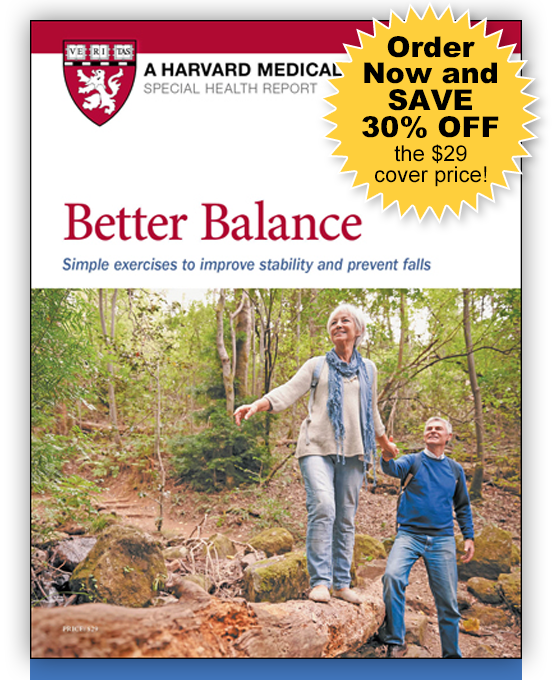
You shouldn't have to buy this. Your Physical therapist should have a stroke protocol for balance already. If not incompetence reigns in your stroke hospital, the stroke department head needs to get fired.
--------------------------------------------------------------------------------------------------------- Harvard Medical School
Learn the steps that will keep you steady on your feet.
Learn the steps that will keep you steady on your feet!
Inside Better Balance, you’ll discover:
✓
How balance works
✓
6 complete workouts
✓
SPECIAL BONUS SECTION: Preventing falls
✓
Activities that enhance balance
✓
And so much more!
Inside Better Balance, you’ll discover:
✓
How balance works
✓
6 complete workouts
✓
SPECIAL BONUS SECTION: Preventing falls
✓
Activities that enhance balance
✓
And so much more!
Dear dean,
We've
all heard stories that begin, "She broke her hip and after that..."
Broken hips can be disastrous for independence and long-term health.
Fortunately, many can be prevented — more than 90% of broken hips occur
because of falls.
One of the best ways to prevent falls is to maintain a sound, responsive, and enduring sense of balance.
This
important Special Health Report from doctors at Harvard Medical School
shows you how you can prevent falls. In its pages you will discover what
you can do to improve balance and maintain strength, mobility, and
agility.
Better Balance
will brief you on the conditions, medications, and situations that can
create instability. You'll get tips for fall-proofing your home. And
most important, Better Balance
will walk, lift, bend, and stretch you through a series of workouts and
exercises that will increase your stability, confidence, and
self-reliance.
The
report provides all you need to know about using exercise to improve
posture, increase muscle strength and speed, sharpen reflexes, expand
flexibility, and firm your core. Filled with workouts that respect your
time and budget, Better Balance gives you step-by-step instructions for achieving greater static and dynamic balance.
The
report includes complete, illustrated workouts that you can do at home —
on your own schedule and at your own pace. Certified Master Trainers
developed these exercises in consultation with Harvard Medical School
physicians. These workouts include guidance on proper techniques,
movement and tempo, and modifying the workouts to your own fitness level
and exercise goals. These are exercises that will
keep you motivated and keep you moving.
Our
goal in this report is to help you keep yourself from a potentially
devastating fall. If you want to protect yourself from instability, if
you want to continue to enjoy the independence and peace of mind that
sound balance gives you, take the first step now. Order your copy of Better Balance today.
To your good health,
Gregory D. Curfman, M.D.
Editor in Chief, Harvard Health Publications
Bet your doctor doesn't know about this and will never know about this. But no idea what use knowledge of this will do. Good for researchers but useless for survivors. http://m.medicalxpress.com/news/2016-11-scientists-collateral-vessel-gene.html When the gene Rabep2 is
deficient, the number and diameter of collateral blood vessels --
normally present during brain development -- are reduced by 50 to 60
percent, and the amount of brain tissue that dies after stroke is more
than doubled. Credit: Faber lab, UNC School of Medicine
Researchers at the University of North Carolina School of
Medicine have found a major clue that may explain why some people
sustain relatively little damage from strokes or heart attacks despite
severe arterial blockages. The clue lies in the little-understood gene
Rabep2.
Scientists have known that when an artery is blocked, the
damage to tissues downstream is often limited because these tissues
continue to be nourished by special "collateral" vessels that connect
the tissue to other arteries. However, for reasons that haven't been
understood, the number and size of these collateral vessels
- and thus the protection they afford - can vary greatly from one
individual to the next. The UNC scientists have now implicated the
Rabep2 gene as a major contributor to this variation in collateral
vessel formation.
In a paper published in the journal Stroke, a research team
led by James Faber, PhD, professor of cell biology and physiology, found
that variants of this gene account for most of the differences in
collateral vasculature among laboratory mice. Faber said that since
humans and mice are more than 90 percent genetically similar, the human
version of Rabep2 is likely to have a comparable function.
Through a series of experiments, researchers replaced a defective
variant of the gene in a mouse strain with poor collaterals with a
normal copy of the gene, resulting in the formation of abundant
collateral vessels during embryonic development and much greater
resistance to tissue injury and cell death when the mice were subjected to experimental stroke as adults.
The UNC scientists hope that one day doctors will be able to use a
simple blood test to detect variants of the human form of the gene. This
would help doctors quickly gauge the extent of collateral vessels in
patients who experience heart attacks, strokes, peripheral artery
disease, and occlusive disorders in other tissues.
"Whether patients have good or poor collaterals strongly influences
the severity of tissue injury after an occlusion and affects doctors'
decisions about how to treat patients or prescribe preventive measures,"
said Faber, who is also a member of the McAllister Heart Institute and
the Curriculum in Neurobiology at UNC.
In principle, Faber added, the findings also could help lead to
therapies that stimulate the formation of more collateral vessels in
healthy people to reduce the severity of tissue injury in the event of a
future arterial blockage, as well as in people who already have
occlusions, thereby reducing damage and improving their recovery.
The Stroke paper comes nine years after Faber and his
colleagues first observed that the extent of the collateral vasculature -
and thus the damage after arterial occlusion - can differ greatly
between different strains of lab mice, even though no differences in the
rest of the circulatory systems were evident.
After this initial observation, Faber hypothesized that genetic
differences might trigger these wide disparities in the extent of
collaterals. Faber and colleagues began a tedious and lengthy search for
the genetic factors responsible. They focused on collateral vessels in
the brain, which are easier to image than in other tissues, and
undertook experiments involving thousands of mice. By 2014, the group
had narrowed the search to a small region on mouse chromosome 7, the
variations of which accounted for nearly all of the differences in
collateral development and tissue injury in the brains, hind limbs, and
other tissues they examined.
In the new study, the researchers set out to identify the particular
gene in this region that might explain the differences in collateral
vessel development. From the 28 protein-coding genes in the region, the
scientists were able to exclude 13, after determining that mice lacking
any of those genes didn't have more or fewer collaterals.
Of the 15 remaining genes under suspicion, Faber and colleagues
decided to focus on their top suspect, Rabep2. Little was known about
this gene, but the scientists had previously found a Rabep2 variant in
mouse strains with low collateral extent, whereas high-collateral
strains had the normal version of the gene. The variant differs from the
normal gene in only a single DNA "letter," but that change - because of
its location - is predicted to impair the function of the resulting
protein, Faber said.
Using new CRISPR gene-editing technology, the team was able to test
the effect of this Rabep2 variant. They replaced the DNA letter in
normal Rabep2 that is present in the genomes of high-collateral mice
with the suspect variant. The result: the mice formed many fewer
collaterals during development and had much greater stroke damage as
adults. And this shift was even greater when the gene was deleted
entirely.
Conversely, in mice from the low-collateral strain, replacing the
variant gene with the normal one induced the animals to develop the
abundant collateral vasculature present in the high-collateral strain.
These beneficially "edited" mice were thus far more resistant to damage
from stroke.
"We basically took mice of a strain that normally shows a very large
area of tissue damage after an arterial obstruction in the brain, and -
by editing that one gene - created mice that experienced much less damage after obstruction at the same site," Faber said.
How the Rabep2 protein influences the formation of collateral vessels
in early life isn't entirely clear, but the gene is known to play a
role in the transport and recycling of signaling molecules in cells.
Faber and colleagues were able to find evidence suggesting that the lack
of fully functional Rabep2 protein leads to deficient signaling of a
major vascular growth factor, specifically in the cells that develop
into collateral vessels.
Why does a deficiency of Rabep2 affect the development only of
collateral vessels? Faber suspects that this is because the rest of the
circulatory system's components - arteries, capillaries, and veins - are
more important to survival thus have evolved extensive redundancies in
their developmental pathways.
"An animal can have no collateral vessels and still be perfectly
healthy," he said. "It doesn't really need those collaterals until it
has an arterial occlusion."
Faber and his colleagues have now begun studies in patients with
stroke to test for involvement of variants of Rabep2 and other related genes.
Provided by: University of North Carolina Health Care
Totally wrong title. It should be Home rehab is just as fucking bad as at a hospital. They are trying to make a 10% full recovery rate sound reasonable. It is a complete and total failure. You need to fire people who do that poorly.
http://www.telegraphindia.com/1161104/jsp/nation/story_117367.jsp#.WB3qXnpuGx8
G.S. Mudur
New Delhi, Nov. 3: Home-based care for
survivors of strokes when appropriately supervised appears to be as
good as expensive hospital-based rehabilitation, a 13-city research
study in India has suggested.
The two-year study which tracked the progress of 1,250 survivors of
stroke has found that patients who had received home-based
rehabilitation had similar levels of improvement or disability as those
who received usual care.
Neurologists and public health specialists are considering the
results as important given India's large number of stroke patients, the
lack of appropriate stroke facilities in the country, and the fragmented
nature of rehabilitation services that survivors currently receive.
"We find that family members can provide a cocoon of care for
rehabilitation, but only when supervised and as a supplement to good
clinical care during the acute phase of the stroke," said G.V.S. Murthy,
director of the Indian Institute of Public Health, Hyderabad. "Without
supervision, stand-alone family care does not help much."
The researchers set out with the hypothesis that that home-based
care, if well supervised and followed with rigour, may result in reduced
mortality and disability and help lower cost of rehabilitation.(So you started out with the idea that rehab failure was ok!) This
was based on the assumption that repeated visits to the hospital would
add to stress to the patient and expose them to hospital-linked
infections.
However, the study has found that home-based care did not improve the
health outcome over hospital visits - both groups of patients on
average had similar levels of disability or improvements.
Doctors say the results highlight the need for India to invest in
stroke care and stroke rehabilitation. Public health experts estimate
that India currently has only about 35 well-equipped stroke facilities
with equipment, medicines and staff with appropriate expertise to manage
strokes during the acute phase.
Patients with stroke have the best chance of recovery if they receive
appropriate treatment within three hours of the onset of symptoms.
Murthy said the country might need about 500 stroke clinics for most
patients to be able to easily access such treatment within three hours.
In the study, Murthy and neurologists from 14 hospitals in 13 cities -
Bangalore, Calcutta, Chandigarh, Chennai, Guntur, Guwahati, Hyderabad,
Kochi, Ludhiana, New Delhi, Tezpur, Trivandrum, and Vellore - followed
up stroke survivors recommended rehabilitation at home or usual
standards of care.
"Currently, rehabilitation is very fragmented - some will seek
hospital-based rehabilitation for periods of three to six months, some
ask physiotherapists to come home, and some just rely on untrained
family-based rehabilitation" said Jeyeraj Pandian, a neurologist at the
Christian Medical College, Ludhiana.
The study found that supervised home-based rehabilitation -
facilitated through a special manual of exercises and recommendations
that family members had to read to work with the stroke survivors - had
almost the same effect on patients as the usual standards of care.
The supervised home-based care was found completely safe and is
likely to reduce the costs of hospital-based rehabilitation services,
the researchers said. The current costs of stroke treatment and
rehabilitation range anywhere from Rs 90,000 to Rs 600,000, depending on
hospitals where the services are sought, Pandian said.
However, some medical experts say the role of expert supervision
should not be underestimated in stroke rehabilitation.
"Neuro-rehabilitation is an advanced science - family caregivers will
need constant supervision from physiotherapists specially trained for
this," said Rajesh Aggarwal, a New Delhi-based physiotherapist.(It is not an advanced science, there are no stroke rehab protocols. Everything is just 'winging it'.)
Authors Gu Y, Li J, Li Y, Song L, Li D, Peng LP, Wan Y, Hua SC Received 31 July 2016
Accepted for publication 4 October 2016 Published 3 November 2016 Volume 2016:11
Pages 5757—5770 DOIhttps://doi.org/10.2147/IJN.S118568 Checked for plagiarism Yes
Review bySingle-blind Peer reviewers approved byDr Akshita Wason Peer reviewer comments 4 Editor who approved publication: Dr Linlin Sun
Yue Gu,1,* Jing Li,2,* Yang Li,1 Lei Song,1 Dan Li,1 Liping Peng,1 Ying Wan,3 Shucheng Hua1
1Department of Respiratory and Critical Care Medicine, the First Affiliated Hospital of Jilin University, Changchun, Jilin, 2Hubei
Province Key Laboratory on Cardiovascular, Cerebrovascular, and
Metabolic Disorders, Hubei University of Science and Technology,
Xianning, 3College of Life Sciences and Technology, Huazhong University of Science and Technology, Wuhan, Hubei, People’s Republic of China
*These authors contributed equally to this work
Purpose:
A new type of polymeric micelle (PM) was assembled using a polyethylene
glycol (PEG)-linked (PEGylated) amphiphilic copolymer and d-tocopheryl
PEG1000 succinate (TPGS1000). The micelles were
used to deliver doxorubicin (DOX) and curcumin (CUR) for alleviating
multidrug resistance (MDR) in lung cancer cells while enhancing the
therapeutic efficacy of DOX. Methods: Micelles
loaded with DOX and CUR were assembled using a film-forming technique.
Micelles were used to treat A549/Adr cells to find out whether micelles
had the ability to reverse the MDR of A549/Adr cells. Some
investigations were conducted using tumor-bearing mice to assess whether
these micelles had enhanced antitumor efficacy as compared to DOX alone
or the combination of DOX and CUR. Results: Some
micelles (DOX + CUR)–PMs had a small average size of about 17 nm and
showed definite ability to deliver both DOX and CUR into DOX-resistant
A549/Adr cells. The PMs had high cytotoxicity toward A549/Adr cells when
the applied equivalent DOX dose was 1 µg/mL or higher. The cellular
uptake of (DOX + CUR)–PMs into A549/Adr cells was found to be associated
with an energy-dependent, caveolae-mediated, and clathrin-independent
mechanism. (DOX + CUR)–PMs helped to prolong the circulation of DOX or
CUR as compared to the individual administration of DOX or CUR, and they
exhibited high inhibiting efficiency against the growth of tumors and
were able to reduce the side effects of DOX. Conclusion: TPGS1000
and CUR could synergistically reverse DOX-resistance of A549/Adr cells.
In vivo examinations confirmed that the micelles had the capability to
increase the plasma concentration of DOX or CUR, as well as to prolong
their respective blood circulation. These micelles were able to
significantly inhibit tumor growth in Lewis lung carcinoma tumor-bearing
mice while reducing the side effects of DOX. The micelles showed
potential in the treatment of lung cancer.
I bet this never makes it to your hospital. Incompetence from the fucking failures of stroke associations who don't do one damn thing to roll out effective therapy to stroke clinics and hospitals.
A simple device can improve the ability of
patients with arm disability to play physiotherapy-like computer games,
according to new research.
The low-cost invention, called gripAble™,
consists of a lightweight electronic handgrip, which interacts
wirelessly with a standard PC tablet to enable the user to play
arm-training games. To use it, patients squeeze, turn or lift the
handgrip, and it vibrates in response to their performance whilst
playing. The device uses a novel mechanism, which can detect the tiny
flicker movements of severely paralysed patients and channel them into
controlling a computer game.
Special-training computer games,
controlled by the device, have been designed for people with no previous
experience of using computers. For example one computer game requires
the user to squeeze repeatedly to slowly reveal a photograph.
In a new study published in PLOS ONE,
researchers from Imperial College London have shown that using the
device increased the proportion of paralysed stroke patients able to
direct movements on a tablet screen by 50 per cent compared to standard
methods. In addition, the device enabled more than half of the severely
disabled patients in the study to engage with arm-training software,
whereas none of the patients were able to use conventional control
methods such as swiping and tapping on tablets and smartphones.
A video showing the device in action, featuring a patient case study, is below
Over
five million people in the UK live with arm weakness - approximately
one million of them following a stroke, plus others who have
neurological and musculoskeletal conditions. Arm weakness contributes
to physical disability that requires expensive long-term care. For
example, treatment for stroke costs the NHS £9 billion a year, which is
five per cent of the total NHS budget. The only intervention shown to
improve arm function is repetitive, task-specific exercise but this is
limited by the cost and availability of physiotherapists.
The
gripAble™ device is designed for patients to use unsupervised in
hospital and at home. The research tested the gripAble™ device with
stroke patients who had suffered successive strokes with arm paralysis
at Imperial College Healthcare NHS Trust
over six months. The researchers assessed their ability to use
gripAble™ to control mobile gaming devices such as tablets that could
be used for rehabilitation and compared this to their use of
conventional methods such as swiping and tapping.
We
have developed the gripAble™ device to improve arm and cognitive
function of patients who have mild to severe arm weaknesses. Unlike
other therapies currently on the NHS, gripAble™ is a low cost device
which can be used in hospitals and independently by patients at home. As
such it could potentially help save the health service millions of
pounds
– Dr Paul Bentley
Senior Clinical Research Fellow
They
found that 93 per cent of patients were able to make meaningful
movements to direct the cursor as a result of using gripAble™. In
contrast, 67 per cent of patients were able to use mobile gaming devices
by swiping on a tablet. For other types of control over the tablet,
such as tapping or using joysticks, the number of patients able to make
meaningful movements was lower.
The success of the device was most
apparent for patients with severe arm weakness: no patients in this
group were able to use conventional controls to play training games,
whereas 58% could use gripAble™.
In a smaller sub-group the trial
also demonstrated that severely disabled patients could play computer
games that involve tracking a target with almost as good accuracy as
healthy people.
The clinical trial was carried out at Charing Cross Hospital,
part of Imperial College Healthcare Trust, between 2014 and 2015. The
team is now carrying out a feasibility study in North West London to
test the use of the device in patients’ homes.
The potential of gripAble™ as a means of delivering cost-effective physiotherapy was recognised by a NHS England Innovation Challenge Prize in early 2016.
Lead researcher Dr Paul Bentley,
who is a Clinical Senior Lecturer at Imperial College London and
Honorary Consultant Neurologist at Imperial College Healthcare NHS Trust
, said: “In the UK 100,000 new cases of arm weaknesses are diagnosed
each year following a stroke. Often this impairs people’s ability to
carry out daily activities, requiring long-term care. The use of
mobile-gaming could provide a cost-effective and easily available means
to improve the arm movements of stroke patients but in order to be
effective patients of all levels of disability should be able to access
it.
“We have developed the gripAble™ device to improve arm and
cognitive function of patients who have mild to severe arm weaknesses.
Unlike other therapies currently on the NHS, gripAble™ is a low cost
device which can be used in hospitals and independently by patients at
home. As such it could potentially help save the health service millions
of pounds. We now intend to further develop the device so we can help
more patients who are currently suffering from the effects of poor arm
and upper body mobility.”
The researchers collaborated with Human Robotics Group at Imperial College London to develop the device. The research is funded by the Imperial Confidence in Concept Award,
the NHS England Innovation Challenge Prize, and the EU 7th Framework
Programme for Research and Technological Development grants.
To find out more about plans for the company and the current gripAble™ clinical trial please contact Dr Paul Rinne on paul.rinne@imperial.ac.uk.
Reference : Rinne P, Mace M, Nakornchai T, Zimmerman K, Fayer S, Sharma P, et al. (2016) Democratizing
neurorehabilitation: how accessible are low-cost mobile-gaming
technologies for self-rehabilitation of arm disability in stroke? PLoS ONE 11(10): e0163413. doi:10.1371/journal.pone.0163413 See the press release of this article
Is your doctor good enough not to have problems with installing this device? Better than the success rate for tPA use and full stroke recovery? http://cardiobrief.org/2016/11/04/early-watchman-experience-reassuring-but-many-questions-remain/
One paragraph;
In addition to the 95.6% rate of successful implantation, Reddy and
colleagues reported a median procedure time of 50 minutes. About half of
the procedures were performed by physicians who were not involved in
Watchman clinical trials. There were 39 cases of pericardial tamponade,
three procedure-related strokes, 9 device embolizations, and 3
procedure-related deaths.
Nothing in here mentions results so they have no idea if home care gets the same results as in hospital care. Either way if they meet the average only 10% of survivors will almost fully recover. That is an unacceptable rate of failure. Throw that in your stroke managements face and watch them sputter. http://www.thehealthsite.com/diseases-conditions/home-care-for-stroke-survivors-b1116/
If you have undergone a surgery or are on medications to deal with stroke
and wondering what’s next, then, rehabilitation is one of the effective
ways to help you improve cognitive and physical function. However, in
some cases, you might be recommended home care with a few visits to
rehab centres. So if your doctor has advised regular visits to rehab
centres for physiotherapy exercises and occupational therapies, then
taking care at home is the next big step. And to help you out, our
expert Dr M Udaya Kumar Maiya, Medical Director, Portea Medical shares a few tips that can help caregivers look after a stroke survivor at home. Also read about can you suffer a STROKE without even knowing it?
Rehabilitation centres provide an efficient care option for stroke
survivors but a majority of patients and families prefer at-home care.
Stroke survivors have a better chance of recovery in the comfort of
their home. Thus, it is important that a comprehensive plan for recovery
and rehabilitation at home be included for the patient’s benefit. The
various types of home healthcare services include the following:
1. Skilled home health care and rehabilitation services:
It offers some of the treatment options available in the outpatient
rehabilitation setting, and helps them learn in a safe and comfortable
home environment. 2. Home modification solutions: These help to make
life easier and safer for the survivors. Simple modifications such as
handrails on stairs, uncluttered hallways, proper lighting and fall
prevention strategies can go a long way to help the survivors. 3. Nonmedical at-home care: These services are
available at a cheaper cost than medical home healthcare, to help
recovery among the survivors of stroke. It includes counselling and
support for the patients. Here’s more on rehabilitation tips for stroke patients.
Caregivers not only help in keeping a tab on doctor’s appointments,
medications, rehabilitation visits but also supervise improvement in the
patient. they can assist them to work in accordance with the needs of
the stroke survivors helping them to recover quickly. Some of the key
points include -
Care coordination and transportation: Caregivers
can help patients to keep track of appointments, transportation to and
from the healthcare setting, doctor’s office and support group meetings.
This reduces the overall anxiety and allows patients and caregivers to
focus solely on recovery.
Supervision during home rehabilitation: They provide regular reminders, encouragement and supervision to help the patient adhere to the rehabilitation program.
Assistance with day-to-day activities: Caregivers
can help clients with daily activities like bathing, grooming, dressing,
using the toilet while preserving the dignity of clients at such a
challenging time.
“Practice makes perfect” is a common saying. We all have
experienced that the initially effortful implementation of novel tasks
is becoming rapidly easier and more fluent after only a few repetitions.
This works especially efficient when we are guided by explicit
instructions. A team of researchers at TU Dresden has now examined the
underlying neural processes in a current imaging study. The results of
the study are published today in the prestigious scientific journal
“Nature Communications” under the title „Integration and segregation of
large-scale brain networks during short-term task automatization”.
Within the collaborative research center 940 ‘volition and cognitive
control’ sponsored by the DFG (German Science Foundation), the brain
scientists Holger Mohr, Uta Wolfensteller, and Hannes Ruge from the
Department of Psychology at Technische Universität Dresden (Germany) in
collaboration with colleagues from the USA and Switzerland examined the
neural processes responsible for the automatization of instruction-based
tasks. Their research approach embraced the currently popular
assumption that mental functions like memory or language do emerge from
specific patterns of communication within and between subnetworks of the
brain. Going beyond this basic assumption, it was examined whether a
rapid reorganization of these communication patterns is possible –
specifically during the rapid instruction-based automatization of novel
tasks. Previous studies in this context mainly focused on long-term
changes.
The results of this current study suggest that rapid
instruction-based task automatization is facilitated by rapidly
increasing communication between subnetworks associated with the
transformation of visual information into motor responses. At the same
time, this is accompanied by a release of network resources initially
serving the controlled and attention-demanding implementation of the
instructed task – while the so-called default mode network is
increasingly decoupled from task-related networks. Together, these
findings suggest that rapid instruction-based task automatization is
indeed reflected by a rapid system-level reorganization of network
communications distributed across the entire brain.
Please find the complete paper at: http://www.nature.com/articles/ncomms13217 https://tu-dresden.de/mn/psychologie/allgpsy/die-professur/mitarbeiter/utawolfensteller/agneuro
Attached files
Increasing communication between the cingulo-opercular network
and the dorsal attention network (left side), and decoupling of the
default mode network from the cingulo-opercular network (right side)
during short practice phases.
Full bibliographic information"Integration and segregation of large-scale brain networks during short-term task automatization", Holger Mohr, Uta Wolfensteller, Richard F. Betzel, Bratislav Mišić, Olaf Sporns, Jonas Richiardi & Hannes Ruge Nature Communications 7, Article number: 13217 (2016) doi:10.1038/ncomms13217 http://www.nature.com/articles/ncomms13217
Reports new study in Biological Psychiatry
Treatment with the drug prazosin effectively reduces symptoms of
posttraumatic stress disorder (PTSD) for many people, but about one
third of patients don't respond to the treatment at all. Attempts to
understand why people respond differently, based on symptom type or
severity, have fallen short. Now, a new study reports that soldiers with
higher blood pressure before beginning prazosin treatment see better
results from the medication. The study, published in Biological
Psychiatry, is the first to look for a biological marker that could be
used to predict individual response to a drug treatment for combat PTSD.
"These
findings suggest that higher standing blood pressure is a biomarker
that can contribute to a personalized medicine approach to identifying
soldiers and veterans with combat PTSD likely to benefit from prazosin,"
said Murray Raskind of the VA Puget Sound Health Care System and the
University of Washington in Seattle, who led the study.
A
biomarker such as blood pressure would have exceptional clinical utility
because it would provide an easily measureable and immediate predictor
of treatment response that could help doctors determine the role of
prazosin or a similar medication in the treatment strategy for an
individual.
Prazosin blocks α1-adrenergic receptors (α1AR), and
through this mechanism prevents some of the effects of adrenaline and
noradrenaline, chemicals released by the body during stress. "It would
make sense if prazosin was most effective in those patients with the
greatest activation of noradrenaline systems," said John Krystal, Editor
of Biological Psychiatry.
However, activity of α1AR cannot be
measured directly in humans. So the researchers identified a peripheral
biological marker that is regulated by α1AR activity; noradrenaline
stimulation of α1AR increases blood pressure, suggesting that blood
pressure may be a useful indicator of α1AR activity.
The
researchers analyzed the combat PTSD symptoms and blood pressure
measures collected previously as part of a randomized controlled trial
of 67 soldiers who had returned from Iraq and Afghanistan. Thirty-two
participants had received prazosin, and 35 had received placebo for 15
weeks.
"Pretreatment standing systolic blood pressure strongly
predicted response to prazosin," said Raskind. By the end of the 15 week
treatment period, participants with a higher initial blood pressure saw
a bigger improvement in their PTSD symptoms, with a better outcome for
every 10 mmHg increment above 110 mmHg.
In addition to suggesting
that blood pressure may help predict which soldiers with PTSD will
benefit the most from treatment, the findings also provide insight into
the pathophysiology of the disorder.
"The increase in blood
pressure in these PTSD patients may be a biomarker for patients who are
more likely to benefit from prazosin," said Krystal. "If so, it may be a
useful indicator of activation of noradrenergic activation associated
with PTSD in these patients." http://www.biologicalpsychiatryjournal.com/article/S0006-3223(16)32278-8/abstract
Full bibliographic informationThe
article is "Higher Pretreatment Blood Pressure Is Associated With
Greater Posttraumatic Stress Disorder Symptom Reduction in Soldiers
Treated With Prazosin," by Murray A. Raskind, Steven P. Millard, Eric C.
Petrie, Kris Peterson, Tammy Williams, David J. Hoff, Kimberly Hart,
Hollie Holmes, Jeffrey Hill, Colin Daniels, Rebecca Hendrickson, and
Elaine R. Peskind (doi: 10..1016/j.biopsych.2016.03.2108). It appears in
Biological Psychiatry, volume 80, issue 10 (2016), published by
Elsevier.
I bet there will never be a followup, testing this in stroke survivors. We have NO stroke leadership or strategy. Until we get rid of all the incompetency in stroke will we actually start improving stroke results. A hell of a lot of people need to get fired, including everybody at your local stroke hospital.
Once again we need to have war effects to improve medical treatment. http://m.medicalxpress.com/news/2016-11-stem-cell-therapy-traumatic-brain.html
Results of a cellular therapy clinical trial for traumatic brain
injury (TBI) using a patient's own stem cells showed that the therapy
appears to dampen the body's neuroinflammatory response to trauma and
preserve brain tissue, according to researchers at The University of
Texas Health Science Center at Houston (UTHealth).
The results, which also confirmed safety and feasibility as
cited in earlier studies, were published online Nov. 1 in the journal Stem Cells.
"The data derived from this trial moves beyond just testing safety of
this approach," said Charles S. Cox, Jr., M.D., principal investigator,
the George and Cynthia Mitchell Distinguished Chair in Neurosciences at
UTHealth, professor in the Department of Pediatric Surgery and
co-director of the Memorial Hermann Red Duke Trauma Institute. "We now
have a hint of a treatment effect that mirrors our pre-clinical work,
and we are now pursuing this approach in a Phase 2b clinical trial
sponsored by the Joint Warfighter Program within the U.S. Army Medical
Research Acquisition Activity, as well as our ongoing Phase 2b pediatric
severe TBI clinical trial - both using the same autologous cell
therapy."
Cox was recently awarded $6.8 million in funding from the U.S.
Department of Defense (DOD) for the Phase 2b study to assess the safety
and efficacy - including whether there are structural improvements in
the brain - of autologous stem cell therapy in adults with emergent traumatic brain injury. Memorial Hermann-Texas Medical Center is the site for the study.
According to the Centers for Disease Control, 1.7 million Americans
sustain a traumatic brain injury annually. Of those, 275,000 are
hospitalized and 52,000 die. TBI is a contributing factor to a third of
all injury-related deaths in the country. According to published
research cited in the paper, more than 6.5 million patients are burdened
by the physical, cognitive and psychosocial deficits associated with
TBI, leading to an economic impact of approximately $60 billion.
There are few current therapies to treat TBI. Critical care teams
work to stabilize patients and surgery is sometimes necessary to remove
or repair damaged blood vessels or tissue, as well as provide relief
from swelling.
To potentially open a new avenue of treatment, Cox has been
researching cell therapy for neurological disease in pre-clinical and
clinical trials for more than two decades. The new study builds on his
previously published research showing that autologous stem cell therapy after TBI is safe and reduces the therapeutic intensity requirements of neurocritical care. The theory is that the stem cells work in the brain to alleviate the body's inflammatory response to the trauma.
Researchers enrolled 25 patients in a dose-escalation format with
five controls followed by five patients in each of three different doses
followed by five more controls for a total of 25. Bone marrow
harvesting, cell processing and re-infusion occurred within 48 hours
after injury. Cellular processing was done at The Evelyn H. Griffin Stem
Cell Therapeutics Research Laboratory at McGovern Medical School.
Functional and neurocognitive outcomes were measured and correlated
with imaging data including magnetic resonance imaging (MRI) and
diffusion tensor imaging (DTI) of white brain matter.
According to the authors, despite the treatment group having greater
injury severity, there was structural preservation of critical regions
of interest that correlated with functional outcomes and key
inflammatory cytokines were down-regulated after bone marrow cell
infusion.
More information: Treatment of Severe Adult Traumatic Brain Injury Using Bone Marrow Mononuclear Cells, Stem Cells, DOI: 10.1002/stem.2538 Provided by: University of Texas Health Science Center at Houston
This has been known for years. Why the fuck hasn't a protocol been written and disseminated to all doctors and stroke survivors? I bet nothing is done after this either, incompetence is rampant in stroke.
Background
The possibility that lifestyle factors such as diet, specifically
potassium intake, may modify the risk of stroke has been suggested by
several observational cohort studies, including some recent reports. We
performed a systematic review and meta‐analysis of existing studies and
assessed the dose–response relation between potassium intake and stroke
risk.
Methods and Results
We reviewed the observational cohort studies addressing the relation
between potassium intake, and incidence or mortality of total stroke or
stroke subtypes published through August 6, 2016. We carried out a
meta‐analysis of 16 cohort studies based on the relative risk (RR) of stroke comparing the highest versus lowest intake categories. We also plotted a pooled dose–response curve of RR
of stroke according to potassium intake. Analyses were performed with
and without adjustment for blood pressure. Relative to the lowest
category of potassium intake, the highest category of potassium intake
was associated with a 13% reduced risk of stroke (RR=0.87, 95% CI 0.80–0.94) in the blood pressure–adjusted analysis. Summary RRs
tended to decrease when original estimates were unadjusted for blood
pressure. Analysis for stroke subtypes yielded comparable results. In
the spline analysis, the pooled RR was lowest at 90 mmol of potassium daily intake (RRs=0.78, 95% CI 0.70–0.86) in blood pressure–adjusted analysis, and 0.67 (95% CI 0.57–0.78) in unadjusted analysis.
Conclusions
Overall, this dose–response meta‐analysis confirms the inverse
association between potassium intake and stroke risk, with potassium
intake of 90 mmol (≈3500 mg)/day associated with the lowest risk of
stroke.
1 Instituto de Investigación en Ciencias de la Alimentación (CIAL), CSIC-UAM. Nicolás Cabrera, 9, 28049 Madrid, Spain 2
Department of Food and Nutritional Sciences, School of Chemistry, Food
and Pharmacy, University of Reading, Whiteknights Campus RG6 6AP,
Reading, UK
Fuck, how much more useless can the ASA get?
Go to StrokeAssociation.org/StrokeWontWait and fill in a few more blanks to create your stroke hero story.
that you are completely on your own to figure out how to do it.
How much of this applies to stroke? We'll never know because we have NO fucking stroke leadership or strategy. All 10 million yearly stroke survivors are completely individually on our own to solve our stroke problems. Plus the couple hundred million existing stroke survivors No one in the world is helping us. Not our fucking failures of stroke associations. Not our doctors who know absolutely nothing on how to get us 100% recovered. Not our researchers who are following no strategy at all in determining what would best help survivors.
A couple of bucks from each survivor could create some serious money to have researchers solve a lot of the fucking problems in stroke if we had a great stroke association to execute a stroke strategy.
This is so fucking simple that even a stroke-addled person can figure this out. But the boards of directors can't figure out what should be done to solve stroke.
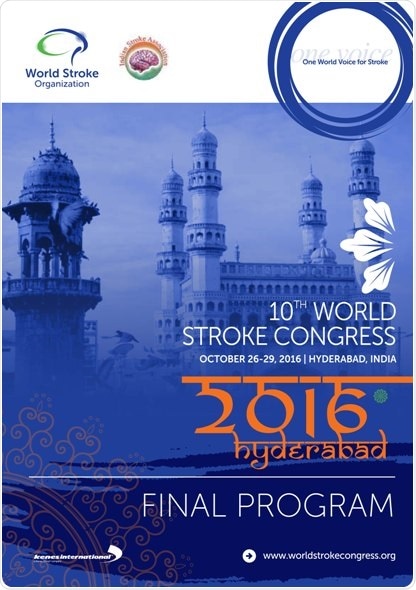
From what I've seem so far there are no 'experts' at the World Stroke Congress, only blithering idiots doing the 'happy talk'. I'd have everyone at the WSO fired for incompetence! They're DOING NOTHING FOR SURVIVORS!
Stroke is devastating. Everyone can have a stroke. For many
people, the stroke happens suddenly and without warning. According to
Stroke Association, when it happens, there is a little time to prepare.
It can affect how one moves, feels and thinks.
Hyderabad is the host to World Stoke Congress. Nearly 2200 stroke
experts descended on the city to participate in a four-day conference.
The meeting begins just a few days before World Stroke Day, to be
observed on October 29 every year.
What is a stroke? According to Dr. Jeyaraj Pandian, Co-Chair of the
World Stoke Congress and a top stroke neurologist in India, a stroke is a
brain attack. It happens when the blood supply to part of the brain
cuts off.
Blood carries essential nutrients and oxygen to the brain. Without
blood, brain cells can't work because of the damage. They won't be able
to perform their tasks.
The brain is a critical part of the body. It controls the entire body. A stroke can affect the way body functions.
The brain also controls how one thinks, learns, feels and communicates.
The blood flow to the brain can be cut off by two ways—due to
Blockage or a Bleeding. Because of which strokes occur, which are of
two types—01. Blockage and 02. Bleeding.
In 85 per cent cases stroke happens by a Blockage and reaming 15 per cent cases by Bleeding.
According to Stroke Association, some of the things that increase the
risk of stroke cannot be changed are Gender(in people under 75, Men
have more strokes than women); Age(you are more likely to have a stroke
if you are over the age of 65). Family History (If a close relative has
had an attack, risk is likely to be higher) and Ethnic Background(South
Asian or African-Caribbean origin are at an increased risk).
BP, High Cholesterol, Type 2 Diabetes, Atrial Fibrillation(irregular
beating of the heart), Heart disease, Smoking are some of the medical
problems that can increase a risk of having a stroke.
Smokers are twice as likely to have a stroke, and this risk will
increase more with more smoking. Stopping smoking will reduce the danger
of a stroke.
Drinking too much alcohol raises blood pressure, which in turn causes a stoke.
The common effects of stroke are weakness or paralysis; speech and
language problems, unsteadiness, difficulty with swallowing, suffer from
extreme tiredness, may have a problem with sensation and much more such
problems.
According to experts at the ongoing World Stroke Congress, many strokes can be prevented.
The food that will help you save from stroke are fresh fruits, vegetables, and dried fruits and avoid junk food. But you don't give us a diet protocol you lazy fucking idiots.
Choose low-fat proteins. Eat plenty of fiber such as cereals,
porridge, brown rice, whole wheat bread and pasta or grains such as
couscous. Cut down on the intake of salt. Watch your weight.
Keep active. Do exercises. Warm up before and after exercise. Find someone to exercise with you.
Stroke is the leading cause of disability and the second leading cause of death globally.
Stroke devastates lives around the world. Over 17 million people
around the world suffer a stroke every year and 6.5 million deaths
happen. 5 million are permanently disabled. Nearly 26 million
inhabitants survive a stroke??? every year. Doesn't anyone vet your statistics?
In
India alone, 1.7 million new stroke cases occur every year. Stroke
affects young people in India during their productive period of life.
The reasons for this are due to unorganized lifestyles and poor food
habits. After stroke care significantly reduces the risk of death.
According to Dr, Jayaraj Pandian, the prevalence of the problem is 350 to 400 people per lakh population in India.
In Ludhiana, more youth are getting the stroke. Nearly 23 percent of
the youth population is suffering from a stroke. That is due to
unhealthy eating habits, stressful life. Also, it is because today we
have more youth population.
Stroke care infrastructure is developed mainly in private hospitals,
but the vast majority of public hospitals are ill-equipped to treat
stroke patients. The treatment expenses are borne by the patients and
relatives and hence there is a huge economic burden on the family. The
neighboring countries in South Asia also face a similar problem of a
huge burden of stroke with an inadequate infrastructure to tackle the
situation stated Dr. Jeyaraj Pandian the Congress Co-Chair from India.
Dr. C. Laxma Reddy, Minister for Health, Government of Telangana,
while addressing the inauguration of World Stoke Congress, said TS Govt
has established ICUs exclusively for stroke patients in all govt
hospitals across Telangana state. We want government hospitals in the
state to be stroke-ready hospitals he said.
The right care makes a difference, but many people are not getting
the stroke treatment they need. According to World Stroke Campaign by
the World Stroke Organisation, there are six key facts about stroke
treatment
1.Early recognition makes a big difference. Knowing the signs of
stroke and getting treatment saves lives and improves recovery.
2. 1 in 10 people makes an excellent recovery when cared for in a specialized stroke unit. 90% failure of full recovery is totally appalling, and nothing about the 10% has anything to do with the specialized stroke unit.
3. Clot-busting drugs (tPA or thrombolysis) increase the chance of a
good outcome by 30%. But tPA only fully works 12% of the time. Don't promote that as a good outcome, that is complete failure. Clot-busting drugs break up blood clots. This
treatment can be administered up to 4.5 hours of symptom onset in many
patients with ischaemic stroke. The earlier it is given, the greater the
effect.
4. Clot retrieval treatment increases the chance of a good outcome by
more than 50%. Clot retrieval treatment (mechanical thrombectomy)
involves removing a blood clot and can improve survival rates and
reduce disability
5. Recovery is a critical step in the treatment process.
Rehabilitation starts in the hospital as soon as possible following a
stroke.
6. One in four survivors will have another stroke. Treatments that
prevent another stroke include drugs to lower blood pressure and
cholesterol, antiplatelet therapies, anticoagulation for atrial
fibrillation, surgery or stenting for selected patients with severe
carotid artery narrowing.
Lifestyle changes can also substantially reduce the risk of another
stroke. Changes include eating well, being physically active, being
tobacco-free, managing stress, and limiting alcohol consumption. Stroke is treatable(Bullshit, quit lying!). One must gain more awareness to save from devastating stroke effect.