Changing stroke rehab and research worldwide now.Time is Brain! trillions and trillions of neurons that DIE each day because there are NO effective hyperacute therapies besides tPA(only 12% effective). I have 523 posts on hyperacute therapy, enough for researchers to spend decades proving them out. These are my personal ideas and blog on stroke rehabilitation and stroke research. Do not attempt any of these without checking with your medical provider. Unless you join me in agitating, when you need these therapies they won't be there.

What this blog is for:

My blog is not to help survivors recover, it is to have the 10 million yearly stroke survivors light fires underneath their doctors, stroke hospitals and stroke researchers to get stroke solved. 100% recovery. The stroke medical world is completely failing at that goal, they don't even have it as a goal. Shortly after getting out of the hospital and getting NO information on the process or protocols of stroke rehabilitation and recovery I started searching on the internet and found that no other survivor received useful information. This is an attempt to cover all stroke rehabilitation information that should be readily available to survivors so they can talk with informed knowledge to their medical staff. It lays out what needs to be done to get stroke survivors closer to 100% recovery. It's quite disgusting that this information is not available from every stroke association and doctors group.

Saturday, September 19, 2026

Precision rehabilitation, from foundational concepts to contemporary perspectives: a mixed-methods scoping review

 For stroke this requires:

  1. An objective damage diagnosis, a 3d rendering of dead and damaged gray and white matter. mRS and the Berthel Index ARE NOT DAMAGE DIAGNOSES, they do not give you the 3d location of your dead and damaged neurons. All problems relate to those damaged or dead neurons so if you don't know what you are dealing with you CAN'T FIX ANYTHING WITH PRECISION!
  2. EXACT REHAB PROTOCOLS; numbers and movement or thought patterns.

Don't worry, nothing will occur, your stroke medical 'professionals' haven't done any thinking since entering medical school.

Precision rehabilitation, from foundational concepts to contemporary perspectives: a mixed-methods scoping review

    We’re sharing this article early to provide faster access to peer-reviewed, accepted research. It is citable and carries a permanent DOI. This version is subject to further edits and will be replaced automatically by the final Version of Record. All legal disclaimers apply.

    Abstract

    Background

    Precision health approaches aim to predict, deliver and optimize the right intervention, at the right time, for the right person. While precision medicine is well-established, its application in rehabilitation remains nascent. This study aimed to (1) Map foundational concepts of precision rehabilitation by describing the extent, scope and nature of the literature, identifying similarities and differences with precision medicine, and describing the role of technologies and artificial intelligence (AI); (2) Describe knowledge users’ perspectives on precision rehabilitation; and (3) Integrate quantitative and qualitative results to develop a working definition of precision rehabilitation.

    Methods

    A convergent mixed-methods design was used to conduct a scoping review with a qualitative consultation phase. The scoping review followed Johanna Briggs Institute methodological recommendations and PRISMA-ScR reporting guidelines. Five databases were searched for adjacent keywords ‘precision’ AND ‘rehabilitation’. Data were extracted and analyzed descriptively and thematically. In parallel, individual interviews were conducted with knowledge users at three North American rehabilitation centers. Transcripts were analyzed using deductive content analysis. Mixed method integration synthesized and contrasted literature-derived and knowledge users-derived insights.

    Results

    Forty-nine articles met inclusion criteria; 26 (53%) were primary research studies, while 23 (47%) were non-empirical publications. Amongst research studies, 14 (54%) involved technology use, while 5 (19%) used AI. Seven (14%) articles included a definition of precision medicine, while 22 (45%) included a definition of precision rehabilitation. Interviews with 16 knowledge users highlighted that personalization is uniquely expressed in precision rehabilitation as compared to medicine and identified rehabilitation-specific facilitators and barriers to precision approaches. Data integration confirmed that a focus on function differentiates precision approaches in rehabilitation from medicine, clarified rehabilitation-specific logistical barriers to technology-enabled data collection in precision approaches, and attributed limited AI use to concerns about predictions based solely on data that excludes psychosocial factors and population heterogeneity.

    Conclusions

    Results indicate greater similarities than differences between precision approaches in rehabilitation and medicine, while highlighting rehabilitation’s emphasis on personalization, function and participation. Findings identify key barriers and facilitators and support a proposed definition of precision rehabilitation for further refinement through peer consensus to accompany advances in research and clinical practice.

    The only 3 supplements worth taking for long-term health

     Your competent? doctor has vetted this and given EXACT PROTOCOLS, right? NO? PURE INCOMPETENCE THEN!

    The only 3 supplements worth taking for long-term health

    Walk down any pharmacy aisle and you’ll see shelves overflowing with powders, gummies, capsules, tinctures, and promises. From “immune boosters” to “anti-aging” blends, the supplement industry has convinced many of us that better health comes in a bottle. But according to health experts — including oncologists, registered dietitians, and longevity researchers — most people only need three supplements for long-term wellness. The rest? Often unnecessary, and in some cases, harmful.

    Instead of chasing trends, experts emphasize keeping supplementation simple, evidence-backed, and guided by actual health needs.

    Below, we break down the only three supplements consistently shown to support long-term health — and why they matter.

    1. Vitamin D

    But this: 

    Taking too much vitamin D can cloud its benefits and create health risks

    Which is why you need a protocol from your competent doctor!

    Vitamin D is one of the most common nutrient deficiencies worldwide. Because it’s primarily produced through sunlight exposure, people who spend most of their time indoors or live in less sunny climates are especially prone to low levels.

    Studies show vitamin D plays key roles in:

    • Bone strength
    • Immune regulation
    • Hormone balance
    • Mood support

    Low levels have also been associated with chronic disease risk, including certain cancers.

    2. Omega-3 Fatty Acids

    But this: In April, another study found that adults 55 and older taking omega-3 supplements showed greater cognitive deterioration over time than nonusers. From this research: 

    Why scientists are starting to worry popular supplements could harm the aging brain

    Omega-3 fatty acids, found naturally in fatty fish, walnuts, flaxseed, and chia, are essential nutrients the body can't produce on its own. They’re especially important because of their powerful anti-inflammatory properties.

    Chronic inflammation is a driving factor in many long-term conditions, including:

     Related video: If you can still do these 7 things after 60, your body is aging better than most (Dr. Borja Bandera)

    decline
    • Autoimmune disorders
    • Metabolic disease

    If your diet is low in fatty fish, an omega-3 supplement — usually fish oil or algae-based omega-3 — can help fill that gap.

    3. A Basic Multivitamin

    Your competent? doctor has already prescribed multivitamins based on all this earlier research, right! Oh NO; NO KNOWLEDGE AND NO PRESCRIPTION/PROTOCOL! 

    More isn’t better when it comes to vitamins. In fact, research has found that high-dose supplements can increase the risk of certain cancers, especially when taken without medical supervision. That’s why experts recommend a simple, low-dose multivitamin — and only when a doctor identifies nutritional gaps.

    A multivitamin may be helpful for people who:

    • Eat a restricted diet
    • Have absorption issues
    • Are pregnant or breastfeeding
    • Have diagnosed deficiencies

    But it should be used to support a balanced diet, not replace it.

    The bottom line

    From collagen powders to adaptogens to antioxidant mega-mixes, many modern supplements lack strong long-term evidence. Some even carry hidden risks, especially when taken in high doses or combined with medications. Health professionals emphasize that supplements should be used strategically — not as shortcuts.

    The real long-term health boosters?

    • A nutrient-dense diet
    • Regular exercise
    • Lower stress
    • Sufficient sleep
    • Avoiding smoking and heavy alcohol use

    Supplements can help, but they’re not magic cures. They’re simply tools — and only these three are truly necessary for most people.

    Potential root cause of Alzheimer’s may have just been discovered

     With your risk of dementia post stroke will your incompetent? doctor do nothing with this?

    Your doctor is responsible for preventing this! Is s/he willing to prevent this?

    1. A documented 33% dementia chance post-stroke from an Australian study?   May 2012.

    2. Then this study came out and seems to have a range from 17-66%. December 2013.`    

    3. A 20% chance in this research.   July 2013.

    4. Dementia Risk Doubled in Patients Following Stroke September 2018 

    The latest here:

    Potential root cause of Alzheimer’s may have just been discovered

    A small shift in a brain molecule may explain how Alzheimer’s disease turns from an abnormal nerve connection to a condition affecting memories, a new study suggests.

    According to previous research, abnormal protein clumps known as amyloid plaques and tau tangles are the key drivers of Alzheimer’s.

    The clumps are a hallmark of a wider breakdown in which nerve cells become overactive, lose their connections and see supporting cells turn reactive. But how these changes link to cognitive decline remains one of the disease’s central mysteries.

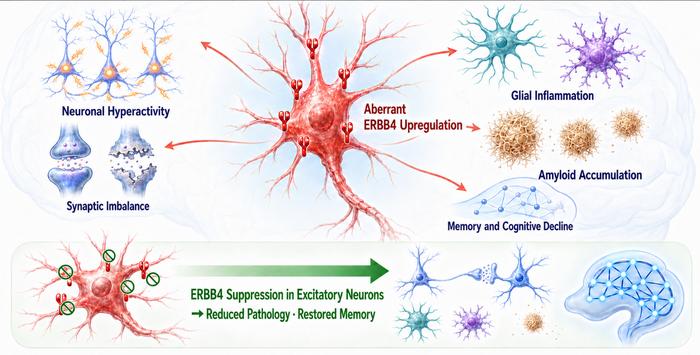
    The new study, from the Institute of Basic Science in South Korea, says a receptor protein molecule, ERBB4, may be the missing link.

    An abnormal activation of this molecule in nerve cells called excitatory neurons can initiate several Alzheimer’s-related problems at once.

    Researchers found that a distinct population of excitatory neurons emerged early in the Alzheimer’s process and they carried the ERBB4 receptor. The receptor allows nerve cells to respond to external signals.

    In the study, researchers first probed two types of brain cells, called astrocytes and microglia, which support neurons and help remove unwanted connections. Researchers have long suspected that the normal clean-up functions of astrocytes and microglia are compromised in Alzheimer’s disease.

    Researchers found that in mice with Alzheimer’s symptoms, astrocytes and microglia removed increasing numbers of healthy excitatory neuron connections.

    They also found that non-neuronal cells in the brain, known as glial cells, were unbalancing the signals meant for accelerating nerve activity and those for stopping it.

    This kind of imbalance sometimes appears before major cognitive symptoms become obvious in Alzheimer’s patients.

    Schematic illustration of the proposed disease mechanism
    Schematic illustration of the proposed disease mechanism (Institute for Basic Science)

    To understand the root cause of this imbalance, researchers looked at which genes were active within individual cell nuclei.

    In healthy brains, the ERBB4 receptor is found mainly in neurons that inhibit signals and help apply brakes to brain activity. But in Alzheimer’s, ERBB4 was found in excitatory neurons responsible for driving brain activity.

    The findings indicate that Alzheimer’s may not only damage neurons, but also push some of them into an abnormal state.

    Researchers discovered that a single intervention targeting the ERBB4 receptors could address many of the Alzheimer’s symptoms.

    Distinct population of early responsive excitatory neurons that was selectively enriched in the Alzheimer's disease model
    Distinct population of early responsive excitatory neurons that was selectively enriched in the Alzheimer's disease model (Institute for Basic Science)

    They used gene-editing technology to eliminate ERBB4 receptors from excitatory neurons in the hippocampus, the brain region key to forming memories.

    The intervention quieted hyperactive nerve cells and corrected several abnormalities.

    The mice's astrocytes and microglia became less reactive, their brain plaque build-up declined and the mice performed better on tests of memory and spatial cognition.

    Researchers noticed that when ERBB4 was activated in a small number of excitatory neurons in otherwise healthy mice, the rodents developed excessive brain activity and cognitive impairment.


    They examined post-mortem tissue from nearly 450 people and found that ERBB4 expression was elevated in excitatory neurons affected by Alzheimer’s disease.

    “These findings identify aberrant ERBB4 expression in excitatory neurons as an early driver of AD pathophysiology and a potential therapeutic target across neurodegenerative diseases,” scientists concluded.

    5 drinks longevity experts say can support a longer, healthier life

     I'm good with coffee and red wine. 

    5 drinks longevity experts say can support a longer, healthier life

    For most people, living to 100 may feel out of reach. Yet what seems unachievable to many is actually a reality for the 101,000 centenarians who’ve made it to 2024, likely due to years of making healthy decisions, like avoiding certain foods and habits, in order to extend their lives. Besides the foods we eat, the drinks we consume also play a role in the quality and length of our lives, according to Dr. Michaela Robbins, nurse practitioner. 

    “Certain drinks not only provide water and hydration to allow our body to function, but also provide things like bioactive compounds, electrolytes, and antioxidants while also getting rid of the bad stuff,” she explains. “Antioxidants, for example, help us detoxify free radicals and reduce inflammation, which is one of the biggest drivers of aging, and help you feel your best for longer.” The link between drinks and longevity is much more important than we might realize—that’s why we asked longevity experts for more information on which drinks can help us live our longest, healthiest, and best lives.

    • Dr. Michaela Robbins, NP, is a nurse practitioner and hormone and longevity expert
    • Dr. Erin Barrett, PhD, is the senior director of product innovation and scientific affairs at Shaklee

    What’s the Link Between Drinks and Longevity?

    “The goal of longevity isn’t just to add years to life; it’s about living those years well—achieving a longer health span,” explains Dr. Erin Barrett, senior director of product innovation and scientific affairs at Shaklee. “Staying properly hydrated supports cellular health and organ function (especially the kidneys), aids in nutrient absorption, and helps maintain energy levels.” 

     Related video: Twenty foods proven to reduce high blood pressure naturally (Talking With Docs)

    Antioxidants are the number one priority when it comes to drinks that can support healthy aging. These properties can reduce the risk of chronic disease, support brain and eye function, and even improve mental health. Make sure you’re looking for these specific properties and ingredients while browsing through your local grocery store’s drink aisle.

    5 Drinks That’ll Help You Live to 100

    01 of 05

    Berry Smoothies

    Berry smoothies—especially those made with blueberries, raspberries, and strawberries—contain anti-inflammatory properties to promote healthy aging. “These fruits are packed with antioxidants that combat free radicals and reduce oxidative stress, which is essential for maintaining cell health,” Dr. Barrett explains. Similarly, Dr. Robbins recommends starting your day with a berry smoothie, suggesting to “blend it with almond milk for bone health and nut butter for protein, and you have a perfect longevity breakfast.”

    Green and Black Tea

    It often feels like the benefits of drinking tea are limitless. Green and black tea are rich in powerful antioxidants, such as catechins, according to Dr. Barrett. “These compounds help neutralize free radicals and minimize oxidative stress, promoting cellular health,” she explains. “Regular consumption of these teas can be a simple yet effective way to support your health span.”

    Related: Green Tea vs. Black Tea: Which One Is Actually Better for You?

    03 of 05

    Black Coffee

    Black coffee can get a bad rap when overconsumed, but it’s not just good for a morning pick-me-up. “Studies have indicated that long-term consumption of coffee can cut your risk of premature death by up to 30%, regardless of whether it is caffeinated or decaffeinated,” Dr. Robbins explains. “Coffee also stimulates neurotransmitters dopamine and serotonin, which can elevate mood, and happiness is linked to longer lives.”

    Related: How to Make Iced Coffee at Home in 10 Minutes

    04 of 05

    Hydrogen-rich Water

    Of course, water is a go-to when it comes to hydration and healthy living, but there are a variety of packaged water that can do even more. For example, hydrogen-rich water adds extra molecular hydrogen gas to enhance its antioxidant and anti-inflammatory properties, along with reducing the risk of high cholesterol and improving kidney function. While plain water is perfectly fine, enhanced water can boost its benefits.

    Related: 10 Delicious Infused Water Recipes That Make It So Easy to Stay Hydrated

    05 of 05

    Red Wine

    We can’t stress this enough: there’s no amount of alcohol that is good for you. In fact, maintaining an alcohol-free lifestyle is a foolproof way to feel and be healthier; however, that’s not always an attainable goal for people living in today’s world, and in that case, red wine is the best option. “When consumed in moderation, red wine is a rich source of resveratrol, a potent antioxidant associated with numerous health benefits,” Dr. Barrett explains. “Resveratrol is known for its anti-inflammatory properties and potential to promote heart health, making it a positive addition to a balanced diet aimed at supporting quality of life.”

    Related: The 10 Healthiest Types of Alcohol to Drink, According to a Registered Dietitian

    Read the original article on Real Simple

    Brain’s “Blue Place” Rewrites How Norepinephrine Drives Learning

     How will your competent? doctor use this to drive your relearning of movements, speech and sensation?  Your doctor is familiar with norepinephrine, right? 

    NO? PURE INCOMPETENCE THEN!

    Do you prefer your doctor, hospital and board of director's incompetence NOT KNOWING? OR NOT DOING? Your choice; let them be incompetent or demand action!

    Brain’s “Blue Place” Rewrites How Norepinephrine Drives Learning

    Summary:

    Challenging decades of assumptions that the brainstem’s locus coeruleus acts like an indiscriminate broadcast speaker, researchers at the Allen Institute have revealed that it operates as a highly targeted postal network routing distinct norepinephrine signals to precise anatomical destinations.

    The study also reconstructed individual locus coeruleus neurons, uncovering one with an axon measuring over 70 centimeters, the longest single neuron ever documented in a mouse.

    Key Facts:

    • Targeted Delivery, Not a Foghorn: Neurons in the upper (dorsal) locus coeruleus project specifically upward to the cerebral cortex to convey learning signals, whereas lower (ventral) neurons project down to the brainstem and spinal cord to modulate basic environmental engagement.
    • Record-Breaking Axon Length: The team found locus coeruleus axons average approximately 35 centimeters in length, with one reconstructed neuron measuring 70.32 cm,the longest brain cell ever recorded in a mouse.
    • Therapeutic Implications: Because locus coeruleus cells degenerate early in Alzheimer’s disease and norepinephrine pathways are primary targets for ADHD, depression, and anxiety drugs, this circuit map provides a blueprint for therapies that target specific pathways rather than flooding the entire brain.

    Source: Allen Institute

    Beyond the Loudspeaker Model

    Deep within the brainstem lies a small, pigmented cluster of cells known as the locus coeruleus (LC), Latin for the “blue place.” Despite comprising only a tiny fraction of the brain’s total cell count, the LC wields outsized influence by serving as the primary source of norepinephrine (NE), a master neurotransmitter governing attention, stress, arousal, heart rate, and learning.

    For decades, neuroscientists hypothesized that the locus coeruleus acted like a uniform broadcast horn, releasing a generalized surge of norepinephrine across the entire brain whenever an organism encountered stress or novelty.

    Now, a comprehensive study published in Nature led by scientists at the Allen Institute refutes that model. Combining large-scale brain imaging, electrophysiological recordings, single-cell genetics, and behavioral tasks in mice, researchers proved that the LC routes tailored messages with remarkable anatomical and functional specificity.

    “The findings suggest the brain’s norepinephrine system is far more like a targeted postal network than a foghorn,” said Karel Svoboda, Ph.D., director of Neural Dynamics at the Allen Institute and study co-author.

    Segregated Circuits for Learning and Engagement

    By tracing the anatomical wiring and genetic profiles of LC cells, the research team discovered a strict spatial divide:

    • Dorsal LC Neurons: Located in the upper portion of the cluster, these cells extend projections upward into the forebrain and cerebral cortex. During behavioral tasks, they fire when mice update decisions after receiving negative feedback, actively driving learning and behavioral adaptation.
    • Ventral LC Neurons: Positioned in the lower tier, these cells project downward to the brainstem and spinal cord. Their firing spikes immediately before animals choose to disengage or ignore cues offering potential rewards.

    “What emerged was a clear map: neurons in the dorsal LC that send signals upward to the cortex are involved in learning, whereas neurons in the ventral region projecting downward to the brainstem and spinal cord govern whether animals engage with their environment at all,” Svoboda explained. “We also showed that these anatomical differences are mirrored by distinct gene expression patterns.”

    The Longest Axon in the Mouse Brain

    The sheer scale of the cells within this compact hub astonished researchers. Whole-brain imaging across nearly 35,000 neurons, combined with the genetic profiling of roughly 400,000 cells, enabled complete morphological reconstructions of individual LC projections.

    The team determined that locus coeruleus axons average 35 centimeters in length. One standout neuron possessed an axon measuring 70.32 centimeters (over 27 inches), the longest individual neuron ever documented in a mouse.

    “This neuron, like many others that we studied, supplies NE to a very large volume of the cerebral cortex. For the brain, this is highly unusual. Most neurons are more specific in their targets,” said study co-author Jeremiah Cohen, Ph.D., a scientist at the Allen Institute. “But this neuron doesn’t release NE everywhere. It ignores the cerebellum, brainstem, and spinal cord.”

    A Dual-Engine Learning Platform

    The authors noted parallels between the locus coeruleus and the brain’s dopamine system. While dopamine transmits reinforcement signals to the basal ganglia to guide habit formation, dorsal norepinephrine projections simultaneously deliver error and learning signals to the cortex. Working together, these systems form a coordinated computational platform that allows animals to learn complex and abstract rules concurrently.

    These architectural insights offer immediate relevance for medicine. The locus coeruleus is among the earliest brain structures to degenerate in Alzheimer’s disease, and its signaling is modulated by common medications prescribed for ADHD, clinical depression, and anxiety disorders. Rather than broadly elevating or suppressing norepinephrine throughout the central nervous system, future psychiatric and neuroprotective interventions could be designed to modulate specific subcircuits while sparing others.

    Funding: Supported by the National Institutes of Health’s Brain Research Through Advancing Innovative Neurotechnologies® (BRAIN) Initiative.

    Editorial Notes:

    • This article was edited by a Neuroscience News editor.
    • Journal paper reviewed in full.
    • Additional context added by our staff.

    About this Neuroscience and Learning Research:

    • Media Contact: Peter Kim
    • Source: Allen Institute
    • Image Credit: Image credited to Allen Institute
    • Original Research is Open Access: Nature (September 16, 2026). “Topographic structure and function of locus coeruleus noradrenaline neurons” Authors: Zhixiao Su, Polina Kosillo, Kanghoon Jung, Shuonan Chen, Mathew T. Summers, Alex Piet, Han Hou, Kenta M. Hagihara, Drew Friedmann, Olivia Ho-Shing, Matthew I. Becker, Thomas Chartrand, Xinxin Yin, Peter Grotz, Ella Hilton-VanOsdall, Margaret Lee, Rajvi Javeri, Samantha L. Tuggle, Naveen Ouellette, Holly Myers, Judith Baka, Camilo Laiton, Kaelin Wulf, John Rohde, Alessio P. Buccino, Cameron Arshadi, Di Wang, Sharmishtaa Seshamani, Sonya Vasquez, Carolyn M. Eng, Douglas R. Ollerenshaw, Nick Dee, Tamara Casper, Windy Ho, Matthew Jungert, Atlas Jordan, Elliot Phillips, Anish Bhaswanth Chakka, Kamiliam Nasirova, Krista Blake, Audrey McCutcheon, Megan Koch, Maria Camila Vergara, Kimberly A. Smith, Tim Jarsky, Nicholas Lusk, Mara C. P. Rue, Xiaoyin Chen, Joshua H. Siegle, Adam K. Glaser, Brian R. Lee, Karel Svoboda, Yoh Isogai, Jayaram V. Chandrashekar & Jeremiah Y. Cohen.
    • DOI: 10.1038/s41586-026-11026-0

    Integration of proteomic aging clocks in a phase 2a clinical trial supports simultaneous geroprotective assessment

     A review of it mentions this: Researchers analyzed blood samples from 42 people over age 40 who had taken part in a 12-week trial. Using six different protein-based “aging clocks,” they found that all six showed reductions in predicted biological age among participants receiving rentosertib.

    Integration of proteomic aging clocks in a phase 2a clinical trial supports simultaneous geroprotective assessment


    Abstract

    Drugs for aging-related diseases may modulate aging itself, but standard clinical trial designs cannot detect such effects. Aging clocks could close this gap, but epigenetic models often yield inconsistent, hard-to-interpret results. In contrast, proteomic clocks, by tracking the immediate effectors of biological change, may excel in providing aging biomarkers or mechanistic insight. Here we compare six proteomic clocks (ProtAge, OrganAgemortality, OrganAgechrono, PAC, ipfP3GPT and PAOPAC) on serum proteomes from a published 12-week phase 2a trial of the candidate anti-fibrotic drug rentosertib in idiopathic pulmonary fibrosis. We measure the variance between the clocks and find that all six clocks consistently predicted lower biological age in treated arms. However, proteomic clocks alone cannot deconvolute aging- and disease-specific effects. We addressed this issue indirectly through pathway analyses that identified potential anti-aging shifts in senescence and metabolic processes alongside the anti-fibrotic activity of rentosertib. This work supports the goal of dual-purpose clinical trial designs that integrate aging endpoints into studies for specific disease indications.

    Statin Discontinuation Appears Safe in Adults Aged 75 and Older Without ASCVD: Study

     Have at it, your doctor will never read this research. 

    Statin Discontinuation Appears Safe in Adults Aged 75 and Older Without ASCVD: Study

    Friday, September 18, 2026

    The daily routines experts say can slow down the aging process

     Generalities but your incompetent? doctor won't have anything better; you're screwed!

    The daily routines experts say can slow down the aging process

    Biological age is about more than the number of candles on your birthday cake. According to a cardiologist, everyday choices can influence how quickly the body ages, and certain habits may help support better long term health.
    When biological age differs from actual age
     

    Biological age reflects the body's condition and function. It is shaped by factors such as genetics, lifestyle, environment, and chronological age.

    Daily choices can affect the aging process
     

    People of the same age can have very different biological ages depending on habits related to health and wellbeing.

    Whole foods form the foundation

    Fruits, vegetables, nuts, seeds, and lean protein sources are highlighted as important parts of a healthy diet.

    Also read: Scientists find remarkable connection between GLP-1 drugs and cancer

    Be mindful of sugar intake

    Processed foods and restaurant meals can often contain high amounts of sugar, making moderation important.

    Regular exercise supports healthy aging

    Adults are encouraged to stay physically active throughout the week with moderate or vigorous intensity activities.

    Combine cardio and strength training

    Activities that raise the heart rate should be paired with muscle strengthening exercise as part of a balanced routine.

    Choose activities you enjoy

    Finding a form of exercise that feels enjoyable can make it easier to maintain healthy habits over time.

    Also read: What Happens When You Eat a Banana Before Sleep?

    Smoking can accelerate health risks

    Tobacco use is linked to numerous health problems and is considered a factor that may negatively affect biological aging.

    Sleep plays a vital role

    An average of seven to nine hours of sleep per night is recommended to support overall health.

    Maintaining a healthy weight matters

    A healthy weight can contribute to improved wellbeing and longevity, especially when supported by nutritious food and regular movement.

    Cholesterol and blood sugar deserve attention
    ©Photo: Shutterstock.com

    Keeping LDL cholesterol and blood sugar levels under control may help reduce the risk of health complications. Foods such as avocados, olive oil, beans, soy, apples, grapes, strawberries, and citrus fruits are mentioned as beneficial choices.

    Also read: Study finds link between high BMI and 19 different types of cancer

    Healthy blood pressure completes the picture
    ©Photo: Shutterstock.com

    Regular exercise, a balanced diet, lower sodium intake, limited alcohol consumption, and stress management are all highlighted as ways to help maintain healthy blood pressure.

    Also read: Scientists uncover new link between stress, sleep and dementia