Changing stroke rehab and research worldwide now.Time is Brain! trillions and trillions of neurons that DIE each day because there are NO effective hyperacute therapies besides tPA(only 12% effective). I have 523 posts on hyperacute therapy, enough for researchers to spend decades proving them out. These are my personal ideas and blog on stroke rehabilitation and stroke research. Do not attempt any of these without checking with your medical provider. Unless you join me in agitating, when you need these therapies they won't be there.

What this blog is for:

My blog is not to help survivors recover, it is to have the 10 million yearly stroke survivors light fires underneath their doctors, stroke hospitals and stroke researchers to get stroke solved. 100% recovery. The stroke medical world is completely failing at that goal, they don't even have it as a goal. Shortly after getting out of the hospital and getting NO information on the process or protocols of stroke rehabilitation and recovery I started searching on the internet and found that no other survivor received useful information. This is an attempt to cover all stroke rehabilitation information that should be readily available to survivors so they can talk with informed knowledge to their medical staff. It lays out what needs to be done to get stroke survivors closer to 100% recovery. It's quite disgusting that this information is not available from every stroke association and doctors group.

Saturday, October 29, 2016

Early morning blood pressure, pulse wave velocity, central aortic pressure and predictive risk factors of ischemic stroke in masked hypertensive patients

Bet this never makes it to your hospital or is even written up as a stroke protocol. 

Early morning blood pressure, pulse wave velocity, central aortic pressure and predictive risk factors of ischemic stroke in masked hypertensive patients


JACC - Journal of the American College of Cardiology, 10/27/2016
Koh JH, et al. – This study intended to assess the prevalence of masked early morning or nocturnal hypertension (NHT) and effects of arterial stiffness, pulse wave velocity(PWV) and wave reflections on central aortic pressure (CAP) in hypertensive patients with ischemic stroke(IS). The study proposes that higher prevalence of masked early morning hypertension(EMHT) and a significant increase of early morning BP, particular systolic BP, may be predictive risk factor for ischemic stroke events instead than nocturnal BP. So, ASP measurements may be especially important for the early detection of ischemic stroke event.

Methods

  • Using 24hr ambulatory blood pressure monitoring (ABPM), the researchers analyzed a total 450 hypertensive patients with IS, investigate masked hypertension(MHT) .
  • Classified as masked EMHT (early morning BP ≥ 135/85 mmHg and night-time BP ≤ 120/70 mmHg), Masked NHT(Daytime BP ≤ 135/85 mmHg and night-time BP ≥120/70 mmHg) among the MHT.
  • And using radial artery applanation tonometry, aortic pulse analysis was performed in MHT.

Results

  • The researchers observed MHT with ischemic stroke in 128 patients.
  • The study found EMHT in 55.6% of MHT patients (n=71).
  • EMHT had higher aortic pulse wave velocity(PWV) and augmentation index(AI) and AI75 (AI to HR 75 beat/min), ASP (Central aortic systolic pressure) and pulse pressure were also higher in the EMHT as compared with patients with both EMHT and NHT.
Go to Abstract Print Article Summary Cat 2 CME Report

FDA Approves PFO Closure Device Amplatzer device

So this seems to implicitly argue that closing a PFO is better than medical drug treatment. Challenging all these previous studies.

Stroke Rounds: PFO Closure Works Long-Term Only for Some


Landmark Study Finds Expensive Catheter Procedure to Close Hole in Heart No More Effective Than Medical Therapy to Prevent Strokes


AAN Nixes Routine PFO Closure

The latest here:

http://www.medpagetoday.com/Cardiology/Strokes/61096?xid=nl_mpt_DHE_2016-10-29&eun=g424561d0r&pos=1 
The FDA approved the Amplatzer PFO Occluder device to reduce stroke risk for patients with prior cryptogenic stroke believed to be caused by a patent foramen ovale (PFO)-related blood clot.
The move marks a return to market after being withdrawn in 2006, when the FDA determined it no longer qualified for a humanitarian device exemption as the target population for this device was greater than 4,000 patients. "For the past 10 years, no FDA-approved heart occluder devices have been on the market specifically indicated to close PFOs to reduce the risk of a recurrent stroke in patients with a prior cryptogenic stroke," the FDA announcement of the approval noted.
The panel advising the FDA on the Amplatzer device in May had voted overwhelmingly in favor of its safety, although adverse effects can include injury to the heart; atrial fibrillation; blood clots in the heart, leg, or lung; bleeding; and stroke.
But the panel was fairly split on efficacy (9-7 vote), citing problems with the RESPECT trial, which was the basis for approval but had failed to find superiority of the device over medical management alone for prevention of recurrent cryptogenic strokes. Subsequent analyses, however, showed fewer PFO-related second strokes.
Earlier this year, the American Academy of Neurology recommended against routine PFO closure for cryptogenic ischemic strokes.
"The Amplatzer PFO Occluder provides a nonsurgical method for doctors to close a PFO," Bram Zuckerman, MD, director of the Division of Cardiovascular Devices in the FDA's Center for Devices and Radiological Health, said in a press release. "But as the device labeling clearly states, patients need to be evaluated carefully by a neurologist and cardiologist to rule out other known causes of stroke and help ensure that PFO closure with the device is likely to assist in reducing the risk of a recurrent stroke."
The Amplatzer device is contraindicated for patients with a heart valve infection or other untreated infections, a heart tumor or blood clot at the implant site, other abnormal connections between the heart chambers, or if cardiovascular anatomy or blood clots would interfere with catheter mobility.


Is there an early warning test for stroke?

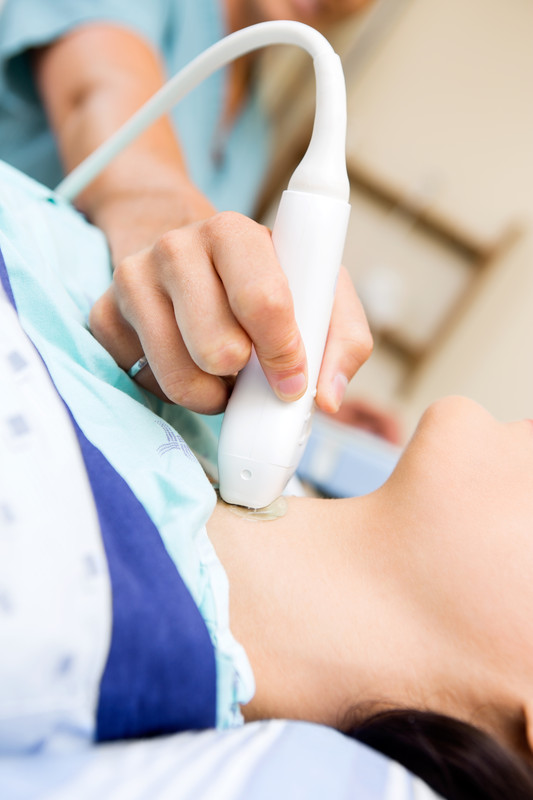
My doctors in the hospital told me I had a dissected carotid artery that clotted and let go. But they never did an ultrasound of my neck arteries. A cardiologist in a different clinic three years later did one and found the right carotid completely closed up. He speculated that at the time of the stroke it would have been 80% blocked. So I spent three years in extreme danger of having another tear and clot without any warning from my doctors to make sure I religiously kept to my warfarin and aspirin regimes. That is complete incompetence.
When my Dads' doctor found 80% blockage in his neck artery he should have told my Dad to have any children tested with ultrasound.  But that doctor was incompetent also and said nothing.
---------------------------------------------------------------------------------------------------------------

Is there an early warning test for stroke?

Thyroid Scan
Strokes seem to come out of the blue. But most of them happen due to decades-long damage to blood vessels and growth of artery-clogging plaque. That raises the question: Is there an early warning test for stroke?
Yes and no. A test called the carotid ultrasound can detect the buildup of cholesterol-filled plaque in the carotid arteries in the neck. These arteries deliver blood to the brain. The test, which uses sound waves, is quick, safe, and without any immediate potential for harm. It makes perfect sense for someone experiencing lightheadedness, memory loss, or the warning signs of a stroke or mini-stroke.
Having a carotid ultrasound test also makes sense for anyone in whom a doctor hears an abnormal sound called a bruit (BREW-ee) as he or she listens to the carotid arteries through a stethoscope. The scan is also a reasonable idea when a person has known risk factors for stroke, such as a previous "mini-stroke," high blood pressure, high cholesterol, or diabetes. But a carotid ultrasound isn't a good idea for otherwise healthy people at average risk for stroke.
The U.S. Preventive Services Task Force discourages routine ultrasounds of the carotid arteries. Only about 1% of the general population has significant narrowing of these arteries. And less than 10% of first-time strokes are associated with such narrowings. In addition, roughly eight in every 100 ultrasounds produce a false positive — a result that indicates the presence of significant narrowing that isn't really there. False positives lead to unnecessary tests and possibly unnecessary treatment.
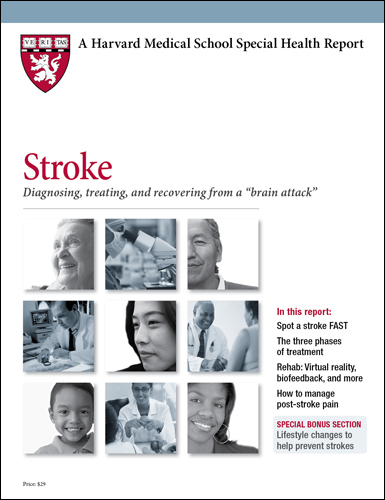
Get your copy of Stroke

Product Page - Healthy Feet
Protect your brain: That's the strategy that Harvard doctors recommend in this report on preventing and treating stroke. Whether you've already had a mini-stroke or a major stroke, or have been warned that your high blood pressure might cause a future stroke, this report provides help and advice.

Read More
If you're wondering whether you should ask your doctor for such a test, or whether to have one as part of a community check-up at a church or community center, here are some questions you might want to consider:
  • If the test finds something, what's next?
  • If it doesn't, are you in the clear?
For most people, a better approach would be to pay attention to fighting things that cause or contribute to the formation and growth of cholesterol-filled plaque — high blood pressure, high cholesterol, obesity, diabetes, not enough exercise, smoking, and the like. Getting those risk factors under control will go a long way to preventing stroke.
For more information on ways to prevent and treat strokes, buy Stroke, a Special Health Report from Harvard Medical School.

Scientists have just discovered that this one green vegetable might be the key to staying young - broccoli

I bet your hospital isn't adding broccoli to your coffee, you probably aren't even getting coffee even though there are many many benefits of coffee. 110 posts on coffee here. Bet your doctor still won't create a diet stroke protocol. Your are fucking screwed for the lack of knowledge your doctor has to get you 100% recovered. NOTHING LESS THAN 100%! AND NO  'All strokes are different, all stroke recoveries are different' is not a valid response. That is just a fucking stupid answer and shows the intellectual capacity of your doctor, not in a good way.
http://hellogiggles.com/vegetable-staying-young-broccoli/
 
It’s not exactly the fountain of youth, but promising new research shows that there’s one particular enzyme that can actually slow down the onset of some of the chronic issues that come with age. Where can we find this enzyme, you ask? Well, in broccoli for starters.

Love it or hate it, we have several compelling reasons to give broccoli some serious respect: lately, it’s been proving it’s a pretty incredible little vegetable. From having some incredibly good effects for the skin, and even being added to coffee to boost your intake of antioxidants, broccoli is kind of the hero veggie of the moment.

In a paper published in Cell Metabolism, a Washington University School of Medicine-led research team found a way to make cells behave as though they’re younger than they actually are.

Now, the cells the researchers were working on were in mice, not humans – but it’s still a pretty exciting find. The agent that makes cells act younger is called nicotinamide mononucleotide (NMN), and it’s involved in the production of another compound. That compound is necessary for energy metabolism.
When the researchers gave mice (who were aging normally) infusions of NMN, the bodies of these mice made more of that second compound – and, most importantly, some of the issues that go hand-in-hand with aging basically disappeared. The mice treated with NMN showed improvement in their eyesight and blood sugar levels, and a lowering in age-associated weight gain.
Dr. Shin-Ichiro Imai, who is the senior author of the paper as well as a professor of developmental biology and medicine at Washington University says: “It’s clear that in humans and in rodents, we lose energy with age. We are losing the enzyme NMN. But if we can bypass that process by adding NMN, we can make energy again. These results provide a very important foundation for the human studies.”
NMN is also found in cabbage, edamame, and cucumbers as well as broccoli – however, it’s probably unlikely that you’d be able to eat yourself young naturally.
According to Dr. Imai, “If you do the math, I wouldn’t say it’s impossible entirely but probably very difficult to get the whole amount [you need] simply from natural foods.”
Part of the research team is based at Keio University in Tokyo and will begin an early study by giving NMN supplements to human participants in pill form. Until then, though, we have to say: Pass the broccoli.


This is what happens to your body when you stop exercising

Your doctor has a lot of work cut out for them to ameliorate these effects because you won't be exercising at all post stroke. 3 years post stroke my heart rate at age 53 was 54, cardiovascular fitness of an athlete. Today on my vacations I can and have walked up to 17 miles.

This is what happens to your body when you stop exercising


There comes a point in almost every fitness lover's life when they consider throwing in the towel after a workout—both figuratively and literally. Blame it on your looming work deadlines, or the stubborn needle on the scale, or even just plain old boredom.
That’s normal. But here’s why you shouldn’t follow through on the temptation to just quit: There are plenty of benefits to exercise, but they’re not permanent. In fact, many of those hard-earned gains will start to disappear in as little as two weeks, says Farah Hameed, MD, a sports medicine physician with ColumbiaDoctors.
Here’s exactly what you can expect to happen to your body if you give up exercise:

Within 10 days: Your brain might start to change

For years, researchers have suspected that exercise is good for your brain, too—according to one 2013 review, it might be able to help offset age-related memory loss. Now, a new study in the journal Frontiers in Aging Neuroscience found that even a short vacation from your workout might cause changes to the brain.
In the study, when a group of long-term endurance runners took a 10-day exercise hiatus, their subsequent MRIs showed a reduction in blood flow to the hippocampus, the part of the brain that’s associated with memory and emotion. The researchers point out that although the runners didn’t experience any cognitive changes over the period, more long-term studies are needed.
------------------------------------------------------------------------------------------------------
How is your doctor keeping your blood flow to your hippocampus up? 
Maybe?
Somplace in these 57 posts on blood flow 
and these 63 on hippocampus is the answer your doctor should provide you.  If they were any good at all.
-------------------------------------------------------------------------------------------------------

Within two weeks: Your endurance will plummet and your vitals may spike

After just 14 days, you might have a harder time climbing a flight of stairs or keeping up with your colleagues during the monthly kickball game. The reason you’re so winded? Skipping sweat sessions causes a drop in your VO2 max, or the maximum amount of oxygen your body can use. It can dip by about 10% after two weeks, says Dr. Hameed. It only gets worse from there: After four weeks, your VO2 max can drop by about 15%, and after three months, it can fall about 20%—“and those are conservative estimates,” Dr. Hameed notes.
Staying even slightly active can help: One 2009 study found that male kayakers who took a five-week break from their training saw an 11.3% drop on average in their VO2 max, while those who worked in a handful of exercise sessions during each week only saw a 5.6% drop.
------------------------------------------------------------------------------------------------------
Is your doctor even measuring your VO2 max? 
You do want your brain to get the maximum amount of oxygen possible to help you recover.  But I bet your doctor is doing nothing about it.  I guess you will just need to breathe on your own. Hopefully your doctor does have a prescription for you to breathe. Actually s/he should.
-------------------------------------------------------------------------------------------------------
RELATED: 11 Fitness Foods to Help You Get in Shape Faster
Even if you don’t notice a change in your speed or strength, you might experience a sharp rise in your blood pressure and blood glucose levels—something that could be more serious for people with diabetes or high blood pressure, says Dr. Hameed.
Researchers from South Africa found that a two-week exercise break was enough to offset the blood pressure benefits of two weeks of high-intensity interval training; another 2015 study in the Journal of Applied Physiology found that people who did an eight-month bout of resistance and aerobic exercise saw an improvement in the blood glucose levels, but lost almost half of these benefits after 14 days of inactivity.
RELATED: 20 Ways to Lower Your Blood Pressure Naturally

Within four weeks: Your strength will start slipping

Dr. Hameed estimates that some people will notice their strength declining after about two weeks of inactivity, while others will begin to see a difference after about four weeks. The silver lining: Our strength probably diminishes at a slower rate than our endurance, and one 2011 study in the Journal of Strength and Conditioning found that when one group of men stopped doing resistance training, they still had some of their strength gains up to 24 weeks later.

Within eight weeks: You might gain fat

Dr. Hameed estimates that people will start to notice a physical change—either by looking in the mirror, or at the number on the scale—after about six weeks. Even elite athletes aren’t immune to the rebound. A 2012 study in the Journal of Strength and Conditioning Research found that competitive swimmers who took a five-week break from their training experienced a 12% increase in their levels of body fat, and saw a boost in their body weight and waist circumference. (We should also point out that these athletes weren’t totally sedentary—they still did some light and moderate exercise.) And a 2016 study found that elite Taekwondo athletes who took an eight-week hiatus from exercise experienced an increase in their levels of body fat and a decrease in muscle mass, too.
RELATED: 10 Reasons Your Belly Fat Isn't Going Away
That said, there’s a difference between breaking up with exercise for good and taking a well-intentioned rest. The distinction: “You need to do some type of activity [every day],” says Dr. Hameed. For example, maybe you just ran the Chicago Marathon and can’t run another 16 miles, let alone 26—in that case, says Dr. Hameed, you should do some cross-training. (Think: cycling, using the elliptical, or even light walking.) Just don't quit moving altogether—your body, brain, and waistline will thank you.

On World Stroke Day New ESC Stroke Council Urges Better Blood Pressure Monitoring

The real tragedy is that massive amounts of disability could be prevented if the stroke medical world would acknowledge that stroke is a total failure and work to stop the neuronal cascade of death by these 5 causes. But that will never occur with our fucking failures of stroke associations.
 and NO stroke leadership or strategy.
http://www.alphagalileo.org/ViewItem.aspx?ItemId=169500&CultureCode=en


he European Society of Cardiology (ESC) and its newly created Council on Stroke (Ask how to join)says World Stroke Day should be a wake-up call for people everywhere. Each year 6.5 million people die from stroke and another 10 million are permanently disabled.
“The real tragedy is that most of these cases are preventable,” said Professor Petr Widimsky, chairman of the ESC Council on Stroke. “People need to check their blood pressure levels, and if they're high, to get them lower with diet and exercise or medication. Doctors have a variety of safe and effective treatments. But it all starts by knowing your levels.”
Studies show that only 50% of people get their blood pressure checked each year and only 30% maintain a healthy level of 140/90 or less.
The European Society of Cardiology is the preeminent science organization advancing all aspects of cardiovascular medicine. Professor Lina Badimon, ESC Vice President for Scientific Affairs, said the new Council on Stroke should make a meaningful contribution in the fight against this disease.
“By working together with other experts -neurologists, vascular surgeons, neurosurgeons, neuroradiologists, epidemiologists and others - the ESC Council on Stroke aims at improving stroke awareness and prevention,” said Prof. Badimon. “The Council is also working to optimise strategies for the acute management of stroke, mapping the current situation in Europe and launching a Pan-European initiative in the field of acute stroke.”
For more information please visit:
http://mgmt.escardio.net/vgn-ext-templating/Escardio/default/Councils/Council-on-Stroke/News/world-stroke-day

Researchers use video gamelike test to study learning and recovery in stroke patients

With a great stroke association stroke protocols would be written up following each research trial.
https://www.dotmed.com/news/story/33694
A robotic arm and a virtual game were essential tools in a new study from researchers at Johns Hopkins Medicine. The study results suggest that while training doesn't change neurological repair in chronic stroke patients, it can indeed help such patients learn new motor skills and achieve more independence in their daily lives.

A report on the work is published in the journal Neurorehabilitation and Neural Repair on Oct. 27.


This is the image capture device your clients have always wanted! Break away from tradition and step up into a smarter way to capture medical images and video. Built for ease of use and loaded with features, click for more information


"What we found is that physical rehab is not going to change the weakness caused by damaged brain cells in chronic patients, but it is going to change how well they can perform certain tasks, which can have a huge impact on a patient's daily life," says Pablo Celnik, M.D., director of the Department of Physical Medicine and Rehabilitation at Johns Hopkins.

Brain damage from strokes occurs when the blood supply to the brain is blocked (ischemic stroke) or a blood vessel feeding brain tissue ruptures (hemorrhagic stroke). Depending on the extent of the stroke, the damage can cause partial or total paralysis, affecting motor function, balance, speech, sensation and other physical activities. Chronic stroke patients are those whose physical impairments persist more than six months after the stroke. Rehabilitation specialists measure the damage using the Fugl-Meyer Assessment (FMA), which measures the neurological damage wrought by a stroke on a scale from zero to 66.

For the new study, the investigators recruited 10 chronic stroke patients with FMA scores of ?50 out of 66 and categorized them as having "mild to moderate" functional deficits for the purposes of the study, and 10 other patients with FMA scores of <50 out of 66 and categorized them as having "moderate to severe" impairment. A third group of 10 able-bodied participants served as a control group.

All of the study participants were trained to control a simple video game using a using a robotic piece of equipment that held their dominant arm at 90 degrees from their bodies. This eliminated gravity as a burden for those whose arms were weakened by their strokes. The subjects were then taught to use the muscles around their elbow to move a cursor across a screen into small target windows.

Participants' performance in the game was measured during training sessions and skill assessment trials. A pre-training skill assessment was conducted to get a baseline from which to measure improvement. Participants were asked to move the cursor through the windows in time with a metronome and completed nine blocks of 10 trials at various speeds -- 24, 30, 38, 45, 60, 80, 100, 110 and 120 beats per minute. The metronome prevented participants from slowing down to improve their accuracy, so the only way to show improvement was by becoming more skilled at the task.
The next phase of the experiment had participants attend 30-minute training sessions for four consecutive days. They were asked to complete five blocks of 30 trials, all at their own pace, and were encouraged to improve their speed and accuracy in each consecutive block. Following the training sessions, participants' skill levels were tested again in another skill assessment.

Results showed that while each group's skill level improved by the end of the training, those with greater motor impairment still demonstrated less skill in both the pre- and post-training assessments. All participants reached a plateau in their improvement around experimental days three and four.


However, the study showed that there was considerable overlap between the post-training performance of the stroke patients and the pre-training performance of groups with less impairment. "When you look at the data, the post-training mild-to-moderate group is indistinguishable from the pre-training control group. And the same was true for post-training scores of those in the moderate-to-severe group and the mild-to-moderate group," says Robert Hardwick, Ph.D., postdoctoral fellow in the Department of Neurology at the Johns Hopkins University School of Medicine.

"This is good news for patients because it means that even when there is little likelihood of further neurological recovery, it means I can still teach them new tasks through training," says Celnik. "What is important is to not create false expectations of neurological recovery, while at the same time being hopeful that patients can learn within the boundaries of their neurological deficit to improve their lives."

According to the World Health Organization, 15 million people worldwide suffer a stroke each year. An estimated 5 million die, and another 5 million are left with lasting motor impairment. Celnik cautions that this study only included chronic stroke patients and that their future research plans include conducting similar studies in acute stroke patients -- those within three months of the stroke -- which could yield different results. "Maybe there is a different impact of training in the earlier stages of stroke damage," says Celnik.

Global Hospitals Pays Tribute to Stroke Survivors on World Stroke Day with the Release of 'Stroke is Treatable'

Massive amount of lying in this article.

First of all; stroke is not treatable with any sort of efficacy.

Stroke is NOT completely curable.

our treatment has been highly effective; extremely unlikely


Global Hospitals Pays Tribute to Stroke Survivors on World Stroke Day with the Release of 'Stroke is Treatable'


Business Wire India
Global Hospitals, a multi super specialty tertiary care hospital with facilities spread across Hyderabad, Chennai, Bangalore and Mumbai, today released ‘Stroke is Treatable’ to pay tribute to Stroke survivors on World Stroke Day. ‘Stroke is Treatable’ is part of the larger world movement to create awareness on how stroke is often mistaken for heart attacks. Patients only have a limited time frame to fully recover from a stroke and the video aims to shed light on the lack of an echo system in India to identify Strokes and the appropriate procedures required to treat it.

‘Stroke is Treatable’ also highlights the popular acronym F.A.S.T which is used around the world in order to create awareness on the symptoms to identify if a person is having a Stroke. If the person’s face is drooping to one side, is unable to raise their arms or experiencing slurred speech then it is time to act fast and rush them to the closest facility that offers treatment for Strokes. The WHO estimates suggest, that by 2050, 80% stroke cases in the world would occur in low and middle income countries such as India and China.

Commenting on recovering from a Stroke, Dr Ravindranath, Chairman and Founder, Global Hospitals said, 'Recognising early signs of stroke and reaching the hospital which has a dedicated stroke team, technology and cross functional expertise helps save your loved one’s life. Stroke is completely curable in majority of patients(You lie!) and thereafter they can lead normal lives without experiencing weakness in any part of the body. We have taken immense efforts to achieve this high degree of preparedness and clinical capability of our expert team at all our group hospitals.'

Dr Venkatramana, Chief Neurosurgeon & Vice Chairman, BGS Global Hospital, on the importance of public awareness for Strokes in India, said, 'Recognising the early signs of stroke is crucial and plays a vital role in the management of the disease. To achieve this, public awareness has to go up by several notches in India, where even the educated, urban population has trouble in understanding the symptoms of stroke. This World Stroke Day we pay tribute to thousands of stroke survivors, their immediate family members and all clinicians, nurses and paramedics who have helped win lives.'

Having successfully treated numerous Stroke cases, Dr Halprashanth DS, Consultant Neurologist & Stroke Specialist, Global Health City, said, “In stroke there is no first-aid. For the thousands of patients reaching us within the first 270 minutes (4 ½ hours) of the onset of stroke - our treatment has been highly effective(Bullshit). And in many cases, patients are able to talk freely and walk freely without any aid. For us giving them their normal lives back is so satisfying. At Global Health City better outcomes are made possible by a Comprehensive Stroke Team in a dedicated Neuro-intensive care unit for emergency management and post-stroke rehabilitation with physiotherapy, speech and occupation therapies.

But in order to combat the alarming rise in the incidence of stroke, we also offer affordable stroke prevention packages, which help to check risk factors and prevent development of brain stroke. For the general public, we always advice the F.A.S.T (Face, Arm, Speech and Time) concept as the golden rule, to handle strokes effectively.”  Added, Dr Halprashanth.

Global Hospitals have released three versions of ‘Stroke is Treatable’ that can be viewed on the following links: https://youtu.be/e3XpR62qB2o, https://youtu.be/PBTa3gzgc5Y, https://youtu.be/eyffMLQvUDY

About Global Hospitals

Global Hospitals Group, India's most renowned healthcare services provider offering better care, cutting-edge research and advanced education to caregivers, is one of the country's fast growing chains of Multi Super Specialty Tertiary Care Hospitals offering healthcare services of international standards. A 2000-bed Multi Super Specialty Tertiary Care facility spread across Hyderabad, Chennai, Bangalore and Mumbai, Global Hospitals is a pioneer in multi-organ transplants including kidneys, liver, heart and lung.

For more information, visit: http://www.globalhospitalsindia.com/

Friday, October 28, 2016

World Stroke Day - Oct. 29 - Failure in full display

What a sick fucking joke. Nothing about this day points to all the fucking problems in stroke. No, let's do the 'happy talk' and continue to bury our heads up our asses. Hope you don't have a stroke and learn first hand about how hard it is to recover from a stroke.
Treatable? No, tPA only fully works 12% of the time.
 Rehab? No, no published stroke rehab protocols with efficacy percentages. Only 10% get almost fully recovered.
Yes, get involved and destroy the failing existing stroke associations.

UD researchers turn to wearable robots for stroke rehab

Disappointed that the picture in the article shows a student in the robotic harness rather than a stroke survivor, makes me wonder if they are truly testing this out properly. A great stroke association president would have staff monitoring news and research and contacting these people to make sure research is being done properly.

UD researchers turn to wearable robots for stroke rehab

University of Delaware researchers want to improve stroke rehabilitation using wearable robots.
They’re studying how to better use these robots to help stroke survivors learn how to walk again.
Physical therapy professor Darcy Reisman stressed the importance of natural recovery within the first six months of having a stroke.
“So we really try to capitalize on that in the sense that that’s when most stroke survivors get their most intensive rehabilitation,” Reisman said. “But we also know that you can continue to recover from strokes throughout your lifetime.”
After the first six months, devices like wearable robots can come into play, but the ones that are readily available now don’t address patients’ needs as well as they could, she said.
“If you’re in a robot and the robot is basically passively moving you, you don’t actually really relearn how to walk, the robot just sort of takes over,” Reisman said. “And that works very well if, for example, you have a spinal cord injury where you’re not actually able to move those muscles.”
Reisman said it’s a different story for stroke victims. A person still has a degree of body control and researchers want to them to work to develop more control.
Reisman along with biomedical engineering professor Fabrizio Sergi and mechanical and biomedical engineering professor Jill Higginson are developing wearable robots to help stroke survivors who have already completed their first six months of recovery. They aim to focus the robot on targeting the walking impairments stroke survivors have.
They’re also going to look at other technology, such as Fitbits, to see how they can assist in overcoming stroke impairments.
Reisman, Sergi and Higginson received a three-year grant from the National Science Foundation to develop a robot learning approach to stroke recovery. At the end of the grant in three years, they plan to have a wearable robot prototype ready to test on patients who have had strokes.

National Stroke Association RAISE awards - Failure again

Once again the NSA failing to do anything helpful to stroke survivors. Maybe if they created Results in Stroke Rehab(RISB) . But they have been failing at supporting survivors since they started, why should they change their record of failure? 

National Stroke Association RAISE awards - Failure again


Dear Dean,
Each year, the National Stroke Association honors outstanding groups and individuals who are making an impact in the stroke community. Please join us in congratulating the 2016 Raising Awareness In Stroke Excellence (RAISE) Awards winners!
Raise Awards
View Now Arrow
Thank you to everyone who raises stroke awareness in their communities. A big thank you goes to everyone who submitted a nomination and voted on the Voter’s Choice Award.
Keep up the great work, and we look forward to being inspired by all of you again next year!

In health,
Aurora Quigley signature
Aurora Quigley, CHES
Manager, Awareness and Professional Programs

logo
9707 E. Easter Lane · Suite B
Centennial, CO 80112
1-800-STROKES (787-6537)
FacebookTwitterPinterest

Clinical evaluation of the Dr. Brain syrup in the treatment of anxiety, depression, and dementia: randomized, placebo controlled, single blinded clinical study

Wow, how soon will this get rolled out to the rest of the world? Nobel prize work here if true. I think this really proves the strength of the placebo effect of saying that the title of the concoction is Dr. Brain. 

Clinical evaluation of the Dr. Brain syrup in the treatment of anxiety, depression, and dementia: randomized, placebo controlled, single blinded clinical study


Hardik R. Patel, Kalapi Patel, Mansi Patel, S. N. Gupta, Janmejay Patel, Payal Patel, Apurva Patel

Abstract


Background: Epidemiological studies of Indian population show that dementia, anxiety, and depression are largely a major hidden problem in India. Ayurveda claims several plants are beneficial in cognitive disorders. The prime objective of study was to clinically evaluate polyherbal formulation (Dr. Brain syrup) and compare it with the Placebo. It was randomized, placebo controlled, single blinded clinical study, approved by Institutional Human Ethics Committee.
Methods: 60 outpatients from P. D. Patel Ayurveda Hospital (8-70 years) ready to sign Informed consent form were included in study. All these patients were given either Placebo syrup or Dr. Brain syrup at similar dose of 10 ml twice a day for 6 weeks. They were evaluated based on the HADS (hospital anxiety depression scale), EDQ (early dementia questionnaire) and symptoms assessment parameters on weekly basis.
Results: Result showed that there was significant reduction in HADS score at the end of the study. Moreover, the sensitivity and specificity of the HADS was observed highly relevant to detect the level of anxiety and depression by obtaining ROC curve. Numerical analysis of the EDQ was also shown eye-catching differences in patient receiving Dr. Brain syrup improved their memory at the end of the study compared to placebo group.
Conclusions: This study prooves the efficacy and safety of the Dr. Brain syrup in improving the memory and reducing the level of anxiety and depression in particular diseased patients without any side effects.

Effect of Obesity on Human Brain

Interesting content here. One paragraph I will discuss.
http://brainblogger.com/2016/10/28/effect-of-obesity-on-human-brain/
Does IQ level determines body weight?
Statistically significant correlation between excess body weight and lower IQ level has been demonstrated in multiple studies. What was not clear for very long time is the direction of causality. Does the excess body weight cause the decline in intellectual capabilities? Or maybe people with lower IQ level are more prone to become overweight?
Obesity leads to faster aging of brain

Luckily it seems that gaining my excess weight will not decrease my IQ, it may however increase my brain aging.  My 35 extra pounds needs to go.

More nurses improve stroke survival rates

I would have to see the details of the research but I can see no cause and effect here, maybe correlation.
http://www.scotsman.com/news/more-nurses-improve-stroke-survival-rates-1-4271234
Increasing the number of trained nurses on the wards could “significantly improve” survival for stroke patients, Scottish research suggests. A study led by Aberdeen University found that one extra specialist nurse per ten beds could reduce a patient’s chance of dying after 30 days by up to 28 per cent, and after a one year by up to 12 per cent. Prompt care is vital for a recovery from a stroke, which is the third biggest killer and the leading cause of disability in Scotland. Stroke patients should get a bundle of care within 24 hours including a brain scan, a swallow screen to stop choking and aspirin to thin the blood to prevent another stroke from occurring. Yet the latest Scottish Stroke Care Audit found only 64 per cent of patients received all the necessary care. The researchers discovered that the ratio of trained nurses to patients was more important to survival rates than other factors, including the number of consultants, the type of hospital and the support offered to patients when they leave hospital. Professor Phyo Myint, an expert in old age medicine from Aberdeen, said: “We might expect more obvious aspects of health care to have a greater impact on survival, such as having a team to support early hospital discharge, or the proportion of acute and rehab beds on the unit. “Instead, we found that, when controlling for all other variables, an increasing nurse to patient ratio has a substantial effect on reducing likelihood of death after stroke. “This proved to be a very clear and consistent predictor of stroke survival. “Our figures show that there aren’t too many extra stroke nurses required to significantly improve survival.” Using data from 2,300 hospital patients in East Anglia, the team analysed patient survival at seven days, 30 days and a year after a stroke had occurred. Having the optimal number of trained nurses available to look after patients in an acute stroke unit was consistently the best predictor of survival from stroke, after factors such as age, stroke severity and blood pressure, according to the study published in Age and Ageing journal. Amanda Cheesley, lead for long term conditions at the Royal College of Nursing (RCN), said: “This research echoes findings in other areas of health care where there is a clear link between the number of registered nurses and patient safety. “Too often senior and specialist nursing posts have been cut to save money, but their expertise and experience has a measurable positive impact on patients.”

Read more at: http://www.scotsman.com/news/more-nurses-improve-stroke-survival-rates-1-4271234
 Increasing the number of trained nurses on the wards could “significantly improve” survival for stroke patients, Scottish research suggests. A study led by Aberdeen University found that one extra specialist nurse per ten beds could reduce a patient’s chance of dying after 30 days by up to 28 per cent, and after a one year by up to 12 per cent. Prompt care is vital for a recovery from a stroke, which is the third biggest killer and the leading cause of disability in Scotland. Stroke patients should get a bundle of care within 24 hours including a brain scan, a swallow screen to stop choking and aspirin to thin the blood to prevent another stroke from occurring. Yet the latest Scottish Stroke Care Audit found only 64 per cent of patients received all the necessary care. The researchers discovered that the ratio of trained nurses to patients was more important to survival rates than other factors, including the number of consultants, the type of hospital and the support offered to patients when they leave hospital. Professor Phyo Myint, an expert in old age medicine from Aberdeen, said: “We might expect more obvious aspects of health care to have a greater impact on survival, such as having a team to support early hospital discharge, or the proportion of acute and rehab beds on the unit. “Instead, we found that, when controlling for all other variables, an increasing nurse to patient ratio has a substantial effect on reducing likelihood of death after stroke. “This proved to be a very clear and consistent predictor of stroke survival. “Our figures show that there aren’t too many extra stroke nurses required to significantly improve survival.” Using data from 2,300 hospital patients in East Anglia, the team analysed patient survival at seven days, 30 days and a year after a stroke had occurred. Having the optimal number of trained nurses available to look after patients in an acute stroke unit was consistently the best predictor of survival from stroke, after factors such as age, stroke severity and blood pressure, according to the study published in Age and Ageing journal. Amanda Cheesley, lead for long term conditions at the Royal College of Nursing (RCN), said: “This research echoes findings in other areas of health care where there is a clear link between the number of registered nurses and patient safety. “Too often senior and specialist nursing posts have been cut to save money, but their expertise and experience has a measurable positive impact on patients.”

Increasing the number of trained nurses on the wards could “significantly improve” survival for stroke patients, Scottish research suggests. A study led by Aberdeen University found that one extra specialist nurse per ten beds could reduce a patient’s chance of dying after 30 days by up to 28 per cent, and after a one year by up to 12 per cent. Prompt care is vital for a recovery from a stroke, which is the third biggest killer and the leading cause of disability in Scotland. Stroke patients should get a bundle of care within 24 hours including a brain scan, a swallow screen to stop choking and aspirin to thin the blood to prevent another stroke from occurring. Yet the latest Scottish Stroke Care Audit found only 64 per cent of patients received all the necessary care. The researchers discovered that the ratio of trained nurses to patients was more important to survival rates than other factors, including the number of consultants, the type of hospital and the support offered to patients when they leave hospital. Professor Phyo Myint, an expert in old age medicine from Aberdeen, said: “We might expect more obvious aspects of health care to have a greater impact on survival, such as having a team to support early hospital discharge, or the proportion of acute and rehab beds on the unit. “Instead, we found that, when controlling for all other variables, an increasing nurse to patient ratio has a substantial effect on reducing likelihood of death after stroke. “This proved to be a very clear and consistent predictor of stroke survival. “Our figures show that there aren’t too many extra stroke nurses required to significantly improve survival.” Using data from 2,300 hospital patients in East Anglia, the team analysed patient survival at seven days, 30 days and a year after a stroke had occurred. Having the optimal number of trained nurses available to look after patients in an acute stroke unit was consistently the best predictor of survival from stroke, after factors such as age, stroke severity and blood pressure, according to the study published in Age and Ageing journal. Amanda Cheesley, lead for long term conditions at the Royal College of Nursing (RCN), said: “This research echoes findings in other areas of health care where there is a clear link between the number of registered nurses and patient safety. “Too often senior and specialist nursing posts have been cut to save money, but their expertise and experience has a measurable positive impact on patients.”

Read more at: http://www.scotsman.com/news/more-nurses-improve-stroke-survival-rates-1-4271234

Activation of two genes linked to development of atherosclerosis

And with this news a great stroke association would spring into action. Writing up an RFP to researchers to solve the problem and going after foundation grant money to pay for that research.  But we have fucking failures of stroke associations, doing absolutely nothing useful. How can their boards of directors live with themselves? A complete and total failure of leadership on display here.
http://medicalxpress.com/news/2016-10-genes-linked-atherosclerosis.html

Researchers at Brigham and Women's Hospital have found two new potential drug targets for treating arterial diseases such as atherosclerosis. By using proteomics to screen a vast number of molecules, the researchers identified PARP9 and PARP14 - two members of the PARP family of proteins - as regulators of macrophage activation, which has been linked to arterial disease by systems biology.
Though the mechanisms that activate , a type of digestive white blood cell that targets foreign cells, remain incompletely understood, previous research shows that macrophages play an important role in the development of and its thrombotic complications. Masanori Aikawa, MD, PhD, director of the Center for Interdisciplinary Cardiovascular Sciences (CICS) at the Brigham, his research fellow Hiroshi Iwata, MD, PhD, and colleagues studied atherosclerosis on the protein-level to determine which molecules were most involved in the regulation of macrophages.
Once Aikawa and his colleagues narrowed down their search to these two proteins, they silenced each gene in cultured macrophages and found that tamping down PARP14 increased while tamping down PARP9 had the opposite effect.
Aikawa founded CICS and hopes that this hypothesis-generating method can be used to streamline the lengthy process of drug development. Aikawa and CICS are using a more systematic approach which hinges on network analysis; this analysis predicts which pathways are most likely to control their studied effect so that they can prioritize these pathways. Ideally, this process would take a fraction of the time in comparison to searching through each individual pathway unaware of their likelihood of affecting their studied effect.
Aikawa and his colleagues plan to augment these findings to develop targeted therapeutics for atherosclerosis and other diseases.
"Macrophage activation plays a role in not only vascular disorders but also various inflammatory and autoimmune diseases," said Aikawa. "These results could provide important information about the mechanisms of these diseases and help to develop much needed new therapeutics."
More information: Iwata H et al. "PARP9 and PARP14 cross-regulate macrophage activation via STAT1 ADP-ribosylation." Nature Communications DOI: 10.1038/NCOMMS12849

Journal reference: Nature Communications search and more info website
Provided by: Brigham and Women's Hospital search and more info

The World Stroke Organization Road Map for Quality Stroke Care Has Been Launched

Appalling, appalling, appalling.  Survivors don't give a shit about 'care' or 'awareness', they want RESULTS. Get off your fucking asses and do something useful you fucking lazy bastards. But we do get 'care' and 'awareness' 8 times. 

The World Stroke Organization Road Map for Quality Stroke Care Has Been Launched


DUBLIN and HYDERABAD, India - Oct. 27, 2016 - In recognition of World Stroke Day, Medtronic plc (NYSE:MDT) and the World Stroke Organization (WSO) joined together for the third year to raise awareness of stroke and discuss the Road Map for Quality Stroke Care at a press conference held today at the World Stroke Congress in Hyderabad, India. Yesterday, WSO launched the Road Map, which provides the framework for the implementation, monitoring and evaluation of stroke services globally. Medtronic is one of the sponsors of the Road Map. India was chosen for the launch to coincide with the World Stroke Congress in Hyderabad and World Stroke Day.

The Road Map will provide guidance for local healthcare officials and stroke care clinical groups for the selection of evidence-based recommendations, approaches to implementations in clinical practice and the calculation of performance measures to create an environment of continuous quality improvement.

"India is facing a stroke epidemic. The Road Map's introduction is timely and will help our country take positive steps to address the impact of this disease," said Jeyaraj Durai Pandian, head of neurology, Christian Medical College (CMC), Ludhiana, Punjab, India.

Currently, the stroke incidence in India is much higher than Western industrialized countries. With a population of 1.2 billion, 1.8 million people suffer from stroke and one-third of those afflicted die annually.1 A 2013 study showed that approximately 23 percent of Indians are unaware of stroke warning symptoms.2

Advances in stroke treatment have been significant in recent years and stroke treatment guidelines have begun to reflect those changes; however, many countries, including India, are still struggling to implement the latest guidelines and ensure that patients are getting the appropriate treatment within the recommended time frame.

"Every day we see the impact that innovative treatment solutions can have on acute ischemic stroke patients," said Madan Krishnan, vice president of Indian Sub-continent at Medtronic. "We are committed to working with our partners to ensure that stroke patients in India and across the world have access to the right treatment at the right time."

In addition to improving stroke care, Medtronic through its partnerships with WSO and the American Heart Association/American Stroke Association is focused on raising awareness of the signs and symptoms of stroke. The signs of stroke may include drooping or numbness in the face; sudden weakness or numbness of one arm; trouble speaking; trouble seeing; loss of balance; or severe headache with no known cause. If someone is exhibiting any of these symptoms, even if the symptoms go away, it is important to seek medical attention immediately.

"The speed at which someone gets medical attention during a stroke is critical to the opportunity for complete recovery. On World Stroke Day and year-round, WSO works to improve awareness of this devastating disease," said Professor Werner Hacke, president, World Stroke Organization. "Ensuring proper treatment is available is the second part of the equation. Through our new Road Map, we are helping to improve the processes of care and, ultimately, positively impact patient outcomes."

In 2016, WSO and Medtronic's partnership has focused on the treatability of stroke, recognizing that although stroke is a complex medical issue, there are ways to significantly reduce its impact. In addition, awareness of stroke signs and symptoms plays a critical role and is a focus of the partnership's efforts.

"On World Stroke Day, WSO and Medtronic are working to increase stroke awareness and ensure people know that stroke is treatable," said Stacey Pugh, vice president and general manager of the Neurovascular business, which is part of the Restorative Therapies Group at Medtronic. "With treatment options such as the Solitaire stent retriever plus IV-tPA, patient outcomes can be improved. We are committed to continuing to fight stroke, not only through awareness efforts, but also by providing innovative stroke treatment solutions."

Each year on World Stroke Day Medtronic encourages people to take 2 minutes to learn about the signs of stroke and then tell 2 people about those signs as part of the global "Take 2.Tell 2" campaign. People can share their stroke stories by visiting http://www.take2forstroke.com and by posting on social media using the hashtag #take2forstroke. Raising awareness can help others recognize the signs of stroke and potentially help save a life.

Professor shares health tips for preventing stroke

So this professor took the fucking easy way out, regurgitating a standard stroke prevention press release. What a lazy bastard, not even trying to solve ANY of the fucking problems in stroke.  Didn't bother to mention a 307%  stroke risk reduction from these 11 possibilities?  


Professor shares health tips for preventing stroke 


Thursday, October 27, 2016

This green wine is actually made out of marijuana—and it's available in the US

The best of two worlds for stroke rehabilitation. But you better live in California and have a medical marijuana license. One more reason we need to legalize marijuana. Regulation via state legislatures of medical marijuana is a fucking sick joke.

My 13 reasons for marijuana use post-stroke.  

Alcohol for these 12 reasons.

Do not follow any of my suggestions, I'm not medically trained 

http://www.businessinsider.com/cannabis-wine-infused-with-marijuana-2016-10
eople have been sipping different types of wine for thousands of years. Red, white, Rosé, and even blue are being enjoyed by the multitudes. But have you ever heard of green? Green wine aka Cannabis Wine has probably been around since the creation of weed and wine. Who knew?

What is it?

This so-called Canna Vine is a high-end marijuana product that combines organically grown marijuana and farmed grapes.
Due to the lower fermentation temperatures, you still feel the therapeutic effects of marijuana without the high levels of THC, the primary psychoactive compound found in the drug.
The result is a mellow, physical “body high” rather than a more disorienting mental high (which is unique among common ingestible forms of marijuana).


How is it made?

The creators are experimenting with two new weed types, sativa and indica, to find an equal balance of “uplifting and relaxing sensations."
To start the process, about a pound of cured marijuana is wrapped in cheesecloth and added to a wine barrel, where it will ferment, then repose, for a year or more.
The final product is described as "subtle with a little flush after the first sip, but then the effect is really cheery, and at the end of the night you sleep really well. It really is the best of both worlds; you get delicious wines with medicinal benefits.”

What can we expect next?

As of now, Canna Vine is only available and legal in California with a medical marijuana license. However, even if you are in California and have a marijuana license, you’ll also need to dish out $120 to $400 dollars for half a bottle.
Currently Molyneux and Lindquist, the founders, are continuing to work on their products. Lindquist states that “Cannabis wine has been so effective as a stress reliever, as a mood elevator, and as a medicine. I have no idea what the market will be like for it, but whatever I make I want to be safe, made from pure ingredients and, hopefully, delicious.” 
Read the original article on Spoon University. Copyright 2016. Follow Spoon University on Twitter.

More evidence on exercise delaying later life dementia

This is very important to me. I was in great shape 10 years ago. Will that carry over long enough until I get old? Or do I need to really get exercising again?
This is where we need a publicly distributed and available protocol. Our fucking failures of stroke associations will fail once again at this task
Analysis of this here:

More evidence on exercise delaying later life dementia


Actual research here:

Therapeutically relevant structural and functional mechanisms triggered by physical and cognitive exercise

Patients With Haemorrhagic Stroke Fare Better if They Tolerate Full Course of Nimodipine

I'm sure your doctor has warned you about nimodipine side effects.
  • mild dizziness;
  • flushing (redness, warmth, or tingling feeling);
  • headache;
  • nausea, constipation; or.
  • sweating.

 Patients With Haemorrhagic Stroke Fare Better if They Tolerate Full Course of Nimodipine


Patients hospitalised with aneurysmal subarachnoid haemorrhage who can tolerate 90% of their scheduled doses of nimodipine have a better chance of being discharged home than patients who have lower compliance with the agent, according to results of a retrospective study presented at the 141st Annual Meeting of the American Neurological Association (ANA).
“Nimodipine compliance of 90.1% or higher was most predictive of a good outcome, while multivariate logistic regression reveals that older age, World Federation of Neurological Surgeons (WFNS) grade 3 or greater, and missing 1 or more nimodipine doses are associated with worse clinical outcomes,” reported lead author Aaron Wessell, MD, University of Maryland School of Medicine, Baltimore, Maryland, speaking at a poster presentation here on October 16.
Dr. Wessell and colleagues analysed the records of 118 consecutive patients with aneurysmal subarachnoid haemorrhage, all of whom were treated with the Maryland Low-Dose IV Heparin Infusion Protocol between July 2008 and July 2015. In all, 53 patients were discharged home -- and 83% of those received at least 90% of the scheduled nimodipine doses. On the other hand, 31 of 65 patients (48%) were discharged to rehabilitation facilities or died in hospital (P < .001).
High compliance was reported among 75 patients; low compliance was reported in 43 patients. Patients who had lower compliance were about 6 years older on average: 53.56 years compared with 59.60 years (P = .011). Those with a higher-grade haemorrhage also were more likely to have low compliance -- with an average of WFNS grade 2 for those who were compliant compared with grade 4 for patients who were unable to receive the full dosing (P < .001).
Halving the dose of nimodipine and administering it at 30 mg every 2 hours did not appear to have a negative effect on outcome. Patients were treated with nimodipine for as long as 21 days.
Dr. Wessell noted that nimodipine is the only pharmacological agent that has shown consistency in randomised, placebo-controlled trials to improve outcomes in aneurysmal subarachnoid haemorrhage. “Unfortunately, a significant percentage of patients admitted with aneurysmal subarachnoid haemorrhage demonstrate sensitivity to nimodipine’s hypotensive effect,” he noted.
The average age of patients in this study was 55.76 years; about 65% of the patients were female. In all, about 62% of patients had been diagnosed with hypertension; 54% had a history of tobacco use; and 74% were diagnosed with symptomatic hydrocephalus.
[Presentation title: High Compliance with Scheduled Nimodipine Is Associated with Better Outcome in Aneurysmal Subarachnoid Hemorrhage Patients Co-Treated with Heparin Infusion. Abstract 218]