This is the whole problem in stroke enumerated in one word; 'care'; NOT RECOVERY!
If your hospital is following this it means they are a failure because they are delivering 'care'; NOT RECOVERY! I would never go to a failed hospital!
YOU have to get involved and change this failure mindset of 'care' to 100% RECOVERY! Survivors want RECOVERY, NOT 'CARE'!
I see nothing here that states going for 100% recovery! You need to create EXACT PROTOCOLS FOR THAT!
ASK SURVIVORS WHAT THEY WANT, THEY'LL NEVER RESPOND 'CARE'! This tyranny of low expectations has to be completely rooted out of any stroke conversation! I wouldn't go there because of such incompetency as not having 100% recovery protocols!
RECOVERY IS THE ONLY GOAL IN STROKE! GET THERE!
Understanding the Evolving Care of Rehabilitation and Stroke Recovery

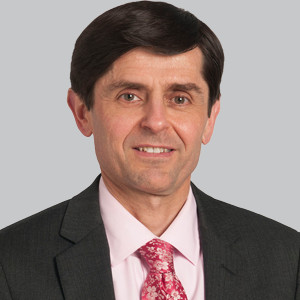
Francois Bethoux, MD
Neurorehabilitation is a well-established component of post-stroke medical management(Here's that useless word, 'management' again; INSTEAD OF RECOVERY!
You'll want recovery when you are the 1 in 4 per WHO that has a stroke). Rehabilitation is described by the World Health Organization as “a set of measures that assist individuals who experience (or are likely to experience) disability to achieve and maintain optimal physical, sensory, intellectual, psychological, and social functioning in interaction with their environment.”1 According to Francois Bethoux, MD, Chair, Department of Physical Medicine and Rehabilitation at Cleveland Clinic, “rehabilitation is a process rather than a discrete event, involves multiple disciplines, and follows the patient’s journey through many transitions and milestones.”
Guidelines recommend starting rehabilitation as early as possible (often within 48 hours after a stroke).2 Rehabilitation is often more intensive in the first 6 to 12 months after a stroke, and may start in an inpatient rehabilitation facility, in the home, or in an outpatient setting.
The overall aim of neurorehabilitation is to maximize a person’s ability to perform daily activities(WRONG, WRONG, WRONG! The goal is 100% recovery; you blithering idiots!) and to optimize their quality of life through an individualized approach. Mechanisms by which this goal is achieved include promoting brain plasticity, teaching compensatory strategies (for example, training a non-dominant limb or using an assistive device), managing symptoms that can hinder recovery such as post-stroke pain and spasticity, and empowering the person to maintain a healthy lifestyle.

Andrew Russman, DO
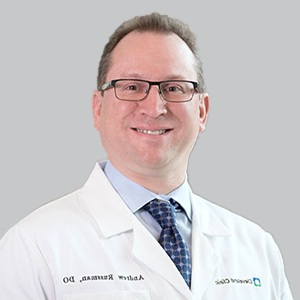
"Multimodal approaches tailored to the individual patient’s disability are necessary to optimize stroke recovery," according to Andrew Russman, DO, a vascular neurologist and Head, Cleveland Clinic Enterprise Stroke Program. Recent advances and new approaches to stroke rehabilitation include:
- Rapidly growing use of rehabilitation technology, such as robotic devices, virtual reality, and instrumented treadmills
- Easier access to rehabilitation in the home environment, for example with telerehabilitation and home monitoring
- Development of community exercise programs that are accessible to individuals with disabilities.
- Use of neuromodulation (transcranial magnetic stimulation or direct current stimulation, deep brain stimulation, vagal nerve stimulation) in combination with rehabilitation therapies focused on movement or task repetitions, with promising results in terms of motor recovery even years after a stroke in some individuals.
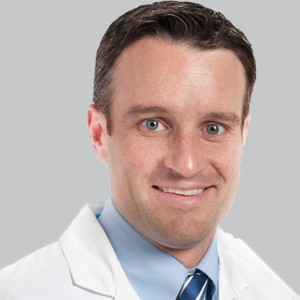
Mark Bain, MD
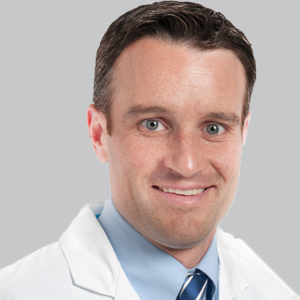
Mark Bain, MD, Head, Cerebrovascular Neurosurgery at Cleveland Clinic, recently began implanting an FDA-approved vagal nerve stimulation device3 in patients with moderate to severe upper limb weakness, to help improve their rehabilitation after stroke. Building upon their positive 2023 phase I trial,4 Andre Machado, MD, (Chief, Neurological Institute at Cleveland Clinic) and colleagues are leading the RESTORE study, a pivotal multi-center clinical study of deep brain stimulation combined with rehabilitation to augment post-stroke motor recovery.
Overall, stroke recovery is a long-term dynamic process that requires a holistic and personalized approach, adjusted over time depending on the person’s evolving needs.“We need to be a beacon for our patients striving for something more in their stroke recovery.Embracing these innovative approaches to stroke recovery is critical to expand the treatment options that our patients demand,” concluded Dr. Russman.


No comments:
Post a Comment